

Free Erongo Travel Guide & Mobile App
Explore Erongo with free travel guides. Discover regional history, expert tips, proposed trips, and audio guides on web or mobile app.


Explore Erongo’s Atlantic towns, desert landscapes, granite peaks, wildlife-rich lagoon and German colonial heritage in central-western Namibia.
Read more about Erongo
When is the best time to visit Erongo?
Best: May, August–September · 23–26°C| Month | High (°C) | Rainfall (mm) |
|---|---|---|
| January | 29 | 10 |
| February | 29 | 10 |
| March | 29 | 10 |
| April | 27 | 10 |
| May (best) | 25 | 8 |
| June | 22 | 7 |
| July | 21 | 6 |
| August (best) | 23 | 6 |
| September (best) | 26 | 7 |
| October | 28 | 9 |
| November | 29 | 10 |
| December | 29 | 10 |
Getting to and around Erongo
How to get there
Transportation
Top city travel guides in Erongo
The cities of Erongo, and the easiest places to base yourself.
-
-

-

-

-

-


Swipe for more cities
Destinations in Erongo
Resorts, valleys and scenic spots worth a trip of their own.
-

-


Swipe for more destinations
Best attractions in Erongo
Erongo’s attractions range from Atlantic wetlands and working harbour towns to stark desert scenery and ancient granite landscapes. Swakopmund combines museums, historic streets, a seafront and access to guided activities in the surrounding Namib, while Walvis Bay is the base for exploring its lagoon, where flamingos and other birds gather, and for marine outings that may encounter seals, dolphins or seabirds. South of the town, guided four-wheel-drive trips reach the dunes and tidal landscapes around Sandwich Harbour within the region. Inland, Spitzkoppe offers climbing, hiking, photography and rock-art interpretation among enormous granite outcrops, while the Erongo Mountains near Omaruru provide quieter trails and archaeological sites. The Moon Landscape and Welwitschia plains east of Swakopmund reveal the geological scale of the Namib, although access is best planned with suitable vehicles and permits where required. Karibib, Arandis, Omaruru and Uis provide perspectives on mining, railways, pastoral life and desert settlement. Erongo is not primarily a big-game region; its appeal lies in geology, birdlife, coastal ecology, archaeological heritage and the opportunity to experience Namibia’s arid environments responsibly.
-
Nature preserve
Erindi Private Game Reserve
Explore the breathtaking landscapes and diverse wildlife at Erindi Private Game Reserve, a premier safari destination in Namibia.
-
 Lodge
LodgeOkapuka Safari Lodge
Discover the beauty of Namibia at Okapuka Safari Lodge, where adventure meets comfort amidst stunning landscapes.
-
Tourist attraction
Dune 7 Adventures
Explore the thrill of Dune 7 Adventures in Walvis Bay, where adventure sports meet stunning landscapes and delicious dining experiences.
-
Tourist attraction
Haven Zoological Park
Explore Haven Zoological Park in Windhoek for an unforgettable wildlife experience, featuring diverse species and interactive animal encounters.

Best landmarks in Erongo
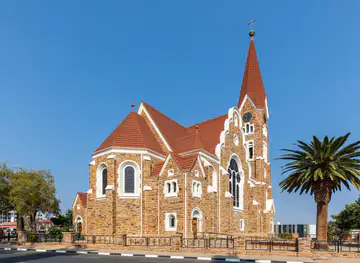
Swakopmund’s historic centre is Erongo’s most recognisable architectural landmark, with German colonial-era public buildings, churches, houses and the distinctive Woermannhaus reflecting the town’s role as a former port and administrative settlement. In Walvis Bay, the lagoon is both a natural landmark and an important urban symbol, linking the working harbour to one of the coast’s most prominent bird habitats. The lighthouse and waterfront structures also recall the town’s maritime history. Inland, Spitzkoppe’s granite domes rise dramatically above the desert plains and have become one of Namibia’s most distinctive natural silhouettes; the formations also shelter archaeological evidence and San rock art. The Erongo Mountains form a broader geological and cultural landmark near Omaruru, with rugged ridges and painted rock shelters. Around Swakopmund, the Moon Landscape and ancient Welwitschia plains are notable expressions of the Namib’s extremely dry environment. These places matter not only for their visual character but also for the evidence they preserve of geological change, human movement, colonial commerce and modern conservation.
-
National park
Etosha National Park
Explore the diverse wildlife and stunning landscapes of Etosha National Park, a premier safari destination in Namibia, perfect for nature lovers and adventure seekers.
-
National park
Namib-Naukluft National Park
Explore the majestic Namib-Naukluft National Park, where towering sand dunes meet rugged mountains in a breathtaking desert landscape.
-
Tourist attraction
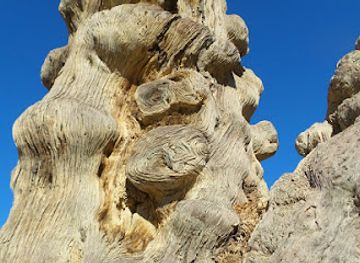
Deadvlei
Explore the stunning contrasts of Deadvlei, where ancient trees meet striking red dunes in Namibia's breathtaking desert landscape.
-
Nature preserve
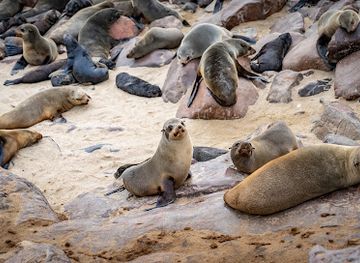
Cape Cross Seal Reserve
Explore Cape Cross Seal Reserve: A breathtaking nature preserve filled with playful seals and stunning coastal views in Namibia.

Explore Erongo on the map
Plan your trip on one map. See where the top cities, national parks and sights are, and book hotels and experiences in a few clicks.
Best hotels in Erongo
Best restaurants in Erongo
Dining in Erongo reflects the meeting of Atlantic produce, Namibian pastoral traditions and German colonial influence. Swakopmund has the region’s broadest choice of cafés, bakeries, restaurants and hotel dining rooms, with seafood, oysters when in season, fish, shellfish, game and meat dishes appearing alongside European-influenced baking and contemporary Namibian cooking. Walvis Bay’s harbour setting gives seafood a particularly natural place on local menus, while casual cafés and takeaway establishments suit visitors between coastal excursions. Inland towns and lodges tend to offer hearty meals based on beef, game, vegetables, bread and regional pantry staples rather than a large restaurant scene. Farmers’ and craft markets can be useful for locally produced snacks, preserves, baked goods and drinks, though availability varies by town and day. Visitors should distinguish locally sourced ingredients from dishes that are simply common across Namibia, and should expect menus, supplies and dining hours to be more limited outside the main coastal centres.
-
Restaurant
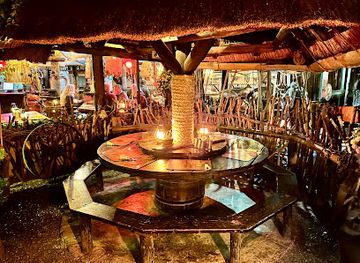
Joe's Beerhouse
Discover authentic Namibian cuisine and vibrant atmosphere at Joe's Beerhouse in Windhoek - a culinary gem that celebrates local culture.
-
Restaurant
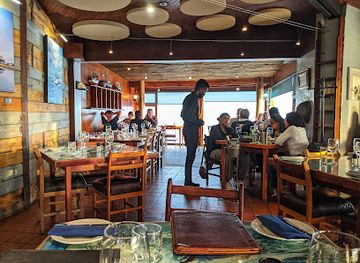
The Tug Restaurant
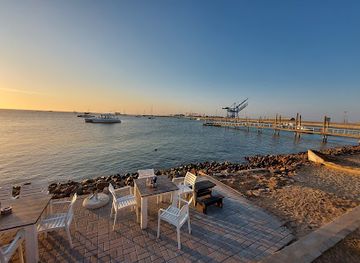
Experience exquisite dining with stunning ocean views at The Tug Restaurant in Swakopmund - A true culinary treasure of Namibia.
-
Restaurant
Anchors Waterfront Restaurant
Experience exquisite seafood and Portuguese cuisine at Anchors Waterfront Restaurant in Walvis Bay—where every meal comes with breathtaking ocean views.
-
Restaurant
The Stellenbosch Wine Bar and Bistro
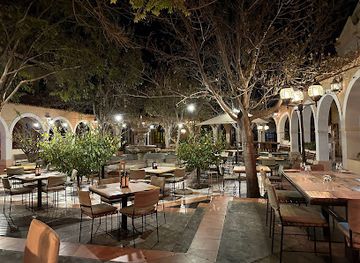
Savor exquisite Namibian cuisine paired with exceptional wines at The Stellenbosch Wine Bar and Bistro in Windhoek.
Best bars in Erongo
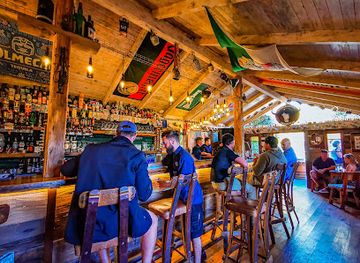
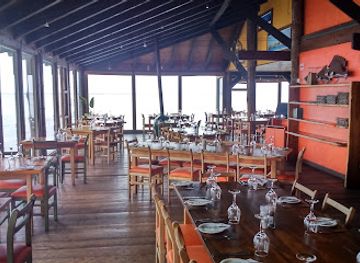
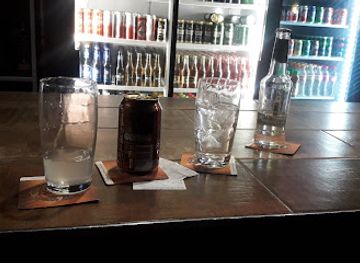
Erongo’s evening life is concentrated in Swakopmund and Walvis Bay rather than spread evenly across the region. Swakopmund offers traditional pubs, hotel bars, cafés, restaurants and a modest selection of venues with live music or later evening entertainment. Its historic streets and compact centre make it practical to move between dinner and a drink, although the atmosphere is generally relaxed rather than centred on a large club scene. Walvis Bay has bars, restaurants and social venues serving residents, harbour workers and visitors, with activity often linked to weekends and seasonal tourism. In Omaruru and other inland towns, evenings are more likely to revolve around a lodge, guesthouse, local pub or restaurant. Breweries, Namibian beer and German-influenced pub traditions are familiar features, but alcohol is not essential to experiencing the region; early starts are common for wildlife, dune and desert excursions.
-
Bar
Joe's Beerhouse
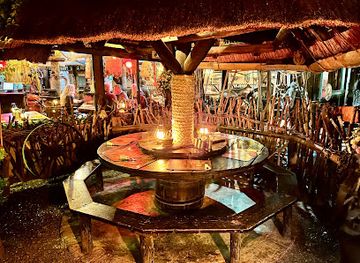
Discover the vibrant culture and delicious flavors of Namibia at Joe's Beerhouse, a must-visit bar and restaurant in Windhoek.
-
Restaurant
The Stellenbosch Wine Bar and Bistro
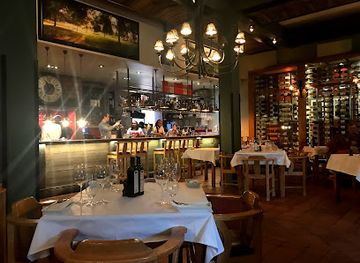
Discover the flavors of Namibia at The Stellenbosch Wine Bar and Bistro in Windhoek, where culinary excellence meets an extensive wine selection.
-
Bar
Altstadt Restaurant
Discover the flavors of Germany at Altstadt Restaurant, a charming dining experience in the heart of Swakopmund, Namibia.
-
Restaurant
The Raft Restaurant
Experience the breathtaking views and exquisite flavors at The Raft Restaurant, a unique dining destination on the Skeleton Coast.
Best nightclubs in Erongo
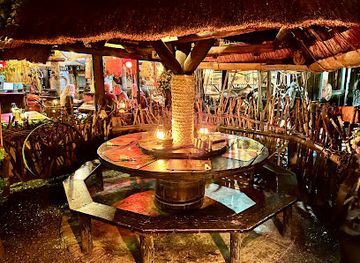
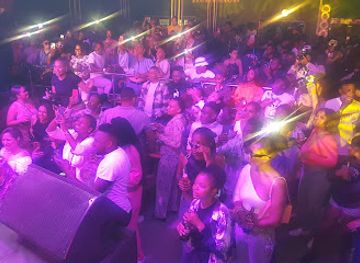
Erongo’s evening life is concentrated in Swakopmund and Walvis Bay rather than spread evenly across the region. Swakopmund offers traditional pubs, hotel bars, cafés, restaurants and a modest selection of venues with live music or later evening entertainment. Its historic streets and compact centre make it practical to move between dinner and a drink, although the atmosphere is generally relaxed rather than centred on a large club scene. Walvis Bay has bars, restaurants and social venues serving residents, harbour workers and visitors, with activity often linked to weekends and seasonal tourism. In Omaruru and other inland towns, evenings are more likely to revolve around a lodge, guesthouse, local pub or restaurant. Breweries, Namibian beer and German-influenced pub traditions are familiar features, but alcohol is not essential to experiencing the region; early starts are common for wildlife, dune and desert excursions.
-
Bar
Joe's Beerhouse
Discover the lively essence of Windhoek at Joe's Beerhouse, where great food, local brews, and vibrant atmosphere await you.
-
Disco club
Infinity Lounge Swakopmund
Experience the vibrant nightlife at Infinity Lounge Swakopmund, where music, dancing, and coastal views create unforgettable memories.
-
Disco club
Lothars Steakhouse.
Experience exquisite steaks and vibrant nightlife at Lothars Steakhouse in Walvis Bay, where culinary excellence meets unforgettable disco fun.
-
Lounge
Tall Trees Lounge Bar
Experience the enchanting ambiance and vibrant nightlife at Tall Trees Lounge Bar in Windhoek, the perfect hideaway for relaxation and entertainment.

Best shops in Erongo
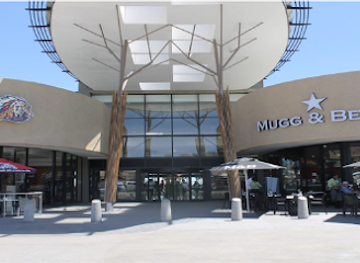
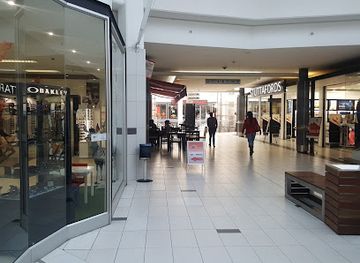
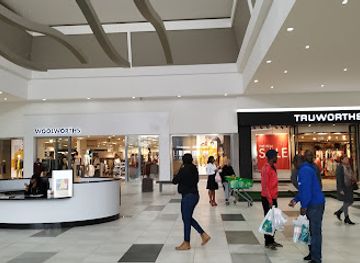
Shopping in Erongo is strongest in Swakopmund and Walvis Bay, with a mixture of practical high-street shops, galleries, craft outlets, bookshops, cafés and small independent businesses. Swakopmund is the better-known centre for Namibian arts and crafts, including carved wooden objects, textiles, jewellery, stonework and contemporary art, while Walvis Bay has a more strongly commercial and working-port character. Craft buying should be approached thoughtfully: ask about materials and provenance, avoid purchasing archaeological objects or protected wildlife products, and favour sellers who can explain how goods are made. Markets and roadside stalls near inland towns may offer locally produced food, carvings and craft items, although selection and opening patterns are variable. Regional food products, Namibian beer, coffee, preserves and baked goods make more practical souvenirs than fragile desert specimens. Outside the coastal towns, retail choice is limited, so stock up on essentials before setting out for remote mountain, mining or desert areas.
-
Shopping mall
The Grove Mall of Namibia
Discover the heart of Windhoek at The Grove Mall of Namibia, where shopping, dining, and entertainment come together in a modern oasis.
-
Shopping mall
Maerua Mall
Discover the ultimate shopping and entertainment experience at Maerua Mall, Windhoek's leading destination for tourists and locals alike.
-
Shopping mall
Dunes Mall
Discover diverse shopping, dining, and entertainment at Dunes Mall, a vibrant destination in Walvis Bay, Namibia for tourists and locals alike.
-
Shopping mall
Auas Valley Shopping Mall
Explore the vibrant Auas Valley Shopping Mall in Windhoek, a shopping haven featuring diverse stores, dining options, and entertainment for all ages.

Get your free copy of our complete guide to Erongo, delivered straight to you.
Everything on this page, from attractions and restaurants to essentials and local phrases, in one PDF you can read offline, print or share.
Already have an account? Sign in
Your Erongo guide is ready.
We'll send it to · Not you? Sign out

Getting your guide ready…
We are putting together a fresh copy of the Erongo guide. This can take up to a minute.
This can take a few moments. If your browser asks, choose Allow so the download can start. You'll find the guide in your Downloads folder.
Nothing happened? Download it again
Sorry, the guide is taking longer than usual. Please try again in a minute, or get it by email instead.
Erongo essentials
Currency and Payment
Safety
Emergency Situations
Do's and Don'ts
Local Tips
From Eve
Local phrases worth knowing
You don't need to get them perfect. A few words go a long way, and locals appreciate the effort.
Basics
| English | Local | Say it |
|---|---|---|
| Hello | Hallo | [Hah-loh] |
| Goodbye | Tschüss | [Chews] |
| Yes | Ja | [Yah] |
| No | Nein | [Nine] |
| Please/You're welcome | Bitte | [Bi-teh] |
| Thank you | Danke | [Dahn-keh] |
| Excuse me/Sorry | Entschuldigung | [Ent-shool-dee-goong] |
| How are you? | Wie geht's dir? | [Vee gates deer?] |
| Fine. And you? | Gut. Und dir? | [Gooot. Oond deer?] |
| Do you speak English? | Sprichst du Englisch? | [Shpreekst doo English?] |
| I don't understand | Ich verstehe nicht | [Ikh fer-shtay-eh nikht] |
Eating & Drinking
| English | Local | Say it |
|---|---|---|
| I'd like to see the menu, please | Ich möchte die Speisekarte sehen, bitte | [Ikh merkh-teh dee Shpy-zeh-kahr-teh zeh-en, bi-teh] |
| I don't eat meat | Ich esse kein Fleisch | [Ikh es-seh kine Flay-sh] |
| Cheers! | Prost! | [Prohst] |
| I would like to pay, please | Ich möchte bezahlen, bitte | [Ikh merkh-teh be-zah-len, bi-teh] |
Emergencies
| English | Local | Say it |
|---|---|---|
| Help! | Hilfe! | [Hil-feh] |
| Go away! | Geh weg! | [Gay vek] |
| Call the Police! | Rufen Sie die Polizei! | [Roofen zee dee Po-li-tsai] |
| Call a doctor! | Rufen Sie einen Arzt! | [Roofen zee eye-nen Artst] |
| I'm lost | Ich habe mich verlaufen | [Ikh hab-eh mikh fer-lau-fen] |
| I'm ill | Ich bin krank | [Ikh bin krah-nk] |
Shopping
| English | Local | Say it |
|---|---|---|
| I'd like to buy... | Ich möchte... kaufen | [Ikh merkh-teh... kau-fen] |
| I'm just looking | Ich schaue nur | [Ikh shau-eh noor] |
| How much is it? | Wie viel kostet es? | [Vee feel kost-et es?] |
| That's too expensive | Das ist zu teuer | [Das ist tsu toy-er] |
| Can you lower the price? | Könnten Sie den Preis senken? | [Kern-ten zee den Pryce sen-ken?] |
Time & Numbers
| English | Local | Say it |
|---|---|---|
| What time is it? | Wie spät ist es? | [Vee shpayt ist es?] |
| It's one o'clock | Es ist ein Uhr | [Es ist ine Oor] |
| Half past (10) | Halb (10) | [Halb (zehn)] |
| Morning | Morgen | [Morgen] |
| Afternoon | Nachmittag | [Nach-mit-tahk] |
| Evening | Abend | [Ah-bent] |
| Yesterday | Gestern | [Geh-stern] |
| Today | Heute | [Hoy-teh] |
| Tomorrow | Morgen | [Morgen] |
| 1 | Eins | [I-ns] |
| 2 | Zwei | [Tsvy] |
| 3 | Drei | [Dry] |
| 4 | Vier | [Veer] |
| 5 | Fünf | [Foonf] |
| 6 | Sechs | [Zex] |
| 7 | Sieben | [Zee-ben] |
| 8 | Acht | [Akh-t] |
| 9 | Neun | [Noyn] |
| 10 | Zehn | [Tzehn] |
Transport & Directions
| English | Local | Say it |
|---|---|---|
| Where's a/the...? | Wo ist ein/eine ...? | [Vo ist ine/ine ...?] |
| What's the address? | Was ist die Adresse? | [Vas ist dee Ad-res-seh?] |
| Can you show me (on the map)? | Könnten Sie mir (auf der Karte) zeigen? | [Kern-ten zee meer (auf der Kar-teh) tsigh-en?] |
| When's the next (bus)? | Wann kommt der nächste (Bus)? | [Vahn komt der next-eh (Boos)?] |
| A ticket (to ....) | Ein Ticket (nach ....) | [Ine Tiket (nahkh ....)] |
History of Erongo
Early settlement and San rock art
The mountains and rocky valleys of Erongo preserve evidence of long human occupation, including stone tools and painted or engraved images associated with San hunter-gatherer communities. The rock art around the Erongo Mountains and Spitzkoppe reflects knowledge of local animals, movement through the landscape and ceremonial traditions, although individual interpretations should be treated carefully. These sites are part of a much older cultural history than the colonial buildings of the coast. Their survival in exposed desert environments also demonstrates how archaeological traces can remain visible where soil and vegetation offer little cover.
Pastoral communities and regional exchange
Before European colonial rule, the wider central-western region was shaped by mobile pastoral communities, including Herero-speaking groups, alongside San communities and other trading networks. Cattle, access to water and seasonal movement influenced settlement patterns across the dry interior. Coastal resources and inland routes connected communities indirectly with wider exchanges, while later traders and missionaries entered an already inhabited landscape. The region’s present-day cultural geography cannot be understood solely through German colonial history; it also reflects indigenous land use, displacement, adaptation and continuity.
Missionaries, traders and the German colonial period
During the nineteenth century, missionaries and traders established stronger European links with the central coast and interior. German colonial rule began in the 1880s, and Swakopmund was developed as a port and administrative settlement, despite the coast’s difficult maritime conditions. German-style public buildings and houses still shape parts of Swakopmund’s townscape. Colonial expansion brought land seizure, military coercion and racial rule, while the wars against Herero and Nama communities from 1904 formed part of the genocide committed in German South West Africa. Its legacy remains central to Namibia’s historical debate.
Railways, ports and the growth of Walvis Bay
Railway construction and port development transformed Erongo in the late nineteenth and early twentieth centuries. The coast became an entry point for colonial administration and imported goods, while rail links connected Swakopmund, Walvis Bay and inland settlements with mining and commercial routes. Walvis Bay developed as a major harbour and industrial centre, increasingly distinct from the smaller, more resort-oriented character of Swakopmund. These transport networks helped integrate the region into the colonial economy but also depended on unequal labour systems and the wider dispossession of Namibian communities.
Mining and the modern interior
Mining has played a major role in Erongo’s economic history. Tin mining around Uis became important during the twentieth century, and uranium extraction near Arandis, including the Rössing mine, helped establish the region as one of the world’s notable uranium-producing areas. Mining brought roads, electricity, employment and settlements, but also created dependence on global commodity markets and raised lasting environmental and social questions. The contrast between mining towns, pastoral landscapes and the tourism economy of the coast remains one of Erongo’s defining modern features.
Independence and Walvis Bay’s incorporation into Namibia
Namibia became independent in 1990, but Walvis Bay and several offshore islands remained under South African administration for a further period. Their transfer to Namibia in 1994 brought the country’s principal harbour fully within the new state and consolidated Erongo’s importance as a national economic region. Walvis Bay has since expanded as a port, logistics centre and fishing base, while Swakopmund has developed stronger tourism, hospitality and residential roles. The region’s present identity therefore combines colonial urban heritage with post-independence economic integration.
Erongo in Photos
Browse through our photo collection highlighting the charm and character of the destination.
Neighbouring regions of Erongo
The closest regions to Erongo, if you have time for more than one.
-

-

-

-

-


Swipe for more regions
Explore more

Explore more of Namibia
Discover Namibia: A land of towering dunes, ancient deserts, and vibrant cultures. Perfect for adventurers and nature lovers seeking an unparalleled African experience.
Explore Namibia