

Free Chitwan Valley Travel Guide & Mobile App
Explore Chitwan Valley with free travel guides. Discover regional history, expert tips, proposed trips, and audio guides on web or mobile app.


Chitwan Valley combines rhino-rich national park landscapes, Tharu culture, river excursions and subtropical scenery around Bharatpur and Sauraha.
Read more about Chitwan Valley
When is the best time to visit Chitwan Valley?
Best: February–March, November · 22–26°C| Month | High (°C) | Rainfall (mm) |
|---|---|---|
| January | 20 | 10 |
| February (best) | 22 | 12 |
| March (best) | 26 | 20 |
| April | 30 | 40 |
| May | 33 | 100 |
| June | 33 | 200 |
| July | 32 | 300 |
| August | 31 | 300 |
| September | 31 | 200 |
| October | 29 | 100 |
| November (best) | 23 | 20 |
| December | 20 | 10 |
Getting to and around Chitwan Valley
How to get there
Transportation
Top city travel guides in Chitwan Valley
The cities of Chitwan Valley, and the easiest places to base yourself.

Swipe for more cities
Destinations in Chitwan Valley
Resorts, valleys and scenic spots worth a trip of their own.

Swipe for more destinations
Best attractions in Chitwan Valley
Chitwan Valley’s attractions centre on the varied habitats of Chitwan National Park and its surrounding buffer zone. Jeep safaris, guided forest walks, birdwatching and canoe trips on the Rapti or Narayani rivers offer different ways to encounter sal forest, grassland and wetland environments. Greater one-horned rhinoceroses are a signature species, while crocodiles, gharials, deer, monkeys and an extensive range of resident and migratory birds add interest even when larger mammals remain hidden. Sauraha provides the most developed visitor base, with interpretation centres, cultural museums and organised activities, while Meghauli and the western river settlements offer a less concentrated setting. Around Bharatpur, Bishazari Tal provides important wetland habitat and seasonal birdwatching, and the Narayani riverfront is suitable for quiet walks and sunset views. Tharu cultural programmes, village cycling and local craft displays complement the wildlife experience. Activities should be arranged through responsible operators, particularly those that follow park regulations and avoid direct-contact wildlife entertainment.
-
National park
Chitwan National Park
Discover diverse wildlife and breathtaking landscapes at Chitwan National Park, a UNESCO World Heritage Site, in the heart of Nepal.
-
Religious destination
CG Shashwatdham
Explore the serene beauty of CG Shashwatdham, a unique spiritual destination in Dumkauli blending Hindu and Buddhist traditions amidst breathtaking landscapes.
-
Wildlife rescue service
Elephant Breeding Center
Experience the magic of the Elephant Breeding Center in Royal Chitwan, where conservation meets education in a stunning natural setting.
-
 Resort hotel
Landmark Forest-Park
Discover the lush landscapes and vibrant wildlife of Chitwan National Park at Landmark Forest Park, your ultimate resort hotel experience in Nepal.

Best landmarks in Chitwan Valley
Chitwan National Park is the valley’s defining landmark, not as a single monument but as a protected landscape whose forests, grasslands and rivers represent the distinctive ecology of Nepal’s southern plains. The park’s headquarters at Kasara and its surrounding riverine setting are associated with conservation administration and access to the central sector, while Sauraha’s park-edge position has become one of the most recognisable visitor scenes in Chitwan. The Narayani River forms a broad geographical boundary along the park’s western side and creates memorable viewpoints from the valley’s riverfronts. Around Bharatpur, Bishazari Tal is a significant wetland landscape rather than a conventional building-based attraction, with channels, forest and open water supporting birds and aquatic life. Tharu cultural museums and traditional architectural displays provide important human landmarks, showing how communities have adapted to the Terai environment. Together, these places express Chitwan’s identity through habitat, conservation, rivers and living culture rather than through monumental urban architecture.
-
National park
Chitwan National Park
Explore Chitwan National Park, Nepal's first national park, rich in wildlife, culture, and breathtaking natural beauty.
-
Wildlife rescue service
Elephant Breeding Center
Explore the Elephant Breeding Center in Chitwan, where conservation meets education in a stunning natural environment.
-
Hotel
Green Park Chitwan
Experience the perfect blend of luxury and nature at Green Park Chitwan, your gateway to the wonders of Chitwan National Park.
-
Resort hotel
Barahi Jungle Lodge
Discover luxury in nature at Barahi Jungle Lodge, your gateway to Chitwan National Park's rich wildlife and breathtaking landscapes.
Explore Chitwan Valley on the map
Plan your trip on one map. See where the top cities, national parks and sights are, and book hotels and experiences in a few clicks.
Best hotels in Chitwan Valley
Best restaurants in Chitwan Valley
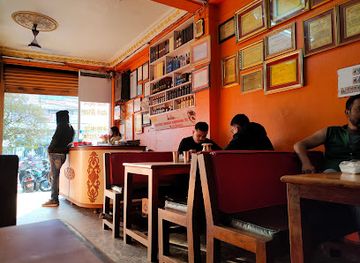
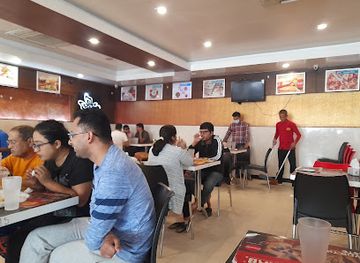
Dining in Chitwan Valley ranges from hotel restaurants and riverside cafés to simple family-run eateries in Bharatpur, Narayangadh and Sauraha. Dal bhat remains a dependable Nepalese meal, while momos, chow mein, thukpa and Indian-influenced snacks are widely available. For a more local taste, look for Tharu specialities such as dhikri, a steamed rice-flour preparation, freshwater fish, mustard greens and seasonal vegetables; some traditional menus may also include ghonghi, freshwater snails, depending on the community and establishment. The Terai’s agricultural setting supports rice, mustard, vegetables, fruit and fish, although restaurants do not always source every ingredient locally. Sauraha caters to international visitors with broader menus, whereas Bharatpur offers a more urban mix of cafés, bakeries and Nepalese restaurants. Food markets and village homes provide cultural context, but visitors should choose hygienic premises and drink treated or bottled water.
-
Restaurant
Bhetghat Restaurant
Discover the taste of authentic Nepali cuisine at Bhetghat Restaurant in Bharatpur - a culinary landmark rich in flavor and tradition.
-
Restaurant
Baishnab Sweets Mega Outlet
Experience the essence of Nepali sweets at Baishnab Sweets Mega Outlet – where tradition meets flavor!
-
Restaurant
KC's Restaurant & Home
Discover the flavors of Nepal at KC's Restaurant & Home - where local meets international cuisine in a warm atmosphere.
-
Restaurant
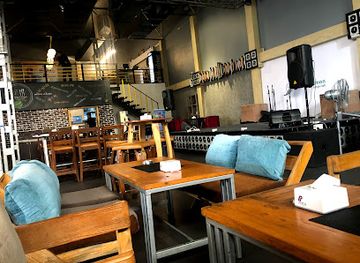
Lime and Lemon Lounge Pvt. Ltd
Discover Bharatpur's vibrant nightlife at Lime and Lemon Lounge Pvt. Ltd – where delicious food meets live music in an inviting atmosphere.
Best bars in Chitwan Valley
Evening life is most developed in Sauraha, where lodge bars, cafés, small live-music venues and restaurants serve visitors after park excursions. The atmosphere is generally relaxed rather than centred on a large nightclub scene, and many establishments wind down relatively early because wildlife activities begin at dawn. Bharatpur and Narayangadh offer a more local urban choice of restaurants, cafés, lounges and occasional live entertainment, while rural settlements around Meghauli and the buffer zone are better suited to quiet evenings at a lodge or homestay. Local beer, spirits and soft drinks are available, but alcohol is not central to the region’s cultural experience. Follow venue and accommodation rules, particularly concerning noise, and take organised transport if returning late from town to a park-edge stay.
-
Restaurant
Landmark Forest-Park
Discover the breathtaking beauty and rich diversity of Landmark Forest-Park, a unique destination in Chitwan National Park, Nepal.
-
Resort hotel
Kasara Chitwan
Discover the luxury of Kasara Chitwan, a premier resort hotel offering stunning nature views, wellness experiences, and thrilling wildlife adventures in Nepal.
-
Resort hotel
Kabilas Resort & Funpark
Explore Kabilas Resort & Funpark, where relaxation meets adventure in a stunning natural setting, perfect for family vacations and memorable getaways.
-
Restaurant
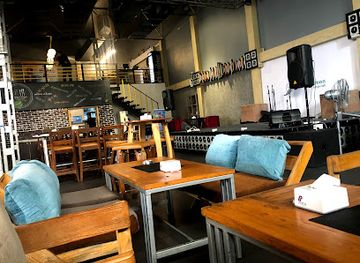
Lime and Lemon Lounge Pvt. Ltd
Discover the vibrant nightlife at Lime and Lemon Lounge in Bharatpur, combining delicious food, refreshing drinks, and live music for an unforgettable experience.
Best nightclubs in Chitwan Valley
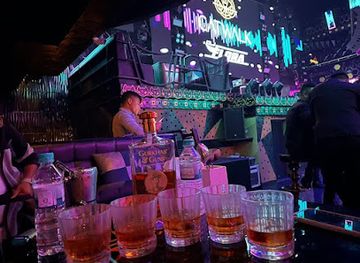
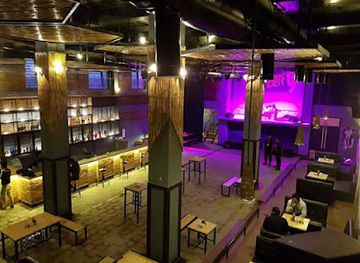
Evening life is most developed in Sauraha, where lodge bars, cafés, small live-music venues and restaurants serve visitors after park excursions. The atmosphere is generally relaxed rather than centred on a large nightclub scene, and many establishments wind down relatively early because wildlife activities begin at dawn. Bharatpur and Narayangadh offer a more local urban choice of restaurants, cafés, lounges and occasional live entertainment, while rural settlements around Meghauli and the buffer zone are better suited to quiet evenings at a lodge or homestay. Local beer, spirits and soft drinks are available, but alcohol is not central to the region’s cultural experience. Follow venue and accommodation rules, particularly concerning noise, and take organised transport if returning late from town to a park-edge stay.
-
Night club
Club Catwalk
Dive into the vibrant nightlife of Pokhara at Club Catwalk, where music, dance, and delicious dining converge for an unforgettable experience.
-
Night club
LION'S DEN( Pub/Music Bar)
Enjoy vibrant nightlife and live music at Lion's Den Pub & Music Bar in Ratnanagar, a must-visit destination for tourists seeking local entertainment.
-
Night club
Sauraha Family Dohori Sanjh
Discover the lively nightlife and traditional music of Nepal at Sauraha Family Dohori Sanjh, a vibrant night club in Ratnanagar.
-
Night club
Sashikala
Discover the vibrant nightlife at Sashikala, a premier night club in Jutpani, featuring energetic music and an inviting atmosphere.

Best shops in Chitwan Valley
Shopping in Chitwan Valley is strongest in Bharatpur and Narayangadh, where commercial streets provide clothing, household goods, books, pharmacies and everyday Nepalese products. Sauraha is more focused on visitor-oriented purchases, including Tharu-style baskets, dhakiya storage boxes, woven items, handmade textiles, paintings, carved objects and locally produced souvenirs. Quality and authenticity vary, so ask sellers about materials and origins rather than assuming that every design is made nearby. Small food shops and markets offer mustard products, honey, spices, rice-based goods and seasonal fruit, though agricultural produce is usually bought for local use rather than packaged as a formal souvenir. Community-based craft outlets can provide better context for traditional designs and may return more value to makers. Bargaining is customary in some informal settings but should remain polite and proportionate; fixed-price shops, pharmacies and established retailers generally do not expect it.
-
Department store
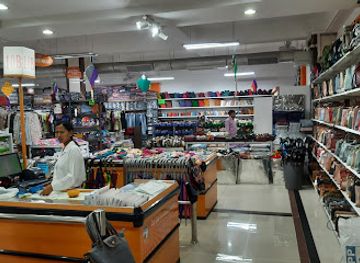
Bhatbhateni Departmental Store
Explore Bhatbhateni Departmental Store in Bharatpur for an extensive range of goods, from groceries to electronics, all under one roof.
-
Mobile home dealer
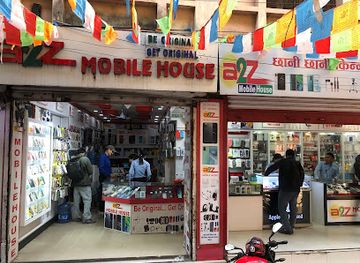
a2z Mobile House
Discover innovative mobile homes in Chitwan Valley, perfect for adventurers seeking comfort and flexibility in their travels.
-
Clothing store
Le Fabec Chitwan
Shop at Le Fabec Chitwan for a unique blend of traditional and modern clothing in Bharatpur, Nepal.
-
Sunglasses store
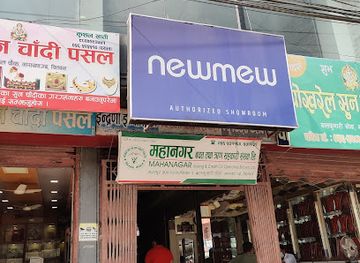
Newmew chitwan
Explore Newmew Chitwan for trendy sunglasses that elevate your travel style while protecting your eyes in beautiful Bharatpur, Nepal.

Get your free copy of our complete guide to Chitwan Valley, delivered straight to you.
Everything on this page, from attractions and restaurants to essentials and local phrases, in one PDF you can read offline, print or share.
Already have an account? Sign in
Your Chitwan Valley guide is ready.
We'll send it to · Not you? Sign out

Getting your guide ready…
We are putting together a fresh copy of the Chitwan Valley guide. This can take up to a minute.
This can take a few moments. If your browser asks, choose Allow so the download can start. You'll find the guide in your Downloads folder.
Nothing happened? Download it again
Sorry, the guide is taking longer than usual. Please try again in a minute, or get it by email instead.
Chitwan Valley essentials
Currency and Payment
Safety
Emergency Situations
Do's and Don'ts
Local Tips
From Eve
Local phrases worth knowing
You don't need to get them perfect. A few words go a long way, and locals appreciate the effort.
Basics
| English | Local | Say it |
|---|---|---|
| Hello | नमस्ते | [Namaste] |
| Goodbye | बिदाई | [Bidai] |
| Yes | हो | [Ho] |
| No | होइन | [Hoin] |
| Please/You're welcome | कृपया/स्वागत छ | [Kripaya/Swagat cha] |
| Thank you | धन्यवाद | [Dhanyabad] |
| Excuse me/Sorry | माफ गर्नुहोस् | [Maaf garnuhos] |
| How are you? | तिमीलाई कस्तो छ? | [Timilai kasto cha?] |
| Fine. And you? | ठिकै छ। र तिमी? | [Thikai cha. Ra timi?] |
| Do you speak English? | तिमीलाई अंग्रेजी आउँछ? | [Timilai angreji aunchha?] |
| I don't understand | म बुझ्दिन | [Ma bujhdina] |
Eating & Drinking
| English | Local | Say it |
|---|---|---|
| I'd like to see the menu, please | म मेनु देख्न चाहन्छु, कृपया | [Ma menu dekhna chahanchu, kripaya] |
| I don't eat meat | म मासु खाँदैन | [Ma masu khandaina] |
| Cheers! | जिन्दाबाद! | [Jindabad!] |
| I would like to pay, please | म तिर्न चाहन्छु, कृपया | [Ma tirna chahanchu, kripaya] |
Emergencies
| English | Local | Say it |
|---|---|---|
| Help! | मद्धत गर्नुहोस्! | [Madhat garnuhos!] |
| Go away! | दूर जानुहोस्! | [Dur jaanuhos!] |
| Call the Police! | पुलिसलाई फोन गर्नुहोस्! | [Police lai phone garnuhos!] |
| Call a doctor! | डाक्टरलाई फोन गर्नुहोस्! | [Daktar lai phone garnuhos!] |
| I'm lost | म हराएँ | [Ma haraye] |
| I'm ill | म बिरामी छु | [Ma birami chu] |
Shopping
| English | Local | Say it |
|---|---|---|
| I'd like to buy... | म किन्न चाहन्छु... | [Ma kinna chahanchu...] |
| I'm just looking | म मात्र हेरिरहेको छु | [Ma matra heriraheko chu] |
| How much is it? | यसको मूल्य कति हो? | [Yasko moolya kati ho?] |
| That's too expensive | यो धेरै महँगो छ | [Yo dherai mahango cha] |
| Can you lower the price? | के तपाईं मूल्य घटाउन सक्नुहुन्छ? | [Ke tapaai moolya ghatauna saknuhunchha?] |
Time & Numbers
| English | Local | Say it |
|---|---|---|
| What time is it? | कति बजेको छ? | [Kati bajeko cha?] |
| It's one o'clock | यो एक बजेको छ | [Yo ek bajeko cha] |
| Half past (10) | साढे (10) | [Saaḍhe (10)] |
| Morning | बिहान | [Bihan] |
| Afternoon | दिउँसो | [Diuṃso] |
| Evening | साँझ | [Sanjh] |
| Yesterday | हिजो | [Hijo] |
| Today | आज | [Aaja] |
| Tomorrow | भोली | [Bholi] |
| 1 | १ | [1] |
| 2 | २ | [2] |
| 3 | ३ | [3] |
| 4 | ४ | [4] |
| 5 | ५ | [5] |
| 6 | ६ | [6] |
| 7 | ७ | [7] |
| 8 | ८ | [8] |
| 9 | ९ | [9] |
| 10 | १० | [10] |
Transport & Directions
| English | Local | Say it |
|---|---|---|
| Where's a/the...? | कहाँ छ ...? | [Kahaan cha ...?] |
| What's the address? | ठेगाना के हो? | [Thegana ke ho?] |
| Can you show me (on the map)? | के तपाईं मलाई देखाउन सक्नुहुन्छ (नक्सामा)? | [Ke tapaai malai dekhauna saknuhunchha (naksama)?] |
| When's the next (bus)? | अर्को (बस) कहिले आउँछ? | [Arko (bas) kahile aunchha?] |
| A ticket (to ....) | एक टिकट (....को लागि) | [Ek ticket (....ko lagi)] |
History of Chitwan Valley
Tharu settlement and the traditional Terai landscape
For centuries, the Chitwan lowlands have been home to Tharu communities whose livelihoods were shaped by forests, rivers, wetlands and seasonal agriculture. Their houses, foodways, farming knowledge and social traditions developed in response to the Terai’s heat and flood-prone environment. Tharu settlement was not uniform across the valley, and communities in different areas developed their own customs and dialects. Today, cultural museums, village architecture, agricultural practices and community performances provide reminders of this long history, although contemporary Chitwan is also shaped by migration, education, tourism and rapid urban growth.
The forest frontier and Rana hunting
Before modern roads and large-scale settlement, much of Chitwan was covered by dense subtropical forest and grassland. The area became associated with big-game hunting by Nepal’s ruling Rana elite and later by the royal court, while local communities continued to depend on forest resources and agriculture. Hunting expeditions altered the landscape and focused attention on charismatic wildlife, but they did not constitute conservation in the modern sense. Remnants of this era survive in historical accounts and former hunting landscapes, while the present national park reflects a later shift towards habitat protection and regulated tourism.
Malaria eradication and migration after the 1950s
For much of the twentieth century, malaria made the Chitwan lowlands difficult for people from Nepal’s hill regions to settle permanently. Public-health campaigns and the decline of malaria from the 1950s onwards opened the valley to substantial migration, land clearance and agricultural development. New roads and government programmes accelerated the transformation, while established Tharu communities experienced major social and economic change. Bharatpur and Narayangadh grew as administrative, commercial and transport centres, linking the inner Terai with the hills and with Nepal’s east-west road network.
From royal hunting reserve to Chitwan National Park
Growing concern about habitat loss and the decline of rhinoceroses and other wildlife led Nepal to create a protected rhino sanctuary in 1961. Chitwan National Park was formally established in 1973, creating a stronger legal framework for protecting forest, grassland and wetland habitats. Conservation brought important gains for several species, but it also affected local access to forests and created continuing debates about park boundaries, livelihoods, human-wildlife conflict and the distribution of tourism benefits. These tensions remain part of the region’s conservation story.
World Heritage recognition and the growth of tourism
Chitwan National Park was inscribed on the UNESCO World Heritage List in 1984, recognising the international importance of its Terai ecosystems and wildlife. Tourism expanded around Sauraha and later diversified towards Meghauli and other buffer-zone communities. Hotels, guiding, transport, restaurants and cultural programmes created employment and new local businesses, while visitors gained access to safari and birdwatching experiences. Tourism has also brought pressure on habitats, water resources and animal welfare standards, making responsible operators and respect for park regulations important parts of the region’s contemporary identity.
Bharatpur and the modern Chitwan Valley
In recent decades, Bharatpur has developed from a regional administrative centre into a major urban, educational, medical and commercial hub. Its airport and road connections have made Chitwan one of Nepal’s most accessible wildlife regions, while Narayangadh remains an important road and trading junction. Urban expansion, agriculture, conservation and tourism now meet across a relatively compact but rapidly changing valley. The modern region therefore combines protected landscapes and rural communities with hospitals, colleges, hotels, retail streets and growing suburban development.
Chitwan Valley in Photos
Browse through our photo collection highlighting the charm and character of the destination.
Neighbouring regions of Chitwan Valley
The closest regions to Chitwan Valley, if you have time for more than one.
-

-

-

-

-


Swipe for more regions
Explore more

Explore more of Nepal
Discover Nepal: A land of towering peaks, spiritual harmony, and vibrant culture, offering endless adventures and serene escapes for every traveler.
Explore Nepal