

Free Terai Travel Guide & Mobile App
Explore Terai with free travel guides. Discover regional history, expert tips, proposed trips, and audio guides on web or mobile app.


Explore Nepal’s Terai for wildlife in Chitwan and Bardia, sacred Lumbini, Mithila culture in Janakpur and fertile southern plains.
Read more about Terai
When is the best time to visit Terai?
Best: February–March, November · 22–27°C| Month | High (°C) | Rainfall (mm) |
|---|---|---|
| January | 20 | 10 |
| February (best) | 22 | 20 |
| March (best) | 27 | 25 |
| April | 30 | 30 |
| May | 32 | 35 |
| June | 34 | 40 |
| July | 32 | 45 |
| August | 32 | 45 |
| September | 31 | 40 |
| October | 29 | 35 |
| November (best) | 25 | 25 |
| December | 21 | 20 |
Getting to and around Terai
How to get there
Transportation
Top city travel guides in Terai
The cities of Terai, and the easiest places to base yourself.
-

-

-

-

-
-


Swipe for more cities
Destinations in Terai
Resorts, valleys and scenic spots worth a trip of their own.
-

-

-

-

-

-


Swipe for more destinations
Best attractions in Terai
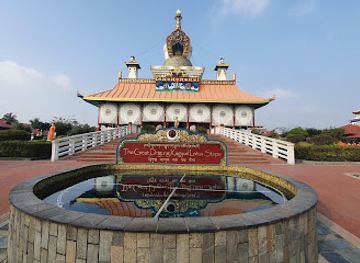
The Terai’s attractions range from wildlife and wetlands to pilgrimage, archaeology and living cultural traditions. Chitwan National Park is the best-known destination, with guided jeep, canoe and walking excursions through sal forest, grassland and riverine habitat. Bardia National Park offers a quieter western setting where visitors may encounter rhinoceroses, deer, crocodiles and abundant birdlife, while Koshi Tappu Wildlife Reserve is especially valuable for wetland birds and open floodplain scenery. Lumbini’s sacred garden, monasteries and archaeological remains form one of Nepal’s most important Buddhist destinations, and nearby Kapilvastu adds historical depth. Janakpur centres on the Janaki Mandir and the wider cultural landscape of Mithila, including painting, ritual and food traditions. Across the plains, smaller museums, market towns, village landscapes, rivers and agricultural routes reveal a region shaped by trade and farming. Activities are strongly seasonal: winter and early spring tend to suit heritage visits and wildlife viewing, while monsoon conditions can alter roads, trails and river access.
-
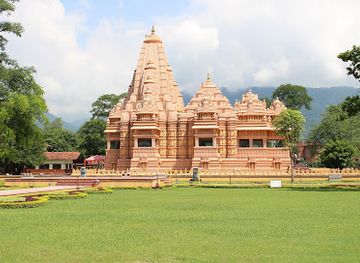
Religious destination
CG Shashwatdham
Experience the serenity and cultural richness of CG Shashwatdham, a harmonious blend of Buddhist and Hindu spirituality in the heart of Dumkauli, Nepal.
-
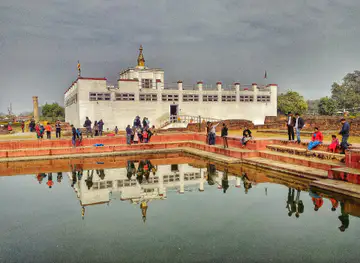
Buddhist temple
Maya Devi Temple
Discover the spiritual essence of Lumbini at the Maya Devi Temple, the birthplace of Buddha and a UNESCO World Heritage Site.
-
Hindu temple
Sheee Bageshwori Mandir
Explore the enchanting Sheee Bageshwori Mandir in Nepalgunj – a spiritual haven and cultural gem that captivates every traveler.
-
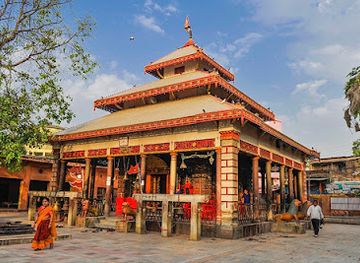
Hindu temple
Gadhimai Temple
Discover the spiritual heart of Nepal at Gadhimai Temple, an iconic Hindu temple celebrated for its captivating rituals and vibrant cultural heritage.
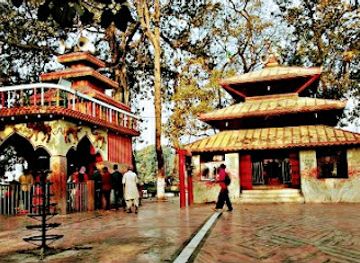
Best landmarks in Terai
The Terai’s most recognisable landmarks express religious, archaeological, architectural and environmental significance. The Maya Devi Temple and Ashokan Pillar at Lumbini anchor a sacred landscape associated with the Buddha’s birth, while the surrounding monastic zone reflects the international character of modern Buddhist pilgrimage. Janakpur’s Janaki Mandir is an imposing nineteenth-century temple whose domes, arches and ornament make it the visual symbol of Mithila’s religious centre. The archaeological remains at Tilaurakot and related sites around Kapilvastu evoke the ancient Shakya world traditionally connected with the Buddha’s early life. In the natural landscape, the broad rivers and forest edges of Chitwan, Bardia and Koshi Tappu are landmarks in their own right, representing habitats that have shaped the ecology and economy of the plains. Sal forests, grasslands, wetlands and shifting river channels provide a strong geographical counterpoint to Nepal’s Himalayan landmarks, while historic market quarters and border towns reveal the Terai’s enduring role as a corridor of trade and pilgrimage.
-
Plaza
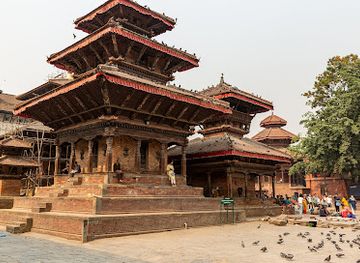
Kathmandu Durbar Square
Explore the heart of Kathmandu at Durbar Square, where history, culture, and architecture converge in a vibrant plaza rich with heritage.
-
Historical landmark
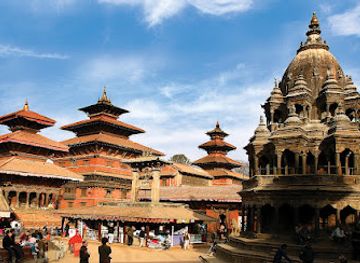
Patan Darbar Square
Explore Patan Darbar Square, a UNESCO World Heritage Site in Lalitpur, renowned for its stunning architecture and rich cultural history.
-
Tourist attraction
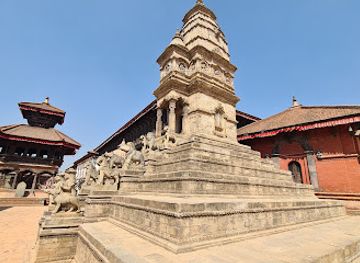
Bhaktapur Durbar Square
Explore the architectural marvels and vibrant culture of Bhaktapur Durbar Square, a UNESCO World Heritage site that celebrates Nepal's rich heritage.
-
National park
Chitwan National Park
Discover the breathtaking wildlife and rich culture of Chitwan National Park, a UNESCO World Heritage site and adventure destination in Nepal.
Explore Terai on the map
Plan your trip on one map. See where the top cities, national parks and sights are, and book hotels and experiences in a few clicks.
Best hotels in Terai
Best restaurants in Terai
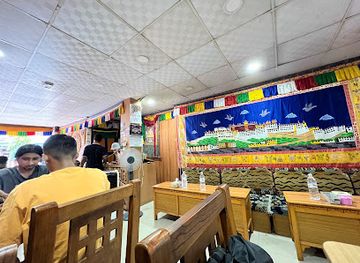
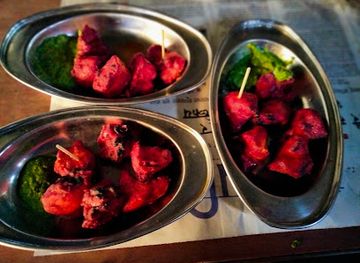
Terai dining reflects the region’s links with the Gangetic plain, Nepal’s hills and its many local communities. Rice, lentils, vegetables, freshwater fish, mustard oil, pickles and spiced snacks form a broad culinary foundation, while flatbreads and sweets are particularly prominent in market towns and pilgrimage centres. Janakpur is a useful place to explore Maithil flavours, including festive sweets and home-style vegetarian dishes, while Chitwan and the western plains offer opportunities to encounter Tharu-influenced cooking through local restaurants, cultural centres and selected homestays. Birgunj, Biratnagar, Nepalgunj and other commercial towns have busy eateries serving Nepali, Indian and regional cuisines. Roadside tea stalls, cafés, market vendors and family-run restaurants provide much of the everyday food culture; hygiene, water and food turnover should be considered when choosing informal outlets. Vegetarian meals are widely available, and menus often include familiar Nepali staples alongside dishes shaped by borderland trade and migration.
-
Restaurant
Himalayan Dorjee Restaurant
Discover authentic Himalayan flavors at Himalayan Dorjee Restaurant in Pokhara - where tradition meets taste.
-
Restaurant
Raniraha restaurant
Experience the rich flavors of Nepal at Raniraha Restaurant in Putalibazar, where traditional dishes meet warm hospitality.
-
Restaurant
SWOSTIK Banquet-Hotel-Restaurant
Discover authentic Nepali flavors and international cuisine at SWOSTIK Banquet-Hotel-Restaurant in Kawasoti – a must-visit for food lovers!
-
Restaurant
HOTEL ASIAN
Experience authentic Nepali flavors and international cuisine at Hotel Asian - where culinary excellence meets warm hospitality.
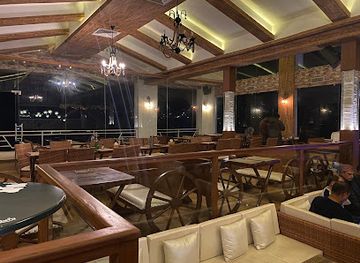
Best bars in Terai
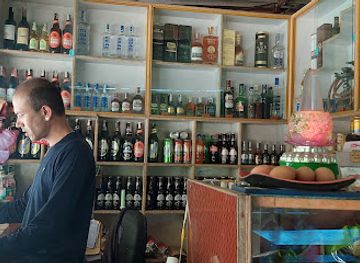
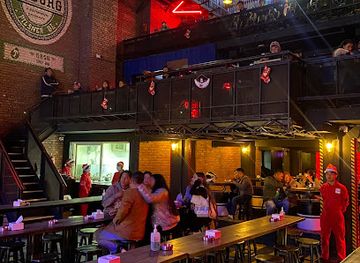
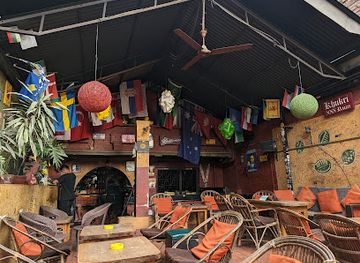
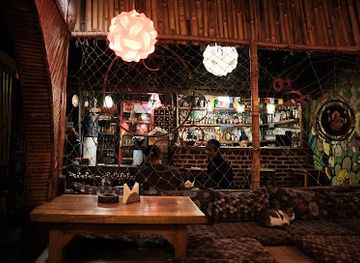
Evening life in the Terai is generally centred on tea shops, restaurants, hotel lounges, traditional music, local gatherings and busy market streets rather than a single large club scene. Biratnagar, Birgunj, Bharatpur, Nepalgunj, Janakpur and other sizeable towns have the broadest choice of cafés, bars and hotel-based entertainment, while tourist areas around Chitwan offer restaurants and modest lounges aimed at visitors. In smaller settlements, evenings become quieter and may revolve around family life, community events or food stalls. Some hotels and urban venues serve beer, spirits and mixed drinks, but availability and licensing vary. Visitors should respect local customs, avoid conspicuous intoxication and arrange dependable transport after dark, particularly near national parks and on poorly lit roads. Seasonal festivals can bring music and public activity to towns, but dates and programmes change and should be confirmed locally.
-
Bar
Purple Haze Rock Bar
Discover the energy of Purple Haze Rock Bar in Thamel, Kathmandu - a nightlife hotspot with live music, great drinks, and a vibrant atmosphere.
-
Bar
Sam's Bar
Discover the lively spirit of Kathmandu at Sam's Bar, where vibrant drinks and a welcoming atmosphere create unforgettable memories.
-
Restaurant
Electric Pagoda Bar & Cafe
Experience the vibrant culture of Kathmandu at Electric Pagoda Bar & Cafe, a perfect spot for delicious food, refreshing drinks, and live entertainment.
-
Restaurant
Dunga Restro & Lounge Bar
Experience the perfect blend of local flavors and serene lakeside views at Dunga Restro & Lounge Bar in Pokhara, Nepal.
Best nightclubs in Terai
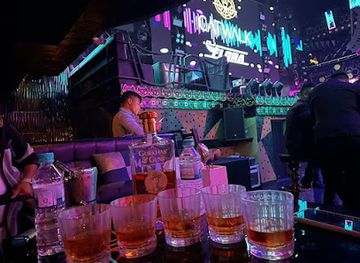
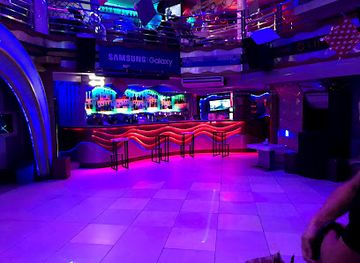
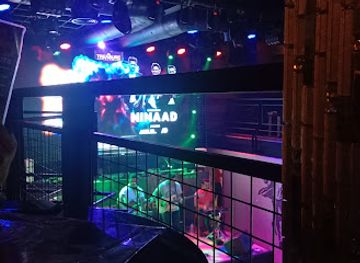
Evening life in the Terai is generally centred on tea shops, restaurants, hotel lounges, traditional music, local gatherings and busy market streets rather than a single large club scene. Biratnagar, Birgunj, Bharatpur, Nepalgunj, Janakpur and other sizeable towns have the broadest choice of cafés, bars and hotel-based entertainment, while tourist areas around Chitwan offer restaurants and modest lounges aimed at visitors. In smaller settlements, evenings become quieter and may revolve around family life, community events or food stalls. Some hotels and urban venues serve beer, spirits and mixed drinks, but availability and licensing vary. Visitors should respect local customs, avoid conspicuous intoxication and arrange dependable transport after dark, particularly near national parks and on poorly lit roads. Seasonal festivals can bring music and public activity to towns, but dates and programmes change and should be confirmed locally.
-
Night club
LOD - Lord of the Drinks
Discover the nightlife at Lord of the Drinks in Thamel, where exquisite cocktails and vibrant atmosphere create unforgettable memories.
-
Night club
Club Catwalk
Dive into the nightlife at Club Catwalk in Pokhara, where vibrant music and exquisite cuisine create an unforgettable experience.
-
Disco club
Ibyza Lounge & Disco
Discover the vibrant nightlife of Kathmandu at Ibyza Lounge & Disco, where music, food, and fun unite for an unforgettable experience.
-
Night club
The Treasure Lounge
Discover the vibrant nightlife of Pokhara at The Treasure Lounge, where music, cocktails, and great company create unforgettable nights.

Best shops in Terai
Shopping in the Terai is closely tied to markets, pilgrimage, farming and cross-border commerce. Janakpur is the strongest base for Mithila-inspired paintings, decorative objects, textiles and religious souvenirs, although quality and provenance vary and visitors should buy directly from reputable workshops where possible. Lumbini has shops selling Buddhist images, prayer items, books and crafts aimed at pilgrims, while Chitwan’s tourist areas offer locally made baskets, textiles, carved objects and regional food products. Market towns across the plains are useful for spices, sweets, snacks, brass or household goods and everyday clothing rather than large-scale luxury retail. Farmers’ markets and roadside stalls can provide seasonal fruit, rice products, pickles and other edible gifts, but check packaging and customs requirements before carrying food across borders. Bargaining may be normal in informal markets, whereas fixed prices are more common in established shops and galleries; respectful negotiation is preferable to aggressive haggling.
-
Clothing store
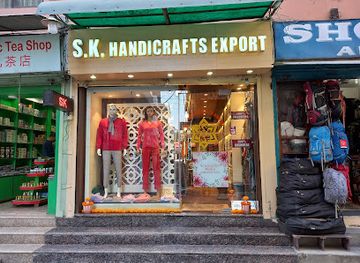
S.K. Handicrafts Export .FAIR TRADE Cashmere Company
Explore the exquisite craftsmanship of S.K. Handicrafts Export in Kathmandu, where sustainable cashmere fashion meets authentic Nepalese artistry.
-
General store
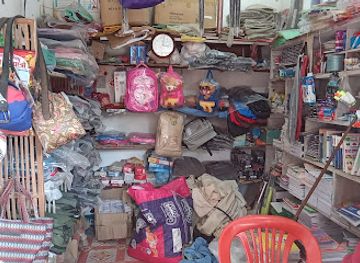
Thapa General Store
Explore the local charm of Thapa General Store, a vibrant hub in Mahuli Bazaar offering authentic Nepali goods and warm hospitality.
-
Craft store
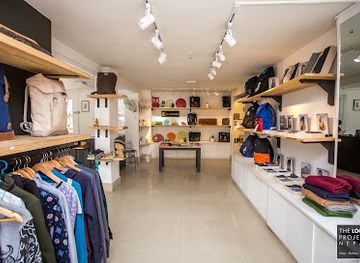
The Local Project Nepal
Discover unique handcrafted treasures at The Local Project Nepal in Lalitpur - a celebration of local artistry and sustainable practices.
-
Souvenir store
Gorkha Zone Khukuri House
Discover authentic Nepali craftsmanship at Gorkha Zone Khukuri House, the premier destination for traditional Khukuri knives and unique souvenirs in Kathmandu.

Get your free copy of our complete guide to Terai, delivered straight to you.
Everything on this page, from attractions and restaurants to essentials and local phrases, in one PDF you can read offline, print or share.
Already have an account? Sign in
Your Terai guide is ready.
We'll send it to · Not you? Sign out

Getting your guide ready…
We are putting together a fresh copy of the Terai guide. This can take up to a minute.
This can take a few moments. If your browser asks, choose Allow so the download can start. You'll find the guide in your Downloads folder.
Nothing happened? Download it again
Sorry, the guide is taking longer than usual. Please try again in a minute, or get it by email instead.
Terai essentials
Currency and Payment
Safety
Emergency Situations
Do's and Don'ts
Local Tips
From Eve
Local phrases worth knowing
You don't need to get them perfect. A few words go a long way, and locals appreciate the effort.
Basics
| English | Local | Say it |
|---|---|---|
| Hello | नमस्ते | [Namaste] |
| Goodbye | अलविदा | [Alvida] |
| Yes | हो | [Ho] |
| No | होइन | [Hoin] |
| Please/You're welcome | कृपया | [Kripaya] |
| Thank you | धन्यवाद | [Dhanyabad] |
| Excuse me/Sorry | माफ गर्नुहोस् | [Maaf garnuhos] |
| How are you? | तिमीलाई कस्तो छ? | [Timilai kasto cha?] |
| Fine. And you? | ठिक छ। र तिमी? | [Thik cha. Ra timi?] |
| Do you speak English? | के तिमी अङ्ग्रेजी बोल्छौ? | [Ke timi angrezi bolchhau?] |
| I don't understand | म बुझ्दिन | [Ma bujhdina] |
Eating & Drinking
| English | Local | Say it |
|---|---|---|
| I'd like to see the menu, please | कृपया म.menu देख्न चाहन्छु | [Kripaya ma menu dekhna chahanchu] |
| I don't eat meat | म मांस खाँदैन | [Ma maans khandaina] |
| Cheers! | स salud! | [Sa salud!] |
| I would like to pay, please | कृपया म भुक्तानी गर्न चाहन्छु | [Kripaya ma bhuktani garna chahanchu] |
Emergencies
| English | Local | Say it |
|---|---|---|
| Help! | म मद्दतको आवश्यकता छ! | [Ma maddatko aavashyakta cha!] |
| Go away! | टाढा जानु! | [Tadha jaanu!] |
| Call the Police! | पुलिसलाई फोन गर्नुहोस्! | [Pulislai phone garnuhos!] |
| Call a doctor! | डाक्टरलाई फोन गर्नुहोस्! | [Daktar lai phone garnuhos!] |
| I'm lost | म हराएको छु | [Ma harayeko chu] |
| I'm ill | म बिरामी छु | [Ma birami chu] |
Shopping
| English | Local | Say it |
|---|---|---|
| I'd like to buy... | म किन्न चाहन्छु... | [Ma kinn chahanchu...] |
| I'm just looking | म मात्रै हेरिरहेको छु | [Ma matra heriraheko chu] |
| How much is it? | यो कति मूल्यको हो? | [Yo kati mulyako ho?] |
| That's too expensive | यो धेरै महँगो छ | [Yo dherai mahango cha] |
| Can you lower the price? | क्या तिमी मूल्य घटाउन सक्छौ? | [Kya timi muly ghatuna sakchhau?] |
Time & Numbers
| English | Local | Say it |
|---|---|---|
| What time is it? | कति बजेको छ? | [Kati bajeko cha?] |
| It's one o'clock | यो एक बजेको छ | [Yo ek bajeko cha] |
| Half past (10) | दश बजेर आधा | [Dash bajera aadha] |
| Morning | बिहान | [Bihan] |
| Afternoon | बेलुका | [Beluka] |
| Evening | साँझ | [Sanjh] |
| Yesterday | हिजो | [Hijo] |
| Today | आज | [Aaja] |
| Tomorrow | भोली | [Bholi] |
| 1 | १ | [1] |
| 2 | २ | [2] |
| 3 | ३ | [3] |
| 4 | ४ | [4] |
| 5 | ५ | [5] |
| 6 | ६ | [6] |
| 7 | ७ | [7] |
| 8 | ८ | [8] |
| 9 | ९ | [9] |
| 10 | १० | [10] |
Transport & Directions
| English | Local | Say it |
|---|---|---|
| Where's a/the...? | कहाँ छ ...? | [Kahaan cha...?] |
| What's the address? | ठेगाना के हो? | [Thegana ke ho?] |
| Can you show me (on the map)? | के तिमी मलाई देखाउन सक्छौ (नक्सामा)? | [Ke timi malai dekhauna sakchhau (naksama)?] |
| When's the next (bus)? | अर्को (बस) कहिले छ? | [Arko (bus) kahile cha?] |
| A ticket (to ....) | एक टिकट (....को लागि) | [Ek ticket (....ko lagi)] |
History of Terai
Early Plains Civilisations and Lumbini
The Terai contains some of the most important early historical landscapes in South Asia. Lumbini, in present-day Rupandehi District, is traditionally identified as the birthplace of Siddhartha Gautama, the Buddha, and its archaeological remains include the Ashokan Pillar and sacred garden associated with pilgrimage. The wider plains were connected to ancient polities, trade routes and settlements extending across the Ganges basin. Kapilvastu, associated with the Shakya kingdom and the Buddha’s early life, adds another important layer to Nepal’s Buddhist heritage.
Mithila and the Heritage of Janakpur
The eastern and central Terai has long been connected with Mithila, a cultural region whose historical influence crosses the modern Nepal–India frontier. Janakpur is traditionally associated with King Janak and Sita, figures central to the Ramayana, and developed as a major Hindu pilgrimage centre. Mithila language, painting, ceremonial customs, music and cuisine remain important expressions of regional identity. The Janaki Mandir, built in the nineteenth century, reflects Janakpur’s continuing religious importance and its distinctive relationship with the wider Mithila cultural world.
Tharu Communities and the Forested Plains
The Tharu communities of the Terai developed social and economic traditions adapted to the plains, rivers, forests and wetlands. For centuries, settlements were shaped by agriculture, fishing, forest use and local trade. Tharu cultural traditions differ across the Terai, but remain visible in architecture, food, music, dance, craft and community festivals. In the western and central plains, museums, cultural programmes and guided village visits can provide context, although visitors should approach community life respectfully rather than treating it as a performance detached from contemporary concerns.
Malaria, Forest Clearance and New Settlement
For much of Nepal’s modern history, extensive areas of the Terai were covered by forests and affected by malaria, limiting large-scale settlement from the hills and mountains. Malaria-control campaigns, especially from the mid-twentieth century, helped make wider areas accessible. Roads, irrigation, agricultural development and state-led settlement then transformed the plains. Forest clearance and expanding cultivation increased food production and population, but also placed pressure on wildlife habitats and wetlands. The protected areas established later in the Terai partly reflect an effort to conserve remnants of these ecosystems.
The Rana Era and the Growth of Trade Towns
During the Rana period, the Terai’s forests, agricultural land and border crossings were closely tied to the political economy of Kathmandu. Towns such as Birgunj grew in importance as gateways for trade with India, while other market centres served timber, grain and regional commerce. The expansion of roads and rail-linked connections on the Indian side strengthened these links. This legacy remains visible in the Terai’s busy customs points, mixed urban cultures, warehouses, markets and transport corridors connecting Nepal to the wider subcontinent.
Protected Areas and Wildlife Conservation
The establishment of Chitwan National Park in 1973 marked a major shift in the management of the Terai’s forests and wildlife. It was created to protect the one-horned rhinoceros and other species after severe population decline, while later conservation work extended across Bardia and the Koshi wetlands. National parks and reserves now preserve sal forest, grassland, riverine habitat and bird-rich marshes. Conservation has also created difficult questions involving local livelihoods, park access, human–wildlife encounters and the rights of communities living near protected landscapes.
Democracy, Federalism and Madhesh Politics
The Terai has played a central role in Nepal’s modern political history. Madhesh-based movements, particularly in the twenty-first century, brought questions of representation, citizenship, inclusion, language and federal boundaries to national attention. The 2015 Constitution and subsequent political developments remain part of an ongoing debate about how Nepal’s diverse plains communities are represented. For visitors, this history helps explain the region’s strong local identities and the importance of learning about the Terai as a complex part of the federal republic rather than a single cultural block.
Terai in Photos
Browse through our photo collection highlighting the charm and character of the destination.
Neighbouring regions of Terai
The closest regions to Terai, if you have time for more than one.
-

-

-

-

-


Swipe for more regions
Explore more

Explore more of Nepal
Discover Nepal: A land of towering peaks, spiritual harmony, and vibrant culture, offering endless adventures and serene escapes for every traveler.
Explore Nepal