

Free Central Development Region Travel Guide & Mobile App
Explore Central Development Region with free travel guides. Discover regional history, expert tips, proposed trips, and audio guides on web or mobile app.


Explore Nepal’s Central Development Region for Kathmandu Valley heritage, Himalayan trekking, Terai wildlife and the sacred city of Janakpur.
Read more about Central Development Region
When is the best time to visit Central Development Region?
Best: March, November–December · 20–24°C| Month | High (°C) | Rainfall (mm) |
|---|---|---|
| January | 18 | 15 |
| February | 20 | 20 |
| March (best) | 24 | 30 |
| April | 28 | 45 |
| May | 32 | 55 |
| June | 32 | 65 |
| July | 32 | 110 |
| August | 32 | 100 |
| September | 30 | 90 |
| October | 30 | 55 |
| November (best) | 24 | 25 |
| December (best) | 20 | 15 |
Getting to and around Central Development Region
How to get there
Transportation
Top city travel guides in Central Development Region
The cities of Central Development Region, and the easiest places to base yourself.
-

-

-

-

-

-


Swipe for more cities
Destinations in Central Development Region
Resorts, valleys and scenic spots worth a trip of their own.
-

-

-

-

-

-


Swipe for more destinations
Best attractions in Central Development Region
The former Central Development Region offers an unusually wide range of attractions because it extends from the Kathmandu Valley to Himalayan trekking country and the Terai plains. Kathmandu, Lalitpur and Bhaktapur provide the strongest concentration of historic palaces, temples, stupas, courtyards, museums and craft traditions, while nearby towns such as Kirtipur, Banepa and Dhulikhel add hilltop views and older urban landscapes. Shivapuri Nagarjun National Park offers forest walks close to the capital, and Langtang National Park provides trekking through high valleys, alpine terrain and communities with Tamang and Tibetan cultural connections. In the south, Chitwan National Park combines guided wildlife viewing, canoeing and village-based cultural experiences in a protected landscape of sal forest and grassland. Parsa National Park offers another lowland wildlife environment, generally quieter and more forested in character. Janakpur adds pilgrimage, painting traditions and Maithil culture, while the central hill districts contain river valleys, terraced agriculture, historic shrines and routes towards the Gaurishankar area. Because roads and landscapes change sharply across the region, attractions are best grouped geographically rather than attempted as a series of short day trips from Kathmandu.
-
Tourist attraction
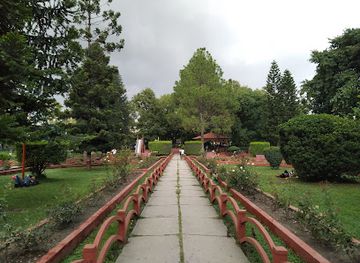
Ratna Park
Explore Ratna Park, Kathmandu's lush urban oasis, where nature meets culture in a serene setting perfect for relaxation and exploration.
-
Tourist attraction
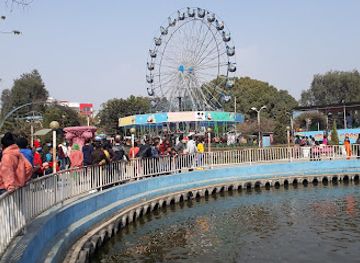
Kathmandu Fun Park
Explore Kathmandu Fun Park, a thrilling amusement park offering rides, green spaces, and family-friendly attractions in the heart of Nepal's vibrant capital.
-
Tourist attraction
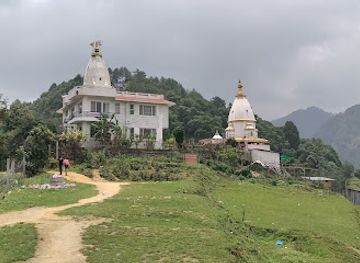
Pilot Baba Ashram
Discover tranquility and spirituality at Pilot Baba Ashram, a serene retreat in Anantalingeshwar, where Hindu traditions come alive amidst breathtaking landscapes.
-
Tourist attraction
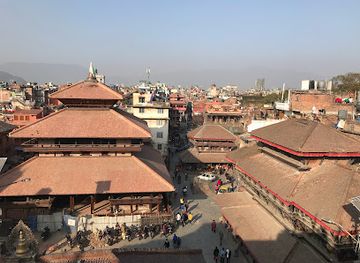
Kasthamandap
Explore the rich heritage of Kasthamandap, a unique fusion of Hindu and Buddhist traditions in the heart of Kathmandu, Nepal.
Best landmarks in Central Development Region
The most recognisable landmarks of the former Central Development Region are concentrated in a series of culturally distinct landscapes. Kathmandu Durbar Square, Patan Durbar Square and Bhaktapur Durbar Square express the architectural ambition of the Malla city-states through palace courtyards, pagoda temples, carved windows and stone sculpture. Swayambhunath, set on a wooded hill above Kathmandu, and Boudhanath, with its vast Buddhist stupa and surrounding monasteries, are major religious landmarks shaped by centuries of pilgrimage. Pashupatinath on the Bagmati River is one of the most important Hindu temple complexes in Nepal, while Changu Narayan preserves an ancient temple tradition on a ridge east of the valley. Further south, Janaki Mandir in Janakpur is an imposing nineteenth-century pilgrimage temple associated with Sita and the Ramayana. In the natural landscape, the forested hills of Shivapuri and the high valleys of Langtang provide geographical landmarks rather than monumental architecture. Chitwan’s great sal forests, Rapti River floodplain and grasslands are equally significant symbols of Nepal’s lowland ecology and conservation history.
-
Hindu temple
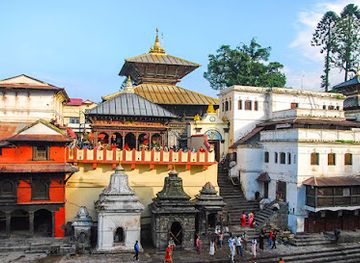
Pashupatinath Temple
Explore Pashupatinath Temple, a UNESCO World Heritage Site, and immerse yourself in the spiritual heart of Kathmandu with its rich traditions and breathtaking architecture.
-
Plaza
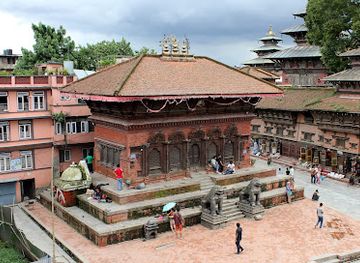
Kathmandu Durbar Square
Explore the historical grandeur of Kathmandu Durbar Square, a UNESCO World Heritage Site filled with striking temples, palaces, and vibrant local culture.
-
Historical landmark
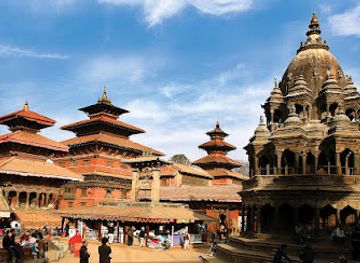
Patan Darbar Square
Discover the exquisite art and culture of Patan Darbar Square, a historical landmark in Lalitpur, Nepal, where history comes alive.
-
Tourist attraction
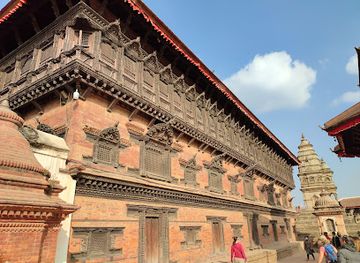
Bhaktapur Durbar Square
Experience the cultural heartbeat of Nepal at Bhaktapur Durbar Square, where history, art, and local traditions come to life.
Explore Central Development Region on the map
Plan your trip on one map. See where the top cities, national parks and sights are, and book hotels and experiences in a few clicks.
Best hotels in Central Development Region
Best restaurants in Central Development Region
Dining across the former Central Development Region reflects Nepal’s striking ecological and cultural range. In the Kathmandu Valley, Newari cuisine is particularly distinctive, with dishes such as bara, chatamari, yomari, choila and kaji-style feasts served in traditional eateries as well as modern restaurants. Tibetan-influenced dumplings, noodle soups and bakery foods are widely available in the capital and trekking gateways, while dal bhat remains a dependable everyday meal throughout the region. Around Chitwan, visitors encounter Tharu-influenced cooking alongside standard Nepali dishes, with fish, vegetables, pickles and locally grown rice featuring in many meals. Janakpur and the southern plains have strong Maithil and Madhesh culinary traditions, including breads, sweets, savoury snacks and festival foods that differ from valley cooking. Roadside restaurants, tea shops, hotel dining rooms, cafés and family-run establishments dominate outside the main cities. Markets are useful for seasonal fruit, spices and snacks, but hygiene standards vary, so choose busy premises and drink treated or sealed water.
-
Pizza
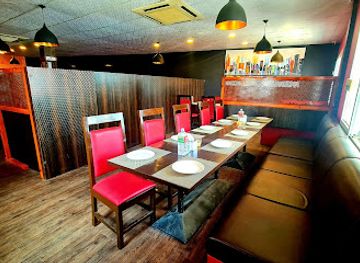
Roadhouse Cafe
Experience delicious pizza and cozy vibes at Roadhouse Cafe, your go-to spot in Kathmandu's vibrant Thamel district.
-
Organic
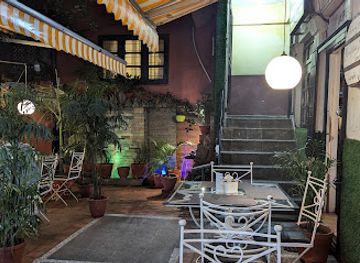
OR2K
Discover authentic flavors at OR2K, an organic restaurant in Thamel offering diverse dishes that cater to every taste.
-
Restaurant
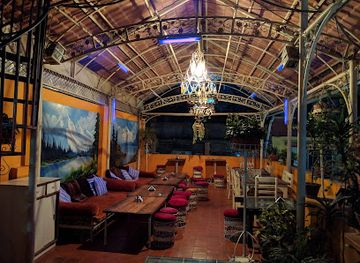
Jasper Restaurant
Experience authentic Nepali flavors blended with global cuisine at Jasper Restaurant in Thamel, Kathmandu.
-
Indian
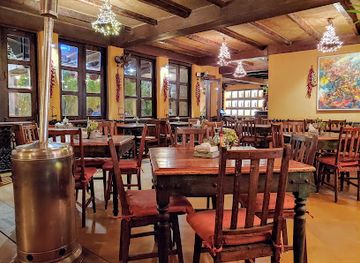
Bhojan Unlimited- The House of Maharaja Thali, Kapan, Kathmandu
Experience the royal taste of India at Bhojan Unlimited with its famed Maharaja Thali in Kathmandu's Kapan neighborhood.
Best bars in Central Development Region
Nightlife is concentrated in Kathmandu, Lalitpur and parts of Bhaktapur rather than spread evenly across the former region. The valley offers cafés, craft-beer rooms, cocktail bars, live-music venues, restaurants and late-opening entertainment, with Thamel and other central neighbourhoods drawing both visitors and residents; specific venues and opening arrangements change frequently. Patan has a more relaxed evening character, combining restaurants, courtyards and cultural spaces with a smaller bar scene. In Chitwan, evenings usually centre on hotel restaurants, local cafés, cultural performances and modest bars rather than large clubs. Janakpur’s nightlife is shaped more by pilgrimage, family dining and local social life than by a major club circuit. In hill and trekking areas, evening culture generally means tea houses, lodges, conversation and occasional live music. Alcohol is available in many tourist areas, but visitors should respect local religious settings and remember that remote settlements may have limited services and early closing times.
-
Bar
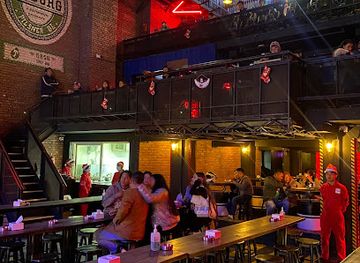
Purple Haze Rock Bar
Discover the heartbeat of Kathmandu's nightlife at Purple Haze Rock Bar, where live music and vibrant atmosphere create unforgettable moments.
-
Night club
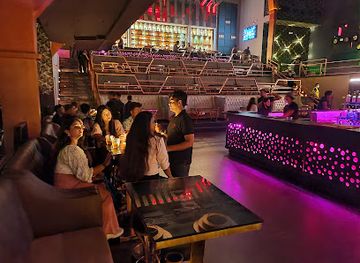
LOD - Lord of the Drinks
Experience the vibrant nightlife at LOD - Lord of the Drinks, Thamel's premier destination for cocktails, dancing, and unforgettable evenings.
-
Bar
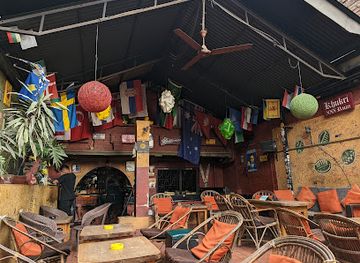
Sam's Bar
Experience the vibrant nightlife of Kathmandu at Sam's Bar, a perfect spot for travelers seeking relaxation and local flavor in Thamel.
-
Bar
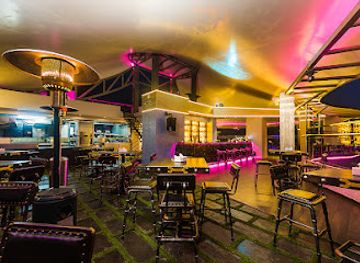
The Address Lounge
Experience the vibrant nightlife of Kathmandu at The Address Lounge, where exquisite drinks and a lively atmosphere await you.
Best nightclubs in Central Development Region
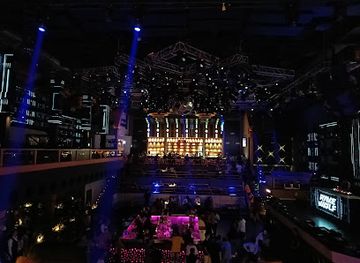
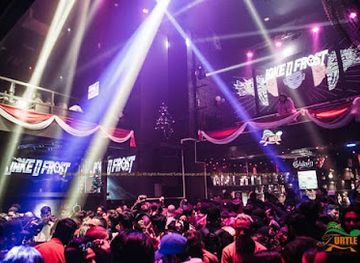
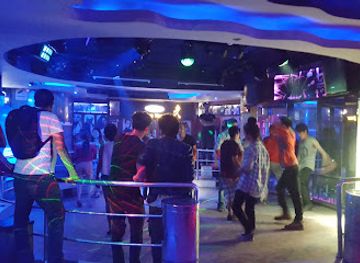
Nightlife is concentrated in Kathmandu, Lalitpur and parts of Bhaktapur rather than spread evenly across the former region. The valley offers cafés, craft-beer rooms, cocktail bars, live-music venues, restaurants and late-opening entertainment, with Thamel and other central neighbourhoods drawing both visitors and residents; specific venues and opening arrangements change frequently. Patan has a more relaxed evening character, combining restaurants, courtyards and cultural spaces with a smaller bar scene. In Chitwan, evenings usually centre on hotel restaurants, local cafés, cultural performances and modest bars rather than large clubs. Janakpur’s nightlife is shaped more by pilgrimage, family dining and local social life than by a major club circuit. In hill and trekking areas, evening culture generally means tea houses, lodges, conversation and occasional live music. Alcohol is available in many tourist areas, but visitors should respect local religious settings and remember that remote settlements may have limited services and early closing times.
-
Night club
LOD - Lord of the Drinks
Discover the electrifying nightlife at Lord of the Drinks, Thamel's premier night club, offering unforgettable music, drinks, and ambiance in Nepal.
-
Disco club
Ibyza Lounge & Disco
Discover the vibrant nightlife of Kathmandu at Ibyza Lounge & Disco, where great food, live music, and dance await you.
-
Night club
Turtle Lounge & Club
Vibrant nightlife awaits at Turtle Lounge & Club in Kathmandu, where great music and atmosphere meet for an unforgettable party experience.
-
Disco club
Fire Club Disco Theque & Lounge Bar
Discover the pulse of Kathmandu's nightlife at Fire Club Disco Theque & Lounge Bar, where unforgettable nights await with live music and vibrant dance floors.

Best shops in Central Development Region
Shopping in the former Central Development Region ranges from dense urban markets to craft workshops and rural produce stalls. Kathmandu, Lalitpur and Bhaktapur offer the broadest selection of metal images, woodcarvings, paubha paintings, singing bowls, textiles, jewellery, incense and books, although visitors should ask about materials, provenance and export rules for antiques or religious objects. Patan is especially associated with traditional metalworking, while Bhaktapur is known for pottery and locally made foods such as yoghurt and sweets. Thamel and central Kathmandu have extensive trekking equipment, handicrafts and souvenirs, but quality and authenticity vary. Farmers’ markets and small food shops provide spices, tea, pickles, honey, dried fruit and regional snacks. Janakpur is a useful place to look for Maithil paintings, textiles and festival-related craftwork, while Chitwan has locally produced baskets, woven goods and agricultural products. In smaller hill towns, shopping is practical rather than specialised, with seasonal produce and household goods taking precedence over dedicated tourist retail.
-
Shopping mall
Civil Mall
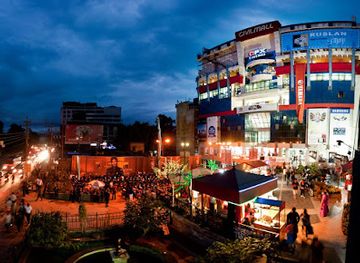
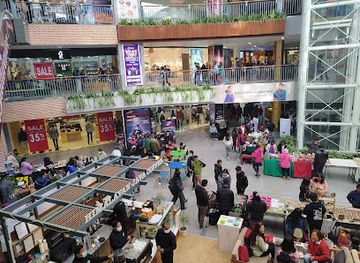
Experience modern shopping and entertainment at Civil Mall, a vibrant hub in Kathmandu that offers a unique blend of culture and commerce.
-
Shopping mall
Labim Mall
Discover Labim Mall in Lalitpur: A shopping paradise with diverse retail choices, delicious dining options, and vibrant entertainment for all.
-
Shopping mall
One Durbar Mall
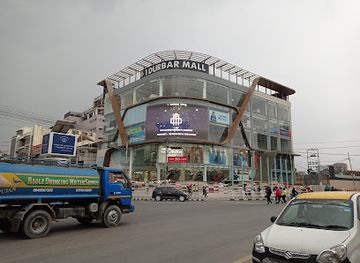
Discover the perfect blend of shopping, dining, and entertainment at One Durbar Mall in the heart of Kathmandu, Nepal.
-
Clothing store
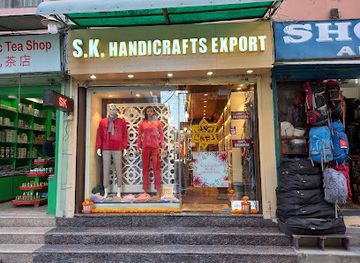
S.K. Handicrafts Export .FAIR TRADE Cashmere Company
Explore the exquisite craftsmanship of Nepalese cashmere at S.K. Handicrafts, a fair trade clothing store in the heart of Kathmandu's Thamel district.
Get your free copy of our complete guide to Central Development Region, delivered straight to you.
Everything on this page, from attractions and restaurants to essentials and local phrases, in one PDF you can read offline, print or share.
Already have an account? Sign in
Your Central Development Region guide is ready.
We'll send it to · Not you? Sign out

Getting your guide ready…
We are putting together a fresh copy of the Central Development Region guide. This can take up to a minute.
This can take a few moments. If your browser asks, choose Allow so the download can start. You'll find the guide in your Downloads folder.
Nothing happened? Download it again
Sorry, the guide is taking longer than usual. Please try again in a minute, or get it by email instead.
Central Development Region essentials
Currency and Payment
Safety
Emergency Situations
Do's and Don'ts
Local Tips
From Eve
Local phrases worth knowing
You don't need to get them perfect. A few words go a long way, and locals appreciate the effort.
Basics
| English | Local | Say it |
|---|---|---|
| Hello | नमस्ते | [Namaste] |
| Goodbye | विदाई | [Bidai] |
| Yes | हो | [Ho] |
| No | होइन | [Hoin] |
| Please/You're welcome | कृपया/स्वागतम् | [Kripaya/Swagatam] |
| Thank you | धन्यवाद | [Dhanyabad] |
| Excuse me/Sorry | माफ गर्नुहोस् | [Maaf Garnuhos] |
| How are you? | तिमीलाई कस्तो छ? | [Timilai Kasto Cha?] |
| Fine. And you? | ठिक छ। र तिमी? | [Thik Cha. Ra Timii?] |
| Do you speak English? | के तिमीलाई अंग्रेजी बोल्न आउँछ? | [Ke Timilai Angreji Bolna Aauchha?] |
| I don't understand | मलाई थाहा छैन | [Malai Thaha Chain] |
Eating & Drinking
| English | Local | Say it |
|---|---|---|
| I'd like to see the menu, please | मेरो लागि मेनु देखाउनुहोस्, कृपया | [Mero Lagi Menu Dekhaunuhos, Kripaya] |
| I don't eat meat | म मासु खाँदैन | [Ma Maasu Khandaina] |
| Cheers! | स salud! | [Saluud!] |
| I would like to pay, please | म तिर्न चाहन्छु, कृपया | [Ma Tirna Chahanchu, Kripaya] |
Emergencies
| English | Local | Say it |
|---|---|---|
| Help! | मदद! | [Madad!] |
| Go away! | तिमी जानु! | [Timii Janu!] |
| Call the Police! | पुलिसलाई फोन गर्नुहोस्! | [Pulislai Phone Garnuhos!] |
| Call a doctor! | डाक्टरलाई फोन गर्नुहोस्! | [Daktar Lai Phone Garnuhos!] |
| I'm lost | म हराएँ | [Ma Harae] |
| I'm ill | म बिरामी छु | [Ma Birami Chu] |
Shopping
| English | Local | Say it |
|---|---|---|
| I'd like to buy... | म किन्न चाहन्छु... | [Ma Kinna Chahanchu...] |
| I'm just looking | म केवल हेरिरहेको छु | [Ma Keval Heriraheko Chu] |
| How much is it? | यो कति महँगो छ? | [Yo Kati Mahango Cha?] |
| That's too expensive | यो धेरै महँगो छ | [Yo Dherai Mahango Cha] |
| Can you lower the price? | के तपाईं मूल्य घटाउन सक्नुहुन्छ? | [Ke Tapai Mulya Ghatauna Saknuhunchha?] |
Time & Numbers
| English | Local | Say it |
|---|---|---|
| What time is it? | यो कति बजेको छ? | [Yo Kati Bajeko Cha?] |
| It's one o'clock | यो एक बजे हो | [Yo Ek Baje Ho] |
| Half past (10) | दुई बजेर १० मिनेट | [Dui Bajera 10 Minute] |
| Morning | बिहान | [Bihan] |
| Afternoon | बेलुका | [Beluka] |
| Evening | साँझ | [Sanjh] |
| Yesterday | हिजो | [Hijo] |
| Today | आज | [Aaj] |
| Tomorrow | भोलि | [Bholi] |
| 1 | १ | [1] |
| 2 | २ | [2] |
| 3 | ३ | [3] |
| 4 | ४ | [4] |
| 5 | ५ | [5] |
| 6 | ६ | [6] |
| 7 | ७ | [7] |
| 8 | ८ | [8] |
| 9 | ९ | [9] |
| 10 | १० | [10] |
Transport & Directions
| English | Local | Say it |
|---|---|---|
| Where's a/the...? | कहाँ छ ...? | [Kahaan Cha...?] |
| What's the address? | ठेगाना के हो? | [Thegana Ke Ho?] |
| Can you show me (on the map)? | के तपाईं मलाई देखाउन सक्नुहुन्छ (नक्सामा)? | [Ke Tapai Malai Dekhauna Saknuhunchha (Naksama)?] |
| When's the next (bus)? | अर्को (बस) कहिले छ? | [Arko (Bus) Kahile Cha?] |
| A ticket (to ....) | एक टिकट (तिर ...) | [Ek Ticket (Tira...)] |
History of Central Development Region
Early Kathmandu Valley Civilisations
The Kathmandu Valley has been settled since prehistoric times, and archaeological evidence points to long phases of farming, craft production and urban development. Its fertile basin and position between the Tibetan plateau and the Gangetic plains encouraged trade and cultural exchange. Early political traditions are associated with the Kirata and Licchavi periods, although later chronicles combine historical memory with legend. The Licchavi era, broadly from the fourth to the eighth centuries, left important stone inscriptions, temples and images and helped establish the valley as a centre of Sanskritic and Buddhist culture.
Licchavi and Medieval Trade Connections
Under the Licchavis and subsequent rulers, the central hills and Kathmandu Valley became part of trading and pilgrimage networks linking northern India with Tibet. Routes crossed difficult passes and river valleys, while the valley’s artisans produced metal images, religious objects and architectural elements valued far beyond Nepal. Buddhist and Hindu traditions developed alongside one another, and the distinctive festival calendar and urban culture of the Newar communities took shape over many centuries. Remains of this period are visible in shrines, inscriptions, water spouts and settlement patterns throughout the valley.
The Malla Cities and the Kathmandu Valley
From the medieval period until the eighteenth century, the Kathmandu Valley was dominated by Malla royal courts, particularly those of Kathmandu, Lalitpur and Bhaktapur. Competition among the three cities encouraged elaborate palace complexes, temples, courtyards and public infrastructure. The historic squares at Kathmandu Durbar Square, Patan Durbar Square and Bhaktapur Durbar Square preserve this architectural and artistic legacy, despite earthquake damage and later rebuilding. Malla patronage also supported music, dance, ritual festivals, woodcarving, metalwork and the complex urban traditions for which the valley remains known.
Prithvi Narayan Shah and Nepalese Unification
In the eighteenth century, Prithvi Narayan Shah, ruler of Gorkha, conquered the Kathmandu Valley and made it the political centre of a larger Himalayan kingdom. The campaigns altered the balance among the valley’s city-states and connected them to territories running across the central hills and towards the southern plains. Kathmandu became the capital of the unified state, while older regional trade and administrative centres retained their importance. The expansion created the political framework of modern Nepal, although it also brought military conflict and new centralised authority to diverse communities.
Rana Rule and the Transformation of Kathmandu
The Rana regime, which dominated Nepal from 1846 to 1951, concentrated political power in Kathmandu and introduced a courtly architectural style influenced by European neoclassicism. Palaces, gardens and civic buildings from this period changed the appearance of the capital and surrounding urban areas. Outside the valley, the central hills remained largely rural, while the Terai was increasingly valued for agriculture, timber and strategic routes. The end of Rana rule opened Nepal more widely to political change and international contact, accelerating the later growth of Kathmandu as the country’s administrative and commercial centre.
Roads, Tourism and the Chitwan Frontier
During the twentieth century, new roads and air links reshaped movement through central Nepal. Kathmandu became accessible to international visitors, while highways connected the valley with the Terai and the Indian border. Chitwan’s forests, once heavily affected by settlement and exploitation, gained formal protection with the creation of Chitwan National Park in 1973. Conservation and tourism subsequently became major influences in the region, alongside agriculture and transport. The park’s development also brought continuing debates about wildlife protection, local livelihoods and the rights of communities living near protected areas.
Earthquakes and Contemporary Reconstruction
The 2015 earthquake and associated aftershocks caused extensive damage across the Kathmandu Valley, northern hill districts and other parts of central Nepal. Historic temples, private houses, trails and villages were affected, while many residents faced displacement and loss of livelihoods. Reconstruction has restored or stabilised numerous monuments, although work has been gradual and some sites retain visible evidence of the disaster. The earthquake also highlighted the vulnerability of steep settlements, older urban buildings and mountain infrastructure, making resilience and safer construction important parts of the region’s contemporary story.
Central Development Region in Photos
Browse through our photo collection highlighting the charm and character of the destination.
Neighbouring regions of Central Development Region
The closest regions to Central Development Region, if you have time for more than one.
-

-

-

-

-


Swipe for more regions
Explore more

Explore more of Nepal
Discover Nepal: A land of towering peaks, spiritual harmony, and vibrant culture, offering endless adventures and serene escapes for every traveler.
Explore Nepal