

Free Mid-Hills Travel Guide & Mobile App
Explore Mid-Hills with free travel guides. Discover regional history, expert tips, proposed trips, and audio guides on web or mobile app.


Explore Nepal’s Mid-Hills for historic valley cities, terraced villages, forested ridges, hill towns and gateways to Himalayan trekking.
Read more about Mid-Hills
When is the best time to visit Mid-Hills?
Best: May–June, September · 23–27°C| Month | High (°C) | Rainfall (mm) |
|---|---|---|
| January | 8 | 30 |
| February | 9 | 35 |
| March | 14 | 45 |
| April | 19 | 50 |
| May (best) | 24 | 55 |
| June (best) | 27 | 60 |
| July | 30 | 65 |
| August | 28 | 60 |
| September (best) | 23 | 55 |
| October | 16 | 50 |
| November | 11 | 40 |
| December | 7 | 35 |
Getting to and around Mid-Hills
How to get there
Transportation
Top city travel guides in Mid-Hills
The cities of Mid-Hills, and the easiest places to base yourself.
-

-

-

-

-
-


Swipe for more cities
Destinations in Mid-Hills
Resorts, valleys and scenic spots worth a trip of their own.
-

-

-

-

-

-


Swipe for more destinations
Best attractions in Mid-Hills
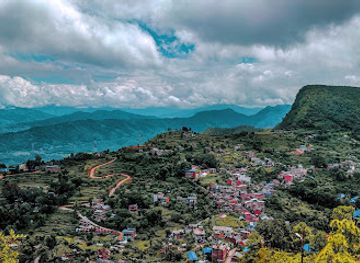
The Mid-Hills offer a varied mix of urban heritage, rural landscapes and outdoor activity. In the Kathmandu Valley, the historic centres of Kathmandu, Patan and Bhaktapur provide palace squares, temples, Buddhist courtyards and workshops, while surrounding ridges offer walks near Nagarkot, Dhulikhel and Shivapuri. Pokhara combines boating on Phewa Lake with caves, waterfalls, hill viewpoints and access to trekking routes leading towards the Annapurna and Manaslu regions. Bandipur is valued for its preserved bazaar streets and ridge walks, and Gorkha for its historic palace complex and views across the surrounding hills. Tansen gives access to Palpa’s hill culture, old market streets and nearby countryside. Beyond these established bases, the region’s attractions include terraced farmland, community forests, monasteries, village trails, birdwatching areas and seasonal rhododendron landscapes. Walking is often the most rewarding way to experience the transition between settlements, but conditions vary sharply with altitude, weather and road development. Travellers should distinguish the middle-hill landscape from the high Himalayan trekking zone, which begins beyond it and requires more demanding preparation.
-
Hindu temple
Manakamana Temple
Experience the divine at Manakamana Temple, a majestic Hindu shrine in Nepal offering breathtaking views and spiritual enrichment.
-
Archaeological museum
Gorkha Palace
Explore Gorkha Palace, a historical treasure in Nepal, showcasing stunning architecture and breathtaking views of the Himalayas.
-
Hindu temple
Devghat Dham
Explore the spiritual beauty and cultural richness of Devghat Dham, a sacred Hindu pilgrimage site nestled in the heart of Nepal.
-
Museum
Gorkha Museum
Explore the Gorkha Museum, a cultural gem in Nepal showcasing the rich heritage and history of the Gorkha Kingdom through diverse exhibits.



Best landmarks in Mid-Hills
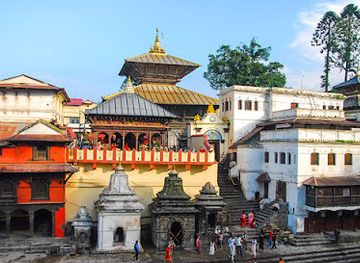
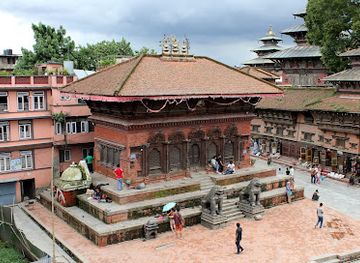
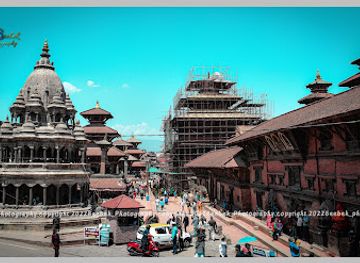
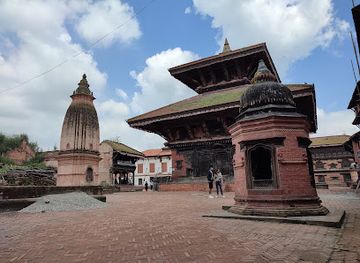
The Kathmandu Valley contains the Mid-Hills’ most concentrated collection of landmark architecture. Kathmandu Durbar Square, Patan Durbar Square and Bhaktapur Durbar Square represent the artistic and political legacy of the Malla cities, with palace courtyards, pagoda temples and intricate wood and metalwork. Swayambhunath, set on a hill above Kathmandu, and Boudhanath, one of the valley’s major Buddhist monuments, are important religious landmarks with different architectural and ritual character. Changu Narayan, on a ridge east of the valley, is associated with some of Nepal’s oldest surviving temple traditions. Outside the valley, the hilltop Gorkha Durbar recalls the rise of the Shah dynasty, while Bandipur’s elongated bazaar preserves the form of a historic Newar trading settlement. Pokhara’s most recognisable natural setting is the mountain-framed basin around Phewa Lake, although the highest peaks visible from the city belong to the Himalayan ranges beyond the Mid-Hills. Tansen’s ridge-top old town and traditional houses express the architectural identity of western hill commerce.
-
Hindu temple
Pashupatinath Temple
Discover the sacred beauty of Pashupatinath Temple, a UNESCO World Heritage Site in Kathmandu, where spirituality and stunning architecture converge.
-
Plaza
Kathmandu Durbar Square
Discover the rich cultural tapestry of Kathmandu Durbar Square, a historical gem where ancient temples, royal palaces, and vibrant traditions come alive.
-
Historical landmark
Patan Darbar Square
Discover the architectural beauty and vibrant culture of Patan Darbar Square, a must-visit historical landmark in Lalitpur, Nepal.
-
Tourist attraction
Bhaktapur Durbar Square
Experience the rich cultural tapestry of Nepal at Bhaktapur Durbar Square, a UNESCO World Heritage Site filled with stunning architecture and vibrant local life.
Explore Mid-Hills on the map
Plan your trip on one map. See where the top cities, national parks and sights are, and book hotels and experiences in a few clicks.
Best hotels in Mid-Hills
Best restaurants in Mid-Hills
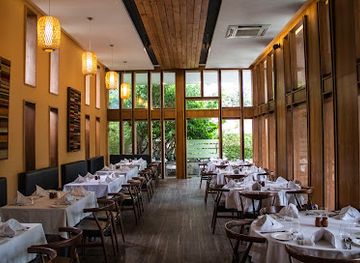
Dining in Nepal’s Mid-Hills ranges from traditional family kitchens and tea houses to modern restaurants in Kathmandu, Pokhara and other tourism centres. Dal bhat, usually served with rice, lentils, vegetables and pickles, is a dependable meal across the region, while thukpa, Tibetan-influenced noodle soups and momos are common in towns. The Kathmandu Valley is particularly associated with Newar cuisine, including preparations such as bara, yomari and choila, though availability varies by season and establishment. Hill communities also produce millet-based foods, seasonal greens, pickles, buffalo dishes and local dairy products. In Pokhara and major heritage towns, visitors find international menus alongside Nepali cooking, while rural lodges generally offer simpler, filling meals. Tea, coffee and locally produced alcoholic drinks appear in different settings, but quality and availability vary. Farmers’ markets and small shops are useful for fruit, biscuits and snacks for journeys, although visitors should take care with untreated water and raw food in places where refrigeration is limited.
-
Restaurant
Open House Restro And Lounge bar
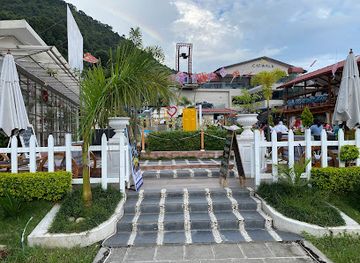
Experience culinary delights at Open House Restro And Lounge Bar in Pokhara—where exquisite flavors meet stunning lakeside views.
-
Restaurant
Jasper Restaurant
Discover an exquisite fusion of flavors at Jasper Restaurant in Thamel - where every meal is a celebration of taste and culture.
-
Coffee shop
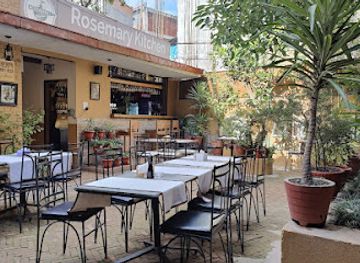
Rosemary Kitchen and Coffee Shop
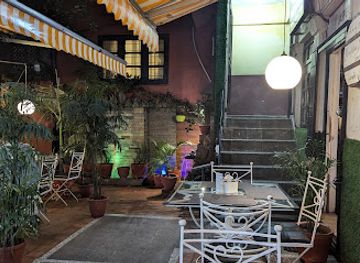
Discover cozy vibes and delightful flavors at Rosemary Kitchen and Coffee Shop in Kathmandu's lively Thamel district.
-
Fine Dining
Le Sherpa Restaurant
Experience exquisite fine dining at Le Sherpa Restaurant in Kathmandu, where local flavors meet international cuisine in an elegant setting.
Best bars in Mid-Hills
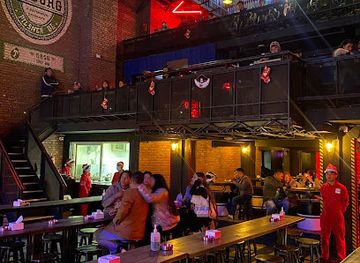
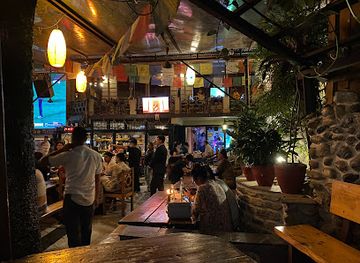
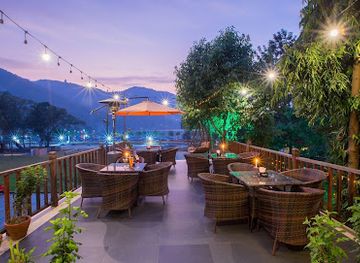
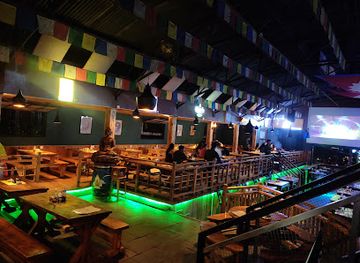
Evening life in the Mid-Hills is concentrated in Kathmandu and Pokhara rather than spread evenly across the region. Kathmandu offers the broadest selection of cocktail bars, live music venues, cafés and late-night establishments, particularly in central visitor districts, although venues and regulations change. Pokhara’s lakeside area has restaurants, bars, live music and a modest club scene serving trekkers and local residents, while Bandipur and Tansen are quieter and centre their evenings on cafés, hotel terraces, traditional inns and small restaurants. In rural hill communities, evening activity usually finishes earlier and revolves around family homes, guesthouses, local gatherings or seasonal celebrations rather than nightclubs. Some breweries and tasting rooms operate in larger towns, but visitors should check current opening arrangements. Noise, alcohol and nightlife should not be treated as essential to understanding local culture, especially near temples, monasteries and residential neighbourhoods.
-
Bar
Purple Haze Rock Bar
Dive into the lively atmosphere of Purple Haze Rock Bar in Thamel, Kathmandu – the ultimate destination for music, drinks, and unforgettable nights.
-
Bar
Busy Bee Cafe
Discover the delightful flavors of Busy Bee Cafe in Pokhara, a charming spot for local and international cuisine with stunning views.
-
Bar
Paradiso Pokhara
Experience the lively atmosphere of Paradiso Pokhara, where delicious food, refreshing drinks, and live music create unforgettable memories.
-
Pub
Irish Pub
Discover the perfect blend of Irish charm and local flavor at the Irish Pub in Pokhara, your go-to destination for drinks, dining, and entertainment.
Best nightclubs in Mid-Hills
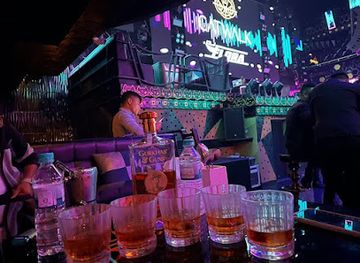
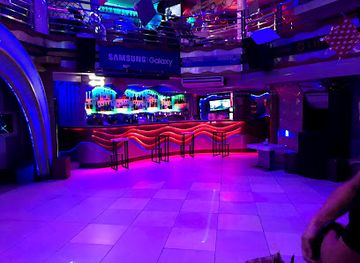
Evening life in the Mid-Hills is concentrated in Kathmandu and Pokhara rather than spread evenly across the region. Kathmandu offers the broadest selection of cocktail bars, live music venues, cafés and late-night establishments, particularly in central visitor districts, although venues and regulations change. Pokhara’s lakeside area has restaurants, bars, live music and a modest club scene serving trekkers and local residents, while Bandipur and Tansen are quieter and centre their evenings on cafés, hotel terraces, traditional inns and small restaurants. In rural hill communities, evening activity usually finishes earlier and revolves around family homes, guesthouses, local gatherings or seasonal celebrations rather than nightclubs. Some breweries and tasting rooms operate in larger towns, but visitors should check current opening arrangements. Noise, alcohol and nightlife should not be treated as essential to understanding local culture, especially near temples, monasteries and residential neighbourhoods.
-
Night club
LOD - Lord of the Drinks
Explore the ultimate nightlife experience at Lord of the Drinks in Thamel, Kathmandu, where music meets luxury in an unforgettable club atmosphere.
-
Night club
Club Catwalk
Discover the essence of Pokhara's nightlife at Club Catwalk, where vibrant music and delicious cuisine create unforgettable evenings.
-
Disco club
Ibyza Lounge & Disco
Discover Kathmandu's nightlife at Ibyza Lounge & Disco, where vibrant music, delicious Nepalese cuisine, and a lively atmosphere await.
-
Night club
The Treasure Lounge
Discover the vibrant nightlife at The Treasure Lounge, Pokhara's premier destination for upscale entertainment and unforgettable experiences.


Best shops in Mid-Hills
Shopping in Nepal’s Mid-Hills is strongest in the larger towns and historic markets. Kathmandu, Patan and Bhaktapur offer metal images, wood carving, Buddhist ritual objects, textiles, books, handmade paper and contemporary craft, although visitors should ask about materials, provenance and export restrictions before buying antiques or religious objects. Pokhara has trekking equipment, outdoor clothing, locally made souvenirs, cafés with craft goods and shops selling textiles, jewellery and small artworks. The old bazaars of Bandipur and Tansen are more restrained, with local handicrafts, woven goods, household items and regional food products rather than extensive retail centres. Market towns throughout the hills are useful for seasonal fruit, spices, tea, pickles, honey and locally produced snacks, but selection depends on the day and harvest. Bargaining can occur in informal markets, while fixed-price shops and established craft outlets provide clearer transactions. Pack fragile or valuable purchases carefully, and remember that Nepal’s rules on exporting antiquities and protected materials are strict.
-
Bazar
Bandipur Bazar बन्दीपुर बजार
Discover the vibrant culture and local flavors at Bandipur Bazar, a lively marketplace in the heart of Nepal.
-
Store
Baber Mahal Revisited
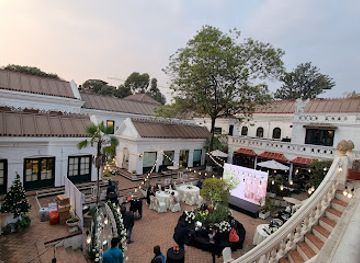
Discover the charm of Baber Mahal Revisited, a historical landmark in Kathmandu blending shopping, dining, and cultural experiences.
-
Clothing store
S.K. Handicrafts Export .FAIR TRADE Cashmere Company
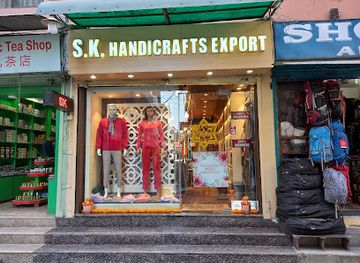
Discover the essence of Nepalese craftsmanship at S.K. Handicrafts Export, specializing in fair-trade cashmere clothing and accessories in vibrant Thamel, Kathmandu.
-
Craft store
The Local Project Nepal
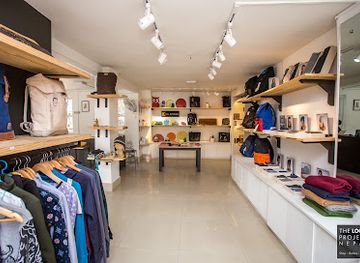
Explore the essence of Nepalese artistry at The Local Project Nepal, where unique handmade crafts await your discovery.
Get your free copy of our complete guide to Mid-Hills, delivered straight to you.
Everything on this page, from attractions and restaurants to essentials and local phrases, in one PDF you can read offline, print or share.
Already have an account? Sign in
Your Mid-Hills guide is ready.
We'll send it to · Not you? Sign out

Getting your guide ready…
We are putting together a fresh copy of the Mid-Hills guide. This can take up to a minute.
This can take a few moments. If your browser asks, choose Allow so the download can start. You'll find the guide in your Downloads folder.
Nothing happened? Download it again
Sorry, the guide is taking longer than usual. Please try again in a minute, or get it by email instead.
Mid-Hills essentials
Currency and Payment
Safety
Emergency Situations
Do's and Don'ts
Local Tips
From Eve
Local phrases worth knowing
You don't need to get them perfect. A few words go a long way, and locals appreciate the effort.
Basics
| English | Local | Say it |
|---|---|---|
| Hello | नमस्ते | [Namaste] |
| Goodbye | बिदाइ | [Bidaai] |
| Yes | हो | [Ho] |
| No | होइन | [Hoin] |
| Please/You're welcome | कृपया | [Kripaya] |
| Thank you | धन्यवाद | [Dhanyabad] |
| Excuse me/Sorry | माफ गर्नुहोस् | [Maaf garnuhos] |
| How are you? | तपाईंलाई कस्तो छ? | [Tapainlai kasto chha?] |
| Fine. And you? | राम्रै। र तपाईलाई? | [Ramrai. Ra tapailai?] |
| Do you speak English? | के तपाईं अङ्ग्रेजी बोल्नुहुन्छ? | [Ke tapain angrezi bolnuhunchha?] |
| I don't understand | म बुझ्न सक्दिन | [Ma bujhna sakdina] |
Eating & Drinking
| English | Local | Say it |
|---|---|---|
| I'd like to see the menu, please | कृपया म्यासु सुन्न चाहन्छु | [Kripaya maasu sunna chahanchu] |
| I don't eat meat | म मासु खाँदैन | [Ma maasu khandaina] |
| Cheers! | चीयर्स! | [Cheers!] |
| I would like to pay, please | कृपया म भुक्तानी गर्न चाहन्छु | [Kripaya ma bhuktani garn chahanchu] |
Emergencies
| English | Local | Say it |
|---|---|---|
| Help! | मद्दत गर्नुहोस्! | [Maddat garnuhos!] |
| Go away! | भाग्नुहोस्! | [Bhagnuhos!] |
| Call the Police! | पुलिसलाई फोन गर्नुहोस्! | [Pulislai phone garnuhos!] |
| Call a doctor! | डाक्टरलाई फोन गर्नुहोस्! | [Daktaralai phone garnuhos!] |
| I'm lost | म हराइसकेको छु | [Ma haraisakeko chhu] |
| I'm ill | म बिरामी छु | [Ma birami chhu] |
Shopping
| English | Local | Say it |
|---|---|---|
| I'd like to buy... | म किन्न चाहन्छु... | [Ma kinna chahanchu...] |
| I'm just looking | म मात्र हेरिरहेको छु | [Ma maatra heriraheko chhu] |
| How much is it? | यो कति हो? | [Yo kati ho?] |
| That's too expensive | यो धेरै महँगो छ | [Yo dherai mahango chha] |
| Can you lower the price? | तपाईं मूल्य घटाउन सक्नुहुन्छ? | [Tapain mulya ghatauna saknuhunchha?] |
Time & Numbers
| English | Local | Say it |
|---|---|---|
| What time is it? | यसमा कति बजेको छ? | [Yasma kati bajeko chha?] |
| It's one o'clock | यो एक बजेको छ | [Yo ek bajeko chha] |
| Half past (10) | साढे (१०) | [Saadhe (10)] |
| Morning | बिहान | [Bihan] |
| Afternoon | बेलुका | [Beluka] |
| Evening | साँझ | [Saanjh] |
| Yesterday | हिजो | [Hijo] |
| Today | आज | [Aaja] |
| Tomorrow | भोलि | [Bholi] |
| 1 | १ | [1] |
| 2 | २ | [2] |
| 3 | ३ | [3] |
| 4 | ४ | [4] |
| 5 | ५ | [5] |
| 6 | ६ | [6] |
| 7 | ७ | [7] |
| 8 | ८ | [8] |
| 9 | ९ | [9] |
| 10 | १० | [10] |
Transport & Directions
| English | Local | Say it |
|---|---|---|
| Where's a/the...? | कहाँ छ ...? | [Kahaan chha ...?] |
| What's the address? | ठेगाना के हो? | [Thegana ke ho?] |
| Can you show me (on the map)? | तपाईं मलाई देखाउन सक्नुहुन्छ (नक्सामा)? | [Tapain malai dekhauna saknuhunchha (naksama)?] |
| When's the next (bus)? | अर्को (बस) कहिले छ? | [Arko (bus) kahile chha?] |
| A ticket (to ....) | एक टिकट (तिर ...) | [Ek ticket (tira ...)] |
History of Mid-Hills
Early Settlement and the Kathmandu Valley
The Kathmandu Valley has supported settled communities for many centuries because of its fertile basin, water sources and position between the Indian plains and Himalayan passes. Ancient and early medieval settlements developed around agriculture, trade and religious institutions. Although the wider Mid-Hills contain many scattered archaeological traces rather than one uniform civilisation, the valley became the region’s principal centre of statecraft, craftsmanship and exchange. Its temples, courtyards, ponds and traditional urban layouts preserve the accumulated influence of these long-settled communities.
Licchavi and Early Buddhist-Hindu Traditions
The Licchavi period, generally dated from about the fourth to the eighth centuries, was especially important in the Kathmandu Valley. Inscriptions and surviving monuments record the growth of organised rule, irrigation, trade and Hindu and Buddhist patronage. Sites such as Changu Narayan preserve early artistic and religious legacies associated with this era, although the buildings visible today reflect many later renovations. Across the Mid-Hills, sacred sites often developed at crossroads, springs and hilltops, linking local communities with wider religious networks.
The Malla Cities and Newar Craftsmanship
From the medieval period into the eighteenth century, the Kathmandu Valley’s Malla kingdoms made Kathmandu, Patan and Bhaktapur major centres of architecture, metalwork, wood carving and urban culture. Rival courts sponsored temples, palaces, festivals, water systems and public squares, creating the dense heritage landscapes for which the valley is known. Newar merchants and artisans also influenced trading settlements beyond the valley, including hill routes that connected the interior with Tibet and the plains. Much of the Mid-Hills’ most recognisable historic architecture descends from this period.
The Gorkha Shah Expansion
In the eighteenth century, the hill kingdom of Gorkha expanded under Prithvi Narayan Shah and his successors, eventually conquering the Kathmandu Valley and laying the foundations of the modern state of Nepal. Gorkha’s hilltop palace and temple complex remains a significant reminder of this political transformation. The campaign brought diverse hill communities, valley cities and frontier territories into a single kingdom, while also redirecting trade and administration towards the new central state. Its legacy is important to Nepal’s national history, though state formation also involved conflict and changing local political authority.
Trade Routes, Hill Towns and the Rana Era
For centuries, middle-hill paths carried salt, wool, grain, metalwork and other goods between the plains, valleys and Himalayan passes. Trading settlements such as Bandipur prospered from this movement, developing compact streets, courtyards and merchant houses. During the Rana period from the nineteenth to the mid-twentieth century, political power remained concentrated in Kathmandu, while roads and administration gradually reshaped movement through the hills. The old bazaar architecture of places such as Bandipur and Tansen reflects the commercial and administrative importance of these ridge towns.
Roads, Migration and Economic Change
Modern roads transformed the Mid-Hills during the twentieth and early twenty-first centuries, reducing the isolation of many settlements while also changing older trade routes and market centres. Agricultural communities increasingly combined farming with wage work, military service, education, tourism and overseas employment. New roads have improved access to schools, health services and trekking gateways but can be vulnerable to monsoon landslides. The result is a region where traditional terraces, stone paths and religious institutions coexist with expanding towns, concrete construction and rapidly changing patterns of migration.
Earthquakes and Heritage Reconstruction
The 2015 Gorkha earthquake caused extensive loss of life and damage across central Nepal, including historic settlements in the Kathmandu Valley and many rural hill communities. Temples, homes, schools and public buildings were affected, and reconstruction became a major social, engineering and heritage undertaking. The disaster also exposed the vulnerability of steep slopes and buildings constructed without adequate earthquake resistance. Restored monuments and rebuilt neighbourhoods now sit alongside damaged or altered structures, making the earthquake an essential part of understanding the contemporary Mid-Hills.
Mid-Hills in Photos
Browse through our photo collection highlighting the charm and character of the destination.
Neighbouring regions of Mid-Hills
The closest regions to Mid-Hills, if you have time for more than one.
-

-

-

-

-


Swipe for more regions
Explore more

Explore more of Nepal
Discover Nepal: A land of towering peaks, spiritual harmony, and vibrant culture, offering endless adventures and serene escapes for every traveler.
Explore Nepal