

Free Narayani Zone Travel Guide & Mobile App
Explore Narayani Zone with free travel guides. Discover regional history, expert tips, proposed trips, and audio guides on web or mobile app.


Explore Narayani Zone for Chitwan wildlife, Terai culture, historic hill routes and the contrasting landscapes of central Nepal.
Read more about Narayani Zone
When is the best time to visit Narayani Zone?
Best: February–March, November · 21–25°C| Month | High (°C) | Rainfall (mm) |
|---|---|---|
| January | 17 | 13 |
| February (best) | 21 | 15 |
| March (best) | 25 | 23 |
| April | 29 | 33 |
| May | 34 | 50 |
| June | 34 | 80 |
| July | 34 | 100 |
| August | 33 | 90 |
| September | 31 | 70 |
| October | 28 | 50 |
| November (best) | 22 | 25 |
| December | 17 | 15 |
Getting to and around Narayani Zone
How to get there
Transportation
Top city travel guides in Narayani Zone
The cities of Narayani Zone, and the easiest places to base yourself.
-

-

-

-

-

-


Swipe for more cities
Destinations in Narayani Zone
Resorts, valleys and scenic spots worth a trip of their own.
-

-

-


Swipe for more destinations
Best attractions in Narayani Zone
Narayani Zone’s attractions range from wildlife and wetlands to hill roads, archaeological sites and busy Terai towns. Chitwan National Park is the defining experience, with guided jungle walks, jeep excursions, birdwatching and canoe journeys in landscapes of sal forest, grassland and river. Sauraha provides the main visitor infrastructure, while nearby Tharu cultural programmes and village visits offer context for the communities living around the park. Parsa National Park gives experienced wildlife travellers a quieter protected-forest setting east of Chitwan. In Makwanpur, Hetauda forms a practical base for excursions to Makwanpur Gadhi, Kulekhani, Chitlang, Tistung, Palung and Daman, where cooler uplands contrast with the plains. Bara’s Simraungadh is important for archaeological and medieval history, and Birgunj introduces the region’s commercial and border culture. Rautahat is better suited to slow exploration of rural landscapes, ponds, markets and religious sites than to a concentrated sightseeing itinerary.
-
National park
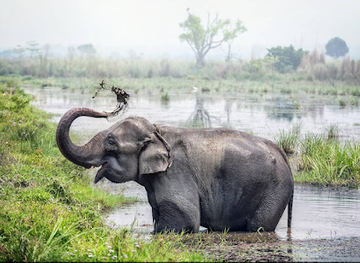
Chitwan National Park
Explore Chitwan National Park, a UNESCO World Heritage Site in Nepal, teeming with diverse wildlife, stunning landscapes, and rich cultural experiences.
-
Wildlife rescue service
Elephant Breeding Center
Explore the Elephant Breeding Center in Chitwan National Park, a vital sanctuary for elephant conservation and an unforgettable wildlife experience.
-
Park
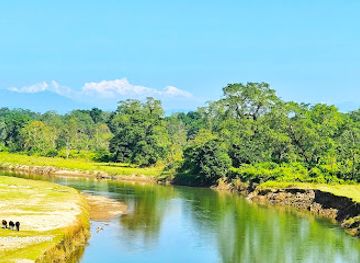
NARAYANI RIVERSIDE
Discover the serene beauty of Narayani Riverside in Bharatpur, a perfect blend of nature, relaxation, and picturesque views of the Narayani River.
-
Tourist attraction
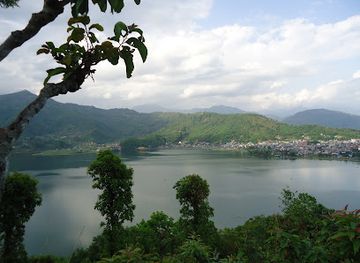
Phewa Lake View Point
Discover stunning views and serene beauty at Phewa Lake View Point in Pokhara, where nature's tranquility meets breathtaking mountain vistas.
Best landmarks in Narayani Zone
The Narayani River is the region’s principal geographical landmark, linking the Himalayan drainage system with the Terai and giving the former zone its name. In Chitwan, the forest, grassland and river landscapes of Chitwan National Park form a major natural landmark, with the Rapti River and its floodplain particularly associated with wildlife viewing around Sauraha. Makwanpur Gadhi is the most important historic defensive site in the hills, recalling the strategic kingdom and route that connected the Kathmandu Valley with the plains. The hill settlements and ridges around Daman, Tistung and Palung provide a marked visual contrast to the lowlands. In Bara, the archaeological remains of Simraungadh represent the region’s medieval urban past, while Birgunj’s customs, market and transport areas symbolise the commercial relationship between Nepal and India. These places express the former zone’s defining contrasts: river and forest, hill fort and market gateway, protected habitat and intensively settled plain.
-
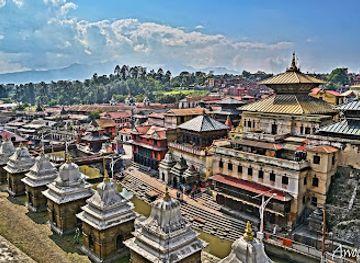
Hindu temple
Pashupatinath Temple
Discover the spiritual heart of Nepal at Pashupatinath Temple, a UNESCO World Heritage site steeped in rich history and vibrant rituals.
-
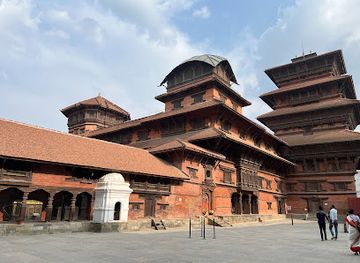
Plaza
Kathmandu Durbar Square
Discover the heart of Nepal's culture at Kathmandu Durbar Square, a UNESCO World Heritage Site filled with stunning temples and rich history.
-
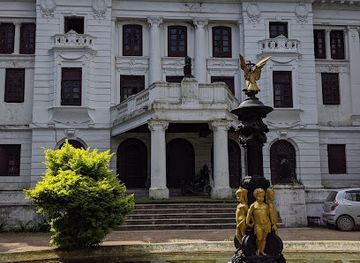
Tourist attraction
Garden of Dreams
Discover the serene beauty and historical charm of the Garden of Dreams, an enchanting oasis in the heart of Kathmandu, perfect for relaxation and exploration.
-
National park
Chitwan National Park
Discover the beauty of Chitwan National Park, Nepal's first national park, rich in wildlife and cultural heritage, perfect for adventure seekers and nature lovers.
Explore Narayani Zone on the map
Plan your trip on one map. See where the top cities, national parks and sights are, and book hotels and experiences in a few clicks.
Best hotels in Narayani Zone
Best restaurants in Narayani Zone
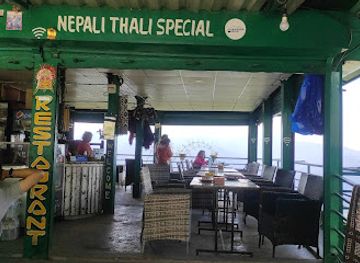
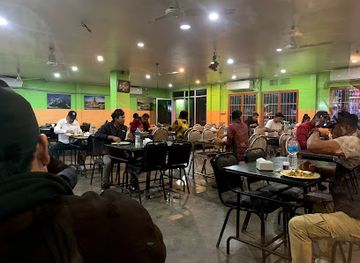
Eating across the former Narayani Zone reflects the meeting of Nepal’s hill, Terai and cross-border food cultures. In Chitwan, restaurants and lodges serve familiar Nepali meals alongside Tharu-influenced dishes, with rice, lentils, vegetables, fish and seasonal produce forming the everyday base. Mustard oil, river fish, pickles and preparations using local greens are common in the southern plains, while snacks such as samosas, sweets, fried breads and spiced savouries are prominent in market towns and Birgunj. Hetauda and the Makwanpur hills offer dal bhat, noodles, Tibetan-influenced dumplings and simple roadside meals, often with cooler-weather additions such as tea and roasted foods. Rural inns, hotel dining rooms, cafés and small family-run eateries are more representative than a formal fine-dining scene. Food markets are especially useful for sampling regional produce, but choose busy establishments with good turnover and take care with untreated water and raw food.
-
 Restaurant
Landmark Forest-Park
Experience adventure and tranquility at Landmark Forest-Park in Chitwan National Park – where nature meets hospitality.
-
Restaurant
KC's Restaurant & Home
Experience authentic Nepalese cuisine at KC's Restaurant & Home in Ratnanagar - where every meal feels like home.
-
Restaurant
Green View Restaurant
Discover culinary delights amidst breathtaking views at Green View Restaurant in Pokhara – your perfect dining destination.
-
Restaurant
Shreenagar Hotel and Restaurant
Discover authentic Nepali flavors at Shreenagar Hotel and Restaurant in Kabilas - where every meal is a celebration of taste.

Best bars in Narayani Zone
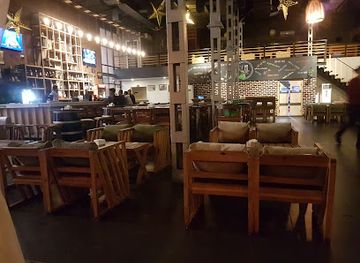
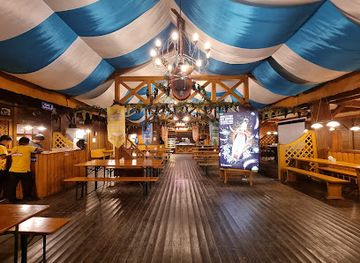
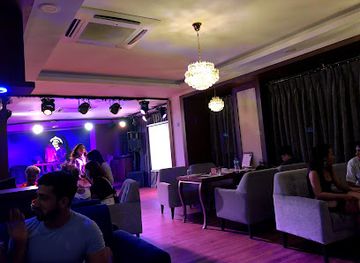
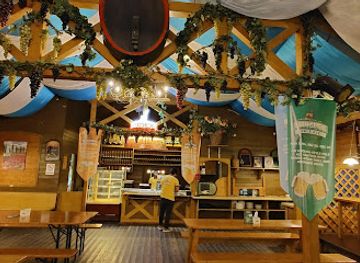
Evening life is concentrated in Sauraha, Bharatpur, Hetauda and Birgunj rather than spread evenly across the former zone. Sauraha has the most visitor-oriented choice, including hotel bars, relaxed restaurants, live cultural performances and occasional live music, although the atmosphere is generally quieter than in Nepal’s largest cities. Hetauda and Birgunj have local restaurants, cafés, bars and small entertainment venues, with Birgunj’s commercial population giving it the broadest urban character in the southern districts. In rural Chitwan, Parsa, Bara, Rautahat and the Makwanpur hills, evenings usually centre on family gatherings, tea shops, hotel restaurants or community events rather than nightclubs. Check local guidance and return arrangements before travelling after dark, especially on poorly lit roads or outside town centres.
-
Restaurant
Lime and Lemon Lounge Pvt. Ltd
Experience the vibrant atmosphere of Bharatpur at Lime and Lemon Lounge, where great food meets live music for an unforgettable night.
-
Brewery
Yak Brewing Company (Barahsinghe)
Discover the flavors of Nepal at Yak Brewing Company, where handcrafted beers meet breathtaking views in Darechok.
-
Bar
The Galaxy Empire Lounge and Bar
Experience the vibrant atmosphere and delicious offerings at The Galaxy Empire Lounge and Bar in Bharatpur, a must-visit for travelers seeking relaxation and good company.
-
Bar
Yak Biergarten
Discover the delightful blend of local cuisine and refreshing drinks at Yak Biergarten in the heart of Darechok, Nepal.
Best nightclubs in Narayani Zone
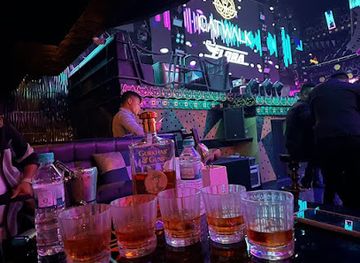
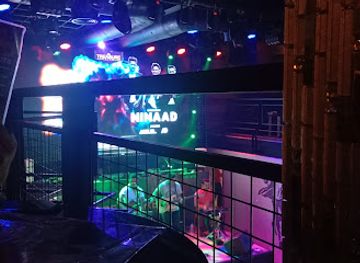
Evening life is concentrated in Sauraha, Bharatpur, Hetauda and Birgunj rather than spread evenly across the former zone. Sauraha has the most visitor-oriented choice, including hotel bars, relaxed restaurants, live cultural performances and occasional live music, although the atmosphere is generally quieter than in Nepal’s largest cities. Hetauda and Birgunj have local restaurants, cafés, bars and small entertainment venues, with Birgunj’s commercial population giving it the broadest urban character in the southern districts. In rural Chitwan, Parsa, Bara, Rautahat and the Makwanpur hills, evenings usually centre on family gatherings, tea shops, hotel restaurants or community events rather than nightclubs. Check local guidance and return arrangements before travelling after dark, especially on poorly lit roads or outside town centres.
-
Night club
Club Catwalk
Discover the energetic vibes and delicious cuisine at Club Catwalk, a top nightlife spot in Pokhara, Nepal, perfect for tourists seeking fun.
-
Night club
The Treasure Lounge
Experience the vibrant nightlife of Pokhara at The Treasure Lounge, where local music meets international beats in a stunning setting.
-
Night club
Turtle Lounge & Club
Discover the vibrant nightlife at Turtle Lounge & Club in Thamel, Kathmandu, where music, dance, and drinks create unforgettable memories.
-
Night club
Club Sixteen
Discover the pulsating nightlife of Pokhara at Club Sixteen, where music, dancing, and vibrant energy come together for an unforgettable experience.


Best shops in Narayani Zone
Shopping is shaped by market towns, agricultural production and cross-border commerce rather than by a single regional retail district. Birgunj has the broadest commercial range, with wholesale streets, general markets, clothing, household goods, sweets and South Asian snacks, while Bharatpur and Narayangarh provide the principal urban shopping services for Chitwan. Sauraha’s visitor shops commonly offer locally themed textiles, carved items, handicrafts, books, tea, spices and practical outdoor goods, although quality and provenance vary. Hetauda is useful for everyday shopping and locally produced food items before travelling into Makwanpur’s hills. In rural Bara, Parsa, Rautahat and Makwanpur, weekly markets and small-town bazaars are more revealing than formal shopping centres. Ask before photographing sellers or stalls, compare prices politely and remember that wildlife products, archaeological objects and items made from protected species should not be purchased.
-
Shopping mall
Labim Mall
Explore the vibrant shopping and dining experiences at Labim Mall, Lalitpur's premier retail destination, blending modernity with local culture.
-
Wildlife rescue service
Elephant Breeding Center
Visit the Elephant Breeding Center for an unforgettable wildlife experience in Royal Chitwan National Park, where conservation and nature come together.
-
Outdoor sports store
Goreto Gear Traders
Discover the ultimate outdoor sports experience at Goreto Gear Traders, Kathmandu's top destination for trekking and climbing gear.
-
Cottage rental
Sarang Wildlife Sanctuary
Explore the enchanting Sarang Wildlife Sanctuary, a haven for nature lovers with diverse wildlife, serene accommodations, and thrilling outdoor adventures.

Get your free copy of our complete guide to Narayani Zone, delivered straight to you.
Everything on this page, from attractions and restaurants to essentials and local phrases, in one PDF you can read offline, print or share.
Already have an account? Sign in
Your Narayani Zone guide is ready.
We'll send it to · Not you? Sign out

Getting your guide ready…
We are putting together a fresh copy of the Narayani Zone guide. This can take up to a minute.
This can take a few moments. If your browser asks, choose Allow so the download can start. You'll find the guide in your Downloads folder.
Nothing happened? Download it again
Sorry, the guide is taking longer than usual. Please try again in a minute, or get it by email instead.
Narayani Zone essentials
Currency and Payment
Safety
Emergency Situations
Do's and Don'ts
Local Tips
From Eve
Local phrases worth knowing
You don't need to get them perfect. A few words go a long way, and locals appreciate the effort.
Basics
| English | Local | Say it |
|---|---|---|
| Hello | नमस्ते | [Namaste] |
| Goodbye | बिदाई | [Bidaai] |
| Yes | हो | [Ho] |
| No | होइन | [Hoin] |
| Please/You're welcome | कृपया / स्वागत छ | [Kripaya / Swagat cha] |
| Thank you | धन्यवाद | [Dhanyabad] |
| Excuse me/Sorry | माफ गर्नुहोस् | [Maaf garnuhos] |
| How are you? | तिमीलाई कस्तो छ? | [Timilai kasto cha?] |
| Fine. And you? | ठिक छ। र तिमी? | [Thik cha. Ra timi?] |
| Do you speak English? | के तपाइँ अंग्रेजी बोल्नुहुन्छ? | [Ke tapaai angreji bolnuhunchha?] |
| I don't understand | म बुझ्दिन | [Ma bujhdina] |
Eating & Drinking
| English | Local | Say it |
|---|---|---|
| I'd like to see the menu, please | मेनु कृपया देखाइदिनुहोस् | [Menu kripaya dekhaidinuhos] |
| I don't eat meat | म मांस खाँदैन | [Ma maans khandaina] |
| Cheers! | स salud! | [S salud!] |
| I would like to pay, please | म भुक्तान गर्न चाहन्छु, कृपया | [Ma bhuktan garna chahanchu, kripaya] |
Emergencies
| English | Local | Say it |
|---|---|---|
| Help! | मद्दत! | [Maddat!] |
| Go away! | टाढा जानुहोस्! | [Tadha januhos!] |
| Call the Police! | पुलिसलाई फोन गर्नुहोस्! | [Polislai phone garnuhos!] |
| Call a doctor! | डाक्टरलाई फोन गर्नुहोस्! | [Daktar lai phone garnuhos!] |
| I'm lost | म हराएँ | [Ma haraye] |
| I'm ill | म बिरामी छु | [Ma birami chu] |
Shopping
| English | Local | Say it |
|---|---|---|
| I'd like to buy... | म किन्न चाहन्छु... | [Ma kinna chahanchu...] |
| I'm just looking | म केवल हेरिरहेको छु | [Ma keval heriraheko chu] |
| How much is it? | यो कति हो? | [Yo kati ho?] |
| That's too expensive | यो धेरै महँगो छ | [Yo dherai mahango cha] |
| Can you lower the price? | के तपाइँ मूल्य घटाउन सक्नुहुन्छ? | [Ke tapaai moolya ghataun saknuhunchha?] |
Time & Numbers
| English | Local | Say it |
|---|---|---|
| What time is it? | यो कति बजे हो? | [Yo kati baje ho?] |
| It's one o'clock | यो एक बजे हो | [Yo ek baje ho] |
| Half past (10) | साढे (10) | [Saadhe (10)] |
| Morning | बिहान | [Bihan] |
| Afternoon | मध्याह्न | [Madhyahn] |
| Evening | साँझ | [Sajh] |
| Yesterday | हिजो | [Hijo] |
| Today | आज | [Aaja] |
| Tomorrow | भोलि | [Bholi] |
| 1 | १ | [1] |
| 2 | २ | [2] |
| 3 | ३ | [3] |
| 4 | ४ | [4] |
| 5 | ५ | [5] |
| 6 | ६ | [6] |
| 7 | ७ | [7] |
| 8 | ८ | [8] |
| 9 | ९ | [9] |
| 10 | १० | [10] |
Transport & Directions
| English | Local | Say it |
|---|---|---|
| Where's a/the...? | कहाँ छ ...? | [Kahaan cha ...?] |
| What's the address? | ठेगाना के हो? | [Thegana ke ho?] |
| Can you show me (on the map)? | के तपाइँ मलाई देखाइदिनुहुन्छ (नक्सामा)? | [Ke tapaai malai dekhaidinuhunchha (naksama)?] |
| When's the next (bus)? | अर्को (बस) कहिले छ? | [Arko (bus) kahile cha?] |
| A ticket (to ....) | एक टिकट (....को लागि) | [Ek ticket (....ko lagi)] |
History of Narayani Zone
Early Settlements and the Terai Landscape
The plains of present-day Bara, Parsa and Rautahat have long supported farming, woodland use and movement between the Gangetic plain and Nepal’s hills. Archaeological remains around Simraungadh point to the importance of medieval settlements in this corridor, while the forested Chitwan basin and the foothills supported communities with distinctive knowledge of wetland, grassland and woodland environments. The region’s history therefore developed through interaction between fertile lowland agriculture, river systems and the passes leading north towards the Kathmandu Valley.
The Kingdom of Simraungadh
Simraungadh, in present-day Bara, was the capital of the Karnat dynasty from the late eleventh century until the fourteenth century. Its rulers controlled an influential political centre in the northern Gangetic region, and the settlement’s remains indicate the scale of medieval urban and defensive development in the southern plains. Although much of the historic city has disappeared or lies beneath later settlement, the archaeological area remains an important reminder that the Terai was not merely a route through the landscape but a centre of state formation, trade and culture.
Makwanpur and the Hill–Plain Trade Routes
Before Nepal’s modern unification, Makwanpur was associated with a hill kingdom that occupied a strategic position between the Kathmandu Valley and the southern plains. Fortified sites such as Makwanpur Gadhi guarded routes across the Mahabharat range, while Chitlang and neighbouring passes served travellers, traders and porters moving north and south. The region’s political value came from geography: whoever controlled these routes could influence commerce, military movement and access to the valley.
Unification and the Creation of Modern Nepal
The campaigns of Prithvi Narayan Shah and the Gorkha state brought Makwanpur into the expanding Kingdom of Nepal in the eighteenth century. The Battle of Makwanpur in 1762 was a significant episode in the consolidation of routes towards the Kathmandu Valley and the southern frontier. Later administrative arrangements linked the plains and hill districts more closely, while the corridor continued to serve as a commercial and strategic connection between Nepal’s interior and India.
The Rana Era and Birgunj’s Commercial Rise
During the nineteenth and early twentieth centuries, the southern plains became increasingly important to Nepal’s external trade and administration. Birgunj developed as a major market and gateway near the Indian border, eventually becoming one of the country’s principal commercial centres. Roads, customs arrangements and later rail-linked trade across the frontier strengthened its role. The town’s modern identity still reflects this history, with wholesale commerce, transport, industry and cross-border cultural exchange shaping daily life.
Malaria Control and Settlement in Chitwan
For much of the modern period, malaria made the Chitwan basin difficult for large-scale hill settlement and administration. Public-health campaigns in the mid-twentieth century reduced the disease’s impact, after which migration from the hills and other parts of Nepal transformed the area’s population and economy. New roads, farming and towns expanded rapidly. This transformation also created pressure on forests and wildlife, helping prompt the establishment of protected-area institutions and a new conservation framework.
Chitwan and Parsa Conservation
Chitwan National Park was established in 1973, initially as Royal Chitwan National Park, to protect rhinos, tigers, crocodiles, wild elephants and the remaining sal forests and grasslands of the central Terai. Parsa National Park, first established as a wildlife reserve in 1984, extended protection to a major forest tract farther east. Conservation has brought notable wildlife recoveries, but it remains connected to questions of local livelihoods, access to natural resources, tourism and the rights and participation of communities living around protected areas.
Narayani Zone in Photos
Browse through our photo collection highlighting the charm and character of the destination.
Neighbouring regions of Narayani Zone
The closest regions to Narayani Zone, if you have time for more than one.
-

-

-

-

-


Swipe for more regions
Explore more

Explore more of Nepal
Discover Nepal: A land of towering peaks, spiritual harmony, and vibrant culture, offering endless adventures and serene escapes for every traveler.
Explore Nepal