

Free Lumbini Zone Travel Guide & Mobile App
Explore Lumbini Zone with free travel guides. Discover regional history, expert tips, proposed trips, and audio guides on web or mobile app.


Explore Lumbini Zone in Nepal for Buddhist heritage, ancient Kapilavastu, Terai wetlands, Tansen’s hill culture and Himalayan foothill landscapes.
Read more about Lumbini Zone
When is the best time to visit Lumbini Zone?
Best: February–March, November · 22–28°C| Month | High (°C) | Rainfall (mm) |
|---|---|---|
| January | 19 | 10 |
| February (best) | 22 | 15 |
| March (best) | 28 | 25 |
| April | 34 | 35 |
| May | 36 | 75 |
| June | 36 | 150 |
| July | 33 | 200 |
| August | 33 | 200 |
| September | 32 | 150 |
| October | 30 | 75 |
| November (best) | 25 | 20 |
| December | 21 | 10 |
Getting to and around Lumbini Zone
How to get there
Transportation
Top city travel guides in Lumbini Zone
The cities of Lumbini Zone, and the easiest places to base yourself.
-

-
-

-


Swipe for more cities
Destinations in Lumbini Zone
Resorts, valleys and scenic spots worth a trip of their own.
-

-


Swipe for more destinations
Best attractions in Lumbini Zone
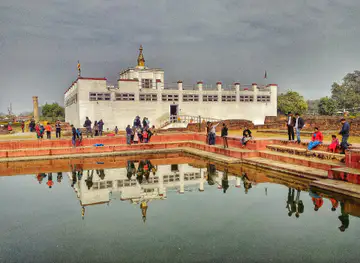
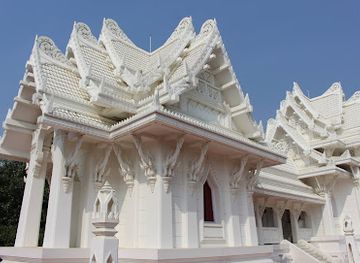
Lumbini's central attraction is the Sacred Garden, where the Maya Devi Temple, Ashokan Pillar and associated archaeological remains form the focus of Buddhist pilgrimage. The surrounding monastic zone offers temples, meditation centres and distinctive architectural interpretations from Buddhist communities around the world. In Kapilvastu, Tilaurakot provides an important archaeological complement, while nearby sites such as Kudan extend the story of the Buddha's early historical landscape. The Terai also offers quieter experiences at Jagdishpur Reservoir, a significant wetland for birds, and at local villages and market towns. In the hills, Tansen's old quarter, museums, temples and traditional crafts provide a marked contrast to the plains, while Rani Mahal combines historic architecture with a dramatic Kali Gandaki setting. Further journeys through Palpa, Gulmi and Arghakhanchi reveal terraced slopes, forests, river valleys and rural viewpoints rather than a dense concentration of formal attractions. The region suits visitors interested in pilgrimage, archaeology, cultural landscapes, birdwatching, walking and the transition between Nepal's flat southern plains and its middle hills.
-
Tourist attraction
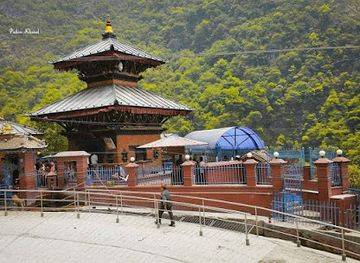
Supa Deurali Temple
Discover the tranquility and cultural richness of Supa Deurali Temple, a prominent Hindu site in Sitapur, Nepal, perfect for spiritual seekers and travelers alike.
-
Tourist attraction
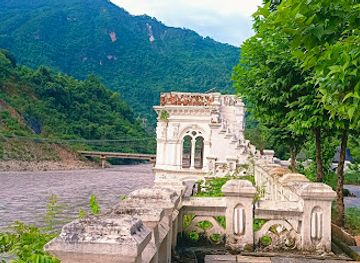
Rani Mahal
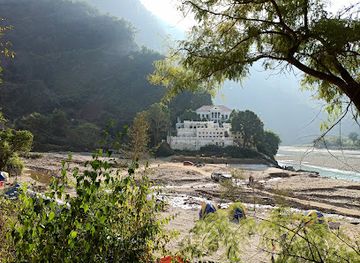
Discover the majestic Rani Mahal, a historical landmark in Nepal, showcasing royal architecture and captivating landscapes by the Kali River.
-
Buddhist temple
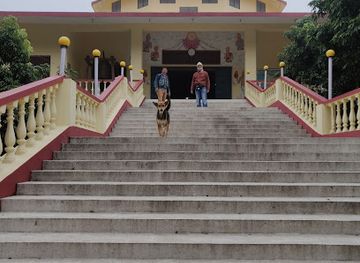
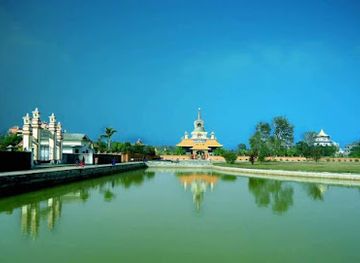
Thai Monastery
Experience tranquility and spiritual enlightenment at the Royal Thai Monastery in Lumbini, a UNESCO World Heritage Site dedicated to the teachings of Buddha.
-
Park
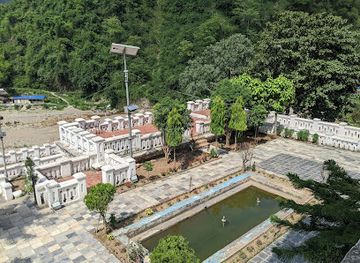
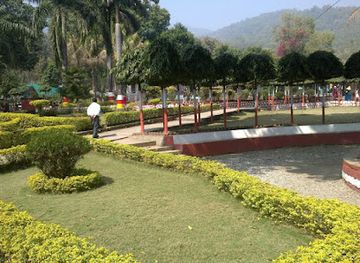
Manimukunda Sen Park
Experience the tranquility of nature at Manimukunda Sen Park, a serene escape in Butwal, Nepal, perfect for relaxation and outdoor activities.
Best landmarks in Lumbini Zone
The Ashokan Pillar and Maya Devi Temple at Lumbini are the region's most consequential landmarks, linking a surviving third-century BCE inscription with the Buddhist tradition of the Buddha's birthplace. The carefully planned Sacred Garden and the nearby international monasteries create a distinctive architectural landscape, with forms influenced by Buddhist communities from across Asia. Tilaurakot's excavated gateways, defensive traces and open mounds mark the ancient settlement associated with Kapilavastu and Siddhartha Gautama's early life. In the hills, Tansen's old town is recognised by steep lanes, traditional brick-and-timber buildings, temples and the distinctive Dhaka textile tradition associated with Palpa. Rani Mahal, beside the Kali Gandaki River, is a nineteenth-century palace whose setting is as significant as its architecture. The Kali Gandaki valley, the cultivated terraces around Palpa and the broad wetland landscape near Jagdishpur Reservoir provide natural landmarks that reveal the region's sharp transition from the Terai plains to Nepal's middle hills.
-
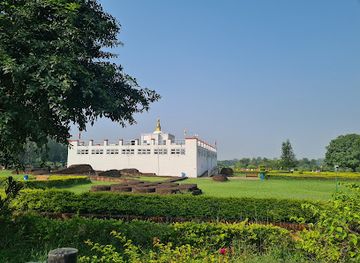
Buddhist temple
Maya Devi Temple
Discover the spiritual legacy of the Maya Devi Temple in Lumbini, the birthplace of Buddha, a harmonious blend of history, culture, and tranquility.
-
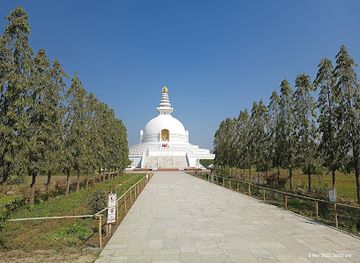
Buddhist temple
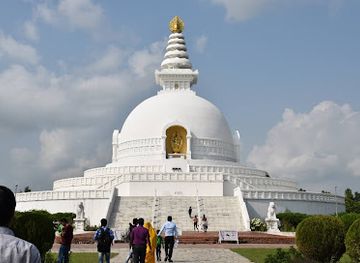
World Peace Pagoda
Experience serenity and spirituality at the World Peace Pagoda, a breathtaking Buddhist monument in Lumbini, Nepal.
-
Historical landmark
Rani Mahal
Discover Rani Mahal, the majestic Queen's Palace in Nepal, where history meets breathtaking landscapes and cultural richness awaits every visitor.
-
Hiking area
Hill Park
Explore Hill Park in Butwal, Nepal, a stunning hiking area with breathtaking views, lush gardens, and exciting activities for everyone.
Explore Lumbini Zone on the map
Plan your trip on one map. See where the top cities, national parks and sights are, and book hotels and experiences in a few clicks.
Best hotels in Lumbini Zone
Best restaurants in Lumbini Zone
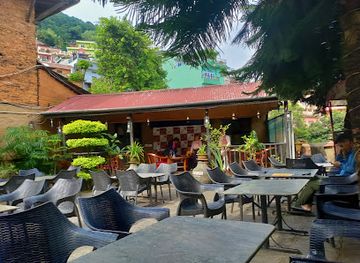
Food in Lumbini Zone reflects the meeting of Terai, hill and international pilgrimage cultures. Around Lumbini, restaurants serve Nepalese staples such as dal bhat, vegetable tarkari, chow mein, momos and thukpa alongside Indian and other Asian dishes for visitors and pilgrims. In the plains, look for rotis, rice-based meals, seasonal vegetables, samosas, sweets and Tharu or Madhesi-influenced preparations, although recipes vary between communities and individual households. Tansen and the hill markets offer sel roti, dhido, pickles, lentils and hearty vegetable or meat curries, with local snacks suited to cooler evenings. Tea is widely available, while lassi and fruit drinks are common in the Terai. Hotels and larger towns provide the broadest choice, but smaller eateries often offer the clearest sense of everyday regional cooking. Choose busy kitchens with good turnover, carry cash for modest establishments and ask about spice levels when ordering.
-
Restaurant
Galaxy Cafe
Experience delicious local and international cuisine at Galaxy Cafe in Butwal – your culinary haven in Nepal!
-
Family-friendly
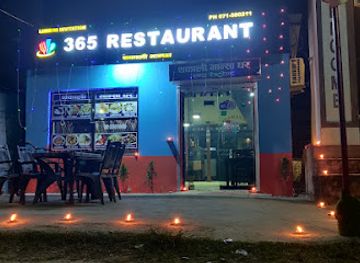
lumbini invitation 365 restaurent
Experience the flavors of Nepal at Lumbini Invitation 365 Restaurant - where delicious meals meet stunning surroundings.
-
Restaurant
Nanglo West
Experience authentic Nepali flavors blended with international cuisine at Nanglo West in Tansen.
-
Restaurant
Refresh Cafe
Experience delightful dining at Refresh Cafe in Butwal, where local flavors meet warm hospitality in a cozy atmosphere.

Best bars in Lumbini Zone
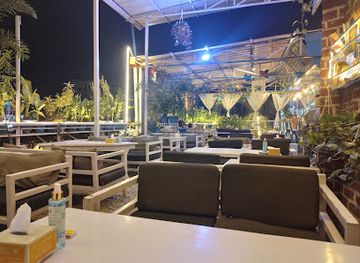
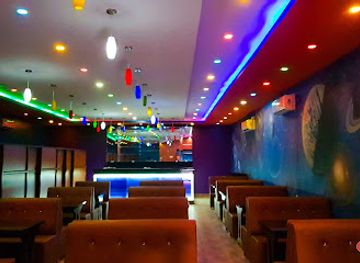
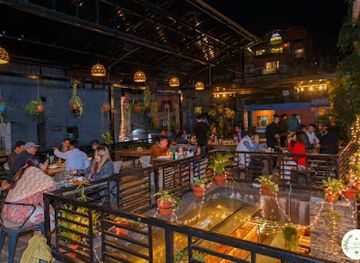
Evening life is generally quiet and social rather than club-centred. In Lumbini, evenings revolve around hotel restaurants, cafés, tea shops and peaceful walks near the monastic area, with many visitors observing the site's religious atmosphere rather than seeking late-night entertainment. Bhairahawa and Butwal have the region's broader selection of restaurants, lounges, modern cafés and bars, while Tansen combines small restaurants, teahouses and traditional meeting places with occasional cultural or live-music activity. In hill towns and rural districts, licensed hotel bars and local restaurants are more common than nightclubs, and venues may close early. Alcohol is not central to the pilgrimage experience, and visitors should respect monastery rules and local religious settings. Seasonal festivals and town events can bring additional evening activity, but schedules and venues change, so local hotel staff are the most reliable source of current information.
-
Restaurant
Galaxy Cafe
Discover Galaxy Cafe in Butwal – a perfect blend of local and international flavors, offering a cozy dining experience in the heart of the city.
-
Restaurant
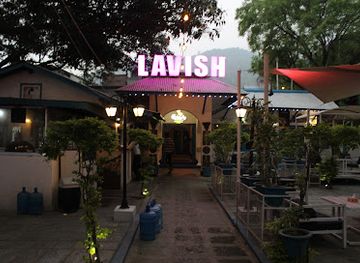
The Lavish Lounge and Bar
Experience exquisite dining and vibrant nightlife at The Lavish Lounge and Bar in Butwal, where flavors meet ambiance for an unforgettable evening.
-
Restaurant
Hotel Ananda Inn
Experience the serenity of Lumbini at Hotel Ananda Inn, your ideal retreat near the birthplace of Buddha, blending comfort with warm hospitality.
-
Bar
Longest Bar
Experience the vibrant nightlife at The Longest Bar in Pokhara, where unique design meets an extensive drink selection for an unforgettable evening.
Best nightclubs in Lumbini Zone
Evening life is generally quiet and social rather than club-centred. In Lumbini, evenings revolve around hotel restaurants, cafés, tea shops and peaceful walks near the monastic area, with many visitors observing the site's religious atmosphere rather than seeking late-night entertainment. Bhairahawa and Butwal have the region's broader selection of restaurants, lounges, modern cafés and bars, while Tansen combines small restaurants, teahouses and traditional meeting places with occasional cultural or live-music activity. In hill towns and rural districts, licensed hotel bars and local restaurants are more common than nightclubs, and venues may close early. Alcohol is not central to the pilgrimage experience, and visitors should respect monastery rules and local religious settings. Seasonal festivals and town events can bring additional evening activity, but schedules and venues change, so local hotel staff are the most reliable source of current information.
-
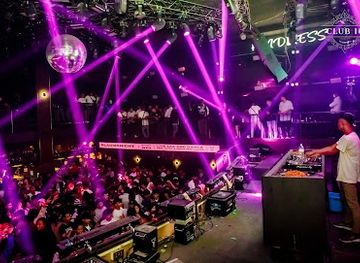
Night club
Club Catwalk
Discover the vibrant nightlife at Club Catwalk in Pokhara, where music, dance, and culinary delights create an unforgettable experience.
-
Night club
The Treasure Lounge
Experience the vibrant nightlife of Pokhara at The Treasure Lounge, where music, drinks, and good times await in an electrifying atmosphere.
-
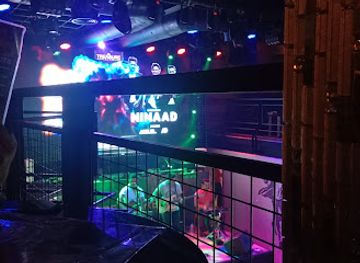
Live music bar
The Concept Club and Pub
Discover Butwal's nightlife at The Concept Club and Pub, a hotspot for live music and vibrant energy, perfect for a night out with friends.
-
Night club
Club Sixteen
Discover Pokhara's nightlife at Club Sixteen, where vibrant music and an electric atmosphere create unforgettable experiences.


Best shops in Lumbini Zone
Shopping in Lumbini Zone ranges from pilgrimage souvenirs to practical regional crafts and food products. Around Lumbini, visitors find prayer items, Buddhist images, books, incense, locally made handicrafts and textiles, although quality and provenance vary, so buying from established shops or cooperatives is sensible. Tansen is particularly associated with Dhaka cloth, used for traditional Nepali caps, bags and other garments, as well as metalwork, handmade household items and small craft products. Its old market streets are more suited to independent browsing than large-scale retail. Bhairahawa and Butwal provide the region's broadest selection of clothing, electronics, household goods and everyday shopping, while smaller Terai towns have produce markets and sweet shops reflecting local trade. Seasonal fruit, spices, tea, pickles and packaged regional foods can make useful gifts, but check transport restrictions and freshness before buying perishables. Bargaining is common in informal markets but not always appropriate in fixed-price shops.
-
Buddhist temple
Maya Devi Temple
Explore the sacred Maya Devi Temple, the birthplace of the Buddha, and immerse yourself in the spiritual heart of Lumbini, Nepal.
-
Buddhist temple
World Peace Pagoda
Explore the serene World Peace Pagoda in Lumbini, a spiritual haven celebrating peace and harmony amidst breathtaking landscapes.
-
Buddhist temple
Thai Monastery
Discover the Royal Thai Monastery in Lumbini, a serene Buddhist temple surrounded by tranquil gardens and rich spiritual heritage.
-
Park
Manimukunda Sen Park
Experience tranquility and nature at Manimukunda Sen Park, a lush green oasis in Butwal perfect for relaxation and family outings.
Get your free copy of our complete guide to Lumbini Zone, delivered straight to you.
Everything on this page, from attractions and restaurants to essentials and local phrases, in one PDF you can read offline, print or share.
Already have an account? Sign in
Your Lumbini Zone guide is ready.
We'll send it to · Not you? Sign out

Getting your guide ready…
We are putting together a fresh copy of the Lumbini Zone guide. This can take up to a minute.
This can take a few moments. If your browser asks, choose Allow so the download can start. You'll find the guide in your Downloads folder.
Nothing happened? Download it again
Sorry, the guide is taking longer than usual. Please try again in a minute, or get it by email instead.
Lumbini Zone essentials
Currency and Payment
Safety
Emergency Situations
Do's and Don'ts
Local Tips
From Eve
Local phrases worth knowing
You don't need to get them perfect. A few words go a long way, and locals appreciate the effort.
Basics
| English | Local | Say it |
|---|---|---|
| Hello | नमस्ते | [Namaste] |
| Goodbye | बिदाई | [Bidai] |
| Yes | हो | [Ho] |
| No | होइन | [Hoin] |
| Please/You're welcome | कृपया/स्वागतम् | [Kripaya/Swagatam] |
| Thank you | धन्यवाद | [Dhanyabad] |
| Excuse me/Sorry | माफ गर्नुहोस् | [Maf garnuhos] |
| How are you? | तपाईंलाई कस्तो छ? | [Tapaiilai kasto cha?] |
| Fine. And you? | ठिक छ। र तपाई? | [Thik cha. Ra tapai?] |
| Do you speak English? | के तपाई अंग्रेजी बोल्न सक्नुहुन्छ? | [Ke tapai angreji bolna saknuhunchha?] |
| I don't understand | म बुझ्दिन | [Ma bujhdina] |
Eating & Drinking
| English | Local | Say it |
|---|---|---|
| I'd like to see the menu, please | म मेनु हेर्न चाहन्छु, कृपया | [Ma menu herna chahanchu, kripaya] |
| I don't eat meat | म मासु खाँदिन | [Ma masu khadina] |
| Cheers! | सुप्रभात! | [Suprabhat!] |
| I would like to pay, please | म तिर्न चाहन्छु, कृपया | [Ma tirna chahanchu, kripaya] |
Emergencies
| English | Local | Say it |
|---|---|---|
| Help! | मद्दत गर्नुहोस्! | [Maddat garnuhos!] |
| Go away! | टाढा जानुहोस्! | [Tadha jaanuhos!] |
| Call the Police! | पुलिसलाई फोन गर्नुहोस्! | [Pulislai phone garnuhos!] |
| Call a doctor! | डाक्टरलाई फोन गर्नुहोस्! | [Daktar lai phone garnuhos!] |
| I'm lost | म हराएको छु | [Ma harayeko chu] |
| I'm ill | म बिरामी छु | [Ma birami chu] |
Shopping
| English | Local | Say it |
|---|---|---|
| I'd like to buy... | म किन्न चाहन्छु... | [Ma kinna chahanchu...] |
| I'm just looking | म केवल हेर्दै छु | [Ma keval herdai chu] |
| How much is it? | यसको मूल्य कति हो? | [Yasko moolya kati ho?] |
| That's too expensive | यो धेरै महँगो छ | [Yo dherai mahango cha] |
| Can you lower the price? | के तपाईं मूल्य घटाउन सक्नुहुन्छ? | [Ke tapaai moolya ghatauna saknuhunchha?] |
Time & Numbers
| English | Local | Say it |
|---|---|---|
| What time is it? | कति बजेको छ? | [Kati bajeko cha?] |
| It's one o'clock | यो एक बजे हो | [Yo ek baje ho] |
| Half past (10) | साढे (10) | [SaaDhe (10)] |
| Morning | सुबह | [Subah] |
| Afternoon | मध्याह्न | [Madhyahn] |
| Evening | बिहान | [Bihan] |
| Yesterday | हिजो | [Hijo] |
| Today | आज | [Aaja] |
| Tomorrow | भोलि | [Bholi] |
| 1 | १ | [1] |
| 2 | २ | [2] |
| 3 | ३ | [3] |
| 4 | ४ | [4] |
| 5 | ५ | [5] |
| 6 | ६ | [6] |
| 7 | ७ | [7] |
| 8 | ८ | [8] |
| 9 | ९ | [9] |
| 10 | १० | [10] |
Transport & Directions
| English | Local | Say it |
|---|---|---|
| Where's a/the...? | कहाँ छ ...? | [Kahaan cha ...?] |
| What's the address? | ठेगाना के हो? | [Thegana ke ho?] |
| Can you show me (on the map)? | के तपाईं मलाई देखाउन सक्नुहुन्छ (नक्सामा)? | [Ke tapaai malai dekhauna saknuhunchha (naksama)?] |
| When's the next (bus)? | अर्को (बस) कहिले छ? | [Arko (bus) kahile cha?] |
| A ticket (to ....) | एक टिकट (लाई ...) | [Ek ticket (lai ...)] |
History of Lumbini Zone
Early Terai Kingdoms and Buddhist Landscapes
The plains of the region formed part of the ancient cultural world of the central Himalaya and the Gangetic plain. Lumbini was associated with the Shakya and neighbouring Koliya communities, while the area around present-day Kapilvastu contained settlements, cultivated land and political centres connected by routes across northern South Asia. Buddhist traditions preserve the memory of Lumbini as the birthplace of Siddhartha Gautama in the sixth or fifth century BCE, although the chronology of his life remains discussed by historians. The landscape's importance is therefore both archaeological and religious, rooted in early urban settlement and enduring pilgrimage.
The Mauryan Period and Ashokan Pillar
The Mauryan emperor Ashoka visited Lumbini during the third century BCE, according to the inscription on the sandstone pillar erected there. The pillar records the site's association with the Buddha's birth and confirms that Lumbini was already an established sacred place. Ashoka's wider patronage helped connect Buddhist sites across the subcontinent through monuments, monasteries and pilgrimage routes. At Lumbini, the pillar and the archaeological remains around the Maya Devi Temple provide an unusually direct link between written evidence, imperial religious policy and a living pilgrimage tradition.
Kapilavastu and the Buddha's Early Life
The archaeological site of Tilaurakot, in present-day Kapilvastu District, is widely identified with ancient Kapilavastu, the Shakya centre associated with Siddhartha Gautama's youth. Excavations have revealed defensive features, gateways, habitation areas and evidence of an early settlement, although archaeological interpretation of historical sites in the wider Kapilavastu region remains careful and ongoing. The site's gates, mound-like remains and surrounding plains help visitors understand the scale of the ancient political landscape. Nearby archaeological locations, including Kudan, add context to the Buddha's movements and the region's early Buddhist history.
Medieval Trade, Hill Principalities and Tansen
After the early Buddhist period, the region developed through changing kingdoms, religious networks and trade routes linking the plains with the hill country. Tansen grew as an important settlement in the Palpa area under the Sen rulers, whose influence extended across parts of the western hills and lower plains before the rise of Gorkha power. The town's compact streets, temples and traditional houses reflect this layered history. Hill routes connecting Tansen and neighbouring valleys also supported the movement of salt, grain, metal goods and textiles between the Terai and the Middle Hills.
Unification and the Palpa Court
The expansion of the Gorkha kingdom in the eighteenth century brought the Palpa principality into the political structure that became modern Nepal. Palpa retained importance as a strategic hill centre, and Tansen later served as an administrative and commercial focus for western Nepal. The region's location between the Indian plains and the interior hills made control of its routes economically and politically significant. Many later institutions, roads and market connections developed from this role, while local architecture and customs continued to reflect older hill and Newar influences.
Rana-era Architecture and Rani Mahal
The late nineteenth century left a visible architectural legacy in the Palpa landscape. Rani Mahal, built beside the Kali Gandaki River in the 1890s by General Khadga Shamsher Rana, was conceived as a memorial palace and is often described as a romantic riverside retreat. Its construction demonstrates the power and patronage of the Rana elite, as well as the ability to move materials and labour through difficult hill terrain. The complex has since become one of Palpa's best-known historic sites, although access and conservation conditions can vary.
Modern Pilgrimage and Lumbini's International Development
Lumbini's modern revival accelerated after archaeological work and international Buddhist interest drew renewed attention to the birthplace tradition. Nepal and international partners developed the Lumbini Master Plan in the twentieth century, creating the Sacred Garden, an international monastic zone and supporting visitor infrastructure. Monasteries and meditation centres from different Buddhist countries now stand around the central heritage area, giving Lumbini a distinctly international character. The modern pilgrimage economy has also influenced transport, accommodation and employment in Rupandehi and surrounding communities.
Lumbini Zone in Photos
Browse through our photo collection highlighting the charm and character of the destination.
Neighbouring regions of Lumbini Zone
The closest regions to Lumbini Zone, if you have time for more than one.
-

-

-

-

-


Swipe for more regions
Explore more

Explore more of Nepal
Discover Nepal: A land of towering peaks, spiritual harmony, and vibrant culture, offering endless adventures and serene escapes for every traveler.
Explore Nepal