

Thamel (Kathmandu) Travel Guide - Free
Explore Thamel in Kathmandu with Evendo's free guide. Find the best shops, historic streets, restaurants, and gems on web or mobile.


Thamel Kathmandu blends trekking shops, Newari heritage, cafés, live music and nightlife, with easy access to Kathmandu’s temples, markets and cultural sights.
A Tourist Quarter with Local Texture
Thamel occupies a compact area north of Kathmandu’s historic centre, where narrow lanes, hotel courtyards and busy commercial streets form one of the capital’s most recognisable urban landscapes. It is a practical base for visitors arriving in Nepal: trekking agencies, luggage shops, cafés, restaurants, money changers and small hotels sit alongside temples, traditional courtyards and long-established neighbourhood businesses. The atmosphere is international, but Thamel remains firmly part of Kathmandu, with worshippers visiting shrines, residents navigating the lanes and shopkeepers opening their doors each morning.Read more about Thamel
Streets, Courtyards and Everyday Movement
Food, Music and Mountain Connections
Best attractions in Thamel
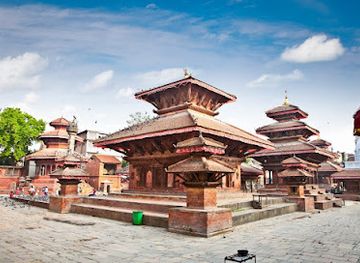
Thamel’s attractions are woven into its streets rather than concentrated in a single monument. Thamel Chowk provides the clearest introduction to the district’s traffic, shopfronts and visitor activity, while Mandala Street offers a more pedestrian-friendly sequence of cafés, restaurants and small businesses. Shrines and privately maintained courtyards appear between commercial buildings, giving the area glimpses of Kathmandu’s older urban culture. At the southern edge, the Garden of Dreams in the Kaiser Mahal complex provides formal lawns, pavilions and quiet paths close to the bustle of Tridevi Marg. A short walk south-east leads towards Asan’s dense market streets, while the historic centre and Kathmandu Durbar Square lie farther beyond and should not be confused with Thamel itself. The neighbourhood is also a useful place to browse trekking equipment, handicrafts, books, music and locally made textiles, reflecting its long role as a base for travellers and Himalayan expeditions.
-
Government office
Narayanhiti Royal Palace
Immerse yourself in the rich history of Nepal at the Narayanhiti Royal Palace, a captivating museum showcasing royal artifacts and cultural heritage.
10 min walk · 0.8 km from neighbourhood centre
-
Tourist attraction
Hanuman Dhoka
Explore the historic Hanuman Dhoka, a UNESCO World Heritage Site in Kathmandu, where culture, architecture, and history converge in a vibrant setting.
14 min walk · 1.1 km from neighbourhood centre
-
Tourist attraction
Nasal Chowk
Explore the historical charm of Nasal Chowk, a vibrant cultural hub in Kathmandu, rich with stunning architecture and local traditions.
14 min walk · 1.1 km from neighbourhood centre
-
Tourist attraction
Skywalk Tower Kamaladi
Experience breathtaking views of Kathmandu from the Skywalk Tower, a modern marvel offering stunning panoramas and cultural insights.
14 min walk · 1.1 km from neighbourhood centre


Best landmarks in Thamel
The most recognisable landmark within Thamel is the Kathmandu Guest House and its historic courtyard, associated with the district’s growth as an international traveller quarter since the late 1960s. Its presence helps explain how guesthouse tourism became central to the neighbourhood’s identity. The Garden of Dreams, at Kaiser Mahal on the southern edge of Thamel, is another important nearby architectural and landscape feature, with formal gardens and pavilions contrasting sharply with the surrounding commercial streets. Within Thamel itself, smaller shrines, carved timber details, brick façades and traditional courtyards preserve traces of Kathmandu’s older built environment amid hotels and shop signs. Thamel Chowk functions as a social and practical landmark rather than a monumental one, marking the district’s busiest meeting point. The neighbourhood’s significance lies in this layering of hospitality infrastructure, religious details and dense urban fabric.
-
Plaza
Kathmandu Durbar Square
Experience the heart of Nepal at Kathmandu Durbar Square, a UNESCO World Heritage site filled with rich history, stunning architecture, and vibrant culture.
14 min walk · 1.1 km from neighbourhood centre
-
Buddhist temple
Swoyambhu Mahachaitya
Explore the spiritual heart of Kathmandu at Swoyambhu Mahachaitya, a UNESCO World Heritage site, offering breathtaking views and rich Buddhist history.
6 min drive · 1.9 km from neighbourhood centre
-
Tourist attraction
Garden of Dreams
Discover serenity at the Garden of Dreams, a historic oasis in Kathmandu, blending tranquility with stunning neo-classical architecture.
5 min walk · 0.4 km from neighbourhood centre
-
Government office
Narayanhiti Royal Palace
Discover the majestic Narayanhiti Royal Palace in Kathmandu, a historical museum showcasing the grandeur of Nepal’s royal heritage and cultural evolution.
10 min walk · 0.8 km from neighbourhood centre


Explore Thamel on the map
A handpicked selection of must-see spots in Thamel, mapped for you.
Best hotels in Thamel
Best restaurants in Thamel
Thamel has Kathmandu’s broadest concentration of visitor-oriented dining, ranging from Nepali and Newari cooking to Tibetan dishes, Indian food, Middle Eastern plates and international café fare. Dal bhat, momos and other familiar Nepali foods are widely available, while bakeries and coffee shops cater to travellers preparing for or returning from treks. Restaurants cluster around the main lanes, Mandala Street, Paknajol and the roads near Tridevi Marg, with rooftop terraces and courtyard settings appearing alongside modest local eateries. The district’s food culture reflects its history as an international traveller quarter, but visitors can also seek out Newari specialities and Tibetan-influenced dishes rather than treating Thamel solely as a global dining strip. Menus, service styles and prices vary considerably, so checking the bill and confirming included items is sensible, particularly in busier venues and when ordering by weight or portion.
-
Pizza
Roadhouse Cafe
Discover the best pizza experience at Roadhouse Cafe in Kathmandu's lively Thamel district.
1 min walk · 0.1 km from neighbourhood centre
-
Organic
OR2K
Discover OR2K: A premier organic dining destination in Kathmandu's Thamel district offering delectable vegetarian and vegan cuisine.
1 min walk · 0.1 km from neighbourhood centre
-
Restaurant
Jasper Restaurant - Thamel, Kathmandu
Discover an exquisite blend of Nepalese and international cuisines at Jasper Restaurant in Thamel, Kathmandu - where every meal is a celebration.
2 min walk · 0.2 km from neighbourhood centre
-
Grill
Kathmandu Grill Restaurant
Savor authentic Nepalese flavors and international cuisine at Kathmandu Grill Restaurant in Thamel – a culinary haven for every traveler.
3 min walk · 0.2 km from neighbourhood centre


Best bars in Thamel
After dark, Thamel becomes one of Kathmandu’s principal areas for bars, live music and casual evening entertainment. The scene is concentrated along the busier lanes around Thamel Chowk, Mandala Street and Paknajol, where small music venues, pubs, cocktail bars and restaurants serve a mixture of residents, travellers and trekking groups. Live performances commonly include acoustic sets, rock and popular music, while some venues focus more on dancing or late-night drinks. The atmosphere changes quickly from one street to the next: a busy bar may stand close to a quiet guesthouse lane or a shrine. Visitors should check current arrangements directly, as performances and opening patterns change, and should take care on the walk home around traffic, uneven paving and crowded doorways rather than assuming every lane has the same late-night character.
-
Bar
Purple Haze Rock Bar
Discover the heart of Kathmandu's nightlife at Purple Haze Rock Bar, where live music and great drinks create an unforgettable experience.
1 min walk · 0.1 km from neighbourhood centre
-
Irish pub
Everest Irish Pub
Discover the vibrant atmosphere of Everest Irish Pub in Thamel, Kathmandu - combining Irish hospitality with local flavors.
4 min walk · 0.3 km from neighbourhood centre
-
Bar
Buddha Bar
Experience the perfect blend of serenity and vibrancy at Buddha Bar, a top nightlife destination in Kathmandu's Thamel district.
1 min walk · 0.1 km from neighbourhood centre
-
Bar
The Bar Bar Black Sip
Experience the vibrant nightlife of Kathmandu at The Bar Bar Black Sip, where great music, drinks, and atmosphere come together.
3 min walk · 0.2 km from neighbourhood centre


Best nightclubs in Thamel
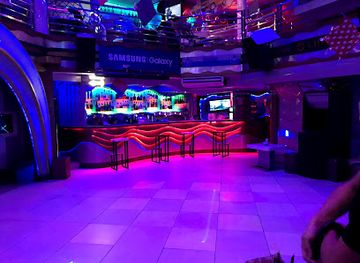
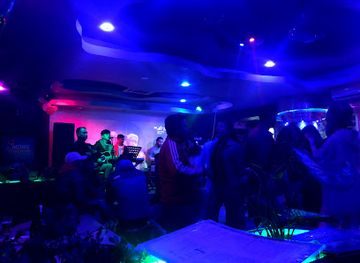
After dark, Thamel becomes one of Kathmandu’s principal areas for bars, live music and casual evening entertainment. The scene is concentrated along the busier lanes around Thamel Chowk, Mandala Street and Paknajol, where small music venues, pubs, cocktail bars and restaurants serve a mixture of residents, travellers and trekking groups. Live performances commonly include acoustic sets, rock and popular music, while some venues focus more on dancing or late-night drinks. The atmosphere changes quickly from one street to the next: a busy bar may stand close to a quiet guesthouse lane or a shrine. Visitors should check current arrangements directly, as performances and opening patterns change, and should take care on the walk home around traffic, uneven paving and crowded doorways rather than assuming every lane has the same late-night character.
-
Night club
LOD - Lord of the Drinks
Dive into the vibrant nightlife at Lord of the Drinks, where creative cocktails and pulsating music create unforgettable memories in Bhagwatisthan.
4 min walk · 0.4 km from neighbourhood centre
-
Disco club
Ibyza Lounge & Disco
Discover Kathmandu's nightlife at Ibyza Lounge & Disco, a premier venue for music, dance, and delicious Nepalese cuisine.
2 min walk · 0.1 km from neighbourhood centre
-
Night club
Turtle Lounge & Club
Experience the electrifying nightlife at Turtle Lounge & Club, where Kathmandu's vibrant culture meets unforgettable dance and music.
1 min walk · 0.1 km from neighbourhood centre
-
Disco club
Fire Club Disco Theque & Lounge Bar
Discover Kathmandu's nightlife at Fire Club Disco Theque & Lounge Bar, where vibrant music and a lively atmosphere await.
1 min walk · 0.1 km from neighbourhood centre


Best shops in Thamel
Shopping in Thamel is closely tied to travel, trekking and Nepal’s craft traditions. The main lanes and side streets contain shops selling trekking clothing, sleeping bags, backpacks, maps and outdoor accessories, alongside pashmina products, woollens, singing bowls, prayer flags, handmade paper goods, jewellery, carvings and souvenirs. The quality and provenance of goods vary, so visitors should ask whether an item is locally made, imported, new or used, especially when purchasing technical equipment or costly handicrafts. Bookshops and music retailers add to the district’s long-standing traveller culture, while small boutiques and galleries provide alternatives to the most densely commercial stretches. Thamel is not Kathmandu’s only shopping area: the traditional markets of nearby Asan offer a different, more locally oriented experience, and should be described as an adjacent destination rather than part of the neighbourhood itself.
-
Market
Thamel Bazar Kathmandu
Discover the vibrant heart of Kathmandu at Thamel Bazar, where local culture, shopping, and delicious food come together in a colorful market experience.
2 min walk · 0.1 km from neighbourhood centre
-
Clothing store
S.K. Handicrafts Export FAIR TRADE Cashmere Company
Explore the finest handcrafted cashmere clothing and accessories at S.K. Handicrafts in Kathmandu. A Fair Trade destination for ethical shopping.
3 min walk · 0.2 km from neighbourhood centre
-
Craft store
Amrita Craft (P) Ltd
Discover the essence of Nepalese craftsmanship at Amrita Craft, a vibrant store in Thamel, Kathmandu, offering authentic handmade treasures.
2 min walk · 0.2 km from neighbourhood centre
-
Craft store
Legend's Khukuri Gallery Pvt. Ltd.
Discover authentic Nepali handicrafts at Legend's Khukuri Gallery in Thamel, where tradition meets artistry in every unique piece.
1 min walk · 0.1 km from neighbourhood centre


Thamel essentials
Getting There
Getting Around
Safety
Emergency Situations
Do's and Don'ts
Local Tips

From Eve
Local phrases worth knowing
You don't need to get them perfect. A few words go a long way, and locals appreciate the effort.
Basics
| English | Local | Say it |
|---|---|---|
| Hello | नमस्ते | [namaste] |
| Goodbye | फेरि भेटौं | [feri bhetau] |
| Yes | हो | [ho] |
| No | होइन | [hoin] |
| Please/You're welcome | कृपया | [krupaya] |
| Thank you | धन्यवाद | [dhanyabad] |
| Excuse me/Sorry | क्षमा गर्नुहोस् | [kshama garnuhos] |
| How are you? | तपाईंलाई कस्तो छ? | [tapailai kasto cha?] |
| Fine. And you? | राम्रो छ। तपाईंलाई? | [ramro cha. tapailai?] |
| Do you speak English? | तपाईंले अंग्रेजी बोल्नुहुन्छ? | [tapainle angreji bolnuhuncha?] |
| I don't understand | मैले सम्झिन | [maile samjhin] |
Eating & Drinking
| English | Local | Say it |
|---|---|---|
| I'd like to see the menu, please | कृपया मेनु हेर्न चाहन्छु | [krupaya menu hern chahanchu] |
| I don't eat meat | म भांसामा मासु खाँदिन | [ma bhansa ma masu khandin] |
| Cheers! | चियर्स! | [chiyars!] |
| I would like to pay, please | कृपया भुक्तानी गर्न चाहन्छु | [krupaya bhuktani garn chahanchu] |
Emergencies
| English | Local | Say it |
|---|---|---|
| Help! | मदद! | [madad!] |
| Go away! | दूर हुनुहोस्! | [dur hunuhos!] |
| Call the Police! | प्रहरीलाई बोलाउनुहोस्! | [praharilai bolaunuhos!] |
| Call a doctor! | डाक्टरलाई बोलाउनुहोस्! | [daktarlai bolaunuhos!] |
| I'm lost | म खोइएको छु | [ma khoieko chu] |
| I'm ill | मलाई बिरामी भएको छ | [malai birami bhaeko cha] |
Shopping
| English | Local | Say it |
|---|---|---|
| I'd like to buy... | म खरिद गर्न चाहन्छु... | [ma kharid garn chahanchu...] |
| I'm just looking | म सिर्जना गर्न चाहन्छु | [ma sirjana garn chahanchu] |
| How much is it? | यो कति हो? | [yo kati ho?] |
| That's too expensive | त्यो धेरै महँगो छ | [tyo dherai mahango cha] |
| Can you lower the price? | के तपाईं मूल्य कम गर्न सक्नुहुन्छ? | [ke tapain mulya kam garn saknuhuncha?] |
Time & Numbers
| English | Local | Say it |
|---|---|---|
| What time is it? | कति बज्यो? | [kati bajyo?] |
| It's one o'clock | एक बजे छ | [ek baje cha] |
| Half past (10) | दसबजे अर्धाबजे | [dasbaje ardhabaje] |
| Morning | बिहान | [bihan] |
| Afternoon | दिउँसो | [diunso] |
| Evening | साँझ | [sanh] |
| Yesterday | हिजो | [hijo] |
| Today | आज | [aj] |
| Tomorrow | भोली | [bholi] |
| 1 | एक | [ek] |
| 2 | दुई | [dui] |
| 3 | तीन | [tin] |
| 4 | चार | [char] |
| 5 | पाँच | [pach] |
| 6 | छ | [chha] |
| 7 | सात | [sat] |
| 8 | आठ | [ath] |
| 9 | नौ | [nau] |
| 10 | दश | [dash] |
Transport & Directions
| English | Local | Say it |
|---|---|---|
| Where's a/the...? | कहाँ...? | [kaha...?] |
| What's the address? | ठेगाना के हो? | [thegana ke ho?] |
| Can you show me (on the map)? | तपाईंले मलाई देखाउन सक्छिनुहुन्छ? | [tapainle malai dekhaun sakchinuhuncha?] |
| When's the next (bus)? | अर्को कति बज्यो? | [arko kati bajyo?] |
| A ticket (to ....) | एक कोटी (.... लाई) | [ek kotee (.... lai)] |
History of Thamel
From Fields to Northern Kathmandu
Before Thamel became a tourism district, the area lay beyond the dense historic core of Kathmandu and formed part of the city’s northern edge, with cultivated land and scattered settlement associated with the wider Kathmandu Valley urban area. Its later development was shaped by Kathmandu’s outward expansion and by roads connecting the old centre with northern neighbourhoods. The name Thamel is now used for a relatively informal urban quarter rather than a sharply defined historic administrative district, and its boundaries overlap with adjoining streets around Jyatha, Paknajol and the Kaiser Mahal area.
Tourism and the Hippie Trail
Thamel’s transformation accelerated during the 1960s and 1970s, when Kathmandu became a stop on overland routes across Asia and attracted long-stay travellers seeking inexpensive lodging, music, crafts and a different cultural environment. Guesthouses, cafés, travel services and small shops gradually replaced much of the earlier low-density landscape. The district’s association with the so-called hippie trail helped establish the commercial pattern that still defines it: accommodation and food businesses serving international visitors, supported by local traders and service workers.
A Base for Himalayan Travel
As trekking became a major part of Nepal’s visitor economy, Thamel developed into a logistical centre for journeys into the Himalaya. Trekking agencies, equipment sellers, guides, restaurants and transport connections joined the existing guesthouse economy, while travellers used the quarter to obtain permits, organise supplies and recover between excursions. This growth also linked Thamel more closely to Nepal’s mountain regions, even though the neighbourhood itself is a dense urban district rather than a trekking landscape. Its shops and businesses continue to reflect that relationship.
Commercial Growth and Urban Change
In recent decades, Thamel has become more built-up, commercially organised and internationally oriented, with hotels, restaurants, bars, tour offices and specialist retailers occupying streets that also retain shrines, courtyards and long-established local services. The area has adapted to changing visitor patterns, including the expansion of boutique hospitality and more formal pedestrian management in parts of the quarter. Earthquakes, infrastructure pressures and tourism fluctuations have affected Kathmandu broadly, while Thamel’s continuing challenge has been to accommodate intense visitor activity without losing the small-scale streets and cultural features that connect it to the older city.
Thamel in Photos
Browse through our photo collection highlighting the charm and character of the destination.
Neighbourhoods near Thamel
The closest neighbourhoods to Thamel, if you have time for more than one stop.
-

-

-
-


Swipe for more neighbourhoods
Explore more

Explore more of Kathmandu
Kathmandu brings together Himalayan culture, sacred temples, historic squares, lively markets and unforgettable valley sightseeing in Nepal, and local culture.
Explore Kathmandu