

Noordoostpolder, Netherlands Travel Guide
Experience the serene landscapes, vibrant tulip fields, and rich history of Noordoostpolder - a reclaimed gem in the heart of the Netherlands.
Noordoostpolder is a unique and tranquil destination in the Netherlands. This charming area is renowned for its vast, flat landscapes and scenic beauty. As one of the largest land reclamation projects in the country, Noordoostpolder has a fascinating history that dates back to the mid-20th century. The land was reclaimed from the IJsselmeer, transforming it into a thriving agricultural region. Today, it offers visitors a peaceful retreat away from the hustle and bustle of city life. Nature lovers will find Noordoostpolder to be a paradise. The region is home to the famous tulip fields, which bloom spectacularly in the spring. These vibrant fields stretch as far as the eye can see, creating a mesmerizing tapestry of colors. The annual Tulip Festival is a highlight, attracting visitors from all over the world to witness this breathtaking display. In addition to tulips, the area boasts beautiful parks and nature reserves, perfect for hiking, cycling, and bird watching. Noordoostpolder also offers a rich cultural experience. The town of Emmeloord serves as the main hub, where you can explore local shops, cafes, and markets. The nearby Schokland Museum, a UNESCO World Heritage site, provides insight into the region's history and its battle against the sea. For a taste of local cuisine, try some delicious Dutch cheese or visit a traditional pancake house. Noordoostpolder's blend of natural beauty and cultural heritage makes it a must-visit destination in the Netherlands.

Know before you go
Hi, I'm Eve. Here are a few practical things to know before exploring Noordoostpolder.
- Visit during late April to early May to see the tulip fields in full bloom.
- Rent a bike to explore the extensive network of cycling paths around Noordoostpolder.
- Check out the local markets in Emmeloord for fresh produce and unique souvenirs.
- Make time to visit Schokland Museum to learn about the region's history and heritage.
- Pack a picnic and enjoy a day at one of the many scenic parks or nature reserves.
Destinations in Noordoostpolder
Resorts, valleys and scenic spots worth a trip of their own.

Explore Noordoostpolder: Things to Do, Places to Eat, Hotels & More
Handpicked recommendations for top attractions, local dining, accommodations, and more

Top Attractions & Sightseeing in Noordoostpolder
Top-rated picks
Best Attractions

Pantropica (voorheen de Orchideeën Hoeve)
Explore Pantropica, a stunning botanical garden and animal park in Luttelgeest, showcasing exotic plants and wildlife in a beautiful tropical setting.

Nationaal Park Weerribben-Wieden
Explore the lush landscapes and serene waterways of Nationaal Park Weerribben-Wieden, a natural paradise in Giethoorn, Netherlands.

Thialf
Experience the thrill of ice sports at Thialf, Heerenveen's premier arena for hockey, skating, and unforgettable events.

Wouda pumping station
Discover the Wouda Pumping Station in Lemmer, a UNESCO World Heritage site and engineering marvel, showcasing Dutch water management ingenuity.

Best landmarks in Noordoostpolder
Top-rated picks
Best Landmarks

Pantropica (voorheen de Orchideeën Hoeve)
Experience the beauty of biodiversity at Pantropica, a tropical paradise featuring exotic flora and fauna in the heart of the Netherlands.

Wouda pumping station
Discover the Wouda Pumping Station in Lemmer, a UNESCO World Heritage site showcasing Dutch hydraulic engineering and its historical significance.
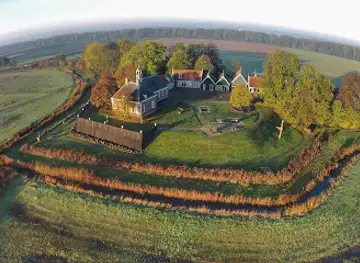
Museum Schokland
Explore the captivating history and culture of the Netherlands at Museum Schokland, a UNESCO World Heritage site showcasing archaeological and artistic treasures.

Urk Lighthouse
Explore Urk Lighthouse: A Historic Maritime Beacon with Stunning Views and Rich Dutch Heritage in the Heart of Urk.

Best restaurants in Noordoostpolder
Top-rated picks
Best Restaurants

Van der Valk Hotel Emmeloord
Experience delightful dining and cozy accommodations at Van der Valk Hotel Emmeloord - where hospitality meets culinary excellence.

Hotel Restaurant Grandcafe 't Voorhuys
Experience culinary excellence and warm hospitality at Hotel Restaurant Grandcafe 't Voorhuys in Emmeloord.

Restaurant 't Achterhuis
Experience authentic Dutch cuisine at Restaurant 't Achterhuis in Urk – where every dish tells a story.

Bar & Restaurant At Sea
Discover a culinary paradise at Bar & Restaurant At Sea with scenic views, delightful meals, and exciting outdoor adventures.

Best bars in Noordoostpolder
Top-rated picks
Best Bars
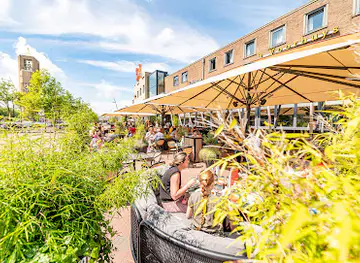
Hotel Restaurant Grandcafe 't Voorhuys
Experience the perfect blend of fine dining and cozy accommodations at Hotel Restaurant Grandcafe 't Voorhuys in Emmeloord.

Plaza6
Experience authentic Asian flavors at Plaza6, the premier Wok restaurant in Emmeloord, where fresh ingredients meet culinary creativity.

Bij Ons in de Wellerwaard
Experience delightful dining and breathtaking views at Bij Ons in de Wellerwaard, Emmeloord's premier beach pavilion restaurant.

Da Enzo Emmeloord
Discover the heart of Italy at Da Enzo Emmeloord, featuring authentic pizzas and traditional Italian cuisine in a cozy setting.

Best nightclubs in Noordoostpolder
Top-rated picks
Best Nightclubs

Club 24
Experience the vibrant nightlife at Club 24 in Lemmer, where music, dancing, and local culture come together for an unforgettable evening.

Bar street The Beugel
Discover the electrifying nightlife at Bar Street The Beugel, where music, friends, and unforgettable moments await in Echtenerbrug.

Partypub de Albatros
Discover the vibrant nightlife of Zwartsluis at Partypub de Albatros, a premier disco club filled with energy, music, and unforgettable experiences.

Cornoobs cave
Discover the vibrant nightlife at Cornoobs Cave, a lively cabaret club in Zwartsluis, offering unforgettable performances and entertainment.

Best shops in Noordoostpolder
Top-rated picks
Best Shops

Hotel Restaurant Grandcafe 't Voorhuys
Discover the charm of Emmeloord at Hotel Restaurant Grandcafe 't Voorhuys, where comfort meets exceptional dining experiences.

Vink Fruitboerderij
Discover the flavors of nature at Vink Fruitboerderij, where fresh fruits and vegetables await in a charming orchard setting.

Renne Flavors
Explore Renne Flavors in Nagele - a store and event venue dedicated to the best of local Dutch produce and culinary experiences.

Fruitbedrijf Hoekstra BV
Discover the freshest local produce at Fruitbedrijf Hoekstra BV in Luttelgeest, where flavor meets sustainability.

Explore Noordoostpolder on the Map
A handpicked selection of must-see spots in Noordoostpolder, mapped for you.
Noordoostpolder Essentials
-
Noordoostpolder is located in the province of Flevoland in the Netherlands. The nearest major airport is Amsterdam Schiphol Airport, approximately 100 kilometers away. From Amsterdam, you can take a train to Lelystad, followed by a bus or taxi to Noordoostpolder. Alternatively, you can rent a car and drive, which takes about 1.5 hours from Amsterdam.
-
Once in Noordoostpolder, you can get around by bus, bike, or car. Buses connect major towns and villages within the polder, and bike rental services are available for those who wish to explore the picturesque countryside. Renting a car can provide more flexibility, especially for visiting remote areas and attractions.
-
The official currency in the Netherlands is the Euro (EUR). Credit and debit cards are widely accepted in most establishments, including restaurants, hotels, and shops. ATMs are readily available in larger towns, but it's advisable to carry some cash for use in smaller villages or markets.
-
Noordoostpolder is generally a safe area for tourists. Crime rates are low, but standard precautions should still be taken. Avoid leaving valuables unattended and be cautious in crowded places. There are no specific high-crime areas targeting tourists, but it's always best to stay vigilant.
-
In case of emergency, dial 112 for immediate assistance. This number connects you to police, fire, and medical services. Noordoostpolder has local police stations and medical facilities available. It is recommended to have travel insurance that covers medical emergencies. Pharmacies are available in larger towns for minor health issues.
-
Fashion: Do dress comfortably and according to the weather. Layers are recommended due to variable weather conditions. Religion: Do respect local customs and traditions, especially in religious sites. Public Transport: Do be respectful and give up your seat to elderly passengers. Don't eat or drink on public transport. Greetings: Do greet people with a friendly 'Hallo' or 'Goedendag'. A handshake is also appropriate. Eating & Drinking: Do try local delicacies and accept food offerings graciously. Don't refuse hospitality, as it is considered impolite.
-
To experience Noordoostpolder like a local, visit the weekly markets where you can buy fresh produce and local goods. Engage with locals, who are generally friendly and willing to share stories about the area. Don't miss visiting the tulip fields in spring, as the polder is famous for its vibrant tulip displays. For a unique experience, explore the Schokland Museum, a UNESCO World Heritage Site, to learn about the area's history and land reclamation efforts.
When is the best time to visit Noordoostpolder?
Useful Local Phrases for Noordoostpolder
You don't need to speak the language perfectly. Even learning a few simple words can make conversations warmer—and locals usually appreciate the effort.
— Eve

Here are the phrases I use most often in Noordoostpolder. Try a few—you'll be surprised how far they go! 😊
❤️
-
- HelloHallo
[Ha-lo] - GoodbyeTot ziens
[Tot zeens] - YesJa
[Ya] - NoNee
[Nay] - Please/You're welcomeAlstublieft
[Al-stu-bleeft] - Thank youDank je wel
[Dank ye vel] - Excuse me/SorryHet spijt me
[Het spayt me] - How are you?Hoe gaat het?
[Hoo gaat het?] - Fine. And you?Goed. En jij?
[Hoot. En yay?] - Do you speak English?Spreek je Engels?
[Sprayk ye Eng-els?] - I don't understandIk begrijp het niet
[Ik be-graip het neet]
- HelloHallo
-
- I'd like to see the menu, pleaseMag ik de menu zien, alstublieft?
[Mahg ik de me-nu zeen, al-stu-bleeft?] - I don't eat meatIk eet geen vlees
[Ik ate geen vles] - Cheers!Proost!
[Prohst!] - I would like to pay, pleaseIk zou graag betalen, alstublieft
[Ik zow grahkh be-ta-len, al-stu-bleeft]
- I'd like to see the menu, pleaseMag ik de menu zien, alstublieft?
-
- Help!Help!
[Help!] - Go away!Ga weg!
[Gah vek!] - Call the Police!Bel de politie!
[Bel de po-li-tsee!] - Call a doctor!Bel een dokter!
[Bel een dok-ter!] - I'm lostIk ben verdwaald
[Ik ben fer-dwaald] - I'm illIk ben ziek
[Ik ben zeek]
- Help!Help!
-
- I'd like to buy...Ik wil graag kopen...
[Ik vil grahkh ko-pen...] - I'm just lookingIk kijk alleen maar
[Ik kayk a-layn mar] - How much is it?Hoeveel kost het?
[Hoo-vayl kost het?] - That's too expensiveDat is te duur
[Dat is te dur] - Can you lower the price?Kun je de prijs verlagen?
[Kun ye de prays ver-lah-ghen?]
- I'd like to buy...Ik wil graag kopen...
-
- What time is it?Hoe laat is het?
[Hoo laat is het?] - It's one o'clockHet is één uur
[Het is een oor] - Half past (10)Half (10)
[Half (10)] - MorningOchtend
[Okh-tend] - AfternoonMiddag
[Mid-dahkh] - EveningAvond
[Ah-vond] - YesterdayGisteren
[Ghis-ter-en] - TodayVandaag
[Van-dahkh] - TomorrowMorgen
[Mor-ghen] - 11
[1] - 22
[2] - 33
[3] - 44
[4] - 55
[5] - 66
[6] - 77
[7] - 88
[8] - 99
[9] - 1010
[10]
- What time is it?Hoe laat is het?
-
- Where's a/the...?Waar is een de...?
[Vahr is een de...?] - What's the address?Wat is het adres?
[Vot is het a-dress?] - Can you show me (on the map)?Kun je me laten zien (op de kaart)?
[Kun ye me lah-ten zeen (op de kart)?] - When's the next (bus)?Wanneer komt de volgende (bus)?
[Vahn-neer komt de vol-gen-de (bus)?] - A ticket (to ....)Een ticket (naar ....)
[Een ti-ket (naar ....)]
- Where's a/the...?Waar is een de...?
History of Noordoostpolder
-
The idea of reclaiming land from the Zuiderzee, a shallow bay of the North Sea, was envisioned by engineer Cornelis Lely in the late 19th century. His plans proposed the creation of polders, including Noordoostpolder, to protect the country from floods and create new agricultural land. This vision was crucial for the future development of the region.
-
The construction of the Afsluitdijk, a major dam and causeway, began in 1927 and was completed in 1932. This monumental project transformed the Zuiderzee into the IJsselmeer, a freshwater lake. The Afsluitdijk was fundamental in making the reclamation of Noordoostpolder possible, setting the stage for one of the most ambitious land reclamation projects in Dutch history.
-
The actual reclamation of Noordoostpolder began in earnest in 1936 and was completed by 1942. The process involved draining the land and constructing an intricate network of canals and pumping stations. This massive engineering feat resulted in approximately 460 square kilometers of new land, which was then designated for agricultural use and settlement.
-
During World War II, the Noordoostpolder was still in its early stages of development. The region saw limited German occupation, but the new land provided a refuge for those evading Nazi persecution. The wartime period also highlighted the strategic importance of the polder, influencing post-war reconstruction and development plans.
-
After World War II, Noordoostpolder became a symbol of Dutch resilience and ingenuity. The government initiated a structured settlement plan, attracting farmers and families to the area. The polder was divided into meticulously planned agricultural plots, and new villages were established, including Emmeloord as the central town. This period marked the beginning of Noordoostpolder as a thriving agricultural hub.
-
Today, Noordoostpolder is a blend of rich cultural heritage and modern development. The area is known for its unique landscape, characterized by straight roads and watercourses, and its vibrant tulip fields that attract tourists each spring. The polder’s history is preserved in museums and cultural sites, such as the Museum Schokland, which showcases the region's geological and human history. Modern Noordoostpolder continues to evolve, balancing agricultural productivity with sustainable development and cultural preservation.
Neighbouring Regions of Noordoostpolder
The closest regions to Noordoostpolder, if you have time for more than one.



Your all‑in‑one travel companion app
Explore expert travel guides, compare and book tours, experiences, hotels, and more—all from the palm of your hand. Download now for seamless trip planning wherever your wanderlust takes you.


Explore More of Netherlands

Looking beyond Noordoostpolder? Discover Netherlands for broader travel guides, local hot-spots, and regional highlights.
Explore NetherlandsNoordoostpolder in Photos
Browse through our photo collection highlighting the charm and character of the destination.


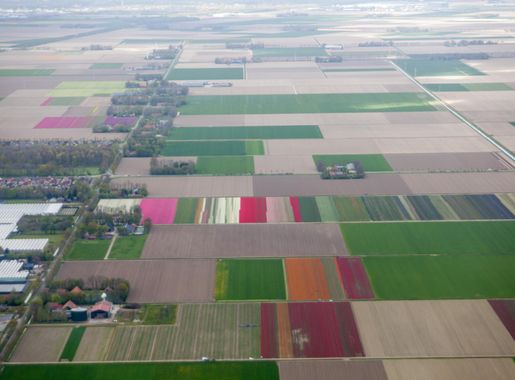
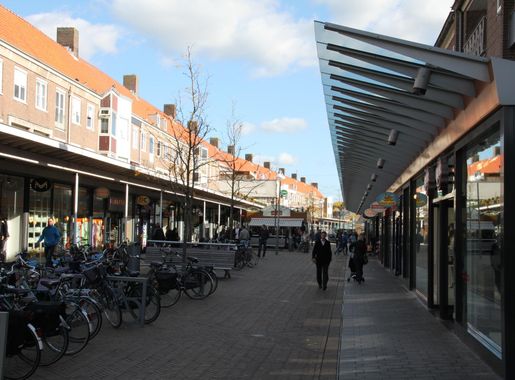


Discover the Serenity of Noordoostpolder
Noordoostpolder is a unique and tranquil destination in the Netherlands. This charming area is renowned for its vast, flat landscapes and scenic beauty. As one of the largest land reclamation projects in the country, Noordoostpolder has a fascinating history that dates back to the mid-20th century. The land was reclaimed from the IJsselmeer, transforming it into a thriving agricultural region. Today, it offers visitors a peaceful retreat away from the hustle and bustle of city life. Nature lovers will find Noordoostpolder to be a paradise. The region is home to the famous tulip fields, which bloom spectacularly in the spring. These vibrant fields stretch as far as the eye can see, creating a mesmerizing tapestry of colors. The annual Tulip Festival is a highlight, attracting visitors from all over the world to witness this breathtaking display. In addition to tulips, the area boasts beautiful parks and nature reserves, perfect for hiking, cycling, and bird watching. Noordoostpolder also offers a rich cultural experience. The town of Emmeloord serves as the main hub, where you can explore local shops, cafes, and markets. The nearby Schokland Museum, a UNESCO World Heritage site, provides insight into the region's history and its battle against the sea. For a taste of local cuisine, try some delicious Dutch cheese or visit a traditional pancake house. Noordoostpolder's blend of natural beauty and cultural heritage makes it a must-visit destination in the Netherlands.