

Free IJsselmeer Polders Travel Guide & Mobile App
Explore IJsselmeer Polders with free travel guides. Discover regional history, expert tips, proposed trips, and audio guides on web or mobile app.


Explore the IJsselmeer Polders for reclaimed landscapes, modern towns, maritime heritage, cycling routes, wetlands and innovative Dutch water engineering.
Read more about IJsselmeer Polders
When is the best time to visit IJsselmeer Polders?
Best: June–August · 21–23°C| Month | High (°C) | Rainfall (mm) |
|---|---|---|
| January | 6 | 60 |
| February | 6 | 50 |
| March | 10 | 50 |
| April | 14 | 50 |
| May | 18 | 60 |
| June (best) | 21 | 70 |
| July (best) | 23 | 70 |
| August (best) | 23 | 70 |
| September | 19 | 60 |
| October | 15 | 60 |
| November | 9 | 60 |
| December | 6 | 60 |
Getting to and around IJsselmeer Polders
How to get there
Transportation
Top city travel guides in IJsselmeer Polders
The cities of IJsselmeer Polders, and the easiest places to base yourself.

Swipe for more cities
Destinations in IJsselmeer Polders
Resorts, valleys and scenic spots worth a trip of their own.
-

-


Swipe for more destinations
Best attractions in IJsselmeer Polders
The IJsselmeer Polders offer an unusual combination of engineered landscape, new towns, maritime history and developing nature. Schokland, a former island within the Noordoostpolder, explains how residents adapted to a changing shoreline and why the island was eventually evacuated; its museum, churches and archaeological remains are best understood as part of the surrounding landscape. Urk provides a contrasting living connection with fishing and the former Zuiderzee. In Flevoland, Oostvaardersplassen is the principal nature attraction, with wetlands, reed beds, open grassland and birdwatching opportunities, while Marker Wadden offers a newer, carefully managed island habitat in the Markermeer. Lelystad’s Batavialand explores Dutch maritime and water-management history, and the surrounding shoreline supports cycling and watersports. Almere contributes modern architecture, urban parks and access to nearby wetlands, while the forests around Dronten and Zeewolde provide quieter routes for walking and cycling. Across the Noordoostpolder and Wieringermeer, straight farm roads, planned villages and broad fields are themselves part of the experience, revealing how thoroughly the former seabed was designed for agriculture and settlement.
-
Tourist attraction
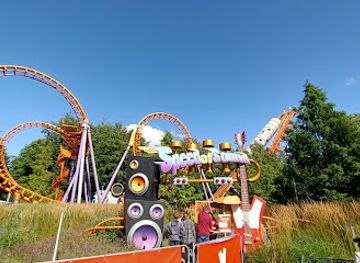
Walibi Holland
Experience the ultimate thrill at Walibi Holland - an amusement park filled with breathtaking rides and family fun in Biddinghuizen.
-
 Tourist attraction
Zuiderzeemuseum
Experience the maritime heritage and cultural history of the Zuiderzee at Enkhuizen's enchanting open-air museum.
-
Tourist attraction
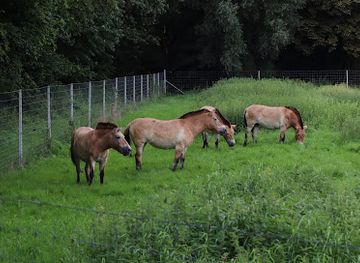
Natuurpark Lelystad
Discover the breathtaking landscapes and diverse wildlife at Natuurpark Lelystad, a premier destination for nature lovers and outdoor enthusiasts in the Netherlands.
-
Tourist attraction
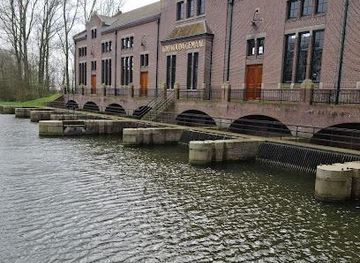
Wouda pumping station
Explore the historical Wouda Pumping Station in Lemmer, a UNESCO World Heritage site showcasing Dutch engineering and water management.
Best landmarks in IJsselmeer Polders
The most emblematic landmark of the IJsselmeer Polders is Schokland, whose former churches, settlement remains and elevated ground stand as a visible reminder that the Noordoostpolder was once sea. Its UNESCO World Heritage status recognises the interaction between human occupation, water and landscape over many centuries. Urk’s old village core, harbour and waterfront preserve the visual character of a former island and remain closely tied to fishing. In Lelystad, the replica medieval ship Batavia and the surrounding maritime institutions symbolise the Netherlands’ long relationship with water, trade and shipbuilding. The straight dykes, pumping stations and drainage canals are less decorative but equally important landmarks, since they make the region’s existence possible. Oostvaardersplassen provides a natural counterpoint: its reed beds, shallow waters and broad horizons represent a modern ecological landmark created on reclaimed land. The carefully planned urban forms of Lelystad and Almere, including their separated green corridors and distinctive post-war architecture, complete a landscape in which engineering and nature are both highly visible.
-
Botanical garden
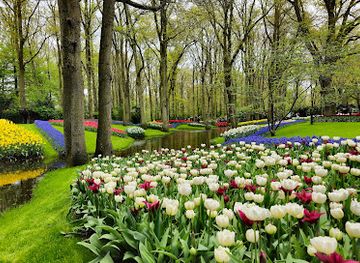
Keukenhof
Explore the enchanting beauty of Keukenhof, the world's largest flower garden, showcasing millions of flowers in a spectacular springtime display.
-
Theme park
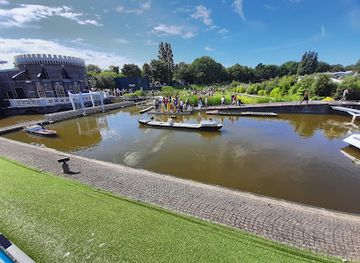
Madurodam
Explore Madurodam, the enchanting miniature park in The Hague that showcases the beauty and culture of the Netherlands in stunning detail.
-
Castle
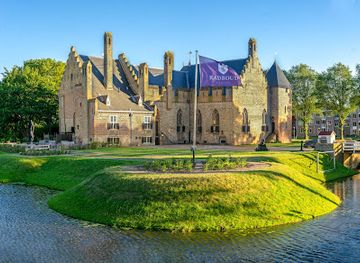
Radboud Castle
Experience the enchanting history and breathtaking views at Radboud Castle, a medieval gem in Medemblik, Netherlands.
-
Nature preserve
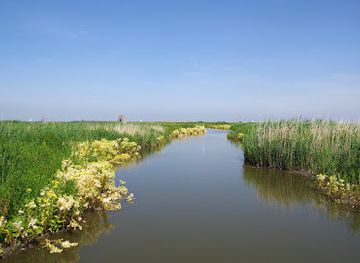
Marker Wadden
Experience the serene beauty of Marker Wadden, a unique nature preserve in the Netherlands, perfect for hiking, birdwatching, and relaxation.
Explore IJsselmeer Polders on the map
Plan your trip on one map. See where the top cities, national parks and sights are, and book hotels and experiences in a few clicks.
Best hotels in IJsselmeer Polders
Best restaurants in IJsselmeer Polders
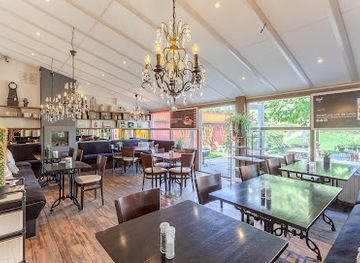
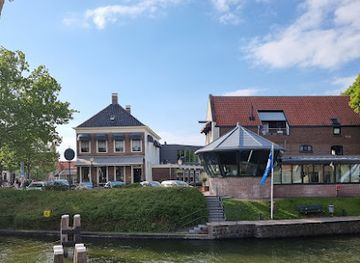
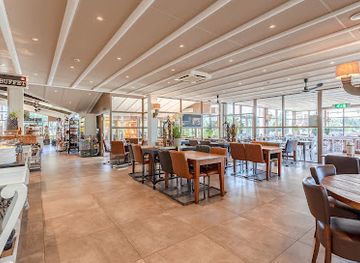
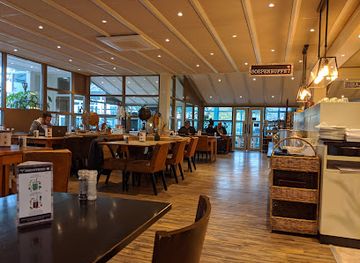
Dining in the IJsselmeer Polders combines Dutch everyday cooking with produce from highly productive reclaimed farmland and the maritime traditions of the former Zuiderzee. In Urk, fish remains an important part of the local food identity, with seafood available in restaurants and specialist shops, although local menus also reflect contemporary Dutch cooking. Around Emmeloord and the Noordoostpolder, farm shops and seasonal outlets sell vegetables, fruit and other regional produce grown on the fertile polder soil. Lelystad and Almere have the broadest choice of cafés, international restaurants and modern Dutch dining, while smaller villages tend to rely on cafés, family restaurants and traditional pubs. Pancakes, sandwiches, soups, pastries and fried fish are convenient choices during cycling days, and local markets can provide picnic ingredients. Dining patterns are generally more dispersed than in Amsterdam or Utrecht, so visitors exploring rural areas should plan meal stops rather than assume that a restaurant will be open near every attraction.
-
Restaurant
Hajé hotel-restaurant de Lepelaar
Discover culinary excellence at Hajé Hotel-Restaurant de Lepelaar; where comfort meets delectable dining on your journey through Lelystad.
-
Restaurant
Hajé hotel-restaurant De Aalscholver
Experience culinary excellence and comfort at Hajé Hotel-Restaurant De Aalscholver in Lelystad – your ideal stopover while exploring beautiful Netherlands.
-
Restaurant
Eetcafé De Kwikkel
Discover the flavors of Medemblik at Eetcafé De Kwikkel - where tradition meets taste in a cozy setting.
-
Restaurant
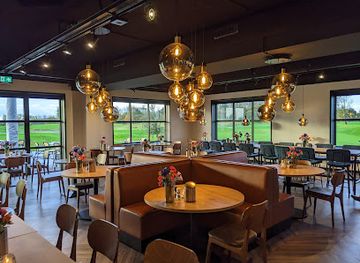
Golfclub Dorhout Mees
Discover Golfclub Dorhout Mees: A premier golfing destination offering exceptional dining and event spaces amidst stunning natural beauty.
Best bars in IJsselmeer Polders
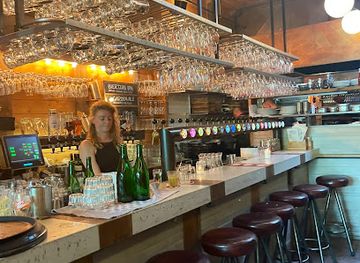
Evening life in the IJsselmeer Polders is concentrated in Almere, Lelystad, Urk and Emmeloord rather than spread across the countryside. Almere offers the region’s broadest urban selection, including bars, cafés, restaurants, live-music settings and occasional late-night venues around its central districts. Lelystad has a smaller but varied evening scene, while Emmeloord and Urk are more oriented towards pubs, cafés and restaurants than large clubs. In rural Flevoland and the Noordoostpolder, traditional pubs and hotel bars are the most dependable options, with local social life often centred on food, conversation and community events. Brewery visits and waterside drinks may be available in some towns, but opening arrangements change and should be checked locally. The region is not primarily a clubbing destination; its open landscape, maritime towns and planned urban centres shape a quieter evening culture.
-
Bar
Xtracold Icebar Amsterdam
Discover the unique Xtracold Icebar Amsterdam, where icy drinks and stunning sculptures create an unforgettable nightlife experience in the heart of the city.
-
Restaurant
Hajé hotel-restaurant de Lepelaar
Enjoy a delightful dining experience and cozy accommodations at Hajé Hotel-Restaurant de Lepelaar, perfect for travelers exploring Lelystad.
-
Restaurant
Hajé hotel-restaurant De Aalscholver
Discover the perfect blend of comfort and cuisine at Hajé Hotel-Restaurant De Aalscholver in Lelystad, where a delightful stay awaits you.
-
Bar
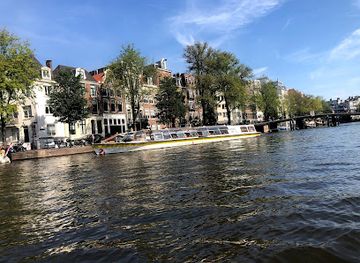
De Biertuin East
De Biertuin East in Amsterdam-Oost: Experience a vibrant beer garden with an extensive beer selection and mouthwatering burgers.
Best nightclubs in IJsselmeer Polders
Evening life in the IJsselmeer Polders is concentrated in Almere, Lelystad, Urk and Emmeloord rather than spread across the countryside. Almere offers the region’s broadest urban selection, including bars, cafés, restaurants, live-music settings and occasional late-night venues around its central districts. Lelystad has a smaller but varied evening scene, while Emmeloord and Urk are more oriented towards pubs, cafés and restaurants than large clubs. In rural Flevoland and the Noordoostpolder, traditional pubs and hotel bars are the most dependable options, with local social life often centred on food, conversation and community events. Brewery visits and waterside drinks may be available in some towns, but opening arrangements change and should be checked locally. The region is not primarily a clubbing destination; its open landscape, maritime towns and planned urban centres shape a quieter evening culture.
-
Disco club
Club 24
Dance the night away at Club 24, Lemmer's premier disco club known for its vibrant atmosphere and fantastic music.

Best shops in IJsselmeer Polders
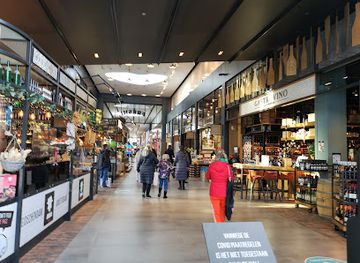
Shopping in the IJsselmeer Polders is strongest in the central districts of Almere and Lelystad, where visitors find ordinary Dutch high-street retail, department stores, cafés and contemporary independent businesses. Emmeloord serves the Noordoostpolder with practical shops, local services and markets rather than a large specialist shopping quarter, while Urk is a good place to look for fish, maritime-themed goods and locally rooted businesses. Farm shops and roadside produce outlets are especially relevant in the agricultural polders, offering seasonal vegetables, fruit, potatoes and other foods from the surrounding land. Craft, museum and heritage shops may carry items connected with Dutch water management, maritime history and Schokland, though stock varies. Visitors seeking antiques, designer fashion or a particularly extensive range of specialist goods may find larger centres outside the region more suitable. For a regional souvenir, locally produced food, a maritime object or a book about the Zuiderzee and reclamation is generally more meaningful than a generic Dutch keepsake.
-
Outlet mall
Batavia Stad Fashion Outlet
Experience shopping bliss at Batavia Stad Fashion Outlet in Lelystad, featuring top brands at unbeatable prices in a vibrant setting.
-
Shopping mall
Westfield Mall of the Netherlands
Experience unmatched shopping, dining, and entertainment at Westfield Mall of the Netherlands, your ultimate destination for retail therapy.
-
Shopping mall
Shopping Center Stadshart Zoetermeer
Explore Stadshart Zoetermeer, a dynamic shopping center offering diverse stores, delightful dining, and exciting events for an unforgettable experience.
-
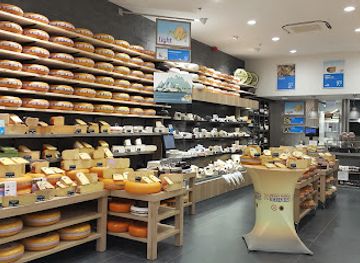
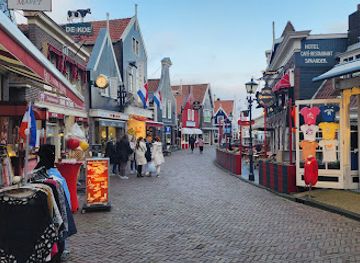
Cheese shop
Cheese Factory Volendam
Discover the art of Dutch cheese-making at Cheese Factory Volendam, a delightful blend of history, culture, and delicious flavors.

Get your free copy of our complete guide to IJsselmeer Polders, delivered straight to you.
Everything on this page, from attractions and restaurants to essentials and local phrases, in one PDF you can read offline, print or share.
Already have an account? Sign in
Your IJsselmeer Polders guide is ready.
We'll send it to · Not you? Sign out

Getting your guide ready…
We are putting together a fresh copy of the IJsselmeer Polders guide. This can take up to a minute.
This can take a few moments. If your browser asks, choose Allow so the download can start. You'll find the guide in your Downloads folder.
Nothing happened? Download it again
Sorry, the guide is taking longer than usual. Please try again in a minute, or get it by email instead.
IJsselmeer Polders essentials
Currency and Payment
Safety
Emergency Situations
Do's and Don'ts
Local Tips
From Eve
Local phrases worth knowing
You don't need to get them perfect. A few words go a long way, and locals appreciate the effort.
Basics
| English | Local | Say it |
|---|---|---|
| Hello | Hallo | [ha-lo] |
| Goodbye | Tot ziens | [tot zeens] |
| Yes | Ja | [ya] |
| No | Nee | [nay] |
| Please/You're welcome | Alsjeblieft | [als-ye-bleeft] |
| Thank you | Dank je | [dank ye] |
| Excuse me/Sorry | Sorry | [sor-ree] |
| How are you? | Hoe gaat het? | [hoo gaat het] |
| Fine. And you? | Goed. En jij? | [hoot. en yay] |
| Do you speak English? | Spreek je Engels? | [spreek ye eng-els] |
| I don't understand | Ik begrijp het niet | [ik be-graip het neet] |
Eating & Drinking
| English | Local | Say it |
|---|---|---|
| I'd like to see the menu, please | Ik zou graag het menu zien, alsjeblieft | [ik zou grahg het me-nu zeen, als-ye-bleeft] |
| I don't eat meat | Ik eet geen vlees | [ik eet khayn vlay-s] |
| Cheers! | Proost! | [prohst] |
| I would like to pay, please | Ik zou graag willen betalen, alsjeblieft | [ik zou grahg wil-len be-ta-len, als-ye-bleeft] |
Emergencies
| English | Local | Say it |
|---|---|---|
| Help! | Help! | [help] |
| Go away! | Ga weg! | [gah vek] |
| Call the Police! | Bel de politie! | [bel de po-li-tsee] |
| Call a doctor! | Bel een dokter! | [bel ayn dok-ter] |
| I'm lost | Ik ben verdwaald | [ik ben fer-dwaald] |
| I'm ill | Ik ben ziek | [ik ben zeek] |
Shopping
| English | Local | Say it |
|---|---|---|
| I'd like to buy... | Ik zou graag ... willen kopen | [ik zou grahg ... wil-len ko-pen] |
| I'm just looking | Ik kijk gewoon | [ik kike ge-woon] |
| How much is it? | Hoeveel kost het? | [hoo-veel kost het] |
| That's too expensive | Dat is te duur | [dat is te dur] |
| Can you lower the price? | Kun je de prijs verlagen? | [kun ye de prays ver-lah-gen] |
Time & Numbers
| English | Local | Say it |
|---|---|---|
| What time is it? | Hoe laat is het? | [hoo laat is het] |
| It's one o'clock | Het is één uur | [het is een uhr] |
| Half past (10) | Half (10) | [half (10)] |
| Morning | Ochtend | [okht-end] |
| Afternoon | Middag | [mid-dahg] |
| Evening | Avond | [ah-vond] |
| Yesterday | Gisteren | [gis-ter-en] |
| Today | Vandaag | [van-dahg] |
| Tomorrow | Morgen | [mor-ghen] |
| 1 | 1 | [1] |
| 2 | 2 | [2] |
| 3 | 3 | [3] |
| 4 | 4 | [4] |
| 5 | 5 | [5] |
| 6 | 6 | [6] |
| 7 | 7 | [7] |
| 8 | 8 | [8] |
| 9 | 9 | [9] |
| 10 | 10 | [10] |
Transport & Directions
| English | Local | Say it |
|---|---|---|
| Where's a/the...? | Waar is een/de ...? | [vahr is ayn/de ...?] |
| What's the address? | Wat is het adres? | [vat is het ah-dres] |
| Can you show me (on the map)? | Kun je me (op de kaart) laten zien? | [kun ye me (op de kart) la-ten zeen] |
| When's the next (bus)? | Wanneer is de volgende (bus)? | [van-neer is de vol-gen-de (bus)?] |
| A ticket (to ....) | Een ticket (naar ...) | [ayn ti-ket (naar ...)] |
History of IJsselmeer Polders
The Zuiderzee and Earlier Island Communities
Before the polders existed, the Zuiderzee was a broad tidal inlet of the North Sea, supporting fishing, shipping and communities on islands and coastal settlements. Urk was an island in this waterway, while Schokland became increasingly vulnerable as storms, erosion and rising water reduced the land available for habitation. The archaeological remains around Schokland preserve evidence of occupation extending back many centuries. These communities developed a maritime culture that still influences the character of places such as Urk, even though modern land reclamation has connected them to the mainland.
The Zuiderzee Works, Early Twentieth Century
The creation of the Afsluitdijk in 1932, a major Dutch engineering project outside the polders themselves, transformed the Zuiderzee into the freshwater IJsselmeer. This made large-scale reclamation more practical and reduced the threat of tidal flooding. The works formed part of a national programme associated with engineer Cornelis Lely, whose plans envisaged new agricultural land, safer shores and better water control. The IJsselmeer Polders are therefore not simply areas of drained water; they are the result of an integrated system of dykes, pumping stations, canals and carefully managed water levels.
Wieringermeer Reclaimed, 1930
The Wieringermeer was the first major polder created under the Zuiderzee Works. Drained in 1930, it lies in present-day North Holland, north-west of the main Flevoland polders, and provides an earlier example of the settlement and agricultural principles later used elsewhere. Farms, roads and villages were planned across the new land, with shelterbelts helping to moderate the exposed conditions. During the Second World War, German forces destroyed part of the drainage system in 1945, flooding the polder before it was drained again. That episode remains an important reminder of the vulnerability of reclaimed land.
Noordoostpolder and the Fate of Schokland
The Noordoostpolder was drained in the 1940s and subsequently laid out as a large agricultural district, with Emmeloord as its principal centre and a ring of planned villages around it. The new land incorporated the former island of Schokland, whose inhabitants had been resettled before reclamation because of its precarious position. Rather than disappearing beneath farmland, Schokland became a cultural and archaeological landscape within the polder. Its preservation helped demonstrate that land reclamation could accommodate historical memory as well as modern agriculture.
Flevopolder and the Birth of Flevoland
The eastern and southern sections of the Flevopolder were drained during the 1950s and 1960s, creating the largest continuous artificial island in the world. Unlike the Noordoostpolder, this new land was intended not only for farming but also for forests, recreation and growing urban communities. Lelystad, named after Cornelis Lely, became the administrative centre, while Almere was planned to absorb population from the crowded Randstad. Extensive open spaces, straight transport corridors and separated residential districts reflect the ambitions of post-war Dutch spatial planning.
Modern Town Planning in Almere and Lelystad
The planned towns of Almere and Lelystad represent different stages in the Netherlands’ approach to building on reclaimed land. Lelystad developed as the capital of the new province of Flevoland, with civic buildings, neighbourhoods and green corridors laid out across the polder. Almere, founded later and now far larger, was designed as a substantial urban extension within commuting reach of Amsterdam, although it lies in Flevoland rather than North Holland. Their architecture and urban form show how the polders became a laboratory for housing, infrastructure and landscape design.
Nature Development on Reclaimed Land
The polders were initially associated chiefly with agriculture and urban growth, but later policy gave greater importance to wetlands and ecological restoration. Oostvaardersplassen emerged on land between Almere and Lelystad that had been left undeveloped, developing into a major wetland habitat for birds and other wildlife. More recently, Marker Wadden was constructed in the Markermeer using sand, clay and sediment to form islands, marshes and shallow waters. These projects show that reclaimed landscapes continue to evolve and are now managed for biodiversity as well as production.
IJsselmeer Polders in Photos
Browse through our photo collection highlighting the charm and character of the destination.
Neighbouring regions of IJsselmeer Polders
The closest regions to IJsselmeer Polders, if you have time for more than one.
-

-

-

-

-


Swipe for more regions
Explore more

Explore more of Netherlands
Discover the Netherlands: A blend of historic charm, artistic treasures, and scenic landscapes, perfect for an enriching travel experience.
Explore Netherlands