

Free Friesland Travel Guide & Mobile App
Explore Friesland with free travel guides. Discover regional history, expert tips, proposed trips, and audio guides on web or mobile app.


Explore Friesland for Wadden islands, historic towns, Frisian lakes, cycleways, canals and a distinctive northern Dutch culture.
Read more about Friesland
When is the best time to visit Friesland?
Best: June–August · 22–24°C| Month | High (°C) | Rainfall (mm) |
|---|---|---|
| January | 8 | 53 |
| February | 8 | 46 |
| March | 11 | 57 |
| April | 15 | 48 |
| May | 19 | 59 |
| June (best) | 22 | 68 |
| July (best) | 24 | 72 |
| August (best) | 23 | 70 |
| September | 20 | 63 |
| October | 16 | 61 |
| November | 11 | 62 |
| December | 8 | 65 |
Getting to and around Friesland
How to get there
Transportation
Top city travel guides in Friesland
The cities of Friesland, and the easiest places to base yourself.
-

-


Swipe for more cities
Destinations in Friesland
Resorts, valleys and scenic spots worth a trip of their own.
-

-

-


Swipe for more destinations
Best attractions in Friesland
Friesland's attractions are closely tied to its water-managed landscape and regional culture. Leeuwarden provides the strongest concentration of museums, historic streets and cultural institutions, including the Fries Museum and the former royal residence of the Princessehof complex. In Franeker, the Eise Eisinga Planetarium presents an extraordinary eighteenth-century working model of the solar system in a historic canal-side house. Dokkum, Bolsward, Sneek, Hindeloopen and Workum combine compact historic centres with churches, waterways and craft traditions. De Alde Feanen National Park offers boating, birdwatching, walking and cycling across lakes, reed beds and peat meadows, while the Wadden coast and islands provide guided mudflat excursions, dunes and beaches. The Frisian Lakes are the province's main sailing and watersports area, with marinas and waterfront towns around Sneek, the Heegermeer and neighbouring lakes. Small museums, farm visits, skating and sailing heritage, and seasonal cultural events add depth beyond the principal towns. Outdoor access is especially rewarding in late spring and summer, while island and coastal conditions require attention to tides and weather.
-
Zoo
Aquazoo Friesland
Explore the enchanting Aquazoo Friesland in Leeuwarden, home to diverse wildlife and immersive educational experiences for all ages.
-
National park
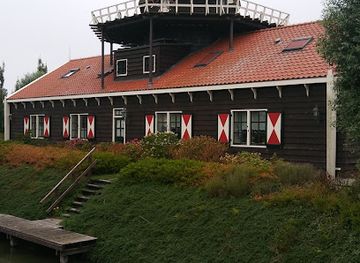
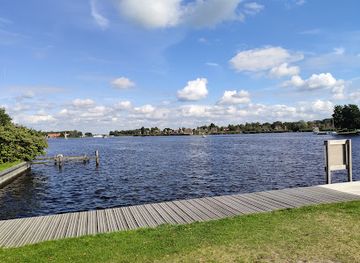
De Alde Feanen National Park
Explore De Alde Feanen National Park: A serene natural paradise in Friesland, perfect for hiking, canoeing, and wildlife observation.
-
Monument
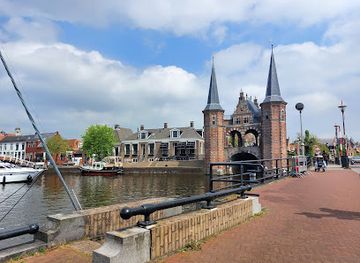
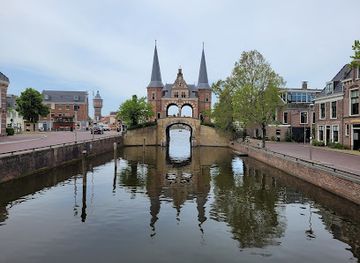
Waterpoort
Discover the majestic Waterpoort in Sneek, a historic monument that beautifully reflects the city's maritime heritage and architectural elegance.
-
Cultural landmark
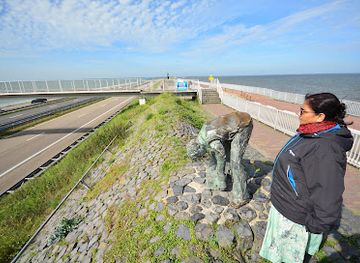
Monument op de Afsluitdijk
Explore the historic Monument op de Afsluitdijk, a cultural landmark showcasing Dutch engineering brilliance amidst stunning natural beauty.
Best landmarks in Friesland
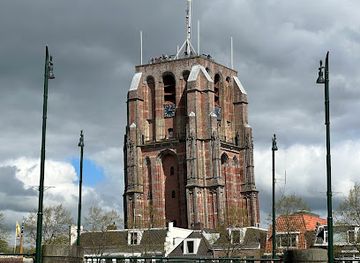
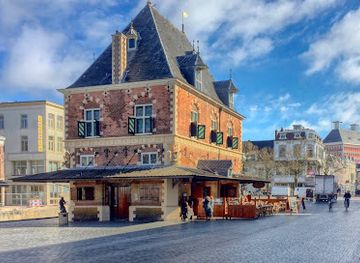
The Oldehove tower in Leeuwarden is Friesland's most recognisable urban landmark: the unfinished, visibly leaning medieval tower reflects the city's historic prominence and unstable ground conditions. In the same city, the Waag, canals and former royal associations help define the historic centre. Franeker's Eise Eisinga Planetarium is both a scientific landmark and an exceptional example of an eighteenth-century domestic interior adapted to a working astronomical model. Dokkum's canal ring and defensive remnants express its medieval importance, while the Martinikerk in Bolsward and the Grote Kerk in Harlingen anchor two distinctive historic townscapes. In the countryside, terp villages and their elevated church sites reveal how communities adapted to flooding before modern dykes. The Wadden Sea dykes, salt marshes and island dunes are natural landmarks rather than monuments, but they are equally central to Friesland's identity. Around the lakes, traditional skûtsjes and waterside settlements represent the province's enduring relationship with sailing, trade and managed water.
-
National park
De Alde Feanen National Park
Discover De Alde Feanen National Park: a breathtaking national park in the Netherlands filled with scenic landscapes, diverse wildlife, and endless outdoor adventures.
-
Museum
Fries Museum
Discover the captivating history and artistry of Friesland at the Fries Museum in Leeuwarden, a cultural gem for every traveler.
-
Monument
Waterpoort
Discover the Waterpoort in Sneek, a historic monument and a picturesque gateway to the city's rich maritime heritage and stunning architecture.
-
Tourist attraction
Oldehove
Discover Oldehove, Leeuwarden's leaning tower, and immerse yourself in breathtaking views and rich history in this charming Dutch city.
Explore Friesland on the map
Plan your trip on one map. See where the top cities, national parks and sights are, and book hotels and experiences in a few clicks.
Best hotels in Friesland
Best restaurants in Friesland
Frisian dining reflects pasture, water and a cool northern climate. Dairy products are particularly prominent, from regional cheeses and butter to ice cream and other farm-made produce, while local bakeries sell sûkerbôle, a sweet sugar loaf flavoured with spices, and Fryske dúmkes, small aniseed biscuits traditionally served with coffee. In towns and waterside villages, cafés, brown pubs and contemporary restaurants use Dutch and northern European techniques with seasonal vegetables, freshwater and North Sea fish, game and locally produced meat. Harlingen and the Wadden Islands offer maritime associations, although menus vary by season and establishment. Farmers' markets, farm shops and roadside stalls are useful for buying cheese, bread, preserves and other regional foods. Dining is generally informal, and outside Leeuwarden and the larger lake towns the choice can narrow considerably in the evening, making advance planning sensible during summer and festival periods.
-
Restaurant
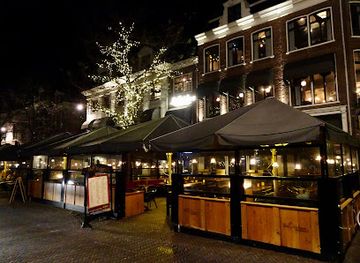
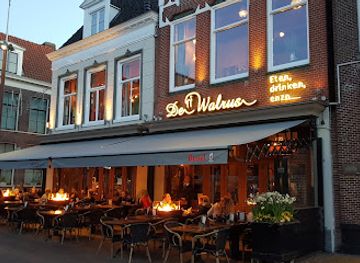
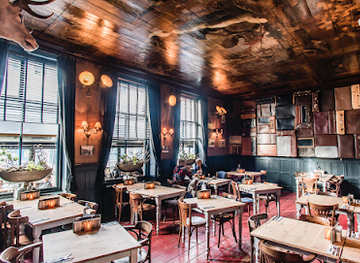
Grand Café De Walrus - Leeuwarden
Discover Leeuwarden's vibrant culinary scene at Grand Café De Walrus – where dining meets culture in a cozy atmosphere.
-
Restaurant
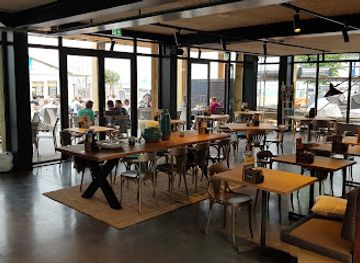
Grand Café De Walrus - Sneek
Savor authentic Dutch cuisine in the heart of Sneek at Grand Café De Walrus - where tradition meets modern café culture.
-
Restaurant
Grand Café 't Gerecht Heerenveen
Savor exquisite flavors and vibrant ambiance at Grand Café 't Gerecht in Heerenveen - your ultimate dining destination.
-
Restaurant
Het Theehuis
Experience authentic Dutch hospitality at Het Theehuis in Grou – a charming restaurant known for its delightful teas and delicious local cuisine.
Best bars in Friesland
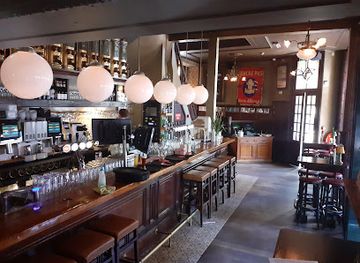
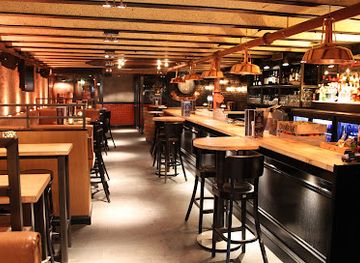
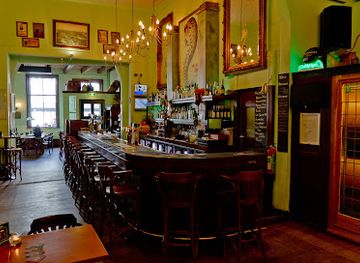
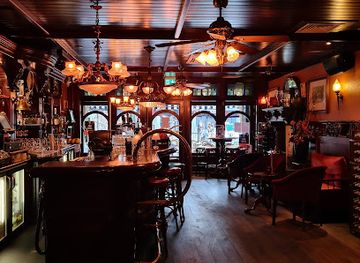
Friesland's evening life is centred more on cafés, traditional pubs, restaurants and live music than on a large club scene. Leeuwarden has the province's broadest choice, with bars, music venues and late-night establishments concentrated around its central streets. Sneek and Heerenveen also provide an active local evening circuit, particularly when cultural or watersports events bring visitors into town. In smaller towns and villages, historic inns and brown cafés are places for conversation, local beer and occasional live performances rather than all-night entertainment. Waterside cafés around the Frisian Lakes become busier in the boating season, while island nightlife is seasonal and dependent on ferry arrangements and holiday demand. Breweries and tasting rooms may feature regional beer, but drinking is not necessary to appreciate the province's evening culture.
-
Bar
Grand Café De Walrus - Leeuwarden
Experience the vibrant atmosphere of Grand Café De Walrus in Leeuwarden, where delicious food meets a lively local bar scene.
-
Restaurant
ROAST
Discover ROAST in Leeuwarden for a unique culinary experience featuring vibrant decor and innovative cocktails in a lively atmosphere.
-
Irish pub
Paddy O'Ryan
Discover the vibrant spirit of Ireland at Paddy O'Ryan, a cozy Irish pub in Leeuwarden offering authentic cuisine and lively entertainment.
-
Bar
De Dikke van Dale
Experience local culture at De Dikke van Dale, a charming bar and restaurant in Leeuwarden offering delicious food and a vibrant atmosphere.
Best nightclubs in Friesland
Friesland's evening life is centred more on cafés, traditional pubs, restaurants and live music than on a large club scene. Leeuwarden has the province's broadest choice, with bars, music venues and late-night establishments concentrated around its central streets. Sneek and Heerenveen also provide an active local evening circuit, particularly when cultural or watersports events bring visitors into town. In smaller towns and villages, historic inns and brown cafés are places for conversation, local beer and occasional live performances rather than all-night entertainment. Waterside cafés around the Frisian Lakes become busier in the boating season, while island nightlife is seasonal and dependent on ferry arrangements and holiday demand. Breweries and tasting rooms may feature regional beer, but drinking is not necessary to appreciate the province's evening culture.
-
Disco club
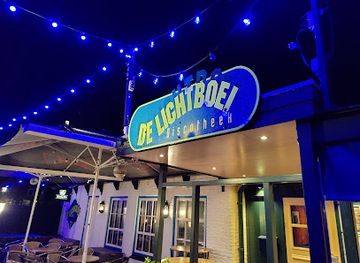
De Lichtboei
Experience vibrant nightlife at De Lichtboei, the ultimate disco club in Nes, Ameland, where music, dancing, and fun come alive.
-
Disco club
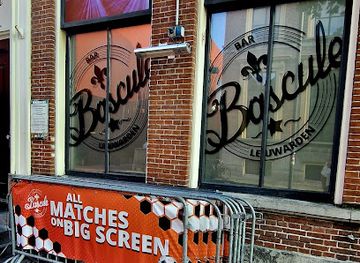
Bar Bascule
Discover the electrifying nightlife at Bar Bascule, Leeuwarden's premier disco club offering a vibrant atmosphere and unforgettable dance experiences.
-
Disco club
Club 24
Explore the electrifying nightlife at Club 24, Lemmer's premier disco club, where music and fun come alive every weekend.
-
Night club
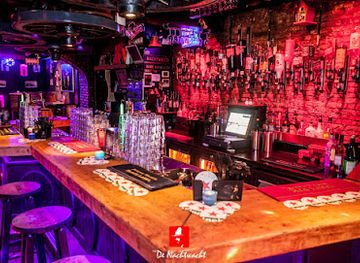
de Nachtwacht
Discover Leeuwarden's nightlife at de Nachtwacht, where great music and vibrant energy await you every night.
Best shops in Friesland
Shopping in Friesland is strongest in its historic towns, where independent food shops, bookshops, galleries, craft studios and cafés occupy traditional streets. Leeuwarden offers the widest choice, from everyday high-street retail to museums and design-oriented shops, while Sneek, Dokkum, Franeker, Bolsward, Workum and Hindeloopen have more intimate centres with regional character. Workum and Hindeloopen are associated with Frisian ceramics, painting and decorative crafts, though individual products and workshops vary. Markets and farm shops are useful for cheese, bread, preserves, biscuits, dairy products and other local foods; seasonal farmers' markets are more common in larger towns and should be checked locally. Good souvenirs include Frisian-language books, handmade pottery, sailing-related objects and packaged Fryske dúmkes or sûkerbôle. Island villages provide practical beach and outdoor goods as well as locally made products, rather than extensive specialist retail.
-
Shopping mall
Winkelcentrum Zaailand
Discover Winkelcentrum Zaailand, Leeuwarden's premier shopping mall with diverse stores, delightful eateries, and a vibrant atmosphere for all.
-
Souvenir store
Friese-producten.nl
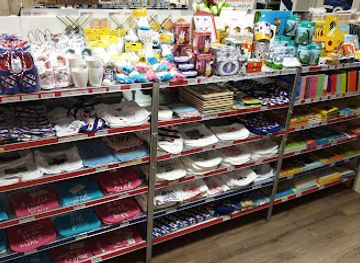
Explore Friese-producten.nl for authentic Friesland souvenirs, capturing the heart and culture of the region in every unique gift.
-
Store
NØRD
Discover NØRD in Leeuwarden, where exceptional coffee meets a cozy atmosphere, perfect for relaxation and unique local finds.
-
Vintage clothing store
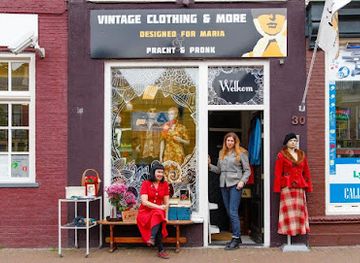
Designed For Maria Vintage Kleding Winkel
Discover unique vintage clothing and sustainable fashion at Designed For Maria in Leeuwarden, where every piece tells a story.

Get your free copy of our complete guide to Friesland, delivered straight to you.
Everything on this page, from attractions and restaurants to essentials and local phrases, in one PDF you can read offline, print or share.
Already have an account? Sign in
Your Friesland guide is ready.
We'll send it to · Not you? Sign out

Getting your guide ready…
We are putting together a fresh copy of the Friesland guide. This can take up to a minute.
This can take a few moments. If your browser asks, choose Allow so the download can start. You'll find the guide in your Downloads folder.
Nothing happened? Download it again
Sorry, the guide is taking longer than usual. Please try again in a minute, or get it by email instead.
Friesland essentials
Currency and Payment
Safety
Emergency Situations
Do's and Don'ts
Local Tips
From Eve
Local phrases worth knowing
You don't need to get them perfect. A few words go a long way, and locals appreciate the effort.
Basics
| English | Local | Say it |
|---|---|---|
| Hello | Hallo | [ˈhɑl.loʊ] |
| Goodbye | Tot ziens | [tɔt zins] |
| Yes | Ja | [jɑ] |
| No | Nee | [neɪ] |
| Please/You're welcome | Alsjeblieft | [ˈɑl.sjə.bliːft] |
| Thank you | Dank je | [dɑŋk jə] |
| Excuse me/Sorry | Sorry | [ˈsɔ.ri] |
| How are you? | Hoe gaat het? | [huː ɡɑt ɪt] |
| Fine. And you? | Goed. En jij? | [ɡuːt. ɛn jɛi] |
| Do you speak English? | Spreek je Engels? | [spreɪk jə ˈɛŋ.ɡəls] |
| I don't understand | Ik begrijp het niet | [ɪk bəˈxreɪf ɪt nit] |
Eating & Drinking
| English | Local | Say it |
|---|---|---|
| I'd like to see the menu, please | Ik zou graag het menu willen zien, alsjeblieft | [ɪk zaʊ ɡrɑx hɛt məˈnyː ˈʋɪ.lən zɪn, ˈɑl.sjə.bliːft] |
| I don't eat meat | Ik eet geen vlees | [ɪk eɪt ɡeɪn vleɪs] |
| Cheers! | Proost! | [proʊst] |
| I would like to pay, please | Ik wil graag betalen, alsjeblieft | [ɪk vɪl ɡrɑx bəˈtaː.lən, ˈɑl.sjə.bliːft] |
Emergencies
| English | Local | Say it |
|---|---|---|
| Help! | Help! | [hɛlp] |
| Go away! | Ga weg! | [ɡɑ wɛx] |
| Call the Police! | Bel de politie! | [bɛl də poʊˈliː.t͡si] |
| Call a doctor! | Bel een dokter! | [bɛl eɪn ˈdɔk.tər] |
| I'm lost | Ik ben verdwaald | [ɪk bɛn vərˈdʋɑlt] |
| I'm ill | Ik ben ziek | [ɪk bɛn zik] |
Shopping
| English | Local | Say it |
|---|---|---|
| I'd like to buy... | Ik wil graag ... kopen | [ɪk vɪl ɡrɑx ... ˈkoʊ.pən] |
| I'm just looking | Ik kijk alleen maar | [ɪk kɛɪk əˈleɪn mɑr] |
| How much is it? | Hoeveel kost het? | [huːˈveɪl kɔst ɪt] |
| That's too expensive | Dat is te duur | [dɑt ɪs tə dyːr] |
| Can you lower the price? | Kun je de prijs verlagen? | [kʏn jə də prɛɪs vərˈlɑ.ɡən] |
Time & Numbers
| English | Local | Say it |
|---|---|---|
| What time is it? | Hoe laat is het? | [huː lɑt ɪs ɪt] |
| It's one o'clock | Het is één uur | [hɛt ɪs eɪn yʊr] |
| Half past (10) | Half tien | [hɑlf tiːn] |
| Morning | Ochtend | [ˈɔx.tɛnt] |
| Afternoon | Middag | [ˈmɪ.dɑx] |
| Evening | Avond | [ˈɑ.vɔnt] |
| Yesterday | Gisteren | [ˈɡɪ.stə.rən] |
| Today | Vandaag | [vɑnˈdaːx] |
| Tomorrow | Morgen | [ˈmɔr.ɡən] |
| 1 | 1 | [1] |
| 2 | 2 | [2] |
| 3 | 3 | [3] |
| 4 | 4 | [4] |
| 5 | 5 | [5] |
| 6 | 6 | [6] |
| 7 | 7 | [7] |
| 8 | 8 | [8] |
| 9 | 9 | [9] |
| 10 | 10 | [10] |
Transport & Directions
| English | Local | Say it |
|---|---|---|
| Where's a/the...? | Waar is een/de...? | [vɑːr ɪs eɪn/də] |
| What's the address? | Wat is het adres? | [vɑt ɪs hɛt ɑˈdres] |
| Can you show me (on the map)? | Kun je me (op de kaart) laten zien? | [kʏn jə mə (ɔp də kɑrt) ˈlɑ.tən zɪn] |
| When's the next (bus)? | Wanneer komt de volgende (bus)? | [vɑˈneːr kɔmt də ˈvɔl.ɡən.də (bʊs)] |
| A ticket (to ....) | Een kaartje (naar ...) | [eɪn ˈkɑrt.jə (nɑːr ...)] |
History of Friesland
Terp Settlements and the Ancient Coast
Before the modern system of dykes and pumps, much of coastal Friesland was periodically threatened by the sea. From the Iron Age onwards, communities built artificial dwelling mounds, or terps, raising homes, churches and farm buildings above flood levels. These settlements are visible across the clay districts, although many were later lowered when soil was removed for agricultural use. Archaeological evidence from terps records farming, trade and changing relationships with the North Sea. The surviving church villages and mound landscapes remain among the clearest physical expressions of Friesland's long adaptation to a wet environment.
Medieval Frisian Freedom and Trade
Medieval Friesland developed a political tradition often described as Frisian freedom: local communities resisted direct feudal control and negotiated authority through regional laws and assemblies. The period was not free from conflict, but it produced a political culture distinct from many neighbouring territories. Towns such as Leeuwarden, Dokkum, Bolsward, Sneek and Stavoren grew through trade, agriculture and connections across the North Sea. Monasteries, parish churches and expanding dykes altered the landscape, while the former Middelzee, an inlet reaching inland towards Leeuwarden, gradually silted up and was reclaimed.
Saxon Rule and Incorporation into the Netherlands
Frisian autonomy weakened during the late fifteenth and early sixteenth centuries, when Albrecht, Duke of Saxony, asserted control over the region. Friesland was subsequently drawn into the Habsburg Netherlands and, during the Dutch Revolt, joined the northern provinces of the Dutch Republic. Religious change followed the Reformation, reshaping churches and institutions. The province retained important local privileges and a strong regional identity, but political power increasingly operated through wider Dutch structures. This transition helps explain why Friesland is firmly part of the Netherlands while preserving its own language and cultural institutions.
Maritime Towns, Agriculture and the Water Economy
From the seventeenth century onwards, Friesland's prosperity rested on a combination of maritime trade, shipping, dairy farming and land reclamation. Harlingen developed as the province's principal seaport, while towns around the lakes and former Zuiderzee maintained fishing and commercial links. Improved dykes, canals and drainage made more land available for agriculture, although they also required constant maintenance. Dairy production became increasingly important during the nineteenth century, creating the landscape of pastures, farmhouses and waterways that remains characteristic of much of the province.
Leeuwarden, the Nassau Court and Cultural Development
Leeuwarden became associated with the Frisian branch of the Nassau family, ancestors of the modern Dutch royal house. The city served as a court centre and acquired urban buildings, gardens and institutions connected with this status. Maria Louise of Hesse-Kassel, known locally as Marijke Meu, is especially remembered for her role in the city's history and for the nineteenth-century estate of Oranjewoud near Heerenveen. The court connection did not make Friesland a separate kingdom, but it left a visible architectural and cultural legacy in the provincial capital and surrounding landscape.
Modern Water Engineering and the Eleven Cities Tradition
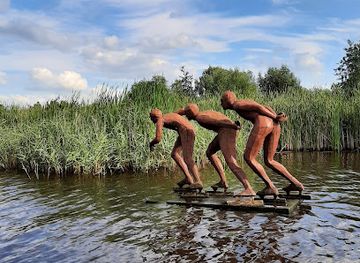
Twentieth-century water engineering transformed Friesland's relationship with the sea. The completion of the Afsluitdijk in 1932, outside the province but crucial to its wider water system, changed the former Zuiderzee into the IJsselmeer and reduced exposure to storm surges. Within Friesland, drainage, canals and lake management continued to shape farming and settlement. The province's historic towns later became nationally known through the Elfstedentocht, an approximately 200-kilometre skating tour linking eleven cities. It was first held in 1909 and has become a powerful symbol of Frisian endurance, though natural ice conditions rarely permit it.
Friesland in Photos
Browse through our photo collection highlighting the charm and character of the destination.
Neighbouring regions of Friesland
The closest regions to Friesland, if you have time for more than one.
-

-

-

-

-


Swipe for more regions
Explore more

Explore more of Netherlands
Discover the Netherlands: A blend of historic charm, artistic treasures, and scenic landscapes, perfect for an enriching travel experience.
Explore Netherlands