

Free Overijssel Travel Guide & Mobile App
Explore Overijssel with free travel guides. Discover regional history, expert tips, proposed trips, and audio guides on web or mobile app.


Explore Overijssel for wetland waterways, Hanseatic cities, wooded estates, cycling routes and the distinctive landscapes of Salland and Twente.
Read more about Overijssel
When is the best time to visit Overijssel?
Best: June–August · 22–23°C| Month | High (°C) | Rainfall (mm) |
|---|---|---|
| January | 5 | 61 |
| February | 6 | 51 |
| March | 11 | 56 |
| April | 15 | 46 |
| May | 19 | 61 |
| June (best) | 22 | 71 |
| July (best) | 23 | 76 |
| August (best) | 23 | 81 |
| September | 19 | 66 |
| October | 14 | 71 |
| November | 9 | 81 |
| December | 6 | 91 |
Getting to and around Overijssel
How to get there
Transportation
Top city travel guides in Overijssel
The cities of Overijssel, and the easiest places to base yourself.
-

-


Swipe for more cities
Destinations in Overijssel
Resorts, valleys and scenic spots worth a trip of their own.
-
-

-

-

-


Swipe for more destinations
Best attractions in Overijssel
Overijssel’s attractions range from water landscapes and wildlife to medieval cities, industrial museums and country estates. The Weerribben-Wieden National Park is the province’s defining natural area, offering canoeing, boat trips, birdwatching and narrow paths through reed beds, peat meadows and lakes. Giethoorn is the most recognisable gateway, while surrounding villages and waterways provide a broader view of the wetland environment. Along the IJssel, Deventer, Zwolle and Kampen combine museums, churches, historic streets and riverfront walks. Inland, Sallandse Heuvelrug National Park offers walking, cycling, heathland and wooded hills, with the Holterberg among its best-known areas. Twente brings a different set of experiences: manor estates such as Twickel and Singraven, village museums, former textile heritage, rural cycling and the open-air museum at Ootmarsum. Families can find accessible museums, animal parks and recreational lakes, while cultural visitors can explore galleries, theatres and contemporary venues in the larger towns. The variety rewards an itinerary that alternates between urban history, managed countryside and water-based activities rather than treating the province as a single landscape.
-
Theme park
Attractie- & Vakantiepark Slagharen
Discover the fun and excitement of Attractie- & Vakantiepark Slagharen, a thrilling theme park and holiday destination in the Netherlands for the whole family.
-
Theme park
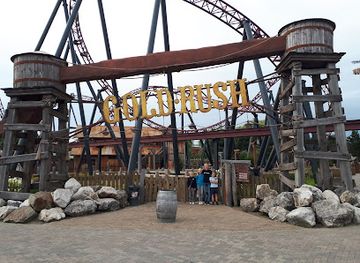
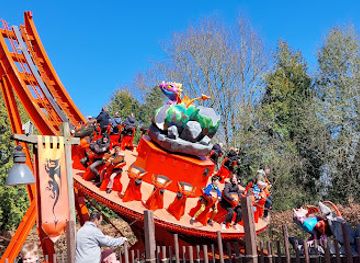
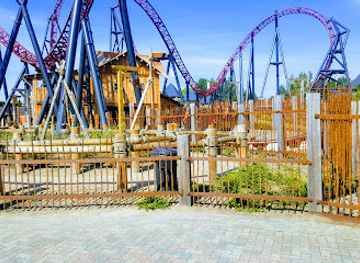
AdventurePark Hellendoorn
Experience thrilling rides and family fun at AdventurePark Hellendoorn, a top theme park in the Netherlands with unforgettable attractions and shows.
-
Water park
Aqua Mexicana
Experience the ultimate water adventure at Aqua Mexicana, a vibrant water park with thrilling slides and relaxing pools for families and thrill-seekers alike.
-
Theme park
Plopsa Indoor Coevorden
Experience the magic of Plopsa Indoor Coevorden, an exciting indoor theme park in the Netherlands, perfect for family adventures and unforgettable memories.
Best landmarks in Overijssel
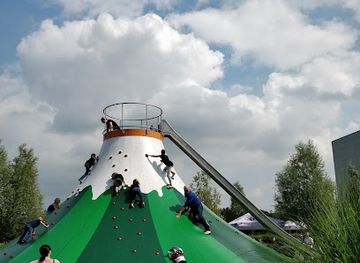
The IJssel cities contain Overijssel’s most concentrated architectural landmarks. Deventer’s Lebuinus Church, medieval street plan and riverside fortifications recall its ecclesiastical and Hanseatic importance, while Kampen is marked by substantial town gates, churches and merchant buildings. Zwolle’s Sassenpoort is a particularly recognisable survivor of the city’s medieval defences. In the north-west, the canals, bridges and timber houses of Giethoorn form an unusual settlement landscape created around peat extraction and water transport, although the wider wetland is more important than its most photographed viewpoints. The province’s natural landmarks include the reed-and-lake country of the Weerribben-Wieden and the heathland ridges of the Sallandse Heuvelrug. Country houses provide another defining motif: Twickel near Delden is noted for its historic estate setting and gardens, while Singraven near Denekamp represents the wooded manor landscapes of Twente. These places illustrate how trade, water management, defensive town planning and landed agriculture have shaped Overijssel’s visual identity.
-
Castle
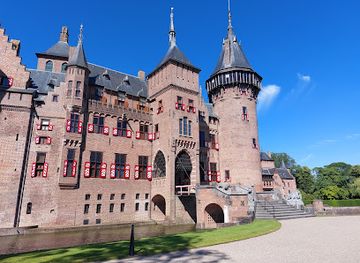
Castle De Haar
Experience the majestic beauty and rich history of Castle De Haar, the largest castle in the Netherlands, set in stunning gardens and architecture.
-
Theme park
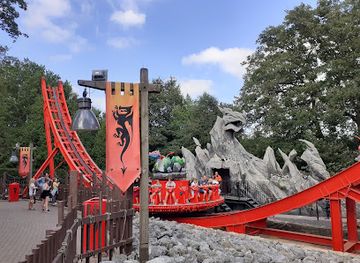
AdventurePark Hellendoorn
Explore AdventurePark Hellendoorn: A thrilling theme park in the Netherlands offering fun rides, captivating shows, and family-friendly attractions.
-
National reserve
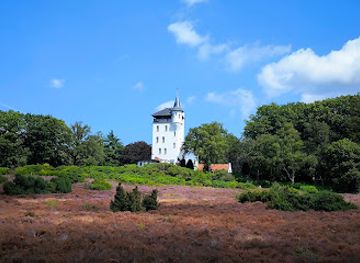
Sallandse Heuvelrug
Explore the serene landscapes and diverse wildlife of Sallandse Heuvelrug, a national reserve perfect for hiking and cycling adventures in the Netherlands.
-
Museum
Airbornemuseum Hartenstein
Explore the Airbornemuseum Hartenstein, a captivating war museum in Oosterbeek, and journey into the heart of World War II history.
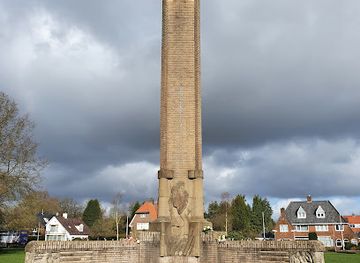
Explore Overijssel on the map
Plan your trip on one map. See where the top cities, national parks and sights are, and book hotels and experiences in a few clicks.
Best hotels in Overijssel
Best restaurants in Overijssel
Dining in Overijssel reflects both its river towns and agricultural countryside. Deventer, Zwolle, Enschede and Kampen have the broadest choice of cafés, contemporary restaurants, international cooking and dining rooms in historic properties. Rural towns and villages are more associated with cafés, traditional pubs, farm-based restaurants and seasonal menus using local vegetables, dairy, meat and fruit. Twente has a visible brewing culture and regional products often encountered in farm shops and market stalls, while the northern wetlands support restaurants serving freshwater and regional specialities alongside familiar Dutch dishes. Look for local baking, pastries and hearty soups, as well as seasonal asparagus in parts of eastern and southern Overijssel. Pancake restaurants, terrace cafés and brown cafés are useful informal options on cycling routes, and larger towns offer more ambitious modern cooking. Menus change seasonally, so a regional dish may be presented in a contemporary form rather than as a fixed traditional recipe.
-
Restaurant
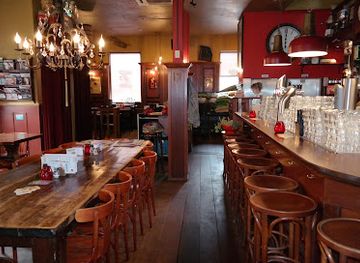
NielZ Café Restaurant
Discover NielZ Café Restaurant: Almelo's favorite spot for breakfast, lunch, and evening gatherings with local flavors and warm hospitality.
-
Restaurant
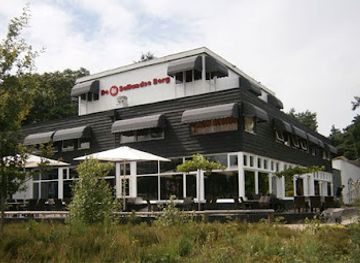
Restaurant De Sallandse Berg
Experience the essence of Dutch cuisine at Restaurant De Sallandse Berg in Nijverdal – where every meal tells a story.
-
Restaurant
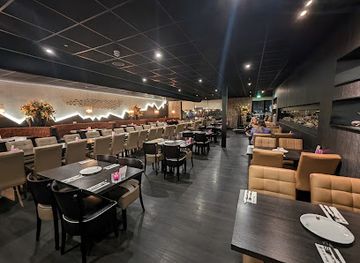
Wereldrestaurant Eten & Zo
Experience global flavors at Zwolle's premier buffet restaurant - Wereldrestaurant Eten & Zo offers an unforgettable culinary journey.
-
Steak
Ribhouse Texas Geesteren
Experience authentic Texan flavors at Ribhouse Texas Geesteren – where succulent steaks meet warm hospitality in a charming setting.
Best bars in Overijssel
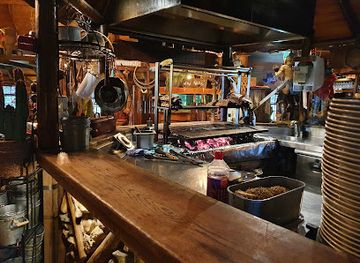
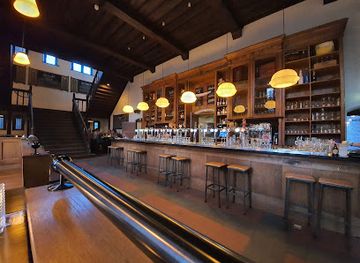
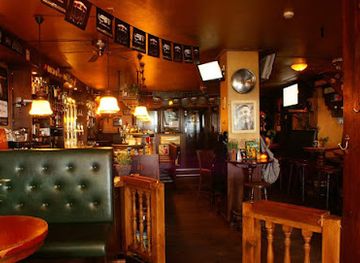
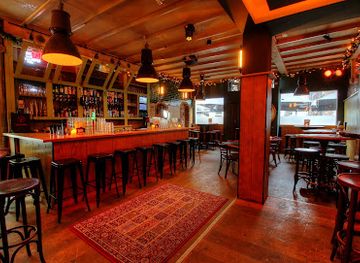
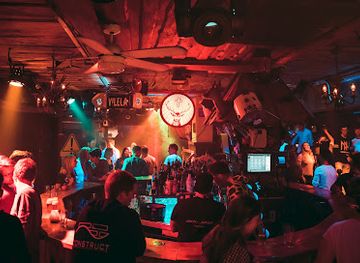
Evening life in Overijssel is concentrated in the larger towns rather than spread evenly across the countryside. Zwolle has the province’s broadest mix of cafés, beer bars, restaurants, cultural venues and late-evening streets, while Deventer and Enschede offer lively centres shaped respectively by historic-town tourism and a substantial student population. Hengelo and Almelo have local pubs, cafés and music venues, with activity varying by night and season. Outside the cities, traditional brown cafés, village pubs, brewery taprooms and restaurants are the main evening options; rural areas are not a destination for large-scale clubbing. Enschede’s proximity to Germany adds a cross-border dimension to some shopping and nightlife patterns, but visitors should check current venue arrangements rather than rely on a permanent club district. Seasonal festivals, theatre programmes and live music can broaden the evening offer, particularly in the main urban centres.
-
Cafe
Stadscafé Het Refter
Discover the charm of Stadscafé Het Refter in Zwolle, where history meets flavor in a cozy café setting.
-
Irish pub
Molly Malone Irish Pub
Discover the vibrant Irish culture at Molly Malone Irish Pub in Enschede, where lively music, delicious food, and a friendly atmosphere await you.
-
Pub
Het Vliegende Paard
Discover Zwolle's nightlife at Het Vliegende Paard, a vibrant pub offering cocktails, craft beers, and a lively dance scene for all visitors.
-
Pub
Jack's Music Bar
Experience the heartbeat of Zwolle at Jack's Music Bar, where live music and vibrant atmosphere create unforgettable nights out.
Best nightclubs in Overijssel
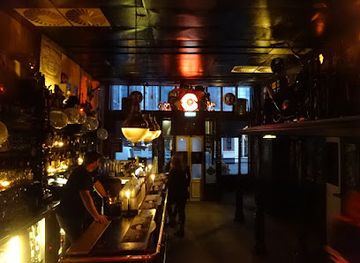
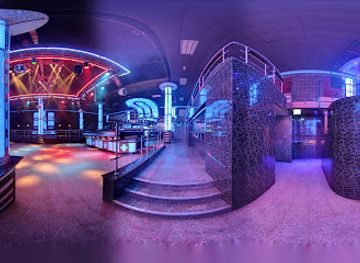
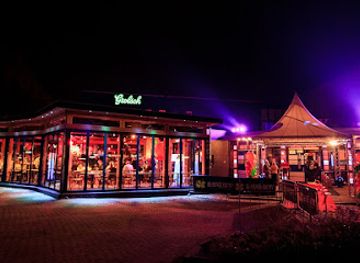
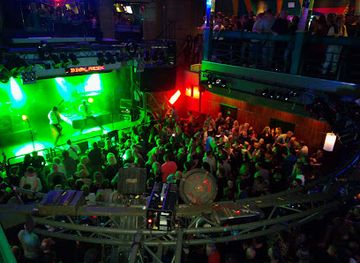
Evening life in Overijssel is concentrated in the larger towns rather than spread evenly across the countryside. Zwolle has the province’s broadest mix of cafés, beer bars, restaurants, cultural venues and late-evening streets, while Deventer and Enschede offer lively centres shaped respectively by historic-town tourism and a substantial student population. Hengelo and Almelo have local pubs, cafés and music venues, with activity varying by night and season. Outside the cities, traditional brown cafés, village pubs, brewery taprooms and restaurants are the main evening options; rural areas are not a destination for large-scale clubbing. Enschede’s proximity to Germany adds a cross-border dimension to some shopping and nightlife patterns, but visitors should check current venue arrangements rather than rely on a permanent club district. Seasonal festivals, theatre programmes and live music can broaden the evening offer, particularly in the main urban centres.
-
Disco club
Dieka
Discover Dieka in Markelo, a lively disco club and event venue where unforgettable nights and celebrations come to life.
-
Club
Lucky The Feel Good Provider
Discover Rijssen's nightlife at Lucky The Feel Good Provider, where vibrant energy meets exceptional hospitality in a unique club and event venue.
-
Disco club
Zaal Dijk
Experience the vibrant nightlife at Zaal Dijk, a lively disco club in Lemele, Netherlands, where unforgettable memories are made.
-
Disco club
Aspen Valley Enschede
Discover the vibrant nightlife of Aspen Valley Enschede, where disco meets café culture in an unforgettable nightlife experience.
Best shops in Overijssel
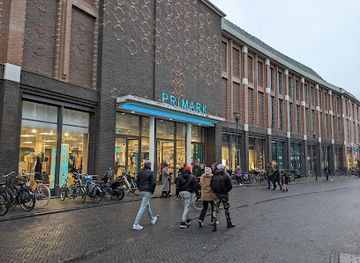
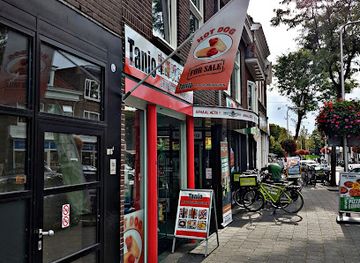
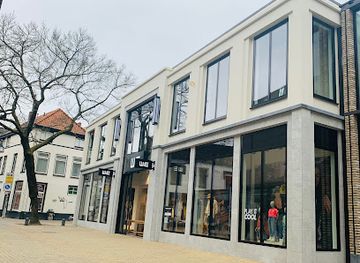
Shopping in Overijssel is strongest in the historic centres of Zwolle, Deventer and Kampen, where pedestrian streets combine national retailers with independent bookshops, clothing shops, galleries, cafés and specialist food stores. Deventer is especially associated with its long-established book-market tradition and seasonal cultural markets, while Zwolle has a broader contemporary retail and dining offer. Enschede provides the largest urban shopping environment in eastern Overijssel, with a mix of high-street stores, independent businesses and cross-border visitors. Smaller towns such as Ootmarsum, Delden and Ommen are better suited to galleries, antiques, crafts and locally produced goods than large-scale retail. In rural districts, farm shops and market stalls are useful for cheese, preserves, bread, beer and seasonal produce. Regional souvenirs are most convincing when they reflect the landscape or craft tradition—such as local food, ceramics, books or estate-related products—rather than generic Dutch gifts.
-
Clothing store
Primark
Discover unbeatable fashion deals at Primark in Zwolle, where style meets affordability for the whole family.
-
Grocery store
Tanio
Explore the authentic flavors of Zwolle at Tanio, your go-to grocery store for local products and artisanal goods.
-
Clothing store
WE Fashion Zwolle - Nieuwstraat
Explore the latest trends at WE Fashion Zwolle, your go-to clothing destination for men, women, and children in the vibrant city of Zwolle.
-
Gift shop
Action Vroomshoop
Explore Action Vroomshoop for a unique shopping experience filled with gifts, DIY supplies, and local treasures.
Get your free copy of our complete guide to Overijssel, delivered straight to you.
Everything on this page, from attractions and restaurants to essentials and local phrases, in one PDF you can read offline, print or share.
Already have an account? Sign in
Your Overijssel guide is ready.
We'll send it to · Not you? Sign out

Getting your guide ready…
We are putting together a fresh copy of the Overijssel guide. This can take up to a minute.
This can take a few moments. If your browser asks, choose Allow so the download can start. You'll find the guide in your Downloads folder.
Nothing happened? Download it again
Sorry, the guide is taking longer than usual. Please try again in a minute, or get it by email instead.
Overijssel essentials
Currency and Payment
Safety
Emergency Situations
Do's and Don'ts
Local Tips
From Eve
Local phrases worth knowing
You don't need to get them perfect. A few words go a long way, and locals appreciate the effort.
Basics
| English | Local | Say it |
|---|---|---|
| Hello | Hallo | [hah-lo] |
| Goodbye | Tot ziens | [toht zeens] |
| Yes | Ja | [yah] |
| No | Nee | [nay] |
| Please/You're welcome | Alstublieft | [ahl-stu-bleeft] |
| Thank you | Dank u | [dahnk oo] |
| Excuse me/Sorry | Sorry | [soh-ree] |
| How are you? | Hoe gaat het? | [hoo khaht het] |
| Fine. And you? | Goed. En jij? | [khut. en yay] |
| Do you speak English? | Spreekt u Engels? | [spraykt oo eng-els] |
| I don't understand | Ik begrijp het niet | [ik beh-khreyf het neet] |
Eating & Drinking
| English | Local | Say it |
|---|---|---|
| I'd like to see the menu, please | Ik zou graag de menukaart willen zien, alstublieft | [ik zow khrahg de menoo-kart vil-len zeen, ahl-stu-bleeft] |
| I don't eat meat | Ik eet geen vlees | [ik ayt khayn vlay-s] |
| Cheers! | Proost! | [prohst] |
| I would like to pay, please | Ik zou graag betalen, alstublieft | [ik zow khrahg beh-tah-len, ahl-stu-bleeft] |
Emergencies
| English | Local | Say it |
|---|---|---|
| Help! | Help! | [help] |
| Go away! | Ga weg! | [gha vek] |
| Call the Police! | Bel de politie! | [bel de po-lee-tsie] |
| Call a doctor! | Bel een dokter! | [bel ayn dok-ter] |
| I'm lost | Ik ben verdwaald | [ik ben fer-dwaald] |
| I'm ill | Ik ben ziek | [ik ben zeek] |
Shopping
| English | Local | Say it |
|---|---|---|
| I'd like to buy... | Ik zou graag ... kopen | [ik zow khrahg ... koh-pen] |
| I'm just looking | Ik kijk alleen maar | [ik kike ah-lay maar] |
| How much is it? | Hoeveel kost het? | [hoo-vayl kost het] |
| That's too expensive | Dat is te duur | [daht is tuh deur] |
| Can you lower the price? | Kunt u de prijs verlagen? | [kunt oo de prays ver-lah-ghen] |
Time & Numbers
| English | Local | Say it |
|---|---|---|
| What time is it? | Hoe laat is het? | [hoo laat is het] |
| It's one o'clock | Het is één uur | [het is ayn oor] |
| Half past (10) | Half elf | [half elf] |
| Morning | Ochtend | [okh-tent] |
| Afternoon | Middag | [mid-dahg] |
| Evening | Avond | [ah-vont] |
| Yesterday | Gisteren | [khis-te-ren] |
| Today | Vandaag | [van-dahg] |
| Tomorrow | Morgen | [mor-khen] |
| 1 | 1 | [ahn] |
| 2 | 2 | [twee] |
| 3 | 3 | [drie] |
| 4 | 4 | [vier] |
| 5 | 5 | [vijf] |
| 6 | 6 | [zes] |
| 7 | 7 | [zeven] |
| 8 | 8 | [acht] |
| 9 | 9 | [negen] |
| 10 | 10 | [tien] |
Transport & Directions
| English | Local | Say it |
|---|---|---|
| Where's a/the...? | Waar is een...? | [vaar is ayn...?] |
| What's the address? | Wat is het adres? | [vaht is het ah-dress] |
| Can you show me (on the map)? | Kunt u me laten zien (op de kaart)? | [kunt oo me lah-ten zeen (op de kart)?] |
| When's the next (bus)? | Wanneer komt de volgende (bus)? | [vahn-neer komt de fol-gende (bus)?] |
| A ticket (to ....) | Een kaartje (naar ....) | [ayn kart-ye (naar ....)] |
History of Overijssel
Early settlement and the landscape before reclamation
Overijssel’s earliest communities adapted to a landscape of river floodplains, higher sandy ground and extensive peat. Archaeological evidence records prehistoric farming and later settlement on the ridges and esker-like elevations of Salland and Twente, while the wetter north-west remained more difficult to inhabit permanently. The province’s rivers, especially the IJssel and Vecht, shaped movement and trade, and the gradual cutting of peat and construction of dikes altered the balance between land and water. Many later villages and farms still reflect this contrast between raised ground and reclaimed or managed wetland.
Roman frontier and the early Middle Ages
The Roman Empire did not permanently occupy all of present-day Overijssel, but the Rhine frontier and associated trading networks influenced the region, particularly around river routes and settlements to the south and west. After Roman authority receded, power became more fragmented. Christianisation and the growth of ecclesiastical institutions connected the area to the bishopric of Utrecht. Overijssel was commonly known as the Oversticht, the territories lying beyond the bishop’s immediate base, and its rivers and higher sandy districts gradually became more closely organised under medieval lordship.
Medieval towns and the Hanseatic era
From the twelfth century onwards, towns such as Deventer, Kampen and Zwolle developed through river commerce, craft production and regional administration. Their positions on or near the IJssel connected them with the North Sea, the German hinterland and the wider Hanseatic trading network. Defensive walls, gates, churches, warehouses and merchant houses grew from this period of urban expansion. Competition between towns and local rulers could be intense, but the commercial prosperity of the late Middle Ages left a durable architectural legacy in the historic centres still visited today.
Peat cutting, water management and rural change
The north-western parts of Overijssel were transformed by peat extraction from the late medieval period into the modern era. Digging channels to drain and transport peat created the elongated waterways, reed beds and lakes now associated with the Weerribben-Wieden landscape. Water management was both an economic necessity and a continuing hazard: drained land could subside, while storms and floods reshaped lakes and shorelines. Agriculture, reed cutting, fishing and small-scale boat building later became important local activities, and conservation today preserves a landscape largely produced through centuries of work with water.
Religious change and provincial consolidation
The Reformation and the Dutch Revolt brought political and religious upheaval to the towns and countryside of Overijssel during the sixteenth and seventeenth centuries. Control shifted between Habsburg authorities, local powers and the emerging Dutch Republic, while churches and civic institutions were reorganised. The province became part of the political structure of the Republic and later the Kingdom of the Netherlands. Fortifications, estates and administrative towns such as Zwolle and Deventer reflect the continued importance of Overijssel as a borderland between western Netherlands, the eastern provinces and German territories.
Textile industry and industrialisation in Twente
During the nineteenth and early twentieth centuries, Twente became one of the Netherlands’ leading textile regions. Cotton mills expanded in Enschede, Hengelo, Almelo and surrounding towns, supported by entrepreneurial families, improved transport and a large industrial workforce. The industry brought urban growth, social divisions and labour movements, while railways and canals strengthened connections with the rest of the country and Germany. Much production later moved abroad and many mills disappeared, but textile museums, factory remnants, workers’ housing and the modern urban landscape preserve the memory of this formative period.
War, reconstruction and a changing eastern province
Overijssel was occupied during the Second World War, and its communities experienced persecution, resistance, forced labour and liberation in 1945. Memorials, museums and cemeteries across the province record both civilian and military histories, including the effects on Jewish communities. Post-war reconstruction brought new housing, roads, education and industrial development. Enschede and Hengelo became part of a larger modern urban and technological region, while environmental protection expanded in wetlands, heathland and estates. Contemporary Overijssel therefore combines medieval towns and rural traditions with universities, manufacturing and cross-border links.
Overijssel in Photos
Browse through our photo collection highlighting the charm and character of the destination.
Neighbouring regions of Overijssel
The closest regions to Overijssel, if you have time for more than one.
-

-

-

-

-


Swipe for more regions
Explore more

Explore more of Netherlands
Discover the Netherlands: A blend of historic charm, artistic treasures, and scenic landscapes, perfect for an enriching travel experience.
Explore Netherlands