

Free West-Friesland Travel Guide & Mobile App
Explore West-Friesland with free travel guides. Discover regional history, expert tips, proposed trips, and audio guides on web or mobile app.


Explore West-Friesland for historic harbour towns, Zuiderzee heritage, cycling dykes, open polder landscapes and distinctive North Holland food traditions.
When is the best time to visit West-Friesland?
Best: June–August · 20–22°C| Month | High (°C) | Rainfall (mm) |
|---|---|---|
| January | 6 | 60 |
| February | 6 | 50 |
| March | 9 | 55 |
| April | 13 | 45 |
| May | 17 | 50 |
| June (best) | 20 | 60 |
| July (best) | 22 | 70 |
| August (best) | 22 | 75 |
| September | 18 | 70 |
| October | 14 | 65 |
| November | 10 | 70 |
| December | 7 | 75 |
Getting to and around West-Friesland
How to get there
Transportation
Destinations in West-Friesland
Resorts, valleys and scenic spots worth a trip of their own.
-

-
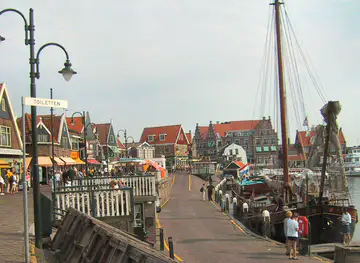


Swipe for more destinations
Best attractions in West-Friesland
West-Friesland's attractions combine maritime history with wide, carefully managed countryside. In Enkhuizen, the Zuiderzeemuseum explains life around the former inland sea through historic buildings, craft demonstrations and collections, while the town itself offers a compact waterfront and old streets. Hoorn has museums and a preserved harbour quarter that reveal its importance in the Dutch Republic's trading age. Medemblik provides access to Kasteel Radboud and to the Museumstoomtram Hoorn-Medemblik, whose heritage railway crosses the rural landscape. Beyond the towns, the Westfriese Omringdijk is the region's great outdoor attraction, suitable for cycling, walking and scenic touring. Polder roads, orchards, meadows and canals create a quieter experience, with birdlife especially visible around wetland margins and the lakeshore. Sailing and other water activities are available around the IJsselmeer and Markermeer, subject to weather and local conditions. Seasonal farm shops, village events and small local museums add texture to an itinerary, while the region's modest scale makes it possible to combine a historic town with countryside in the same day.
-
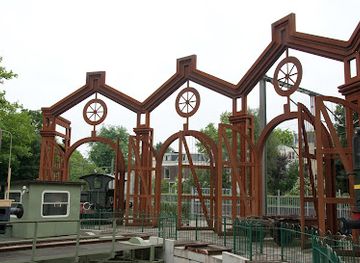
Rail museum
The Railway Museum
Explore the fascinating history of railways at The Railway Museum in Utrecht, where trains come to life through interactive exhibits and stunning collections.
-
History museum
Nationaal Militair Museum
Discover the Nationaal Militair Museum, a premier destination showcasing the history and heritage of the Dutch military through engaging exhibits and artifacts.
-
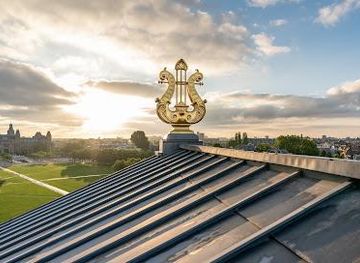
Concert hall
The Concertgebouw
Discover the enchanting Concertgebouw in Amsterdam, a world-class concert hall renowned for its breathtaking acoustics and stunning architecture, hosting diverse musical performances.
-
 Museum
Zuiderzeemuseum
Explore the maritime heritage of the Zuiderzee at the enchanting Zuiderzeemuseum in Enkhuizen, where history comes to life in a beautiful setting.

Best landmarks in West-Friesland
The Westfriese Omringdijk is West-Friesland's defining landmark: its evolving line around the low-lying countryside demonstrates how communities have defended fields and settlements against the former Zuiderzee and inland waters. Hoorn's historic centre contains an impressive concentration of seventeenth-century civic and mercantile architecture, including the harbour-side Hoofdtoren, a prominent defensive and maritime structure. Enkhuizen is marked by the Drommedaris, a substantial historic gate beside the old harbour, and by the Zuiderkerk and other buildings that recall its Golden Age prosperity. In Medemblik, Kasteel Radboud is a rare surviving medieval castle in North Holland and a powerful reminder of the counts of Holland's campaigns in West-Frisia. The former Zuiderzee shoreline, now seen across the IJsselmeer and Markermeer, is itself a geographical landmark, with dikes, harbour mouths and broad horizons defining the region's visual identity. Medieval village churches, farmsteads and old drainage structures complete a landscape whose significance lies in the relationship between settlement, agriculture and water.
-
History museum
Nationaal Militair Museum
Explore the Nationaal Militair Museum, the largest military museum in the Netherlands, and immerse yourself in the history of the Dutch Armed Forces.
-
Theme park
Sprookjeswonderland
Explore the enchanting world of fairy tales at Sprookjeswonderland, a magical theme park in Enkhuizen perfect for families and adventure seekers.
-
Museum
Fries Museum
Explore the unique cultural heritage of Friesland at the Fries Museum in Leeuwarden, showcasing art, history, and local traditions.
-
Monument
Waterpoort
Explore the Waterpoort in Sneek, a stunning 17th-century monument that embodies the city's rich maritime history and offers picturesque views for every traveler.


Explore West-Friesland on the map
Plan your trip on one map. See where the top cities, national parks and sights are, and book hotels and experiences in a few clicks.
Best hotels in West-Friesland
Best restaurants in West-Friesland
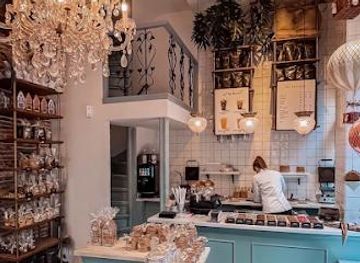
Dining in West-Friesland reflects North Holland's agricultural and maritime setting. Hoorn, Enkhuizen and Medemblik have the broadest choice of restaurants, cafés, bakeries and traditional Dutch pubs, while villages and market towns tend to favour informal cafés, family-run establishments and rural inns. Look for menus based on local dairy, potatoes, vegetables, apples and pears, alongside familiar Dutch specialities such as herring, eel where available, soups, pancakes and fried fish. Farm shops and seasonal markets are useful for regional produce, particularly fruit, cheese and vegetables from the surrounding horticultural areas. Waterfront dining is common in the old harbour towns, though the view is often as much a feature of the setting as a distinct local cuisine. Breakfast pastries, coffee and apple-based baking suit a cycling itinerary, while larger towns offer more international and contemporary cooking. Restaurant hours can be more limited in small settlements, so plan evening meals rather than relying on spontaneous late dining.
-
Cookies
van Wonderen Stroopwafels
Amsterdam's stroopwafel sensation on Kalverstraat: fresh, customizable caramel waffles since 1907, blending Dutch heritage with indulgent toppings in a bustling sweet spot.
-
Restaurant
Fire Cafe
Experience the vibrant culinary scene at Fire Cafe in Leeuwarden—where delicious food meets an inviting atmosphere perfect for any occasion.
-
Hotel
Babylon Hotel Heerhugowaard-Alkmaar
Discover comfort and fine dining at Babylon Hotel Heerhugowaard-Alkmaar, your perfect base for exploring the beauty of the Netherlands.
-
Restaurant
Brasserie/Restaurant De Tuynkamer
Experience authentic Dutch cuisine at Brasserie/Restaurant De Tuynkamer in Hoorn – where every meal tells a story.


Best bars in West-Friesland
Evening life in West-Friesland is concentrated in Hoorn, Enkhuizen and, to a lesser extent, Medemblik and the larger market towns. Historic cafés and brown pubs provide places for local beer, coffee and conversation, while harbour areas offer restaurants and bars with an earlier, more sociable atmosphere. Hoorn has the region's broadest selection of evening venues, including modern bars and occasional live music, but it does not resemble a major metropolitan club district. Enkhuizen and Medemblik are generally quieter, with nightlife influenced by the sailing season and summer visitors. In rural villages, evening entertainment is more likely to centre on a pub, community venue or local event than on a nightclub. Check current arrangements locally, as opening patterns and seasonal programming vary.
-
Bar
Uiltje Bar
Discover the vibrant craft beer scene of Haarlem at Uiltje Bar, where local flavors and a lively atmosphere await every visitor.
-
Restaurant
Brasserie D'Oude Veiling
Discover the flavors of Zwaag at Brasserie D'Oude Veiling, where traditional meets modern in a cozy brasserie setting.
-
Restaurant
Restaurant Uitspanning De Nadorst
Discover the flavors of Blokker at Restaurant Uitspanning De Nadorst, where culinary diversity meets a cozy atmosphere.
-
Bar
Eet- en speciaalbierencafé De Klinker
Discover the charm of Eet- en speciaalbierencafé De Klinker, where local flavors meet a cozy atmosphere in the heart of Hoorn.


Best nightclubs in West-Friesland
Evening life in West-Friesland is concentrated in Hoorn, Enkhuizen and, to a lesser extent, Medemblik and the larger market towns. Historic cafés and brown pubs provide places for local beer, coffee and conversation, while harbour areas offer restaurants and bars with an earlier, more sociable atmosphere. Hoorn has the region's broadest selection of evening venues, including modern bars and occasional live music, but it does not resemble a major metropolitan club district. Enkhuizen and Medemblik are generally quieter, with nightlife influenced by the sailing season and summer visitors. In rural villages, evening entertainment is more likely to centre on a pub, community venue or local event than on a nightclub. Check current arrangements locally, as opening patterns and seasonal programming vary.
-
Night club
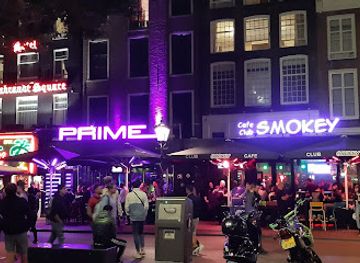
Club Prime
Experience the vibrant nightlife of Amsterdam at Club Prime, a premier destination for dancing, cocktails, and unforgettable memories.
-
Disco club
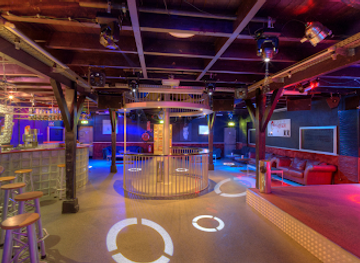
Club Organza
Experience the heartbeat of Breukelen's nightlife at Club Organza, where every night is a celebration of music and dance.
-
Night club
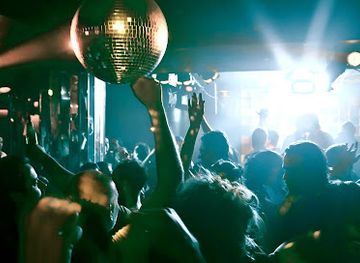
ClubNl
Dive into the Amsterdam nightlife at ClubNl, where music, cocktails, and an electric atmosphere await you!
-
Disco club
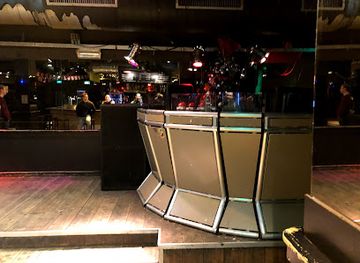
Night Bar G-spot
Experience the electrifying nightlife of Hilversum at Night Bar G-spot, the ultimate disco club with vibrant beats and a lively atmosphere.
Best shops in West-Friesland
Shopping in West-Friesland is strongest in the historic centres and market towns rather than in large regional retail complexes. Hoorn has the widest concentration of independent shops, bookshops, cafés and galleries around its old streets, while Enkhuizen and Medemblik combine small retailers with maritime-themed souvenirs and local food products. Market days vary by town and season, so check locally for current dates. Farm shops are a good source of apples, pears, vegetables, cheese and other produce from the surrounding agricultural districts. Bakeries sell Dutch pastries and regional-style fruit baking, and specialist food shops provide practical gifts that travel better than fragile crafts. Visitors may also find ceramics, textiles, prints and handmade goods in galleries and small studios, although the selection changes from place to place. The most appropriate purchases are usually edible regional products, books about the Zuiderzee or West-Frisian history, and locally made craft items rather than generic souvenirs.
-
Outlet mall
Batavia Stad Fashion Outlet
Discover unbeatable deals on designer brands at Batavia Stad Fashion Outlet, a premier shopping destination in Lelystad, Netherlands.
-
Shopping mall
Alexandrium Shopping Center
Explore the vibrant Alexandrium Shopping Center in Rotterdam for an unforgettable shopping experience with diverse stores and delightful dining options.
-
Cheese shop
Cheese Factory Volendam
Experience the art of Dutch cheese-making in Volendam's charming Cheese Factory, a delightful fusion of shop and museum.
-
Shopping mall
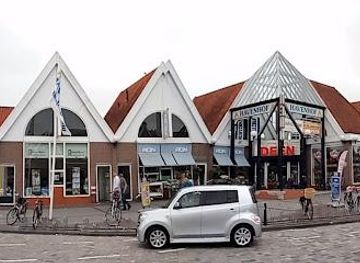
Winkelcentrum Havenhof
Explore Winkelcentrum Havenhof in Volendam for a unique shopping experience blending local charm with international flair.


Get your free copy of our complete guide to West-Friesland, delivered straight to you.
Everything on this page, from attractions and restaurants to essentials and local phrases, in one PDF you can read offline, print or share.
Already have an account? Sign in
Your West-Friesland guide is ready.
We'll send it to · Not you? Sign out

Getting your guide ready…
We are putting together a fresh copy of the West-Friesland guide. This can take up to a minute.
This can take a few moments. If your browser asks, choose Allow so the download can start. You'll find the guide in your Downloads folder.
Nothing happened? Download it again
Sorry, the guide is taking longer than usual. Please try again in a minute, or get it by email instead.
West-Friesland essentials
Currency and Payment
Safety
Emergency Situations
Do's and Don'ts
Local Tips
From Eve
Local phrases worth knowing
You don't need to get them perfect. A few words go a long way, and locals appreciate the effort.
Basics
| English | Local | Say it |
|---|---|---|
| Hello | Hallo | [HAH-loh] |
| Goodbye | Tot ziens | [Tot zeens] |
| Yes | Ja | [Yah] |
| No | Nee | [Nay] |
| Please/You're welcome | Alsjeblieft | [Al-suh-bleeft] |
| Thank you | Dank je | [Dahnk yuh] |
| Excuse me/Sorry | Sorry | [SOR-ee] |
| How are you? | Hoe gaat het? | [Hoo ghaht het] |
| Fine. And you? | Goed. En jij? | [Hoot. En yay?] |
| Do you speak English? | Spreek je Engels? | [Sprayk yuh EN-guhls] |
| I don't understand | Ik begrijp het niet | [Ik buh-GRYP het neet] |
Eating & Drinking
| English | Local | Say it |
|---|---|---|
| I'd like to see the menu, please | Ik zou graag de menukaart willen zien, alsjeblieft | [Ik zow graahkh duh men-yoo-kahrt VIL-len zeen, AHL-suh-bleeft] |
| I don't eat meat | Ik eet geen vlees | [Ik ayt khayn vlays] |
| Cheers! | Proost! | [Prohst] |
| I would like to pay, please | Ik wil graag betalen, alsjeblieft | [Ik vil graahkh buh-TAH-len, AHL-suh-bleeft] |
Emergencies
| English | Local | Say it |
|---|---|---|
| Help! | Help! | [Help] |
| Go away! | Ga weg! | [Gah vek] |
| Call the Police! | Bel de politie! | [Bel duh poh-LEET-sie] |
| Call a doctor! | Bel een dokter! | [Bel ayn DOK-ter] |
| I'm lost | Ik ben verdwaald | [Ik ben fer-DWAHLT] |
| I'm ill | Ik ben ziek | [Ik ben zeek] |
Shopping
| English | Local | Say it |
|---|---|---|
| I'd like to buy... | Ik zou graag ... kopen | [Ik zow graahkh ... KOH-pen] |
| I'm just looking | Ik kijk alleen maar | [Ik kike ah-LAYN mahr] |
| How much is it? | Hoeveel kost het? | [Hoo-VAYL kost het] |
| That's too expensive | Dat is te duur | [Daht is tuh DUR] |
| Can you lower the price? | Kun je de prijs verlagen? | [Kun yuh duh prays ver-LAH-ghen] |
Time & Numbers
| English | Local | Say it |
|---|---|---|
| What time is it? | Hoe laat is het? | [Hoo laht is het] |
| It's one o'clock | Het is één uur | [Het is AYN oor] |
| Half past (10) | Half (10) | [Half (10)] |
| Morning | Ochtend | [OKH-tent] |
| Afternoon | Middag | [MID-dahkh] |
| Evening | Avond | [AH-vond] |
| Yesterday | Gisteren | [KHEE-ste-ren] |
| Today | Vandaag | [VAN-dahkh] |
| Tomorrow | Morgen | [MOR-ghen] |
| 1 | 1 | [1] |
| 2 | 2 | [2] |
| 3 | 3 | [3] |
| 4 | 4 | [4] |
| 5 | 5 | [5] |
| 6 | 6 | [6] |
| 7 | 7 | [7] |
| 8 | 8 | [8] |
| 9 | 9 | [9] |
| 10 | 10 | [10] |
Transport & Directions
| English | Local | Say it |
|---|---|---|
| Where's a/the...? | Waar is een ...? | [Vahr is ayn ...?] |
| What's the address? | Wat is het adres? | [Vaht is het ah-DRES?] |
| Can you show me (on the map)? | Kun je me laten zien (op de kaart)? | [Kun yuh muh LAH-ten zeen (op duh kaart)?] |
| When's the next (bus)? | Wanneer is de volgende (bus)? | [Vahn-eer is duh VOL-gende (bus)?] |
| A ticket (to ....) | Een ticket (naar ...) | [Ayn TIK-ket (nahr ...)] |
History of West-Friesland
Early settlement and the West-Frisian landscape
People farmed and lived in parts of the region long before the modern polder landscape existed. Archaeological evidence, including Bronze Age remains in West-Friesland, reveals settled communities working fertile but water-sensitive soils. Medieval occupation developed on geest soils, raised ground and artificial dwelling mounds, while peat drainage gradually altered the land and increased its vulnerability to flooding. The modern countryside therefore reflects both natural change and centuries of deliberate water management.
The medieval Westfriese Omringdijk
By the later Middle Ages, separate stretches of local embankment had been connected into the Westfriese Omringdijk, a ring dike protecting much of the region from the Zuiderzee and inland waters. Its construction and maintenance required cooperation between communities, landowners and water boards. The dike was not an unchanging barrier: breaches, repairs and improvements repeatedly reshaped it. Today, its winding course remains one of West-Friesland's defining historical structures and a practical route through the landscape.
West-Frisia and the counts of Holland
Medieval West-Frisia retained a strong regional identity and resisted incorporation into the expanding county of Holland. In 1256, Count William II of Holland was killed near Hoogwoud during a campaign against the West-Frisians. His son, Floris V, later pursued a sustained campaign that brought the region more firmly under Holland's authority by the end of the thirteenth century. The conflict left a lasting mark on regional historical memory and helps explain West-Friesland's distinctive identity within North Holland.
Harbour towns and the Dutch Golden Age
Hoorn, Enkhuizen and Medemblik grew as trading and maritime towns beside the Zuiderzee. Hoorn and Enkhuizen were important centres in the Dutch Republic's overseas and Baltic commerce, and both held chambers of the Dutch East India Company. Their prosperity funded substantial civic buildings, churches, warehouses and private houses. Enkhuizen's maritime role later declined as waterways and commercial patterns changed, while Hoorn retained a significant regional function. Historic streets and harbour districts still display the wealth of this period.
The Dutch Revolt in West-Friesland
During the Dutch Revolt against Spanish rule, Hoorn and Enkhuizen joined the uprising in 1572. Their locations on the Zuiderzee gave the rebel cause valuable access to shipping and regional trade. The revolt transformed political allegiances and helped establish the Dutch Republic, although the broader conflict brought military pressure and economic disruption. The period is visible today in the architecture, civic history and museum collections of the old harbour towns rather than in one single surviving battlefield landscape.
Agriculture, horticulture and water boards
After the maritime towns lost some of their prominence, agriculture became increasingly central to West-Friesland's economy. Dairy farming, arable cultivation, seed production and fruit growing developed on land that depended on drainage and careful water levels. Cooperative water boards, pumping technology and improved dikes made intensive farming possible, while village markets connected producers with the surrounding towns. The region's straight roads, canals, orchards and large farmsteads are modern expressions of this long agricultural history.
The Zuiderzee works and the modern region
The Zuiderzee Works changed West-Friesland's relationship with the water. The Afsluitdijk closed the former inlet in 1932, creating the IJsselmeer, while later reclamation projects altered the wider horizon and shipping environment. West-Friesland did not become a reclaimed polder itself, but its harbours, fishing traditions and coastal outlook were affected profoundly. The Zuiderzeemuseum in Enkhuizen preserves buildings, crafts and stories associated with the communities that lived around the former sea.
West-Friesland in Photos
Browse through our photo collection highlighting the charm and character of the destination.
Neighbouring regions of West-Friesland
The closest regions to West-Friesland, if you have time for more than one.
-

-

-

-

-


Swipe for more regions
Explore more

Explore more of Netherlands
Discover the Netherlands: A blend of historic charm, artistic treasures, and scenic landscapes, perfect for an enriching travel experience.
Explore Netherlands