

Free Wadden Islands Travel Guide & Mobile App
Explore Wadden Islands with free travel guides. Discover regional history, expert tips, proposed trips, and audio guides on web or mobile app.


Explore the Dutch Wadden Islands for tidal landscapes, dune cycling, seal trips, island villages, beaches and distinctive North Sea food.
Read more about Wadden Islands
When is the best time to visit Wadden Islands?
Best: June–August · 18–20°C| Month | High (°C) | Rainfall (mm) |
|---|---|---|
| January | 6 | 50 |
| February | 6 | 45 |
| March | 9 | 51 |
| April | 12 | 45 |
| May | 16 | 51 |
| June (best) | 18 | 56 |
| July (best) | 20 | 61 |
| August (best) | 20 | 61 |
| September | 18 | 56 |
| October | 14 | 51 |
| November | 10 | 55 |
| December | 7 | 60 |
Getting to and around Wadden Islands
How to get there
Transportation
Best attractions in Wadden Islands
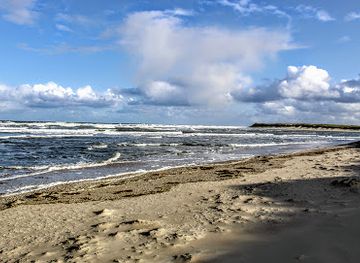
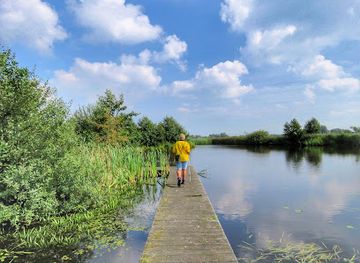
The Wadden Islands offer an attraction landscape centred on nature, outdoor activity and maritime culture. Beaches stretch along the North Sea sides, while the sheltered Wadden shores reveal tidal flats, salt marshes and changing sandbanks. Texel has the greatest range of visitor facilities, including Ecomare, a nature museum and seal sanctuary near De Koog, as well as bird-rich landscapes around De Slufter and the northern dunes. Terschelling is known for accessible cycling routes, dune scenery and the Oerol cultural festival, held annually across the island at a changing selection of locations. Ameland combines beach walks with village museums, lighthouse views and the nature areas around Hollum and Nes. Schiermonnikoog's broad beaches, dunes and salt marshes are especially suited to walking and wildlife observation, while Vlieland's car-free roads encourage slower exploration. Across the archipelago, boat trips, guided mudflat walks, seal excursions, birdwatching, cycling and maritime museums provide ways to understand the relationship between residents and the sea.
-
Concert hall
The Concertgebouw
Explore the rich musical heritage of Amsterdam at The Concertgebouw, a world-renowned concert hall known for its stunning architecture and exceptional acoustics.
-
National park
Nationaal Park Duinen van Texel
Explore the breathtaking landscapes and rich biodiversity of Nationaal Park Duinen van Texel, a must-visit national park in the Netherlands.
-
Zoo
Aquazoo Friesland
Explore the enchanting AquaZoo Friesland in Leeuwarden, home to diverse wildlife and stunning landscapes, perfect for family adventures and nature lovers.
-
Science museum
Micropia
Explore Micropia in Amsterdam, the world's first museum dedicated to microbes and their crucial role in our lives and the environment.



Best landmarks in Wadden Islands
The Wadden Islands are marked by lighthouses, harbour structures, village churches and natural formations that express their exposed position between sea and mainland. The Brandaris at West-Terschelling, first established in the sixteenth century and rebuilt in its present form after earlier structures were lost, is the oldest surviving lighthouse in the Netherlands and the visual focal point of Terschelling. On Texel, the Eierland Lighthouse stands at the island's northern tip, where dunes and broad beaches frame an important navigational landmark. Ameland's red-and-white Bornrif lighthouse overlooks the western dunes near Hollum, while the island's historic villages retain churches and houses connected with maritime life. Schiermonnikoog's small village centre and surrounding open landscape reflect a different balance between settlement and nature. Vlieland's Vuurduin lighthouse rises above the dunes near Oost-Vlieland. The Wadden Sea itself is the archipelago's defining natural landmark: its mudflats, channels and sandbanks are protected as part of a transnational UNESCO World Heritage landscape.
-
Zoo
Aquazoo Friesland
Discover Aquazoo Friesland: A captivating zoo experience in Leeuwarden with immersive exhibits and a commitment to wildlife conservation.
-
National park
De Alde Feanen National Park
Experience the breathtaking beauty and rich biodiversity of De Alde Feanen National Park, a must-visit destination for nature lovers and outdoor enthusiasts in the Netherlands.
-
Museum
Fries Museum
Discover Friesland's vibrant culture and history at the Fries Museum in Leeuwarden, a captivating destination for art and history enthusiasts.
-
Sea
Wadden Sea
Explore the Wadden Sea, a UNESCO World Heritage site known for its stunning tidal flats, rich biodiversity, and incredible wildlife experiences.


Explore Wadden Islands on the map
Plan your trip on one map. See where the top cities, national parks and sights are, and book hotels and experiences in a few clicks.
Best hotels in Wadden Islands
Best restaurants in Wadden Islands
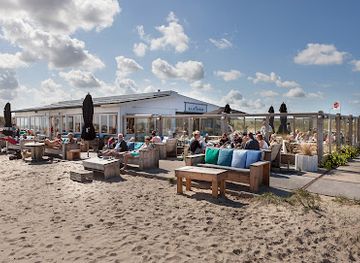
Island dining combines North Sea produce, pastureland and Dutch café culture. Menus commonly feature fish, prawns, smoked seafood, mussels when in season, island lamb, dairy products and locally made cheeses. Texel is particularly associated with lamb and sheep farming, while several islands also produce or promote their own beers and other small-scale food products. Village restaurants, beach pavilions, cafés, bakeries and rural inns range from straightforward fish lunches to contemporary cooking using seasonal ingredients. Farmers' shops and local producers are useful for bread, dairy, preserves, beer and picnic supplies, especially when cycling between settlements. Seafood is not the only local emphasis: the islands' agricultural landscapes support potatoes, vegetables and livestock, and menus often reflect the wider northern Dutch tradition as well as island produce. Opening arrangements can be seasonal, so visitors staying outside summer should check which establishments are operating before setting out for dinner.
-
Beach pavillion
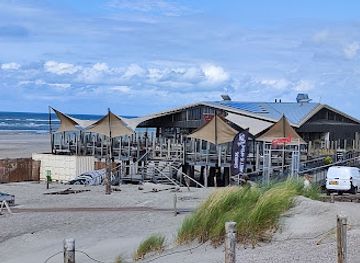
Beach Pavillion Kaap Noord
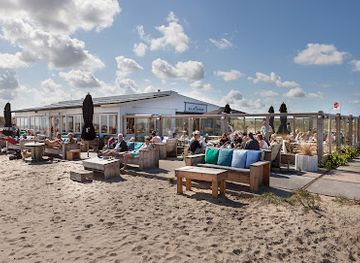
Experience coastal dining at Beach Pavilion Kaap Noord with stunning sea views and delicious cuisine in De Cocksdorp.
-
Restaurant
Sjoerd Ameland
Experience beachfront dining at Sjoerd Ameland with stunning views and delicious local cuisine in a relaxed atmosphere.
-
Cookies
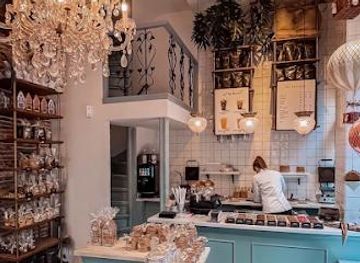
van Wonderen Stroopwafels
Amsterdam's iconic stroopwafel haven on Kalverstraat, blending 1907 family tradition with fresh, customizable toppings for irresistible warm treats in the heart of Centrum.
-
Restaurant
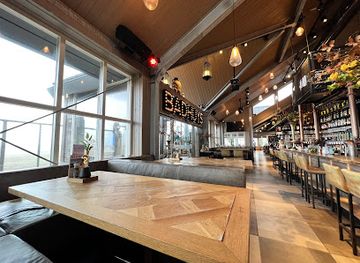
't Badhuys
Experience delightful beachside dining at 't Badhuys in Oost-Vlieland, where fresh local cuisine meets stunning ocean views.
Best bars in Wadden Islands
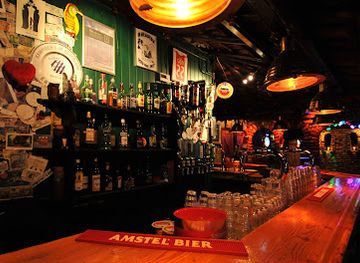
Nightlife on the Wadden Islands is generally sociable and local rather than metropolitan. Village pubs, brown cafés, hotel bars and beach pavilions provide places for an evening drink, while larger settlements such as Den Burg, De Koog, West-Terschelling, Nes and Hollum have the broadest choice of restaurants and licensed venues. Terschelling has the strongest reputation for cultural nightlife because the Oerol festival brings theatre, music and performances to the island, although its programme and locations change each year. Live music and seasonal events may also appear on other islands. Traditional pubs often serve island beers and regional products, but quiet villages and nature-oriented islands may have little late-night activity. Visitors should not expect a concentrated nightclub district; ferries, small populations and conservation priorities shape an evening culture that usually winds down earlier outside peak periods.
-
Bar
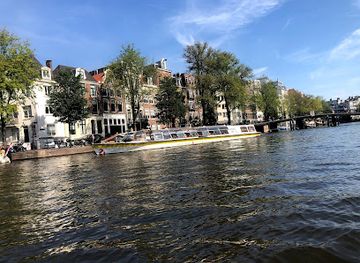
Xtracold Icebar Amsterdam
Experience the magic of Xtracold Icebar Amsterdam, a unique bar made entirely of ice where you sip cocktails in a sub-zero wonderland.
-
Beach pavillion
Beach Pavillion Kaap Noord
Discover Beach Pavilion Kaap Noord, a delightful coastal retreat offering delicious dining and stunning ocean views in De Cocksdorp.
-
Restaurant
Strandpaviljoen Paal 9
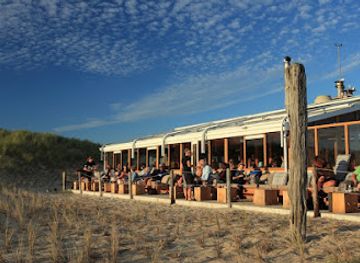
Experience beachside dining at Strandpaviljoen Paal 9, where fresh seafood meets stunning ocean views on Texel Island.
-
Restaurant
Beach pavilion De Marlijn
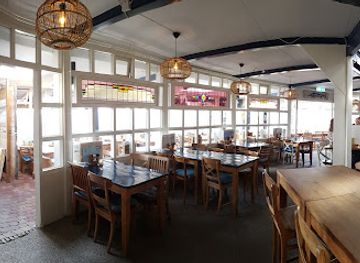
Discover the coastal charm of Beach Pavilion De Marlijn, where delicious meals meet stunning sea views on Schiermonnikoog.
Best nightclubs in Wadden Islands
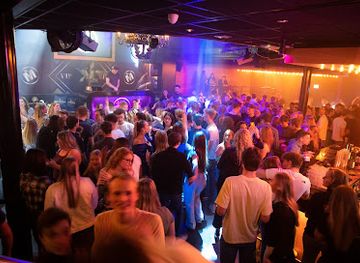
Nightlife on the Wadden Islands is generally sociable and local rather than metropolitan. Village pubs, brown cafés, hotel bars and beach pavilions provide places for an evening drink, while larger settlements such as Den Burg, De Koog, West-Terschelling, Nes and Hollum have the broadest choice of restaurants and licensed venues. Terschelling has the strongest reputation for cultural nightlife because the Oerol festival brings theatre, music and performances to the island, although its programme and locations change each year. Live music and seasonal events may also appear on other islands. Traditional pubs often serve island beers and regional products, but quiet villages and nature-oriented islands may have little late-night activity. Visitors should not expect a concentrated nightclub district; ferries, small populations and conservation priorities shape an evening culture that usually winds down earlier outside peak periods.
-
Disco club
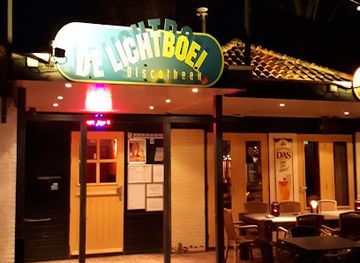
De Lichtboei
Experience the vibrant nightlife at De Lichtboei, Ameland's premier disco club, bar, and café, perfect for dancing and socializing.
-
Bar
Oka 18
Discover Oka 18 in West-Terschelling, a lively bar and disco club where unforgettable nights and great vibes await every visitor.
-
Disco club
HOME Noordwijk
Discover the electrifying nightlife of Noordwijk at HOME, where unforgettable memories and vibrant music await every weekend.
-
Night club
Club Up
Discover the heart of Amsterdam's nightlife at Club Up, where vibrant energy and great music create unforgettable nights.

Best shops in Wadden Islands
Shopping on the Wadden Islands is concentrated in village streets rather than large retail centres. Texel offers the widest selection, particularly in Den Burg and De Koog, with outdoor equipment, clothing, books, galleries, food shops and island-branded products. Ameland's Nes and Hollum, Terschelling's West-Terschelling and Oost-Vlieland provide smaller collections of independent shops, craft outlets, cafés and galleries. Typical purchases include island cheese, lamb or dairy products, local beer, sea-themed ceramics, woollens, handmade goods, art and books about maritime or natural history. Farmers' shops and roadside producers are useful for provisions, although availability and opening times vary with the season. Markets and temporary stalls may operate during busy periods, but they should not be assumed to run year-round. Because the islands have limited space and higher transport costs, shopping is best approached as a way to support local producers and take home practical regional food or craft items rather than as a destination for extensive department-store retail.
-
Shopping mall
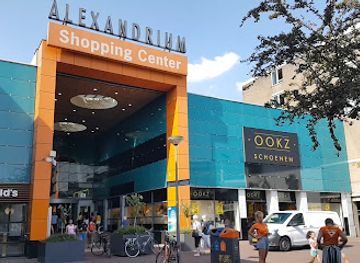
Alexandrium Shopping Center
Explore Alexandrium Shopping Center: Your ultimate shopping and dining destination in Rotterdam, featuring diverse stores, eateries, and a lively atmosphere.
-
Aquarium
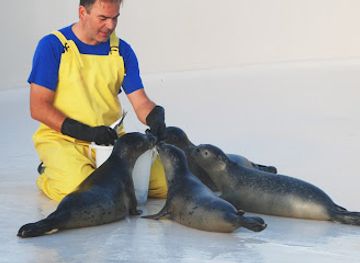
Ecomare
Explore the wonders of the Wadden Sea at Ecomare, where marine conservation meets education and adventure for the whole family.
-
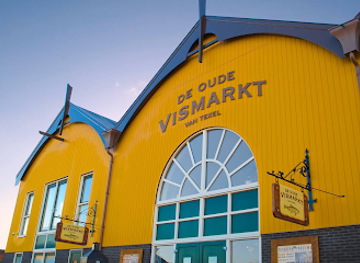
Fish store
De Oude Vismarkt van Texel
Experience the freshest seafood at De Oude Vismarkt van Texel, where local flavors and coastal charm come together in a delightful market setting.
-
Museum
Bornrif Lighthouse
Discover the charm of Bornrif Lighthouse, a historic beacon on Ameland island, blending maritime heritage with stunning coastal views.
Get your free copy of our complete guide to Wadden Islands, delivered straight to you.
Everything on this page, from attractions and restaurants to essentials and local phrases, in one PDF you can read offline, print or share.
Already have an account? Sign in
Your Wadden Islands guide is ready.
We'll send it to · Not you? Sign out

Getting your guide ready…
We are putting together a fresh copy of the Wadden Islands guide. This can take up to a minute.
This can take a few moments. If your browser asks, choose Allow so the download can start. You'll find the guide in your Downloads folder.
Nothing happened? Download it again
Sorry, the guide is taking longer than usual. Please try again in a minute, or get it by email instead.
Wadden Islands essentials
Currency and Payment
Safety
Emergency Situations
Do's and Don'ts
Local Tips
From Eve
Local phrases worth knowing
You don't need to get them perfect. A few words go a long way, and locals appreciate the effort.
Basics
| English | Local | Say it |
|---|---|---|
| Hello | Hallo | [Ha-lo] |
| Goodbye | Tot ziens | [Tot zeens] |
| Yes | Ja | [Ya] |
| No | Nee | [Nay] |
| Please/You're welcome | Alstublieft | [Al-stu-bleeft] |
| Thank you | Dank u | [Dank oo] |
| Excuse me/Sorry | Sorry | [Sor-ree] |
| How are you? | Hoe gaat het? | [Hoo gaat het] |
| Fine. And you? | Goed. En jij? | [Hoot. En yay] |
| Do you speak English? | Spreekt u Engels? | [Spraykt oo Eng-els] |
| I don't understand | Ik begrijp het niet | [Ik be-greep het neet] |
Eating & Drinking
| English | Local | Say it |
|---|---|---|
| I'd like to see the menu, please | Ik wil graag de menukaart zien, alstublieft | [Ik vil ghraak de menu-kart zeen, al-stu-bleeft] |
| I don't eat meat | Ik eet geen vlees | [Ik eet ghayn vlays] |
| Cheers! | Proost! | [Prohst] |
| I would like to pay, please | Ik wil graag betalen, alstublieft | [Ik vil ghraak be-ta-len, al-stu-bleeft] |
Emergencies
| English | Local | Say it |
|---|---|---|
| Help! | Help! | [Help] |
| Go away! | Ga weg! | [Gah vakh] |
| Call the Police! | Bel de politie! | [Bel de po-li-tsie] |
| Call a doctor! | Bel een dokter! | [Bel een dok-ter] |
| I'm lost | Ik ben verdwaald | [Ik ben ver-dwaald] |
| I'm ill | Ik ben ziek | [Ik ben zeek] |
Shopping
| English | Local | Say it |
|---|---|---|
| I'd like to buy... | Ik wil graag kopen... | [Ik vil ghraak ko-pen] |
| I'm just looking | Ik kijk alleen maar | [Ik kike a-lay maar] |
| How much is it? | Hoeveel kost het? | [Hoo-vayl kost het] |
| That's too expensive | Dat is te duur | [Dat is te door] |
| Can you lower the price? | Kunt u de prijs verlagen? | [Kunt oo de prys ver-lah-gen] |
Time & Numbers
| English | Local | Say it |
|---|---|---|
| What time is it? | Hoe laat is het? | [Hoo laat is het] |
| It's one o'clock | Het is één uur | [Het is een oor] |
| Half past (10) | Half (tien) | [Half (teen)] |
| Morning | Ochtend | [Okh-tend] |
| Afternoon | Middag | [Mid-dahg] |
| Evening | Avond | [Ah-vont] |
| Yesterday | Gisteren | [Ghis-ter-en] |
| Today | Vandaag | [Van-dahg] |
| Tomorrow | Morgen | [Mor-ghen] |
| 1 | 1 | [EEN] |
| 2 | 2 | [TWEI] |
| 3 | 3 | [DRIE] |
| 4 | 4 | [VIER] |
| 5 | 5 | [VIJF] |
| 6 | 6 | [ZES] |
| 7 | 7 | [ZEVEN] |
| 8 | 8 | [ACHT] |
| 9 | 9 | [NEGEN] |
| 10 | 10 | [TIEN] |
Transport & Directions
| English | Local | Say it |
|---|---|---|
| Where's a/the...? | Waar is een...? | [Vaar is een] |
| What's the address? | Wat is het adres? | [Wat is het a-dress] |
| Can you show me (on the map)? | Kunt u me laten zien (op de kaart)? | [Kunt oo me la-ten zeen (op de kart)] |
| When's the next (bus)? | Wanneer komt de volgende (bus)? | [Van-ner komt de vol-gen-de (bus)] |
| A ticket (to ....) | Een kaartje (naar ....) | [Een kart-je (naar)] |
History of Wadden Islands
Early settlement and maritime adaptation
People have used the Wadden coast and islands since prehistoric times, although settlement patterns changed as shorelines, dunes and tidal channels shifted. Early communities combined small-scale farming, fishing, shellfish gathering and trade. The islands' geography required adaptation to storm surges and changing channels, encouraging settlement on higher sandy ground and the construction of embankments. Archaeological evidence and surviving landscape patterns show that island life was never isolated from the mainland: boats, seasonal work and coastal trade connected communities across the Wadden region.
Medieval trade, farming and church communities
During the medieval period, the islands developed villages, parish churches and agricultural systems adapted to poor sandy soils and exposed conditions. Livestock farming, fishing and coastal shipping became important sources of income. Monastic institutions on the mainland also influenced land reclamation and religious life around the Wadden coast. Storms and floods repeatedly altered the coastline, sometimes destroying settlements or changing access to harbours. The medieval village churches and older settlement cores on islands such as Texel, Terschelling and Ameland preserve elements of this long period of adaptation.
Seafaring and the Dutch maritime economy
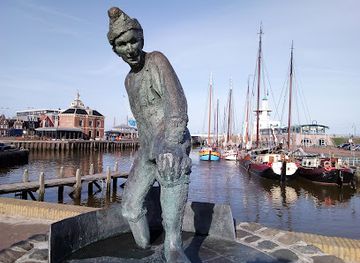
From the early modern period onwards, the islands were closely tied to the maritime economy of the Dutch Republic and its successors. Island sailors served on merchant ships, fishing vessels and pilot boats, while local communities supplied seamen, rope, provisions and coastal knowledge. Harbours and roadsteads around Texel and Terschelling were important staging areas for shipping in the North Sea. Terschelling's Brandaris lighthouse, first established in the sixteenth century, reflects the continuing importance of navigation in waters where sandbanks and tidal channels made coastal sailing demanding.
Storms, dykes and changing shorelines
The Wadden Islands have repeatedly been reshaped by severe storms, erosion and shifting tidal channels. Communities responded with dune management, beach protection and increasingly organised coastal engineering, while the mainland-facing side of the islands was protected by dykes and carefully maintained salt marshes. These measures never removed the influence of the sea; they created an ongoing relationship between settlement, agriculture and coastal processes. The history of water management remains visible in polders, drainage systems, dykes and the carefully managed dune landscapes found across the island chain.
The nineteenth and twentieth-century transition
Industrialisation and improved mainland transport gradually changed island economies. Traditional shipping and small-scale fishing declined in relative importance, while dairy farming, agriculture and service work adapted to new markets. Ferries became more regular and dependable, making it easier to transport residents, goods and later visitors. Lighthouses, lifeboat stations and harbour structures continued to reflect maritime responsibilities, even as holiday accommodation and beach tourism became increasingly significant. The islands retained strong local communities but developed an economy in which tourism worked alongside farming, conservation and public services.
Nature conservation and modern island tourism
In the twentieth century, the ecological importance of the Wadden landscape gained wider recognition. Dunes, salt marshes, tidal flats and bird habitats became subject to stronger protection, and the Dutch Wadden Sea formed part of the transnational UNESCO World Heritage site inscribed in 2009. Tourism has increasingly been framed around cycling, walking, wildlife observation and landscape interpretation rather than unrestricted coastal development. Today, the islands continue to negotiate practical pressures such as ferry capacity, freshwater use, housing and habitat protection while maintaining their roles as inhabited communities rather than open-air resorts alone.
Wadden Islands in Photos
Browse through our photo collection highlighting the charm and character of the destination.
Neighbouring regions of Wadden Islands
The closest regions to Wadden Islands, if you have time for more than one.
-

-

-

-

-


Swipe for more regions
Explore more

Explore more of Netherlands
Discover the Netherlands: A blend of historic charm, artistic treasures, and scenic landscapes, perfect for an enriching travel experience.
Explore Netherlands