

Free Zaanstreek Travel Guide & Mobile App
Explore Zaanstreek with free travel guides. Discover regional history, expert tips, proposed trips, and audio guides on web or mobile app.


Explore Zaanstreek in the Netherlands for historic windmills, river villages, industrial heritage, peat meadows and distinctive local food traditions.
Read more about Zaanstreek
When is the best time to visit Zaanstreek?
Best: June–August · 20–21°C| Month | High (°C) | Rainfall (mm) |
|---|---|---|
| January | 5 | 70 |
| February | 6 | 60 |
| March | 9 | 60 |
| April | 12 | 50 |
| May | 16 | 60 |
| June (best) | 20 | 70 |
| July (best) | 21 | 70 |
| August (best) | 21 | 70 |
| September | 18 | 70 |
| October | 14 | 80 |
| November | 10 | 80 |
| December | 7 | 80 |
Getting to and around Zaanstreek
How to get there
Transportation
Destinations in Zaanstreek
Resorts, valleys and scenic spots worth a trip of their own.

Swipe for more destinations
Best attractions in Zaanstreek
Zaanstreek's attractions bring together working industrial heritage, river villages and open polder landscapes. Zaanse Schans is the headline site, with windmills, traditional timber buildings, craft workshops and the Zaans Museum explaining how the Zaan became an early industrial district. Individual mills demonstrate activities such as sawing, oil pressing and paper production, while the De Schoolmeester windmill in Westzaan preserves the specialised tradition of wind-powered papermaking. In Zaandijk, the Honig Breethuis offers a more intimate view of merchant life along the river. Zaandam adds the Czaar Peterhuisje and the adaptable former industrial buildings of the Hembrugterrein. Outside the urban centres, the Jisperveld and surrounding peat meadows provide opportunities for walking, cycling, canoeing and birdwatching, while Het Twiske, partly within neighbouring areas beyond the core Zaanstreek, offers additional recreation nearby. The variety lies in moving between museums and mills, historic riverfronts and landscapes still shaped by drainage, farming and waterborne transport.
-
Tourist attraction
This is Holland
Discover the breathtaking beauty of the Netherlands at This is Holland, an immersive experience in Amsterdam that showcases Dutch culture and landscapes.
-
Concert hall
The Concertgebouw
Experience the elegance of The Concertgebouw, Amsterdam's iconic concert hall known for its stunning architecture and exceptional acoustics.
-
Heritage museum
Zaans Museum
Explore the rich heritage of the Zaan region at Zaans Museum, where history, culture, and tradition come alive through interactive exhibits.
-
Art museum
Eye Filmmuseum
Discover the Eye Filmmuseum, a cultural landmark in Amsterdam offering immersive film experiences, engaging exhibitions, and stunning views of the city.



Best landmarks in Zaanstreek
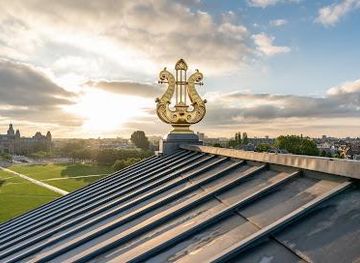
The Zaan River is Zaanstreek's defining natural and historical landmark, its banks lined in places with timber houses, former factories and the traces of centuries of shipping. The windmills of Zaanse Schans form the region's most recognisable industrial silhouette, but their importance lies in the work they performed as much as in their appearance. In Zaandam, the Czaar Peterhuisje commemorates Peter the Great's 1697 visit and the Dutch maritime knowledge he came to study. The historic riverfront of Zaandijk contains merchant houses and narrow plots that express the wealth created by trade and processing. Westzaan's De Schoolmeester is a particularly significant industrial monument as a surviving wind-powered paper mill. The large buildings and historic structures of the Hembrugterrein provide a contrasting twentieth-century landmark, recalling the former military-industrial role of the area. Across the countryside, dykes, drainage ditches and peat meadows are quieter landmarks of landscape engineering, showing how settlement in the region has always depended on controlling water.
-
Tourist attraction
Dam Square
Explore Dam Square, the vibrant heart of Amsterdam, where history, culture, and modern life seamlessly blend in a picturesque setting.
-
Tour agency
A'DAM Lookout
Experience breathtaking views and thrilling adventures at A'DAM Lookout, the ultimate attraction in Amsterdam for every tourist.
-
 Castle
Royal Palace Amsterdam
Explore the Royal Palace Amsterdam, a magnificent blend of history, art, and architecture in the heart of the Dutch capital.
-
Heritage museum
De Zaanse Schans
Discover the enchanting De Zaanse Schans, where Dutch heritage comes to life with windmills, artisan crafts, and scenic landscapes in the heart of the Netherlands.


Explore Zaanstreek on the map
Plan your trip on one map. See where the top cities, national parks and sights are, and book hotels and experiences in a few clicks.
Best hotels in Zaanstreek
Best restaurants in Zaanstreek
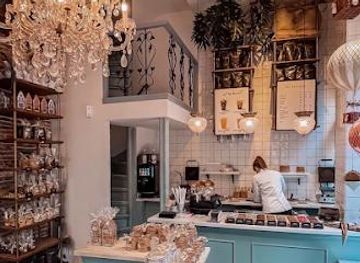
Dining in Zaanstreek reflects both Dutch everyday cooking and the region's long food-processing history. Zaandam has the widest choice of restaurants, cafés and international cuisines, while the villages along the Zaan offer cafés, terraces, pubs and smaller restaurants in historic settings. Local shopping and food culture are associated with products such as cocoa, biscuits, mustard, bread and other goods made in the wider Zaan industrial tradition. Dutch staples including herring, cheese, pancakes, apple-based baking and fried snacks are easy to find, though they are national rather than exclusively regional traditions. Markets and specialist food shops are useful for assembling picnic supplies for a cycle ride or boat trip. Around the river, waterside dining is more prominent than in the inland polder villages, where cafés and rural establishments tend to be quieter and more limited in number. Reservations may be sensible for popular restaurants, particularly at weekends and during the main visitor season.
-
Cookies
van Wonderen Stroopwafels
Amsterdam's iconic stroopwafel haven on Kalverstraat, crafting fresh, customizable caramel waffles since 1907 amid vibrant Centrum streets—pure Dutch indulgence.
-
Restaurant
Boer Geert
Discover authentic Dutch cuisine at Boer Geert in Zaandam – where flavor meets tradition in a warm and welcoming setting.
-
Cafe
The Papeneiland Café
Amsterdam's 1642 brown café gem: secret Reformation tunnel, world-famous apple pie, canal-corner gezelligheid since Clinton's pie pilgrimage.
-
Restaurant
Cafe Brasserie Het Heerenhuis
Experience exceptional dining at Cafe Brasserie Het Heerenhuis in Wijdewormer—where traditional flavors meet modern culinary artistry.


Best bars in Zaanstreek
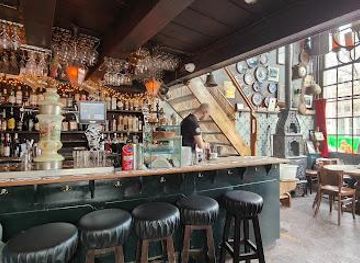
Evening life in Zaanstreek is concentrated mainly in Zaandam, where cafés, traditional brown pubs, restaurants and a small selection of late-night venues provide the broadest choice. Koog aan de Zaan, Zaandijk and Wormerveer have a more local evening rhythm, centred on pubs, cafés, community venues and occasional live music rather than a large club scene. Historic inns and waterside establishments are suited to an early drink or dinner, while the Hembrug area sometimes hosts cultural programming and events, although arrangements change over time. In smaller villages, evenings are generally quiet once restaurants and pubs close, and rural transport becomes less frequent. Visitors should check current opening arrangements rather than assume that venues operate late every night. The region's nightlife is best approached as a modest extension of its dining, music and social life, not as a dedicated party destination.
-
Restaurant
Cafe Brasserie Het Heerenhuis
Savor the flavors of Dutch cuisine at Cafe Brasserie Het Heerenhuis, a delightful restaurant in Wijdewormer, perfect for food lovers and tourists alike.
-
Bar
Novels Zaandam
Discover the lively atmosphere of Novels Zaandam, where great food meets live music in the heart of Zaandam.
-
Bar
De Hoop op d'Swarte Walvis
Experience culinary excellence at De Hoop op d'Swarte Walvis, where delightful dining meets stunning views in the heart of Zaanse Schans.
-
Restaurant
Wolfsend
Discover the essence of Dutch cuisine at Wolfsend, a charming restaurant in Zaandijk known for its quality ingredients and warm hospitality.


Best nightclubs in Zaanstreek
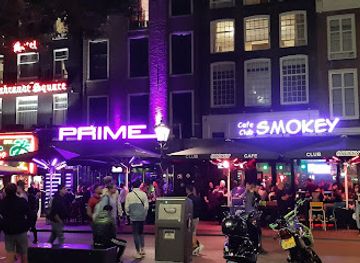
Evening life in Zaanstreek is concentrated mainly in Zaandam, where cafés, traditional brown pubs, restaurants and a small selection of late-night venues provide the broadest choice. Koog aan de Zaan, Zaandijk and Wormerveer have a more local evening rhythm, centred on pubs, cafés, community venues and occasional live music rather than a large club scene. Historic inns and waterside establishments are suited to an early drink or dinner, while the Hembrug area sometimes hosts cultural programming and events, although arrangements change over time. In smaller villages, evenings are generally quiet once restaurants and pubs close, and rural transport becomes less frequent. Visitors should check current opening arrangements rather than assume that venues operate late every night. The region's nightlife is best approached as a modest extension of its dining, music and social life, not as a dedicated party destination.
-
Night club
Club Prime
Experience the electrifying nightlife at Club Prime, Amsterdam's premier night club with unforgettable music and vibrant cocktails in a chic atmosphere.
-
Brewpub
Brouwerij Hoop
Experience authentic Dutch brewing at Brouwerij Hoop in Zaandijk, where craft beer and culinary delights come together in a vibrant setting.
-
Night club
Warehouse Elementenstraat
Warehouse Elementenstraat: Dance the night away in Amsterdam's vibrant nightlife hotspot with top DJs and an electrifying atmosphere.
-
Bar
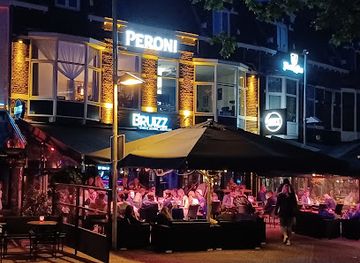
Bruizz
Experience the vibrant nightlife at Bruizz, Zaandam's lively bar, perfect for socializing and enjoying signature drinks in a welcoming atmosphere.


Best shops in Zaanstreek
Shopping in Zaanstreek is centred on Zaandam, whose town centre provides the region's broadest selection of mainstream shops, department-store-style retail and everyday services. The smaller Zaan villages offer independent boutiques, cafés, galleries, antiques and specialist shops in a more local setting, particularly around historic streets and riverfront areas. Zaanse Schans is geared towards heritage shopping, with traditional crafts, Dutch food products, souvenirs and workshops linked to the site's windmill and timber-building culture. Visitors can look for cheese, biscuits, mustard, chocolate and other locally associated food products, although many are part of wider Dutch commercial traditions rather than exclusive Zaanstreek inventions. Markets and seasonal stalls vary by location and date, so current local information is useful before making a special journey. For a more meaningful souvenir, consider locally made craftwork, a small reproduction connected with Zaan industrial heritage, or regional food bought from a specialist shop rather than a generic novelty.
-
Tourist attraction
Wooden Shoe Workshop of Zaanse Schans
Discover the art of clog-making at the Wooden Shoe Workshop of Zaanse Schans, a heritage site showcasing traditional Dutch craftsmanship.
-
Cheese shop
Cheese Farm "Catharina Hoeve" by Henri Willig
Experience the authentic taste of Dutch cheese-making at Cheese Farm 'Catharina Hoeve' in beautiful Zaanse Schans, where tradition meets flavor.
-
Store
Zaans Done CacaoLab
Experience the enchanting world of chocolate at Zaans Done CacaoLab, where the art of cacao comes to life in a delightful journey for all ages.
-
Shopping mall
Rozenhof
Explore Rozenhof, Zaandam's premier shopping destination with diverse stores and delightful dining options.


Get your free copy of our complete guide to Zaanstreek, delivered straight to you.
Everything on this page, from attractions and restaurants to essentials and local phrases, in one PDF you can read offline, print or share.
Already have an account? Sign in
Your Zaanstreek guide is ready.
We'll send it to · Not you? Sign out

Getting your guide ready…
We are putting together a fresh copy of the Zaanstreek guide. This can take up to a minute.
This can take a few moments. If your browser asks, choose Allow so the download can start. You'll find the guide in your Downloads folder.
Nothing happened? Download it again
Sorry, the guide is taking longer than usual. Please try again in a minute, or get it by email instead.
Zaanstreek essentials
Currency and Payment
Safety
Emergency Situations
Do's and Don'ts
Local Tips
From Eve
Local phrases worth knowing
You don't need to get them perfect. A few words go a long way, and locals appreciate the effort.
Basics
| English | Local | Say it |
|---|---|---|
| Hello | Hallo | [Hal-lo] |
| Goodbye | Tot ziens | [Tot zeens] |
| Yes | Ja | [Ya] |
| No | Nee | [Nay] |
| Please/You're welcome | Alsjeblieft | [Al-she-bleeft] |
| Thank you | Dank je | [Dank yuh] |
| Excuse me/Sorry | Sorry | [Sor-ree] |
| How are you? | Hoe gaat het? | [Hoo ghat het] |
| Fine. And you? | Goed. En jij? | [Ghoot. En yay?] |
| Do you speak English? | Spreek je Engels? | [Sprayk yuh En-gels?] |
| I don't understand | Ik begrijp het niet | [Ik be-graif het neet] |
Eating & Drinking
| English | Local | Say it |
|---|---|---|
| I'd like to see the menu, please | Ik zou graag de menukaart willen zien, alsjeblieft | [Ik zow ghrahg de may-nu-kaart vil-len zeen, al-she-bleeft] |
| I don't eat meat | Ik eet geen vlees | [Ik eet khayn vlays] |
| Cheers! | Proost! | [Prohst] |
| I would like to pay, please | Ik zou graag willen betalen, alsjeblieft | [Ik zow ghrahg vil-len be-ta-len, al-she-bleeft] |
Emergencies
| English | Local | Say it |
|---|---|---|
| Help! | Help! | [Help] |
| Go away! | Ga weg! | [Gah vek] |
| Call the Police! | Bel de politie! | [Bel de po-leet-see] |
| Call a doctor! | Bel een dokter! | [Bel en dok-ter] |
| I'm lost | Ik ben verdwaald | [Ik ben fer-dvahlt] |
| I'm ill | Ik ben ziek | [Ik ben zeek] |
Shopping
| English | Local | Say it |
|---|---|---|
| I'd like to buy... | Ik zou graag ... willen kopen | [Ik zow ghrahg ... vil-len ko-pen] |
| I'm just looking | Ik kijk alleen maar | [Ik kyk a-lay-en maar] |
| How much is it? | Hoeveel kost het? | [Hoo-vayl kost het?] |
| That's too expensive | Dat is te duur | [Dat is tuh dur] |
| Can you lower the price? | Kun je de prijs verlagen? | [Kun yuh de prays fer-lah-gen?] |
Time & Numbers
| English | Local | Say it |
|---|---|---|
| What time is it? | Hoe laat is het? | [Hoo laat is het?] |
| It's one o'clock | Het is één uur | [Het is ayn uur] |
| Half past (10) | Half elf | [Half elf] |
| Morning | Ochtend | [Okh-tend] |
| Afternoon | Middag | [Mid-dahg] |
| Evening | Avond | [A-vond] |
| Yesterday | Gisteren | [Ghis-ten] |
| Today | Vandaag | [Van-dahg] |
| Tomorrow | Morgen | [Mor-ghen] |
| 1 | 1 | [1] |
| 2 | 2 | [2] |
| 3 | 3 | [3] |
| 4 | 4 | [4] |
| 5 | 5 | [5] |
| 6 | 6 | [6] |
| 7 | 7 | [7] |
| 8 | 8 | [8] |
| 9 | 9 | [9] |
| 10 | 10 | [10] |
Transport & Directions
| English | Local | Say it |
|---|---|---|
| Where's a/the...? | Waar is een/de...? | [Vaar is en/de...?] |
| What's the address? | Wat is het adres? | [Wat is het ah-dres?] |
| Can you show me (on the map)? | Kun je het me laten zien (op de kaart)? | [Kun yuh het me la-ten zeen (op de kaart)?] |
| When's the next (bus)? | Wanneer komt de volgende (bus)? | [Van-deer komt de vol-gen-de (bus)?] |
| A ticket (to ....) | Een kaartje (naar ....) | [En kar-tje (naar ....)] |
History of Zaanstreek
Peat Settlement and Medieval Water Management
From the medieval period, communities expanded across the peatlands beside the Zaan and its tributaries. Farmers dug drainage ditches and canals to make the wet ground usable, while settlements developed on more stable strips of land and along embanked waterways. Subsidence gradually made water management a permanent necessity. The patterns of narrow fields, ditches, dykes and ribbon-like villages still visible around Wormer, Jisp, Westzaan and Assendelft reflect this long relationship between settlement and reclaimed peat.
The Zaan as a Trading Waterway
The Zaan connected inland communities with the wider maritime economy of Holland. Its navigable waterway enabled the movement of grain, timber, oilseeds, paper, spices and other bulk goods between river settlements, Amsterdam and the North Sea. Villages such as Zaandijk and Wormerveer prospered through trade, shipping and processing. Merchant houses and warehouses along the river preserve the memory of a society whose wealth depended on waterborne commerce rather than on a single urban centre.
Wind-Powered Industrialisation, Sixteenth to Eighteenth Centuries
Zaanstreek became one of Europe's most important early industrial districts through the extensive use of windmills. Sawmills processed imported timber for shipbuilding, while oil mills, paint mills, paper mills and other works transformed raw materials into commercial products. The mills were factories as much as picturesque structures, and their concentration along the Zaan gave the area an unusually industrial character for the early modern period. Surviving mills and reconstructed buildings at Zaanse Schans help interpret this transformation.
Peter the Great in Zaandam, 1697
In 1697, Peter the Great of Russia visited the Dutch Republic to study shipbuilding and related technical skills. He spent time in Zaandam, where the small wooden Czaar Peterhuisje is associated with his stay. Although the building itself predates the visit and the imperial tour was brief, the episode became an enduring part of Zaandam's identity. It illustrates the region's international connections and the practical importance of Dutch maritime and industrial expertise in the early modern era.
Nineteenth-Century Factories and Steam Power
Industrial activity along the Zaan continued as steam power supplemented and gradually displaced wind power. Food processing became especially prominent, with cocoa, biscuits, flour, mustard and other products manufactured in increasingly large factories. Improved roads, canals and railways strengthened the links between the Zaan communities and Amsterdam. The period also brought urban growth and a more modern working population, while some traditional mills continued operating alongside mechanised production.
Zaandam, Zaanstad and Regional Urban Growth
The modern region developed through the expansion and eventual administrative cooperation of numerous settlements rather than through one historic city alone. Zaandam grew as the main commercial and transport centre, while villages such as Koog aan de Zaan, Zaandijk, Wormerveer and Krommenie retained distinct identities. In 1974, several municipalities were combined to form Zaanstad, creating the largest administrative unit in the Zaanstreek. The arrangement reflects the region's connected economy while preserving a strong village-based character.
Industrial Change and Heritage Renewal
During the twentieth century, rationalisation, factory closures and changing production methods altered the Zaan landscape. Some industrial sites disappeared, while others were adapted to new uses or protected as heritage. The creation and development of Zaanse Schans from the 1950s onwards helped conserve historic buildings and mills threatened by demolition, though it also turned regional heritage into a major visitor attraction. Former industrial areas such as Hembrug now demonstrate how military and manufacturing sites can acquire cultural and creative functions after production ends.
Zaanstreek in Photos
Browse through our photo collection highlighting the charm and character of the destination.
Neighbouring regions of Zaanstreek
The closest regions to Zaanstreek, if you have time for more than one.
-
-

-

-

-


Swipe for more regions
Explore more

Explore more of Netherlands
Discover the Netherlands: A blend of historic charm, artistic treasures, and scenic landscapes, perfect for an enriching travel experience.
Explore Netherlands