

Free Kennemerland Travel Guide & Mobile App
Explore Kennemerland with free travel guides. Discover regional history, expert tips, proposed trips, and audio guides on web or mobile app.


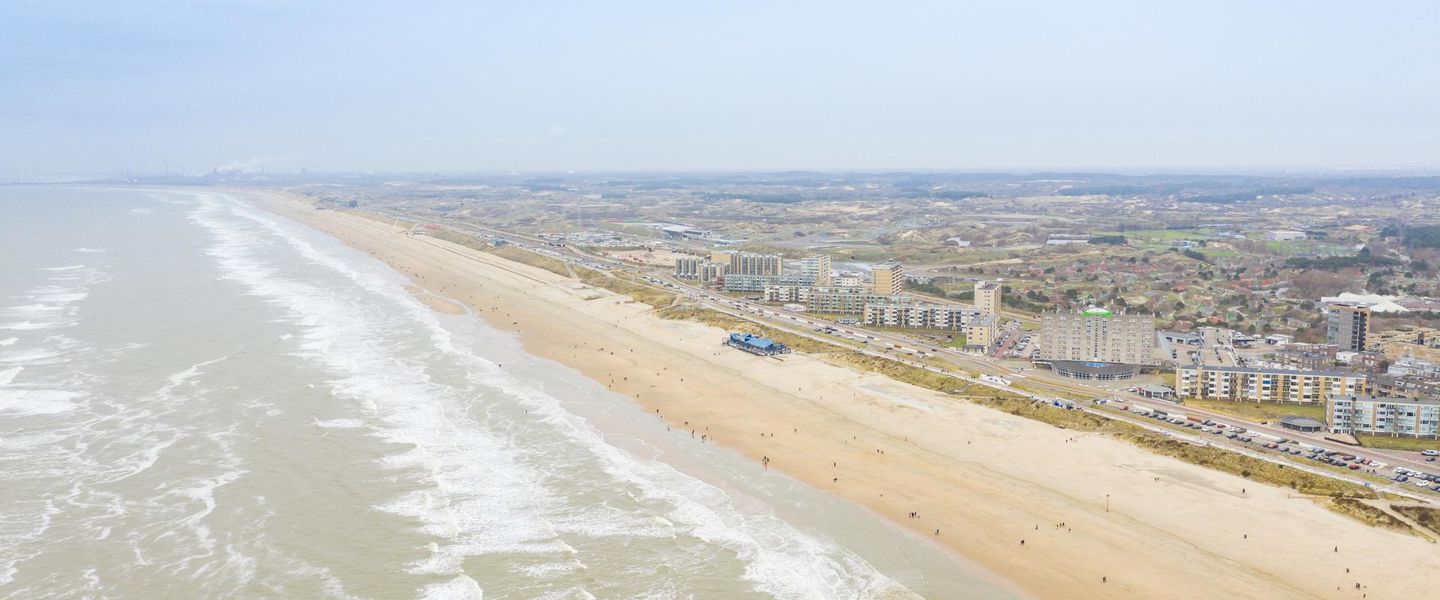


Explore Kennemerland for historic Haarlem, North Sea beaches, dune walks, country estates, museums and bicycle routes across North Holland.
Read more about Kennemerland
When is the best time to visit Kennemerland?
Best: June–August · 20–23°C| Month | High (°C) | Rainfall (mm) |
|---|---|---|
| January | 7 | 70 |
| February | 7 | 53 |
| March | 11 | 59 |
| April | 14 | 47 |
| May | 18 | 50 |
| June (best) | 20 | 67 |
| July (best) | 23 | 80 |
| August (best) | 22 | 78 |
| September | 19 | 72 |
| October | 15 | 85 |
| November | 10 | 82 |
| December | 8 | 78 |
Getting to and around Kennemerland
How to get there
Transportation
Top city travel guides in Kennemerland
The cities of Kennemerland, and the easiest places to base yourself.
-

-


Swipe for more cities
Destinations in Kennemerland
Resorts, valleys and scenic spots worth a trip of their own.
-

-

-


Swipe for more destinations
Best attractions in Kennemerland
Kennemerland’s attractions range from Haarlem’s dense cultural quarter to open North Sea landscapes. In Haarlem, the Frans Hals Museum and Teylers Museum provide different perspectives on art, science and the city’s history, while the Grote Kerk, hofjes and canal streets make the historic centre an attraction in itself. Zuid-Kennemerland National Park offers marked walking and cycling routes through woods, dune valleys and open sand, with access points around Bloemendaal, Overveen and Zandvoort. The coast brings broad beaches, water sports and seasonal seaside facilities, while Zandvoort’s racing circuit adds a distinctive modern spectacle. Around Velsen and Heemskerk, former estates such as Beeckestijn and Assumburg Castle reveal the area’s country-house tradition. The Ruïne van Brederode provides medieval atmosphere near Santpoort-Zuid, and the harbour, locks and fishing heritage of IJmuiden show Kennemerland’s industrial and maritime side. Families may also find dedicated recreational attractions around Haarlem and the southern villages, but the region’s strongest appeal lies in combining cultural visits with outdoor movement rather than treating it as a single urban destination.
-
Museum
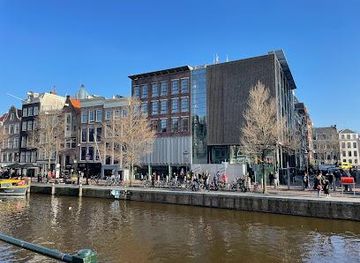
Anne Frank House
Visit the Anne Frank House in Amsterdam for an unforgettable journey into history and the legacy of hope amidst adversity.
-
Park
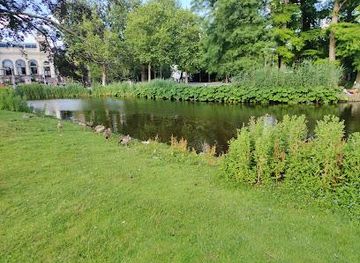
Vondelpark
Explore Vondelpark, Amsterdam's beloved park, where nature, culture, and tranquility come together in a breathtaking urban escape.
-
Tourist attraction
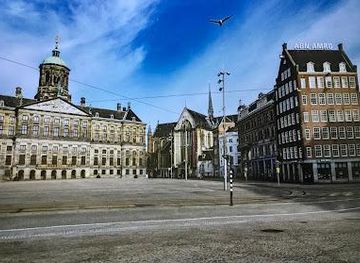
Dam Square
Explore Dam Square, Amsterdam’s vibrant historical hub, where culture, architecture, and lively activities unite in the heart of the city.
-
Tourist attraction
A'DAM Lookout
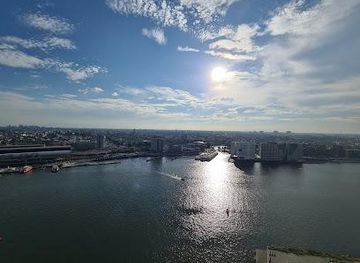
Experience the best panoramic views of Amsterdam at A'DAM Lookout, featuring thrilling swings and a vibrant atmosphere.
Best landmarks in Kennemerland
The Grote Kerk of St Bavo dominates Haarlem’s Grote Markt and is Kennemerland’s most recognisable historic urban landmark, its immense Gothic form reflecting the city’s medieval importance. Nearby streets preserve canal houses, civic buildings and hofjes, the enclosed charitable courtyards that are characteristic of Dutch urban history. The Ruïne van Brederode near Santpoort-Zuid is a particularly evocative medieval remnant, representing the power of the Brederode family and the former fortified landscape north-west of Haarlem. Beeckestijn near Velsen is significant for its country-house architecture and formal gardens, while Assumburg Castle near Heemskerk presents a later, more romanticised image of a medieval castle estate. At the coast, the long dune ridge and open beach are geographical landmarks rather than monuments, defining Kennemerland’s western edge. IJmuiden’s locks and harbour structures provide an industrial counterpoint, linking the North Sea with the canal route to Amsterdam. Together these places show how the region has been shaped by civic wealth, noble estates, coastal ecology and maritime engineering.
-
Botanical garden
Keukenhof
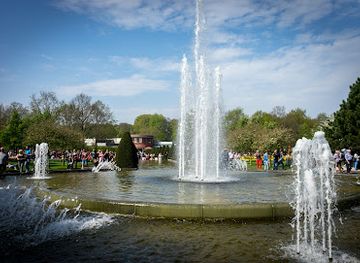
Discover the enchanting beauty of Keukenhof, the world’s largest flower garden, showcasing stunning blooms and vibrant landscapes in the heart of the Netherlands.
-
Museum
Anne Frank House
Explore the Anne Frank House in Amsterdam, a powerful museum dedicated to the life and legacy of Anne Frank, offering a moving insight into history and resilience.
-
Tourist attraction
De Pier
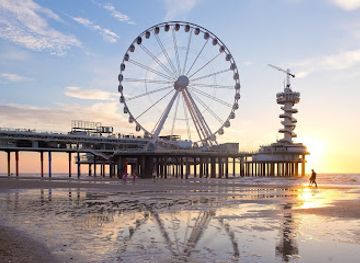
Experience the perfect blend of adventure and relaxation at De Pier, Scheveningen, where stunning views meet vibrant dining and entertainment options.
-
Theme park
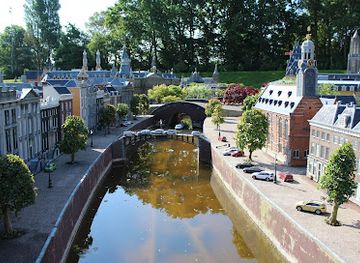
Madurodam
Discover the Netherlands in miniature at Madurodam, The Hague's premier theme park featuring iconic landmarks and interactive exhibits for all ages.
Explore Kennemerland on the map
Plan your trip on one map. See where the top cities, national parks and sights are, and book hotels and experiences in a few clicks.
Best hotels in Kennemerland
Best restaurants in Kennemerland
Dining in Kennemerland is centred on Haarlem’s broad range of cafés, restaurants, bakeries and traditional brown cafés, with further choices in Heemstede, Zandvoort, IJmuiden and the larger northern towns. Menus reflect the wider Dutch tradition through bread, cheese, seasonal vegetables, pancakes, fried snacks and hearty dishes, while coastal restaurants and fish shops make use of the region’s maritime setting. Local markets and specialist food shops are useful for Dutch cheeses, baked goods, chocolate and picnic supplies before a day in the dunes. Beach pavilions provide informal meals and drinks, particularly in the warmer months, whereas Haarlem offers more international and contemporary cooking. Around the estates and bulb-growing villages, cafés and rural restaurants suit a slower lunch after cycling. Beer is widely available, and Dutch coffee culture is important, but local produce is not always branded as a distinct Kennemerland cuisine; much of the region’s food identity comes from its combination of city dining, coastal fish and North Holland farm products.
-
Food court
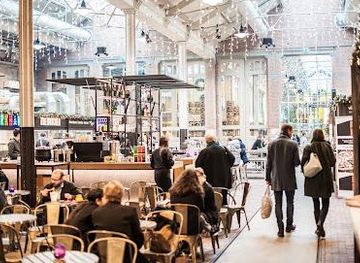
Foodhallen
Global flavors meet Amsterdam heritage in this vibrant indoor food market housed in a historic tram depot.
-
Dutch
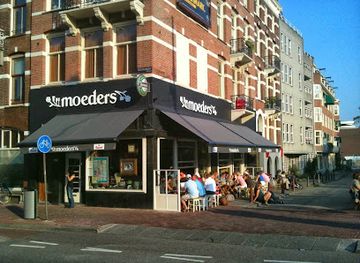
Moeders
Experience authentic Dutch cuisine at Moeders in Amsterdam - where every meal feels like home cooked with love.
-
Cookies
van Wonderen Stroopwafels
Amsterdam's stroopwafel haven on Kalverstraat: warm, customizable waffle cookies with caramel bliss and toppings that turn treats into personalized delights amid Centrum's vibrant shopping energy.
-
Restaurant
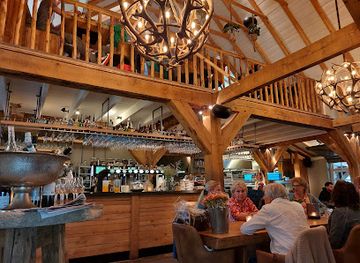
Restaurant Het Ruiterhuys
Experience exquisite Dutch cuisine at Restaurant Het Ruiterhuys in Castricum - where every meal is crafted with passion and local ingredients.

Best bars in Kennemerland
Haarlem is the region’s main evening centre, with a concentration of traditional pubs, beer cafés, wine bars, cocktail-led venues, live-music rooms and restaurants around the central streets and squares. Its nightlife is substantial for a historic regional city but generally more compact than Amsterdam’s, making it possible to move between venues on foot. Zandvoort has a more seasonal seafront evening scene, with beach establishments and bars that are busiest during warm weather and holiday periods. IJmuiden and the other towns tend towards local pubs, dining and occasional live entertainment rather than a large club circuit. In Heemstede, Bloemendaal and the rural parts of Kennemerland, evenings are often centred on restaurants, cafés and historic inns. Visitors should check current arrangements for individual venues, particularly outside Haarlem and during the quieter winter season.
-
Function room facility
A'DAM Tower
Discover the breathtaking vistas and lively atmosphere at A'DAM Tower in Amsterdam, where dining, entertainment, and stunning views await.
-
Bar
Xtracold Icebar Amsterdam
Discover the enchanting world of ice at Xtracold Icebar Amsterdam – a chillingly unique bar experience in the heart of the city.
-
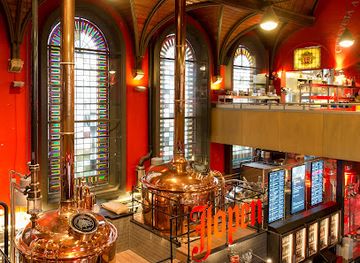
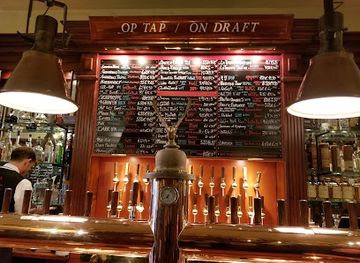
Brewery
Jopen
Experience the heart of Haarlem at Jopen, where craft beer meets culinary excellence in a historic brewpub setting.
-
Bar
Proeflokaal Arendsnest
Discover Proeflokaal Arendsnest, Amsterdam's premier bar for authentic Dutch craft beers in a cozy canal-side setting.


Best nightclubs in Kennemerland
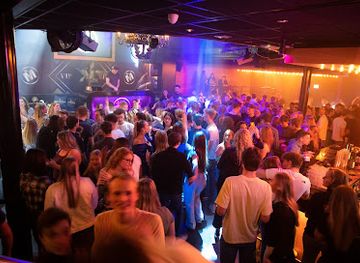
Haarlem is the region’s main evening centre, with a concentration of traditional pubs, beer cafés, wine bars, cocktail-led venues, live-music rooms and restaurants around the central streets and squares. Its nightlife is substantial for a historic regional city but generally more compact than Amsterdam’s, making it possible to move between venues on foot. Zandvoort has a more seasonal seafront evening scene, with beach establishments and bars that are busiest during warm weather and holiday periods. IJmuiden and the other towns tend towards local pubs, dining and occasional live entertainment rather than a large club circuit. In Heemstede, Bloemendaal and the rural parts of Kennemerland, evenings are often centred on restaurants, cafés and historic inns. Visitors should check current arrangements for individual venues, particularly outside Haarlem and during the quieter winter season.
-
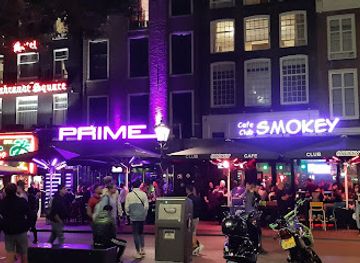
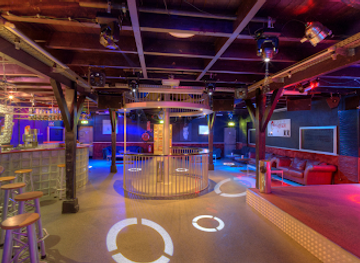
Night club
Club Prime
Discover the vibrant nightlife at Club Prime, a premier nightclub in Amsterdam known for its electrifying atmosphere, exquisite drinks, and unforgettable dance parties.
-
Disco club
Club Organza
Discover the ultimate nightlife experience at Club Organza, Breukelen's vibrant disco and night club known for great music and a lively atmosphere.
-
Disco club
HOME Noordwijk
Discover the vibrant nightlife at HOME Noordwijk, a premier disco club offering electrifying music, lively atmosphere, and unforgettable experiences.
-
Disco club
Night Bar G-spot
Discover the vibrant nightlife of Hilversum at G-Spot, an electrifying disco club where music, dancing, and fun come alive until dawn.

Best shops in Kennemerland
Haarlem is Kennemerland’s principal shopping centre, combining pedestrianised high streets, independent boutiques, bookshops, galleries, design stores, antiques and cafés with the historic atmosphere of its central lanes. The smaller streets around the Grote Markt and the former commercial quarters are particularly suited to browsing rather than hurried chain-store shopping. Market stalls in Haarlem and other towns provide Dutch cheeses, bread, flowers, seasonal produce and everyday goods, with schedules varying by location and day. Heemstede and Bloemendaal offer a more local, affluent shopping character, while Zandvoort focuses on beachwear, souvenirs and practical seaside goods. In the villages and estates around the region, visitors may find garden plants, bulbs, farm produce and small craft outlets, though these are not always open daily. Good regional purchases include Dutch food products, ceramics, design items, books about art or the coast, and responsibly sourced flower products; avoid picking bulbs or flowers from working fields without permission.
-
Shopping mall
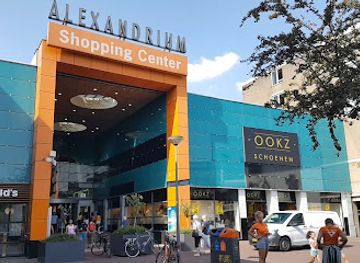
Alexandrium Shopping Center
Discover shopping and dining delights at Alexandrium Shopping Center, your go-to destination in Rotterdam for retail therapy and delicious meals.
-
Cultural center
De Hallen Amsterdam
Discover De Hallen Amsterdam: A bustling cultural center and shopping destination brimming with local art, diverse cuisine, and unique boutiques.
-
Shopping mall
Winkelcentrum Vier Meren
Discover the ultimate shopping destination in Hoofddorp with a wide selection of stores and delightful dining options at Winkelcentrum Vier Meren.
-
Shopping mall
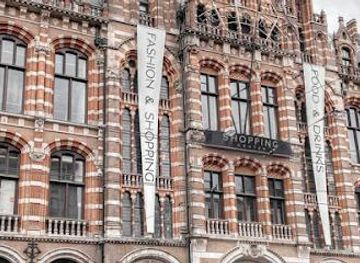
Magna Plaza
Explore Magna Plaza: A stunning shopping mall in Amsterdam boasting beautiful architecture and a diverse range of shops and eateries.

Get your free copy of our complete guide to Kennemerland, delivered straight to you.
Everything on this page, from attractions and restaurants to essentials and local phrases, in one PDF you can read offline, print or share.
Already have an account? Sign in
Your Kennemerland guide is ready.
We'll send it to · Not you? Sign out

Getting your guide ready…
We are putting together a fresh copy of the Kennemerland guide. This can take up to a minute.
This can take a few moments. If your browser asks, choose Allow so the download can start. You'll find the guide in your Downloads folder.
Nothing happened? Download it again
Sorry, the guide is taking longer than usual. Please try again in a minute, or get it by email instead.
Kennemerland essentials
Currency and Payment
Safety
Emergency Situations
Do's and Don'ts
Local Tips
From Eve
Local phrases worth knowing
You don't need to get them perfect. A few words go a long way, and locals appreciate the effort.
Basics
| English | Local | Say it |
|---|---|---|
| Hello | Hallo | [HAH-loh] |
| Goodbye | Tot ziens | [Tot zeens] |
| Yes | Ja | [Yah] |
| No | Nee | [Nay] |
| Please/You're welcome | Alstublieft | [AHL-stu-bleeft] |
| Thank you | Dank je | [Dahnk yuh] |
| Excuse me/Sorry | Sorry | [SOR-ee] |
| How are you? | Hoe gaat het? | [Hoo ghaht het?] |
| Fine. And you? | Goed. En jij? | [Hoot. En yay?] |
| Do you speak English? | Spreekt u Engels? | [Spraykt oo ENG-els?] |
| I don't understand | Ik begrijp het niet | [Ik buh-GRYP het neet] |
Eating & Drinking
| English | Local | Say it |
|---|---|---|
| I'd like to see the menu, please | Ik zou graag de menukaart willen zien, alstublieft | [Ik zou graahg de MAY-nu-kaart WILL-en zeen, AHL-stu-bleeft] |
| I don't eat meat | Ik eet geen vlees | [Ik eet khayn vlay-s] |
| Cheers! | Proost! | [Prohst] |
| I would like to pay, please | Ik zou graag willen betalen, alstublieft | [Ik zou graahg WILL-en beh-TAH-len, AHL-stu-bleeft] |
Emergencies
| English | Local | Say it |
|---|---|---|
| Help! | Help! | [Help] |
| Go away! | Ga weg! | [Gah vek!] |
| Call the Police! | Bel de politie! | [Bel de po-LEET-sie!] |
| Call a doctor! | Bel een dokter! | [Bel en DOK-ter!] |
| I'm lost | Ik ben verdwaald | [Ik ben fer-DAHLD] |
| I'm ill | Ik ben ziek | [Ik ben ZEEK] |
Shopping
| English | Local | Say it |
|---|---|---|
| I'd like to buy... | Ik wil graag ... kopen | [Ik vil graahg ... KOH-pen] |
| I'm just looking | Ik kijk gewoon | [Ik kike khuh-WOON] |
| How much is it? | Hoeveel kost het? | [Hoo-VAYL kost het?] |
| That's too expensive | Dat is te duur | [Dat is tuh DUR] |
| Can you lower the price? | Kunt u de prijs verlagen? | [Kunt oo de PRYCE fer-LAH-gen?] |
Time & Numbers
| English | Local | Say it |
|---|---|---|
| What time is it? | Hoe laat is het? | [Hoo laht is het?] |
| It's one o'clock | Het is één uur | [Het is AIN uur] |
| Half past (10) | Half (10) | [Half (10)] |
| Morning | Ochtend | [OKH-tend] |
| Afternoon | Middag | [MID-dahg] |
| Evening | Avond | [AH-vond] |
| Yesterday | Gisteren | [GHIS-ter-en] |
| Today | Vandaag | [Van-DAHG] |
| Tomorrow | Morgen | [MOR-ghen] |
| 1 | 1 | [1] |
| 2 | 2 | [2] |
| 3 | 3 | [3] |
| 4 | 4 | [4] |
| 5 | 5 | [5] |
| 6 | 6 | [6] |
| 7 | 7 | [7] |
| 8 | 8 | [8] |
| 9 | 9 | [9] |
| 10 | 10 | [10] |
Transport & Directions
| English | Local | Say it |
|---|---|---|
| Where's a/the...? | Waar is een/de...? | [Vahr is en/de...?] |
| What's the address? | Wat is het adres? | [Wat is het ah-DRESS?] |
| Can you show me (on the map)? | Kunt u me (op de kaart) laten zien? | [Kunt oo meh (op de kart) LAH-ten zeen?] |
| When's the next (bus)? | Wanneer is de volgende (bus)? | [Vahn-eer is de VOL-gende (bus)?] |
| A ticket (to ....) | Een kaartje (naar ...) | [En KART-ye (naahr ...)] |
History of Kennemerland
Prehistoric settlements in the coastal dunes
The old coastal dunes of Kennemerland have sheltered human activity since prehistoric times. Higher sandy ridges offered relatively dry ground beside wetter lowlands, and archaeological evidence from the wider region records farming, settlement and burial practices long before the modern coastline and polders were established. The landscape was never static: wind, marine changes and later dune formation repeatedly altered where people could live. These early patterns help explain the region’s long concentration of settlements on sandy ground, while the lower peat and clay areas were gradually drained and cultivated.
Roman frontier and early medieval Kennemerland
Kennemerland lay near the northern edge of the Roman Empire, whose frontier followed the Rhine farther south and east. Roman influence reached the coastal and riverine networks through trade and military administration, although the region was not transformed into a dense Roman urban landscape. After Roman power receded, Frisian and later Frankish influence shaped local authority and Christianity. The early medieval settlement of Adrichem, associated with the area around present-day Beverwijk and Heemskerk, illustrates the importance of local estates and ecclesiastical foundations in organising the developing coastal territory.
Medieval lordships and the Counts of Holland
From the eleventh century onwards, Kennemerland became closely tied to the Counts of Holland and to powerful local families. Castles and fortified residences controlled routes, estates and access to the coast, while the growing settlement of Haarlem gained importance near the Spaarne. The Ruïne van Brederode near Santpoort-Zuid is a surviving reminder of the Lords of Brederode, whose political influence sometimes brought them into conflict with the counts. Medieval churches, town plans and fragments of defensive architecture still reveal the region’s position within the county of Holland.
Haarlem’s urban and commercial growth
During the late medieval and early modern periods, Haarlem developed into Kennemerland’s principal town. Brewing, textile manufacture, shipping on the Spaarne and trade with other Dutch cities supported civic wealth, while painters, printers and mapmakers contributed to a strong cultural reputation. The construction and improvement of canals and waterways connected the town with the wider Dutch transport system. Haarlem’s Grote Kerk, historic civic buildings, former almshouses and canal houses preserve the urban character created during these centuries of commercial and artistic expansion.
The Dutch Golden Age and the Haarlem school
Seventeenth-century Haarlem became an important centre of Dutch art. Frans Hals was associated with the city’s lively portrait tradition, while painters such as Jacob van Ruisdael developed influential approaches to landscape. The town also had a significant role in printing, cartography and religious debate. Wealth from trade and manufacturing helped finance civic institutions and country estates outside the walls. Although the period is often presented through famous paintings, its legacy in Kennemerland is also visible in the surviving street pattern, museums and the cultivated landscapes surrounding Haarlem.
Country estates, gardens and the bulb economy
From the seventeenth century, wealthy Amsterdam and Haarlem families acquired or developed summer estates on Kennemerland’s sandy soils. Houses such as Beeckestijn near Velsen and the estates around Heemstede combined formal gardens with productive land. In the nineteenth century, parts of the coastal geest grounds became increasingly associated with bulb cultivation, especially after improved drainage and transport. Flower growing remains a visible element of the southern and western landscape, although urban expansion, nature protection and recreation have changed the balance between agriculture and development.
Industrialisation, the North Sea Canal and IJmuiden
The opening of the North Sea Canal in 1876 transformed the northern part of Kennemerland by giving Amsterdam a direct route to the sea. IJmuiden grew around the locks, harbour and fishing industry, while Velsen became increasingly connected to shipping and heavy industry. The establishment and expansion of the steelworks at IJmuiden in the twentieth century created employment and reshaped the local economy. Today, harbour infrastructure, lock complexes and industrial views form a marked contrast with the dunes and estates only a short distance away.
Dune conservation and modern recreation
During the twentieth century, the Kennemerland coast became both a major recreational area and an important source of drinking water and wildlife habitat. Water companies and conservation bodies managed the dunes to protect groundwater, control invasive species and preserve open sand and grassland. The creation of Zuid-Kennemerland National Park brought many of these landscapes under coordinated protection. At the same time, Zandvoort developed as a prominent seaside resort and motor-racing venue. Modern Kennemerland therefore balances dense urban life, tourism, industry, water management and protected coastal ecology.
Kennemerland in Photos
Browse through our photo collection highlighting the charm and character of the destination.
Neighbouring regions of Kennemerland
The closest regions to Kennemerland, if you have time for more than one.
-

-

-

-

-


Swipe for more regions
Explore more

Explore more of Netherlands
Discover the Netherlands: A blend of historic charm, artistic treasures, and scenic landscapes, perfect for an enriching travel experience.
Explore Netherlands