

Free Bollenstreek Travel Guide & Mobile App
Explore Bollenstreek with free travel guides. Discover regional history, expert tips, proposed trips, and audio guides on web or mobile app.


Explore the Bollenstreek for spring bulb fields, Keukenhof, North Sea dunes, historic villages, cycling routes and coastal Dutch culture.
Read more about Bollenstreek
When is the best time to visit Bollenstreek?
Best: June–August · 22–24°C| Month | High (°C) | Rainfall (mm) |
|---|---|---|
| January | 7 | 62 |
| February | 7 | 50 |
| March | 11 | 55 |
| April | 15 | 50 |
| May | 19 | 55 |
| June (best) | 22 | 70 |
| July (best) | 24 | 75 |
| August (best) | 24 | 75 |
| September | 20 | 80 |
| October | 15 | 85 |
| November | 11 | 80 |
| December | 8 | 85 |
Getting to and around Bollenstreek
How to get there
Transportation
Top city travel guides in Bollenstreek
The cities of Bollenstreek, and the easiest places to base yourself.

Swipe for more cities
Destinations in Bollenstreek
Resorts, valleys and scenic spots worth a trip of their own.

Swipe for more destinations
Best attractions in Bollenstreek
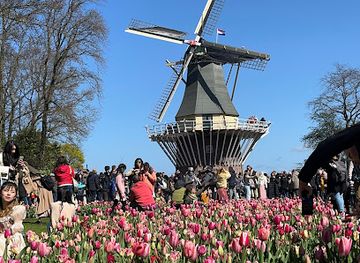
The Bollenstreek’s attractions are closely tied to the relationship between horticulture, coast and historic settlement. Keukenhof in Lisse is the region’s best-known seasonal attraction, presenting extensive spring plantings and landscaped grounds on the former Keukenhof estate. Nearby, Museum de Zwarte Tulp explains the history and techniques of Dutch bulb growing through art, cultivation displays and regional interpretation. The surrounding roads and cycle routes provide access to working flower fields, although the fields themselves are private commercial land. Noordwijk adds a broad beach, promenade and dune walking, while the dune belt near De Zilk and Noordwijk offers quieter outdoor recreation. Inland, visitors can explore village churches, estate landscapes and the ruins of Teylingen Castle near Voorhout. Warmond and the Kagerplassen provide opportunities for boating, canoeing and lakeside exploration. The landscape is particularly seasonal: spring brings colour and visitors, whereas summer and autumn offer more space for cycling, coastal walks and observing the region’s everyday horticultural character.
-
Botanical garden
Keukenhof
Explore Keukenhof, the breathtaking floral paradise of Lisse, where millions of tulips and spring flowers bloom in vibrant colors each season.
-
Concert hall
The Concertgebouw
Discover the enchanting Concertgebouw in Amsterdam, a world-renowned concert hall celebrated for its stunning architecture and exceptional acoustics.
-
Art museum
Kunstmuseum The Hague
Explore the vibrant world of modern art at Kunstmuseum The Hague, where creativity meets culture in a stunning architectural setting.
-
Tourist attraction
Naturalis Biodiversity Center
Discover the incredible diversity of life on Earth at the Naturalis Biodiversity Center, a must-see museum in Leiden showcasing nature's wonders.


Best landmarks in Bollenstreek
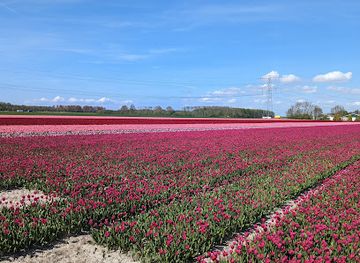
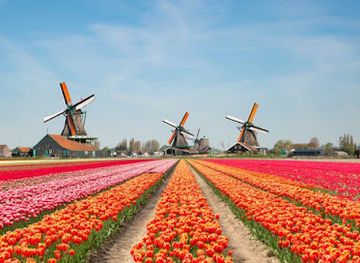
The most recognisable landmark associated with the Bollenstreek is Keukenhof Castle and its surrounding estate in Lisse, whose formal setting provides the historical frame for the famous flower gardens. In the same town, the silhouette and interior of Museum de Zwarte Tulp reflect the region’s close connection with bulb horticulture and floral art. Near Voorhout, the circular moat and substantial ruins of Teylingen Castle form one of the area’s most important medieval remains, recalling the power of the counts of Holland and the Lords of Teylingen. The old village churches and country-house landscapes around Warmond, Sassenheim and Voorhout are less monumental but help define the inland character of the region. Along the coast, the North Sea beach and the parallel dune ridge are natural landmarks rather than isolated monuments: together they explain the region’s geography, climate and settlement pattern. In Noordwijk, the lighthouse and seafront structures provide familiar coastal reference points, while the open bulb fields around Lisse, Hillegom and De Zilk become a seasonal landscape landmark when flowering crops form broad bands of colour.
-
Botanical garden
Keukenhof
Discover the breathtaking beauty of Keukenhof, the world's largest flower garden, showcasing millions of tulips in stunning arrangements each spring.
-
Theme park
Madurodam
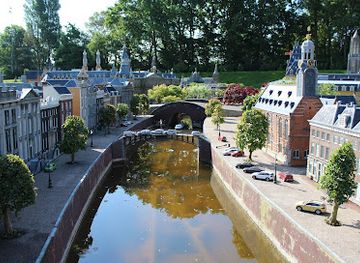
Explore the beauty of the Netherlands in miniature at Madurodam, where iconic landmarks come to life in an enchanting theme park experience.
-
Castle
Kasteel Keukenhof
Discover the breathtaking beauty of Kasteel Keukenhof, a floral paradise in the Netherlands, featuring a stunning array of colorful blossoms and rich cultural heritage.
-
Tourist attraction
Tulip Experience Amsterdam
Explore the vibrant Tulip Experience Amsterdam, a breathtaking attraction showcasing the beauty and cultural significance of tulips in the Netherlands.
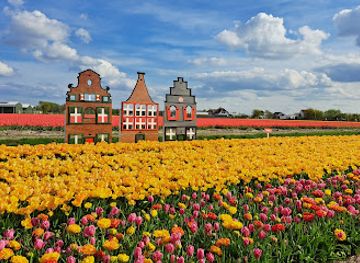
Explore Bollenstreek on the map
Plan your trip on one map. See where the top cities, national parks and sights are, and book hotels and experiences in a few clicks.
Best hotels in Bollenstreek
Best restaurants in Bollenstreek
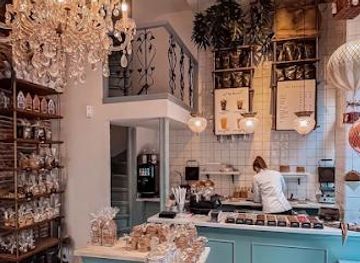
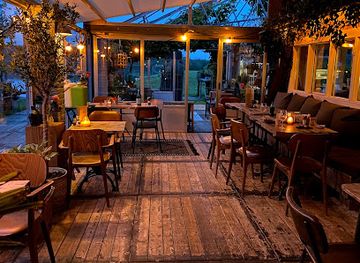
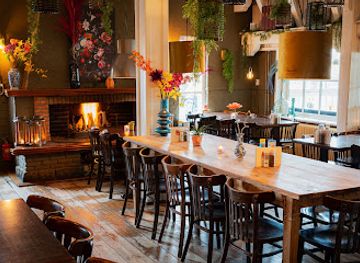
Dining in the Bollenstreek combines familiar Dutch cooking with the produce and geography of a coastal-growing district. Noordwijk and the seaside settlements offer restaurants and cafés where fish, seafood and informal beach dining are prominent, while inland villages provide cafés, bakeries, pubs and restaurants serving Dutch and international dishes. Local menus may include herring in season, smoked fish, pancakes, soups, sandwiches and regional cheeses rather than a single dish exclusive to the Bollenstreek. The bulb-growing countryside is also close to South Holland’s wider horticultural belt, so seasonal vegetables and farm-shop produce appear in some menus and markets. Lisse, Noordwijk, Sassenheim and Warmond provide the broadest choice, from casual daytime stops to more formal dining. During the Keukenhof season, advance planning is sensible, particularly around lunchtime. For a distinctly local pause, combine a cycle ride through the fields or dunes with a village café, coastal fish restaurant or traditional Dutch brown café instead of expecting every rural road to have frequent refreshments.
-
Cookies
van Wonderen Stroopwafels
Fresh, customizable stroopwafels on Amsterdam's bustling Kalverstraat, blending 1907 family legacy with colorful toppings for gooey, caramel bliss.
-
Restaurant
Como & Co
Experience culinary excellence at Como & Co in Noordwijkerhout—where fresh ingredients meet delightful flavors.
-
Restaurant
Langs Berg en Dal
Experience the essence of Dutch cuisine at Langs Berg en Dal in Noordwijk - where flavor meets tradition in every bite.
-
American
Restaurant Hudson Noordwijkerhout
Experience authentic American cuisine in the heart of Noordwijkerhout at Restaurant Hudson – where great food meets warm hospitality.
Best bars in Bollenstreek
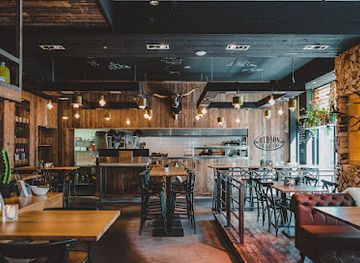
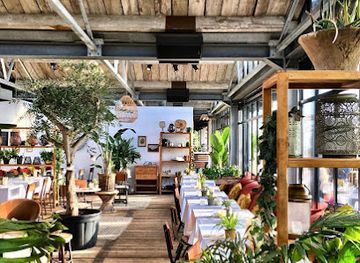
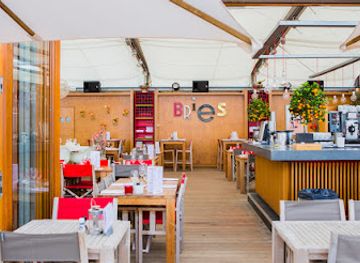
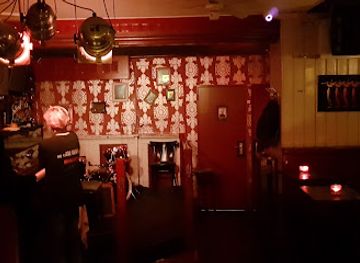
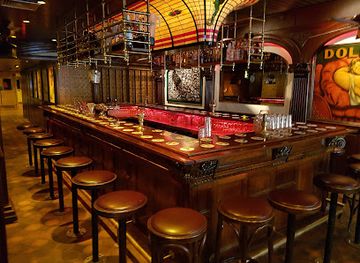
Evenings in the Bollenstreek are generally modest and social rather than centred on a large nightclub scene. Noordwijk has the broadest late-day choice, with seaside bars, hotel lounges, cafés and restaurants serving visitors after time on the beach. Lisse, Sassenheim and Hillegom have local pubs and cafés where residents meet, while Warmond’s evening character is shaped more by restaurants, waterside venues and village hospitality. Live music and occasional events may take place in established cafés or community venues, but temporary programming changes and should be checked locally. The region’s rural settlements tend to quieten earlier than major Dutch cities, and public transport options may be more limited at night. Visitors looking for a larger urban club scene generally travel beyond the Bollenstreek to nearby Leiden, Haarlem or The Hague, rather than treating the flower villages as a nightlife destination. Breweries, wine bars and relaxed dining provide alternatives to late-night drinking.
-
Bar
Branding Beach Club
Discover the perfect blend of relaxation and entertainment at Branding Beach Club, Noordwijk's premier beachside destination.
-
Tourist attraction
The Tulip Barn
Discover the beauty of vibrant tulip fields and a cozy pub atmosphere at The Tulip Barn in Hillegom, a floral paradise for every traveler.
-
Bar
Bries Noordwijk
Discover Bries Noordwijk, a delightful beach pavilion offering exquisite seafood and French cuisine with stunning coastal views.
-
Italian
Trattoria Panini
Experience authentic Italian cuisine at Trattoria Panini in Lisse, where every meal feels like a trip to Italy.


Best nightclubs in Bollenstreek
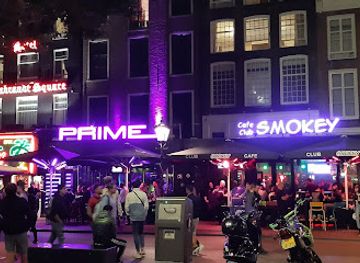
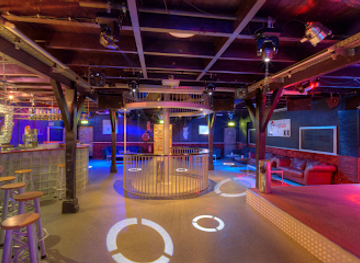
Evenings in the Bollenstreek are generally modest and social rather than centred on a large nightclub scene. Noordwijk has the broadest late-day choice, with seaside bars, hotel lounges, cafés and restaurants serving visitors after time on the beach. Lisse, Sassenheim and Hillegom have local pubs and cafés where residents meet, while Warmond’s evening character is shaped more by restaurants, waterside venues and village hospitality. Live music and occasional events may take place in established cafés or community venues, but temporary programming changes and should be checked locally. The region’s rural settlements tend to quieten earlier than major Dutch cities, and public transport options may be more limited at night. Visitors looking for a larger urban club scene generally travel beyond the Bollenstreek to nearby Leiden, Haarlem or The Hague, rather than treating the flower villages as a nightlife destination. Breweries, wine bars and relaxed dining provide alternatives to late-night drinking.
-
Night club
Club Prime
Experience the electrifying nightlife at Club Prime, Amsterdam's iconic night club with top DJs, trendy cocktails, and vibrant dance floors.
-
Jazz
De Twee Spieghels
Experience the soul of jazz at De Twee Spieghels, a lively bar in Leiden featuring live music, fine wines, and a welcoming atmosphere for all.
-
Bar
't Zeepaardje B.V.
Experience the coastal charm and vibrant atmosphere of 't Zeepaardje, the perfect bar for relaxation and socializing in Noordwijk.
-
Disco club
Club Organza
Discover the electrifying nightlife of Breukelen at Club Organza, a premier disco club offering exhilarating music and vibrant dance floors.
Best shops in Bollenstreek
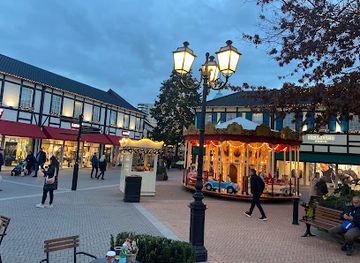
Shopping in the Bollenstreek is strongest in the town centres rather than in a single regional retail district. Lisse offers the broadest concentration of everyday shops, cafés, florists and flower-related retail, while Noordwijk combines practical shopping with seaside boutiques, galleries and independent businesses in the village and coastal areas. Hillegom, Sassenheim and Voorhout have smaller high streets suited to local produce, bakeries and daily needs. Bulbs, cut flowers, gardening products and floral souvenirs are the signature purchases, but visitors should use reputable sellers with clear packaging and instructions, especially when taking bulbs across international borders. Farm shops and seasonal stalls may offer regional food products, while Warmond and the surrounding villages are better suited to browsing antiques, crafts and small independent shops than to extensive retail. Market arrangements vary by town and date, so check locally rather than relying on a fixed schedule. The most distinctive shopping experience is usually a carefully labelled bulb or flower purchase, not an attempt to remove blooms from the commercial fields.
-
Gift shop
Designer Outlet Roermond
Explore Designer Outlet Roermond for a unique shopping experience featuring top designer brands at unbeatable prices in a beautiful setting.
-
Shopping mall
Shopping Center Stadshart Zoetermeer
Discover shopping, dining, and entertainment all in one place at Stadshart Zoetermeer, the ultimate shopping experience in the heart of Zoetermeer.
-
Gift shop
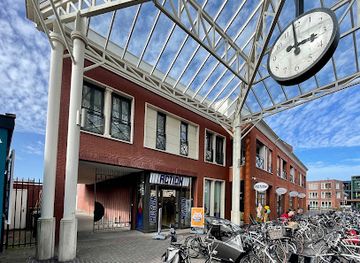
Action Noordwijk
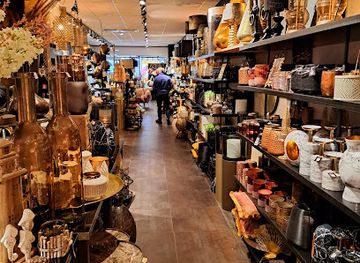
Discover an eclectic range of gifts, DIY supplies, and unique home goods at Action Noordwijk, your one-stop shop for local treasures.
-
Gift shop
Montana’s
Explore Montana's in Noordwijk for unique gifts, clothing, and home goods that embody Dutch culture and charm.

Get your free copy of our complete guide to Bollenstreek, delivered straight to you.
Everything on this page, from attractions and restaurants to essentials and local phrases, in one PDF you can read offline, print or share.
Already have an account? Sign in
Your Bollenstreek guide is ready.
We'll send it to · Not you? Sign out

Getting your guide ready…
We are putting together a fresh copy of the Bollenstreek guide. This can take up to a minute.
This can take a few moments. If your browser asks, choose Allow so the download can start. You'll find the guide in your Downloads folder.
Nothing happened? Download it again
Sorry, the guide is taking longer than usual. Please try again in a minute, or get it by email instead.
Bollenstreek essentials
Currency and Payment
Safety
Emergency Situations
Do's and Don'ts
Local Tips
From Eve
Local phrases worth knowing
You don't need to get them perfect. A few words go a long way, and locals appreciate the effort.
Basics
| English | Local | Say it |
|---|---|---|
| Hello | Hallo | [hah-loh] |
| Goodbye | Tot ziens | [toht zeens] |
| Yes | Ja | [yah] |
| No | Nee | [nay] |
| Please/You're welcome | Alsjeblieft | [ahl-sheh-bleeft] |
| Thank you | Dank je | [dahnk yuh] |
| Excuse me/Sorry | Sorry | [soh-ree] |
| How are you? | Hoe gaat het? | [hoo gaht het] |
| Fine. And you? | Goed. En met jou? | [hoot. en met yow] |
| Do you speak English? | Spreek je Engels? | [spreak yuh eng-els] |
| I don't understand | Ik begrijp het niet | [ik beh-graif het neet] |
Eating & Drinking
| English | Local | Say it |
|---|---|---|
| I'd like to see the menu, please | Ik zou graag de menukaart zien, alsjeblieft | [ik zou grahk de meh-nu-kart zeen, ahl-sheh-bleeft] |
| I don't eat meat | Ik eet geen vlees | [ik eet ghen vlay-s] |
| Cheers! | Proost! | [prohst] |
| I would like to pay, please | Ik zou graag betalen, alsjeblieft | [ik zou grahk beh-tah-len, ahl-sheh-bleeft] |
Emergencies
| English | Local | Say it |
|---|---|---|
| Help! | Help! | [help] |
| Go away! | Ga weg! | [gah vehg] |
| Call the Police! | Bel de politie! | [bel de poh-leet-see] |
| Call a doctor! | Bel een dokter! | [bel een dok-ter] |
| I'm lost | Ik ben verdwaald | [ik ben fer-dwahld] |
| I'm ill | Ik ben ziek | [ik ben zeek] |
Shopping
| English | Local | Say it |
|---|---|---|
| I'd like to buy... | Ik zou graag ... kopen | [ik zou grahk ... koh-pen] |
| I'm just looking | Ik kijk gewoon rond | [ik kayk ghe-vohn ront] |
| How much is it? | Hoeveel kost het? | [hoo-veel kost het] |
| That's too expensive | Dat is te duur | [daht is tuh dur] |
| Can you lower the price? | Kun je de prijs verlagen? | [kun yuh de prays fer-lah-ghen] |
Time & Numbers
| English | Local | Say it |
|---|---|---|
| What time is it? | Hoe laat is het? | [hoo laat is het] |
| It's one o'clock | Het is één uur | [het is ayn ur] |
| Half past (10) | Half tien | [half teen] |
| Morning | Ochtend | [okh-tend] |
| Afternoon | Middag | [mid-dahg] |
| Evening | Avond | [ah-vond] |
| Yesterday | Gisteren | [ghis-teh-ren] |
| Today | Vandaag | [vahn-dahg] |
| Tomorrow | Morgen | [mor-ghen] |
| 1 | 1 | [eyn] |
| 2 | 2 | [twee] |
| 3 | 3 | [drie] |
| 4 | 4 | [vier] |
| 5 | 5 | [vijf] |
| 6 | 6 | [zes] |
| 7 | 7 | [zeven] |
| 8 | 8 | [acht] |
| 9 | 9 | [negen] |
| 10 | 10 | [tien] |
Transport & Directions
| English | Local | Say it |
|---|---|---|
| Where's a/the...? | Waar is een...? | [vahr is eyn] |
| What's the address? | Wat is het adres? | [vaht is het ah-dres] |
| Can you show me (on the map)? | Kun je me laten zien (op de kaart)? | [kun yuh meh lah-ten zeen (op de kart)] |
| When's the next (bus)? | Wanneer komt de volgende (bus)? | [vahn-neer komt de vohl-gende (bus)] |
| A ticket (to ....) | Een ticket (naar ...) | [eyn ti-ket (nahr ...)] |
History of Bollenstreek
Dune Ridges and Early Settlement
The Bollenstreek developed along low coastal dune ridges and the sandy geest soils between the North Sea and wetter lowlands. These slightly elevated areas offered more reliable ground for settlement than the surrounding marshes. Archaeological evidence from the wider coastal belt records prehistoric habitation, while later communities used the dunes for small-scale agriculture, grazing and woodland management. The contrast between dry ridges and poorly drained land remains visible in the region’s geography, helping explain the positions of older villages and estates.
Medieval Lords, Churches and Teylingen Castle
During the Middle Ages, the route between the political centres of Haarlem and Leiden gained strategic importance. Teylingen Castle, near Voorhout, was associated with the Lords of Teylingen and later with the counts of Holland; its surviving ruins show the form of a fortified medieval residence surrounded by water. Religious foundations and parish churches also shaped settlement, while the digging of drainage ditches and management of waterways made more land usable. The region’s villages and estate landscapes retain elements of this medieval framework.
Estates and the Coastal Country-House Landscape
From the seventeenth century, wealthy merchants and officials from nearby Dutch cities invested in country residences along the sandy coastal corridor. Estates such as Keukenhof were developed with gardens, woodland and avenues, combining leisure with productive land use. Warmond and the area around Sassenheim and Voorhout likewise acquired manor houses and landscaped grounds. Many estates changed ownership and form over time, but their lanes, parkland and buildings still give the inland Bollenstreek a more historic and wooded character than the open bulb fields suggest.
Tulips and the Rise of Bulb Horticulture
Tulips reached the Netherlands in the sixteenth century, but the Bollenstreek became a major production area much later, particularly during the nineteenth century. Growers found the well-drained sandy soils suitable for bulbs after the removal of older dune soils and the improvement of cultivation methods. Commercial nurseries, bulb auctions, specialist knowledge and transport links transformed villages such as Lisse and Hillegom. Hyacinths, daffodils and other bulbs joined tulips in a highly organised horticultural economy that remains central to the region.
Railways, Roads and the Flower Trade
Improved roads and rail connections in the nineteenth and early twentieth centuries allowed bulbs and cut flowers to move more efficiently to Dutch and international markets. The industry created warehouses, packing facilities, auction activity and seasonal employment, changing both the appearance and social organisation of the countryside. The Keukenhof estate later became the setting for a public flower exhibition, opening in 1950 and helping establish the region as an international tourism destination as well as a centre of commercial horticulture.
War, Dunes and Post-war Transformation
The coastal position brought military construction during the Second World War, including elements of the German Atlantic Wall in the dunes and around Noordwijk. After 1945, the region experienced expanding road travel, suburban growth and changing horticultural techniques, while seaside tourism increased. Much agricultural land remained in bulb production, but conservation and recreation became more important in the dunes and estates. Today the Bollenstreek balances a globally recognisable flower economy with residential development, coastal tourism and the protection of a vulnerable landscape.
Bollenstreek in Photos
Browse through our photo collection highlighting the charm and character of the destination.
Neighbouring regions of Bollenstreek
The closest regions to Bollenstreek, if you have time for more than one.
-

-

-

-

-


Swipe for more regions
Explore more

Explore more of Netherlands
Discover the Netherlands: A blend of historic charm, artistic treasures, and scenic landscapes, perfect for an enriching travel experience.
Explore Netherlands