

Free Eureka County Travel Guide & Mobile App
Explore Eureka County with free travel guides. Discover regional history, expert tips, proposed trips, and audio guides on web or mobile app.


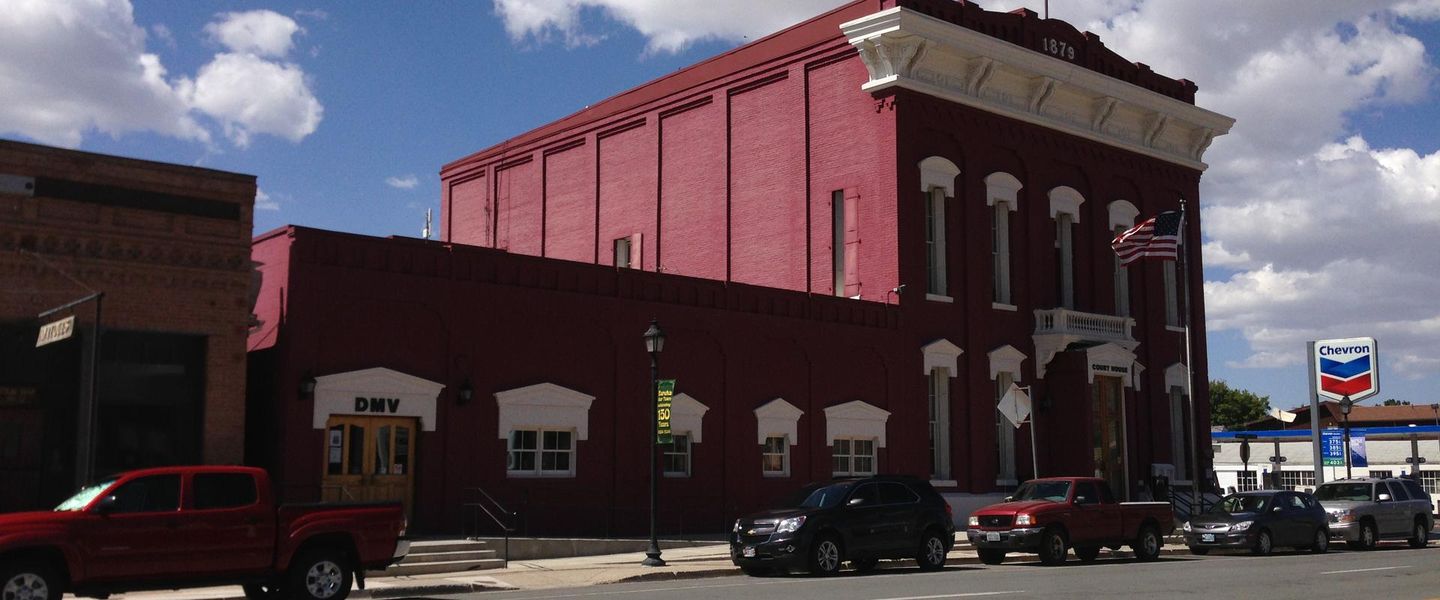


Explore Eureka County’s historic mining towns, Great Basin valleys, open roads and high-desert landscapes in central Nevada.
Read more about Eureka County
When is the best time to visit Eureka County?
Best: May–June, September · 22–28°C| Month | High (°C) | Rainfall (mm) |
|---|---|---|
| January | 6 | 17 |
| February | 7 | 14 |
| March | 12 | 12 |
| April | 16 | 10 |
| May (best) | 22 | 10 |
| June (best) | 28 | 7 |
| July | 33 | 10 |
| August | 31 | 11 |
| September (best) | 26 | 12 |
| October | 19 | 13 |
| November | 11 | 15 |
| December | 6 | 17 |
Getting to and around Eureka County
How to get there
Transportation
Top city travel guides in Eureka County
The cities of Eureka County, and the easiest places to base yourself.

Swipe for more cities
Destinations in Eureka County
Resorts, valleys and scenic spots worth a trip of their own.
-

-


Swipe for more destinations
Best attractions in Eureka County
-
Tourist attraction
South Fork State Recreation Area
Experience the breathtaking landscapes and outdoor adventures at South Fork State Recreation Area, a serene nature escape in Nevada.
-
Tourist attraction
Northeastern Nevada Museum
Explore the Northeastern Nevada Museum in Elko for an enriching journey through the region's captivating history and vibrant culture.
-
Tourist attraction
Lamoille Canyon Scenic Byway
Discover the stunning landscapes and rich wildlife of Lamoille Canyon Scenic Byway in Nevada's National Forest, a must-visit for nature lovers and adventure seekers.
-
Tourist attraction
Western Folklife Center
Experience the rich tapestry of Western culture at the Western Folklife Center, a vibrant museum and performance space in Elko, Nevada.


Best landmarks in Eureka County
Eureka’s historic centre contains the county’s strongest concentration of landmarks. The Eureka County Courthouse is an imposing nineteenth-century civic building that reflects the administrative importance once generated by the silver district. Nearby, the Eureka Opera House represents the theatrical and social life of the mining era, while the Eureka Sentinel Museum occupies a former newspaper office and preserves the connection between local information, commerce and community identity. On the hillside above town, Stokes Castle is a three-storey stone tower built in the 1890s by mining entrepreneur Anson Phelps Stokes; its unusual form makes it one of central Nevada’s most memorable visual markers. Beyond Eureka, the mountains, sagebrush valleys and long highway vistas are geographical landmarks in their own right, although they are often experienced as a succession of views rather than as single developed sites. Historic cemeteries, surviving masonry buildings and remnants associated with mining add texture to the county’s built landscape, but visitors should avoid entering unstable ruins or restricted industrial areas.
-
Historical landmark
Fort Ruby
Explore the fascinating history of Fort Ruby in White Pine County, Nevada, where the past meets the picturesque landscape of the American West.

Explore Eureka County on the map
Plan your trip on one map. See where the top cities, national parks and sights are, and book hotels and experiences in a few clicks.
Best hotels in Eureka County
Best restaurants in Eureka County
Dining in Eureka County is concentrated in Eureka and reflects the practical needs of a remote highway and ranching community. Visitors will find straightforward cafés, diners and informal restaurants rather than a large or specialised culinary scene, with menus commonly shaped by familiar American comfort food, burgers, sandwiches, breakfast dishes and hearty evening meals. Traditional saloon and café settings are part of Eureka’s historic-town character, while travellers passing through smaller settlements should not assume that food service will be available at all times. The county is not chiefly known for a distinctive regional cuisine, but Nevada’s wider ranching and mining heritage informs its preference for filling, portable and uncomplicated food. Plan provisions in advance for excursions into Diamond Valley, Crescent Valley or more isolated mountain areas, and use local shops where available for snacks, drinks and road supplies.
-
Grill
Owl Club Bar and Steakhouse
Discover delightful dining at Owl Club Bar and Steakhouse in Eureka - where flavors meet friendly service in an inviting atmosphere.
-
Grill
Urban Cowboy Bar and Grill
Experience authentic Western cuisine at Urban Cowboy Bar and Grill in Eureka - where flavor meets rustic charm.
-
Family-friendly
Clementine's Restaurant
Experience delightful dining at Clementine's Restaurant in Eureka – where families gather for delicious meals in a warm atmosphere.

Best bars in Eureka County
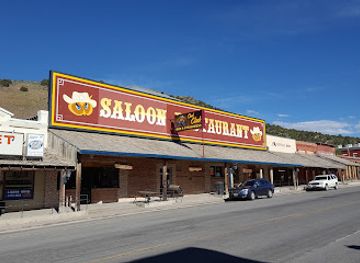
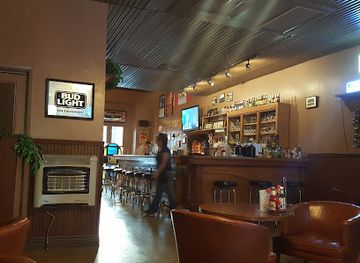
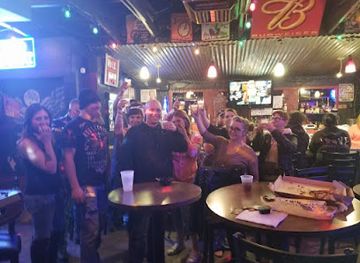
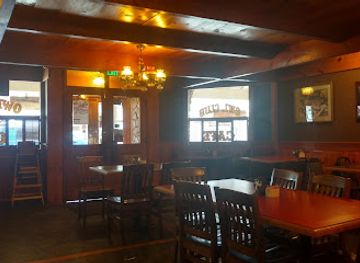
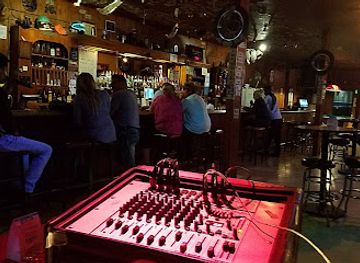
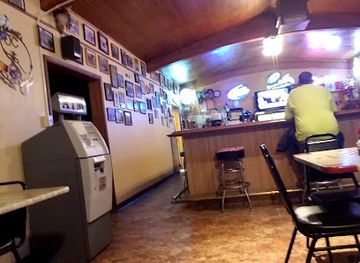
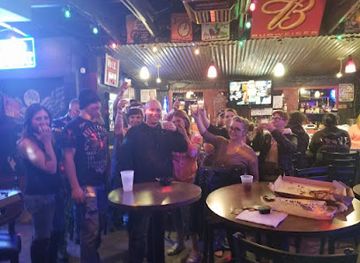
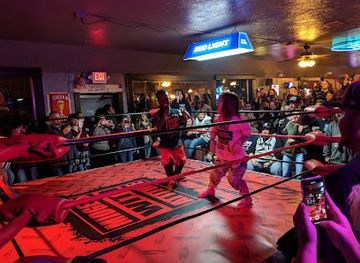
Eureka County has a modest evening scene centred on traditional bars, saloons, restaurants and community gathering places rather than nightclubs. Eureka provides the greatest choice, with historic-town surroundings and a relaxed, locally oriented atmosphere; smaller communities have fewer venues and may offer little after dinner. Evening activity is often connected to conversation, televised sport, meals or occasional community events rather than a late-night entertainment district. Travellers should not rely on fixed opening patterns in a remote county and should arrange transport responsibly, especially on dark rural highways where distances are considerable. The county’s clear skies also make quiet stargazing an appealing alternative to nightlife, provided visitors have suitable clothing, lighting and a safe place to stop.
-
Karaoke bar
Charlee's Bar
Experience the vibrant nightlife at Charlee's Bar in Elko, NV, where karaoke meets a lively atmosphere and a diverse drink selection.
-
Grill
Owl Club Bar and Steakhouse
Experience the charm of Eureka at Owl Club Bar and Steakhouse, where delicious grilled flavors and a welcoming atmosphere await you.
-
Grill
Urban Cowboy Bar and Grill
Discover a unique blend of rustic charm and modern flavor at Urban Cowboy Bar and Grill in Eureka, Nevada.
-
Cocktail bar
Goldie's
Experience the vibrant cocktail culture at Goldie's, Elko's premier cocktail bar offering a lively atmosphere and innovative drinks.
Best nightclubs in Eureka County
-
Grill
O'Carroll's
Discover the flavors of Lamoille at O'Carroll's, where local ingredients meet warm hospitality in a charming grill setting.
-
Karaoke bar
Charlee's Bar
Experience the vibrant nightlife at Charlee's Bar in Elko, Nevada, where karaoke meets a welcoming atmosphere and refreshing drinks.
-
Bar
Silver Dollar Club
Discover the vibrant nightlife at Silver Dollar Club in Elko, NV, where great drinks, live music, and a lively atmosphere await.
-
Restaurant
The Klub Bar & Grill
Discover The Klub Bar & Grill, the premier family-friendly restaurant and sports bar in Spring Creek, offering delicious meals and vibrant entertainment.

Best shops in Eureka County
Shopping in Eureka County is limited and practical, with Eureka offering the clearest opportunity to browse heritage-oriented items, books, gifts and locally relevant souvenirs. Small businesses and historic-town premises may stock Nevada-themed merchandise, artwork, memorabilia and road-trip supplies, but retail choice is not comparable with larger cities such as Elko or Reno. Visitors should look for locally produced crafts, western goods, mineral or geological items from reputable sellers, and products connected with the county’s mining history, while taking care not to remove artefacts from public land or historic sites. Groceries, fuel and basic provisions are important purchases before travelling into remote valleys. Markets and community sales may occur occasionally rather than on a dependable daily schedule, so check locally and keep flexible expectations.
-
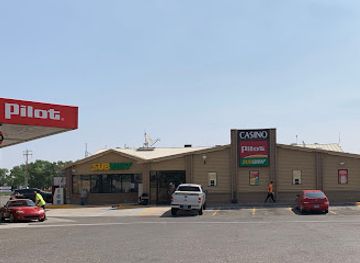
Truck stop
ONE9 Travel Center
Discover convenience and comfort at ONE9 Travel Center, your ultimate pit stop in Carlin, Nevada, for gas, snacks, and rest.
-
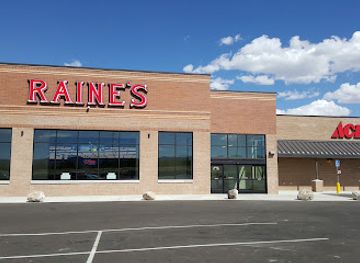
Hardware store
Raine's Market- Ace Hardware
Discover Raine's Market in Eureka, NV - the ultimate hardware store for home improvement, tools, and DIY supplies with friendly service.
-
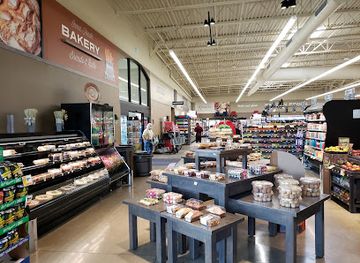
Grocery store
Khoury's Fresh Market
Experience the heart of Carlin at Khoury's Fresh Market, where fresh produce and local flavors come together in a welcoming atmosphere.
-
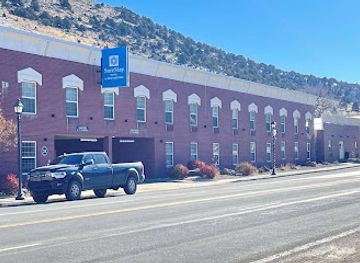
Hotel
SureStay by Best Western Eureka
Discover a cozy retreat at SureStay by Best Western Eureka, where comfort meets convenience in the heart of Nevada's historic landscape.
Get your free copy of our complete guide to Eureka County, delivered straight to you.
Everything on this page, from attractions and restaurants to essentials and local phrases, in one PDF you can read offline, print or share.
Already have an account? Sign in
Your Eureka County guide is ready.
We'll send it to · Not you? Sign out

Getting your guide ready…
We are putting together a fresh copy of the Eureka County guide. This can take up to a minute.
This can take a few moments. If your browser asks, choose Allow so the download can start. You'll find the guide in your Downloads folder.
Nothing happened? Download it again
Sorry, the guide is taking longer than usual. Please try again in a minute, or get it by email instead.
Eureka County essentials
Currency and Payment
Safety
Emergency Situations
Do's and Don'ts
Local Tips
From Eve
Local phrases worth knowing
You don't need to get them perfect. A few words go a long way, and locals appreciate the effort.
Basics
| English | Local | Say it |
|---|---|---|
| Hello | Howdy | [hau-dee] |
| Goodbye | See ya later | [see yah lay-ter] |
| Yes | Yup | [yup] |
| No | Nope | [nohp] |
| Please/You're welcome | Sure thing | [shoor thing] |
| Thank you | Thanks a lot | [thanks a lot] |
| Excuse me/Sorry | Pardon me | [par-don mee] |
| How are you? | How's it going? | [how's it goin] |
| Fine. And you? | I'm good. And you? | [I'm good. And you?] |
| Do you speak English? | Do ya speak English? | [doo yah speak ing-glish?] |
| I don't understand | I ain't got it | [I ain't got it] |
Eating & Drinking
| English | Local | Say it |
|---|---|---|
| I'd like to see the menu, please | Can I see the menu, please? | [can I see the men-yoo, pleez?] |
| I don't eat meat | I ain't a meat eater | [I ain't a meet ee-ter] |
| Cheers! | Cheers! | [cheers] |
| I would like to pay, please | I'd like to settle up, please | [I'd like to set-ul up, pleez] |
Emergencies
| English | Local | Say it |
|---|---|---|
| Help! | Help! | [help] |
| Go away! | Get lost! | [get lost] |
| Call the Police! | Call the cops! | [call the cops] |
| Call a doctor! | Get a doctor! | [get a doc-tor] |
| I'm lost | I'm turned around | [I'm turned a-round] |
| I'm ill | I ain't feelin' good | [I ain't feelin' good] |
Shopping
| English | Local | Say it |
|---|---|---|
| I'd like to buy... | I wanna buy... | [I wanna buy...] |
| I'm just looking | Just browsing | [just brow-zing] |
| How much is it? | What’s the price? | [what's the price?] |
| That's too expensive | That costs too much | [that costs too much] |
| Can you lower the price? | Can ya knock the price down? | [can ya knock the price down?] |
Time & Numbers
| English | Local | Say it |
|---|---|---|
| What time is it? | What's the time? | [what's the time?] |
| It's one o'clock | It's one o'clock | [it's one o'clock] |
| Half past (10) | Half past ten | [half past ten] |
| Morning | Morning | [morning] |
| Afternoon | Afternoon | [afternoon] |
| Evening | Evening | [evening] |
| Yesterday | Yesterday | [yesterday] |
| Today | Today | [today] |
| Tomorrow | Tomorrow | [to-mor-row] |
| 1 | One | [one] |
| 2 | Two | [two] |
| 3 | Three | [three] |
| 4 | Four | [four] |
| 5 | Five | [five] |
| 6 | Six | [six] |
| 7 | Seven | [seven] |
| 8 | Eight | [eight] |
| 9 | Nine | [nine] |
| 10 | Ten | [ten] |
Transport & Directions
| English | Local | Say it |
|---|---|---|
| Where's a/the...? | Where's the...? | [where's the...?] |
| What's the address? | What’s the address? | [what's the address?] |
| Can you show me (on the map)? | Can ya point it out? | [can ya point it out?] |
| When's the next (bus)? | When's the next bus? | [when's the next bus?] |
| A ticket (to ....) | A ticket to... | [a ticket to...] |
History of Eureka County
Great Basin Indigenous Homelands
Long before mining settlement, the valleys and mountain ranges of present-day Eureka County were part of the wider cultural landscape of Great Basin Indigenous peoples, including Northern Paiute and Western Shoshone communities. People adapted to an arid environment through seasonal movement, detailed knowledge of plants and animals, and repeated use of springs, valleys and mountain corridors. Archaeological evidence across the Great Basin records a deep human presence, though individual sites should be treated with care and not disturbed. Later descriptions of the county often centred on prospectors and ranchers, but the region’s history begins with Indigenous relationships to its landscape.
The Overland Era and Road Corridors
In the nineteenth century, trails across central Nevada connected emigrants, mail services and military movement between the Great Basin settlements and the Sierra Nevada. The Overland Mail and Pony Express era helped establish routes across a landscape that was difficult to cross and sparsely supplied. Beowawe and other water sources became significant stopping points along these corridors. Although transport patterns changed with improved roads and railways, the county’s modern reliance on long-distance highways reflects the same geographic reality: movement is channelled through a small number of dependable crossings between mountain ranges.
Eureka’s Silver Boom, 1860s–1870s
Eureka developed after silver discoveries in the surrounding hills during the 1860s. The town became the commercial and administrative centre of a vigorous mining district, attracting miners, merchants, engineers and families from across the United States and beyond. Ore processing, freight movement and provisions supported a sizeable community in an otherwise remote setting. The boom produced the brick commercial buildings, churches, residences and civic institutions that still give Eureka its historic character. Mining fortunes were uneven, however, and the town’s growth depended on the quality of ore, transport costs and changing metal markets.
The Eureka Mining District and Industrial Change
Mining in and around Eureka evolved as easily worked deposits declined and operators introduced more organised extraction and processing methods. The district’s history includes periods of renewed production as well as contraction, with economic effects felt in shops, transport services and population. Eureka’s smelters and industrial works were central to its nineteenth-century prosperity, though the legacy also includes environmental impacts that form part of the modern mining story. The county’s continuing mineral economy, including large-scale activity in northern Nevada, links contemporary Eureka County with its earlier extractive foundations.
Civic Architecture and Community Institutions
The wealth generated during Eureka’s mining era enabled the construction of substantial public and private buildings for a remote Nevada town. The Eureka County Courthouse, Eureka Opera House and other surviving structures expressed civic ambition, cultural life and confidence in the district’s future. Schools, newspapers, churches and fraternal organisations helped turn a mining camp into a durable community. Preservation efforts in the twentieth and twenty-first centuries have made these buildings important historical resources, while museums and local archives continue to interpret the people, industries and conflicts that shaped the county.
Ranching and the Working Great Basin
Ranching became an enduring complement to mining in Eureka County, making use of valley grasslands, scarce water and seasonal range. Communities such as Crescent Valley and Beowawe reflect the county’s dispersed settlement pattern, in which farms, ranches, mining operations and transport routes coexist across great distances. Ranching remains vulnerable to drought, changing markets and pressure on water resources, while public-land management influences grazing, wildlife and recreation. The result is a landscape that is not empty but carefully used, with economic activity often separated by many miles of sagebrush and mountain terrain.
Modern Mineral Production and Heritage Preservation
In the modern era, mineral production has remained a major economic force in Eureka County, particularly through gold exploration and large-scale mining in the northern part of the county. At the same time, Eureka’s historic core has gained recognition as an unusually intact record of Nevada’s mining-town development. Heritage preservation and active industry therefore exist side by side. Visitors encounter both a carefully maintained historic town and a contemporary resource economy, a combination that explains why Eureka County should be understood as a living working landscape rather than simply a relic of the nineteenth century.
Eureka County in Photos
Browse through our photo collection highlighting the charm and character of the destination.
Neighbouring regions of Eureka County
The closest regions to Eureka County, if you have time for more than one.
-

-

-
-

-


Swipe for more regions
Explore more

Explore more of Nevada
Discover Nevada: From the bright lights of Las Vegas to the tranquil beauty of Lake Tahoe, Nevada offers a unique blend of excitement and natural wonder.
Explore Nevada