

Lamoille Canyon Travel Guide - Free Web & App
Your ultimate guide to Lamoille Canyon. Discover top landmarks, proposed trips, and local tips. Free on the web or via the Evendo companion app.


Lamoille Canyon in Nevada leads into the Ruby Mountains with alpine lakes, granite peaks, scenic drives, hiking trails and Great Basin wildlife.
Granite, Glaciers and High-Country Silence
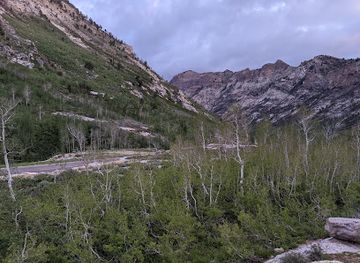
Lamoille Canyon cuts deep into the eastern side of Nevada’s Ruby Mountains, a dramatic alpine range rising above the Great Basin near Elko. The paved Lamoille Canyon Scenic Byway follows the canyon for roughly 12 miles from the foothills towards a high trailhead, passing beneath steep granite walls, talus slopes, conifer forests and open subalpine meadows. Its elevation changes quickly, and the landscape becomes markedly cooler and more mountainous than the sagebrush plains around Elko.Read more about Lamoille Canyon
A Landscape Shaped by Ice
Exploring the Scenic Byway
When is the best time to visit Lamoille Canyon?
Best: May–June, September · 21–27°C| Month | High (°C) | Rainfall (mm) |
|---|---|---|
| January | 5 | 40 |
| February | 8 | 35 |
| March | 11 | 30 |
| April | 17 | 25 |
| May (best) | 21 | 20 |
| June (best) | 27 | 15 |
| July | 29 | 20 |
| August | 29 | 20 |
| September (best) | 23 | 25 |
| October | 16 | 30 |
| November | 9 | 35 |
| December | 4 | 40 |
Getting to and around Lamoille Canyon
How to get there
Transportation
Best attractions in Lamoille Canyon
The principal attraction is the Lamoille Canyon Scenic Byway, a paved mountain road that climbs from the Great Basin foothills through forested slopes, open meadows and increasingly rugged granite scenery. Pull-offs and viewpoints reveal the canyon’s glacial form and the serrated skyline of the Ruby Mountains, with Ruby Dome prominent above the upper valley. At the road’s high terminus, the Lamoille Lake Trail provides access to one of the range’s best-known alpine lakes, although elevation and weather make it more demanding than its short distance might suggest. Further walking routes lead towards high basins and other lakes, including Island Lake, but conditions and access vary. The canyon is also a useful place for observing the transition from sagebrush country to subalpine habitat; mule deer, mountain goats and raptors may be present without being guaranteed sightings. Elko and the small community of Lamoille serve as gateways rather than attractions within the canyon itself.
-
Hiking area
Lamoille-Talbot Trailhead
Experience the stunning beauty of Lamoille-Talbot Trailhead, a premier hiking destination in Nevada's Ruby Mountains, perfect for all adventure lovers.
-
Park
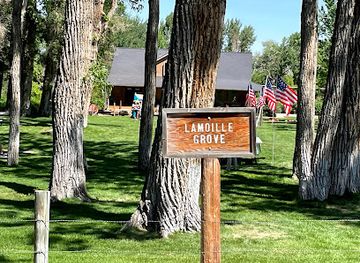
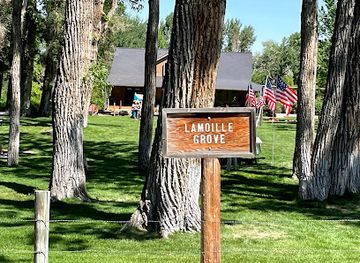
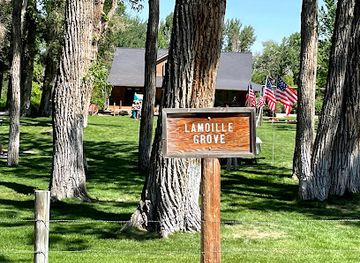
Lamoille Grove
Experience the natural beauty and tranquility of Lamoille Grove, a serene park in the Ruby Mountains, perfect for hiking and nature appreciation.
-
 Hiking area
Horse Palace Trails
Experience the beauty of nature at Horse Palace Trails in Spring Creek, Nevada—a hiker's haven with stunning vistas and diverse trails.
Best landmarks in Lamoille Canyon
Lamoille Canyon itself is the defining natural landmark, a glacially sculpted valley whose steep granite walls and U-shaped upper basin contrast sharply with the surrounding Nevada sagebrush. The Lamoille Canyon Scenic Byway provides the principal approach to this landscape, while Lamoille Lake is an important high-country landmark reached by trail near the road’s upper terminus. Above the canyon, Ruby Dome anchors the skyline as the highest summit in the Ruby Mountains, although its climbing terrain is substantially more serious than the scenic road or lake walk. The canyon’s cold streams, conifer slopes, alpine meadows and scattered high lakes express the range’s elevation and glacial history. Rather than a concentration of historic buildings, Lamoille’s significance lies in the relationship between its landforms, mountain ecology and long-standing human use of the Ruby Mountains as a seasonal and working landscape.
-
Park
Lamoille Grove
Explore the natural beauty of Lamoille Grove, a serene park in Nevada perfect for hiking, picnicking, and wildlife observation amidst stunning landscapes.
Explore Lamoille Canyon on the map
Plan your trip on one map. See where the top attractions, landmarks, restaurants and hotels are, and book hotels and experiences in a few clicks.
Best hotels in Lamoille Canyon
Best restaurants in Lamoille Canyon
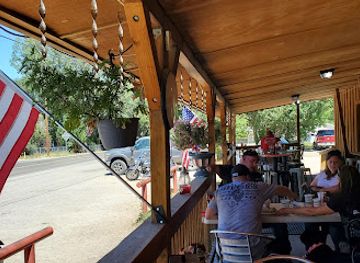
There are no established restaurant clusters or dependable meal services within Lamoille Canyon, so visitors should eat before entering the scenic corridor and carry provisions for walks or extended drives. Elko provides the region’s broadest choice of restaurants, cafés and food shops, with dining shaped by northeastern Nevada’s ranching heritage and its position as a working regional centre. Lamoille offers a much smaller settlement environment, where options may be limited and seasonal. Regional menus commonly draw on beef, potatoes and other familiar Great Basin and Western American staples, while visitors may also find Mexican, Basque-influenced and contemporary American cooking in the wider Elko area. Because facilities are dispersed, a picnic can be more practical than expecting to find food at a viewpoint or trailhead; check current opening arrangements locally rather than relying on late-evening service.
-
Grill
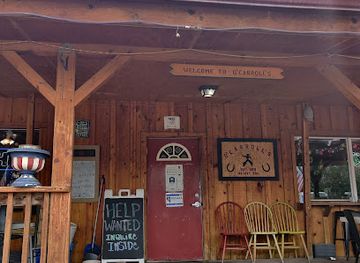
O'Carroll's
Discover O'Carroll's Grill in Lamoille: A Culinary Delight Surrounded by Nevada's Natural Beauty.
-
Steak
Pine Lodge Dinner House
Discover exquisite steak and seafood at Pine Lodge Dinner House in Lamoille Valley, where culinary excellence meets breathtaking mountain views.

Best bars in Lamoille Canyon
Lamoille Canyon has no nightlife infrastructure, and evenings in the forest are defined by darkness, quiet and mountain weather rather than bars or entertainment venues. The small community of Lamoille provides a rural setting, while Elko is the nearest place for a wider choice of traditional bars, hotel lounges, restaurants and occasional live entertainment. Elko’s western ranching identity and Basque heritage influence its social atmosphere, but venue choice and events change over time. Visitors staying near the canyon generally plan evening activities around a meal, stargazing or an early start for the next day’s drive and walk. Anyone returning to Elko after dark should allow for winding roads, wildlife and changing conditions, and should not assume that services are available along the canyon route.
-
Grill
O'Carroll's
Discover O'Carroll's in Lamoille, Nevada, where delicious grilled meals meet a warm and inviting atmosphere, perfect for tourists and locals alike.
-
Steak
Pine Lodge Dinner House
Experience the flavors of Lamoille at Pine Lodge Dinner House, where succulent steaks and fresh seafood await in a cozy, rustic setting.
-
Restaurant
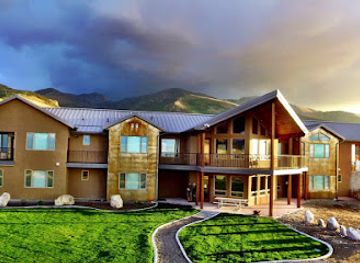
Ruby 360 Lodge
Experience the perfect blend of fine dining, adventure sports, and serene retreats at Ruby 360 Lodge in Lamoille, Nevada.
-
Hotel
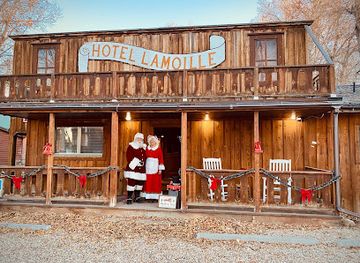
Hotel Lamoille
Experience the charm of Hotel Lamoille, your gateway to outdoor adventures and serene getaways in the Ruby Mountains, Nevada.

Best nightclubs in Lamoille Canyon
Lamoille Canyon has no nightlife infrastructure, and evenings in the forest are defined by darkness, quiet and mountain weather rather than bars or entertainment venues. The small community of Lamoille provides a rural setting, while Elko is the nearest place for a wider choice of traditional bars, hotel lounges, restaurants and occasional live entertainment. Elko’s western ranching identity and Basque heritage influence its social atmosphere, but venue choice and events change over time. Visitors staying near the canyon generally plan evening activities around a meal, stargazing or an early start for the next day’s drive and walk. Anyone returning to Elko after dark should allow for winding roads, wildlife and changing conditions, and should not assume that services are available along the canyon route.
-
Grill
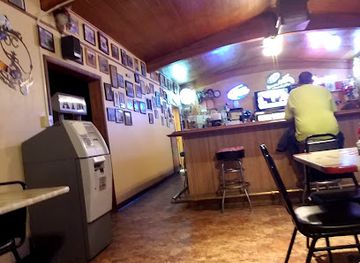
O'Carroll's
Discover the flavors of Lamoille at O'Carroll's, where local ingredients meet warm hospitality in a charming grill setting.
Best shops in Lamoille Canyon
Shopping within Lamoille Canyon is effectively absent, with no general retail area, regular market or dependable supply shop along the scenic road. Visitors should purchase fuel, food, water, outdoor supplies and any required maps before leaving Elko, the region’s main commercial centre, or make limited arrangements in nearby Lamoille. Elko is the more practical place to look for western clothing, ranch-related goods, outdoor equipment, regional art and food products associated with northeastern Nevada. Local shopping may also reflect the area’s Basque and Western cultural influences, although products and opening arrangements vary between businesses. Small rural shops should not be treated as guaranteed sources of specialist equipment, and visitors heading into the mountains should not rely on finding replacement clothing, fuel or provisions after entering the canyon.
-
Park
Lamoille Grove
Discover the serene beauty of Lamoille Grove, a picturesque park in Nevada perfect for outdoor adventures and peaceful retreats.
-
Store
Nevada High Desert Outfitters
Discover the beauty of the Nevada desert at Nevada High Desert Outfitters - your adventure starts here with quality gear and expert local advice.
-
Picture frame shop
Gallery In Lamoille The
Discover the artistic charm of Gallery In Lamoille, a picture frame shop and antique store brimming with unique treasures in Nevada.
Get your free copy of our complete guide to Lamoille Canyon, delivered straight to you.
Everything on this page, from attractions and restaurants to essentials and local phrases, in one PDF you can read offline, print or share.
Already have an account? Sign in
Your Lamoille Canyon guide is ready.
We'll send it to · Not you? Sign out

Getting your guide ready…
We are putting together a fresh copy of the Lamoille Canyon guide. This can take up to a minute.
This can take a few moments. If your browser asks, choose Allow so the download can start. You'll find the guide in your Downloads folder.
Nothing happened? Download it again
Sorry, the guide is taking longer than usual. Please try again in a minute, or get it by email instead.
Lamoille Canyon essentials
Currency and Payment
Safety
Emergency Situations
Do's and Don'ts
Local Tips
From Eve
Local phrases worth knowing
You don't need to get them perfect. A few words go a long way, and locals appreciate the effort.
Basics
| English | Local | Say it |
|---|---|---|
| Hello | Howdy | [HOU-dee] |
| Goodbye | See ya | [SEE yuh] |
| Yes | Yup | [YUHP] |
| No | Nah | [NAH] |
| Please/You're welcome | Please/Welcome | [PLEEZ/WEL-kum] |
| Thank you | Thanks | [THANGKS] |
| Excuse me/Sorry | Pardon me/Sorry | [PAR-dun mee/SORE-ree] |
| How are you? | Howdy | [HOU-dee] |
| Fine. And you? | Good. And you? | [GOOD. And yuh?] |
| Do you speak English? | Ya speak English? | [YUH speak ING-lish?] |
| I don't understand | I don't get ya | [I don't GET yuh] |
Eating & Drinking
| English | Local | Say it |
|---|---|---|
| I'd like to see the menu, please | Can I see the menu? | [KAN eye see the MEN-yoo?] |
| I don't eat meat | I don't eat meat | [I don't eat meet] |
| Cheers! | Cheers! | [CHEERS!] |
| I would like to pay, please | I'll pay now, thanks | [I'll pay now, THANGKS] |
Emergencies
| English | Local | Say it |
|---|---|---|
| Help! | Help! | [Help!] |
| Go away! | Get lost! | [Get lost!] |
| Call the Police! | Call the cops! | [Call the cops!] |
| Call a doctor! | Get a doc! | [Get a doc!] |
| I'm lost | I'm lost | [I'm lost] |
| I'm ill | I'm sick | [I'm sick] |
Shopping
| English | Local | Say it |
|---|---|---|
| I'd like to buy... | I wanna buy... | [I wanna buy...] |
| I'm just looking | Just browsing | [Just BROW-zing] |
| How much is it? | How much? | [How much?] |
| That's too expensive | That's pricey | [That's PRY-see] |
| Can you lower the price? | Can ya drop the price? | [Can yuh DROP the price?] |
Time & Numbers
| English | Local | Say it |
|---|---|---|
| What time is it? | What's the time? | [What's the time?] |
| It's one o'clock | It's one | [It's one] |
| Half past (10) | Half past ten | [Half past ten] |
| Morning | Morning | [Morning] |
| Afternoon | Afternoon | [Afternoon] |
| Evening | Evening | [Evening] |
| Yesterday | Yesterday | [Yesterday] |
| Today | Today | [Today] |
| Tomorrow | Tomorrow | [Tomorrow] |
| 1 | One | [One] |
| 2 | Two | [Two] |
| 3 | Three | [Three] |
| 4 | Four | [Four] |
| 5 | Five | [Five] |
| 6 | Six | [Six] |
| 7 | Seven | [Seven] |
| 8 | Eight | [Eight] |
| 9 | Nine | [Nine] |
| 10 | Ten | [Ten] |
Transport & Directions
| English | Local | Say it |
|---|---|---|
| Where's a/the...? | Where's the...? | [Where's the...?] |
| What's the address? | What's the address? | [What's the address?] |
| Can you show me (on the map)? | Can ya show me (on the map)? | [Can yuh show me (on the map)?] |
| When's the next (bus)? | When's the next (bus)? | [When's the next (bus)?] |
| A ticket (to ....) | A ticket (to ....) | [A ticket (to ....)] |
History of Lamoille Canyon
Uplift and Glacial Formation
The Ruby Mountains are part of the complex geology of the Great Basin, where faulting and uplift produced long mountain ranges separated by broad desert valleys. Lamoille Canyon occupies a glacially shaped valley on the range’s eastern flank. During the ice ages, glaciers moved through the upper canyon, helping create its broad floor, steep sides and characteristic alpine basins. The polished granite, cirque-like hollows and high lakes visible today are remnants of that colder period, while modern streams continue to transport sediment through the canyon.
Indigenous Use of the Ruby Mountains
Long before roads and recreational trails, the Ruby Mountains formed part of the wider seasonal landscape used by Indigenous peoples of the Great Basin. Groups including the Western Shoshone and Northern Paiute maintained detailed knowledge of mountain routes, water sources, plants and game. The canyon should therefore be understood within a much older cultural landscape than its modern scenic-drive identity suggests. Written records of specific sites and historical episodes in Lamoille Canyon are limited, and visitors should avoid treating the absence of visible structures as evidence of an absence of Indigenous history.
Mining, Ranching and Settlement
Nineteenth-century expansion of Euro-American settlement brought prospecting, ranching and new transport routes to the Ruby Mountain region. Nearby Elko became an important centre for ranching, mining and movement across northeastern Nevada, while Lamoille developed as a small agricultural and ranching community at the mountains’ base. The canyon itself remained a rugged upland landscape rather than a permanently settled valley, with seasonal grazing and resource use more practical than dense development. Its dramatic scenery gradually became better known beyond the immediate region.
Road Access and Forest Stewardship
Modern access to Lamoille Canyon is associated with the Lamoille Canyon Scenic Byway, which carries visitors from the valley towards the high country and trailheads. Management of the canyon falls within the Humboldt-Toiyabe National Forest, where recreation, road access, wildlife habitat and watershed protection must be balanced. Seasonal snow, high-elevation conditions and the vulnerability of alpine environments continue to shape how the road and trails are used. Today the canyon is valued primarily for scenic driving and low-impact outdoor recreation rather than intensive commercial development.
Lamoille Canyon in Photos
Browse through our photo collection highlighting the charm and character of the destination.
Neighbouring destination travel guides
The closest destinations to Lamoille Canyon, if you have time for more than one.
-

-

-

-

-


Swipe for more destinations
Explore more

Explore more of Elko County
Elko County combines Nevada’s Ruby Mountains, high-desert wilderness, Basque heritage, historic trails and Western culture across a vast rural landscape.
Explore Elko County
Explore more of Nevada
Discover Nevada: From the bright lights of Las Vegas to the tranquil beauty of Lake Tahoe, Nevada offers a unique blend of excitement and natural wonder.
Explore Nevada