

Free Great Basin Travel Guide & Mobile App
Explore Great Basin with free travel guides. Discover regional history, expert tips, proposed trips, and audio guides on web or mobile app.


Explore Nevada’s Great Basin for mountain desert scenery, bristlecone pines, mining towns, dark skies and wide-open US road journeys.
Read more about Great Basin
Getting to and around Great Basin
How to get there
Transportation
Top city travel guides in Great Basin
The cities of Great Basin, and the easiest places to base yourself.
-

-

-

-

-

-


Swipe for more cities
Destinations in Great Basin
Resorts, valleys and scenic spots worth a trip of their own.
-

-

-

-
-

-


Swipe for more destinations
Best attractions in Great Basin
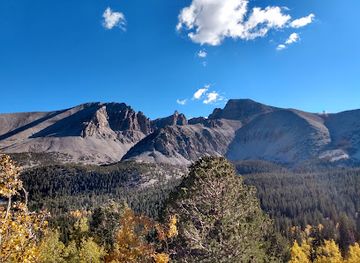
The region’s attractions are shaped by the meeting of desert basins and high mountain ranges. Great Basin National Park is the leading natural destination, combining Lehman Caves, Wheeler Peak, ancient bristlecone pines, high-elevation trails and varied wildlife habitats. The park also provides a clear introduction to the area’s geology, where uplifted ranges and eroded valleys form the characteristic Basin and Range landscape. Outside the park, the Ruby Mountains near Elko offer alpine scenery, lakes and demanding hiking, while the broad routes around US-50 provide changing views of sagebrush, playas and mining country. Ely’s Nevada Northern Railway National Historic Landmark interprets the region’s railway and copper-mining past through preserved industrial infrastructure and train operations. Austin and Eureka contribute historic streets, museums and surviving commercial buildings associated with nineteenth-century mining. Tonopah adds mining history and a strong dark-sky setting. Outdoor activities include hiking, scenic driving, wildlife observation, camping, photography and astronomy, but services are dispersed, weather is variable and many experiences require self-sufficiency.
-
National reserve
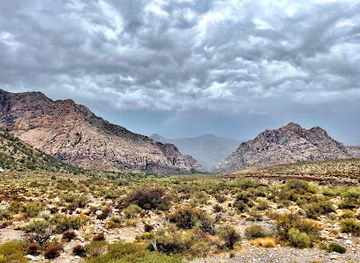
Red Rock Canyon National Conservation Area
Explore the breathtaking landscapes and thrilling adventures at Red Rock Canyon National Conservation Area, a natural wonder near Las Vegas.
-
State park
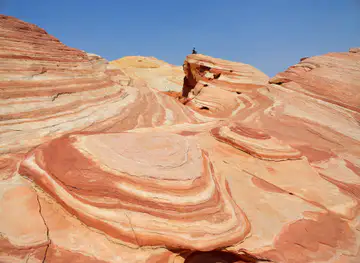
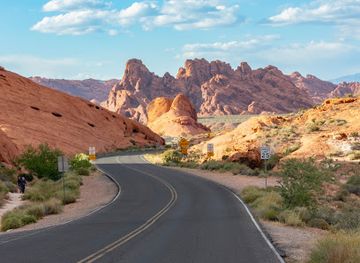
Valley of Fire State Park
Explore the breathtaking landscapes and ancient petroglyphs of Valley of Fire State Park, a natural gem in Nevada's desert wilderness.
-
Convenience store
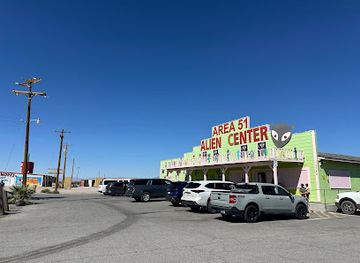
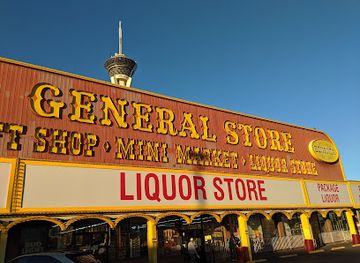
Area 51 Alien Center
Explore the Area 51 Alien Center: A quirky convenience store and tourist attraction immersed in UFO lore and extraterrestrial excitement in the Nevada desert.
-
National park
Great Basin National Park
Explore the breathtaking landscapes and ancient wonders of Great Basin National Park in Nevada, a natural paradise for outdoor enthusiasts and stargazers.
Best landmarks in Great Basin
-
 Casino hotel
Bellagio Hotel & Casino
Experience the luxury and excitement of Bellagio Hotel & Casino, featuring iconic fountains, exquisite dining, and world-class entertainment in Las Vegas.
-
Shopping mall
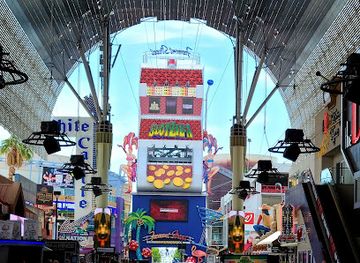
Fremont Street Experience
Explore the Fremont Street Experience, a vibrant pedestrian mall in Las Vegas featuring dazzling lights, live music, and a rich cultural heritage.
-
Hotel
The Venetian Las Vegas
Discover the romantic allure of Venice at The Venetian Las Vegas, a luxurious hotel and casino experience with gondola rides and exquisite dining.
-
Resort hotel
Luxor Hotel & Casino
Discover the Luxor Hotel & Casino, a pyramid-shaped resort offering luxury, entertainment, and excitement in the heart of Las Vegas.
Explore Great Basin on the map
Plan your trip on one map. See where the top cities, national parks and sights are, and book hotels and experiences in a few clicks.
Best hotels in Great Basin
Best restaurants in Great Basin
Dining in Nevada’s Great Basin is practical, locally rooted and closely tied to the needs of long-distance travellers. Ely, Baker, Austin, Eureka and Tonopah provide the broadest choice of cafés, diners, casual restaurants and accommodation-based dining, while smaller settlements may have limited service or irregular opening patterns. Menus often reflect wider western American traditions: burgers, steaks, sandwiches, Mexican-influenced dishes, breakfast plates and substantial food suited to cold mornings or long drives. Ranching remains important in the regional landscape, although not every product served locally is exclusively Great Basin in origin. Local bakeries, coffee shops and independent diners are useful places to understand the rhythm of each town. Farmers’ markets and small food producers may appear seasonally, but availability varies by community and time of year. Visitors should carry provisions for remote excursions, particularly when travelling towards trailheads or across long stretches of US-50, and should not assume that a late meal or specialist dietary option will be available outside the principal towns.
-
American
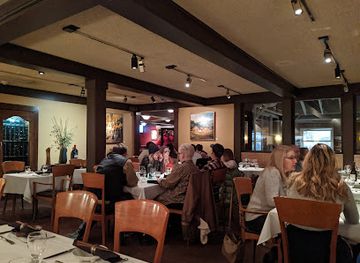
Wolfdale's Cuisine Unique
Discover exquisite American and Californian cuisine at Wolfdale's Cuisine Unique in Tahoe City, where every dish tells a story.
Best bars in Great Basin
Nightlife in Nevada’s Great Basin is modest and town-centred rather than built around large entertainment districts. Ely, Tonopah, Austin and Eureka have traditional bars, hotel lounges or locally oriented gathering places, while restaurants and cafés provide much of the evening social life. Historic mining communities retain a bar culture associated with long-distance travel and local conversation, but opening arrangements and available services can change. There is little reason to expect a major nightclub scene in the rural stretches between towns. Instead, evening activities often include live music when locally scheduled, dining, seasonal community events and stargazing. Baker and Great Basin National Park are particularly suited to quiet nights under dark skies, provided weather and moonlight cooperate. Visitors should drink responsibly, arrange a safe journey in advance and remember that distances between communities make taxis or ride-hailing unreliable in remote areas.
-
American
Peppermill and Fireside Lounge
Experience the retro charm of Peppermill and Fireside Lounge, a Las Vegas staple for American cuisine and vibrant cocktails in a nostalgic setting.
-
Bar
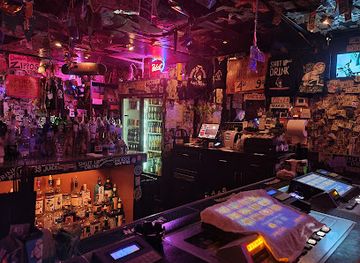
Double Down Saloon
Discover the unique charm of Double Down Saloon, a must-visit bar in Las Vegas, known for its eclectic decor, strong drinks, and vibrant atmosphere.
-
Bar
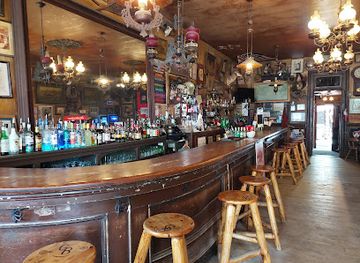
Genoa Bar and Saloon
Discover the charm of Genoa Bar and Saloon, Nevada's oldest saloon, where history meets hospitality in a lively atmosphere.
-
Brewpub
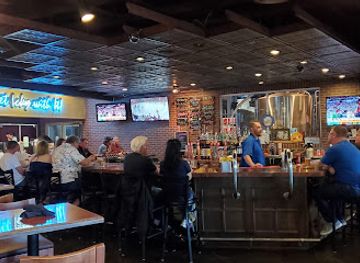
Great Basin Brewing Company ~ Reno
Experience the best of Reno with craft beers and delicious dishes at Great Basin Brewing Company, a celebrated brewpub with a lively atmosphere.
Best nightclubs in Great Basin
Nightlife in Nevada’s Great Basin is modest and town-centred rather than built around large entertainment districts. Ely, Tonopah, Austin and Eureka have traditional bars, hotel lounges or locally oriented gathering places, while restaurants and cafés provide much of the evening social life. Historic mining communities retain a bar culture associated with long-distance travel and local conversation, but opening arrangements and available services can change. There is little reason to expect a major nightclub scene in the rural stretches between towns. Instead, evening activities often include live music when locally scheduled, dining, seasonal community events and stargazing. Baker and Great Basin National Park are particularly suited to quiet nights under dark skies, provided weather and moonlight cooperate. Visitors should drink responsibly, arrange a safe journey in advance and remember that distances between communities make taxis or ride-hailing unreliable in remote areas.
-
American
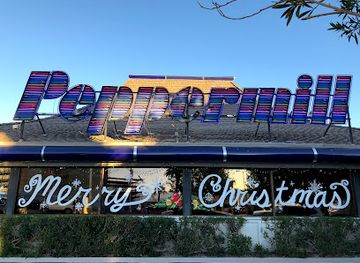
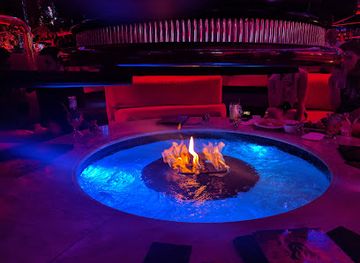
Peppermill and Fireside Lounge
Experience the iconic Peppermill and Fireside Lounge in Las Vegas, where classic American cuisine meets a vibrant cocktail bar atmosphere.
-
Club
Drai's Beachclub & Nightclub
Experience the ultimate nightlife at Drai's Beachclub & Nightclub, the perfect blend of a vibrant pool scene and electrifying club atmosphere in Las Vegas.
-
Night club
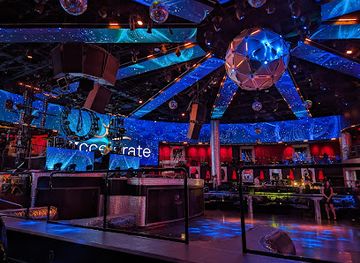
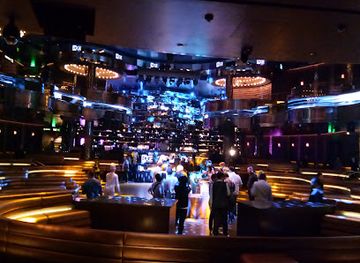
OMNIA Nightclub
Dance the night away at OMNIA Nightclub, a lavish venue in Las Vegas known for its stunning design and world-class music experience.
-
Night club
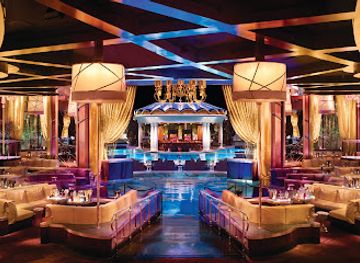
XS Nightclub
Immerse yourself in the luxurious nightlife of XS Nightclub, Las Vegas, where world-class DJs, vibrant crowds, and an unforgettable atmosphere await.
Best shops in Great Basin
Shopping in Nevada’s Great Basin is concentrated in small-town high streets rather than large retail centres. Ely, Tonopah, Austin and Eureka offer practical supplies, independent shops, galleries, antiques, books, Western-themed goods and locally made crafts, although selection and opening times vary. Historic districts and museum shops are useful places to find railway, mining and desert-themed items without confusing generic roadside souvenirs with regional history. Food purchases may include locally available beef, preserves, baked goods and other rural provisions, but supply is seasonal and not every town has a regular farmers’ market. Visitors can look for Native American arts and crafts through reputable, clearly identified sellers and should avoid purchasing anything presented as archaeological material. Outdoor equipment and fuel are important purchases before remote journeys, since specialist stock is limited once away from the main settlements. The most durable souvenirs are usually books about Great Basin geology and history, photography, locally produced art or responsibly sourced craftwork rather than items removed from the landscape.
-
Outlet mall
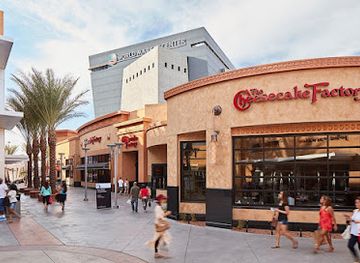
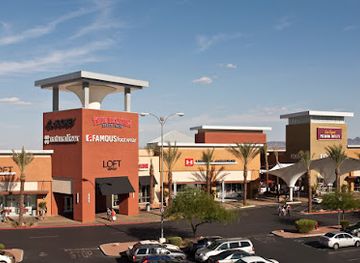
Las Vegas North Premium Outlets
Discover unbeatable deals and a vibrant shopping atmosphere at Las Vegas North Premium Outlets, the ultimate destination for savvy shoppers.
-
Outlet mall
Las Vegas South Premium Outlets
Explore unbeatable deals on designer brands at Las Vegas South Premium Outlets, the premier shopping destination in the entertainment capital of the world.
-
Gift shop
Bonanza Gift Shop
Explore the enchanting world of Bonanza Gift Shop in Las Vegas, where unique souvenirs, clothing, and jewelry await every visitor.
-
Toy store
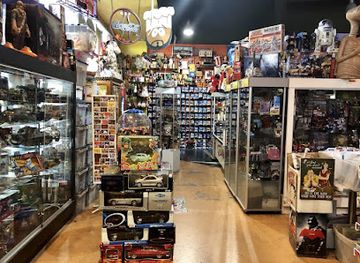
Toy Shack
Explore Toy Shack in Las Vegas, a vintage toy store filled with rare finds and childhood nostalgia for collectors and families alike.
Get your free copy of our complete guide to Great Basin, delivered straight to you.
Everything on this page, from attractions and restaurants to essentials and local phrases, in one PDF you can read offline, print or share.
Already have an account? Sign in
Your Great Basin guide is ready.
We'll send it to · Not you? Sign out

Getting your guide ready…
We are putting together a fresh copy of the Great Basin guide. This can take up to a minute.
This can take a few moments. If your browser asks, choose Allow so the download can start. You'll find the guide in your Downloads folder.
Nothing happened? Download it again
Sorry, the guide is taking longer than usual. Please try again in a minute, or get it by email instead.
Great Basin essentials
Currency and Payment
Safety
Emergency Situations
Do's and Don'ts
Local Tips
From Eve
Local phrases worth knowing
You don't need to get them perfect. A few words go a long way, and locals appreciate the effort.
Basics
| English | Local | Say it |
|---|---|---|
| Hello | Greetings | [Greet-ings] |
| Goodbye | Farewell | [Fare-well] |
| Yes | Yup | [Yup] |
| No | Nah | [Nah] |
| Please/You're welcome | You bet | [You bet] |
| Thank you | Thanks | [Thanks] |
| Excuse me/Sorry | Pardon | [Par-don] |
| How are you? | How's it going? | [How's it go-ing?] |
| Fine. And you? | Good. You? | [Good. You?] |
| Do you speak English? | Can you talk English? | [Can you talk Eng-lish?] |
| I don't understand | I don't get it | [I don't get it] |
Eating & Drinking
| English | Local | Say it |
|---|---|---|
| I'd like to see the menu, please | Can I see the menu? | [Can I see the men-u?] |
| I don't eat meat | I don't do meat | [I don't do meat] |
| Cheers! | Cheers! | [Cheers!] |
| I would like to pay, please | I'd like to settle up | [I'd like to set-tle up] |
Emergencies
| English | Local | Say it |
|---|---|---|
| Help! | Help! | [Help!] |
| Go away! | Leave me be! | [Leave me be!] |
| Call the Police! | Get the cops! | [Get the cops!] |
| Call a doctor! | Get a doctor! | [Get a doc-tor!] |
| I'm lost | I'm turned around | [I'm turned a-round] |
| I'm ill | I'm sick | [I'm sick] |
Shopping
| English | Local | Say it |
|---|---|---|
| I'd like to buy... | I want to buy... | [I want to buy...] |
| I'm just looking | Just browsing | [Just brows-ing] |
| How much is it? | What's the price? | [What's the price?] |
| That's too expensive | That's rich | [That's rich] |
| Can you lower the price? | Can you cut the price? | [Can you cut the price?] |
Time & Numbers
| English | Local | Say it |
|---|---|---|
| What time is it? | What's the time? | [What's the time?] |
| It's one o'clock | It's one | [It's one] |
| Half past (10) | Half past ten | [Half past ten] |
| Morning | Morning | [Morn-ing] |
| Afternoon | Afternoon | [Af-ter-noon] |
| Evening | Evening | [Eve-ning] |
| Yesterday | Yesterday | [Yes-ter-day] |
| Today | Today | [To-day] |
| Tomorrow | Tomorrow | [To-mor-row] |
| 1 | One | [One] |
| 2 | Two | [Two] |
| 3 | Three | [Three] |
| 4 | Four | [Four] |
| 5 | Five | [Five] |
| 6 | Six | [Six] |
| 7 | Seven | [Seven] |
| 8 | Eight | [Eight] |
| 9 | Nine | [Nine] |
| 10 | Ten | [Ten] |
Transport & Directions
| English | Local | Say it |
|---|---|---|
| Where's a/the...? | Where's the...? | [Where's the...?] |
| What's the address? | What’s the address? | [What’s the ad-dress?] |
| Can you show me (on the map)? | Can you point it out? | [Can you point it out?] |
| When's the next (bus)? | When's the next bus? | [When's the next bus?] |
| A ticket (to ....) | One ticket to ... | [One tick-et to ...] |
History of Great Basin
Indigenous Great Basin lifeways
For thousands of years, Indigenous peoples developed detailed knowledge of the Great Basin’s springs, wetlands, valleys and mountain resources. Western Shoshone, Northern Paiute, Southern Paiute and Goshute communities maintained seasonal patterns of movement and used plants, seeds, game and fish adapted to an arid environment. The region was never an empty wilderness before Euro-American settlement. Its cultural landscape includes living traditions as well as archaeological evidence, and visitors should avoid disturbing artefacts, rock shelters and other sensitive places.
Archaeology and the Fremont tradition
Archaeological evidence in parts of the eastern and central Great Basin records communities often associated with the Fremont tradition, which flourished in what is now Utah and neighbouring areas during the first and early second millennia. Their farming, hunting and gathering practices varied with local water supplies and altitude. Rock art, stone tools and other remains demonstrate long adaptation to the Basin and Range environment, although interpretations differ between sites. The wider archaeological record reinforces the region’s deep history before modern state boundaries existed.
Exploration and overland travel
Nineteenth-century expeditions and emigrant routes brought new maps and descriptions of Nevada’s interior to Euro-American audiences. The corridor later associated with the Pony Express and Overland Stage crossed the difficult country between the Sierra Nevada and Utah, relying on springs and isolated stations. Travel was demanding because mountain ranges, alkaline valleys and scarce reliable water shaped every route. Modern highways, including US-50, broadly follow the logic of these passages while making the distances less physically arduous.
Silver, gold and the mining towns
Mining transformed the region during the nineteenth century. Discoveries around Austin, Eureka, Ely and other settlements attracted prospectors, merchants, engineers and workers, producing boom towns as well as short-lived camps. Eureka developed around silver and lead mining, Austin around the Reese River silver rush, and Ely later became closely tied to copper. Historic commercial buildings, cemeteries, mine landscapes and local museums preserve aspects of this era, although many settlements experienced sharp cycles of growth and decline.
Railways, ranching and regional trade
Railway construction in the late nineteenth and early twentieth centuries connected Nevada’s mining districts with wider markets and helped establish Ely as an important transport and industrial centre. Ranching also became a durable presence in the valleys, using wells, springs and seasonal grazing within a challenging climate. Railways later declined in importance, but their influence remains visible in surviving depots, railway buildings, industrial structures and the street plans of towns that developed around transport and mineral production.
Conservation and the modern Great Basin
Twentieth-century conservation recognised the value of the region’s high mountains, cave systems, bristlecone pine forests, wildlife habitat and dark skies. Great Basin National Park was established in 1986, protecting a representative section of Nevada’s eastern mountain environment around Wheeler Peak and Lehman Caves. Today the region’s economy combines ranching, mining, government services, heritage tourism and outdoor recreation. Its low population density has also made astronomy and night-sky conservation important parts of its contemporary identity.
Great Basin in Photos
Browse through our photo collection highlighting the charm and character of the destination.
Neighbouring regions of Great Basin
The closest regions to Great Basin, if you have time for more than one.
-

-

-

-

-


Swipe for more regions
Explore more

Explore more of Nevada
Discover Nevada: From the bright lights of Las Vegas to the tranquil beauty of Lake Tahoe, Nevada offers a unique blend of excitement and natural wonder.
Explore Nevada