

Free Strafford County Travel Guide & Mobile App
Explore Strafford County with free travel guides. Discover regional history, expert tips, proposed trips, and audio guides on web or mobile app.


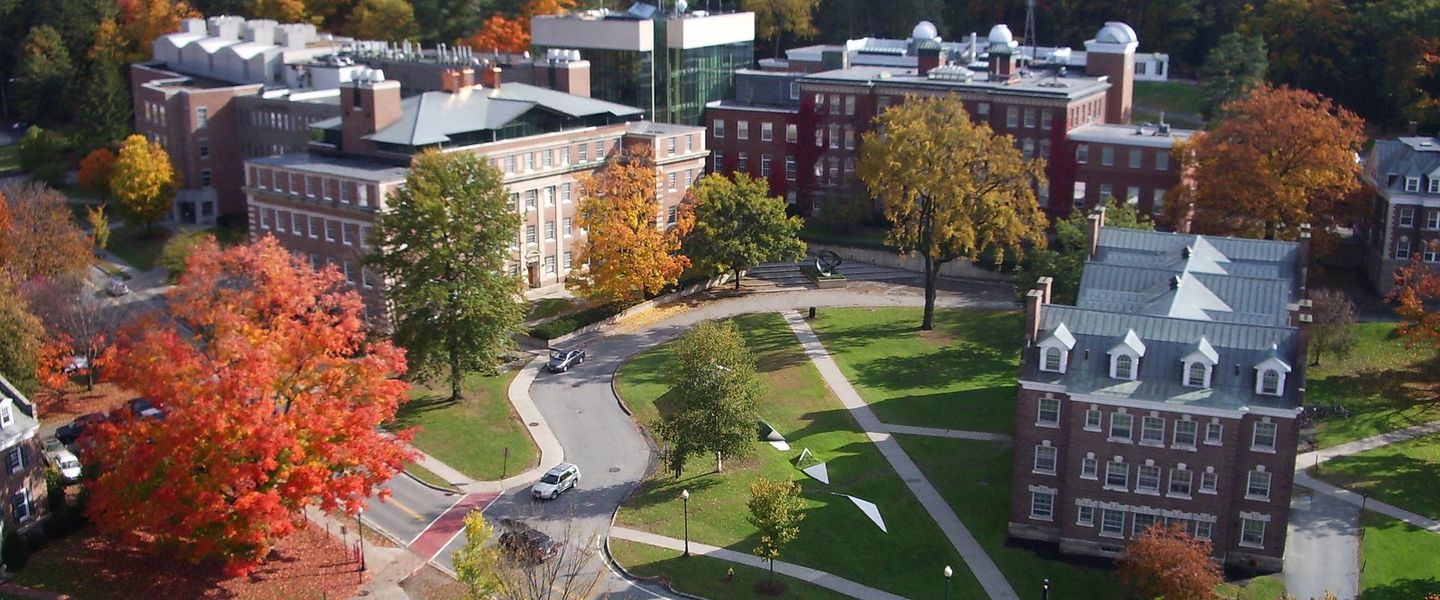


Explore Strafford County, New Hampshire, for historic river cities, former mill districts, university culture, farms, forests and outdoor escapes.
Read more about Strafford County
When is the best time to visit Strafford County?
Best: June–August · 24–27°C| Month | High (°C) | Rainfall (mm) |
|---|---|---|
| January | 0 | 90 |
| February | 2 | 80 |
| March | 7 | 95 |
| April | 14 | 100 |
| May | 19 | 105 |
| June (best) | 24 | 100 |
| July (best) | 27 | 105 |
| August (best) | 26 | 100 |
| September | 22 | 95 |
| October | 15 | 100 |
| November | 10 | 95 |
| December | 3 | 90 |
Getting to and around Strafford County
How to get there
Transportation
Destinations in Strafford County
Resorts, valleys and scenic spots worth a trip of their own.

Swipe for more destinations
Best attractions in Strafford County
Strafford County’s attractions range from compact urban museums to open countryside. In Dover, the Woodman Institute Museum explores local history, natural science and domestic life, while the Children’s Museum of New Hampshire offers hands-on exhibits for families. The city’s former mill districts, riverfront and historic neighbourhoods are attractions in their own right, particularly when combined with a walking tour. Rochester’s Rochester Opera House provides a setting for performances in a restored historic building, and the city’s Main Street gives a useful glimpse of its civic and commercial past. Durham’s University of New Hampshire adds galleries, performances, lectures and campus landscapes to the county’s cultural offering. Outside the cities, the New Hampshire Farm Museum in Milton interprets rural life through buildings, collections, animals and seasonal programmes. Woodlands, ponds, rivers and wetland habitats around Bellamy River and the Great Bay watershed support walking, birdwatching, paddling and nature study. Farms, farm stands and quiet back roads provide a slower alternative to the county’s urban heritage, although many rural attractions are dispersed and best reached by car.
-
Park
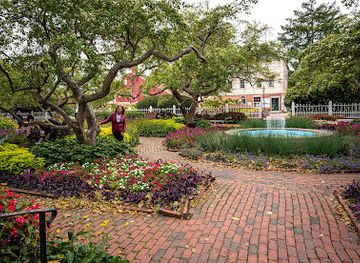
Prescott Park
Explore the natural beauty and vibrant community events at Prescott Park in Portsmouth, NH, a perfect blend of relaxation and cultural experiences.
-
Water park
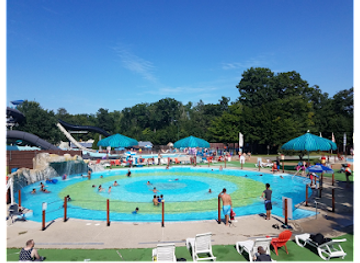
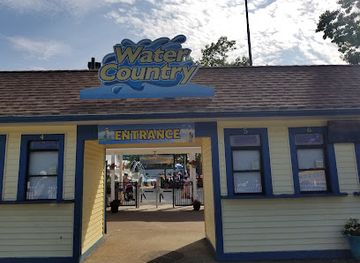
Water Country Water Park
Discover endless aquatic adventures at Water Country Water Park in Portsmouth, NH, a premier destination for family fun and relaxation under the sun.
-
Local history museum
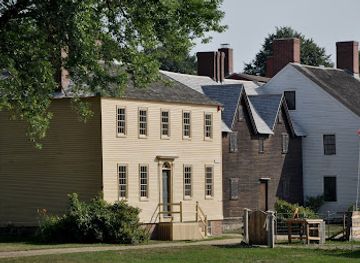
Strawbery Banke Museum
Explore the enchanting Strawbery Banke Museum, an outdoor history museum showcasing Portsmouth's rich heritage and culture through interactive exhibits and historic homes.
-
Historical place museum
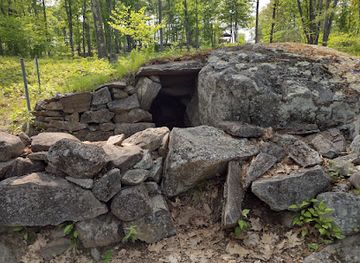
America's Stonehenge
Explore the ancient mysteries of America's Stonehenge in Salem, NH, where history and nature converge in a fascinating tourist attraction.

Best landmarks in Strafford County
-
Park
Prescott Park
Explore Prescott Park, a serene waterfront haven in Portsmouth, NH, featuring beautiful gardens, cultural events, and stunning views for an unforgettable experience.
-
Water park
Water Country Water Park
Experience thrilling water rides and family-friendly attractions at Water Country Water Park in Portsmouth, New Hampshire, a top summer destination for fun!
-
State park
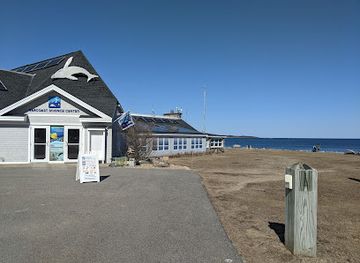
Odiorne Point State Park
Explore the natural beauty and rich biodiversity of Odiorne Point State Park, a coastal gem in New Hampshire ideal for outdoor enthusiasts and families.
-
Park
Livingston Park
Unwind at Livingston Park, Manchester's serene oasis featuring lush landscapes, playgrounds, and recreational activities for all ages.
Explore Strafford County on the map
Plan your trip on one map. See where the top cities, national parks and sights are, and book hotels and experiences in a few clicks.
Best hotels in Strafford County
Best restaurants in Strafford County
Dining in Strafford County reflects both southern New Hampshire’s New England traditions and the changing population of its university and mill communities. Dover has the broadest concentration of restaurants, cafés, bakeries, pubs and international food, with many establishments occupying or complementing former industrial buildings. Rochester and Somersworth provide further everyday dining, while Durham’s university population supports casual restaurants, coffee shops and a more varied budget-conscious scene. Regional specialities are often experienced through ingredients rather than a single county dish: apples, maple syrup, seasonal vegetables, baked goods, farm eggs and locally raised meat appear at farm stands, cafés and markets. Seafood is widely available because of the county’s proximity to the New Hampshire and Maine coast, although Strafford County itself is not a major oceanfront destination. Look for New England staples such as clam chowder, oysters from the wider coastal region, roast dishes and cider, alongside craft beer and contemporary American cooking. Rural inns and farm-oriented venues offer a quieter setting, but opening patterns can be seasonal.
-
Restaurant
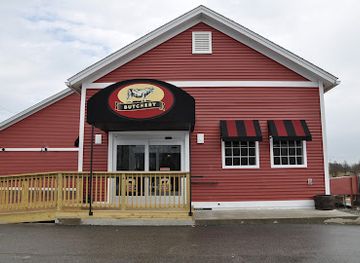
Tuckaway Tavern and Butchery
Discover the unique flavors of Tuckaway Tavern and Butchery in Raymond, NH – where quality meets local charm.
-
Grill
The Farm Bar and Grille
Discover delightful local flavors at The Farm Bar and Grille in Dover - where fresh ingredients meet warm hospitality.
-
Family-friendly
Strafford Farms Restaurant
Experience family-friendly dining at Strafford Farms Restaurant in Dover, NH—where delicious meals meet warm hospitality.
-
New American
Ember Wood Fired Grill
Discover Ember Wood Fired Grill in Dover, NH: A New American dining experience with wood-fired delights and an inviting ambiance.


Best bars in Strafford County
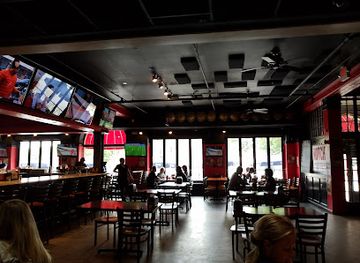
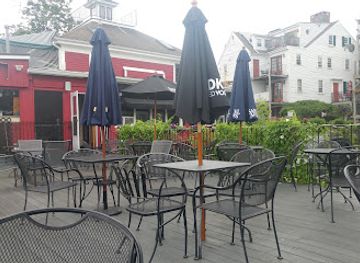
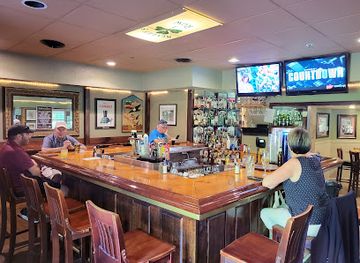
Evening life in Strafford County is centred on pubs, restaurants, breweries, live performances and community events rather than a large nightclub district. Dover has the county’s most concentrated choice, with historic-looking pubs, modern bars, casual dining rooms and venues that host music or other performances. The city’s compact centre makes it practical to move between dinner and an evening drink without relying on a car. Durham’s university population brings a younger nightlife calendar, particularly during the academic year, while Rochester and Somersworth offer local bars, restaurants and occasional live entertainment. In the rural towns, evenings are more likely to revolve around a traditional tavern, seasonal event, brewery visit or meal at a country property than late-night clubs. Visitors should check current arrangements for performances and venues, as programming and opening patterns change. Responsible drinking is important, especially where rural roads and limited late-night transport make driving a poor option.
-
Grill
Thirsty Moose Tap House- Dover
Discover the lively Thirsty Moose Tap House in Dover, NH for delicious craft beer, mouthwatering wings, and a fun atmosphere perfect for tourists.
-
Grill
The Farm Bar and Grille
Discover the taste of New Hampshire at The Farm Bar and Grille, where locally-sourced ingredients meet a cozy atmosphere.
-
Bar
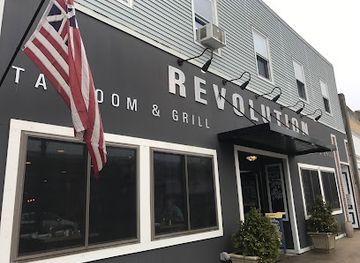
Revolution Taproom & Grill
Savor local flavors and craft brews at Revolution Taproom & Grill, the perfect spot for tourists in Rochester, NH.
-
American
Kelley's Row Restaurant & Pub
Experience the best of American and Irish cuisine at Kelley's Row Restaurant & Pub in Somersworth, NH, where great food meets a cozy atmosphere.
Best nightclubs in Strafford County
Evening life in Strafford County is centred on pubs, restaurants, breweries, live performances and community events rather than a large nightclub district. Dover has the county’s most concentrated choice, with historic-looking pubs, modern bars, casual dining rooms and venues that host music or other performances. The city’s compact centre makes it practical to move between dinner and an evening drink without relying on a car. Durham’s university population brings a younger nightlife calendar, particularly during the academic year, while Rochester and Somersworth offer local bars, restaurants and occasional live entertainment. In the rural towns, evenings are more likely to revolve around a traditional tavern, seasonal event, brewery visit or meal at a country property than late-night clubs. Visitors should check current arrangements for performances and venues, as programming and opening patterns change. Responsible drinking is important, especially where rural roads and limited late-night transport make driving a poor option.
-
Night club
Island Boi’s Club
Discover the vibrant nightlife at Island Boi’s Club in Strafford, NH, where music, drinks, and a lively atmosphere await you.
Best shops in Strafford County
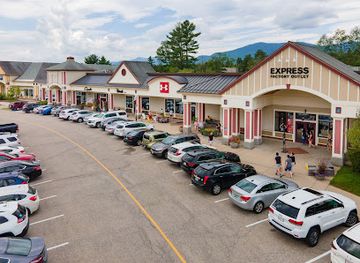
Shopping in Strafford County is strongest in its historic city centres and town centres rather than in a single major retail district. Dover offers independent shops, bookshops, galleries, clothing and gift retailers, cafés and services around its downtown streets, with former mill buildings adding character to the commercial landscape. Rochester provides a broader practical retail base and a traditional Main Street setting, while Somersworth has local services and smaller-scale shopping. Durham’s shops and cafés reflect its university population, with books, clothing, food and everyday goods oriented partly towards students and residents. For regional products, farm stands and seasonal markets are useful places to find apples, maple syrup, honey, preserves, baked goods, flowers and locally produced crafts. Antique, vintage and craft shopping is scattered rather than concentrated, so opening arrangements should be checked before travelling to a particular rural business. Visitors seeking handmade pottery, artwork, textiles or distinctive food gifts will generally find more character in independent shops and farm outlets than in generic souvenir retail.
-
Shopping mall
The Mall of New Hampshire
Explore The Mall of New Hampshire, your ultimate shopping destination with diverse stores, delightful dining, and vibrant entertainment in Manchester.
-
Outlet mall
Tanger Outlets Tilton
Discover unbeatable deals and a diverse selection of stores at Tanger Outlets Tilton, the ultimate shopping destination in New Hampshire.
-
Outlet mall
Settlers Green Outlet Village
Discover unbeatable deals at Settlers Green Outlet Village in North Conway, NH, where shopping meets stunning mountain views.
-
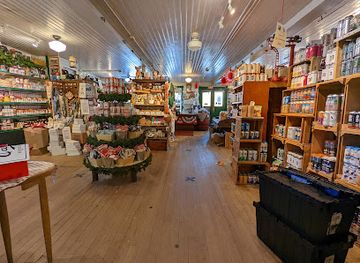
Gift shop
Calef's Country Store
Discover the charm of Calef's Country Store in Barrington, NH, where unique gifts, local cheeses, and deli delights await every traveler.


Get your free copy of our complete guide to Strafford County, delivered straight to you.
Everything on this page, from attractions and restaurants to essentials and local phrases, in one PDF you can read offline, print or share.
Already have an account? Sign in
Your Strafford County guide is ready.
We'll send it to · Not you? Sign out

Getting your guide ready…
We are putting together a fresh copy of the Strafford County guide. This can take up to a minute.
This can take a few moments. If your browser asks, choose Allow so the download can start. You'll find the guide in your Downloads folder.
Nothing happened? Download it again
Sorry, the guide is taking longer than usual. Please try again in a minute, or get it by email instead.
Strafford County essentials
Currency and Payment
Safety
Emergency Situations
Do's and Don'ts
Local Tips
From Eve
Local phrases worth knowing
You don't need to get them perfect. A few words go a long way, and locals appreciate the effort.
Basics
| English | Local | Say it |
|---|---|---|
| Hello | Hi | [Hai] |
| Goodbye | See you later | [Si yu layta] |
| Yes | Yeah | [Yea] |
| No | Nope | [Nope] |
| Please/You're welcome | Sure thing | [Shur thing] |
| Thank you | Thanks | [Thangs] |
| Excuse me/Sorry | Sorry | [Sori] |
| How are you? | How ya doin'? | [How ya doin'?] |
| Fine. And you? | Good. You? | [Good. Yu?] |
| Do you speak English? | Do ya speak English? | [Do ya speak English?] |
| I don't understand | I don't get it | [I don't get it] |
Eating & Drinking
| English | Local | Say it |
|---|---|---|
| I'd like to see the menu, please | Can I see the menu? | [Can I see the menu?] |
| I don't eat meat | I'm a vegetarian | [I'm a vegetarian] |
| Cheers! | Cheers! | [Cheers!] |
| I would like to pay, please | Can I get the check? | [Can I get the check?] |
Emergencies
| English | Local | Say it |
|---|---|---|
| Help! | Help! | [Help!] |
| Go away! | Get lost! | [Get lost!] |
| Call the Police! | Call the cops! | [Call the cops!] |
| Call a doctor! | Get a doctor! | [Get a doctor!] |
| I'm lost | I'm turned around | [I'm turned around] |
| I'm ill | I'm not feeling well | [I'm not feeling well] |
Shopping
| English | Local | Say it |
|---|---|---|
| I'd like to buy... | I wanna buy... | [I wanna buy...] |
| I'm just looking | Just browsing | [Just browsing] |
| How much is it? | What’s the price? | [What’s the price?] |
| That's too expensive | That costs too much | [That costs too much] |
| Can you lower the price? | Can you make it cheaper? | [Can you make it cheaper?] |
Time & Numbers
| English | Local | Say it |
|---|---|---|
| What time is it? | What time is it? | [What time is it?] |
| It's one o'clock | It's one | [It's one] |
| Half past (10) | Half past ten | [Half past ten] |
| Morning | Morning | [Morning] |
| Afternoon | Afternoon | [Afternoon] |
| Evening | Evening | [Evening] |
| Yesterday | Yesterday | [Yesterday] |
| Today | Today | [Today] |
| Tomorrow | Tomorrow | [Tomorrow] |
| 1 | One | [Wun] |
| 2 | Two | [Too] |
| 3 | Three | [Three] |
| 4 | Four | [For] |
| 5 | Five | [Fyv] |
| 6 | Six | [Siks] |
| 7 | Seven | [Sev-en] |
| 8 | Eight | [Ayt] |
| 9 | Nine | [Nyn] |
| 10 | Ten | [Ten] |
Transport & Directions
| English | Local | Say it |
|---|---|---|
| Where's a/the...? | Where's a...? | [Where's a...?] |
| What's the address? | What’s the address? | [What’s the address?] |
| Can you show me (on the map)? | Can you point it out? | [Can you point it out?] |
| When's the next (bus)? | When's the next bus? | [When's the next bus?] |
| A ticket (to ....) | A ticket to ... | [A ticket to ...] |
History of Strafford County
Abenaki Homelands and Early Settlement
Before European colonisation, the region was part of the wider homelands and travel networks of Western Abenaki peoples, who used its rivers, forests and wetlands for fishing, hunting, gathering and movement. English settlers established a community at Hilton’s Point, in present-day Dover, in 1623. The settlement’s position near the Piscataqua and Cochecho rivers made it strategically useful for trade and timber, but colonisation also brought conflict, land loss and disease for Indigenous communities. The county’s later towns developed from this early river-based pattern of settlement.
The Oyster River and Colonial Frontier
During the late seventeenth century, settlements around Dover, Oyster River and the Salmon Falls area stood on a contested frontier between English colonial communities and Native nations allied with or resisting English expansion. The Oyster River Massacre of 1694, in present-day Durham, was one of the most devastating attacks of King William’s War in New Hampshire. It exposed the vulnerability of scattered farms and garrison houses and left a lasting mark on local historical memory. Historic homes, reconstructed sites and museum collections help interpret this difficult period.
Waterpower, Timber and River Commerce
The rivers of Strafford County supported sawmills, gristmills and small manufacturing operations from the colonial period onwards. Dover’s Cochecho River and the Salmon Falls system at Somersworth and Rollinsford became especially important sources of waterpower. Timber, agricultural goods and manufactured products moved through regional waterways and roads, linking inland settlements with the Piscataqua and wider New England markets. This water-oriented economy established the physical foundations for the more intensive industrial development that followed in the nineteenth century.
Industrial Textile Towns in the Nineteenth Century
The Industrial Revolution reshaped Dover, Rochester and Somersworth. Textile companies built large brick mills beside rivers, installed increasingly sophisticated machinery and recruited workers from rural New England and overseas. Dover’s mills became associated with cotton and woollen production, while Somersworth and Rochester also developed substantial manufacturing bases. Mill employment encouraged urban growth, tenement construction, churches, shops and civic institutions. Although much textile production later declined or disappeared, converted mills, canals, dams and dense historic streets still reveal the scale of the county’s industrial past.
Railways and the Expansion of Regional Markets
Railway development in the nineteenth century connected Strafford County’s mill towns and agricultural districts with Boston, Portland, the New Hampshire interior and the seacoast. Rail transport reduced the cost and time of moving raw materials, finished textiles, farm produce and passengers. Stations helped reinforce the importance of Dover and Rochester as commercial centres, while smaller communities gained more direct access to regional markets. Modern passenger rail continues to give Dover a useful connection to southern New Hampshire and Boston, although the historic railway network was once considerably more extensive.
The University of New Hampshire in Durham
The institution now known as the University of New Hampshire began as the New Hampshire College of Agriculture and the Mechanic Arts in 1866 and moved from Hanover to Durham in 1893. Its arrival strengthened Durham’s educational and economic role and connected the county to agricultural research, engineering, environmental science and the wider cultural life of a major public university. The campus and its surrounding community have continued to influence housing, transport, arts programming and employment across southeastern New Hampshire.
From Mill Economy to Regional Service Centre
During the twentieth century, textile closures and manufacturing changes altered the fortunes of Strafford County’s river cities. Former industrial communities adapted through education, healthcare, retail, advanced manufacturing, technology and service industries. Historic mill buildings gained new uses, while Dover experienced notable downtown renewal without losing its industrial framework. Rochester and Somersworth remain important employment and civic centres, and the county’s rural towns continue to combine agriculture, forestry and residential development. Today’s landscape records both the endurance of older industries and the county’s transition to a diversified regional economy.
Strafford County in Photos
Browse through our photo collection highlighting the charm and character of the destination.
Neighbouring regions of Strafford County
The closest regions to Strafford County, if you have time for more than one.
-

-

-
-

-


Swipe for more regions
Explore more

Explore more of New Hampshire
Discover New Hampshire: Explore the majestic White Mountains, serene lakes, and historic towns in the heart of New England's enchanting landscapes.
Explore New Hampshire