

Seacoast Region Travel Guide - Free Web & App
Your ultimate guide to Seacoast Region. Discover top landmarks, proposed trips, and local tips. Free on the web or via the Evendo companion app.


Seacoast Region, New Hampshire combines Atlantic beaches, Portsmouth history, tidal landscapes, seafood, lighthouses and four-season outdoor adventures.
Coastal Landscapes and Tidal Country
New Hampshire’s Seacoast Region is a compact but varied stretch of Atlantic frontage, extending from the Piscataqua River and Portsmouth in the north to Seabrook and the Massachusetts border in the south. Its identity is shaped by beaches, salt marshes, tidal rivers, rocky headlands and working harbours rather than by one continuous resort strip. Hampton Beach is the best-known seaside centre, while Rye, North Hampton, New Castle and Seabrook offer a quieter coastal character. Offshore, the Isles of Shoals form a distinctive group of rocky islands visible from parts of the mainland and closely associated with the wider Seacoast landscape.Read more about Seacoast Region
History, Harbour and Living Culture
Exploring the Region
When is the best time to visit Seacoast Region?
Best: June–August · 24–27°C| Month | High (°C) | Rainfall (mm) |
|---|---|---|
| January | 2 | 85 |
| February | 3 | 75 |
| March | 8 | 91 |
| April | 14 | 86 |
| May | 19 | 90 |
| June (best) | 24 | 86 |
| July (best) | 27 | 91 |
| August (best) | 26 | 95 |
| September | 21 | 90 |
| October | 16 | 85 |
| November | 10 | 91 |
| December | 3 | 96 |
Getting to and around Seacoast Region
How to get there
Transportation
Best attractions in Seacoast Region
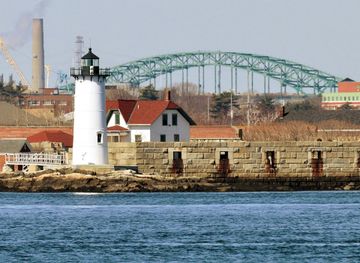
Portsmouth’s historic waterfront and Strawbery Banke Museum provide the region’s richest concentration of cultural attractions, while the USS Albacore offers a distinctive insight into twentieth-century submarine design. Along the shore, Hampton Beach State Park is the best-known destination for broad sandy beach, swimming conditions subject to local warnings and a traditional resort atmosphere. Odiorne Point State Park in Rye combines rocky coastline, open lawns, walking areas and the Seacoast Science Center, which interprets Gulf of Maine marine life and habitats. Fort Constitution Historic Site and Portsmouth Harbor Lighthouse stand at the entrance to Portsmouth Harbor in New Castle, while nearby beaches and marshes in Rye, North Hampton and Seabrook offer quieter coastal scenery. Boat trips may explore Portsmouth Harbor or the Isles of Shoals, an offshore island group associated with the wider Seacoast, weather and operator arrangements permitting. Tidal rivers, salt marshes and protected shorelines add wildlife-watching opportunities beyond the main beach resorts.
-
Tourist attraction
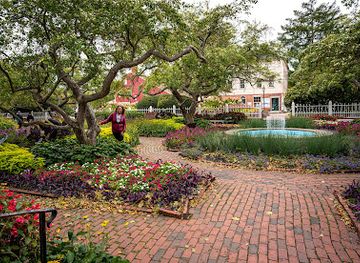
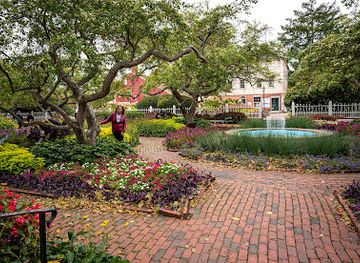
Prescott Park
Experience the beauty and tranquility of Prescott Park, a historic gem in Portsmouth, New Hampshire, perfect for relaxation and cultural events.
-
Whale watching tour agency
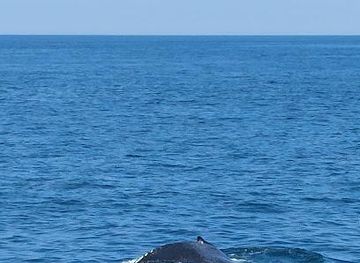
Cape Ann Whale Watch
Experience the thrill of whale watching at Cape Ann Whale Watch in Gloucester, Massachusetts – a must-see for marine life enthusiasts and adventure seekers alike.
-
Tourist attraction
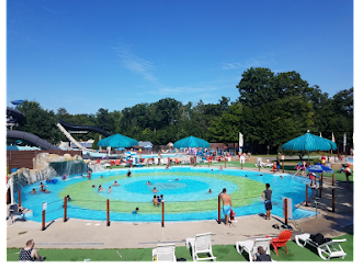
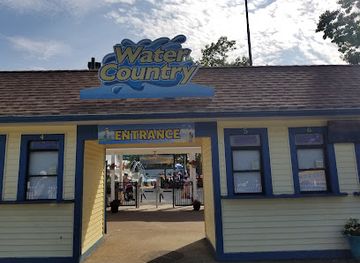
Water Country Water Park
Discover the ultimate summer fun at Water Country Water Park in Portsmouth, NH, with thrilling rides, relaxing pools, and family-friendly attractions.
-
Museum
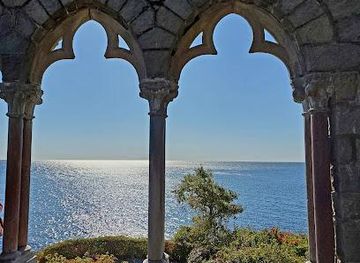
Hammond Castle Museum
Explore the enchanting Hammond Castle Museum in Gloucester, MA, where history meets breathtaking coastal beauty in a unique architectural gem.
Best landmarks in Seacoast Region
The Piscataqua River is the geographical and historical anchor of the northern Seacoast, forming Portsmouth Harbor and separating New Hampshire from Maine. Portsmouth Harbor Lighthouse at Fort Constitution marks the harbour entrance and remains one of the region’s most recognisable maritime features. The Isles of Shoals, visible offshore in suitable conditions, are a prominent island group shared geographically with the wider Gulf of Maine and associated with the coastal history of both New Hampshire and Maine. Hampton Beach, with its long sandy frontage and built-up resort setting, is a contrasting landmark of leisure tourism. Odiorne Point’s rocky shore, tidal inlets and open coastal landscape represent the region’s natural side, while Strawbery Banke’s preserved buildings and neighbourhood layout embody Portsmouth’s colonial and maritime development. Together, these landmarks show how harbour, ocean, settlement and recreation have shaped the Seacoast.
-
Park
Prescott Park
Explore Prescott Park, a serene waterfront haven in Portsmouth, NH, featuring beautiful gardens, cultural events, and stunning views for an unforgettable experience.
-
Water park
Water Country Water Park
Experience thrilling water rides and family-friendly attractions at Water Country Water Park in Portsmouth, New Hampshire, a top summer destination for fun!
-
State park
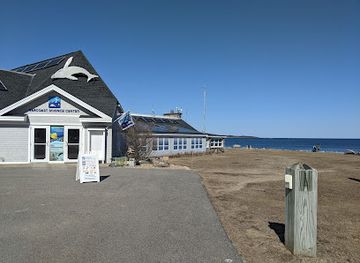
Odiorne Point State Park
Explore the natural beauty and rich biodiversity of Odiorne Point State Park, a coastal gem in New Hampshire ideal for outdoor enthusiasts and families.
-
Park
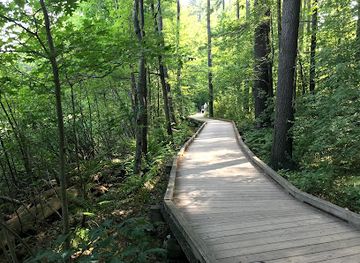
Livingston Park
Unwind at Livingston Park, Manchester's serene oasis featuring lush landscapes, playgrounds, and recreational activities for all ages.
Explore Seacoast Region on the map
Plan your trip on one map. See where the top attractions, landmarks, restaurants and hotels are, and book hotels and experiences in a few clicks.
Best hotels in Seacoast Region
Best restaurants in Seacoast Region
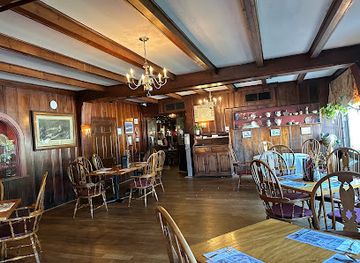
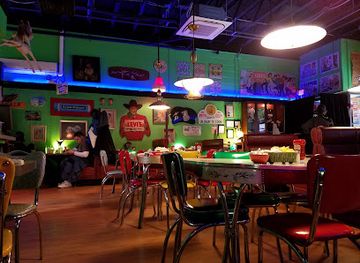
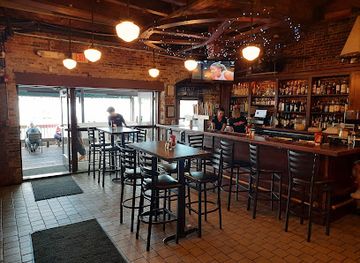
Dining in the Seacoast Region ranges from Portsmouth’s independent restaurants, cafés, bakeries and brew-focused venues to seasonal seafood counters and family establishments in the beach communities. Fish and shellfish are part of the area’s coastal identity, although menus also reflect New England traditions such as clam chowder, lobster rolls and fried seafood; availability and preparation vary between establishments. Portsmouth provides the broadest choice, particularly around Market Square, the waterfront and nearby streets, while Hampton, Rye and other coastal towns offer more concentrated options linked to the summer season. Farm produce, locally made beer and the wider New England emphasis on fresh regional ingredients also shape contemporary menus. Visitors staying in parks or on the coast should not assume that a restaurant is close by, as services become more dispersed away from Portsmouth and the main resort centres.
-
Breakfast
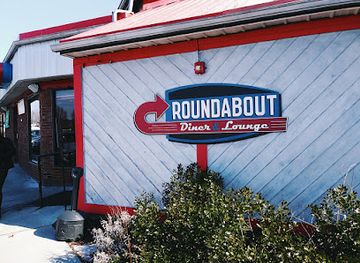
Roundabout Diner and Lounge
Discover the joy of breakfast at Roundabout Diner and Lounge in Portsmouth, NH - where delicious meals meet a warm family atmosphere.
-
Seafood
Old Salt Restaurant at Lamies Inn
Experience exquisite seafood dining at Old Salt Restaurant at Lamies Inn in Hampton, NH – where local flavors meet coastal charm.
-
Brunch
The Friendly Toast
Experience delightful brunch at The Friendly Toast in Portsmouth - where retro charm meets modern flavors for an unforgettable dining experience.
-
Seafood
River House
Experience exquisite seafood dining at River House in Portsmouth, NH - where fresh flavors meet stunning waterfront views.
Best bars in Seacoast Region
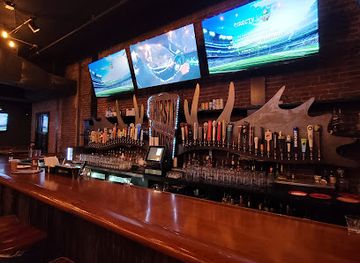
Evening life is concentrated in Portsmouth, where pubs, breweries, cocktail bars, restaurants with late service and occasional live performances create the Seacoast’s most varied night-time atmosphere. The city’s historic centre is compact enough for visitors to move between many venues on foot, although individual opening patterns and entertainment programmes vary. Hampton Beach has a more seasonal resort character, with boardwalk entertainment, casual bars and venues that are busiest during the summer, while smaller communities such as Rye, New Castle and Seabrook are generally quieter and oriented towards local pubs or dining rather than nightclubs. In coastal parks and residential villages, evenings are more likely to involve harbour walks, outdoor seating during warmer months or low-key hospitality. Visitors should plan transport carefully if drinking outside their accommodation base, particularly where public transport is limited.
-
Grill
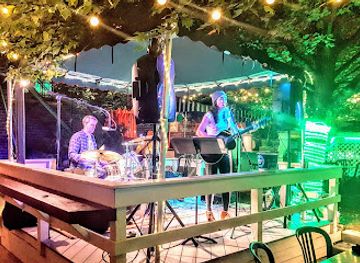
Thirsty Moose Tap House - Portsmouth
Experience the vibrant flavors and lively atmosphere at Thirsty Moose Tap House in Portsmouth, offering delicious food, craft beers, and live music.
-
Bar
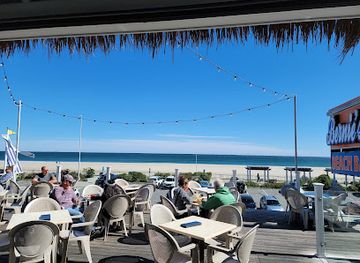
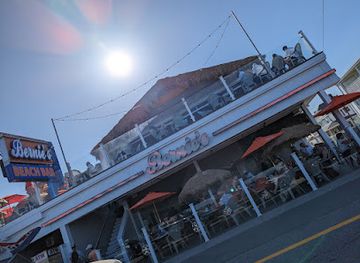
Bernie's Beach Bar
Discover the ultimate beachside experience at Bernie's Beach Bar, where refreshing drinks and lively entertainment meet stunning ocean views.
-
American
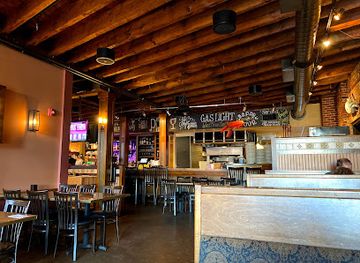
Portsmouth Gas Light Co.
Indulge in delicious American cuisine and live music at Portsmouth Gas Light Co. - a vibrant spot for food lovers and night owls.
-
Grill
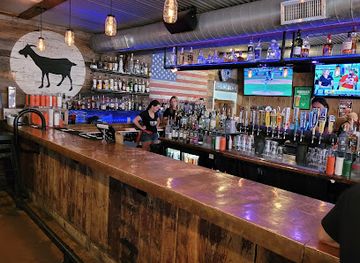
The Goat
Experience the vibrant flavors of coastal New Hampshire at The Goat, where great food and drinks meet a lively atmosphere.

Best nightclubs in Seacoast Region
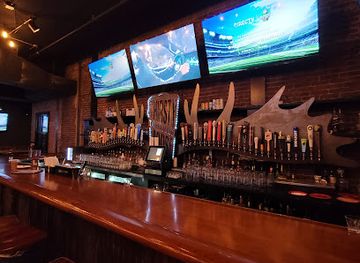
Evening life is concentrated in Portsmouth, where pubs, breweries, cocktail bars, restaurants with late service and occasional live performances create the Seacoast’s most varied night-time atmosphere. The city’s historic centre is compact enough for visitors to move between many venues on foot, although individual opening patterns and entertainment programmes vary. Hampton Beach has a more seasonal resort character, with boardwalk entertainment, casual bars and venues that are busiest during the summer, while smaller communities such as Rye, New Castle and Seabrook are generally quieter and oriented towards local pubs or dining rather than nightclubs. In coastal parks and residential villages, evenings are more likely to involve harbour walks, outdoor seating during warmer months or low-key hospitality. Visitors should plan transport carefully if drinking outside their accommodation base, particularly where public transport is limited.
-
Night club
Thirsty Moose Tap House - Portsmouth
Discover Portsmouth's Thirsty Moose Tap House - where delicious food, craft beer, and live music create an unforgettable nightlife experience.
-
Bar
Bernie's Beach Bar
Discover the perfect blend of relaxation and fun at Bernie's Beach Bar, a prime destination on Hampton Beach for unforgettable coastal experiences.
-
American
Portsmouth Gas Light Co.
Enjoy a lively dining experience at Portsmouth Gas Light Co. with American cuisine, live music, and a vibrant atmosphere perfect for tourists.
-
Grill
The Goat
Experience The Goat in Portsmouth, NH, where delightful grilled dishes and a vibrant atmosphere create unforgettable dining moments.
Best shops in Seacoast Region
Portsmouth is the Seacoast’s principal shopping centre, with independent shops, galleries, bookshops, clothing retailers, craft businesses and food specialists concentrated around its historic streets and waterfront area. The city is a useful place to look for New England-made goods, maritime-themed items, locally produced food and work by regional artists, although individual stock changes. Hampton and the other beach communities have a more seasonal retail scene, including practical beach equipment, casual clothing, souvenirs and small food outlets. Farm stands and local producers appear in the wider rural hinterland, while groceries and basic supplies are easier to find in established towns than near isolated parks or beaches. The Seacoast does not function as a single large shopping district, so visitors seeking specialist goods or independent crafts should allow time to explore Portsmouth rather than expecting extensive retail facilities at every coastal attraction.
-
Metaphysical supply store
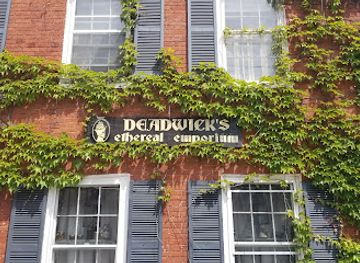
Deadwick's Ethereal Emporium
Immerse yourself in the mystical ambiance of Deadwick's Ethereal Emporium, a premier metaphysical supply store in Portsmouth, NH, perfect for spiritual seekers.
-
Gift shop
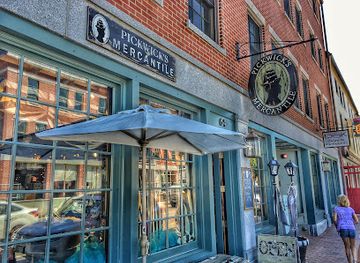
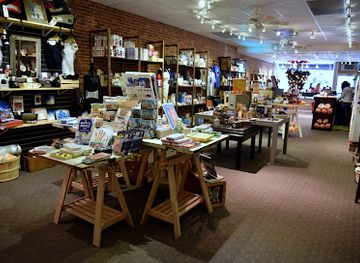
Pickwick's Mercantile
Explore the charm of Pickwick's Mercantile in Portsmouth, NH, where unique gifts and local treasures await every visitor.
-
Gift shop
Off Piste
Explore Off Piste, a delightful gift shop in Portsmouth, NH, offering unique novelties and local treasures for every traveler.
-
Gift shop
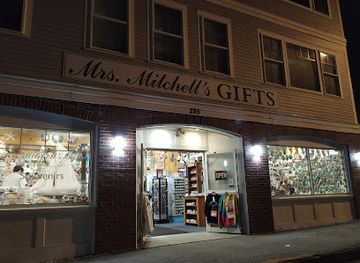
Mrs. Mitchell's Country Shop
Explore Mrs. Mitchell's Country Shop for unique gifts and local treasures in the heart of Hampton Beach, New Hampshire.
Get your free copy of our complete guide to Seacoast Region, delivered straight to you.
Everything on this page, from attractions and restaurants to essentials and local phrases, in one PDF you can read offline, print or share.
Already have an account? Sign in
Your Seacoast Region guide is ready.
We'll send it to · Not you? Sign out

Getting your guide ready…
We are putting together a fresh copy of the Seacoast Region guide. This can take up to a minute.
This can take a few moments. If your browser asks, choose Allow so the download can start. You'll find the guide in your Downloads folder.
Nothing happened? Download it again
Sorry, the guide is taking longer than usual. Please try again in a minute, or get it by email instead.
Seacoast Region essentials
Currency and Payment
Safety
Emergency Situations
Do's and Don'ts
Local Tips
From Eve
Local phrases worth knowing
You don't need to get them perfect. A few words go a long way, and locals appreciate the effort.
Basics
| English | Local | Say it |
|---|---|---|
| Hello | Hey there | [hey thair] |
| Goodbye | See ya | [see yah] |
| Yes | Yup | [yuhp] |
| No | Nah | [nuh] |
| Please/You're welcome | Sure thing | [shoor thing] |
| Thank you | Thanks | [thanks] |
| Excuse me/Sorry | Pardon me | [pahr-dun me] |
| How are you? | How's it goin'? | [hows it goin] |
| Fine. And you? | Doing alright. You? | [doin alright. yuh?] |
| Do you speak English? | Ya speak English? | [yah speak ing-glish?] |
| I don't understand | I don't get it | [I don't get it] |
Eating & Drinking
| English | Local | Say it |
|---|---|---|
| I'd like to see the menu, please | Let me check out the menu, please | [let me check out the menu, please] |
| I don't eat meat | I don't do meat | [I don't do meat] |
| Cheers! | Cheers! | [Cheers!] |
| I would like to pay, please | I'll settle up, please | [I'll settle up, please] |
Emergencies
| English | Local | Say it |
|---|---|---|
| Help! | Help! | [Help!] |
| Go away! | Get lost! | [get lost!] |
| Call the Police! | Call the cops! | [Call the cops!] |
| Call a doctor! | Get a doctor! | [Get a doctor!] |
| I'm lost | I'm all turned around | [I'm all turned around] |
| I'm ill | I'm not feelin' right | [I'm not feelin' right] |
Shopping
| English | Local | Say it |
|---|---|---|
| I'd like to buy... | I'm lookin' to get... | [I'm lookin' to get...] |
| I'm just looking | Just browsing | [just browsing] |
| How much is it? | What's the damage? | [whats the dam-ij] |
| That's too expensive | That's steep | [thats steep] |
| Can you lower the price? | Can you do any better on the price? | [Can you do any better on the price?] |
Time & Numbers
| English | Local | Say it |
|---|---|---|
| What time is it? | What's the time? | [whats the time?] |
| It's one o'clock | It's one | [It's one] |
| Half past (10) | Half past ten | [Half past ten] |
| Morning | Mornin' | [Mornin'] |
| Afternoon | Afternoon | [Afternoon] |
| Evening | Evenin' | [Evenin'] |
| Yesterday | Yest'day | [Yest'day] |
| Today | Today | [Today] |
| Tomorrow | Tomorrah | [Tomorrah] |
| 1 | One | [One] |
| 2 | Two | [Two] |
| 3 | Three | [Three] |
| 4 | Four | [Four] |
| 5 | Five | [Five] |
| 6 | Six | [Six] |
| 7 | Seven | [Seven] |
| 8 | Eight | [Eight] |
| 9 | Nine | [Nine] |
| 10 | Ten | [Ten] |
Transport & Directions
| English | Local | Say it |
|---|---|---|
| Where's a/the...? | Where's the...? | [Where's the...?] |
| What's the address? | What's the address? | [What's the address?] |
| Can you show me (on the map)? | Can you show me (on the map)? | [Can you show me (on the map)?] |
| When's the next (bus)? | When's the next (bus)? | [When's the next (bus)?] |
| A ticket (to ....) | A ticket (to ....) | [A ticket (to ....)] |
History of Seacoast Region
Indigenous Coastal Homeland
Long before European settlement, the Seacoast was inhabited and used by Indigenous peoples, including Abenaki-speaking communities associated with the wider Gulf of Maine and Merrimack Valley. Rivers, estuaries, forests and the ocean provided routes, food and seasonal resources. The Piscataqua River connected inland waterways with the coast, while shellfish beds, fisheries and salt-marsh environments supported coastal activity. European accounts and later settlement records reflect only part of this earlier history, and Indigenous presence remains an important context for understanding the region’s landscape.
Strawbery Banke and Colonial Portsmouth
European settlement around the Piscataqua developed during the 1630s, when the harbour became a centre for trade, fishing, timber and shipbuilding. The settlement known as Strawbery Banke grew into Portsmouth, incorporated as a town in 1653. Its position on a navigable tidal river linked New Hampshire’s interior with the Atlantic, encouraging merchants, craftsmen and mariners to establish homes and businesses. Surviving buildings, street patterns and archaeological evidence preserved at Strawbery Banke Museum help explain how a colonial waterfront community developed.
Maritime Trade and Coastal Communities
During the eighteenth and nineteenth centuries, Portsmouth’s prosperity was closely tied to maritime commerce, shipbuilding and the movement of timber and agricultural goods. Smaller coastal communities such as Hampton, Rye, New Castle and Seabrook developed through farming, fishing, coastal trade and access to the ocean. Harbours and tidal rivers remained essential to local life, while the region’s beaches and islands gradually acquired recreational as well as economic importance. The architectural character of Portsmouth still reflects the wealth and social divisions created by its maritime connections.
The Navy and Modern Industry
The Piscataqua’s deep, sheltered waterway continued to attract naval activity. Portsmouth Naval Shipyard, established in 1800 on Seavey’s Island across the river in Kittery, Maine, became a major influence on the economy and identity of the surrounding Seacoast, even though it lies outside New Hampshire. Portsmouth also developed engineering and manufacturing connections, later represented by the USS Albacore, a research submarine built in the city in the twentieth century. These industries added military and technological chapters to an older maritime history.
Tourism and Coastal Conservation
Rail connections and improved roads helped transform the Seacoast into a leisure destination during the nineteenth and twentieth centuries. Hampton Beach became the region’s principal resort, while Portsmouth attracted visitors through its historic buildings, waterfront and cultural institutions. Growing awareness of erosion, habitat loss and water quality led to stronger protection for dunes, estuaries, rocky shore and marine environments. State parks including Hampton Beach State Park and Odiorne Point State Park now combine public recreation with the management of sensitive coastal landscapes.
Seacoast Region in Photos
Browse through our photo collection highlighting the charm and character of the destination.
Cities in Seacoast Region
The towns and cities of Seacoast Region, and the easiest places to base yourself.
-

-

-

-


Swipe for more cities
Neighbouring destination travel guides
The closest destinations to Seacoast Region, if you have time for more than one.
-
-

-

-

-


Swipe for more destinations
Explore more
Explore more of Seacoast
Explore New Hampshire’s Seacoast for Portsmouth heritage, Atlantic beaches, salt marshes, seafood, museums and easy coastal escapes.
Explore Seacoast
Explore more of New Hampshire
Discover New Hampshire: Explore the majestic White Mountains, serene lakes, and historic towns in the heart of New England's enchanting landscapes.
Explore New Hampshire