

Free Seacoast Travel Guide & Mobile App
Explore Seacoast with free travel guides. Discover regional history, expert tips, proposed trips, and audio guides on web or mobile app.


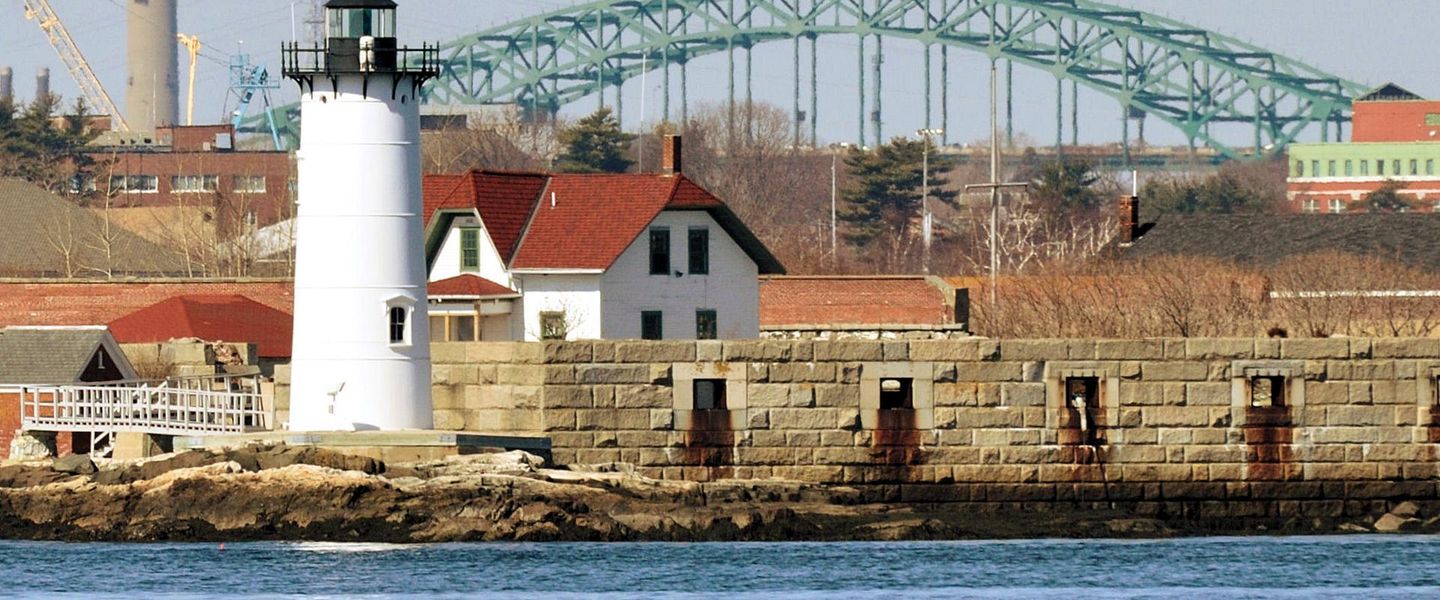


Explore New Hampshire’s Seacoast for Portsmouth heritage, Atlantic beaches, salt marshes, seafood, museums and easy coastal escapes.
Read more about Seacoast
When is the best time to visit Seacoast?
Best: June, August–September · 22–27°C| Month | High (°C) | Rainfall (mm) |
|---|---|---|
| January | 2 | 76 |
| February | 3 | 69 |
| March | 8 | 95 |
| April | 15 | 94 |
| May | 20 | 92 |
| June (best) | 25 | 89 |
| July | 28 | 102 |
| August (best) | 27 | 102 |
| September (best) | 22 | 96 |
| October | 16 | 92 |
| November | 10 | 98 |
| December | 3 | 93 |
Getting to and around Seacoast
How to get there
Transportation
Top city travel guides in Seacoast
The cities of Seacoast, and the easiest places to base yourself.
-

-


Swipe for more cities
Destinations in Seacoast
Resorts, valleys and scenic spots worth a trip of their own.
-

-

-


Swipe for more destinations
Best attractions in Seacoast
The Seacoast’s attractions combine historic urban districts, maritime interpretation, public beaches and accessible natural areas. In Portsmouth, Strawbery Banke Museum presents several centuries of neighbourhood history through preserved buildings, gardens and living-history interpretation, while the USS Albacore offers insight into twentieth-century naval engineering. The city’s galleries, theatres and waterfront provide a cultural counterpoint to its historic houses. At Odiorne Point State Park in Rye, visitors can walk through a coastal landscape of rocky shore, fields and salt marshes and visit the Seacoast Science Center, whose displays focus on the Gulf of Maine and local marine life. Hampton Beach State Park is the region’s principal sandy resort beach, with a more developed seasonal setting and broad opportunities for swimming, walking and people-watching. New Castle’s Great Island Common and Fort Constitution Historic Site add harbour views and military history, while Fuller Gardens in Hampton combines formal planting with a long-established coastal estate setting. Exeter contributes museums, independent cultural venues and a walkable historic centre. Boating, kayaking, birdwatching and beach walking are popular, but conditions vary with tides, weather and the season.
-
Tourist attraction
Hampton Beach State Park
Discover the vibrant beaches and scenic beauty of Hampton Beach State Park, New Hampshire's beloved coastal playground for families and adventurers alike.
-
Tourist attraction
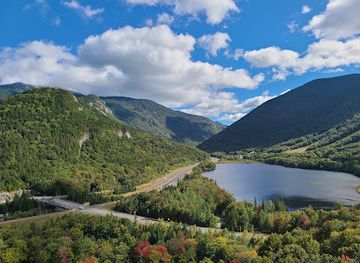
Franconia Notch State Park
Explore the scenic beauty and outdoor adventures at Franconia Notch State Park, a premier destination in New Hampshire's White Mountains.
-
Tourist attraction
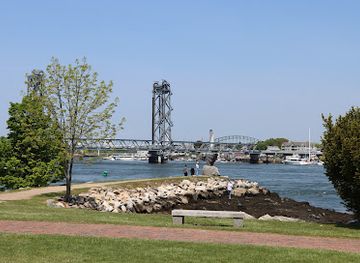
Prescott Park
Explore Prescott Park: A picturesque park in Portsmouth, NH, offering gardens, waterfront views, and vibrant cultural events year-round.
-
Whale watching tour agency
Cape Ann Whale Watch
Embark on an unforgettable whale watching adventure at Cape Ann Whale Watch in Gloucester, MA, and witness the majesty of marine life in its natural habitat.


Best landmarks in Seacoast
Portsmouth’s historic core is the Seacoast’s most concentrated architectural landmark, with brick commercial buildings, timber-framed houses, churches and waterfront streets shaped by the city’s colonial and maritime prosperity. Strawbery Banke’s preserved buildings are especially significant because they reveal how an urban neighbourhood changed over several centuries rather than representing one single period. At New Castle, Fort Constitution occupies the strategic entrance to the Piscataqua River, where harbour defence has been important since the colonial era, and Great Island Common provides a broad view of the waterway. Rye’s Odiorne Point is a prominent natural and historical landmark, combining exposed shore, salt marshes and the remains of coastal defence works. Hampton Beach is a different kind of landmark: its long sandy frontage and built-up boardwalk define New Hampshire’s best-known seaside resort landscape. Exeter’s historic centre, including its civic buildings and Phillips Exeter Academy precinct, reflects the town’s role as an educational and political centre. Offshore, the Isles of Shoals are visible from parts of the coast and are associated with the wider maritime landscape, but the island group lies beyond the New Hampshire mainland and should be treated as an offshore excursion rather than a mainland Seacoast landmark.
-
Memorial park
Gloucester Fisherman's Memorial
Explore the emotional depth of the Gloucester Fisherman's Memorial, a tribute to bravery and maritime heritage on the stunning Massachusetts coast.
-
Historical landmark
Nubble Lighthouse
Experience the stunning beauty and rich history of Nubble Lighthouse in Cape Neddick, Maine, a must-see destination for every tourist.
-
Bridge
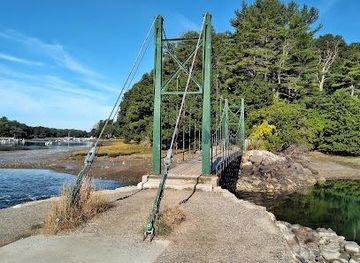
Wiggly Bridge
Discover the charm of Wiggly Bridge, a unique pedestrian bridge in York, Maine, offering stunning views and a delightful experience for all visitors.
-
Non-denominational church
Little Harbor Chapel
Experience tranquility at Little Harbor Chapel in Portsmouth, NH - a serene non-denominational church surrounded by natural beauty.



Explore Seacoast on the map
Plan your trip on one map. See where the top cities, national parks and sights are, and book hotels and experiences in a few clicks.
Best hotels in Seacoast
Best restaurants in Seacoast
Dining along the Seacoast reflects Atlantic New England without being limited to a single style. Portsmouth has the region’s broadest concentration of restaurants, from contemporary kitchens and seafood specialists to cafés, bakeries, brewpubs and long-established pubs. Menus commonly feature oysters, clams, scallops, lobster and locally available finfish, alongside New England staples such as chowders, fried seafood and seasonal vegetables. Hampton and the other beach communities offer casual boardwalk food, diners, ice cream and informal seafood restaurants, while Exeter has a compact town-centre scene with cafés, restaurants and bakeries. Farm stands and seasonal markets connect the coast with producers in southern New Hampshire, and autumn brings apples, squash and other harvest ingredients to local tables. Craft beer is widely available, while New Hampshire’s wider beverage culture also includes cider and small-scale spirits. In summer, reservations can be useful in Portsmouth and popular coastal towns, but the best choice often depends on whether the priority is a harbour-side meal, a quick beach lunch or a quieter inland dining room.
-
Restaurant
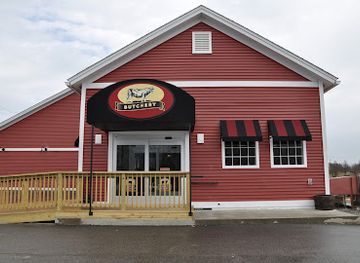
Tuckaway Tavern and Butchery
Discover unique flavors at Tuckaway Tavern & Butchery in Raymond NH - a delightful blend of restaurant, bar & gourmet grocery.
-
Breakfast
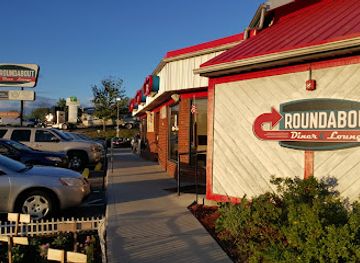
Roundabout Diner and Lounge
Experience the best breakfast in Portsmouth at Roundabout Diner & Lounge - where every meal is served with warmth and flavor.
-
Seafood
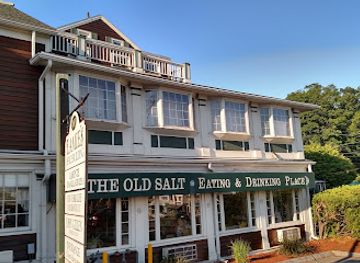
Old Salt Restaurant at Lamies Inn
Discover fresh seafood delights and warm hospitality at Old Salt Restaurant at Lamies Inn in charming Hampton, NH.
-
Seafood
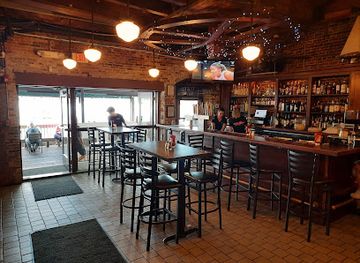
River House
Savor fresh seafood in Portsmouth at River House with stunning waterfront views and vibrant atmosphere.
Best bars in Seacoast
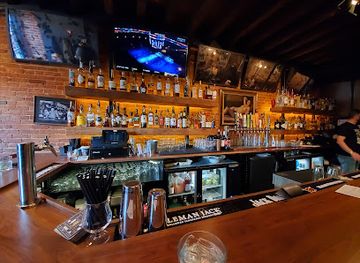
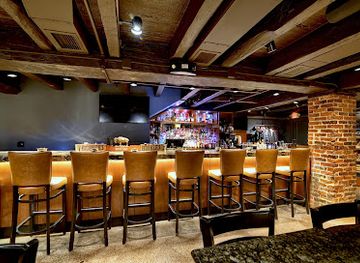
Portsmouth is the Seacoast’s main evening centre, with traditional pubs, cocktail bars, breweries, wine bars, live music rooms and restaurants that remain active after dinner. Its compact central streets make it possible to move between venues on foot, although individual opening arrangements vary. Exeter offers a smaller and more low-key evening scene shaped by restaurants, pubs, cafés and cultural events. Hampton Beach becomes considerably busier in summer, when seasonal entertainment, seafront bars and casual venues draw visitors after a day on the sand; outside the main season, the atmosphere is quieter. Nightclubs are not the defining feature of the region, and many smaller coastal communities close early or focus on dining rather than late-night entertainment. Check local listings for performances and seasonal events rather than assuming they operate year-round, and arrange a safe journey back before drinking.
-
Brewpub
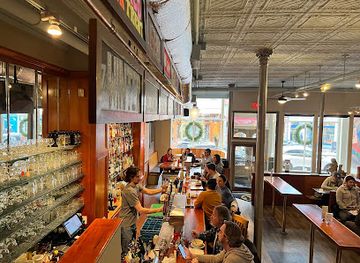
Portsmouth Brewery
Discover the vibrant craft beer scene at Portsmouth Brewery, where delicious brews and local flavors come together in a lively atmosphere.
-
Grill
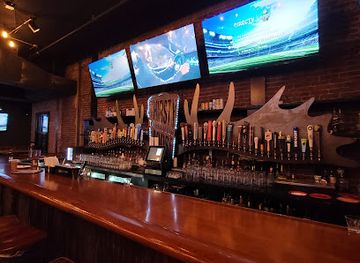
Thirsty Moose Tap House - Portsmouth
Experience Portsmouth's vibrant dining scene at Thirsty Moose Tap House, where great food, drinks, and live music come together.
-
American
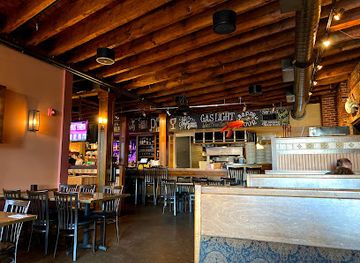
Portsmouth Gas Light Co.
Discover the heart of Portsmouth at Gas Light Co., where delicious American cuisine meets a lively music scene in a welcoming atmosphere.
-
Grill
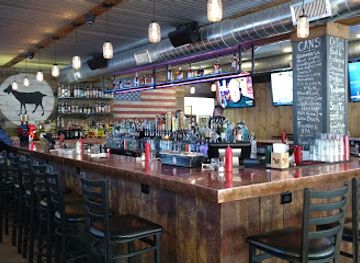
The Goat
Experience the vibrant flavors and lively atmosphere at The Goat, Portsmouth's premier grill and restaurant, perfect for food lovers and music enthusiasts.
Best nightclubs in Seacoast
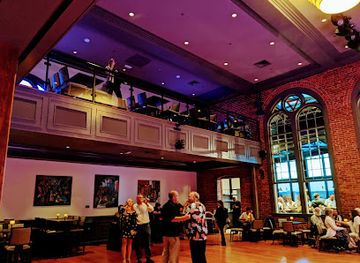
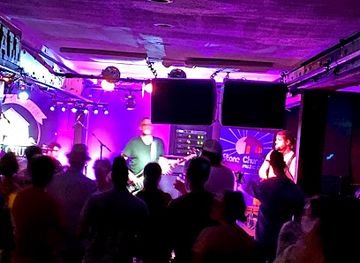
Portsmouth is the Seacoast’s main evening centre, with traditional pubs, cocktail bars, breweries, wine bars, live music rooms and restaurants that remain active after dinner. Its compact central streets make it possible to move between venues on foot, although individual opening arrangements vary. Exeter offers a smaller and more low-key evening scene shaped by restaurants, pubs, cafés and cultural events. Hampton Beach becomes considerably busier in summer, when seasonal entertainment, seafront bars and casual venues draw visitors after a day on the sand; outside the main season, the atmosphere is quieter. Nightclubs are not the defining feature of the region, and many smaller coastal communities close early or focus on dining rather than late-night entertainment. Check local listings for performances and seasonal events rather than assuming they operate year-round, and arrange a safe journey back before drinking.
-
Live Music
Jimmy's Jazz & Blues Club
Discover the vibrant heartbeat of Portsmouth at Jimmy's Jazz & Blues Club, where live music and delicious dining create unforgettable nights.
-
Night club
The Stone Church Music Club
Experience the pulse of live music and vibrant nightlife at The Stone Church Music Club in Newmarket, NH, where delicious food meets captivating performances.
-
Night club
The Press Room
Discover the heart of Portsmouth's nightlife at The Press Room, where live music, comedy, and craft brews create an unforgettable experience.
-
Bar
Slow Burn Lounge
Experience Portsmouth's vibrant nightlife at Slow Burn Lounge, where delicious cocktails and a lively atmosphere await you.
Best shops in Seacoast
Shopping in the Seacoast is strongest in Portsmouth, where Market Square and the surrounding historic streets contain independent clothing shops, bookshops, galleries, jewellers, homeware stores and small food retailers. The setting is as important as the merchandise: many businesses occupy restored buildings within the city’s historic centre. Exeter provides a smaller, relaxed alternative with independent shops, galleries, cafés and specialist retailers around its central streets. Hampton’s commercial areas are more seasonal and leisure-oriented, with beachwear, souvenirs, sweets, casual clothing and gift shops serving summer visitors. Farmers’ markets and farm stands vary by season and provide opportunities to buy New Hampshire produce, baked goods, maple products, cider and prepared food. Regional craft items may include pottery, prints, textiles and locally made jewellery, although availability changes between shops and markets. Visitors looking for antiques and distinctive small-scale goods should allow time for the inland town centres as well as the beach strips, which are more heavily oriented towards holiday necessities.
-
Outlet mall
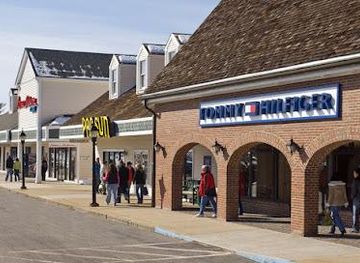
Kittery Premium Outlets
Discover unbeatable deals on top brands at Kittery Premium Outlets, Maine's ultimate shopping destination, perfect for tourists and locals alike.
-
Outlet mall
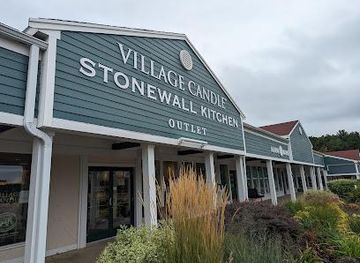
The Kittery Outlets
Discover unbeatable deals at The Kittery Outlets, Maine's premier shopping destination with a scenic coastal backdrop.
-
Shopping mall
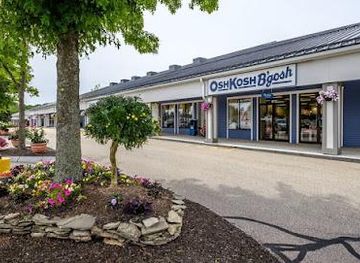
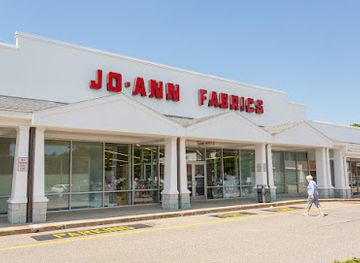
Seacoast Shopping Center
Explore the Seacoast Shopping Center in Seabrook, NH, for a delightful shopping experience with local charm, diverse stores, and delicious dining options.
-
Shopping mall
Kittery Outlet Center
Discover unbeatable deals at Kittery Outlet Center, a shopping paradise in scenic Maine featuring top brands and a charming coastal atmosphere.
Get your free copy of our complete guide to Seacoast, delivered straight to you.
Everything on this page, from attractions and restaurants to essentials and local phrases, in one PDF you can read offline, print or share.
Already have an account? Sign in
Your Seacoast guide is ready.
We'll send it to · Not you? Sign out

Getting your guide ready…
We are putting together a fresh copy of the Seacoast guide. This can take up to a minute.
This can take a few moments. If your browser asks, choose Allow so the download can start. You'll find the guide in your Downloads folder.
Nothing happened? Download it again
Sorry, the guide is taking longer than usual. Please try again in a minute, or get it by email instead.
Seacoast essentials
Currency and Payment
Safety
Emergency Situations
Do's and Don'ts
Local Tips
From Eve
Local phrases worth knowing
You don't need to get them perfect. A few words go a long way, and locals appreciate the effort.
Basics
| English | Local | Say it |
|---|---|---|
| Hello | Hiya | [hii-yah] |
| Goodbye | See ya | [see yah] |
| Yes | Yup | [yuhp] |
| No | Nah | [nah] |
| Please/You're welcome | No problem | [noh prob-luhm] |
| Thank you | Thanks | [thangs] |
| Excuse me/Sorry | Sorry 'bout that | [sor-ee bout that] |
| How are you? | How's it going? | [how'z it go-in?] |
| Fine. And you? | Good. You? | [good. you?] |
| Do you speak English? | You speakin' English? | [you speak-in' ing-lish?] |
| I don't understand | I don't get it | [I don't get it] |
Eating & Drinking
| English | Local | Say it |
|---|---|---|
| I'd like to see the menu, please | Can I see the menu? | [can I see the men-yoo?] |
| I don't eat meat | I'm a vegetarian | [I'm a vege-tair-ee-an] |
| Cheers! | Cheers! | [cheers] |
| I would like to pay, please | Can I get the check? | [can I get the chek?] |
Emergencies
| English | Local | Say it |
|---|---|---|
| Help! | Help! | [help] |
| Go away! | Leave me alone! | [leave me a-lone!] |
| Call the Police! | Call 911! | [call nine-one-one] |
| Call a doctor! | Get a doctor! | [get a doc-tor] |
| I'm lost | I'm kinda lost | [I'm kinda lost] |
| I'm ill | I'm not feelin' well | [I'm not feel-in' well] |
Shopping
| English | Local | Say it |
|---|---|---|
| I'd like to buy... | I'm lookin' to buy... | [I'm look-in' to buy...] |
| I'm just looking | Just browsing | [just brows-ing] |
| How much is it? | What’s the price? | [what's the price?] |
| That's too expensive | That's a bit pricey | [that's a bit pry-see] |
| Can you lower the price? | Can you drop the price? | [can you drop the price?] |
Time & Numbers
| English | Local | Say it |
|---|---|---|
| What time is it? | What time we got? | [what time we got?] |
| It's one o'clock | It's one o'clock | [it's one o'clock] |
| Half past (10) | Half past ten | [half past ten] |
| Morning | Morning | [morning] |
| Afternoon | Afternoon | [afternoon] |
| Evening | Evening | [evening] |
| Yesterday | Yesterday | [yes-ter-day] |
| Today | Today | [to-day] |
| Tomorrow | Tomorrow | [to-mor-row] |
| 1 | One | [one] |
| 2 | Two | [two] |
| 3 | Three | [three] |
| 4 | Four | [four] |
| 5 | Five | [five] |
| 6 | Six | [six] |
| 7 | Seven | [seven] |
| 8 | Eight | [eight] |
| 9 | Nine | [nine] |
| 10 | Ten | [ten] |
Transport & Directions
| English | Local | Say it |
|---|---|---|
| Where's a/the...? | Where’s the nearest...? | [where's the near-est...?] |
| What's the address? | What’s the address? | [what's the ad-dress?] |
| Can you show me (on the map)? | Can you point it out? | [can you point it out?] |
| When's the next (bus)? | When’s the next bus? | [when's the next bus?] |
| A ticket (to ....) | One ticket to...please | [one tik-it to...pleez] |
History of Seacoast
Indigenous Coastal Landscapes Before European Settlement
The rivers, estuaries, forests and shorelines of the Seacoast were used by Indigenous peoples for fishing, hunting, gathering and travel long before English colonisation. The region lay within the wider cultural world of Abenaki-speaking peoples, including communities associated with the Pennacook, whose seasonal movements followed the resources of southern New Hampshire and neighbouring areas. Shellfish beds, tidal rivers and portage routes were valuable parts of this environment. European settlement disrupted established patterns through land appropriation, disease and conflict, but Indigenous history remains essential to understanding the region’s landscape and earliest human occupation.
English Settlement and the Founding of Portsmouth
English settlement along the Piscataqua River began in the early seventeenth century, with the area that became Portsmouth developing as a useful harbour and trading point. Portsmouth was incorporated in 1653 and grew through timber exports, fishing, shipbuilding and commerce with the Atlantic world. Its position at the mouth of the river connected interior forests and farms with ocean shipping. Surviving houses, streets and waterfront spaces reflect the prosperity of merchants, mariners and craftsmen, although that prosperity was also tied to colonial trade, maritime labour and the wider Atlantic economy.
Colonial Trade, Maritime Commerce and Slavery
During the eighteenth century, Portsmouth became one of northern New England’s significant seaports. The town’s merchants traded timber, fish and agricultural goods, while local shipyards produced vessels for commercial and military use. Portsmouth’s prosperity was connected to Atlantic networks that included the trafficking and enslavement of Africans, even though New Hampshire’s enslaved population was comparatively small. Historic buildings and museum collections help explain both the town’s commercial development and the unequal social order that supported colonial wealth. This maritime inheritance remains one of the most important historical themes in the region.
Revolutionary New Hampshire and the Portsmouth Harbour Defence
The Seacoast played an important role during the American Revolution because Portsmouth was New Hampshire’s principal port. Political opposition to British authority grew alongside activity in the harbour, and Fort William and Mary at New Castle was seized by local revolutionaries in December 1774. Gunpowder taken from the fort was later used by colonial forces, making the action an early armed challenge to British control. The coastal forts and harbour approaches demonstrate why the Piscataqua was strategically valuable and why New Hampshire’s political and commercial life was concentrated near the sea.
Nineteenth-Century Industry and Communications
The nineteenth century brought changes in transport, manufacturing and communications. Portsmouth retained maritime importance while railways strengthened links between the coast, Boston, inland New Hampshire and Maine. Exeter developed as an educational and commercial town, and mills and workshops operated in communities connected to the region’s rivers. The railway also made the coast more accessible to visitors, helping beaches and seaside settlements develop as leisure destinations. This period established the mixture of historic urban centres, transport corridors and seasonal coastal tourism that still characterises the Seacoast.
Hampton Beach and the Rise of Seaside Tourism
Hampton Beach grew from a small coastal settlement into a major New England resort during the late nineteenth and twentieth centuries. Better road and rail connections brought visitors from surrounding cities, while hotels, bathing facilities, amusements and seasonal entertainment developed around the broad sandy shore. The resort’s architecture and atmosphere have changed over time, particularly after fires and redevelopment, but the public beach and boardwalk remain central to its identity. Hampton illustrates the shift from a coast shaped mainly by fishing and shipping to one also defined by recreation and summer tourism.
Preserving Maritime and Cultural Heritage
During the twentieth century, local organisations and public authorities increasingly protected the Seacoast’s historic buildings, archaeological evidence, natural shorelines and maritime collections. Portsmouth’s historic districts and Strawbery Banke preserve successive layers of urban history, while sites around Rye and New Castle interpret coastal defence, ecology and harbour life. Conservation has also become important as development, storms, erosion and rising visitor numbers place pressure on the shoreline. The region’s present character therefore reflects not only its earlier industries and settlements but also a modern commitment to interpreting and managing its heritage.
Seacoast in Photos
Browse through our photo collection highlighting the charm and character of the destination.
Neighbouring regions of Seacoast
The closest regions to Seacoast, if you have time for more than one.
-

-

-

-

-



Swipe for more regions
Explore more

Explore more of New Hampshire
Discover New Hampshire: Explore the majestic White Mountains, serene lakes, and historic towns in the heart of New England's enchanting landscapes.
Explore New Hampshire