

Princeton, New Jersey Travel Guide
Explore Princeton, New Jersey: A charming town where historic landmarks meet vibrant modern life, offering a rich tapestry of culture, education, and natural beauty.
Nestled in the heart of New Jersey, Princeton seamlessly blends historic charm with modern sophistication. This quaint town, known worldwide for its prestigious university, offers a unique mix of cultural and educational experiences that attract visitors from all corners of the globe. The ivy-clad buildings of Princeton University are a sight to behold, with their stunning architecture and lush green campus providing a serene backdrop for leisurely strolls or guided tours. Beyond the university, Princeton boasts a vibrant downtown area filled with boutique shops, gourmet restaurants, and cozy cafes. Palmer Square, the town's central hub, is perfect for shopping, dining, and people-watching. History buffs will appreciate a visit to the Princeton Battlefield State Park, where a pivotal battle of the American Revolution took place. Art enthusiasts can explore the Princeton University Art Museum, which houses an impressive collection of artworks spanning various cultures and periods. Nature lovers will find solace in the numerous parks and gardens scattered throughout Princeton. The Delaware and Raritan Canal State Park offers scenic trails for hiking, biking, and kayaking. The town's rich cultural calendar includes events like the Princeton Festival and Communiversity, ensuring there's always something exciting happening. Whether you're here for a short visit or an extended stay, Princeton's unique blend of history, culture, and natural beauty promises an unforgettable experience.

Know before you go
Hi, I'm Eve. Here are a few practical things to know before exploring Princeton.
- Visit Princeton University. The campus is open to the public and offers free guided tours.
- Check the local events calendar. The town hosts many festivals and events throughout the year.
- Wear comfortable shoes. Princeton is best explored on foot.
- Stop by the Princeton Public Library. It's a great place to relax and often hosts community events.
- Try the local cuisine. Palmer Square has a variety of restaurants and cafes to suit all tastes.
Explore Princeton: Things to Do, Places to Eat, Hotels & More
Handpicked recommendations for top attractions, local dining, accommodations, and more

Best attractions in Princeton
Top-rated picks
Best Attractions

Amazing Escape Room
Experience the thrill of teamwork and problem-solving at Amazing Escape Room, Princeton's premier destination for adventure and entertainment.

Princeton University Art Museum
Explore the rich tapestry of art and culture at Princeton University Art Museum, showcasing masterpieces from around the world in a stunning environment.

Marquand Park
Experience the serene beauty of Marquand Park in Princeton, NJ, where lush landscapes and vibrant gardens await your exploration.

Princeton University
Discover the historic charm and academic brilliance of Princeton University, where tradition meets innovation in a picturesque setting.

Best landmarks in Princeton
Top-rated picks
Best Landmarks

Princeton Battlefield State Park
Discover the historical significance and serene beauty of Princeton Battlefield State Park, a must-visit destination for history lovers and nature enthusiasts alike.

Princeton Battle Monument
Explore the historic Princeton Battle Monument in New Jersey, a symbol of courage and a significant site from the Revolutionary War, set in beautiful surroundings.

Maclean House
Discover the historical charm of Maclean House in Princeton, a landmark rich in academic heritage and stunning architectural beauty.

Best restaurants in Princeton
Top-rated picks
Best Restaurants

The Blue Bears Special Meals
Discover delicious meals at The Blue Bears Special Meals in Princeton – where every bite supports community initiatives and delights your palate.

LOCAL GREEK
Experience authentic Greek cuisine in Princeton at Local Greek - where tradition meets taste in every dish.

Seasons 52
Discover seasonal flavors and health-conscious dining at Seasons 52 in Princeton—a fine dining experience with diverse menu options.

Agricola Eatery
Discover culinary excellence at Agricola Eatery in Princeton - where organic meets American cuisine in a charming setting.

Best bars in Princeton
Top-rated picks
Best Bars

LOCAL GREEK
Experience authentic Greek cuisine at Local Greek in Princeton, where delightful flavors and warm hospitality await you.

Seasons 52
Discover Seasons 52 in Princeton, NJ: where fresh, seasonal ingredients meet innovative New American cuisine in an elegant dining atmosphere.

Blue Point Grill
Experience the finest seafood at Blue Point Grill in Princeton, where fresh catches meet exquisite culinary artistry.

Roots Ocean Prime
Experience the finest seafood and steaks at Roots Ocean Prime in Princeton, where culinary excellence meets an inviting atmosphere.

Best nightclubs in Princeton
Top-rated picks
Best Nightclubs

Nassau Club
Explore Nassau Club in Princeton: A historic social club offering a glimpse into local culture and sophisticated gatherings.

Catch A Rising Star
Experience the best of comedy at Catch A Rising Star in Princeton, NJ, where laughter meets entertainment in a lively atmosphere.

Cap & Gown Club
Experience the charm and tradition of Princeton at the Cap & Gown Club, a premier destination for socializing and cultural engagement.

The Dinky Bar & Kitchen
Discover The Dinky Bar & Kitchen in Princeton: a culinary haven for exquisite small plates and handcrafted cocktails in an inviting atmosphere.

Best shops in Princeton
Top-rated picks
Best Shops

H1912
Discover exquisite vintage and contemporary jewelry at H1912, a premier jewelry store in Princeton, New Jersey, perfect for collectors and casual shoppers.

Palmer Square
Explore Palmer Square: A vibrant shopping haven in Princeton, NJ, offering unique boutiques, delightful dining, and engaging community events.

jaZams
Explore jaZams, Princeton's enchanting toy and children's book store, offering unique finds that inspire creativity and joy for all ages.

BELLA BOUTIQUE
Explore Bella Boutique: A Haven for Fashionistas in Princeton Offering Unique Clothing, Accessories, and Gifts Reflecting the Latest Trends.

Explore Princeton on the Map
A handpicked selection of must-see spots in Princeton, mapped for you.
Princeton Essentials
-
Princeton is conveniently located between New York City and Philadelphia, making it accessible by several modes of transportation. The nearest major airports are Newark Liberty International Airport (EWR), Philadelphia International Airport (PHL), and John F. Kennedy International Airport (JFK). From these airports, you can take a combination of trains, buses, or rental cars to reach Princeton. New Jersey Transit provides train service from New York Penn Station and Philadelphia's 30th Street Station to Princeton Junction, where a shuttle (the 'Dinky') connects to downtown Princeton. Driving is also an option, with major highways such as I-95 and US Route 1 providing easy access.
-
Princeton offers several transportation options for getting around the town and its surrounding areas. The local bus service, provided by NJ Transit, covers key areas within Princeton and nearby towns. The 'Tiger Transit' shuttle service is available for Princeton University students and visitors, connecting various parts of the campus and town. Taxis and ride-sharing services like Uber and Lyft are readily available. For a more scenic mode of transportation, consider renting a bike from one of the local shops, as Princeton is bike-friendly with numerous trails and bike lanes.
-
The official currency in Princeton is the United States Dollar (USD). Credit cards are widely accepted in hotels, restaurants, and shops. ATMs are plentiful, especially around Princeton University and Nassau Street. It is recommended to carry some cash for small purchases or in case you visit places that do not accept cards. Contactless payment options like Apple Pay and Google Wallet are also becoming increasingly popular.
-
Princeton is generally a very safe town with low crime rates. However, it is always wise to take standard precautions, such as avoiding poorly lit areas at night and keeping an eye on your belongings in crowded places. There are no specific high-crime areas targeting tourists, but always stay vigilant. The Princeton University campus and downtown areas are well-patrolled by campus security and local police.
-
In case of emergency, dial 911 for immediate assistance. Princeton has well-equipped medical facilities, including the Princeton Medical Center. Pharmacies are available throughout the town where you can purchase over-the-counter medications. It is advisable to have travel insurance that covers medical emergencies. For minor issues, the university health services can also be a resource for visitors.
-
Fashion: Do dress casually but neatly. Princeton is a college town with a relaxed atmosphere, but avoid overly revealing clothing. Religion: Do respect local religious sites, including chapels and churches. Public Transport: Do be polite and offer seats to the elderly or those in need. Avoid eating or drinking on public transport. Greetings: Do greet people with a friendly 'hello' or handshake. Princeton is a friendly town, and locals appreciate courteous behavior. Eating & Drinking: Do try local eateries and coffee shops, especially those around Nassau Street. Don't forget to tip, as it is customary in the U.S.
-
To experience Princeton like a local, spend time at Palmer Square and Nassau Street, where you will find boutique shops, cafes, and restaurants. Attend a lecture or event at Princeton University, which often hosts public events featuring world-renowned speakers. Visit the Princeton Farmers Market for fresh produce and local goods. Don't miss out on the Princeton University Art Museum, which offers free admission and features a remarkable collection. For a leisurely afternoon, take a stroll or bike ride along the Delaware and Raritan Canal State Park Trail, which offers picturesque views and a tranquil setting.
When is the best time to visit Princeton?
Useful Local Phrases for Princeton
You don't need to speak the language perfectly. Even learning a few simple words can make conversations warmer—and locals usually appreciate the effort.
— Eve

Here are the phrases I use most often in Princeton. Try a few—you'll be surprised how far they go! 😊
❤️
-
- HelloHey
[hey] - GoodbyeSee ya
[see ya] - YesYup
[yup] - NoNope
[nope] - Please/You're welcomePlease/No problem
[please/no problem] - Thank youThanks
[thanks] - Excuse me/SorrySorry
[sorry] - How are you?How you doin'?
[how you doin'] - Fine. And you?Good. You?
[good. you?] - Do you speak English?You speak English?
[you speak English?] - I don't understandI'm lost
[I'm lost]
- HelloHey
-
- I'd like to see the menu, pleaseCan I see the menu?
[can I see the menu?] - I don't eat meatI'm vegetarian
[I'm vegetarian] - Cheers!Cheers!
[cheers!] - I would like to pay, pleaseCheck, please
[check, please]
- I'd like to see the menu, pleaseCan I see the menu?
-
- Help!Help!
[help!] - Go away!Get lost!
[get lost!] - Call the Police!Call the cops!
[call the cops!] - Call a doctor!Get a doctor!
[get a doctor!] - I'm lostI'm lost
[I'm lost] - I'm illI'm sick
[I'm sick]
- Help!Help!
-
- I'd like to buy...I wanna buy...
[I wanna buy...] - I'm just lookingJust browsing
[just browsing] - How much is it?How much?
[how much?] - That's too expensiveToo pricey
[too pricey] - Can you lower the price?Can you do better?
[can you do better?]
- I'd like to buy...I wanna buy...
-
- What time is it?What time is it?
[what time is it?] - It's one o'clockIt's one
[it's one] - Half past (10)10:30
[10:30] - MorningMorning
[morning] - AfternoonAfternoon
[afternoon] - EveningEvening
[evening] - YesterdayYesterday
[yesterday] - TodayToday
[today] - TomorrowTomorrow
[tomorrow] - 1One
[one] - 2Two
[two] - 3Three
[three] - 4Four
[four] - 5Five
[five] - 6Six
[six] - 7Seven
[seven] - 8Eight
[eight] - 9Nine
[nine] - 10Ten
[ten]
- What time is it?What time is it?
-
- Where's a/the...?Where's the...?
[where's the...?] - What's the address?What's the address?
[what's the address?] - Can you show me (on the map)?Show me
[show me] - When's the next (bus)?When's the next bus?
[when's the next bus?] - A ticket (to ....)Ticket to ...
[ticket to ...]
- Where's a/the...?Where's the...?
History of Princeton
-
Princeton, located in central New Jersey, was founded in the late 17th century. Originally known as 'Stony Brook,' the area was settled by Quakers who migrated from Pennsylvania. By the early 18th century, the town was renamed Princeton, likely after the estate of William Alexander, Lord Stirling, who was one of the original landowners.
-
Princeton University, one of the oldest and most prestigious universities in the United States, was established in 1746 as the College of New Jersey. It moved to Princeton in 1756 and was renamed Princeton University in 1896. The university's campus features iconic structures like Nassau Hall, which served as the United States' temporary capital in 1783.
-
Princeton played a significant role in the American Revolution. The Battle of Princeton, fought on January 3, 1777, was a pivotal victory for the Continental Army led by General George Washington. This battle boosted American morale and was a turning point in the war. Nassau Hall was also briefly occupied by both British and American forces during the conflict.
-
Albert Einstein, the renowned theoretical physicist, moved to Princeton in 1933 when he accepted a position at the Institute for Advanced Study. Einstein lived in Princeton until his death in 1955. His presence attracted many other prominent scholars to the area, and his home on Mercer Street remains a site of historical interest.
-
Princeton Battlefield State Park commemorates the Battle of Princeton. The park includes the Clarke House Museum, which was used as a field hospital during the battle. Visitors can explore the rolling fields and learn about the historical significance of the site through various exhibits and guided tours.
-
Princeton has been a center of intellectual and cultural activity for centuries. The town is home to McCarter Theatre Center, which provides world-class performances and has been a cornerstone of the arts community since its founding in 1930. The Princeton Public Library, established in 1909, is another cultural hub, offering extensive resources and hosting numerous events throughout the year.
-
Princeton boasts a wealth of historic architecture, from colonial-era buildings to grand 19th-century homes. Notable structures include the Princeton University Chapel, a stunning example of collegiate Gothic architecture, and the Princeton Battle Monument, which commemorates the Battle of Princeton and was dedicated in 1922.
-
The Princeton Charter Club, established in 1901, is one of the university's historic eating clubs. Located on Prospect Avenue, the club has been a social center for students and alumni for over a century. The building itself is an excellent example of early 20th-century architecture and reflects the social history of Princeton University.
Neighbouring destination travel guides
Browse our curated selection of top destinations, scenic points, and must-visit spots in the area.


Your all‑in‑one travel companion app
Explore expert travel guides, compare and book tours, experiences, hotels, and more—all from the palm of your hand. Download now for seamless trip planning wherever your wanderlust takes you.


Explore More of Central Jersey

Looking beyond Princeton? Discover Central Jersey for broader travel guides, local hot-spots, and regional highlights.
Explore Central JerseyExplore More of New Jersey
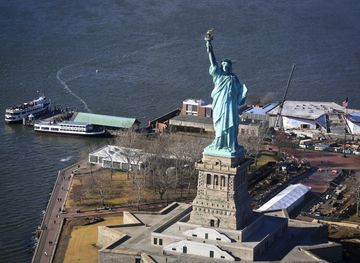
Looking beyond Princeton? Discover New Jersey for broader travel guides, local hot-spots, and regional highlights.
Explore New JerseyPrinceton in Photos
Browse through our photo collection highlighting the charm and character of the destination.
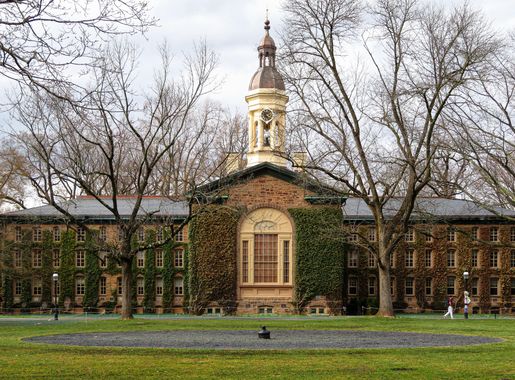


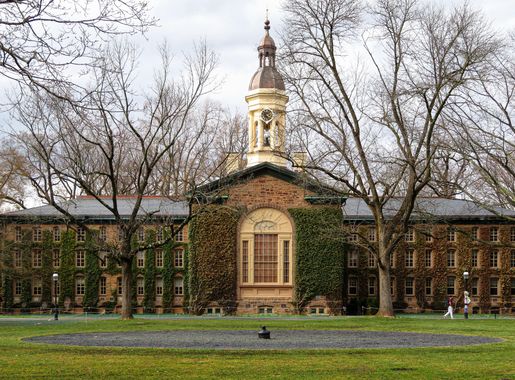

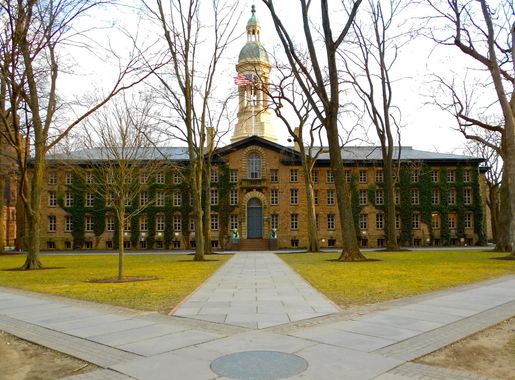


Princeton: A Blend of History and Modernity in New Jersey
Nestled in the heart of New Jersey, Princeton seamlessly blends historic charm with modern sophistication. This quaint town, known worldwide for its prestigious university, offers a unique mix of cultural and educational experiences that attract visitors from all corners of the globe. The ivy-clad buildings of Princeton University are a sight to behold, with their stunning architecture and lush green campus providing a serene backdrop for leisurely strolls or guided tours. Beyond the university, Princeton boasts a vibrant downtown area filled with boutique shops, gourmet restaurants, and cozy cafes. Palmer Square, the town's central hub, is perfect for shopping, dining, and people-watching. History buffs will appreciate a visit to the Princeton Battlefield State Park, where a pivotal battle of the American Revolution took place. Art enthusiasts can explore the Princeton University Art Museum, which houses an impressive collection of artworks spanning various cultures and periods. Nature lovers will find solace in the numerous parks and gardens scattered throughout Princeton. The Delaware and Raritan Canal State Park offers scenic trails for hiking, biking, and kayaking. The town's rich cultural calendar includes events like the Princeton Festival and Communiversity, ensuring there's always something exciting happening. Whether you're here for a short visit or an extended stay, Princeton's unique blend of history, culture, and natural beauty promises an unforgettable experience.