

Free North Jersey Travel Guide & Mobile App
Explore North Jersey with free travel guides. Discover regional history, expert tips, proposed trips, and audio guides on web or mobile app.


Explore North Jersey for Hudson River cities, immigrant foodways, Revolutionary history, industrial heritage and forested highland landscapes.
Read more about North Jersey
When is the best time to visit North Jersey?
Best: June, August–September · 24–28°C| Month | High (°C) | Rainfall (mm) |
|---|---|---|
| January | 4 | 85 |
| February | 6 | 75 |
| March | 10 | 90 |
| April | 16 | 95 |
| May | 21 | 100 |
| June (best) | 26 | 105 |
| July | 29 | 110 |
| August (best) | 28 | 105 |
| September (best) | 24 | 100 |
| October | 19 | 95 |
| November | 13 | 90 |
| December | 7 | 95 |
Getting to and around North Jersey
How to get there
Transportation
Top city travel guides in North Jersey
The cities of North Jersey, and the easiest places to base yourself.
-

-

-

-

-


Swipe for more cities
Destinations in North Jersey
Resorts, valleys and scenic spots worth a trip of their own.
-

-

-

-

-

-


Swipe for more destinations
Best attractions in North Jersey
North Jersey's attractions range from major urban cultural institutions to quiet woodland preserves and historic rural properties. Newark offers the Newark Museum of Art, the New Jersey Performing Arts Center and the distinctive food scene of the Ironbound, while Jersey City and Hoboken provide waterfront walks, historic streets and views across the Hudson River. Paterson's Great Falls National Historical Park combines a powerful natural feature with preserved mills and the story of American manufacturing. Inland, Morristown National Historical Park interprets the Continental Army's winter encampment, and the Morris Museum provides a broader view of regional art and culture. The northern counties offer High Point State Park, Ringwood State Park, the New Jersey Botanical Garden and extensive hiking in the Highlands and Ramapo Mountains. Visitors can also explore historic villages, country estates, reservoirs, former canal routes and seasonal farm landscapes. Distances, terrain and transport vary considerably, so the region is best experienced through several carefully chosen bases.
-
Theme park
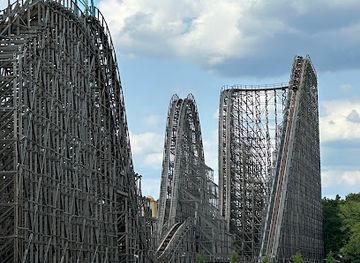
Six Flags Great Adventure
Discover the excitement of Six Flags Great Adventure, where thrilling rides, live entertainment, and family fun come together in an unforgettable amusement park experience.
-
State park
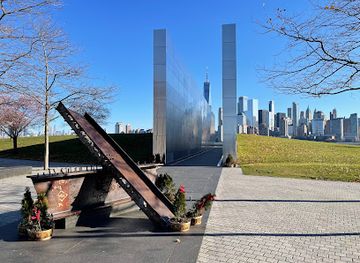
Liberty State Park
Explore Liberty State Park in Jersey City: A stunning natural escape with breathtaking views of the Manhattan skyline and rich historical significance.
-
Shopping mall
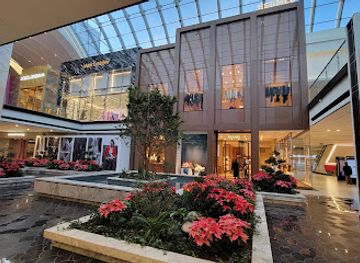
American Dream
Explore shopping, entertainment, and adventure at American Dream, New Jersey's premier destination for family fun and unforgettable experiences.
-
Zoo
Cape May County Park & Zoo
Explore Cape May County Park & Zoo, a free family-friendly destination featuring diverse wildlife, beautiful landscapes, and interactive exhibits for all ages.
Best landmarks in North Jersey
The Great Falls of the Passaic River in Paterson are North Jersey's defining industrial landmark, where a powerful cascade shaped the city's mills, canals and manufacturing history. Morristown's Ford Mansion and the wider Jockey Hollow landscape are associated with the Continental Army's difficult winter of 1779–80 and form a significant Revolutionary-era ensemble. Along the Hudson, the historic street grids and waterfront architecture of Hoboken and Jersey City record the region's maritime, immigrant and transport past, while Newark's major civic and cultural buildings reflect its role as a long-standing commercial centre. In the north, High Point Monument rises within High Point State Park at the state's highest elevation, providing a geographical symbol as well as a scenic destination. The Ramapo Mountains, Watchung ridges and Delaware Water Gap also function as natural landmarks, marking the transition from the metropolitan plain to North Jersey's wooded uplands and river valleys.
-
National reserve
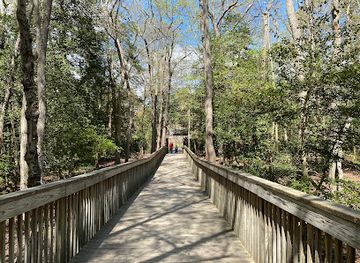
Delaware Water Gap National Recreation Area
Discover the breathtaking beauty and outdoor adventures at Delaware Water Gap National Recreation Area, a paradise for nature lovers and explorers.
-
Hiking area
Mt Tammany Red Dot Trail
Explore the breathtaking Mt Tammany Red Dot Trail, a premier hiking destination in New Jersey's Kittatinnies Region, offering stunning views and a serene nature experience.
-
State park
Worthington State Forest
Discover the beauty of Worthington State Forest, a perfect blend of adventure and tranquility in New Jersey's majestic landscapes.
-
Visitor center
Kittatinny Point Visitor Center
Explore the breathtaking Kittatinny Point Visitor Center, your gateway to adventure in the Delaware Water Gap National Recreation Area.


Explore North Jersey on the map
Plan your trip on one map. See where the top cities, national parks and sights are, and book hotels and experiences in a few clicks.
Best hotels in North Jersey
Best restaurants in North Jersey
North Jersey's dining identity reflects its industrial history and exceptionally diverse population. Newark's Ironbound is particularly associated with Portuguese and Brazilian restaurants, bakeries, cafés and specialist food shops, while Jersey City has an extensive range of South Asian, Filipino, Middle Eastern, Latin American and contemporary restaurants. Paterson and other urban centres add long-established immigrant foodways, independent takeaways and traditional bakeries. Inland towns combine American diners, pizzerias, brewpubs, farm-to-table cooking and restaurants serving seasonal produce from the surrounding countryside. Farmers' markets and farm stands are useful places to find New Jersey-grown fruit, vegetables, baked goods and prepared foods, especially in warmer months. Seafood is readily available in the urban region, although North Jersey's strongest culinary distinction lies in its variety of immigrant cuisines rather than a single signature dish. Tipping is customary in table-service restaurants, and sales tax is generally added to listed prices.
-
Dinner theater
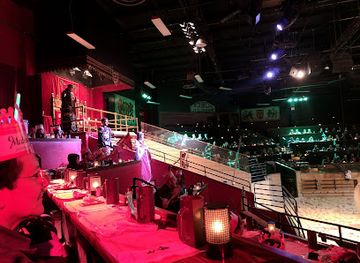
Medieval Times Dinner & Tournament
Join the Knights at Medieval Times Dinner & Tournament for an Epic Night of Jousting and Feasting in New Jersey!
-
Indian
Samudhra Premium Restaurant & Lounge, Franklin Park, New Jersey
Discover the exquisite flavors of India at Samudhra Premium Restaurant & Lounge in Franklin Park, New Jersey - where fine dining meets vibrant ambiance.
-
Seafood
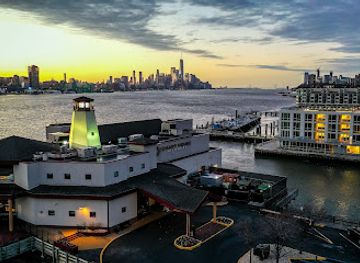
Chart House
Experience exquisite seafood and steak at Chart House while enjoying breathtaking views of Manhattan's skyline on the Hudson River.
-
Cuban
Son Cubano Modern-Cuban Cuisine
Experience the vibrant flavors of modern Cuban cuisine at Son Cubano in West New York, where every meal is accompanied by live music and cultural flair.


Best bars in North Jersey
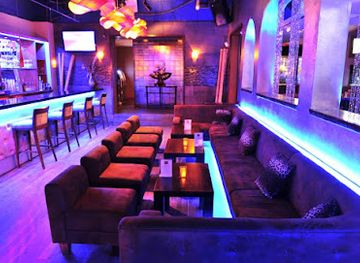
Evening life is concentrated in Newark, Jersey City, Hoboken, Montclair and other well-connected towns rather than spread evenly across North Jersey. Jersey City and Hoboken have dense clusters of pubs, cocktail bars, breweries, wine bars and restaurants, while Newark combines sports and performing-arts events with lounges, live music and late dining. Montclair has an established restaurant and arts-oriented evening scene, and Paterson and other urban centres offer smaller local venues. In the Highlands, Morris County and the far north, nightlife is more likely to mean a traditional pub, historic inn, brewery, restaurant or occasional live-music venue than a nightclub district. Travel arrangements matter after dark in rural areas, where public transport is limited and taxis may need to be booked. Drinking is not essential to the region's evening culture; theatre, music, food and waterfront walks provide other options.
-
Hot Dog Stand
Hot Dog Johnny's
Experience the iconic flavors of Hot Dog Johnny's, a beloved hot dog stand in Belvidere, New Jersey, offering delicious meals in a charming setting.
-
Restaurant
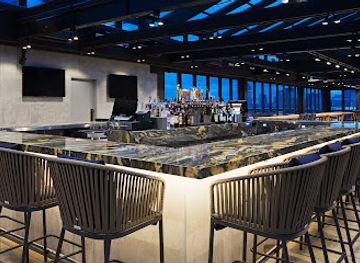
RoofTop at Exchange Place
Experience Jersey City's finest dining at RoofTop at Exchange Place, where breathtaking views meet exquisite cuisine in an elegant lounge setting.
-
Barbecue
Joe Bosco Authentic Smokehouse BBQ
Discover the true taste of BBQ at Joe Bosco Authentic Smokehouse BBQ in Delaware Water Gap, where smoky flavors and cozy ambiance come together for an unforgettable dining experience.
-
Bar
Wonder Bar
Experience the lively atmosphere of Wonder Bar in Asbury Park, where great food, refreshing drinks, and live entertainment combine for an unforgettable outing.



Best nightclubs in North Jersey
Evening life is concentrated in Newark, Jersey City, Hoboken, Montclair and other well-connected towns rather than spread evenly across North Jersey. Jersey City and Hoboken have dense clusters of pubs, cocktail bars, breweries, wine bars and restaurants, while Newark combines sports and performing-arts events with lounges, live music and late dining. Montclair has an established restaurant and arts-oriented evening scene, and Paterson and other urban centres offer smaller local venues. In the Highlands, Morris County and the far north, nightlife is more likely to mean a traditional pub, historic inn, brewery, restaurant or occasional live-music venue than a nightclub district. Travel arrangements matter after dark in rural areas, where public transport is limited and taxis may need to be booked. Drinking is not essential to the region's evening culture; theatre, music, food and waterfront walks provide other options.
-
Night club
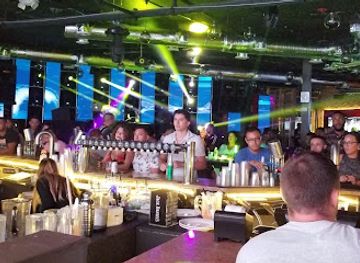
BarCode Entertainment Complex
Explore the vibrant nightlife at BarCode Entertainment Complex, where dining, dancing, and entertainment unite in a thrilling atmosphere.
-
Lounge
46 Lounge
Discover the electrifying atmosphere of 46 Lounge in Totowa, NJ, where nightlife meets relaxation in a stylish setting.
-
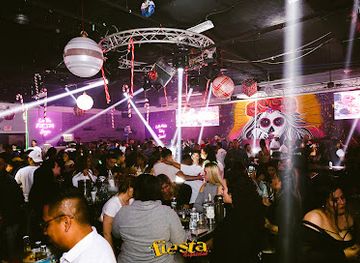
Night club
Fiesta Night Club & Restaurant
Experience the vibrant nightlife at Fiesta Night Club & Restaurant in Passaic, NJ, where great food meets electrifying entertainment in a lively atmosphere.
-
Jazz
Deer Head Inn
Experience the best of jazz and fine dining at Deer Head Inn in Delaware Water Gap, where music and cuisine create unforgettable memories.

Best shops in North Jersey
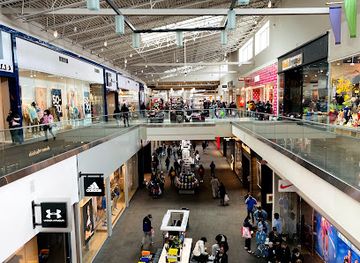
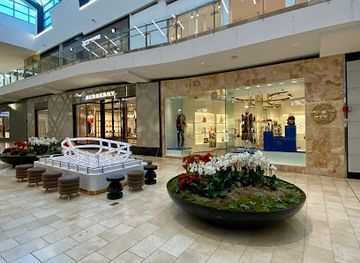
Shopping varies sharply between North Jersey's urban centre and rural north. Newark's Ironbound is the place to look for Portuguese and Brazilian groceries, bakeries, cafés, imported products and specialist delicatessen goods, while Jersey City and Hoboken offer independent boutiques, bookshops, galleries, food retailers and neighbourhood high streets. Montclair has a strong concentration of small shops, arts businesses and restaurants, and Morristown combines independent retail with services around its historic centre. In the countryside, farm stands, seasonal markets, nurseries and small producers are more characteristic than large retail districts; visitors may find local fruit, vegetables, preserves, baked goods, cider and handmade items. Antiques and craft shopping appear in several older towns, but stock and opening arrangements vary. For larger mainstream shopping centres, visitors generally use suburban commercial areas rather than expecting a single regional market district, so confirm locations and transport before setting out.
-
Outlet mall
The Mills at Jersey Gardens
Shop till you drop at The Mills at Jersey Gardens, New Jersey's largest outlet mall with over 200 stores and dining options.
-
Shopping mall
Westfield Garden State Plaza
Discover unparalleled shopping, dining, and entertainment at Westfield Garden State Plaza, New Jersey's premier shopping destination.
-
Shopping mall
Freehold Raceway Mall
Explore Freehold Raceway Mall, New Jersey’s ultimate shopping destination with diverse stores, delicious dining, and family-friendly entertainment options.
-
Outlet mall
Jersey Shore Premium Outlets
Experience unbeatable shopping at Jersey Shore Premium Outlets, where top brands meet incredible savings in a beautiful outdoor setting.
Get your free copy of our complete guide to North Jersey, delivered straight to you.
Everything on this page, from attractions and restaurants to essentials and local phrases, in one PDF you can read offline, print or share.
Already have an account? Sign in
Your North Jersey guide is ready.
We'll send it to · Not you? Sign out

Getting your guide ready…
We are putting together a fresh copy of the North Jersey guide. This can take up to a minute.
This can take a few moments. If your browser asks, choose Allow so the download can start. You'll find the guide in your Downloads folder.
Nothing happened? Download it again
Sorry, the guide is taking longer than usual. Please try again in a minute, or get it by email instead.
North Jersey essentials
Currency and Payment
Safety
Emergency Situations
Do's and Don'ts
Local Tips
From Eve
Local phrases worth knowing
You don't need to get them perfect. A few words go a long way, and locals appreciate the effort.
Basics
| English | Local | Say it |
|---|---|---|
| Hello | Hey | [hey] |
| Goodbye | Later | [lay-ter] |
| Yes | Yeah | [yeah] |
| No | Nah | [nah] |
| Please/You're welcome | No problem | [no prob-lum] |
| Thank you | Thanks | [thanks] |
| Excuse me/Sorry | Excuse me | [ex-cuse me] |
| How are you? | How ya doin'? | [how ya doin'] |
| Fine. And you? | Good. And you? | [good. and you?] |
| Do you speak English? | You speak English? | [ya speak English?] |
| I don't understand | I don't get it | [I don't get it] |
Eating & Drinking
| English | Local | Say it |
|---|---|---|
| I'd like to see the menu, please | Can I see the menu? | [can I see the menu?] |
| I don't eat meat | I'm a vegetarian | [I'm a ve-ge-tar-i-an] |
| Cheers! | Cheers! | [cheers] |
| I would like to pay, please | Can I get the check? | [can I get the check?] |
Emergencies
| English | Local | Say it |
|---|---|---|
| Help! | Help! | [help] |
| Go away! | Beat it! | [beat it] |
| Call the Police! | Call the cops! | [call the cops] |
| Call a doctor! | Get a doctor! | [get a doctor] |
| I'm lost | I’m lost | [I’m lost] |
| I'm ill | I’m sick | [I’m sick] |
Shopping
| English | Local | Say it |
|---|---|---|
| I'd like to buy... | I wanna buy... | [I wanna buy...] |
| I'm just looking | Just browsing | [just browsing] |
| How much is it? | What’s the price? | [what’s the price?] |
| That's too expensive | That’s pricey | [that’s pry-see] |
| Can you lower the price? | Can you cut me a deal? | [can you cut me a deal?] |
Time & Numbers
| English | Local | Say it |
|---|---|---|
| What time is it? | What time? | [what time?] |
| It's one o'clock | It's one | [it's one] |
| Half past (10) | Half past ten | [half past ten] |
| Morning | Morning | [morning] |
| Afternoon | Afternoon | [afternoon] |
| Evening | Evening | [evening] |
| Yesterday | Yesterday | [yesterday] |
| Today | Today | [today] |
| Tomorrow | Tomorrow | [tomorrow] |
| 1 | One | [one] |
| 2 | Two | [two] |
| 3 | Three | [three] |
| 4 | Four | [four] |
| 5 | Five | [five] |
| 6 | Six | [six] |
| 7 | Seven | [seven] |
| 8 | Eight | [eight] |
| 9 | Nine | [nine] |
| 10 | Ten | [ten] |
Transport & Directions
| English | Local | Say it |
|---|---|---|
| Where's a/the...? | Where's the ...? | [where's the ...?] |
| What's the address? | What's the address? | [what's the address?] |
| Can you show me (on the map)? | Can you show me on the map? | [can you show me on the map?] |
| When's the next (bus)? | When's the next bus? | [when's the next bus?] |
| A ticket (to ....) | A ticket to ... | [a ticket to ...] |
History of North Jersey
Lenape Homelands and Early European Settlement
Before European colonisation, northern New Jersey was home to Lenape communities whose seasonal movement, agriculture, fishing and hunting were closely connected to the region's rivers, wetlands and forests. Dutch and then English settlers established farms, trading posts and towns during the seventeenth and eighteenth centuries, displacing Indigenous communities through land purchases, coercion and disease. Newark was founded in 1666 by English settlers, while Bergen, established in 1660 in what is now Jersey City, became an early Dutch settlement. The region's waterways and navigable routes helped connect inland communities with the Hudson River and the wider Atlantic economy.
The Revolutionary War in North Jersey
North Jersey was a crucial theatre during the American Revolutionary War because its roads, rivers and proximity to New York made it strategically important. George Washington's army endured the winter at Morristown in 1779–80, one of the conflict's harshest encampments, and military movements affected communities across the region. Sites associated with the Continental Army, including Ford Mansion and the Jockey Hollow area within Morristown National Historical Park, preserve this history. The fighting also divided local residents between Patriot and Loyalist positions, making the war a profound political and social disruption rather than a distant military campaign.
Ironworking and the Industrial Foundations
From the colonial period into the nineteenth century, northern New Jersey developed an important iron industry based on local ore, forests for charcoal and streams for power. The region's furnaces and forges supplied tools, household goods and military materials, while sites such as the old ironmaking communities at Ringwood and Long Pond reflect this early industrial landscape. Industrial activity expanded beyond iron as mills, quarries and workshops appeared along rivers and transport routes. These enterprises altered forests and waterways and established patterns of labour and settlement that later industries would build upon.
Canals, Railways and Urban Growth
The Morris Canal, completed in the 1830s, linked the Delaware River with the industrial and commercial centres of northeastern New Jersey, carrying coal, iron and other goods across the difficult terrain. Railways later surpassed the canal and accelerated the growth of Newark, Paterson, Hoboken and smaller inland towns. Improved transport connected factories and farms with the port of New York and widened access to markets. Many present-day town centres, station districts, warehouses and canal remnants date from this period, when North Jersey shifted from dispersed rural settlement towards an interconnected industrial corridor.
Paterson and the Rise of Manufacturing
Alexander Hamilton promoted the Society for Establishing Useful Manufactures in 1791, helping establish Paterson as a planned manufacturing centre at the Great Falls of the Passaic River. Waterpower supported textile production, locomotive building, silk manufacture and other industries, and the city attracted workers from many countries. Paterson became one of the most important industrial cities in the United States during the nineteenth and early twentieth centuries. The surviving mills and the Great Falls National Historical Park preserve evidence of that transformation, while the city's cultural diversity remains connected to its industrial and migrant history.
Immigration, Migration and Cultural Change
From the nineteenth century onward, North Jersey's factories, docks, railways and service industries drew immigrants and migrants from Europe, the Caribbean, Latin America, Asia and elsewhere in the United States. Newark's Ironbound, for example, developed successive Portuguese, Brazilian and other communities around industry, commerce and distinctive food traditions. African American migration also reshaped urban neighbourhoods and civic life, while later arrivals from South Asia, the Middle East, Central America and other regions added further languages, religious institutions and businesses. The region's contemporary cultural character is therefore inseparable from its history of mobility and work.
Deindustrialisation and the Modern Metropolitan Region
After the Second World War, manufacturing declined across much of North Jersey as factories closed, production moved elsewhere and transport patterns changed. Some communities faced unemployment and environmental damage, while former industrial sites required lengthy remediation. At the same time, the region's proximity to New York, major universities, transport infrastructure and a highly diverse labour force supported new growth in finance, healthcare, technology, logistics, education and the arts. Waterfront redevelopment in Jersey City and Hoboken, the preservation of Paterson's industrial heritage and investment in urban cultural institutions illustrate the continuing transformation of the region.
North Jersey in Photos
Browse through our photo collection highlighting the charm and character of the destination.
Neighbouring regions of North Jersey
The closest regions to North Jersey, if you have time for more than one.
-
 Skylands Region
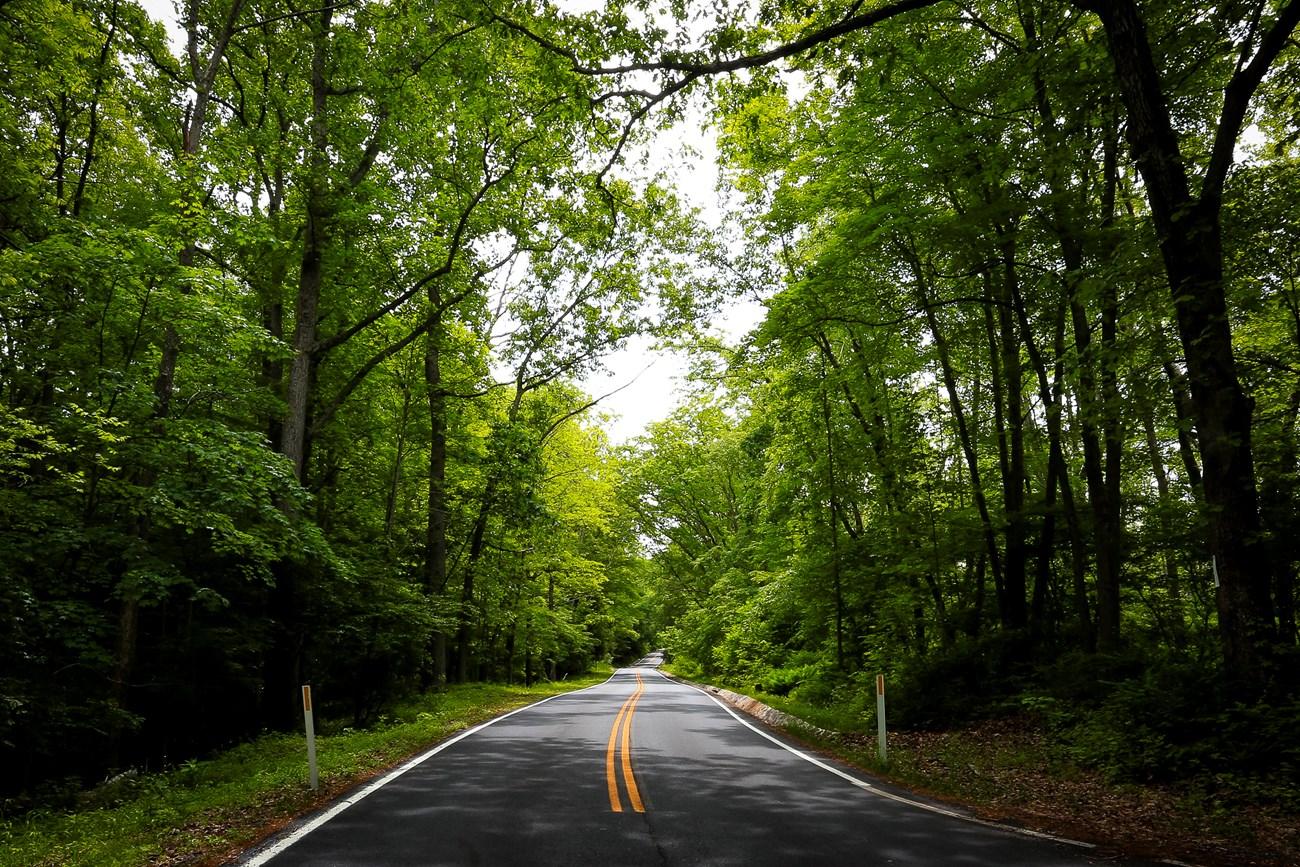
Explore New Jersey's Skylands for Appalachian trails, glacial lakes, Revolutionary history, farm markets and scenic towns near New York City.
-

-

-
-
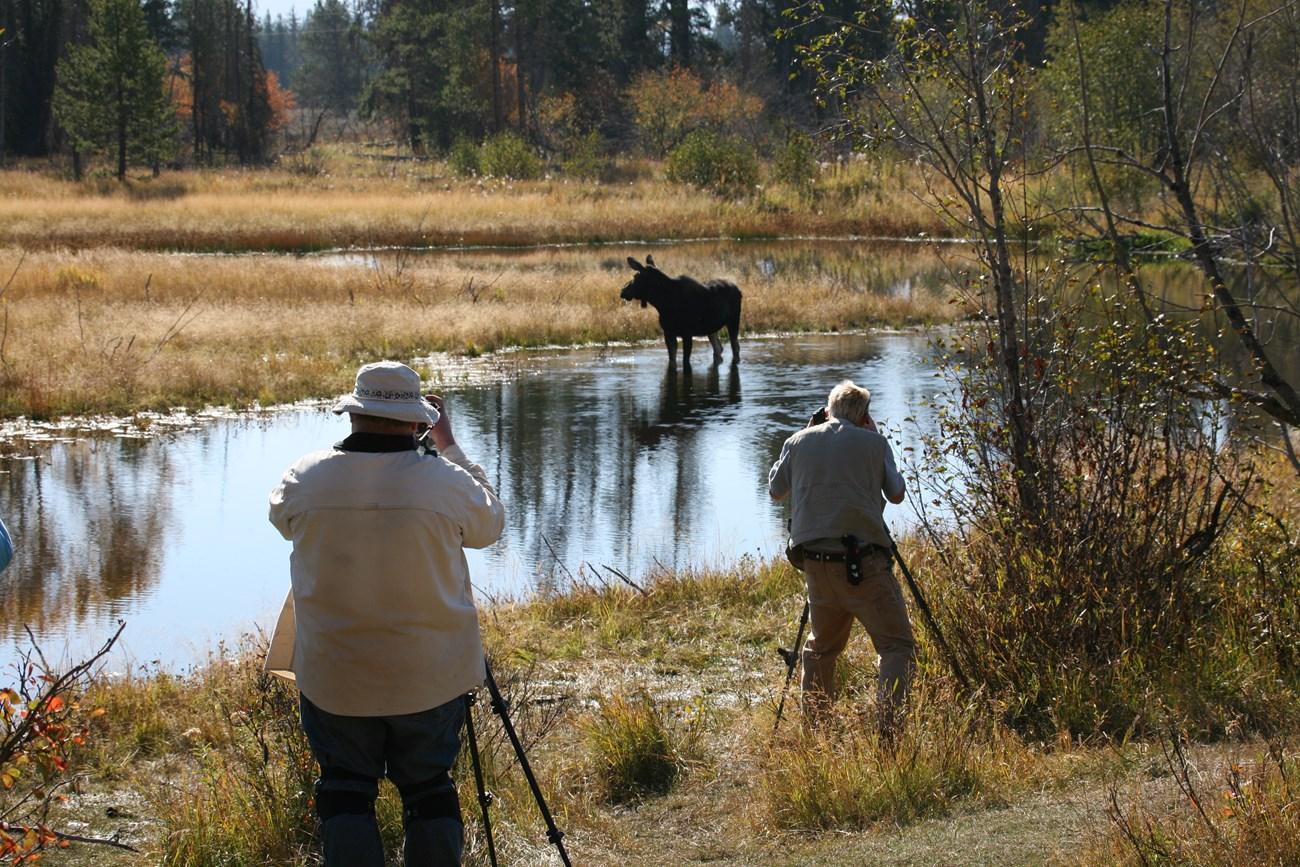 Wachung Mountains
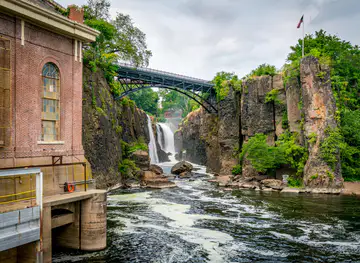
Discover the tranquil Wachung Mountains in New Jersey, where scenic trails, lush forests, and vibrant wildlife create a perfect escape for nature enthusiasts.


Swipe for more regions
Explore more
Explore more of New Jersey
Discover New Jersey: From vibrant cities and historic towns to scenic beaches and lush parks, the Garden State offers a rich blend of culture, nature, and adventure.
Explore New Jersey