

Downtown Ithaca (Ithaca) Travel Guide - Free
Explore Downtown Ithaca in Ithaca with Evendo's free guide. Find the best shops, historic streets, restaurants, and gems on web or mobile.


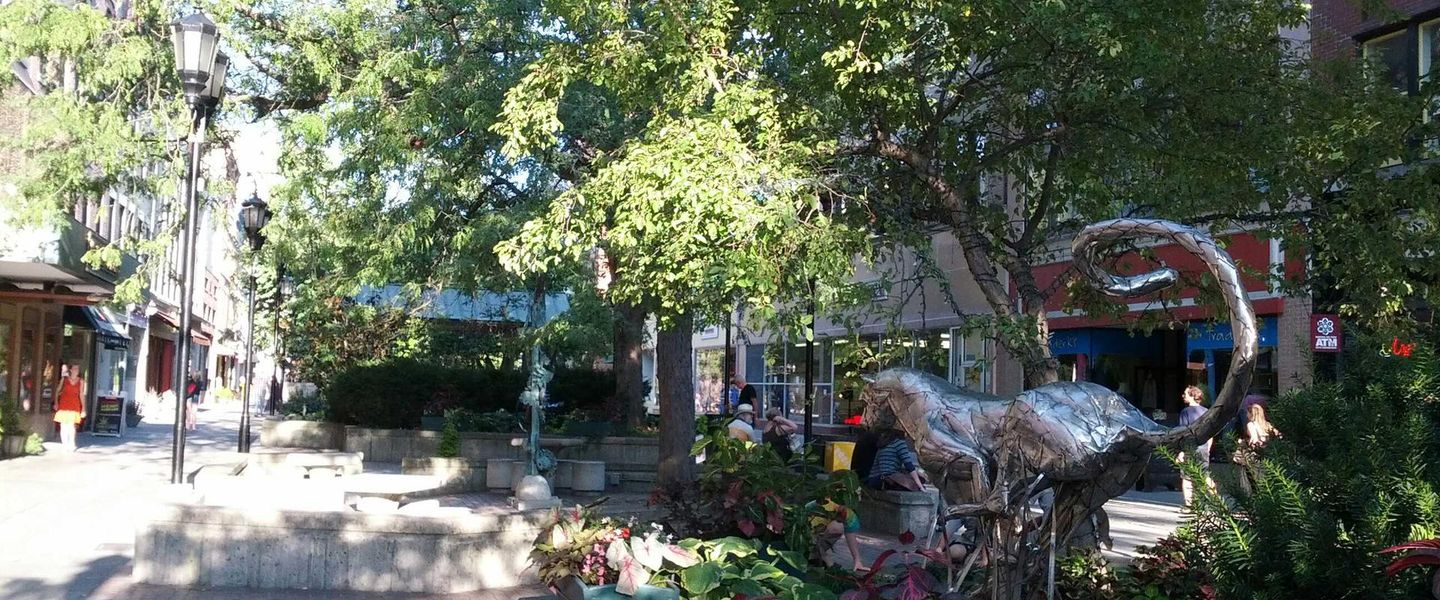


Downtown Ithaca blends the Ithaca Commons, independent cafés, live music, local history and Finger Lakes culture in the heart of New York’s university city.
The Commons and the City Centre
Downtown Ithaca is the compact civic and cultural core of Ithaca, occupying the valley floor between Cayuga Lake and the hills that rise towards Cornell University and Ithaca College. Its centre is the Ithaca Commons, a pedestrianised succession of blocks lined with independent shops, cafés, restaurants, public art and regularly changing street life. Rather than resembling a conventional commercial district, downtown feels shaped by the city’s university population, environmental culture and long-established independent businesses.Read more about Downtown Ithaca
Architecture and Cultural Life
Everyday Ithaca
Best attractions in Downtown Ithaca
The Ithaca Commons is Downtown Ithaca’s principal public attraction, a pedestrianised centre where sculptures, shopfronts, cafés and seasonal activity create a lively setting for an unhurried walk. The Commons connects naturally with State Street, Aurora Street and Cayuga Street, where historic commercial buildings house independent businesses and restaurants. The State Theatre offers a grand interior and a programme of concerts and performances, while Cinemapolis brings independent, international and art-house film to the downtown scene. Press Bay Alley, a short walk from the central blocks, places small creative enterprises in adapted industrial premises and illustrates Ithaca’s entrepreneurial character. DeWitt Park provides a green pause near the north-western side of downtown, while the nearby Ithaca Falls and Cayuga Lake waterfront are separate attractions requiring a walk, cycle or local transport connection rather than being part of the compact central district.
-
Park
Stewart Park
Experience the serene beauty and recreational charm of Stewart Park, a picturesque retreat in Ithaca, NY, by the stunning Cayuga Lake.
7 min drive · 2.4 km from neighbourhood centre
-
Tourist attraction
Triphammer Falls
Experience the breathtaking beauty of Triphammer Falls, a picturesque waterfall in Ithaca, NY, surrounded by lush nature and stunning landscapes.
5 min drive · 1.8 km from neighbourhood centre
-
Park
Wells Falls
Experience the breathtaking beauty of Wells Falls in Ithaca, a serene park with stunning waterfalls and lush landscapes, perfect for nature lovers.
15 min walk · 1.2 km from neighbourhood centre
-
History museum
The History Center in Tompkins County
Discover the fascinating history of Tompkins County at The History Center, where local stories and culture come alive through engaging exhibits and collections.
1 min walk · 0.1 km from neighbourhood centre


Best landmarks in Downtown Ithaca
The Ithaca Commons is both a public-space landmark and a symbol of the city’s decision to protect activity in its historic commercial centre through pedestrian-focused planning. Around it stand late nineteenth- and early twentieth-century buildings whose brick façades, upper-storey windows and traditional shopfront proportions preserve the scale of old downtown Ithaca. The State Theatre on West State Street is the area’s most recognisable individual structure, a 1928 theatre whose decorative design recalls the era of American movie palaces and whose continued performance use gives it cultural importance. DeWitt Park, bordered by historic buildings and civic institutions, marks the quieter north-western side of the centre. Press Bay Alley is a more recent landmark of adaptive reuse, demonstrating how former commercial or industrial premises have been folded into Ithaca’s independent business culture.
-
Nature preserve
Ithaca Falls Natural Area
Experience the breathtaking beauty of Ithaca Falls Natural Area, a stunning nature preserve featuring magnificent waterfalls and lush landscapes in Ithaca, NY.
17 min walk · 1.4 km from neighbourhood centre
-
City park
Dewitt Park
Explore Dewitt Park: A lush urban oasis in Ithaca, perfect for relaxation, picnics, and community events amidst beautiful greenery.
3 min walk · 0.2 km from neighbourhood centre
-
Tourist attraction
Sagan Planet Walk
Explore the Sagan Planet Walk in Ithaca, NY, an outdoor solar system model that brings the wonders of the universe to life for tourists and space enthusiasts.
1 min walk · 0.1 km from neighbourhood centre
-
History museum
The History Center in Tompkins County
Discover the captivating history of Tompkins County at The History Center, where engaging exhibits and local heritage come to life in the heart of Ithaca.
1 min walk · 0.1 km from neighbourhood centre


Explore Downtown Ithaca on the map
A handpicked selection of must-see spots in Downtown Ithaca, mapped for you.
Best hotels in Downtown Ithaca
Best restaurants in Downtown Ithaca
Downtown Ithaca’s dining scene reflects the city’s university population, Finger Lakes agriculture and long-running interest in independent food businesses. Around the Ithaca Commons and adjoining State, Aurora, Cayuga and Tioga streets, visitors find casual restaurants, cafés, bakeries, bars and international cooking alongside menus shaped by vegetarian and locally sourced traditions. The area is associated with Ithaca’s progressive food culture, but it is not defined by one single cuisine: options range from quick student-oriented meals to more considered dining, with plant-based and globally influenced dishes well represented. Moosewood, whose long-standing vegetarian reputation is closely connected with Ithaca, is located on North Cayuga Street near DeWitt Park. Menus and individual businesses change, so the practical character of downtown dining is its concentration and variety within a walkable area rather than a fixed roster of establishments.
-
Grill
Ithaca Ale House
Experience vibrant American cuisine and craft beers at Ithaca Ale House, a must-visit dining spot in downtown Ithaca.
2 min walk · 0.2 km from neighbourhood centre
-
Vegetarian
Moosewood
Experience the vibrant flavors of vegetarian cuisine at Moosewood in Ithaca – where every dish tells a story of freshness and creativity.
2 min walk · 0.2 km from neighbourhood centre
-
Gastropub
Red's Place
Discover Ithaca's vibrant gastropub culture at Red's Place - where delicious food meets a lively atmosphere.
2 min walk · 0.1 km from neighbourhood centre
-
Bistro
Simeon's American Bistro
Discover exquisite American cuisine at Simeon's American Bistro in Ithaca - a must-visit for food lovers seeking quality dining experiences.
1 min walk · 0.1 km from neighbourhood centre


Best bars in Downtown Ithaca
Downtown Ithaca’s evening life centres on restaurants, bars, live music and performance venues rather than a large club district. The State Theatre is the most prominent after-dark anchor, drawing audiences for concerts and other programmes on West State Street, while the Commons and nearby blocks offer places for drinks, informal gatherings and late meals. Cinemapolis adds evening film screenings, and the city’s student, academic and arts communities give the centre a changing rhythm tied to university terms and event calendars. Nightlife is generally concentrated and walkable, but individual venues differ in age requirements, closing arrangements and programming. The neighbourhood becomes quieter away from the main commercial streets, particularly around DeWitt Park and the residential edges, so visitors seeking a busy evening should check current listings rather than expect continuous nightlife across every block.
-
Bar
The Westy
Explore the vibrant brewpub culture of Ithaca at The Westy, where craft cocktails and local brews come together in a lively atmosphere.
11 min walk · 0.9 km from neighbourhood centre
-
Bar
The Watershed
Discover The Watershed in Ithaca, a unique bar blending crafted cocktails and artisanal teas in a cozy atmosphere, perfect for relaxation and socializing.
4 min walk · 0.3 km from neighbourhood centre
-
Bar
The Rhine House
Discover the vibrant atmosphere of The Rhine House, a local bar in Ithaca offering a wide selection of drinks and a welcoming ambiance.
14 min walk · 1.1 km from neighbourhood centre
-
Cocktail bar
Bar Argos
Discover the charming Bar Argos in Ithaca, where exquisite cocktails meet live jazz music for an unforgettable night out.
4 min walk · 0.3 km from neighbourhood centre


Best nightclubs in Downtown Ithaca
Downtown Ithaca’s evening life centres on restaurants, bars, live music and performance venues rather than a large club district. The State Theatre is the most prominent after-dark anchor, drawing audiences for concerts and other programmes on West State Street, while the Commons and nearby blocks offer places for drinks, informal gatherings and late meals. Cinemapolis adds evening film screenings, and the city’s student, academic and arts communities give the centre a changing rhythm tied to university terms and event calendars. Nightlife is generally concentrated and walkable, but individual venues differ in age requirements, closing arrangements and programming. The neighbourhood becomes quieter away from the main commercial streets, particularly around DeWitt Park and the residential edges, so visitors seeking a busy evening should check current listings rather than expect continuous nightlife across every block.
-
Tea house
Sacred Root Kava Lounge & Tea Bar
Discover tranquility at Sacred Root Kava Lounge & Tea Bar in Ithaca, where unique kava blends and a cozy atmosphere await you.
5 min walk · 0.4 km from neighbourhood centre
-
Bar
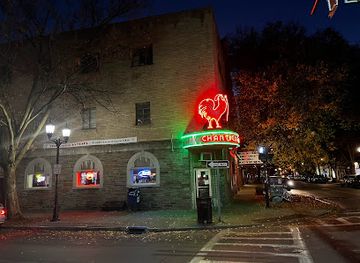
Chanticleer
Discover the vibrant nightlife at Chanticleer, a welcoming bar in downtown Ithaca, perfect for craft cocktails, local beers, and live entertainment.
3 min walk · 0.2 km from neighbourhood centre
-
Night club
Lot 10 Bar and Lounge
Discover the electric atmosphere of Lot 10 Bar and Lounge, where cocktails, live music, and a vibrant nightlife await in Ithaca, NY.
3 min walk · 0.3 km from neighbourhood centre
-
Cocktail bar
Nowhere Special Libations Parlor
Experience craft cocktails and a cozy atmosphere at Nowhere Special Libations Parlor in downtown Ithaca, where every drink tells a story.
3 min walk · 0.3 km from neighbourhood centre


Best shops in Downtown Ithaca
Shopping in Downtown Ithaca is concentrated around the Ithaca Commons and the adjoining State, Aurora, Tioga and Cayuga Street blocks. Independent bookshops, clothing and gift retailers, cafés, galleries and specialist businesses give the centre a more local character than a standard suburban shopping strip, while seasonal events may bring additional makers and vendors into the pedestrian area. Press Bay Alley adds small creative and design-oriented enterprises in a compact former industrial setting. The shopping offer is mixed rather than dominated by a single speciality, combining everyday services with locally minded gifts, books, arts-related goods and independent retail. Visitors looking specifically for regional produce should travel to the Ithaca Farmers Market at Steamboat Landing on the waterfront, which is nearby in the wider city but not part of Downtown Ithaca’s central shopping streets.
-
Gift shop
The Brain Shoppe
Discover unique gifts and brain teasers at The Brain Shoppe in downtown Ithaca, a must-visit for creative minds and gift seekers.
1 min walk · 0.1 km from neighbourhood centre
-
Souvenir store
Sunny Days Of Ithaca
Explore the charm of Ithaca at Sunny Days, your go-to souvenir store for unique gifts and local crafts that embody the spirit of this vibrant city.
2 min walk · 0.1 km from neighbourhood centre
-
Gift shop
15 STEPS
Explore Ithaca's 15 Steps - a delightful gift shop featuring unique handcrafted items, jewelry, and pottery reflecting local artistry.
2 min walk · 0.1 km from neighbourhood centre
-
Gift shop
The Cornell Store on the Ithaca Commons
Discover unique gifts and apparel at The Cornell Store in Ithaca Commons, a vibrant hub for local culture and university pride.
3 min walk · 0.2 km from neighbourhood centre


Downtown Ithaca essentials
Getting There
Getting Around
Safety
Emergency Situations
Do's and Don'ts
Local Tips

From Eve
Local phrases worth knowing
You don't need to get them perfect. A few words go a long way, and locals appreciate the effort.
Basics
| English | Local | Say it |
|---|---|---|
| Hello | Howdy | [haw-dee] |
| Goodbye | See ya | [see yuh] |
| Yes | Yep | [yep] |
| No | Nah | [nah] |
| Please/You're welcome | Please | [pleez] |
| Thank you | Thanks | [th-anks] |
| Excuse me/Sorry | S'cuse me | [s'kyoos me] |
| How are you? | How's it goin'? | [hows it goin] |
| Fine. And you? | Fine. You? | [f-ine. yoo] |
| Do you speak English? | Ya speak English? | [ya speak ing-glish] |
| I don't understand | Huh? | [huh] |
Eating & Drinking
| English | Local | Say it |
|---|---|---|
| I'd like to see the menu, please | Menu, please | [m-enu, pleez] |
| I don't eat meat | No meat for me | [no meet f-er me] |
| Cheers! | Cheers! | [cheers] |
| I would like to pay, please | Check, please | [ch-ek, pleez] |
Emergencies
| English | Local | Say it |
|---|---|---|
| Help! | Help! | [help] |
| Go away! | Get lost! | [get lost] |
| Call the Police! | Police! | [police] |
| Call a doctor! | Doctor! | [doctor] |
| I'm lost | Lost | [lost] |
| I'm ill | Sick | [sick] |
Shopping
| English | Local | Say it |
|---|---|---|
| I'd like to buy... | I wanna buy... | [i wanna buy] |
| I'm just looking | Just lookin' | [just lookin] |
| How much is it? | How much? | [how much] |
| That's too expensive | Too pricey | [too pricey] |
| Can you lower the price? | Can ya do a deal? | [can ya do a deal] |
Time & Numbers
| English | Local | Say it |
|---|---|---|
| What time is it? | Time? | [time] |
| It's one o'clock | One o'clock | [w-un o-clock] |
| Half past (10) | Half past ten | [h-af past ten] |
| Morning | Mornin' | [mornin] |
| Afternoon | Afternoon | [afternoon] |
| Evening | Evenin' | [evenin] |
| Yesterday | Yest'day | [yest-day] |
| Today | Today | [today] |
| Tomorrow | Tomorrah | [tomorrah] |
| 1 | One | [w-un] |
| 2 | Two | [too] |
| 3 | Three | [three] |
| 4 | Four | [four] |
| 5 | Five | [five] |
| 6 | Six | [six] |
| 7 | Seven | [seven] |
| 8 | Eight | [eight] |
| 9 | Nine | [nine] |
| 10 | Ten | [ten] |
Transport & Directions
| English | Local | Say it |
|---|---|---|
| Where's a/the...? | Where's the... | [wheres the] |
| What's the address? | Address? | [address] |
| Can you show me (on the map)? | Show me (on map)? | [show me on map] |
| When's the next (bus)? | Next bus? | [next bus] |
| A ticket (to ....) | Ticket (to ...) | [ticket to] |
History of Downtown Ithaca
Cayuga Homeland and Early Settlement
The valley around present-day Ithaca lies within the traditional homeland of the Cayuga people, one of the Haudenosaunee nations. Euro-American settlement expanded in the late eighteenth century, and the area was surveyed and promoted during the development of central New York. Simeon DeWitt, a surveyor general of New York State, gave the settlement the name Ithaca in the early nineteenth century, linking it to the classical world. The town became a local trading centre because of its position at the southern end of Cayuga Lake and its access to the surrounding farms and waterways.
A Commercial Village Takes Shape
Ithaca was incorporated as a village in 1821 and as a city in 1888, by which time the area around State Street, Aurora Street and Cayuga Street had developed into the principal commercial district. Lake transport, turnpikes, canals and rail connections helped move agricultural goods and manufactured products through the valley. Downtown buildings from the nineteenth and early twentieth centuries reflect this period of growth, when banks, hotels, retailers, offices and theatres established the dense streetscape that still surrounds the modern Commons.
The State Theatre Era
The Ithaca Theatre opened on West State Street in 1928, during the period when elaborate movie palaces served as major social and entertainment venues in American cities. Its auditorium and decorative exterior became an important part of downtown’s cultural identity. Although changing patterns of cinema and entertainment later challenged such theatres, the building survived and was restored for contemporary performances. Its continuing role helps connect downtown Ithaca’s commercial past with its present reputation for concerts, arts events and independent cultural activity.
Urban Renewal and the Commons
Like many American city centres, downtown Ithaca faced pressure from suburban retail development and automobile-oriented planning after the Second World War. In the early 1970s, several central blocks were redesigned as the Ithaca Commons, a pedestrian-focused public space intended to retain activity in the historic core. The scheme changed movement through downtown while preserving its role as a place for retail, civic events and informal gathering. Subsequent improvements and redevelopment have continued to adjust the Commons, Press Bay Alley and adjoining streets to changing patterns of work, study, housing and independent commerce.
Downtown Ithaca in Photos
Browse through our photo collection highlighting the charm and character of the destination.
Neighbourhoods near Downtown Ithaca
The closest neighbourhoods to Downtown Ithaca, if you have time for more than one stop.

Swipe for more neighbourhoods
Explore more
Explore more of Ithaca
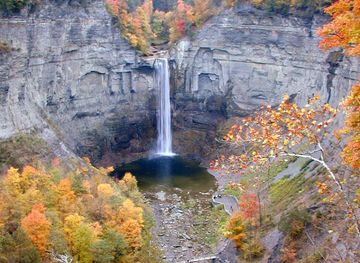
Ithaca, New York blends Finger Lakes scenery, Cornell architecture, dramatic gorges, farm-to-table dining, arts and distinctive local culture.
Explore Ithaca