

Collegetown (Ithaca) Travel Guide - Free
Explore Collegetown in Ithaca with Evendo's free guide. Find the best shops, historic streets, restaurants, and gems on web or mobile.


Collegetown, Ithaca: explore Cornell-campus landmarks, student cafés, international dining, live music and walkable streets above Cayuga Lake views.
A University Neighbourhood on the Hill
Collegetown occupies the streets immediately west and south-west of Cornell University’s central campus in Ithaca, New York. Its informal boundaries are shaped by the university grounds, University Avenue, Stewart Avenue and the steep slopes leading towards downtown Ithaca, with College Avenue, Dryden Road, Eddy Street and Buffalo Street forming its principal routes. The district is closely identified with Cornell students, although it is also a lively part of the city for residents, faculty, visitors and local businesses.Read more about Collegetown
Street Life and Architecture
Food, Culture and Campus Connections
Best attractions in Collegetown
Collegetown’s attractions are closely tied to its position beside Cornell University rather than to a large collection of standalone visitor sights. A walk along College Avenue, Dryden Road and Eddy Street reveals the district’s student-oriented businesses, older rental houses and changing apartment architecture, while the adjacent Cornell campus provides access to the Arts Quad, McGraw Tower and the Herbert F Johnson Museum of Art. These university places lie beside or just beyond the informal neighbourhood boundary and are best understood as nearby campus attractions. The steep streets also offer changing views towards Ithaca’s wooded hills and, from selected uphill points, the wider Cayuga Lake landscape. Everyday observation is part of the experience: cafés, bus stops, book-related businesses and restaurant terraces show how academic routines shape the public life of this compact hillside district.
-
Nature preserve
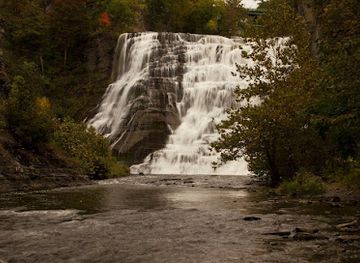
Ithaca Falls Natural Area
Immerse yourself in the breathtaking beauty of Ithaca Falls Natural Area, a serene nature preserve perfect for outdoor enthusiasts and nature lovers alike.
18 min walk · 1.5 km from neighbourhood centre
-
Art museum
Herbert F. Johnson Museum of Art
Explore a diverse collection of art at the Herbert F. Johnson Museum, offering breathtaking views and cultural enrichment in Ithaca, NY.
5 min drive · 1.5 km from neighbourhood centre
-
Garden
Ithaca Children's Garden
Explore Ithaca Children's Garden, a vibrant destination for families to engage with nature through play, learning, and creativity in the heart of New York.
5 min drive · 1.5 km from neighbourhood centre
-
Tourist attraction
Ithaca Falls
Explore the breathtaking Ithaca Falls, a stunning waterfall in New York, offering serene beauty and a tranquil escape into nature's embrace.
5 min drive · 1.5 km from neighbourhood centre


Best landmarks in Collegetown
Collegetown’s most significant landmarks are found in its relationship with Cornell University and in the surviving houses that reveal the district’s growth as a university neighbourhood. College Avenue and Dryden Road act as historic and contemporary circulation lines between urban Ithaca and the hilltop campus, while the mixture of timber-framed houses, porches, apartment blocks and small commercial buildings records successive phases of student demand. Just beyond the commercial core, Cornell’s McGraw Tower is a prominent visual reference, and the Arts Quad and historic campus buildings provide the architectural setting that gives Collegetown its name and purpose. These landmarks are adjacent rather than uniformly inside the informal neighbourhood, but they explain its development more clearly than any single monument. The district’s symbolic landmark is therefore the university-edge streetscape itself: a compressed meeting point between academic institution, rental housing and city life.
-
Nature preserve
Ithaca Falls Natural Area
Immerse yourself in the tranquility of Ithaca Falls Natural Area, where nature's beauty and adventure await in stunning New York landscapes.
18 min walk · 1.5 km from neighbourhood centre
-
Art museum
Herbert F. Johnson Museum of Art
Discover the exquisite art collection and stunning architecture at the Herbert F. Johnson Museum of Art in Ithaca, NY, a true cultural gem.
5 min drive · 1.5 km from neighbourhood centre
-
Nature preserve
Mulholland Wildflower Preserve
Discover the tranquility and beauty of Mulholland Wildflower Preserve in Ithaca, NY, a perfect retreat for nature lovers and outdoor enthusiasts.
18 min walk · 1.4 km from neighbourhood centre
-
Park
Wells Falls
Experience the breathtaking beauty of Wells Falls, a serene park in Ithaca's Finger Lakes, perfect for nature lovers and outdoor enthusiasts.
16 min walk · 1.3 km from neighbourhood centre


Explore Collegetown on the map
A handpicked selection of must-see spots in Collegetown, mapped for you.
Best hotels in Collegetown
Best restaurants in Collegetown
Collegetown has one of Ithaca’s densest concentrations of casual dining, shaped by Cornell’s student population and by the city’s international university community. College Avenue and Dryden Road are the main corridors for inexpensive meals, takeaway food, cafés and restaurants serving Asian, South Asian, Mexican, Mediterranean and American-influenced dishes, alongside familiar late-night student fare. The scene changes with the academic calendar, and smaller spaces can be busy around lunch, dinner and weekend evenings. Nearby campus food outlets broaden the choices, while downtown Ithaca offers a more extensive restaurant range a short bus ride or walk downhill. Collegetown is better known for practical, varied everyday eating than for a formal fine-dining district, and its culinary character comes from the concentration of independent and student-oriented venues within a few steep, walkable blocks.
-
Greek
Souvlaki House
Discover Souvlaki House in Ithaca: where authentic Greek flavors meet Italian delights in a cozy atmosphere.
11 min walk · 0.9 km from neighbourhood centre
-
Italian
D.P. Dough
Experience authentic Italian flavors at D.P. Dough in Ithaca – home of delicious calzones and a lively atmosphere.
13 min walk · 1.1 km from neighbourhood centre
-
Asian
Koko
Discover Koko in Ithaca: A cozy Korean restaurant offering authentic flavors and a welcoming atmosphere perfect for food lovers.
13 min walk · 1.1 km from neighbourhood centre
-
Japanese
Oishii Bowl
Experience authentic Japanese cuisine at Oishii Bowl in Ithaca - where every dish tells a story and every bite is an adventure.
13 min walk · 1.1 km from neighbourhood centre


Best bars in Collegetown
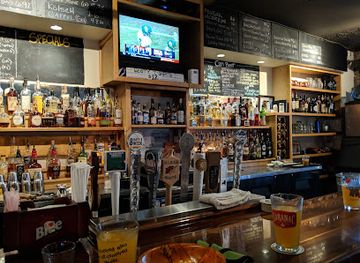
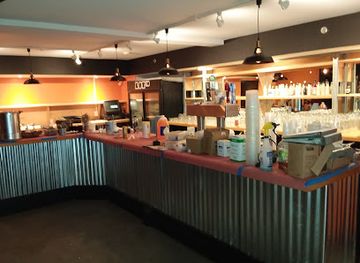
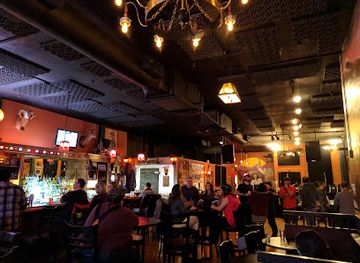
After dark, Collegetown’s activity is concentrated around College Avenue, Dryden Road and nearby campus-facing streets, where bars, casual evening venues and late food businesses serve a predominantly student audience. The atmosphere is closely linked to Cornell’s term calendar, with quieter periods during academic breaks and busier evenings during the teaching year. Entertainment is generally informal rather than centred on a large nightclub district, and options may include pub-style drinking, music-oriented venues and social spaces attached to restaurants or bars. Ithaca’s wider live-music and arts scene extends beyond Collegetown into downtown and the West End, so visitors seeking a broader programme should look outside the neighbourhood. At all hours, noise carries readily through the residential streets, making considerate behaviour important around shared houses and apartment buildings.
-
Bar
The Westy
Experience the vibrant energy at The Westy, a popular brewpub and cocktail bar in Ithaca, offering craft beverages and delicious pub fare.
9 min walk · 0.7 km from neighbourhood centre
-
Bar
The Watershed
Discover The Watershed, Ithaca's unique bar and tea house with an extensive drink menu and vibrant atmosphere, perfect for relaxation and socializing.
2 min walk · 0.2 km from neighbourhood centre
-
Bar
The Rhine House
Discover The Rhine House in Ithaca, NY - a cozy bar with local charm, extensive drinks, and live music to elevate your night out.
13 min walk · 1.0 km from neighbourhood centre
-
Bar
Chanticleer
Discover the vibrant nightlife of Ithaca at Chanticleer, where great drinks and a lively atmosphere await in the heart of downtown.
1 min walk · 0.1 km from neighbourhood centre


Best nightclubs in Collegetown
After dark, Collegetown’s activity is concentrated around College Avenue, Dryden Road and nearby campus-facing streets, where bars, casual evening venues and late food businesses serve a predominantly student audience. The atmosphere is closely linked to Cornell’s term calendar, with quieter periods during academic breaks and busier evenings during the teaching year. Entertainment is generally informal rather than centred on a large nightclub district, and options may include pub-style drinking, music-oriented venues and social spaces attached to restaurants or bars. Ithaca’s wider live-music and arts scene extends beyond Collegetown into downtown and the West End, so visitors seeking a broader programme should look outside the neighbourhood. At all hours, noise carries readily through the residential streets, making considerate behaviour important around shared houses and apartment buildings.
-
Bar
The Westy
Discover Ithaca's vibrant bar scene at The Westy, a brewpub offering craft cocktails, local brews, and live music in a cozy atmosphere.
9 min walk · 0.7 km from neighbourhood centre
-
Night club
Lot 10 Bar and Lounge
Discover the energetic nightlife and live music scene at Lot 10 Bar and Lounge, a premier cocktail bar in downtown Ithaca.
2 min walk · 0.1 km from neighbourhood centre
-
Bar
The Range
Experience Ithaca's nightlife at The Range, where vibrant music meets diverse drinks for an unforgettable evening out.
1 min walk · 0.1 km from neighbourhood centre
-
Bar
The Downstairs
Experience Ithaca's nightlife at The Downstairs, where creative cocktails and live events create an unforgettable atmosphere.
2 min walk · 0.2 km from neighbourhood centre

Best shops in Collegetown
Shopping in Collegetown is practical and service-led, reflecting the needs of students and nearby residents rather than a destination retail market. College Avenue and Dryden Road contain small food shops, cafés, convenience retailers, personal services and businesses connected with university life, while campus stores and nearby book-related outlets serve academic routines. The retail mix changes over time as rents, student demand and university development reshape the district, so visitors should not expect a preserved antique quarter or a major fashion street. For independent boutiques, specialist food shopping, larger book selections and a broader market atmosphere, downtown Ithaca provides more variety a short distance downhill. Collegetown’s shopping interest lies in the compact relationship between housing, campus and daily commerce: many errands can be completed on foot, and the streets remain closely tied to the academic calendar.
-
Gift shop
The Brain Shoppe
Explore The Brain Shoppe in Ithaca: your go-to destination for unique gifts, puzzles, and local crafts that capture the essence of this charming town.
2 min walk · 0.2 km from neighbourhood centre
-
Souvenir store
Sunny Days Of Ithaca
Explore a treasure trove of unique souvenirs and local artisan gifts at Sunny Days of Ithaca, your go-to shop in the heart of Ithaca Commons.
1 min walk · 0.1 km from neighbourhood centre
-
Gift shop
15 STEPS
Explore the charm of Ithaca at 15 Steps, your destination for unique gifts, handcrafted jewelry, and exquisite pottery.
1 min walk · 0.1 km from neighbourhood centre
-
Gift shop
The Cornell Store on the Ithaca Commons
Explore The Cornell Store for unique Cornell memorabilia, stylish apparel, and local artisan goods in the heart of Ithaca Commons.
1 min walk · 0.1 km from neighbourhood centre


Collegetown essentials
Getting There
Getting Around
Safety
Emergency Situations
Do's and Don'ts
Local Tips

From Eve
Local phrases worth knowing
You don't need to get them perfect. A few words go a long way, and locals appreciate the effort.
Basics
| English | Local | Say it |
|---|---|---|
| Hello | Hey | [Hey] |
| Goodbye | Later | [Lay-ter] |
| Yes | Yeah | [Yeah] |
| No | Nah | [Nah] |
| Please/You're welcome | Sure thing | [Sure thing] |
| Thank you | Thanks | [Thanks] |
| Excuse me/Sorry | My bad | [My bad] |
| How are you? | What's up? | [What's up?] |
| Fine. And you? | Chillin'. You? | [Chillin'. You?] |
| Do you speak English? | You speak English? | [You speak English?] |
| I don't understand | I'm lost | [I'm lost] |
Eating & Drinking
| English | Local | Say it |
|---|---|---|
| I'd like to see the menu, please | Can I see the menu? | [Can I see the menu?] |
| I don't eat meat | I'm vegetarian | [I'm vegetarian] |
| Cheers! | Cheers! | [Cheers!] |
| I would like to pay, please | Check, please | [Check, please] |
Emergencies
| English | Local | Say it |
|---|---|---|
| Help! | Help! | [Help!] |
| Go away! | Get lost! | [Get lost!] |
| Call the Police! | Call the cops! | [Call the cops!] |
| Call a doctor! | Get a doctor! | [Get a doctor!] |
| I'm lost | I'm lost | [I'm lost] |
| I'm ill | I'm sick | [I'm sick] |
Shopping
| English | Local | Say it |
|---|---|---|
| I'd like to buy... | I wanna buy... | [I wanna buy...] |
| I'm just looking | Just browsing | [Just browsing] |
| How much is it? | How much? | [How much?] |
| That's too expensive | Too pricey | [Too pricey] |
| Can you lower the price? | Can you give me a deal? | [Can you give me a deal?] |
Time & Numbers
| English | Local | Say it |
|---|---|---|
| What time is it? | What time is it? | [What time is it?] |
| It's one o'clock | It's one | [It's one] |
| Half past (10) | Ten thirty | [Ten thirty] |
| Morning | Morning | [Morning] |
| Afternoon | Afternoon | [Afternoon] |
| Evening | Evening | [Evening] |
| Yesterday | Yesterday | [Yesterday] |
| Today | Today | [Today] |
| Tomorrow | Tomorrow | [Tomorrow] |
| 1 | One | [One] |
| 2 | Two | [Two] |
| 3 | Three | [Three] |
| 4 | Four | [Four] |
| 5 | Five | [Five] |
| 6 | Six | [Six] |
| 7 | Seven | [Seven] |
| 8 | Eight | [Eight] |
| 9 | Nine | [Nine] |
| 10 | Ten | [Ten] |
Transport & Directions
| English | Local | Say it |
|---|---|---|
| Where's a/the...? | Where's the...? | [Where's the...?] |
| What's the address? | What's the address? | [What's the address?] |
| Can you show me (on the map)? | Can you show me (on the map)? | [Can you show me (on the map)?] |
| When's the next (bus)? | When's the next (bus)? | [When's the next (bus)?] |
| A ticket (to ....) | A ticket (to ....) | [A ticket (to ....)] |
History of Collegetown
Cornell’s Founding and the Hilltop Setting
Collegetown’s modern identity developed from its position beside Cornell University, founded in Ithaca in 1865 by Ezra Cornell and Andrew Dickson White. The university was established on a hillside above the city, and its expanding campus gradually shaped the roads, property values and land uses around it. Before the district became known for student life, this part of Ithaca consisted largely of upland farmland, scattered development and routes connecting the city below with the newly established institution. Cornell’s growth gave the surrounding streets a purpose distinct from downtown commerce, linking them increasingly to academic work, university employment and student accommodation.
From Outlying Streets to Student Quarter
As Cornell attracted increasing numbers of students and staff during the late nineteenth and early twentieth centuries, houses and small businesses appeared around the approaches to campus. Streets such as College Avenue, Dryden Road, Eddy Street and Buffalo Street became part of a mixed residential area whose economy depended heavily on the university. Older houses were adapted for lodgings and later for shared student residences, while shops and modest commercial premises served daily needs close to the gates. The resulting pattern—dense housing, short walking connections and commercial activity concentrated along a few main streets—remains fundamental to Collegetown’s physical character.
Postwar Expansion and Changing Housing Pressures
Cornell’s postwar expansion and the broader growth of American university education increased pressure on Collegetown’s housing stock. Student demand encouraged the conversion of older homes into multi-occupancy rentals and the construction of larger apartment buildings, producing a sharper contrast between historic houses and newer high-density development. Commercial premises also became increasingly oriented towards student budgets and routines. These changes brought economic activity and convenient services, while raising enduring questions about parking, traffic, building scale, maintenance and the relationship between a largely transient student population and longer-term residents.
Contemporary Collegetown
In the twenty-first century, Collegetown has remained one of Ithaca’s clearest examples of a university-adjacent neighbourhood, with redevelopment and housing policy continuing to shape its future. Newer apartment projects have appeared alongside older rental houses and established businesses, while Cornell and the City of Ithaca have addressed infrastructure, pedestrian movement and the district’s connection to campus. The area’s identity is therefore both stable and changing: its cafés, restaurants and student services reflect the rhythm of the academic calendar, while its streets and buildings record successive waves of university growth and urban adaptation.
Collegetown in Photos
Browse through our photo collection highlighting the charm and character of the destination.
Neighbourhoods near Collegetown
The closest neighbourhoods to Collegetown, if you have time for more than one stop.

Swipe for more neighbourhoods
Explore more
Explore more of Ithaca
Ithaca, New York blends Finger Lakes scenery, Cornell architecture, dramatic gorges, farm-to-table dining, arts and distinctive local culture.
Explore Ithaca