

Free Ithaca Travel Guide & Mobile App
Plan your Ithaca trip with Evendo. Get free guides to top attractions, restaurants, hotels, and bars. Web access or download the mobile app.


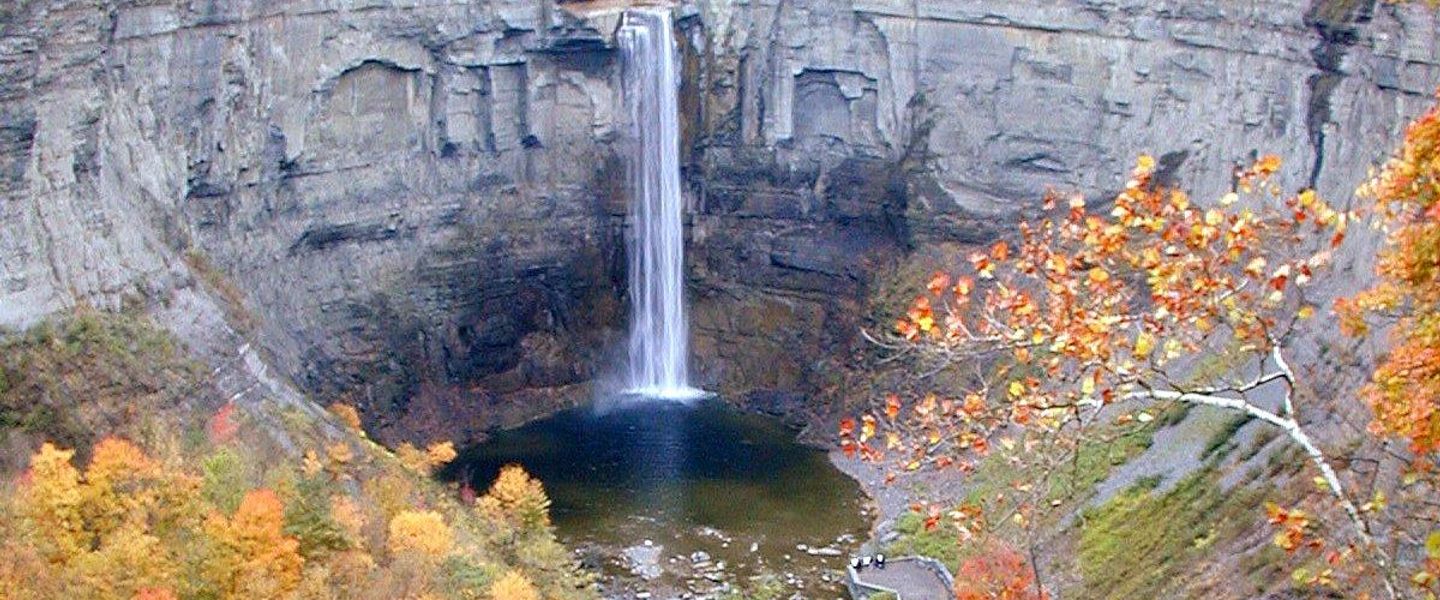


Ithaca, New York blends Finger Lakes scenery, Cornell architecture, dramatic gorges, farm-to-table dining, arts and distinctive local culture.
Gorges and Finger Lakes Setting
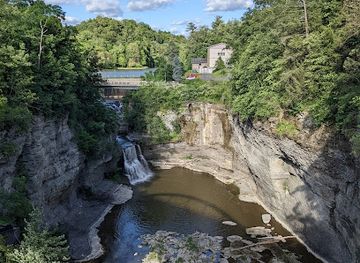
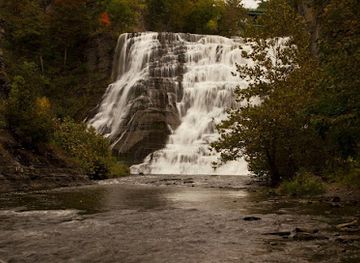
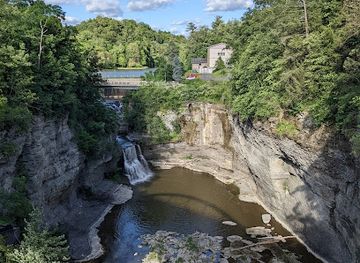
Ithaca rises at the southern end of Cayuga Lake, where the long, glacially carved waterways of New York’s Finger Lakes meet wooded hills and steep creek gorges. Water is central to the city’s identity: Cascadilla Gorge cuts towards the centre, Ithaca Falls drops through a forested ravine near the eastern edge, and the lake opens northwards from Stewart Park and the waterfront. Trails, waterfalls and overlooks give the city an unusually close relationship with its surrounding landscape, although gorge paths can be steep, slippery and seasonally restricted.Read more about Ithaca
A City Shaped by Learning
Character and Exploration
When is the best time to visit Ithaca?
Best: June–August · 24–27°C| Month | High (°C) | Rainfall (mm) |
|---|---|---|
| January | 1 | 61 |
| February | 3 | 51 |
| March | 8 | 70 |
| April | 14 | 80 |
| May | 20 | 90 |
| June (best) | 24 | 90 |
| July (best) | 27 | 90 |
| August (best) | 26 | 90 |
| September | 22 | 90 |
| October | 15 | 80 |
| November | 8 | 80 |
| December | 4 | 70 |
Getting to and around Ithaca
How to get there
Transportation
Best attractions in Ithaca
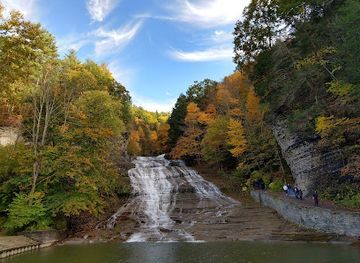
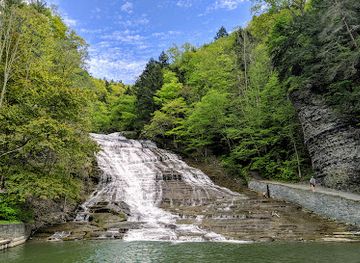
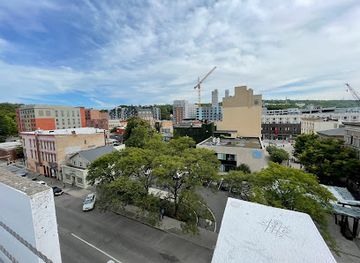
Ithaca’s attractions combine university culture, public art and a landscape shaped by water. The Ithaca Commons forms the pedestrian centre, lined with shops, cafés, murals and seasonal events, while the Herbert F. Johnson Museum of Art at Cornell University presents collections in a distinctive I. M. Pei building. Cornell Botanic Gardens extends across gardens, arboretum and natural areas, offering a cultivated counterpoint to the city’s wooded ravines. Near Cayuga Lake, the Ithaca Farmers Market occupies a waterside pavilion and brings together regional growers, food producers and craftspeople. Stewart Park provides lawns, lake views and access to the waterfront, and the Sciencenter offers hands-on exhibits for families. Ithaca Falls, Cascadilla Gorge and Buttermilk Falls State Park, just south of the city, reveal the area’s characteristic waterfalls and layered rock, though each has different trail conditions and lies in a distinct setting.
-
Tourist attraction
Buttermilk Falls State Park
Explore the breathtaking waterfalls and lush landscapes of Buttermilk Falls State Park in Ithaca, NY—a nature lover's paradise.
10 min drive · 3.4 km from city centre
-
Tourist attraction
Ithaca Falls Natural Area
Experience the breathtaking beauty of Ithaca Falls Natural Area, a picturesque park with stunning waterfalls and lush hiking trails in Ithaca, New York.
15 min walk · 1.2 km from city centre
-
Tourist attraction
Stewart Park
Explore the natural beauty and tranquility of Stewart Park, a stunning destination in Ithaca, NY, perfect for outdoor activities and relaxation.
6 min drive · 1.9 km from city centre
-
Botanical garden
Cornell Botanic Gardens
Explore the beauty of nature at Cornell Botanic Gardens, a serene retreat in Ithaca, New York, featuring diverse plant collections and tranquil landscapes.
7 min drive · 2.5 km from city centre
Best landmarks in Ithaca
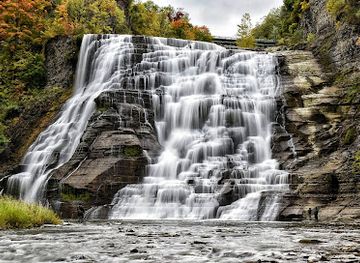
The Cornell University campus supplies Ithaca with several of its most recognisable landmarks, including McGraw Tower, whose chimes are part of the city’s soundscape, and the Arts Quad with its historic academic buildings. The Herbert F. Johnson Museum of Art is significant both for its collections and for its modernist architecture overlooking Cayuga Lake. Downtown, the Tompkins County Courthouse and the Ithaca Commons represent different phases of civic history, from nineteenth-century government to late twentieth-century pedestrian planning. The ornate State Theatre on East State Street preserves a major entertainment building from the city’s early twentieth-century commercial era. Outside the central streets, Ithaca Falls and the stone-lined gorge landscapes function as natural landmarks, linking the city’s industrial past, water-powered development and distinctive Finger Lakes geology.
-
State park
Buttermilk Falls State Park
Explore Buttermilk Falls State Park in Ithaca, NY - a breathtaking natural wonder with cascading waterfalls, scenic trails, and diverse wildlife experiences.
10 min drive · 3.4 km from city centre
-
Non-profit organization
Downtown Ithaca Alliance (The Ithaca Commons)
Explore the vibrant Ithaca Commons in downtown Ithaca, NY—a pedestrian mall filled with unique shops, delicious dining, art installations, and community events.
8 min walk · 0.6 km from city centre
-
Nature preserve
Ithaca Falls Natural Area
Experience the natural beauty of Ithaca Falls Natural Area, where cascading waterfalls meet lush landscapes in a serene natural preserve.
15 min walk · 1.2 km from city centre
-
Botanical garden
Cornell Botanic Gardens
Explore the lush landscapes and diverse flora of Cornell Botanic Gardens, a tranquil haven for nature enthusiasts in Ithaca, New York.
7 min drive · 2.5 km from city centre
Explore Ithaca on the map
Plan your Ithaca trip on one map. See where the top attractions, landmarks, restaurants, bars and hotels are, find what's near where you're staying, and book hotels and experiences in a few clicks.
Neighbourhoods in Ithaca
-

-


Swipe for more neighbourhoods
Best hotels in Ithaca
Best restaurants in Ithaca
Ithaca’s dining culture reflects the farms, orchards and vineyards of the Finger Lakes as much as the presence of two colleges. Seasonal produce, local dairy, apples, grains and craft beverages appear on menus ranging from casual cafés and vegetarian kitchens to more elaborate farm-to-table cooking. The city has a long association with meat-free dining, strengthened by the influence of Moosewood Restaurant, whose cookbook tradition helped bring American attention to creative vegetarian food. The Ithaca Farmers Market is an important food destination in its own right, with prepared dishes, baked goods and regional ingredients beside the lake. Downtown and the Commons provide a concentration of restaurants, while Collegetown offers informal, student-oriented eating and West End venues add an independent neighbourhood character. Finger Lakes wines and cider are common regional references, though vineyards and producers themselves are generally outside the city.
-
Restaurant
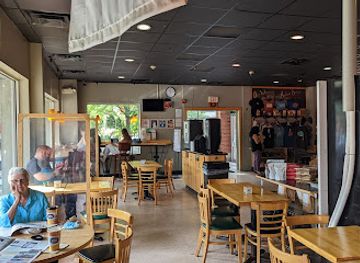
Ithaca Bakery
Discover Ithaca Bakery - A delightful spot for fresh bagels, sandwiches, and pastries in the heart of Ithaca.
7 min walk · 0.6 km from city centre
-
Steak
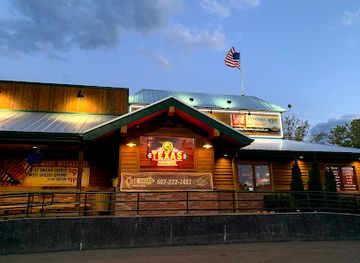
Texas Roadhouse
Experience hearty American cuisine at Texas Roadhouse in Ithaca with hand-cut steaks, delicious sides, and an inviting atmosphere perfect for all occasions.
5 min drive · 1.5 km from city centre
-
Restaurant
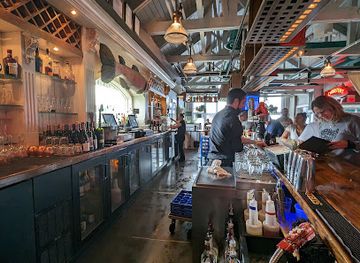
The Boatyard Grill
Experience exquisite local cuisine and stunning waterfront views at Ithaca's premier dining destination, The Boatyard Grill.
11 min walk · 0.9 km from city centre
-
Grill
Ithaca Ale House
Savor delicious American cuisine and local brews at Ithaca Ale House - a must-visit grill and bar in downtown Ithaca.
10 min walk · 0.8 km from city centre
Best bars in Ithaca
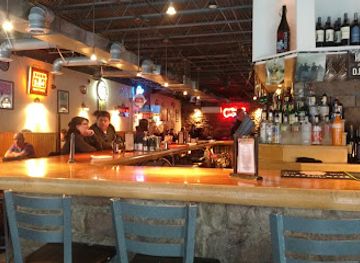
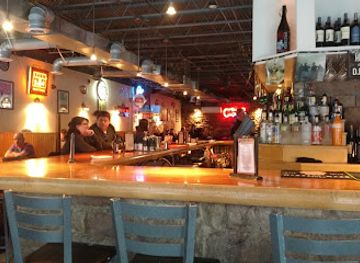
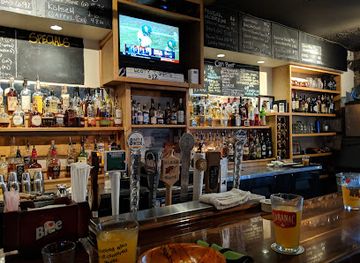
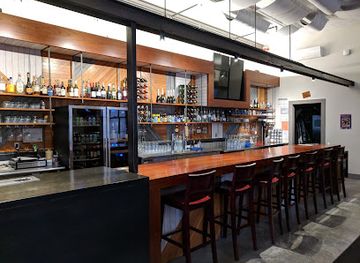
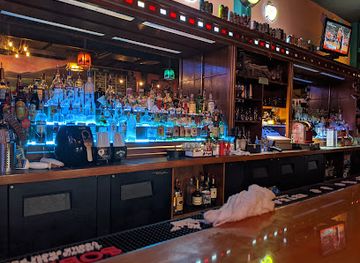
Ithaca’s evening scene is shaped more by students, live performance and small independent bars than by a large nightclub circuit. The Ithaca Commons and nearby State Street contain pubs, beer-focused venues, cocktail bars and casual places that become busier during the academic year, while Collegetown has a concentrated student nightlife. The State Theatre presents touring musicians, comedy and other performances in a restored historic cinema, and the Hangar Theatre and Cornell’s cultural venues broaden the evening programme beyond drinking. Live music, readings, film screenings and campus events are regular parts of local cultural life. The atmosphere varies with the university calendar: term time brings more late-night activity, whereas summer evenings often centre on outdoor events, waterfront gatherings and performances. Visitors should check current event information, as venues and programmes change.
-
Grill
Ithaca Ale House
Discover the flavors of Ithaca at Ithaca Ale House, where American cuisine meets an exceptional selection of craft beers in a lively atmosphere.
10 min walk · 0.8 km from city centre
-
Bar
The Westy
Experience the vibrant nightlife of Ithaca at The Westy, your go-to bar for craft beers, cocktails, and delicious pub fare.
8 min walk · 0.7 km from city centre
-
Sports bar
Uncle Joe's Grill & Sports Bar
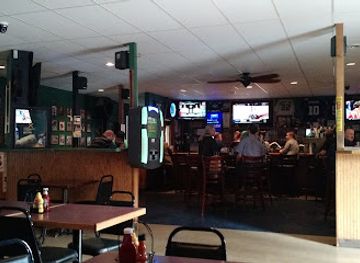
Experience the ultimate sports bar atmosphere at Uncle Joe's Grill & Sports Bar in Ithaca, where delicious food and live sports come together.
7 min walk · 0.6 km from city centre
-
Bar
The Watershed
Discover Ithaca's gem, The Watershed, where unique drinks and a cozy atmosphere create unforgettable moments.
7 min walk · 0.5 km from city centre
Best nightclubs in Ithaca
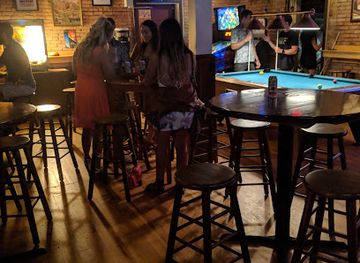
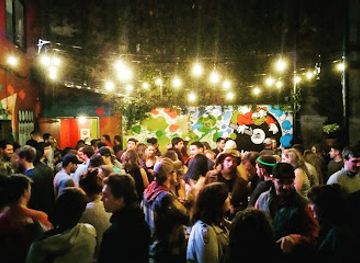
Ithaca’s evening scene is shaped more by students, live performance and small independent bars than by a large nightclub circuit. The Ithaca Commons and nearby State Street contain pubs, beer-focused venues, cocktail bars and casual places that become busier during the academic year, while Collegetown has a concentrated student nightlife. The State Theatre presents touring musicians, comedy and other performances in a restored historic cinema, and the Hangar Theatre and Cornell’s cultural venues broaden the evening programme beyond drinking. Live music, readings, film screenings and campus events are regular parts of local cultural life. The atmosphere varies with the university calendar: term time brings more late-night activity, whereas summer evenings often centre on outdoor events, waterfront gatherings and performances. Visitors should check current event information, as venues and programmes change.
-
Bar
The Westy
Discover The Westy, Ithaca's vibrant bar and brewpub, where craft beers and live music create unforgettable nights.
8 min walk · 0.7 km from city centre
-
Bar
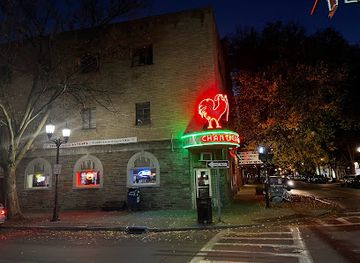
Chanticleer
Experience the vibrant nightlife of Ithaca at Chanticleer, a lively bar offering creative cocktails and a welcoming atmosphere.
7 min walk · 0.5 km from city centre
-
Night club
Lot 10 Bar and Lounge
Discover the vibrant nightlife at Lot 10 Bar and Lounge in downtown Ithaca, offering cocktails, live music, and an unforgettable atmosphere.
7 min walk · 0.6 km from city centre
-
Bar
The Range
Experience vibrant nightlife at The Range in Ithaca, NY, where expertly crafted cocktails meet a lively atmosphere.
8 min walk · 0.6 km from city centre
Best shops in Ithaca
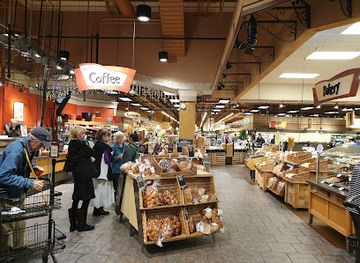
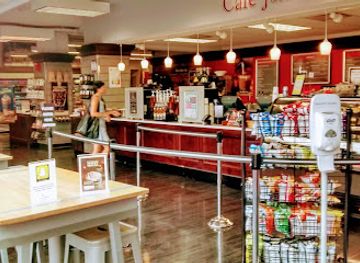
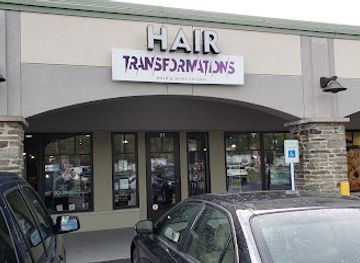
Shopping in Ithaca centres on independent businesses, local food and the contrast between the pedestrian Commons and the university districts. The Ithaca Commons has bookstores, clothing shops, galleries, gift retailers and cafés, while nearby streets include specialist stores and small businesses serving residents and students. The Ithaca Farmers Market is the principal place to browse regional produce, prepared foods, preserves, baked goods, wine-related products and work by local makers, with the exact mix changing through the seasons. Cornell’s campus and museum shops offer university-related goods, books and art-inspired gifts, although they form only part of the city’s retail character. Visitors may also encounter ceramics, textiles, woodwork and other crafts connected to the wider Finger Lakes region. For antiques, farm products and larger retail selections, shopping becomes more dispersed beyond the walkable centre.
-
Shopping mall
Creekside Plaza
Experience shopping, dining, and entertainment at Creekside Plaza, Ithaca's vibrant shopping destination in the heart of New York.
18 min walk · 1.4 km from city centre
-
Gift shop
The Cornell Store
Explore The Cornell Store in Ithaca for unique gifts, books, and a cozy café experience amidst the vibrant culture of Cornell University.
19 min walk · 1.5 km from city centre
-
Shopping mall
Ithaca Shopping Plaza
Experience the perfect blend of shopping and dining at Ithaca Shopping Plaza, a vibrant hub in New York's picturesque Ithaca.
5 min drive · 1.6 km from city centre
-
Used clothing store
Evergreen Ithaca
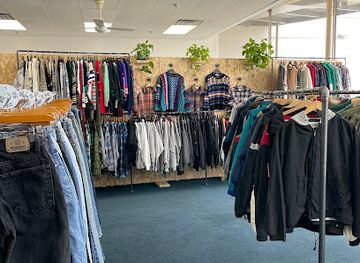
Explore Evergreen Ithaca for a unique shopping experience in a vintage clothing store with curated styles and sustainable fashion choices.
12 min walk · 0.9 km from city centre
Get your free copy of our complete guide to Ithaca, delivered straight to you.
Everything on this page, from attractions and restaurants to essentials and local phrases, in one PDF you can read offline, print or share.
Already have an account? Sign in
Your Ithaca guide is ready.
We'll send it to · Not you? Sign out

Getting your guide ready…
We are putting together a fresh copy of the Ithaca guide. This can take up to a minute.
This can take a few moments. If your browser asks, choose Allow so the download can start. You'll find the guide in your Downloads folder.
Nothing happened? Download it again
Sorry, the guide is taking longer than usual. Please try again in a minute, or get it by email instead.
Ithaca essentials
Currency and Payment
Safety
Emergency Situations
Do's and Don'ts
Local Tips
From Eve
Local phrases worth knowing
You don't need to get them perfect. A few words go a long way, and locals appreciate the effort.
Basics
| English | Local | Say it |
|---|---|---|
| Hello | Howdy | [haw-dee] |
| Goodbye | Take care | [tayk kair] |
| Yes | Yeah | [yeh] |
| No | Nah | [na] |
| Please/You're welcome | Please/No problem | [pleez/no problum] |
| Thank you | Thanks a lot | [thangs uh lot] |
| Excuse me/Sorry | Pardon me/My bad | [pahr-dn mee/my bad] |
| How are you? | What's up? | [wuts up] |
| Fine. And you? | Good. How about you? | [gud/how uh-bowt yu] |
| Do you speak English? | You speak English? | [yu speek ing-glish] |
| I don't understand | I don't get it | [i dont get it] |
Eating & Drinking
| English | Local | Say it |
|---|---|---|
| I'd like to see the menu, please | I wanna check the menu, please | [ai wah-nuh chek the men-yoo, pleez] |
| I don't eat meat | I'm vegetarian | [aim ve-juh-te-ree-un] |
| Cheers! | Cheers! | [cheers] |
| I would like to pay, please | I wanna settle the bill, please | [ai wah-nuh set-ul thu bil, pleez] |
Emergencies
| English | Local | Say it |
|---|---|---|
| Help! | Help! | [help] |
| Go away! | Get lost! | [get lost] |
| Call the Police! | Call the cops! | [call the cops] |
| Call a doctor! | Call a doc! | [call a doc] |
| I'm lost | I'm confused | [aim kun-fyoozd] |
| I'm ill | I'm sick | [aim sik] |
Shopping
| English | Local | Say it |
|---|---|---|
| I'd like to buy... | I wanna purchase... | [ai wah-nuh pur-chiss] |
| I'm just looking | I'm just browsing | [aim just bro-zing] |
| How much is it? | How much does it cost? | [how much duz it kost] |
| That's too expensive | That's pricey | [thats prye-see] |
| Can you lower the price? | Can you give a discount? | [can yu giv a dis-count] |
Time & Numbers
| English | Local | Say it |
|---|---|---|
| What time is it? | What's the time? | [whuts the tah-m] |
| It's one o'clock | It's one | [its wun] |
| Half past (10) | Half ten | [haff ten] |
| Morning | Morning | [morn-ing] |
| Afternoon | Afternoon | [af-tur-noon] |
| Evening | Evening | [ee-ven-ing] |
| Yesterday | Yesterday | [yes-tur-day] |
| Today | Today | [to-day] |
| Tomorrow | Tomorrow | [to-mor-row] |
| 1 | One | [wun] |
| 2 | Two | [too] |
| 3 | Three | [three] |
| 4 | Four | [for] |
| 5 | Five | [fahyv] |
| 6 | Six | [siks] |
| 7 | Seven | [sev-un] |
| 8 | Eight | [eyt] |
| 9 | Nine | [nine] |
| 10 | Ten | [ten] |
Transport & Directions
| English | Local | Say it |
|---|---|---|
| Where's a/the...? | Where's the...? | [wheres the] |
| What's the address? | What's the street? | [whuts the street] |
| Can you show me (on the map)? | Can you guide me (on the map)? | [can yu gide me on the map] |
| When's the next (bus)? | When's the next (bus)? | [whens the nekst bus] |
| A ticket (to ....) | A ticket (to ....) | [uh ticket to] |
History of Ithaca
Cayuga Homeland and Early Settlement
The Ithaca area lies within the traditional homeland of the Cayuga Nation, one of the Haudenosaunee Confederacy’s original nations. Cayuga communities farmed, hunted and travelled through the lake-and-gorge landscape long before European American settlement. During the eighteenth century, the region became entangled in imperial conflict and the wider struggles of the American Revolution. In 1779, the Sullivan-Clinton campaign destroyed many Haudenosaunee villages and crops in the Finger Lakes, causing severe displacement and disruption. Following the war, land was surveyed and transferred through arrangements that the Haudenosaunee contested, opening the area to a growing number of settlers from the east.
The Founding of Ithaca
The settlement that became Ithaca developed at the head of Cayuga Lake during the late eighteenth and early nineteenth centuries. Simeon De Witt, a surveyor general of New York, laid out the village in 1807 and gave it the name Ithaca, recalling the island associated with Homer’s Odyssey. Its position at the lake’s southern end supported trade, milling and transport, while creeks supplied waterpower for early industry. The surrounding hills and waterways shaped the street plan and later encouraged the development of roads, canals and rail connections. Ithaca was incorporated as a village in 1821 and became a city in 1888.
Canals, Railways and Commerce
Nineteenth-century Ithaca grew as a transport and commercial centre for the southern end of Cayuga Lake. Steamboats connected the waterfront with other communities, while the Chemung Canal, opened in the 1830s, linked Ithaca with the Susquehanna system and helped move agricultural goods, lumber and manufactured products. Railways later strengthened connections with the wider region, carrying freight and passengers into the city. Mills and other industries developed around the creeks, although the same waterways that powered commerce also created the steep ravines and falls that remain among Ithaca’s defining physical features. This economic expansion established downtown streets and civic buildings that still frame the central city.
Cornell University and a New Civic Identity
Ezra Cornell and Andrew Dickson White founded Cornell University in 1865, and the institution opened in 1868 on farmland and hills east of the developing city. Its principle of combining practical and classical education gave Ithaca an important new intellectual identity, while the campus’s towers, stone buildings and landscaped grounds transformed the eastern skyline. Cornell attracted scholars, students and international connections, generating demand for housing, services and cultural institutions. The university’s presence also influenced local politics, architecture and employment, creating a close but sometimes complex relationship between the independent city below and the campus above.
Arts, Education and Modern Ithaca
Ithaca College developed from a music conservatory founded by William Egbert in 1892 and later expanded into a broad college on South Hill. Alongside Cornell, it helped make music, theatre, broadcasting and the arts central to the city’s cultural life. Downtown Ithaca also became associated with independent businesses, co-operative activity and alternative political movements during the twentieth century. The pedestrianisation of the Ithaca Commons in the 1970s reshaped the commercial centre, while preservation and redevelopment projects continued to alter the relationship between historic neighbourhoods, student districts and the waterfront.
Environmental and Agricultural Renewal
In recent decades, Ithaca’s identity has increasingly combined higher education with environmental research, local food and regional agriculture. The Finger Lakes’ farms, vineyards and forests support a strong interest in sustainable production, while the city’s markets and restaurants connect residents with nearby growers. Cornell’s scientific and agricultural programmes contribute to this landscape of research and practice, and organisations such as the Finger Lakes Land Trust work to conserve open spaces around the lakes. Contemporary Ithaca therefore reflects several historical layers at once: Haudenosaunee history, nineteenth-century commerce, university life and an evolving culture of civic and environmental engagement.
Ithaca in Photos
Browse through our photo collection highlighting the charm and character of the destination.
Cities near Ithaca
The closest cities to Ithaca, if you have time for more than one stop.
-

-

-

-

-


Swipe for more cities
Explore more

Explore more of New York
Discover the electrifying energy, iconic landmarks, and diverse cultural experiences of New York City, the ultimate urban playground for travelers from around the world.
Explore New York