

Christchurch, New Zealand Travel Guide
Explore Christchurch, New Zealand's Garden City, where lush parks, vibrant arts, and a blend of history and innovation await. Perfect for nature lovers and culture seekers.
Christchurch, often called the Garden City, is the largest city in the South Island of New Zealand. Known for its English heritage, Christchurch is a vibrant city filled with lush gardens, charming streets, and a lively art scene. The city is a blend of old and new, with historic buildings standing alongside modern architecture. Stroll through Hagley Park and the Botanic Gardens, which offer a serene escape in the heart of the city. The Avon River weaves its way through the park, providing picturesque views and opportunities for punting. For a taste of local culture, visit the Canterbury Museum, where you can learn about the region's history and Maori heritage. The city's resilience is evident in its recovery from the 2011 earthquakes. The Re:START Mall, built from shipping containers, symbolizes the city's innovative spirit. Christchurch is also a gateway to adventure, with easy access to the Southern Alps, beautiful beaches, and the stunning Banks Peninsula. Whether you're exploring the city or venturing into the wild, Christchurch has something for everyone.

Know before you go
Hi, I'm Eve. Here are a few practical things to know before exploring Christchurch.
- Visit the Botanic Gardens early in the morning for a peaceful experience.
- Take a guided tour of the Christchurch Art Gallery to appreciate local and international art.
- Use the city's bike share program to explore at your own pace.
- Check out the farmers' market in Riccarton on Saturday mornings for fresh produce and local crafts.
- Don't miss a day trip to Akaroa for dolphin watching and French-inspired charm.
Explore Christchurch: Things to Do, Places to Eat, Hotels & More
Handpicked recommendations for top attractions, local dining, accommodations, and more

Best attractions in Christchurch
Top-rated picks
Best Attractions

Christchurch Botanic Gardens
Discover the breathtaking beauty of the Christchurch Botanic Gardens, a must-see destination for nature lovers and tourists in New Zealand.

The Margaret Mahy Family Playground
Discover The Margaret Mahy Family Playground, a vibrant hub of fun and creativity for families in the heart of Christchurch, New Zealand.

Hagley Park North
Discover the breathtaking beauty of Hagley Park North, a serene green oasis in Christchurch ideal for outdoor activities and relaxation.

Canterbury Museum
Explore the rich history and culture of New Zealand at Canterbury Museum, Christchurch's premier destination for art, artifacts, and natural wonders.

Best landmarks in Christchurch
Top-rated picks
Best Landmarks

Christchurch Botanic Gardens
Explore the enchanting Christchurch Botanic Gardens, where vibrant flora and serene landscapes create a perfect retreat in the heart of the city.

The Margaret Mahy Family Playground
Discover the magic of play at The Margaret Mahy Family Playground in Christchurch, where fun and creativity come to life for the entire family.

Hagley Park North
Explore Hagley Park North, a stunning urban park in Christchurch featuring lush landscapes, vibrant gardens, and endless recreational opportunities.
Canterbury Museum
Delve into New Zealand's heritage at Canterbury Museum, where history, culture, and nature come to life in the heart of Christchurch.

Best restaurants in Christchurch
Top-rated picks
Best Restaurants

Little High Eatery
Discover the flavors of Christchurch at Little High Eatery – a vibrant food court offering diverse culinary delights from local vendors.

Fiddlesticks Restaurant and Bar
Experience exquisite dining at Fiddlesticks Restaurant and Bar in Christchurch - where modern cuisine meets vibrant atmosphere.

Cassels The Brewery Bar & Restaurant
Christchurch's craft beer haven where award-winning brews meet woodfired pizzas in a lively family-friendly beer garden at The Tannery.

Casa Publica
Discover the vibrant flavors of South America at Casa Publica - where culinary delights meet live music in Christchurch.

Best bars in Christchurch
Top-rated picks
Best Bars

Pomeroy's Old Brewery Inn
Experience the vibrant local culture at Pomeroy's Old Brewery Inn, a historic pub in Christchurch known for its craft beers and hearty meals.

The Rockpool Bar
Discover the vibrant atmosphere of The Rockpool Bar in Christchurch, where delicious grill cuisine meets live music and a lively nightlife experience.

Dux Central
Experience the vibrant atmosphere and delicious cuisine at Dux Central, Christchurch's ultimate bar and gastropub destination.

O.G.B Bar & Cocktail Bar
Discover the lively O.G.B Bar & Cocktail Bar in Christchurch, where expertly crafted cocktails meet a vibrant atmosphere and delicious food.

Best nightclubs in Christchurch
Top-rated picks
Best Nightclubs

darkroom
Discover the lively ambiance of Darkroom, a premier bar and live music venue in Christchurch, where unforgettable nights and great tunes await.

Austin Club
Experience the allure of Christchurch at the Austin Club, where premium cocktails and vibrant nightlife come together in perfect harmony.

The Poplar Social Club
Discover the vibrant cocktail culture of Christchurch at The Poplar Social Club, where exquisite drinks and a lively atmosphere await.

CRUZ
Experience the vibrant nightlife at CRUZ, a premier bar in Christchurch Central City with late-night dancing and a lively atmosphere.

Best shops in Christchurch
Top-rated picks
Best Shops

The Tannery
Explore The Tannery: A unique shopping mall and vibrant event venue in Woolston, Christchurch, perfect for culture and creativity enthusiasts.

The Colombo
Discover the charm of The Colombo, a unique shopping mall in Christchurch with boutique stores, delicious dining, and vibrant community events.

Merivale Mall
Explore Merivale Mall in Christchurch for an unforgettable shopping experience with diverse stores and delightful dining options.

Photo & Video International
Explore the vibrant world of photography at Photo & Video International in Merivale, Christchurch, your one-stop shop for all things camera-related.

Explore Christchurch on the Map
A handpicked selection of must-see spots in Christchurch, mapped for you.
Christchurch Essentials
-
Christchurch is accessible via Christchurch International Airport, which is located about 12 kilometers northwest of the city center. The airport serves numerous international and domestic flights. From the airport, you can take a taxi, shuttle bus, or rental car to reach the city. There are also direct bus services connecting the airport to various points in Christchurch.
-
Christchurch offers several transportation options. The Metro bus service operates throughout the city and surrounding areas, providing an efficient way to get around. Taxis and rideshare services like Uber are also readily available. For those who prefer cycling, Christchurch is a bike-friendly city with numerous dedicated bike lanes. Renting a car is another convenient option, especially for exploring areas outside the city.
-
The official currency in New Zealand is the New Zealand Dollar (NZD). Credit and debit cards are widely accepted in most establishments, including hotels, restaurants, and shops. ATMs are plentiful and can be found throughout Christchurch. For smaller purchases, it's a good idea to have some cash on hand. Contactless payment options like Apple Pay and Google Pay are also commonly accepted.
-
Christchurch is generally considered a safe city for tourists. However, like any urban area, it's important to stay vigilant. Avoid walking alone at night in poorly lit areas and keep an eye on your belongings in crowded places. Be cautious in the suburbs of Aranui and Linwood, which have higher crime rates. It's advisable to use common sense and stay aware of your surroundings.
-
In case of emergency, dial 111 for immediate assistance from police, fire, or medical services. Christchurch has several hospitals and medical centers, including Christchurch Hospital, which offers 24-hour emergency care. Pharmacies are widely available for minor health issues. Make sure to have travel insurance that covers medical emergencies. It's also useful to know the location of your country's consulate or embassy.
-
Fashion: Do dress in layers, as the weather can be unpredictable. Casual attire is generally acceptable, but avoid overly revealing clothing. Religion: Do respect all places of worship. Remove your hat and keep your phone on silent when entering. Public Transport: Do have the exact fare or a Metrocard for bus travel. Don't eat or drink on public transport. Greetings: Do greet people with a friendly 'Hello' or 'Kia Ora' (a traditional Maori greeting). Eating & Drinking: Do try local delicacies like meat pies and seafood. Don’t tip, as it is not customary in New Zealand.
-
To experience Christchurch like a local, visit the Christchurch Farmers' Market on Saturdays for fresh produce and artisanal goods. Take a stroll through Hagley Park and the Christchurch Botanic Gardens. For a unique experience, ride the Christchurch Gondola for stunning views of the city and surrounding areas. Engage with locals at cafes and pubs; they are often friendly and willing to share insider tips.
When is the best time to visit Christchurch?
Useful Local Phrases for Christchurch
You don't need to speak the language perfectly. Even learning a few simple words can make conversations warmer—and locals usually appreciate the effort.
— Eve

Here are the phrases I use most often in Christchurch. Try a few—you'll be surprised how far they go! 😊
❤️
-
- HelloKia ora
[Keer ah-ra] - GoodbyeHaere rā
[High-ree rah] - YesAe
[Eye] - NoKāore
[Kah-oh-reh] - Please/You're welcomeKoa
[Koh-ah] - Thank youKia ora
[Keer ah-ra] - Excuse me/SorryWhakama
[Fah-kah-mah] - How are you?Kei te pēhea koe?
[Kay teh pay-ha koh-eh?] - Fine. And you?Kei te pai. Ā, koe?
[Kay teh pie. Ah, koh-eh?] - Do you speak English?He mātakitaki koe i te reo Pākehā?
[Heh mah-tah-kee-tah-kee koh-eh ee teh reh-oh Pah-keh-ha?] - I don't understandKaore au e mohio
[Kah-oh-reh oh eh moh-hee-oh]
- HelloKia ora
-
- I'd like to see the menu, pleaseMe āwhina ki te titiro i te pānui, tēnā
[Meh ah-fee-nah kee teh tee-tee-roh ee teh pah-noo-ee, teh-nah] - I don't eat meatKaore au e kai nā
[Kah-oh-reh oh eh kai nah] - Cheers!Āraha!
[Ah-rah-ha] - I would like to pay, pleaseMe āwhina ki te utu, tēnā
[Meh ah-fee-nah kee teh oo-too, teh-nah]
- I'd like to see the menu, pleaseMe āwhina ki te titiro i te pānui, tēnā
-
- Help!Āwhina!
[Ah-fee-nah] - Go away!Haere atu!
[High-ree ah-too] - Call the Police!Karanga atu ki te Pirihimana!
[Kah-rah-ngah ah-too kee teh Pee-ree-hee-mah-nah] - Call a doctor!Karanga atu ki te Rata!
[Kah-rah-ngah ah-too kee teh Rah-tah] - I'm lostI wareware ahau
[Ee wah-reh-wah-reh ah-how] - I'm illE hiamoe ahau
[Eh hee-ah-moh-eh ah-how]
- Help!Āwhina!
-
- I'd like to buy...Me āwhina ki te hoko...
[Meh ah-fee-nah kee teh haw-kaw] - I'm just lookingKei te titiro ahau
[Kay teh tee-tee-roh ah-how] - How much is it?He aha te utu?
[Heh ah-ha teh oo-too?] - That's too expensiveHe nui rawa te utu
[Heh noo-ee rah-wah teh oo-too] - Can you lower the price?Ka taea e koe te whakaiti i te utu?
[Kah tie-ah eh koh-eh teh fah-kai-tee ee teh oo-too?]
- I'd like to buy...Me āwhina ki te hoko...
-
- What time is it?He aha te wā?
[Heh ah-ha teh wah?] - It's one o'clockKotahi te hāora
[Koh-tah-hee teh hah-oh-rah] - Half past (10)Tekau ma rima
[Teh-kow mah ree-mah] - MorningAhiahi
[Ah-hee-ah-hee] - AfternoonAhiahi
[Ah-hee-ah-hee] - EveningPō
[Poh] - YesterdayInāianei
[Ee-nah-ee-ah-neh-ee] - TodayĀpōpō
[Ah-poh-poh] - TomorrowĀpōpō
[Ah-poh-poh] - 1Tahi
[Tah-hee] - 2Rua
[Roo-ah] - 3Toru
[Toh-roo] - 4Whā
[Fah] - 5Rima
[Ree-mah] - 6Ono
[Oh-no] - 7Whitu
[Fee-too] - 8Waru
[Wah-roo] - 9Iwa
[Ee-wah] - 10Tekau
[Teh-kow]
- What time is it?He aha te wā?
-
- Where's a/the...?Kei hea te...?
[Kay heh-ah teh] - What's the address?He aha te wāhi?
[Heh ah-ha teh wah-hee?] - Can you show me (on the map)?Ka taea e koe te whakaatu i ahau (i te mahere)?
[Kah tie-ah eh koh-eh teh fah-kah-ah-too ee ah-how ee teh mah-heh-reh?] - When's the next (bus)?Āhea te taha nui (waka)?
[Ah-heh-ah teh tah-hah noo-ee (wah-kah)?] - A ticket (to ....)He tiki (ki ...)
[Heh tee-kee (kee ...)]
- Where's a/the...?Kei hea te...?
History of Christchurch
-
Long before European settlers arrived, the area now known as Christchurch was inhabited by the Māori, specifically the Ngāi Tahu iwi. The fertile plains, abundant waterways, and proximity to the coast made it an ideal location for the Māori to establish pā (fortified villages) and kainga (unfortified villages). The nearby Port Hills and Banks Peninsula were significant for their resources and spiritual importance.
-
In 1848, the Canterbury Association, led by Edward Gibbon Wakefield and John Robert Godley, began the organized settlement of Christchurch. The city was named after Christ Church, Oxford. The first four ships carrying British settlers arrived in Lyttelton Harbour in December 1850, bringing with them the foundations of what would become a distinctly English settlement. The settlers laid out the city in a grid pattern centered around Cathedral Square.
-
One of the most iconic landmarks in Christchurch, the Christchurch Cathedral, began construction in 1864 and was completed in 1904. Designed by renowned architect George Gilbert Scott, the Gothic Revival structure became a symbol of the city and a focal point for community activities. Although it suffered extensive damage during the 2011 earthquake, its historical importance remains undeniable.
-
The fertile lands of the Canterbury Plains played a crucial role in the economic development of Christchurch. Agriculture, particularly sheep farming, became the backbone of the region’s economy. The establishment of the Canterbury Agricultural and Pastoral Association in 1862 and the annual A&P Show highlighted the city's agricultural significance and brought together rural and urban communities.
-
Christchurch was profoundly affected by a series of earthquakes that began in September 2010, with the most devastating occurring on February 22, 2011. The 6.3 magnitude earthquake caused significant loss of life and extensive damage to the city’s infrastructure, including iconic buildings such as the Christchurch Cathedral. The event marked a turning point in the city's history, leading to a massive rebuilding and revitalization effort.
-
In the aftermath of the 2011 earthquake, Christchurch underwent an extensive rebuild and urban renewal process. The city embraced modern architecture, sustainable practices, and community-focused urban design. New landmarks such as the Cardboard Cathedral and the Margaret Mahy Family Playground symbolize the city’s resilience and innovative spirit. The rebuild has also provided an opportunity to incorporate more green spaces and improve public transport infrastructure.
-
Christchurch is a melting pot of cultures, reflected in its diverse population and vibrant cultural festivals. The annual Christchurch Arts Festival, the World Buskers Festival, and the New Zealand Cup and Show Week showcase the city’s rich cultural tapestry. The presence of various cultural institutions, such as the Christchurch Art Gallery Te Puna o Waiwhetū and the Canterbury Museum, further highlights the city’s commitment to celebrating its diverse heritage.
Cities near Christchurch
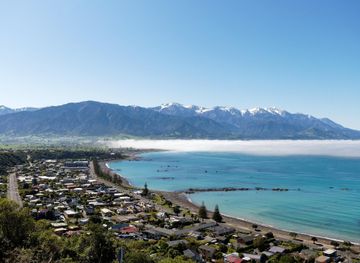
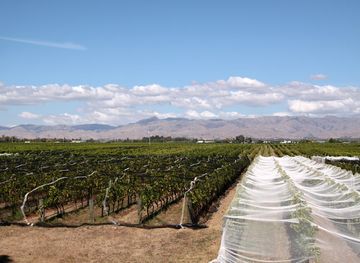
The closest cities to Christchurch, if you have time for more than one stop.




Your all‑in‑one travel companion app
Explore expert travel guides, compare and book tours, experiences, hotels, and more—all from the palm of your hand. Download now for seamless trip planning wherever your wanderlust takes you.


Christchurch in Photos
Browse through our photo collection highlighting the charm and character of the destination.


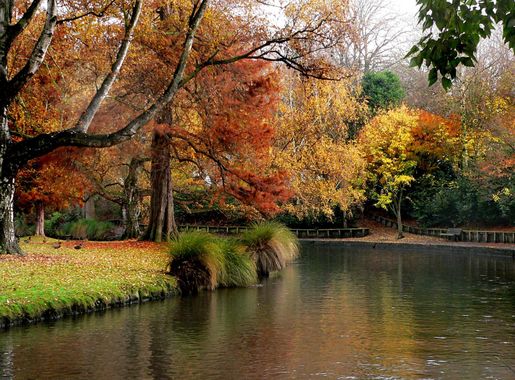


Christchurch: The Garden City of New Zealand
Christchurch, often called the Garden City, is the largest city in the South Island of New Zealand. Known for its English heritage, Christchurch is a vibrant city filled with lush gardens, charming streets, and a lively art scene. The city is a blend of old and new, with historic buildings standing alongside modern architecture. Stroll through Hagley Park and the Botanic Gardens, which offer a serene escape in the heart of the city. The Avon River weaves its way through the park, providing picturesque views and opportunities for punting. For a taste of local culture, visit the Canterbury Museum, where you can learn about the region's history and Maori heritage. The city's resilience is evident in its recovery from the 2011 earthquakes. The Re:START Mall, built from shipping containers, symbolizes the city's innovative spirit. Christchurch is also a gateway to adventure, with easy access to the Southern Alps, beautiful beaches, and the stunning Banks Peninsula. Whether you're exploring the city or venturing into the wild, Christchurch has something for everyone.
Explore More of New Zealand

Looking beyond Christchurch? Discover New Zealand for broader travel guides, local hot-spots, and regional highlights.
Explore New Zealand