

Free Chatham Islands Travel Guide & Mobile App
Explore Chatham Islands with free travel guides. Discover regional history, expert tips, proposed trips, and audio guides on web or mobile app.


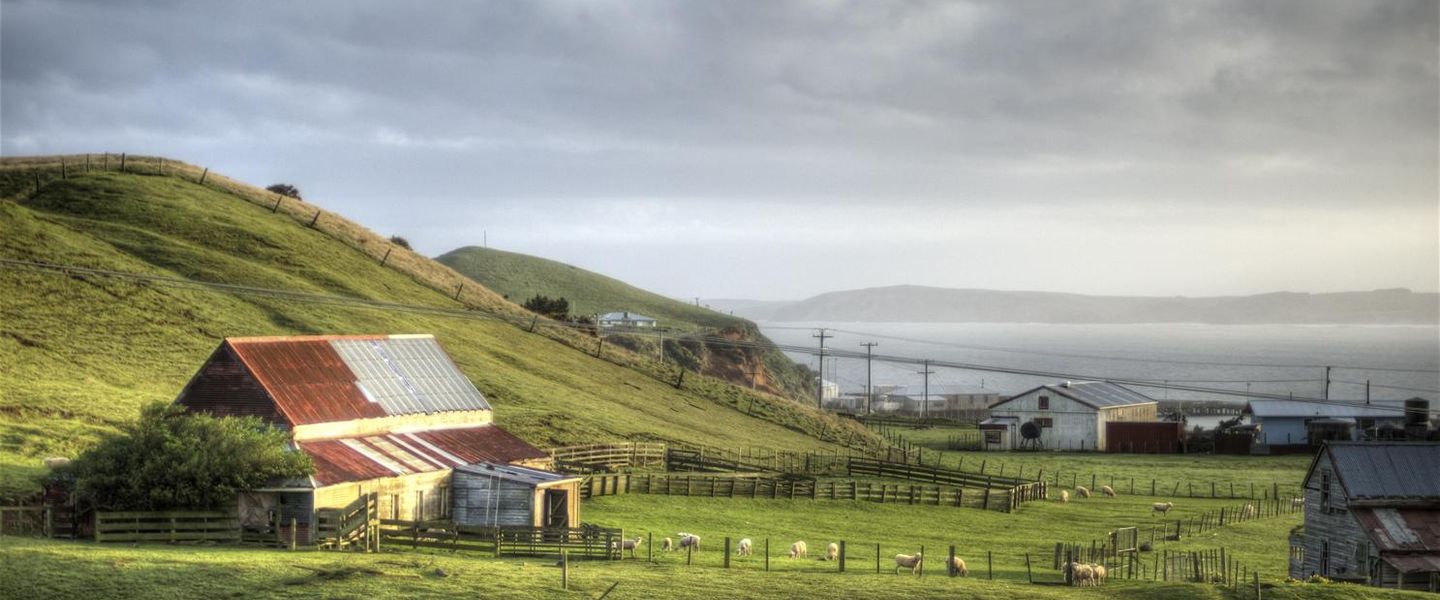


Explore the Chatham Islands for Moriori heritage, endemic wildlife, remote beaches, Te Whanga Lagoon and a distinctly far-flung New Zealand experience.
Read more about Chatham Islands
When is the best time to visit Chatham Islands?
Best: December–February · 17–18°C| Month | High (°C) | Rainfall (mm) |
|---|---|---|
| January (best) | 18 | 60 |
| February (best) | 18 | 50 |
| March | 17 | 60 |
| April | 16 | 70 |
| May | 14 | 80 |
| June | 12 | 90 |
| July | 11 | 100 |
| August | 12 | 90 |
| September | 13 | 80 |
| October | 15 | 70 |
| November | 16 | 60 |
| December (best) | 17 | 60 |
Getting to and around Chatham Islands
How to get there
Transportation
Best attractions in Chatham Islands
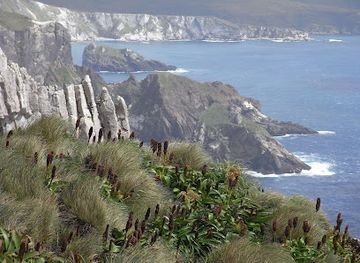
The Chatham Islands' attractions are primarily landscapes, wildlife and cultural places rather than large commercial facilities. Waitangi provides the main introduction, with the Chatham Islands Museum offering context on Moriori history, Māori and European settlement, maritime activity and island life. Te Whanga Lagoon, the largest lagoon in the archipelago, is a major geographical feature whose shallow waters and wetlands support birdlife and reveal the relationship between the interior and the coast. Beaches, dunes, headlands and exposed shoreline provide opportunities for walking, photography, fishing and wildlife observation, subject to weather and access permissions. Pitt Island offers a more remote experience, with its own communities, farmland, coastal scenery and bird habitats, but visits require advance transport planning. Conservation is central to the visitor experience: endemic birds, including the black robin and Chatham petrel, are part of a carefully managed natural environment rather than attractions to be approached casually. Local guides can help visitors understand customary places, ecological restoration, fishing traditions and the practical realities of island life. The most rewarding itineraries leave room for weather changes and combine cultural interpretation with time outdoors.
-
Tourist attraction
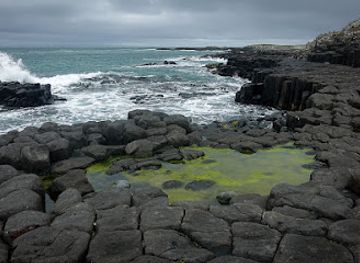
Basalt Columns
Explore the stunning Basalt Columns of Chatham Islands, a breathtaking geological wonder and a perfect escape into nature's beauty.
-
Nature preserve
J.M. Barker Hapupu National Historic Reserve
Discover the natural wonders and cultural heritage of J.M. Barker Hapupu National Historic Reserve, a pristine nature preserve on the Chatham Islands.
-
Tourist attraction
Waihi
Discover Waihi in the Chatham Islands: A scenic agricultural haven blending nature and culture for an unforgettable travel experience.
-
 Nature preserve
Henga Scenic Reserve
Explore the stunning landscapes, diverse wildlife, and scenic trails of Henga Scenic Reserve on the enchanting Chatham Islands in New Zealand.
Best landmarks in Chatham Islands
The Chatham Islands' most important landmarks combine cultural memory with broad natural features. Waitangi's harbour and wharf express the settlement's role as the administrative and maritime centre of the archipelago, linking residents and supplies with the wider world. Te Whanga Lagoon is the defining geographical landmark of Chatham Island, stretching across the interior between coastal environments and supporting wetlands and bird habitats. The Chatham Islands Museum in Waitangi is an important place of interpretation rather than a monumental building, preserving stories of Moriori, Māori, European contact, farming, fishing and shipping. Across the islands, open beaches, weathered headlands, lagoon margins and offshore stacks create a distinctive visual geography, while particular cultural sites associated with Moriori history require respectful treatment and may not be freely accessible. Pitt Island's remote settlements, pasture and coastline provide a contrasting landmark landscape, marked less by architecture than by distance, ocean exposure and the evidence of a small working community. These places are best understood through local guidance, which can explain why a seemingly ordinary shore or landscape may carry historical or cultural significance.
-
Park
Queen Elizabeth Park
Explore the breathtaking landscapes of Queen Elizabeth Park in Paraparaumu, a must-visit destination for nature lovers and outdoor enthusiasts.
-
Island
Te Waipounamu / South Island
Explore the breathtaking landscapes, rich culture, and adventure-filled experiences of Te Waipounamu, the stunning South Island of New Zealand.
-
Island
Auckland Island / Motu Maha
Discover the untouched beauty of Auckland Island, a wildlife haven and UNESCO World Heritage Site, perfect for adventure and exploration in New Zealand.
-
Lodge
Flowerpot Bay Lodge
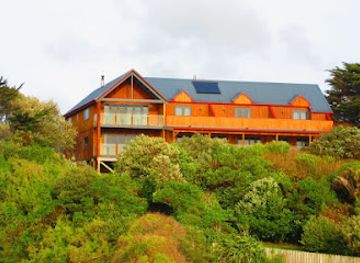
Explore the unspoiled beauty of Pitt Island at Flowerpot Bay Lodge, where nature, adventure, and comfort unite in a unique retreat.


Explore Chatham Islands on the map
Plan your trip on one map. See where the top cities, national parks and sights are, and book hotels and experiences in a few clicks.
Best hotels in Chatham Islands
Best restaurants in Chatham Islands
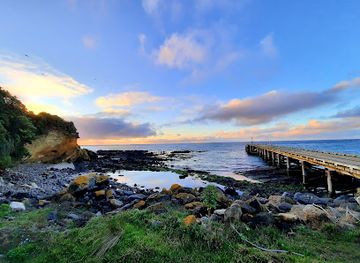
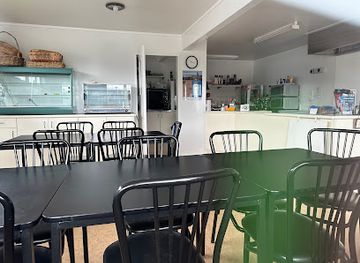
Dining on the Chatham Islands is shaped by remoteness, local supply and advance planning rather than a large restaurant scene. Visitors are likely to encounter meals arranged through accommodation providers, small local businesses or booked excursions, with menus reflecting what can be brought from mainland New Zealand and what is available on the islands. Seafood and fish are naturally important to the local food culture, while farm produce, lamb and home baking may feature in island meals. Waitangi is the main place to seek food and provisions, but choices are limited and opening arrangements can change, so confirm meals when booking accommodation and carry suitable supplies for self-catering. Local businesses and hosts can provide the best guidance on seasonal produce, catches and community events. There is no reason to expect the range of cafés, supermarkets or specialist dining found in mainland towns; the culinary experience is instead connected to the islands' working farms, fishing grounds, weather and supply links.
-
Seafood
Chatham Island Food Co
Experience fresh seafood like never before at Chatham Island Food Co - your gateway to the ocean's best flavors.
-
Cafe
Lunch Place/Art Gallery
Experience delightful cuisine and captivating local art at Waitangi Wharf's unique Lunch Place/Art Gallery in Chatham Islands.
-
Restaurant
The Den Kitchen
Experience authentic local cuisine at The Den Kitchen in Chatham Island, where fresh ingredients meet breathtaking coastal views.
-
Cafe
Waitangi Cafe
Discover delicious local flavors at Waitangi Cafe, a cozy retreat in the beautiful Chatham Islands.
Best bars in Chatham Islands
Nightlife on the Chatham Islands is small-scale and community-centred, with no major nightclub district. Evening social life is more likely to involve a local pub-style setting, a meal, conversation with residents or an event connected with island organisations than late-night entertainment. Waitangi is the most likely centre for any regular hospitality, while rural settlements and Pitt Island have even fewer formal options. Opening arrangements and licensed services can change, so visitors should check locally rather than assume that a venue will be open. Evenings are also an opportunity to experience the islands' dark skies, listen to the weather and observe how distance from mainland urban life shapes daily rhythms. Drink responsibly, respect local communities and arrange transport in advance, since taxis and late-night public transport should not be assumed.
-
Accommodation
Hotel Chatham
Discover the unique charm of Hotel Chatham, your perfect retreat in the stunning landscapes of New Zealand's Chatham Islands.
-
Lodge
Henga Lodge
Experience the serenity of Henga Lodge in the Chatham Islands - a perfect blend of comfort, nature, and Kiwi hospitality.
-
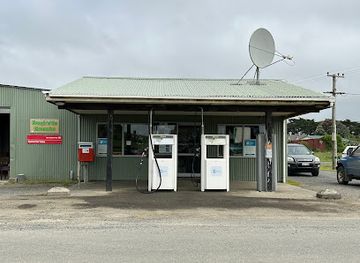
Grocery store
Dough N Go
Explore the authentic flavors of the Chatham Islands at Dough N Go, your friendly neighborhood grocery store.
-
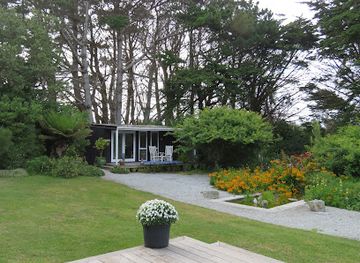
Homestay
Admiral Gardens
Discover the serene beauty of Admiral Gardens on Chatham Islands, a perfect homestay retreat surrounded by lush gardens and natural wonders.
Best nightclubs in Chatham Islands
Nightlife on the Chatham Islands is small-scale and community-centred, with no major nightclub district. Evening social life is more likely to involve a local pub-style setting, a meal, conversation with residents or an event connected with island organisations than late-night entertainment. Waitangi is the most likely centre for any regular hospitality, while rural settlements and Pitt Island have even fewer formal options. Opening arrangements and licensed services can change, so visitors should check locally rather than assume that a venue will be open. Evenings are also an opportunity to experience the islands' dark skies, listen to the weather and observe how distance from mainland urban life shapes daily rhythms. Drink responsibly, respect local communities and arrange transport in advance, since taxis and late-night public transport should not be assumed.
-
Tourist attraction
Minus 5° ICE BAR
Discover the unique icy wonderland of Minus 5° ICE BAR in Queenstown, where drinks and decor are crafted entirely from ice.
-
Bar
The Eagle Bar
Discover The Eagle Bar in Auckland, where vibrant cocktails meet eclectic entertainment in a welcoming atmosphere for all.
-
Club
Ponsonby Social Club
Discover the vibrant nightlife of Auckland at Ponsonby Social Club, where cocktails, music, and fun come together for an unforgettable evening.
-
Bar
Rhino's Ski Shack
Experience the vibrant nightlife of Queenstown at Rhino's Ski Shack, where great drinks and lively entertainment come together.


Best shops in Chatham Islands
Shopping on the Chatham Islands is practical and locally focused rather than extensive. Waitangi has the greatest concentration of basic supplies, but visitors should not expect a broad retail district, large supermarket or dependable range of specialist goods. Plan to buy essential food, medication and outdoor equipment before travelling, then ask locally about available provisions and locally made products. Potential souvenirs include island-produced food, fishing-related goods, artwork, books, craftwork and items connected with Chatham Islands history, although availability varies and should never be assumed. Purchases from local businesses and cultural organisations can support the community, provided products are obtained lawfully and respectfully. Do not collect shells, feathers, plants, archaeological objects or other natural material from beaches or protected places. On Pitt Island and in rural areas, retail opportunities are particularly limited, so shopping should be treated as a modest part of the visit rather than a principal activity.
-
Supermarket
New World Kerikeri
Explore the vibrant offerings and fresh local produce at New World Kerikeri, your go-to supermarket in the heart of New Zealand.
-
Outdoor sports store
Bushbuck - Camping Gear & Outdoor Clothing
Discover top-notch camping gear and outdoor clothing at Bushbuck in Riccarton, Christchurch, your essential source for adventure essentials.
-
Seafood
Chatham Island Food Co
Experience the best of Chatham Islands' seafood at Chatham Island Food Co - a sustainable and flavorful culinary adventure awaits!
-
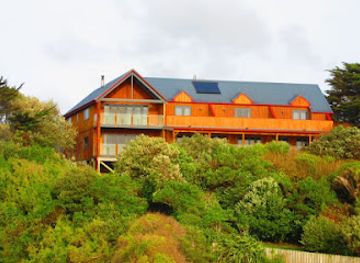
Lodge
Flowerpot Bay Lodge
Discover the serene beauty of Pitt Island at Flowerpot Bay Lodge, a tranquil escape where adventure meets relaxation amidst stunning natural landscapes.


Get your free copy of our complete guide to Chatham Islands, delivered straight to you.
Everything on this page, from attractions and restaurants to essentials and local phrases, in one PDF you can read offline, print or share.
Already have an account? Sign in
Your Chatham Islands guide is ready.
We'll send it to · Not you? Sign out

Getting your guide ready…
We are putting together a fresh copy of the Chatham Islands guide. This can take up to a minute.
This can take a few moments. If your browser asks, choose Allow so the download can start. You'll find the guide in your Downloads folder.
Nothing happened? Download it again
Sorry, the guide is taking longer than usual. Please try again in a minute, or get it by email instead.
Chatham Islands essentials
Currency and Payment
Safety
Emergency Situations
Do's and Don'ts
Local Tips
From Eve
Local phrases worth knowing
You don't need to get them perfect. A few words go a long way, and locals appreciate the effort.
Basics
| English | Local | Say it |
|---|---|---|
| Hello | Kia ora | [kee-ah or-ah] |
| Goodbye | Ka kite | [kah kee-teh] |
| Yes | Ae | [eye] |
| No | Kao | [kow] |
| Please/You're welcome | Tēnā koa | [teh-nah koh-ah] |
| Thank you | Ngā mihi | [nah mee-hee] |
| Excuse me/Sorry | Aroha mai | [ah-roh-hah my] |
| How are you? | Kei te pēhea koe? | [kay teh peh-hah koy] |
| Fine. And you? | Ka pai. Ā koe? | [kah pie. ah koy?] |
| Do you speak English? | Ka kōrero koe i te reo Pākehā? | [kah ko-reh-roh koy ee teh ray-oh pah-keh-hah] |
| I don't understand | Kāore au e mārama | [kah-oh-reh ow eh mah-rah-mah] |
Eating & Drinking
| English | Local | Say it |
|---|---|---|
| I'd like to see the menu, please | Ka hiahia au ki te kite i te rārangi kai, tēnā koa | [kah hee-ah-hee-ah ow kee teh kee-teh ee teh rah-rah-ngi kye, teh-nah koh-ah] |
| I don't eat meat | Kaore au e kai i te mīti | [kah-oh-reh ow eh kye ee teh mee-tee] |
| Cheers! | Kia ora! | [kee-ah or-ah!] |
| I would like to pay, please | Ka hiahia au ki te utu, tēnā koa | [kah hee-ah-hee-ah ow kee teh oo-too, teh-nah koh-ah] |
Emergencies
| English | Local | Say it |
|---|---|---|
| Help! | Tautoko! | [taw-toh-koh!] |
| Go away! | Haere atu! | [high-reh ah-too!] |
| Call the Police! | Karanga atu ki te Pirihimana! | [kah-rah-ngah ah-too kee teh pee-ree-hee-mah-nah!] |
| Call a doctor! | Karanga atu ki te taakuta! | [kah-rah-ngah ah-too kee teh tah-koo-tah!] |
| I'm lost | Kua ngaro au | [koo-ah nah-roh ow] |
| I'm ill | Kei te pātea au | [kay teh pah-teh-ah ow] |
Shopping
| English | Local | Say it |
|---|---|---|
| I'd like to buy... | Ka hiahia au ki te hoko... | [kah hee-ah-hee-ah ow kee teh hoh-koh...] |
| I'm just looking | Kei te tirohia noa au | [kay teh tee-roh-hee-ah noh-ah ow] |
| How much is it? | E hia te utu? | [eh hee-ah teh oo-too?] |
| That's too expensive | He tino te utu | [he tee-noh teh oo-too] |
| Can you lower the price? | Ka taea e koe te whakaheke i te utu? | [kah tah-eh eh koy teh fah-kah-heh-keh ee teh oo-too?] |
Time & Numbers
| English | Local | Say it |
|---|---|---|
| What time is it? | He aha te wā? | [he ah-hah teh wah?] |
| It's one o'clock | Kotahi te karaka | [koh-tah-hee teh kah-rah-kah] |
| Half past (10) | Hāwhe ki te tekau | [hah-feh kee teh teh-kow] |
| Morning | Ata | [ah-tah] |
| Afternoon | Pōkai | [poh-kai] |
| Evening | Ahiahi | [ah-hee-ah-hee] |
| Yesterday | Inā tata | [ee-nah tah-tah] |
| Today | I tēnei rā | [ee teh-neh rah] |
| Tomorrow | Āpōpō | [ah-poh-poh] |
| 1 | Tahi | [tah-hee] |
| 2 | Rua | [roo-ah] |
| 3 | Toru | [toe-roo] |
| 4 | Whā | [fah] |
| 5 | Rima | [ree-mah] |
| 6 | Ono | [oh-noh] |
| 7 | Whitu | [fee-too] |
| 8 | Waru | [wah-roo] |
| 9 | Iwa | [ee-wah] |
| 10 | Tekau | [teh-kow] |
Transport & Directions
| English | Local | Say it |
|---|---|---|
| Where's a/the...? | Kei hea te...? | [kay heh-ah teh...?] |
| What's the address? | He aha te wāhitau? | [he ah-hah teh wah-hee-tow?] |
| Can you show me (on the map)? | Ka taea e koe te whakaatu ki ahau (i te mapi)? | [kah tah-eh eh koy teh fah-kah-ah-too kee ah-hah-oo (ee teh mah-pee)?] |
| When's the next (bus)? | Nōnahea te pahi e whai ake nei? | [noh-nah-heh-ah teh pah-hee eh figh ah-keh nay?] |
| A ticket (to ....) | He tikiti (ki ....) | [he tee-kee-tee (kee ....)] |
History of Chatham Islands
Moriori Settlement and Rēkohu
Moriori ancestors settled the Chatham Islands centuries before European contact and developed a society shaped by the archipelago's isolation, climate and limited resources. Moriori traditions included a strong emphasis on peaceful conflict resolution, with the law of Nunuku traditionally associated with the rejection of warfare. Communities harvested birds, fish, shellfish and plants, and adapted their food practices to the islands' seasonal conditions. Moriori heritage remains fundamental to the identity of Rēkohu, and contemporary visitors should understand that the islands are not simply an empty wilderness but a homeland with a deep and continuing cultural history.
Māori Arrival and Early Nineteenth-Century Change
Ngāti Mutanga and Ngāti Tama groups from Taranaki arrived in the Chatham Islands in the 1830s, during a period of major upheaval across the wider region. The newcomers' arrival brought conflict, displacement and severe disruption to Moriori communities. This history has been the subject of sustained cultural and historical reassessment, with Moriori voices central to correcting older accounts that minimised their presence and suffering. The consequences remain important to understanding the islands' communities, land relationships and contemporary cultural work.
European Contact, Sealing and Whaling
European vessels began visiting the islands in the late eighteenth century, and the Chathams later became associated with sealing, whaling, trading and marine provisioning. These activities connected the remote archipelago to wider commercial networks but also placed pressure on wildlife and introduced new diseases, goods and social relationships. Shipwrecks, coastal landing places and maritime stories form part of the islands' historical character. The hazards of ocean travel and the distance from mainland New Zealand also helped preserve the Chathams' reputation as a demanding and isolated place.
British Annexation and Colonial Administration
Britain annexed the Chatham Islands to New Zealand in 1842. Colonial administration introduced new legal, economic and land systems, while settlers expanded pastoral farming and other commercial activities. The change linked the islands more formally to New Zealand but did not resolve the injustices experienced by Moriori and other communities. The legacy of nineteenth-century land alienation and competing understandings of authority remains part of the region's historical framework, making local museums, cultural organisations and respectful interpretation especially important for visitors.
Farming, Fishing and Island Infrastructure
During the nineteenth and twentieth centuries, sheep and cattle farming became important on Chatham Island and Pitt Island, alongside fishing and other forms of marine work. Roads, air services, radio, wharves and public facilities gradually strengthened connections between the settlements, although distance and weather continued to impose limits. Fishing remains a significant part of the local economy, while farming and small-scale enterprises contribute to the islands' self-reliant character. The resulting landscape combines open pasture, wetlands, coastal settlements and working shorelines.
Conservation and the Black Robin
The Chatham Islands are recognised for their distinctive flora and fauna, much of which evolved in isolation. The black robin became one of New Zealand's best-known conservation stories after its population fell to a critically low level in the twentieth century. Intensive management, including careful breeding and translocation work, helped prevent its extinction. Conservation on the islands remains an active responsibility involving habitat protection, pest control and biosecurity. Visitors should avoid disturbing wildlife and comply with local restrictions, particularly around sensitive breeding areas and offshore islands.
Contemporary Moriori Recognition and Cultural Renewal
The late twentieth and early twenty-first centuries brought greater public recognition of Moriori history and renewed cultural work connected with language, identity, customary knowledge and the protection of heritage. The Hokotehi Moriori Trust has played an important role in representing Moriori interests and supporting cultural revitalisation. The Chatham Islands today are both a remote New Zealand territory and a living cultural landscape whose past cannot be separated from current community life. Visitors benefit from seeking locally produced interpretation rather than relying on outdated colonial descriptions.
Chatham Islands in Photos
Browse through our photo collection highlighting the charm and character of the destination.
Neighbouring regions of Chatham Islands
The closest regions to Chatham Islands, if you have time for more than one.
-

-

-

-

-


Swipe for more regions
Explore more

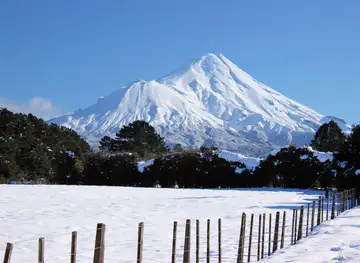
Explore more of New Zealand
New Zealand: Discover awe-inspiring landscapes, vibrant Maori culture, and thrilling adventures in a land of breathtaking natural beauty and welcoming locals.
Explore New Zealand