

Free Granada Plains Travel Guide & Mobile App
Explore Granada Plains with free travel guides. Discover regional history, expert tips, proposed trips, and audio guides on web or mobile app.


Explore Granada Plains in Nicaragua for colonial architecture, volcanic landscapes, Lake Nicaragua boat trips, local food and rural excursions.
Read more about Granada Plains
When is the best time to visit Granada Plains?
Best: November–January · 30°C| Month | High (°C) | Rainfall (mm) |
|---|---|---|
| January (best) | 30 | 5 |
| February | 31 | 6 |
| March | 32 | 8 |
| April | 33 | 13 |
| May | 33 | 25 |
| June | 32 | 35 |
| July | 32 | 30 |
| August | 32 | 25 |
| September | 31 | 30 |
| October | 31 | 25 |
| November (best) | 30 | 15 |
| December (best) | 30 | 10 |
Getting to and around Granada Plains
How to get there
Transportation
Top city travel guides in Granada Plains
The cities of Granada Plains, and the easiest places to base yourself.

Swipe for more cities
Destinations in Granada Plains
Resorts, valleys and scenic spots worth a trip of their own.
-

-

-


Swipe for more destinations
Best attractions in Granada Plains
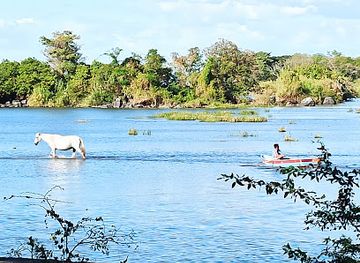
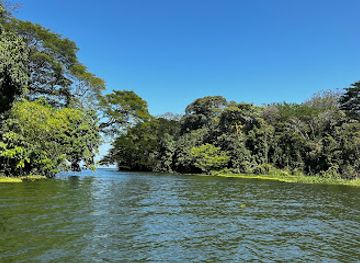
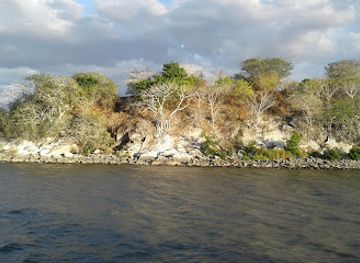
The region’s attractions combine Granada’s colonial core with volcanic and lake landscapes. In the city, visitors can explore the cathedral, La Merced church, Guadalupe church, historic courtyards, small museums and streets of restored façades, while the lakefront provides a transition from urban heritage to open water. Boat trips through the Islets of Granada reveal forested volcanic islands, birdlife and quiet channels, although the islands are also lived-in communities rather than a conventional theme attraction. South of the city, Mombacho Volcano offers cloud forest, coffee-growing landscapes, marked walks and broad views towards Lake Nicaragua; access is typically arranged in advance and conditions can be wetter and cooler than in the plains. Rural estates and agricultural districts offer insight into coffee, cattle and tropical crops, while local markets present everyday food culture. The more remote Zapatera Archipelago is of interest for its natural setting and archaeological associations, but it requires additional planning and should not be treated as a casual extension of a city visit. Together, these attractions make the region a meeting point of colonial history, cultivated lowlands, volcanic terrain and freshwater scenery.
-
City park
Parque Central de Granada
Explore Parque Central de Granada, a vibrant city park and cultural hub that showcases the essence of Nicaraguan life and stunning architecture.
-
Market
Mercado en Granada
Discover the heart and soul of Granada at Mercado en Granada, where local flavors and vibrant culture come alive in a bustling marketplace.
-
Nature preserve
Reserva Natural Volcán Mombacho
Experience the breathtaking beauty of Volcán Mombacho Natural Reserve, a paradise for nature lovers and adventure seekers in Granada, Nicaragua.
-
Park
Granada Malecon
Explore the vibrant atmosphere and stunning views at Granada Malecon, a serene waterfront park in the heart of Nicaragua's historic city.

Best landmarks in Granada Plains
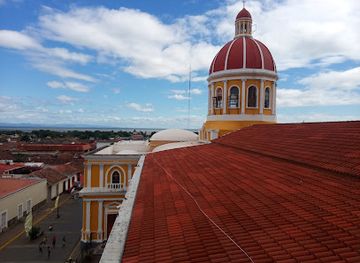
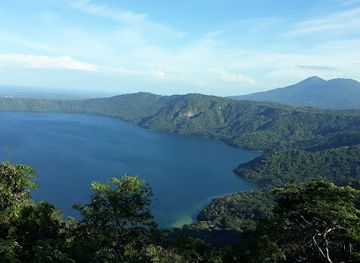
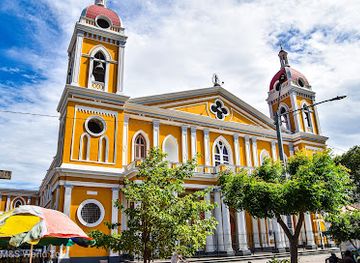
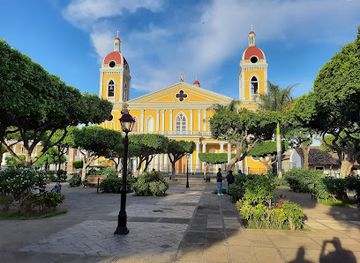
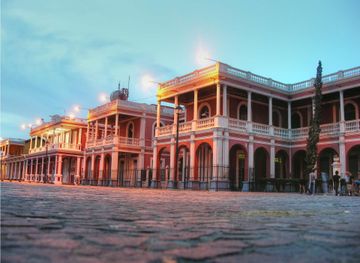
Granada’s cathedral dominates the city’s central square with its cream-and-yellow façade and broad presence, while the Church of La Merced is known for its historic architecture and elevated views across the tiled roofs. The Church of Guadalupe, near the lakeward edge of the historic area, reflects the city’s long religious and colonial history. Casa de los Leones and the surrounding streets of wooden doors, internal courtyards and brightly painted façades help preserve the urban form established after the Spanish foundation. Beyond the city, Mombacho Volcano is the region’s defining natural landmark: its forested summit rises sharply above the plains and lake, with volcanic slopes that support coffee cultivation and wildlife habitat. The Islets of Granada form a second signature landscape, their low wooded islands scattered across Lake Nicaragua after ancient volcanic activity. Together, these places express the region’s distinguishing relationship between built heritage and the natural forces that shaped its geography. The distant lake horizon, visible from elevated viewpoints and parts of Granada, is as important to the region’s visual identity as any individual monument.
-
City park
Parque Central de Granada
Explore the enchanting Parque Central de Granada, a vibrant city park that embodies the spirit of Nicaragua’s colonial heritage and culture.
-
Promenade
Plaza Nicaragua
Discover the vibrant culture and serene beauty of Plaza Nicaragua, a must-visit promenade in the heart of Managua, Nicaragua.
-
Market
Mercado en Granada
Explore the vibrant Mercado en Granada, a bustling market filled with local flavors, artisan crafts, and the spirit of Nicaragua.
-
Nature preserve
Reserva Natural Volcán Mombacho
Discover the enchanting Mombacho Volcano Natural Reserve, a perfect blend of adventure, biodiversity, and breathtaking views near Granada, Nicaragua.
Explore Granada Plains on the map
Plan your trip on one map. See where the top cities, national parks and sights are, and book hotels and experiences in a few clicks.
Best hotels in Granada Plains
Best restaurants in Granada Plains
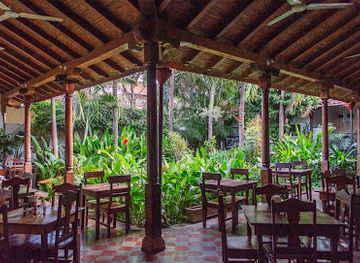
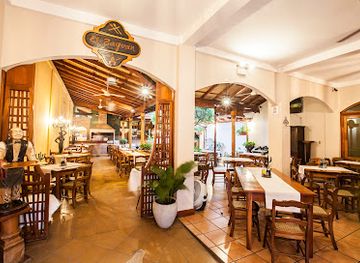
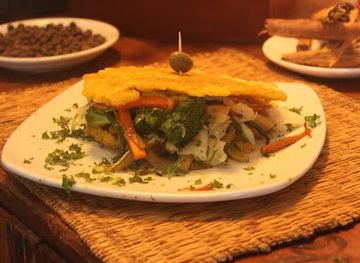
Granada’s dining scene ranges from market stalls and simple comedor restaurants to cafés, pizzerias, international kitchens and more polished restaurants operating in restored colonial houses. Local cooking is based on maize, rice, beans, plantains, meat, fresh cheese and tropical produce, with nacatamales, güirila, quesillo-style cheese preparations and grilled dishes appearing in different forms across the wider Pacific lowlands. Visitors may also find freshwater fish and seafood-inspired dishes, although lake produce and terminology vary between restaurants and communities. Markets and roadside stands are useful for seasonal fruit, juices, tortillas and snacks, while rural areas are more likely to offer family-run eateries than formal dining rooms. Ask whether dishes are prepared to order, particularly in quieter destinations, and choose bottled or treated water where appropriate. Nicaraguan coffee from the country’s higher volcanic districts is widely available, even though the warm Granada plains are not the principal coffee-growing zone. Dining is generally informal, with the most distinctive meals often found outside the hotel and restaurant streets.
-
Restaurant
The Garden Cafe
Experience the best of Nicaraguan cuisine at The Garden Cafe in Granada - where delicious food meets serene surroundings.
-
Restaurant
Restaurante El Zaguán
Experience authentic Nicaraguan flavors at Restaurante El Zaguán in Granada – a culinary gem blending tradition with hospitality.
-
Restaurant
Pan De Vida Granada
Discover culinary delights at Pan De Vida Granada – where gourmet pizza meets Nicaraguan charm.
-
Fast Food
Tostometro| Restaurantes en Granada Nicaragua
Experience authentic Nicaraguan flavors at Tostometro in Granada - where fast food meets local culinary tradition.
Best bars in Granada Plains
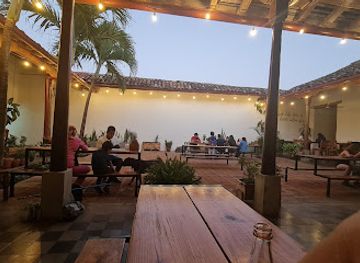
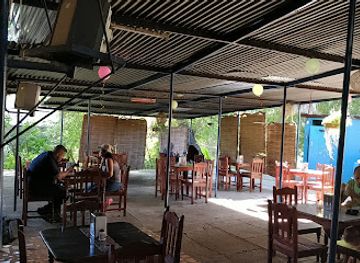
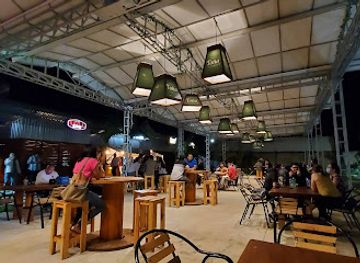
Evening life is concentrated in Granada, where restored colonial buildings and streets near the central area accommodate traditional bars, cafés, restaurants, small live-music venues and places serving rum-based drinks and local beer. The atmosphere is more suited to conversation, music and late dining than to a large nightclub circuit, although busier nights can bring a livelier crowd. The lakefront has a different rhythm, with sunset views and casual establishments rather than a continuous entertainment strip. Outside Granada, nightlife in the plains is generally local and low-key, centred on family gatherings, town celebrations, small bars and food stalls. Visitors should use established transport after dark, particularly when returning from the lake or rural areas, and check current arrangements locally because venues and schedules can change. Drinking is not necessary to enjoy the region’s evening culture; a plaza walk, a meal in a courtyard restaurant or an early morning excursion may be more appropriate for travellers staying outside the city.
-
Restaurant
The Garden Cafe
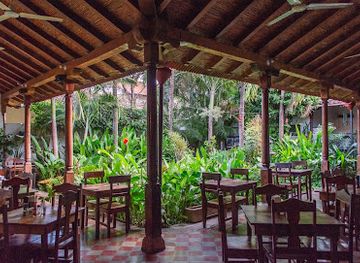
Experience the lush ambiance and diverse menu at The Garden Cafe in Granada, where culinary delight meets a tranquil garden setting.
-
Restaurant
La Frontera
Experience the vibrant flavors and welcoming atmosphere at La Frontera, a culinary treasure in Granada, Nicaragua, perfect for all food lovers.
-
Hotel
Encuentros Club - Granada
Experience the vibrant nightlife of Granada at Encuentros Club, a premier hotel and disco known for its electrifying atmosphere and unforgettable parties.
-
Grill
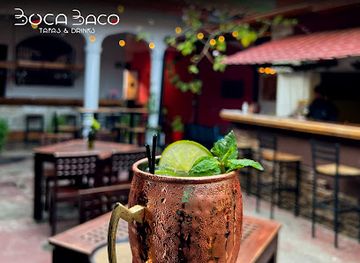
Boca Baco
Discover Boca Baco in Granada, where grilled perfection meets sushi artistry and tapas delights in a vibrant atmosphere.
Best nightclubs in Granada Plains
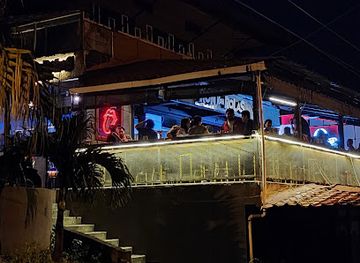
Evening life is concentrated in Granada, where restored colonial buildings and streets near the central area accommodate traditional bars, cafés, restaurants, small live-music venues and places serving rum-based drinks and local beer. The atmosphere is more suited to conversation, music and late dining than to a large nightclub circuit, although busier nights can bring a livelier crowd. The lakefront has a different rhythm, with sunset views and casual establishments rather than a continuous entertainment strip. Outside Granada, nightlife in the plains is generally local and low-key, centred on family gatherings, town celebrations, small bars and food stalls. Visitors should use established transport after dark, particularly when returning from the lake or rural areas, and check current arrangements locally because venues and schedules can change. Drinking is not necessary to enjoy the region’s evening culture; a plaza walk, a meal in a courtyard restaurant or an early morning excursion may be more appropriate for travellers staying outside the city.
-
Bar
Ron Kon Rolas
Experience the vibrant nightlife of Managua at Ron Kon Rolas, a bar and concert hall offering live music, delicious drinks, and a lively atmosphere.
-
Hotel
Encuentros Club - Granada
Experience the vibrant nightlife of Granada at Encuentros Club, where music, dance, and fun meet in a lively atmosphere.
-
Disco club
El Chaman
Experience the vibrant nightlife of Managua at El Chaman, a premier disco club offering an electrifying atmosphere and diverse music.
-
Disco club
Lounge BB Club
Immerse yourself in the lively atmosphere of Lounge BB Club, Managua's ultimate destination for dancing, drinks, and karaoke.


Best shops in Granada Plains
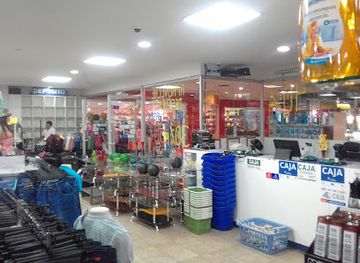
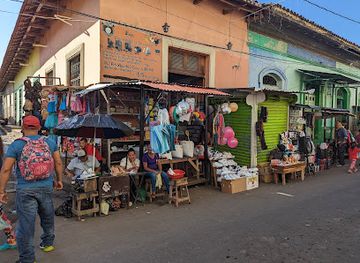
Shopping in Granada is focused on local streets, market commerce, small galleries and craft shops rather than large-scale retail. The city’s central area offers paintings, ceramics, carved wood, woven goods, leather items, jewellery, hammocks and decorative pieces, with quality and prices varying considerably between sellers. Visitors should ask about materials, care requirements and whether an item was made locally before buying. Markets and food stalls are useful for coffee, cacao products, spices, sweets, tropical fruit and packaged regional foods, although agricultural goods may be seasonal. Smaller towns and rural communities tend to offer practical household shopping rather than a dedicated visitor retail scene, while artisan workshops may operate at irregular times. Granada’s historic streets also contain independent bookshops, clothing stores and contemporary galleries, but stock changes frequently. Bargaining may be acceptable in informal craft settings when no price is marked, yet it is not appropriate to treat every small vendor as a tourist market. Pack fragile ceramics and carved pieces carefully, and check customs rules before exporting food, antiques or natural materials.
-
City park
Parque Central de Granada
Explore the vibrant heart of Granada at Parque Central, where culture, nature, and history converge in a stunning urban oasis.
-
Shopping mall
Plaza Inter
Discover the heart of shopping and entertainment at Plaza Inter, Managua's premier shopping destination for locals and tourists alike.
-
Market
Mercado en Granada
Discover the flavors and vibrant culture of Nicaragua at Mercado en Granada, a must-visit market filled with local treasures and delicious cuisine.
-
Supermarket
La Colonia
Explore the vibrant offerings of La Colonia, the top supermarket in Granada, Nicaragua, where local flavors meet international variety.
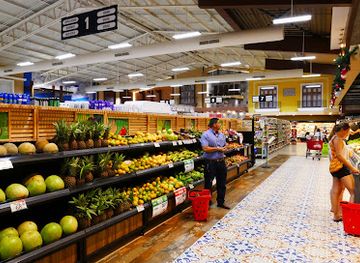
Get your free copy of our complete guide to Granada Plains, delivered straight to you.
Everything on this page, from attractions and restaurants to essentials and local phrases, in one PDF you can read offline, print or share.
Already have an account? Sign in
Your Granada Plains guide is ready.
We'll send it to · Not you? Sign out

Getting your guide ready…
We are putting together a fresh copy of the Granada Plains guide. This can take up to a minute.
This can take a few moments. If your browser asks, choose Allow so the download can start. You'll find the guide in your Downloads folder.
Nothing happened? Download it again
Sorry, the guide is taking longer than usual. Please try again in a minute, or get it by email instead.
Granada Plains essentials
Currency and Payment
Safety
Emergency Situations
Do's and Don'ts
Local Tips
From Eve
Local phrases worth knowing
You don't need to get them perfect. A few words go a long way, and locals appreciate the effort.
Basics
| English | Local | Say it |
|---|---|---|
| Hello | Hola | [OH-lah] |
| Goodbye | Adiós | [ah-DYOS] |
| Yes | Sí | [SEE] |
| No | No | [NO] |
| Please/You're welcome | Por favor/De nada | [por fah-VOR/deh NAH-dah] |
| Thank you | Gracias | [GRAH-syahs] |
| Excuse me/Sorry | Disculpe/Lo siento | [dees-KOOL-peh/LOH SYEN-toh] |
| How are you? | ¿Cómo estás? | [KOH-moh es-TAHS] |
| Fine. And you? | Bien. ¿Y tú? | [BYEN. ee TOO] |
| Do you speak English? | ¿Hablas inglés? | [AH-blas in-GLES] |
| I don't understand | No entiendo | [NOH en-TYEN-doh] |
Eating & Drinking
| English | Local | Say it |
|---|---|---|
| I'd like to see the menu, please | Quisiera ver el menú, por favor | [kee-SYEH-rah BEHR el meh-NOO, por fah-VOR] |
| I don't eat meat | No como carne | [NOH KOH-mo KAR-neh] |
| Cheers! | ¡Salud! | [sah-LOOD] |
| I would like to pay, please | Quisiera pagar, por favor | [kee-SYEH-rah pah-GAR, por fah-VOR] |
Emergencies
| English | Local | Say it |
|---|---|---|
| Help! | ¡Ayuda! | [ah-YOO-dah] |
| Go away! | ¡Vete! | [BEH-teh] |
| Call the Police! | ¡Llama a la policía! | [YAH-mah ah la poh-lee-SYAH] |
| Call a doctor! | ¡Llama a un doctor! | [YAH-mah ah oon dok-TOR] |
| I'm lost | Estoy perdido | [es-TOY per-DEE-doh] |
| I'm ill | Estoy enfermo/a | [es-TOY en-FER-mo/a] |
Shopping
| English | Local | Say it |
|---|---|---|
| I'd like to buy... | Quisiera comprar... | [kee-SYEH-rah kom-PRAHR] |
| I'm just looking | Solo estoy mirando | [SOH-lo es-TOY mee-RAN-doh] |
| How much is it? | ¿Cuánto cuesta? | [KWAN-toh KWES-tah] |
| That's too expensive | Eso es muy caro | [EH-so es MOOY KAH-roh] |
| Can you lower the price? | ¿Puedes bajar el precio? | [PWEH-des bah-HAR el PREH-syoh] |
Time & Numbers
| English | Local | Say it |
|---|---|---|
| What time is it? | ¿Qué hora es? | [KEH OR-ah es] |
| It's one o'clock | Es la una | [es la OO-nah] |
| Half past (10) | Y media (10) | [ee MEH-diah (10)] |
| Morning | Mañana | [ma-NYAH-nah] |
| Afternoon | Tarde | [TAR-deh] |
| Evening | Noche | [NOH-cheh] |
| Yesterday | Ayer | [ah-YER] |
| Today | Hoy | [OY] |
| Tomorrow | Mañana | [ma-NYAH-nah] |
| 1 | Uno | [OO-no] |
| 2 | Dos | [DOS] |
| 3 | Tres | [TRES] |
| 4 | Cuatro | [KWAT-roh] |
| 5 | Cinco | [SEEN-koh] |
| 6 | Seis | [SAYS] |
| 7 | Siete | [SYE-teh] |
| 8 | Ocho | [OH-choh] |
| 9 | Nueve | [NWEH-veh] |
| 10 | Diez | [DYEZ] |
Transport & Directions
| English | Local | Say it |
|---|---|---|
| Where's a/the...? | ¿Dónde está un/una...? | [DON-de es-TAH oon/OO-nah] |
| What's the address? | ¿Cuál es la dirección? | [KWAL es la dee-rek-SYON] |
| Can you show me (on the map)? | ¿Puedes mostrarme (en el mapa)? | [PWEH-des mos-TRAR-me (en el MAH-pah)] |
| When's the next (bus)? | ¿Cuándo es el próximo (bus)? | [KWAN-doh es el PROK-see-mo (BUS)] |
| A ticket (to ....) | Un boleto (a ....) | [OON bo-LEH-toh (ah ....)] |
History of Granada Plains
Pre-Columbian Chorotega and Nahua Communities
Before Spanish colonisation, the lands around present-day Granada and the western shore of Lake Nicaragua were inhabited by Indigenous communities including Chorotega-speaking peoples and groups associated with Nahua migration traditions. Settlements used the fertile volcanic lowlands, lake resources and established routes across the Pacific side of Nicaragua. Pottery, burial remains, place names and archaeological material demonstrate a long history of farming, fishing and regional exchange. The lake and its islands were not empty wilderness but part of an inhabited cultural landscape, and Indigenous influence remains important to understanding the region’s foodways, settlement patterns and surviving traditions.
The Spanish Foundation of Granada, 1524
Spanish captain Francisco Hernández de Córdoba founded Granada in 1524, establishing one of the earliest permanent Spanish settlements in Nicaragua. The city was positioned near Lake Nicaragua, where access to inland waterways offered commercial and strategic advantages. Its central grid, churches and civic buildings developed within the colonial system, while Indigenous communities experienced land seizure, forced labour and severe demographic disruption. Granada later became a centre of regional commerce, connecting agricultural districts and lake transport with routes towards the Caribbean and the Pacific. Its colonial street plan and surviving religious buildings remain among the clearest historical features of the region.
Lake Commerce and the Colonial Economy
For centuries, Granada’s position beside Lake Nicaragua shaped its economic importance. Goods from the surrounding plains moved through the city, while boats connected settlements along the lake and its islands. Cattle, agricultural produce, timber and foodstuffs formed part of the regional economy, although the scale and direction of trade changed as political control and transport routes evolved. Granada’s churches, merchant houses and courtyards reflect the wealth accumulated by commercial families and landowners, but they also reveal a society structured by colonial hierarchy. The lake remained a practical route as well as a defining geographical presence.
Rivalry with León and Nicaraguan Politics
During the nineteenth century, Granada and León became the principal political and economic poles of Nicaragua. Granada was associated broadly with conservative landowners, commerce and the eastern side of the Pacific lowlands, while León developed a different political and intellectual tradition. Rivalry between the cities influenced national politics, civil conflict and the location of state institutions. The tensions were not confined to urban elites: changing governments affected landholding, trade and security across the surrounding plains. Granada’s architecture and civic traditions still reflect its former prominence as one of Nicaragua’s most influential colonial cities.
The Transit Route and William Walker, 1850s
In the 1850s, Lake Nicaragua became part of an international transit route linking the Caribbean and Pacific through the San Juan River, the lake and overland connections to the Pacific coast. The route brought traders, adventurers and political interference to Granada. American filibuster William Walker seized power in Nicaragua during the Central American conflict and used Granada as a base before retreating in 1856. His forces set fire to the city, causing extensive destruction. The rebuilding that followed forms part of Granada’s modern historical memory, alongside the wider regional resistance to foreign intervention.
Railways, Agriculture and Changing Trade
From the late nineteenth century, railways and improved roads gradually altered the relationship between Granada, the lake and the Pacific coast. Transport development supported the movement of agricultural produce and strengthened links with other Nicaraguan cities, even as the lake’s importance as a long-distance transit route declined. Cattle ranching, food crops, sugar and later coffee in the surrounding volcanic districts became central to the regional economy. Rural estates and market networks continued to shape daily life, while Granada adapted its commercial role from a colonial port city to a regional service and cultural centre.
Heritage Conservation and Contemporary Tourism
In the late twentieth and early twenty-first centuries, Granada’s colonial centre became increasingly associated with heritage conservation, cultural tourism and restoration. Historic houses were repaired, central streets and public spaces gained renewed attention, and the city developed accommodation, restaurants and creative businesses within older buildings. Tourism now supports many local livelihoods, while agriculture, transport, public services and ordinary residential life remain equally important to the wider plains. The continuing challenge is to protect architectural and natural heritage without reducing the region to a museum setting or overlooking the communities that sustain it.
Granada Plains in Photos
Browse through our photo collection highlighting the charm and character of the destination.
Neighbouring regions of Granada Plains
The closest regions to Granada Plains, if you have time for more than one.
-

-

-

-

-


Swipe for more regions
Explore more
Explore more of Nicaragua
Discover Nicaragua: Explore breathtaking lakes, active volcanoes, colonial cities, and pristine beaches in a country rich with culture and adventure.
Explore Nicaragua