

Free Pacific Region Travel Guide & Mobile App
Explore Pacific Region with free travel guides. Discover regional history, expert tips, proposed trips, and audio guides on web or mobile app.


Explore Nicaragua’s Pacific Region for colonial cities, active volcanoes, lake islands, craft towns and surf beaches shaped by a warm tropical climate.
Read more about Pacific Region
When is the best time to visit Pacific Region?
Best: December–February · 30–31°C| Month | High (°C) | Rainfall (mm) |
|---|---|---|
| January (best) | 30 | 1 |
| February (best) | 31 | 1 |
| March | 31 | 2 |
| April | 32 | 3 |
| May | 32 | 6 |
| June | 33 | 9 |
| July | 33 | 11 |
| August | 33 | 10 |
| September | 32 | 8 |
| October | 32 | 6 |
| November | 31 | 3 |
| December (best) | 31 | 2 |
Getting to and around Pacific Region
How to get there
Transportation
Top city travel guides in Pacific Region
The cities of Pacific Region, and the easiest places to base yourself.
-

-

-

-

-

-


Swipe for more cities
Destinations in Pacific Region
Resorts, valleys and scenic spots worth a trip of their own.
-

-
-
-
-

-


Swipe for more destinations
Best attractions in Pacific Region
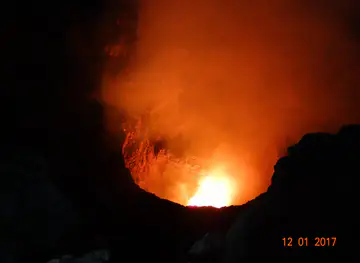
The Pacific Region’s attractions range from colonial urban heritage to active volcanic landscapes and tropical beaches. León offers churches, museums, galleries and revolutionary history, while Granada combines historic streets with excursions towards Mombacho and Lake Nicaragua. Managua’s attractions are more dispersed and include cultural institutions, lakefront areas and viewpoints around the capital. Masaya is known for markets, craft workshops and access to Masaya Volcano National Park, where volcanic scenery is closely linked to Indigenous and colonial history. Outdoor travellers can hike around Cerro Negro, explore Ometepe’s volcanic terrain, kayak or boat on freshwater lakes, and surf or swim along selected Pacific beaches such as Las Peñitas, Poneloya and parts of the Rivas coast. The region also contains dry forests, coffee-growing uplands, rural estates and small towns with distinctive religious and craft traditions. Conditions vary widely: some sites have established visitor facilities, while others require local transport, a guide and careful preparation for heat, rain or rough ground.
-
Park
Parque Japón Nicaragua
Explore Parque Japón Nicaragua, a serene escape in Managua with beautiful gardens, tranquil paths, and a touch of Japanese elegance.
-
Performing arts theater
Teatro Nacional Rubén Darío
Discover the cultural heartbeat of Managua at the Teatro Nacional Rubén Darío, a premier venue for performing arts in Nicaragua.
-
Tourist attraction
Plaza Nicaragua
Discover the vibrant atmosphere of Plaza Nicaragua, a cultural gem in Managua, where lush greenery meets local traditions and community spirit.
-
Park
Reserva Natural Laguna de Tiscapa
Experience the serene beauty of Laguna de Tiscapa, a natural reserve in Managua, Nicaragua, ideal for outdoor adventures and scenic views.


Best landmarks in Pacific Region
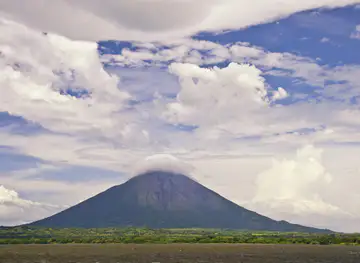
León Cathedral dominates the city’s central square and is one of the defining architectural landmarks of the Pacific Region, while the city’s churches and colonial grid preserve its religious and intellectual importance. Granada’s cathedral, colourful façades and historic streets form a distinctive urban ensemble beside Lake Nicaragua, although individual buildings have been restored and altered over time. In Managua, the old cathedral remains a powerful reminder of the 1972 earthquake, standing near the historic centre that was never rebuilt in the conventional colonial manner. Masaya Volcano is both a geological landmark and a place deeply connected with local history, and the twin volcanic peaks of Concepción and Maderas give Ometepe its unmistakable profile. Lake Nicaragua itself is a major geographical landmark, with Ometepe and other islands shaping the scenery around Rivas. On the coast, long beaches, forested headlands and the bay of San Juan del Sur provide natural landmarks rather than monumental architecture.
-
City park
Parque Central de Granada
Experience the beauty and culture of Granada at Parque Central, a vibrant city park surrounded by colonial architecture and lively local activities.
-
Tourist attraction
Cristo de La Misericordia
Discover breathtaking views and spiritual tranquility at Cristo de La Misericordia, a towering symbol overlooking San Juan del Sur's stunning coastline.
-
Park
Parque Japón Nicaragua
Experience the serene beauty of Parque Japón, a tranquil park in Managua that beautifully combines nature with Japanese cultural elements, perfect for relaxation and recreation.
-
Catholic cathedral
Cathedral-Basilica of the Assumption of the Blessed Virgin Mary
Discover the architectural splendor and cultural significance of León's Cathedral-Basilica of the Assumption, a must-see UNESCO World Heritage site.


Explore Pacific Region on the map
Plan your trip on one map. See where the top cities, national parks and sights are, and book hotels and experiences in a few clicks.
Best hotels in Pacific Region
Best restaurants in Pacific Region
Food in Nicaragua’s Pacific Region is grounded in maize, rice, beans, plantains, cheese, pork, chicken and tropical fruit, with Pacific seafood prominent in coastal communities. Visitors will find nacatamales, quesillo, vigorón, grilled meats, soups and fried or roasted plantains at markets, cafés, family-run eateries and traditional restaurants. León and Granada offer the broadest choice of dining styles, from inexpensive comedor meals to contemporary restaurants in restored colonial buildings, while beach communities focus on fish, prawns and simple dishes served near the sand. Managua has the country’s widest range of international and modern dining. Sweet drinks, fruit juices, coffee from the western highlands and locally produced rum are common accompaniments. Markets are useful for trying regional specialities, but choose busy stalls with good food turnover and take care with uncooked ingredients if travelling in hot conditions.
-
Nicaraguan
Cocina de Doña Haydée
Experience authentic Nicaraguan cuisine at Cocina de Doña Haydée in Managua – where every dish tells a story.
-
Restaurant
Mi Viejo Ranchito
Experience authentic Nicaraguan cuisine at Mi Viejo Ranchito in Catarina - where tradition meets taste in a vibrant setting.
-
Restaurant
El Tiscapa Los Ranchos # 2
Experience exquisite steaks and authentic Nicaraguan cuisine at El Tiscapa Los Ranchos #2 in Managua.
-
Steak
Restaurante El Eskimo
Experience exquisite steaks and authentic Nicaraguan flavors at Restaurante El Eskimo in Managua.


Best bars in Pacific Region
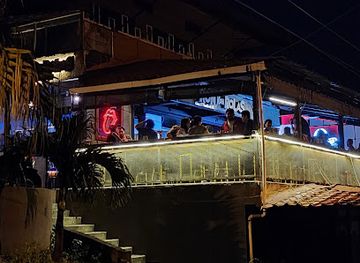
Evening life varies sharply across the Pacific Region. León and Granada have the most established visitor-oriented scenes, with colonial courtyards, traditional bars, cafés, live music and restaurants that become busier later in the evening. Managua offers a broader selection of modern bars, entertainment venues and restaurants, concentrated in commercial districts rather than a single historic quarter. San Juan del Sur has the most recognisable seaside nightlife, while other coastal communities tend towards relaxed beach bars, early dinners and small music venues. In Masaya, Carazo and rural areas, evenings usually centre on family gatherings, local restaurants, traditional festivities or modest bars rather than large clubs. Check transport arrangements before staying out late, particularly at beaches and in smaller towns, and remember that music, dancing and food are as important to the region’s social life as alcohol.
-
Restaurant
Iguana Bar
Discover the lively atmosphere and delicious offerings at Iguana Bar in San Juan del Sur, where great food meets vibrant nightlife.
-
Bar
Ron Kon Rolas
Discover the vibrant nightlife at Ron Kon Rolas, a lively bar and concert hall in Managua offering great music and an unforgettable atmosphere.
-
Bar
Famous Bar & Restaurante
Discover the lively atmosphere of Famous Bar & Restaurante in Estelí, where unforgettable nights and delicious drinks await.
-
Disco club
Woods Lounge Bar
Experience the vibrant nightlife of Matagalpa at Woods Lounge Bar, where great music and a lively atmosphere await.


Best nightclubs in Pacific Region
Evening life varies sharply across the Pacific Region. León and Granada have the most established visitor-oriented scenes, with colonial courtyards, traditional bars, cafés, live music and restaurants that become busier later in the evening. Managua offers a broader selection of modern bars, entertainment venues and restaurants, concentrated in commercial districts rather than a single historic quarter. San Juan del Sur has the most recognisable seaside nightlife, while other coastal communities tend towards relaxed beach bars, early dinners and small music venues. In Masaya, Carazo and rural areas, evenings usually centre on family gatherings, local restaurants, traditional festivities or modest bars rather than large clubs. Check transport arrangements before staying out late, particularly at beaches and in smaller towns, and remember that music, dancing and food are as important to the region’s social life as alcohol.
-
Bar
Ron Kon Rolas
Experience the vibrant nightlife of Managua at Ron Kon Rolas, where music, culture, and great drinks come together in a lively atmosphere.
-
Bar
La Ventecita
Experience the vibrant flavors of Managua at La Ventecita, a cozy bar and restaurant perfect for tourists seeking authentic local cuisine.
-
Disco club
El Chaman
Discover the vibrant nightlife of Managua at El Chaman, a top disco club where music and dance come alive in a stunning atmosphere.
-
Disco club
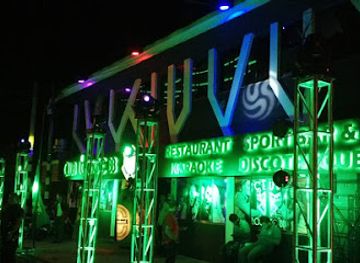
Lounge BB Club
Discover the lively atmosphere of Lounge BB Club, Managua's top disco club offering music, karaoke, and a delicious dining experience.


Best shops in Pacific Region
Shopping in the Pacific Region ranges from busy municipal markets to craft workshops, colonial-town boutiques and roadside produce stalls. Masaya is particularly associated with hammocks, woven goods, masks, pottery and other Nicaraguan crafts, while markets in León, Granada and Managua provide food, clothing, household goods and handmade products. Granada’s historic centre has galleries, craft shops and small stores aimed at visitors, whereas León combines tourist-oriented shopping with a more practical local market culture. Around Ometepe and the southern Pacific coast, look for locally made handicrafts, coffee, cacao products, woven items and simple beachwear, without assuming that every product is locally produced. Bargaining may be appropriate in some informal markets but is less so in fixed-price shops. Carry cash for markets and small workshops, and inspect ceramics, textiles and carved pieces carefully before packing them for travel.
-
Shopping mall
Metrocentro
Metrocentro: Uncover the best shopping, dining, and entertainment experiences in Managua's vibrant shopping hub.
-
Shopping mall
Multicentro Las Américas
Explore the vibrant shopping experience at Multicentro Las Américas, Managua's premier shopping mall with diverse stores and dining options.
-
Shopping mall
Plaza Inter
Discover a shopping haven at Plaza Inter, where local charm meets modern retail in the heart of Managua.
-
Market
Mercado Roberto Huembes
Explore Mercado Roberto Huembes in Managua for a taste of authentic Nicaraguan culture, food, and handmade crafts in a vibrant market atmosphere.


Get your free copy of our complete guide to Pacific Region, delivered straight to you.
Everything on this page, from attractions and restaurants to essentials and local phrases, in one PDF you can read offline, print or share.
Already have an account? Sign in
Your Pacific Region guide is ready.
We'll send it to · Not you? Sign out

Getting your guide ready…
We are putting together a fresh copy of the Pacific Region guide. This can take up to a minute.
This can take a few moments. If your browser asks, choose Allow so the download can start. You'll find the guide in your Downloads folder.
Nothing happened? Download it again
Sorry, the guide is taking longer than usual. Please try again in a minute, or get it by email instead.
Pacific Region essentials
Currency and Payment
Safety
Emergency Situations
Do's and Don'ts
Local Tips
From Eve
Local phrases worth knowing
You don't need to get them perfect. A few words go a long way, and locals appreciate the effort.
Basics
| English | Local | Say it |
|---|---|---|
| Hello | Hola | [OH-lah] |
| Goodbye | Adiós | [ah-DYOS] |
| Yes | Sí | [SEE] |
| No | No | [NO] |
| Please/You're welcome | Por favor | [por fah-VOR] |
| Thank you | Gracias | [GRAH-syahs] |
| Excuse me/Sorry | Disculpe | [dees-KOOL-peh] |
| How are you? | ¿Cómo estás? | [KOH-moh es-TAS] |
| Fine. And you? | Bien. ¿Y tú? | [BYEN. EE TOO] |
| Do you speak English? | ¿Hablas inglés? | [AH-blas een-GLES] |
| I don't understand | No entiendo | [NO en-TYEN-doh] |
Eating & Drinking
| English | Local | Say it |
|---|---|---|
| I'd like to see the menu, please | Me gustaría ver el menú, por favor | [Meh goo-stah-REE-ah VER el meh-NOO, por fah-VOR] |
| I don't eat meat | No como carne | [NO KOH-mo KAR-neh] |
| Cheers! | ¡Salud! | [sah-LOOD] |
| I would like to pay, please | Me gustaría pagar, por favor | [Meh goo-stah-REE-ah pah-GAR, por fah-VOR] |
Emergencies
| English | Local | Say it |
|---|---|---|
| Help! | ¡Ayuda! | [ah-YOO-dah] |
| Go away! | ¡Vete! | [VEH-teh] |
| Call the Police! | ¡Llame a la policía! | [YAH-meh ah la poh-lee-SEE-ah] |
| Call a doctor! | ¡Llame a un doctor! | [YAH-meh ah oon dok-TOR] |
| I'm lost | Estoy perdido | [es-TOY per-DEE-doh] |
| I'm ill | Estoy enfermo/enferma | [es-TOY en-FER-mo/en-FER-mah] |
Shopping
| English | Local | Say it |
|---|---|---|
| I'd like to buy... | Me gustaría comprar... | [Meh goo-stah-REE-ah kom-PRAR] |
| I'm just looking | Solo estoy mirando | [SO-lo es-TOY mee-RAN-do] |
| How much is it? | ¿Cuánto cuesta? | [KWAN-toh KWEH-stah] |
| That's too expensive | Eso es muy caro | [EH-so es MOOY KAH-roh] |
| Can you lower the price? | ¿Puedes bajar el precio? | [PWEH-des bah-HAR el PREH-syo] |
Time & Numbers
| English | Local | Say it |
|---|---|---|
| What time is it? | ¿Qué hora es? | [KEH OH-rah es] |
| It's one o'clock | Es la una | [Es la OO-nah] |
| Half past (10) | Y diez y media | [ee DYAS ee MEH-dee-ah] |
| Morning | Mañana | [ma-NYAH-nah] |
| Afternoon | Tarde | [TAR-deh] |
| Evening | Noche | [NO-cheh] |
| Yesterday | Ayer | [ah-YER] |
| Today | Hoy | [OY] |
| Tomorrow | Mañana | [ma-NYAH-nah] |
| 1 | Uno | [OO-no] |
| 2 | Dos | [DOS] |
| 3 | Tres | [TRES] |
| 4 | Cuatro | [KWAH-tro] |
| 5 | Cinco | [SEEN-koh] |
| 6 | Seis | [SAYS] |
| 7 | Siete | [SYEH-teh] |
| 8 | Ocho | [OH-cho] |
| 9 | Nueve | [NWEH-beh] |
| 10 | Diez | [DYAS] |
Transport & Directions
| English | Local | Say it |
|---|---|---|
| Where's a/the...? | ¿Dónde está el...? | [DON-deh es-TA el] |
| What's the address? | ¿Cuál es la dirección? | [KWAL es la dee-rek-SYON] |
| Can you show me (on the map)? | ¿Puedes mostrarme (en el mapa)? | [PWEH-des mos-TRAR-me (en el MAH-pah)] |
| When's the next (bus)? | ¿Cuándo es el próximo (autobús)? | [KWAN-do es el PROK-see-mo (ow-toh-BOOS)] |
| A ticket (to ....) | Un boleto (a ....) | [OON bo-LEH-to (ah ....)] |
History of Pacific Region
Pre-Columbian Pacific Settlements
Long before Spanish colonisation, the Pacific lowlands supported farming communities connected to wider Mesoamerican cultural networks. Many groups cultivated maize, beans and squash and traded through routes linking the highlands, lakes and Pacific coast. Nahua-speaking populations settled in parts of the western region, while Chorotega communities were especially influential around present-day León, Masaya and the Nicaraguan lakes. Archaeological evidence, pottery traditions and surviving place names reflect this complex Indigenous past, although much of the region’s pre-Columbian history must be reconstructed from archaeology and colonial accounts rather than from written Indigenous records.
Spanish Conquest and Colonial Cities
Spanish forces entered the Pacific lowlands in the sixteenth century, founding León and Granada in 1524. These settlements became administrative, religious and commercial centres, connected by routes across the volcanic plain and the lakes. Colonial society brought churches, plazas, cattle ranching and new crops, while epidemics, forced labour and political disruption devastated Indigenous communities. León was moved from its original site beside Lake Managua to its present location in the seventeenth century after repeated threats from volcanic activity and natural hazards. Granada’s position near Lake Nicaragua helped it develop as a trading town.
Colonial Trade and Rival Cities
During the colonial period, León and Granada represented competing economic and political interests within Nicaragua. León looked towards the Pacific and western agricultural districts, while Granada benefited from the lakes and routes leading towards the Caribbean. The region produced cattle, indigo, cacao and other goods, and its waterways offered a potential route between the Caribbean and the Pacific. Raids by Caribbean-based privateers and conflict over commercial control affected Granada in particular. This rivalry helped shape Nicaragua’s later political divisions and remains visible in the distinct civic identities of the two colonial cities.
Independence and Nineteenth-Century Nicaragua
Central American independence from Spain in 1821 brought political uncertainty rather than immediate stability. Pacific cities became centres of factional competition as Nicaragua debated its relationship with neighbouring states and its own constitutional future. Granada and León often represented rival political camps, while the lake and Pacific routes attracted foreign commercial and strategic interest. The possibility of an interoceanic canal through the San Juan River and Lake Nicaragua gave the region international significance, even though no canal was built there. Coffee, cattle and commercial agriculture expanded during the nineteenth century.
William Walker and the Filibuster War
In the 1850s, the American adventurer William Walker intervened in Nicaragua’s civil conflict and eventually installed himself as president. Granada became one of the main stages of the struggle, and Walker’s forces burned much of the city during their retreat in 1856. Central American armies ultimately defeated the filibusters in 1857. The conflict strengthened regional opposition to foreign intervention and left a lasting historical imprint on Nicaragua’s national memory. Granada’s restored colonial fabric and León’s political traditions are often interpreted against this turbulent nineteenth-century background.
Revolution, Dictatorship and the 1972 Earthquake
The Pacific Region was central to the twentieth-century political history of Nicaragua. Managua became the national capital and expanded rapidly under the Somoza family’s rule, while León, Masaya and other western towns developed strong opposition movements. The Sandinista Revolution of 1979 followed years of repression and armed conflict, bringing major social and political change. The 1972 Managua earthquake destroyed much of the capital’s historic centre and encouraged dispersed redevelopment, explaining the city’s broad roads, separated districts and relative lack of a conventional colonial core.
Agriculture, Tourism and Contemporary Change
Late twentieth- and early twenty-first-century development brought new emphasis to beach tourism, surfing, ecological travel, colonial heritage and small-scale craft production. Pacific agriculture remains important, including sugar, coffee, livestock, plantains and subsistence crops, but drought, seasonal water shortages and land-use pressure affect rural communities. Cities such as León and Granada have invested in heritage restoration and visitor services, while coastal communities have experienced uneven tourism growth. The region today combines historic urban life, working farms, Indigenous and mestizo traditions, and an expanding but varied visitor economy.
Pacific Region in Photos
Browse through our photo collection highlighting the charm and character of the destination.
Neighbouring regions of Pacific Region
The closest regions to Pacific Region, if you have time for more than one.
-

-

-

-

-


Swipe for more regions
Explore more
Explore more of Nicaragua
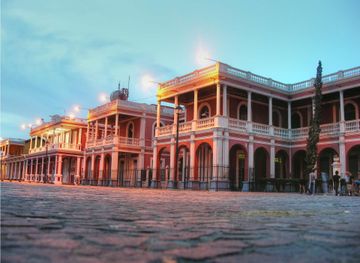
Discover Nicaragua: Explore breathtaking lakes, active volcanoes, colonial cities, and pristine beaches in a country rich with culture and adventure.
Explore Nicaragua