

Free Western Region Travel Guide & Mobile App
Explore Western Region with free travel guides. Discover regional history, expert tips, proposed trips, and audio guides on web or mobile app.


Explore Western Nicaragua for León's colonial heritage, active volcanoes, Pacific beaches, mangrove reserves and distinctive regional food.
When is the best time to visit Western Region?
Best: November–January · 32°C| Month | High (°C) | Rainfall (mm) |
|---|---|---|
| January (best) | 32 | 3 |
| February | 32 | 3 |
| March | 33 | 4 |
| April | 34 | 5 |
| May | 34 | 8 |
| June | 33 | 11 |
| July | 33 | 11 |
| August | 33 | 11 |
| September | 33 | 11 |
| October | 33 | 9 |
| November (best) | 32 | 6 |
| December (best) | 32 | 4 |
Getting to and around Western Region
How to get there
Transportation
Top city travel guides in Western Region
The cities of Western Region, and the easiest places to base yourself.
-

-

-

-

-

-


Swipe for more cities
Destinations in Western Region
Resorts, valleys and scenic spots worth a trip of their own.
-

-

-

-

-

-


Swipe for more destinations
Best attractions in Western Region
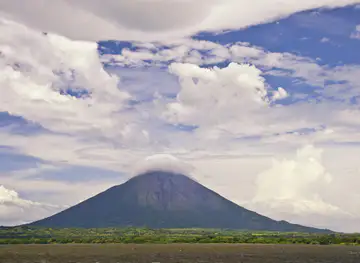
Western Nicaragua offers a balanced mix of colonial culture, volcanic adventure, wildlife and Pacific coast. León's churches, museums, murals, university atmosphere and literary associations provide the region's strongest urban experience, while León Viejo presents the archaeological remains of the first Spanish city. Cerro Negro is the best-known outdoor excursion, with ash slopes and panoramic views, but the volcanic landscape also includes routes around Telica, San Cristóbal and Cosigüina, subject to local conditions and guide availability. On the coast, Las Peñitas and Poneloya are used for surfing, swimming where conditions permit, seafood and sunsets. Isla Juan Venado adds guided boat trips through mangroves and habitat for coastal birds, while the Padre Ramos estuary has further wetlands and community-based nature experiences. Chinandega and El Viejo provide access to regional churches, markets and agricultural surroundings, and the Cosigüina peninsula offers quieter rural and natural landscapes. Attractions are widely dispersed, so combining historic León with a beach or nature base produces a fuller understanding of the region than relying on one town alone.
-
Hotel
Reserva Natural Ojo de Agua
Experience tranquility and natural beauty at Reserva Natural Ojo de Agua, your perfect escape in Tilgüce, Nicaragua.

Best landmarks in Western Region
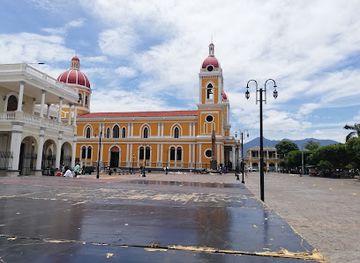
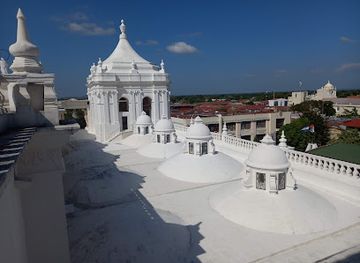
León Cathedral dominates the city's central streets and is one of the most important architectural landmarks in Nicaragua, its broad white form reflecting the religious and civic importance León acquired during the colonial period. The city's historic centre also contains churches such as La Recolección, El Calvario and San Juan Bautista de Sutiava, each contributing to the urban landscape and the history of religious communities in the region. León Viejo is a different kind of landmark: its excavated streets, foundations and ruined buildings preserve the location of the original colonial city near Lake Managua. Cerro Negro provides the region's most immediately recognisable natural landmark, a stark young cone whose black slopes contrast with the surrounding agricultural plain. The Basilica of the Immaculate Conception in El Viejo is an important religious landmark and pilgrimage site, while the Cosigüina peninsula marks the north-western edge of the region with volcanic terrain, coastal wetlands and broad views across the Gulf of Fonseca.
-
City park
Parque Central de Granada
Discover the beauty and cultural vibrancy of Parque Central de Granada, a serene city park nestled in the heart of Granada, Nicaragua.
-
Catholic cathedral
Cathedral-Basilica of the Assumption of the Blessed Virgin Mary
Experience the rich history and architectural beauty of León's Cathedral-Basilica of the Assumption of the Blessed Virgin Mary, a UNESCO World Heritage site.
-
Promenade
Plaza Nicaragua
Experience the heart of Managua at Plaza Nicaragua, a vibrant promenade blending culture, relaxation, and scenic beauty for every traveler.
-
Park
Granada Malecon
Explore the vibrant waterfront of Granada Malecon, a perfect blend of nature and local culture on the shores of Lake Nicaragua.
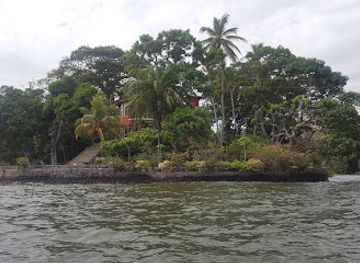
Explore Western Region on the map
Plan your trip on one map. See where the top cities, national parks and sights are, and book hotels and experiences in a few clicks.
Best hotels in Western Region
Best restaurants in Western Region
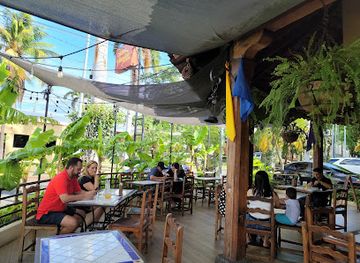
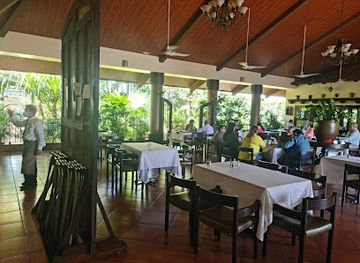
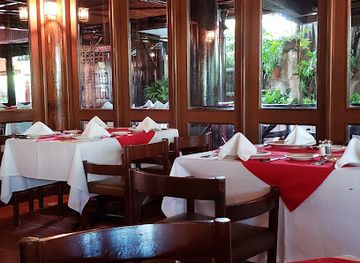
Dining in Western Nicaragua is centred on the robust, practical food of the Pacific lowlands. In León and Chinandega, markets, cafés, comedor-style eateries and family restaurants serve gallo pinto, grilled meats, soups, fried plantain, nacatamales and quesillos, a tortilla preparation associated particularly with the western Pacific area. Vigorón, made with cassava, pork rinds and cabbage salad, is another widely encountered Nicaraguan dish. Along the coast at Las Peñitas, Poneloya and other fishing communities, menus commonly focus on fish, shrimp, lobster when available, ceviche and rice-based seafood dishes. Fresh fruit drinks are useful in the heat, while local rum and beer are common accompaniments. Food markets offer the clearest view of everyday regional cooking, whereas León has the broadest choice of cafés, international food and more polished contemporary dining. Visitors should expect simple presentation in many local establishments and carry cash outside the main urban centres.
-
Nicaraguan
Cocina de Doña Haydée
Experience authentic Nicaraguan flavors at Cocina de Doña Haydée in Managua – where tradition meets taste in every dish.
-
Restaurant
El Tiscapa Los Ranchos # 2
Discover the flavors of Nicaragua at El Tiscapa – where exceptional steaks meet breathtaking views in Managua.
-
Steak
Restaurante El Eskimo
Discover the exquisite flavors of premium steaks at Restaurante El Eskimo in Managua - an unforgettable dining experience awaits!
-
Restaurant
Los Ranchos
Experience authentic Nicaraguan cuisine at Los Ranchos, where tradition meets flavor in an inviting atmosphere perfect for every traveler.

Best bars in Western Region
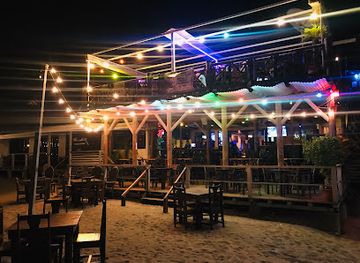
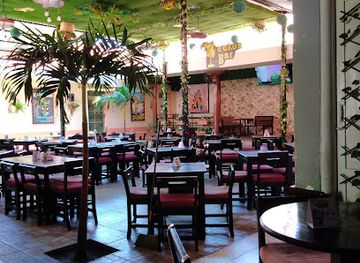
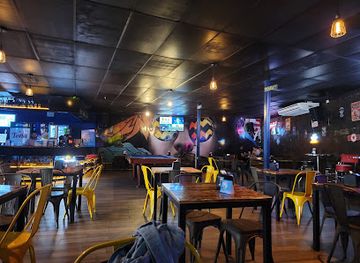
León has the region's most varied evening scene, with colonial courtyards, casual bars, cafés, restaurants and venues offering live music or student-oriented nights. Its nightlife is concentrated around the historic centre and is usually more social and relaxed than club-focused. Chinandega has a practical local bar and restaurant culture, while Las Peñitas and Poneloya offer beachfront dining, informal bars and occasional music, with activity influenced by the season and visitor numbers. In smaller towns and rural districts, evenings generally centre on family restaurants, neighbourhood bars and community events rather than a substantial nightclub circuit. Drink prices, music and opening arrangements can change, so local advice is more reliable than assuming a fixed schedule. As elsewhere in Nicaragua, alcohol is only one part of the evening culture; sunset walks, food, conversation and live cultural performances are equally characteristic ways to spend the night.
-
Restaurant
Iguana Bar
Experience the vibrant flavors and lively atmosphere at Iguana Bar in San Juan del Sur, where local culture meets culinary delight.
-
Bar
Ron Kon Rolas
Experience the vibrant nightlife at Ron Kon Rolas in Managua, where refreshing drinks and live music create unforgettable memories.
-
Bar
Gecko's Bar
Experience the vibrant nightlife and local culture at Gecko's Bar in León, where delicious cocktails and friendly vibes await.
-
Tapas Bar
House Gastropub
Explore the culinary artistry of House Gastropub, a top tapas bar in Jacinto Vaca, offering diverse flavors in a cozy setting.
Best nightclubs in Western Region
León has the region's most varied evening scene, with colonial courtyards, casual bars, cafés, restaurants and venues offering live music or student-oriented nights. Its nightlife is concentrated around the historic centre and is usually more social and relaxed than club-focused. Chinandega has a practical local bar and restaurant culture, while Las Peñitas and Poneloya offer beachfront dining, informal bars and occasional music, with activity influenced by the season and visitor numbers. In smaller towns and rural districts, evenings generally centre on family restaurants, neighbourhood bars and community events rather than a substantial nightclub circuit. Drink prices, music and opening arrangements can change, so local advice is more reliable than assuming a fixed schedule. As elsewhere in Nicaragua, alcohol is only one part of the evening culture; sunset walks, food, conversation and live cultural performances are equally characteristic ways to spend the night.
-
Disco club
El Chaman
Experience the vibrant nightlife of Managua at El Chaman, the ultimate disco club and bar for tourists seeking fun and entertainment.
-
Disco club
Lounge BB Club
Discover the vibrant nightlife of Managua at Lounge BB Club, a disco club with karaoke, delicious food, and an electric atmosphere.
-
Disco club
Level One
Discover the vibrant nightlife of Granada at Level One, a premier disco club buzzing with energy and local music.
-
Disco club
El Ateneo de Nicaragua
Experience the vibrant nightlife of Managua at El Ateneo de Nicaragua, where music, dance, and local culture come alive in an unforgettable atmosphere.



Best shops in Western Region
León is the best place in Western Nicaragua for browsing crafts, books, artworks, clothing, small galleries and everyday market goods, with the central market offering foodstuffs, household products and local produce rather than a conventional souvenir-shopping experience. Chinandega has a more practical commercial character, serving the surrounding agricultural districts through shops, markets and busy streets. Visitors can look for hammocks, woven goods, leather items, ceramics, paintings and small handicrafts, while regional food purchases may include coffee, cacao, sweets, bottled sauces and other products from the Pacific lowlands. Markets are also useful for tropical fruit, tortillas and snacks, though produce is intended primarily for local consumption. Beach communities sell a smaller selection of casual clothing, crafts and surf-related items. Bargaining may be acceptable with informal vendors, but it is not appropriate in every shop; ask politely, compare quality and carry small notes for modest purchases.
-
Shopping mall
Galerías Santo Domingo
Discover Galerías Santo Domingo: A vibrant shopping mall in Managua featuring diverse stores, dining options, and family-friendly entertainment.
-
Shopping mall
Plaza Inter
Discover the best shopping, dining, and entertainment at Plaza Inter, Managua's top shopping mall, where tourists find everything they need.
-
Shopping mall
Plaza La Fe
Plaza La Fe in Managua: Your go-to shopping mall for unique finds, delightful dining, and a taste of Nicaraguan culture.
-
Shopping mall
Tienda de Electrodomésticos C&V
Discover the diverse shopping experience at Tienda de Electrodomésticos C&V, featuring appliances, fashion, and more in Managua.
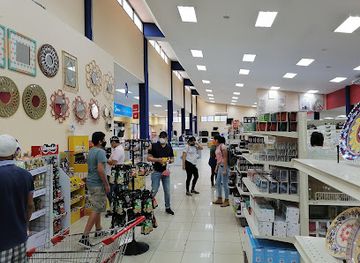
Get your free copy of our complete guide to Western Region, delivered straight to you.
Everything on this page, from attractions and restaurants to essentials and local phrases, in one PDF you can read offline, print or share.
Already have an account? Sign in
Your Western Region guide is ready.
We'll send it to · Not you? Sign out

Getting your guide ready…
We are putting together a fresh copy of the Western Region guide. This can take up to a minute.
This can take a few moments. If your browser asks, choose Allow so the download can start. You'll find the guide in your Downloads folder.
Nothing happened? Download it again
Sorry, the guide is taking longer than usual. Please try again in a minute, or get it by email instead.
Western Region essentials
Currency and Payment
Safety
Emergency Situations
Do's and Don'ts
Local Tips
From Eve
Local phrases worth knowing
You don't need to get them perfect. A few words go a long way, and locals appreciate the effort.
Basics
| English | Local | Say it |
|---|---|---|
| Hello | Hola | [OH-lah] |
| Goodbye | Adiós | [ah-DEE-ohs] |
| Yes | Sí | [SEE] |
| No | No | [NO] |
| Please/You're welcome | Por favor/De nada | [por fah-VOR/deh NAH-dah] |
| Thank you | Gracias | [GRAH-syahs] |
| Excuse me/Sorry | Perdón | [pehr-DON] |
| How are you? | ¿Cómo estás? | [KOH-moh es-TAHS] |
| Fine. And you? | Bien. ¿Y tú? | [BYEN. ee TOO] |
| Do you speak English? | ¿Hablas inglés? | [AH-blahs een-GLES] |
| I don't understand | No entiendo | [NO en-TYEN-doh] |
Eating & Drinking
| English | Local | Say it |
|---|---|---|
| I'd like to see the menu, please | Me gustaría ver el menú, por favor | [meh goo-stah-REE-ah vehr el meh-NOO, por fah-VOR] |
| I don't eat meat | No como carne | [NO KOH-moh KAR-neh] |
| Cheers! | ¡Salud! | [sah-LOOD] |
| I would like to pay, please | Me gustaría pagar, por favor | [meh goo-stah-REE-ah pah-GAR, por fah-VOR] |
Emergencies
| English | Local | Say it |
|---|---|---|
| Help! | ¡Ayuda! | [ah-YOO-dah] |
| Go away! | ¡Vete! | [VEH-teh] |
| Call the Police! | ¡Llama a la policía! | [YAH-mah ah lah poh-lee-SEE-ah] |
| Call a doctor! | ¡Llama a un médico! | [YAH-mah ah oon MEH-dee-koh] |
| I'm lost | Estoy perdido | [es-TOY pehr-DEE-doh] |
| I'm ill | Estoy enfermo/enferma | [es-TOY en-FER-mo/en-FER-mah] |
Shopping
| English | Local | Say it |
|---|---|---|
| I'd like to buy... | Me gustaría comprar... | [meh goo-stah-REE-ah kom-PRAR] |
| I'm just looking | Solo estoy mirando | [SOH-lo es-TOY mee-RAN-doh] |
| How much is it? | ¿Cuánto cuesta? | [KWAN-toh KWE-stah] |
| That's too expensive | Es demasiado caro | [es deh-mah-SEE-ah-doh KAH-roh] |
| Can you lower the price? | ¿Puedes bajar el precio? | [PWEH-des bah-HAR el PREH-syo] |
Time & Numbers
| English | Local | Say it |
|---|---|---|
| What time is it? | ¿Qué hora es? | [KEH OH-rah es] |
| It's one o'clock | Es la una | [es lah OO-nah] |
| Half past (10) | Y diez y media | [ee DYAYS ee MEH-dee-ah] |
| Morning | Mañana | [mah-NYAH-nah] |
| Afternoon | Tarde | [TAR-deh] |
| Evening | Noche | [NOH-cheh] |
| Yesterday | Ayer | [ah-YER] |
| Today | Hoy | [OY] |
| Tomorrow | Mañana | [mah-NYAH-nah] |
| 1 | Uno | [OO-noh] |
| 2 | Dos | [DOS] |
| 3 | Tres | [TRES] |
| 4 | Cuatro | [KWAH-troh] |
| 5 | Cinco | [SEEN-koh] |
| 6 | Seis | [SAYS] |
| 7 | Siete | [SYEH-teh] |
| 8 | Ocho | [OH-choh] |
| 9 | Nueve | [NWEH-beh] |
| 10 | Diez | [DYAYS] |
Transport & Directions
| English | Local | Say it |
|---|---|---|
| Where's a/the...? | ¿Dónde está un/una...? | [DON-deh es-TAH oon/OO-nah] |
| What's the address? | ¿Cuál es la dirección? | [KWAL es lah dee-rek-SYON] |
| Can you show me (on the map)? | ¿Puedes mostrarme (en el mapa)? | [PWEH-des mos-TRAR-meh (en el MAH-pah)] |
| When's the next (bus)? | ¿Cuándo es el próximo (autobús)? | [KWAN-doh es el PROK-see-mo (ow-toh-BOOS)] |
| A ticket (to ....) | Un boleto (a ....) | [oon boh-LEH-toh (ah ....)] |
History of Western Region
Indigenous Pacific Communities Before Spanish Rule
Before European colonisation, western Nicaragua was home to several Indigenous communities, including Chorotegan-speaking peoples in the Pacific lowlands and other groups around the lakes and volcanic ranges. Their societies cultivated maize and other crops, traded across the isthmus and developed settlements adapted to a landscape shaped by volcanoes, fertile soils and seasonal rainfall. Place names, agricultural practices and archaeological remains preserve fragments of this earlier history, although much documentary knowledge was later filtered through Spanish accounts.
Spanish Conquest and the Founding of León, 1524
The Spanish established León in 1524 near the shores of Lake Managua, making it one of the earliest permanent colonial settlements in present-day Nicaragua. The town became an administrative, religious and commercial centre in the Pacific region, while Spanish institutions were imposed on existing communities. Colonial agriculture, cattle raising and trade altered land use and connected the area to wider routes across Central America. The original settlement was eventually abandoned after earthquakes, volcanic disturbances and environmental difficulties.
León Viejo and the Relocation of the City, 1610
The original León was moved in 1610 to its present location after continuing seismic and volcanic concerns, including activity associated with Momotombo. The ruins of León Viejo, near modern La Paz Centro, reveal the layout of an early colonial city with religious, civic and domestic structures. Their archaeological value lies in the unusually legible remains of a sixteenth-century Spanish settlement and in the evidence they provide for colonial life, urban planning and the interaction between European institutions and the surrounding landscape.
Colonial León and the Power of the Church
Relocated León grew into one of the principal intellectual and ecclesiastical centres of Nicaragua. Churches, convents, religious orders and elite residences shaped its urban form, while commerce and agriculture tied the city to the Pacific hinterland. The great cathedral, built and modified over a long period during the colonial era, became the city's most prominent architectural symbol. Colonial society was highly unequal, yet the buildings and street plan left a durable imprint that remains visible in León's historic centre.
Independence, Liberalism and Regional Trade
After Central American independence in 1821, León remained a major political centre and a stronghold of Nicaragua's Liberal tradition. Rivalry between León and Granada influenced national politics for much of the nineteenth century, while rivalry over routes, ports and commercial power affected the western lowlands. Agricultural production, cattle and trade through Pacific ports supported regional development. The period also brought conflict and political instability, but it helped establish León's enduring reputation as a city of students, writers, lawyers and reformist politics.
Agriculture, Industry and the Pacific Lowlands
During the nineteenth and twentieth centuries, western Nicaragua became increasingly shaped by export agriculture and plantation economies. Sugar cane, cotton, sesame, peanuts and cattle transformed large areas of the plain, generating wealth while also concentrating land and exposing workers and communities to difficult economic conditions. Sugar production remains important around Chinandega and León, although the region's agricultural pattern is now more varied. The flat, fertile terrain and transport links to Pacific ports continue to influence the region's economy.
Revolutionary Politics and the Modern Region
León and the surrounding western departments played an important role in Nicaragua's twentieth-century political struggles. The city was a significant centre of opposition to the Somoza dictatorship and became associated with the Sandinista movement before and after the 1979 revolution. The period brought intense violence, social mobilisation and major political change. Contemporary León retains memorials, murals and public discussions shaped by that history, while Chinandega and the coastal districts continue to balance agricultural production, urban growth, conservation and tourism.
Western Region in Photos
Browse through our photo collection highlighting the charm and character of the destination.
Neighbouring regions of Western Region
The closest regions to Western Region, if you have time for more than one.
-

-

-

-

-


Swipe for more regions
Explore more
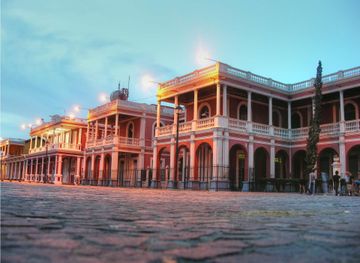
Explore more of Nicaragua
Discover Nicaragua: Explore breathtaking lakes, active volcanoes, colonial cities, and pristine beaches in a country rich with culture and adventure.
Explore Nicaragua