

Free Rivas Isthmus Travel Guide & Mobile App
Explore Rivas Isthmus with free travel guides. Discover regional history, expert tips, proposed trips, and audio guides on web or mobile app.


Explore Nicaragua’s Rivas Isthmus for Pacific beaches, Ometepe’s volcanoes, surf towns, wildlife refuges and lake-country culture.
Read more about Rivas Isthmus
When is the best time to visit Rivas Isthmus?
Best: December–February · 29–31°C| Month | High (°C) | Rainfall (mm) |
|---|---|---|
| January (best) | 30 | 10 |
| February (best) | 31 | 5 |
| March | 31 | 10 |
| April | 32 | 40 |
| May | 32 | 150 |
| June | 31 | 200 |
| July | 31 | 150 |
| August | 31 | 200 |
| September | 31 | 300 |
| October | 30 | 300 |
| November | 29 | 100 |
| December (best) | 29 | 20 |
Getting to and around Rivas Isthmus
How to get there
Transportation
Top city travel guides in Rivas Isthmus
The cities of Rivas Isthmus, and the easiest places to base yourself.
-

-

-


Swipe for more cities
Destinations in Rivas Isthmus
Resorts, valleys and scenic spots worth a trip of their own.

Swipe for more destinations
Best attractions in Rivas Isthmus
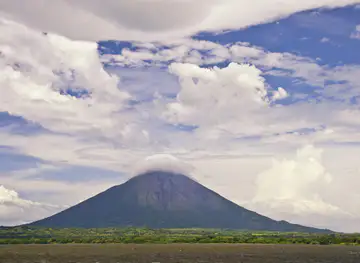
The Rivas Isthmus offers a varied set of attractions within a relatively compact part of Nicaragua, although road conditions and ferry schedules make careful planning worthwhile. Ometepe is the region’s defining destination, combining Concepción and Maderas volcanoes with lake beaches, rural lanes, forest, petroglyphs and activities such as cycling, kayaking and wildlife observation. Charco Verde and Ojo de Agua are among the island’s better-known nature and bathing areas, while small museums and community projects provide context for its archaeological heritage. On the Pacific side, San Juan del Sur is a base for swimming, surfing, boat trips and excursions to neighbouring beaches, while Tola’s coastline is associated with long sandy shores and internationally recognised surf conditions. La Flor Wildlife Refuge offers a carefully managed wildlife experience during periods of olive ridley turtle nesting. Inland Rivas provides markets, churches and an everyday view of the agricultural economy rather than a concentrated museum quarter. The overall attraction landscape is defined by contrasts: volcanic island and Pacific shore, lively resort town and working market centre, as well as conservation sites and open countryside.
-
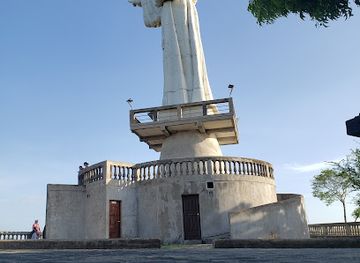
Cristo de La Misericordia
Discover the breathtaking beauty and spiritual serenity of Cristo de La Misericordia, a must-visit landmark in San Juan del Sur offering stunning coastal views.
-
Tourist attraction
Ciudad de Rivas Central Park
Explore the lush landscapes and vibrant community spirit at Ciudad de Rivas Central Park, your serene escape in Rivas, Nicaragua.
-
Tourist attraction
Playa El Jobo
Explore the tranquil shores of Playa El Jobo – where pristine beaches meet vibrant marine life in Guanacaste, Costa Rica.
-
Island
Ometepe
Explore Ometepe, a breathtaking island in Lake Nicaragua, where adventure, nature, and rich culture await every traveler.


Best landmarks in Rivas Isthmus
The twin volcanic cones of Ometepe, Concepción and Maderas, are the Rivas Isthmus’s most recognisable natural landmarks, rising separately from Lake Nicaragua and giving the island its defining profile. Concepción is an active stratovolcano with a broad, symmetrical form, while Maderas is more forested and associated with a crater lake and humid slopes. On the Pacific side, the sweeping bay of San Juan del Sur and the Christ of the Mercy statue above the town are prominent visual markers, linking the resort’s modern identity with its maritime setting. Rivas’s churches, including the Cathedral of San Pedro, reflect the town’s colonial and post-colonial civic importance, even though its historic fabric is interwoven with ordinary commercial life. Ometepe’s scattered petroglyphs and carved stones are less monumental but historically significant, preserving evidence of pre-Columbian communities in an agricultural landscape. The broad meeting of lake, volcano and Pacific lowlands is itself the region’s most distinctive geographical landmark, explaining why the isthmus has long been important as both a settlement area and a transit corridor.
-
Tourist attraction
Cristo de La Misericordia
Experience breathtaking views and spiritual serenity at Cristo de La Misericordia in San Juan del Sur, a must-visit landmark for every traveler.
-
Promenade
Plaza Nicaragua
Experience the heart of Managua at Plaza Nicaragua, a vibrant promenade filled with culture, cuisine, and lively entertainment.
-
Park
Granada Malecon
Experience the beauty and culture of Granada Malecon, a stunning waterfront promenade in Nicaragua, perfect for relaxing strolls and local delicacies.
-
Tourist attraction
Mirador Calvary
Experience the stunning panoramas of Matagalpa from Mirador Calvary, a serene lookout point showcasing Nicaragua's natural beauty.
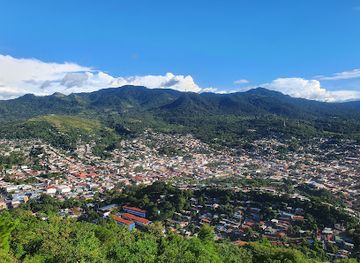
Explore Rivas Isthmus on the map
Plan your trip on one map. See where the top cities, national parks and sights are, and book hotels and experiences in a few clicks.
Best hotels in Rivas Isthmus
Best restaurants in Rivas Isthmus
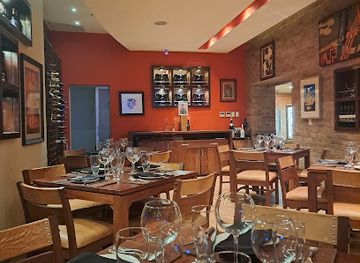
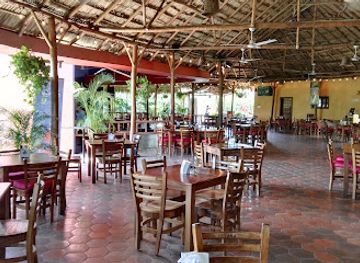
Dining in the Rivas Isthmus reflects Nicaragua’s combination of maize, rice, beans, plantains, grilled meats and fresh tropical produce. Inland markets and simple eateries are useful places to encounter everyday dishes such as gallo pinto, nacatamales, soups, grilled chicken and fried or stewed plantains, while coastal restaurants place greater emphasis on fish, prawns and other seafood when available. San Juan del Sur has the region’s broadest selection of restaurants, including Nicaraguan cooking, international menus, cafés and casual places aimed at beach visitors. Around Ometepe, meals are often based on farm produce, lake fish and straightforward home-style cooking, with options varying considerably by village and season. Fruit drinks, coffee from elsewhere in Nicaragua and locally available rum feature widely, while roadside stalls and markets provide inexpensive snacks. Tipping practices vary, so check whether a service charge is included and reward good service at your discretion.
-
Steak
Restaurant Don Candido
Discover the exquisite flavors of Nicaragua at Restaurant Don Candido, where steak lovers find their paradise in an elegant setting.
-
Restaurant
Mi Ranchito - Rivas
Experience authentic Nicaraguan cuisine at Mi Ranchito - Rivas, where every dish tells a story.
-
Restaurant
Restaurante La Campana
Experience authentic Nicaraguan cuisine at Restaurante La Campana in Managua - where every dish tells a story!
-
Restaurant
Café Campestre
Discover the flavors of Isla de Ometepe at Café Campestre—where local ingredients meet global cuisine in a welcoming atmosphere.


Best bars in Rivas Isthmus
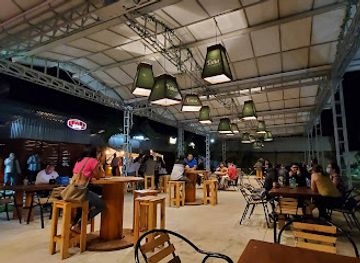
San Juan del Sur is the Rivas Isthmus’s principal nightlife centre, with bars, casual waterfront venues, restaurants and places offering music around the bay and central streets. The atmosphere is generally more social and concentrated during holiday periods and weekends than on ordinary nights. Outside San Juan del Sur, evening life is quieter and tends to centre on local bars, restaurants, hotel terraces and occasional live music rather than a large club circuit. Ometepe has a small, dispersed evening scene, with drinks, conversation and relaxed gatherings more typical than late-night entertainment, while beach communities around Tola may become very quiet outside peak periods. Visitors should check the route home before going out, use recognised taxis or arranged transport, and avoid assuming that remote beaches have reliable lighting or late services. The region’s nightlife is best understood as an adjunct to its coastal and island culture, not as a single all-night entertainment district.
-
Bar
Iguana Bar
Discover the lively atmosphere, delicious food, and refreshing drinks at Iguana Bar in San Juan del Sur, a top destination for tourists.
-
Bar
Ron Kon Rolas
Discover the vibrant energy of Ron Kon Rolas, Managua's top bar and concert hall for unforgettable nights of music and camaraderie.
-
Restaurant
Café Campestre
Discover the flavors of Isla de Ometepe at Café Campestre, where local ingredients meet diverse culinary traditions in a cozy atmosphere.
-
Bar
Dale Pues
Discover the vibrant flavors and friendly atmosphere at Dale Pues, the ultimate bar and restaurant in San Juan del Sur, Nicaragua.


Best nightclubs in Rivas Isthmus
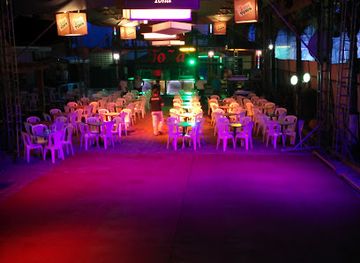
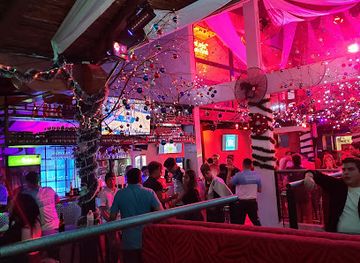
San Juan del Sur is the Rivas Isthmus’s principal nightlife centre, with bars, casual waterfront venues, restaurants and places offering music around the bay and central streets. The atmosphere is generally more social and concentrated during holiday periods and weekends than on ordinary nights. Outside San Juan del Sur, evening life is quieter and tends to centre on local bars, restaurants, hotel terraces and occasional live music rather than a large club circuit. Ometepe has a small, dispersed evening scene, with drinks, conversation and relaxed gatherings more typical than late-night entertainment, while beach communities around Tola may become very quiet outside peak periods. Visitors should check the route home before going out, use recognised taxis or arranged transport, and avoid assuming that remote beaches have reliable lighting or late services. The region’s nightlife is best understood as an adjunct to its coastal and island culture, not as a single all-night entertainment district.
-
Bar
Ron Kon Rolas
Experience the vibrant nightlife of Managua at Ron Kon Rolas, where live music and refreshing drinks create unforgettable moments.
-
Disco club
Dilectus
Experience the vibrant nightlife of Chinandega at Dilectus, where the music is alive, and the dance floor awaits.
-
Disco club
El Chaman
Experience the vibrant nightlife of Managua at El Chaman, a premier disco club and bar known for its lively atmosphere and energetic dance scene.
-
Disco club
Level One
Experience the vibrant nightlife at Level One in Granada, where electrifying music and a stylish atmosphere create unforgettable memories.

Best shops in Rivas Isthmus
Shopping in the Rivas Isthmus is oriented towards markets, everyday supplies, local food and small-scale craft rather than extensive luxury retail. Rivas city is the practical place for produce, household goods, clothing and transport-related purchases, with market activity reflecting the surrounding agricultural economy. San Juan del Sur has more visitor-focused shops and galleries, where travellers can find beachwear, paintings, jewellery, woven items, bags and souvenirs, although quality and provenance vary. Ometepe offers locally made crafts, artwork, food products and small community-based souvenirs in villages and visitor centres, with purchases providing more direct support to island producers when provenance is clear. Coffee, cacao products, rum, handmade textiles and carved or painted objects associated with Nicaragua make useful gifts, but archaeological stones and artefacts should never be bought or removed. Carry cash for rural stalls and markets, compare prices courteously, and remember that the range of shops becomes much smaller outside the main towns and tourism centres.
-
Shopping mall
Metrocentro
Discover the vibrant shopping and dining experience at Metrocentro, Managua's largest mall, a perfect blend of local charm and international brands.
-
Shopping mall
Plaza Inter
Experience the best of shopping, dining, and entertainment at Plaza Inter in Managua, your ultimate destination for a delightful day out.
-
Market
Mercado Roberto Huembes
Discover the vibrant culture and flavors of Nicaragua at Mercado Roberto Huembes, a must-visit market in Managua.
-
Shopping mall
Plaza La Fe
Explore Plaza La Fe, Managua's top shopping mall, featuring diverse shops, delightful dining, and vibrant entertainment options for all travelers.


Get your free copy of our complete guide to Rivas Isthmus, delivered straight to you.
Everything on this page, from attractions and restaurants to essentials and local phrases, in one PDF you can read offline, print or share.
Already have an account? Sign in
Your Rivas Isthmus guide is ready.
We'll send it to · Not you? Sign out

Getting your guide ready…
We are putting together a fresh copy of the Rivas Isthmus guide. This can take up to a minute.
This can take a few moments. If your browser asks, choose Allow so the download can start. You'll find the guide in your Downloads folder.
Nothing happened? Download it again
Sorry, the guide is taking longer than usual. Please try again in a minute, or get it by email instead.
Rivas Isthmus essentials
Currency and Payment
Safety
Emergency Situations
Do's and Don'ts
Local Tips
From Eve
Local phrases worth knowing
You don't need to get them perfect. A few words go a long way, and locals appreciate the effort.
Basics
| English | Local | Say it |
|---|---|---|
| Hello | Hola | [Ola] |
| Goodbye | Adiós | [A-dios] |
| Yes | Sí | [See] |
| No | No | [No] |
| Please/You're welcome | Por favor/De nada | [Por fa-vor/De na-da] |
| Thank you | Gracias | [Gra-sias] |
| Excuse me/Sorry | Perdón | [Per-don] |
| How are you? | ¿Cómo estás? | [Ko-mo es-tas] |
| Fine. And you? | Bien. ¿Y tú? | [Byen. E tu] |
| Do you speak English? | ¿Hablas inglés? | [A-blas in-glez] |
| I don't understand | No entiendo | [No en-tien-do] |
Eating & Drinking
| English | Local | Say it |
|---|---|---|
| I'd like to see the menu, please | Me gustaría ver el menú, por favor | [Me gus-ta-ria ver el me-nu, por fa-vor] |
| I don't eat meat | No como carne | [No ko-mo car-ne] |
| Cheers! | ¡Salud! | [Sa-lud] |
| I would like to pay, please | Me gustaría pagar, por favor | [Me gus-ta-ria pa-gar, por fa-vor] |
Emergencies
| English | Local | Say it |
|---|---|---|
| Help! | ¡Ayuda! | [A-yu-da] |
| Go away! | ¡Vete! | [Ve-te] |
| Call the Police! | ¡Llama a la policía! | [Ya-ma a la po-li-cia] |
| Call a doctor! | ¡Llama a un doctor! | [Ya-ma a un doc-tor] |
| I'm lost | Estoy perdido | [Es-toy per-di-do] |
| I'm ill | Estoy enfermo/a | [Es-toy en-fer-mo/a] |
Shopping
| English | Local | Say it |
|---|---|---|
| I'd like to buy... | Quisiera comprar... | [Ki-sie-ra kom-prar] |
| I'm just looking | Solo estoy mirando | [So-lo es-toy mi-ran-do] |
| How much is it? | ¿Cuánto cuesta? | [Kuan-to kwes-ta] |
| That's too expensive | Eso es muy caro | [E-so es muy ka-ro] |
| Can you lower the price? | ¿Puedes bajar el precio? | [Pwe-des ba-har el pre-cio] |
Time & Numbers
| English | Local | Say it |
|---|---|---|
| What time is it? | ¿Qué hora es? | [Ke o-ra es] |
| It's one o'clock | Es la una | [Es la u-na] |
| Half past (10) | Y media (10) | [E me-dia (10)] |
| Morning | Mañana | [Ma-nya-na] |
| Afternoon | Tarde | [Tar-de] |
| Evening | Noche | [No-che] |
| Yesterday | Ayer | [A-yer] |
| Today | Hoy | [Oi] |
| Tomorrow | Mañana | [Ma-nya-na] |
| 1 | Uno | [U-no] |
| 2 | Dos | [Dos] |
| 3 | Tres | [Tres] |
| 4 | Cuatro | [Kua-tro] |
| 5 | Cinco | [Sin-co] |
| 6 | Seis | [Seys] |
| 7 | Siete | [Sye-te] |
| 8 | Ocho | [O-cho] |
| 9 | Nueve | [Nwe-ve] |
| 10 | Diez | [Dyez] |
Transport & Directions
| English | Local | Say it |
|---|---|---|
| Where's a/the...? | ¿Dónde está un/los...? | [Don-de es-ta un/los] |
| What's the address? | ¿Cuál es la dirección? | [Kwal es la di-rec-ción] |
| Can you show me (on the map)? | ¿Puedes mostrarme (en el mapa)? | [Pwe-des mos-trar-me (en el ma-pa)] |
| When's the next (bus)? | ¿Cuándo es el próximo (bus)? | [Kuan-do es el pro-xi-mo (bus)] |
| A ticket (to ....) | Un boleto (a....) | [Un bo-le-to (a....)] |
History of Rivas Isthmus
Pre-Columbian Communities and Ometepe’s Petroglyphs
Long before Spanish colonisation, communities lived around Lake Nicaragua and the Pacific slope, cultivating maize and other crops and using the lake and isthmus as routes of movement. Ometepe contains extensive evidence of this earlier history, including petroglyphs, carved stones and archaeological material associated with settlements on the volcanic island. The island’s name is generally linked to Nahuatl words referring to two hills or mountains, reflecting the enduring prominence of its twin volcanoes. Much of the surviving evidence is encountered in rural settings, where ancient stones sit among fields, paths and forest rather than within monumental ruins.
Spanish Conquest and Colonial Rivas
The Spanish conquest transformed the communities of the Rivas area through warfare, forced labour, disease and the restructuring of land and authority. Colonial settlement developed around inland routes connecting the Pacific with Lake Nicaragua, and the town now known as Rivas became an important agricultural and administrative centre. Spanish religious institutions, ranching and crop production altered the region’s economy and landscape. Surviving churches, street patterns and the prominence of farming in the surrounding countryside provide reminders of this period, although the region’s history also includes the persistence and adaptation of Indigenous and mixed communities.
Lake Nicaragua and the Colonial Transit Route
The Rivas Isthmus gained strategic importance because Lake Nicaragua and the San Juan River offered a possible route between the Caribbean and the Pacific. During the colonial period, and particularly during nineteenth-century discussions of an interoceanic canal, foreign travellers and commercial interests viewed the lake-and-isthmus corridor as a potential alternative to long overland journeys. The route never became a canal, but the idea helped make Rivas and San Juan del Sur part of wider geopolitical and transport networks. Its legacy is visible in the region’s historic association with transit, trade and international travel.
The Transit Era and San Juan del Sur
In the mid-nineteenth century, San Juan del Sur became a Pacific landing point for passengers travelling across Nicaragua on routes linking the United States with California during the gold-rush era. Travellers disembarked on the Pacific coast, crossed the country by land and water, and continued via Lake Nicaragua and the San Juan River towards the Caribbean. The traffic was temporary and later displaced by other routes, but it encouraged port activity and gave San Juan del Sur an international profile. Contemporary tourism has a different basis, yet the bay’s role as a gateway remains part of its identity.
William Walker and the 1850s Conflict
The Rivas area was central to the conflict surrounding William Walker, the American filibuster who seized power in Nicaragua in the 1850s. Battles took place in and around Rivas, where Nicaraguan and Central American forces opposed Walker’s designs. The fighting formed part of a broader regional effort to prevent foreign domination of Central America, and it remains an important element of national historical memory. Visitors may encounter commemorations and local references to the battles, but the events should be understood within the political instability, foreign intervention and contested nation-building of nineteenth-century Central America.
Agriculture, Roads and Modern Tourism
For much of the twentieth century, the Rivas Isthmus remained primarily agricultural, with cattle, plantains, sugar cane, rice and other crops shaped by local soils and water supplies. Improved roads and regional transport gradually connected inland Rivas, the Pacific coast and ferry points on Lake Nicaragua more effectively. From the late twentieth century onwards, surfing, beach tourism and interest in Ometepe brought new investment, accommodation and international visitors. This transition has not erased the agricultural economy: farms, fishing, markets and small-scale commerce remain fundamental to the region’s social and geographical character.
Conservation and the Pacific Turtle Beaches
The Pacific coast south of San Juan del Sur includes important nesting beaches for olive ridley sea turtles, especially at La Flor Wildlife Refuge. Conservation work developed in response to pressures on nesting beaches and eggs, and the refuge is now known for protecting seasonal arribadas, when large numbers of turtles arrive over a short period. The site illustrates a modern aspect of the region’s history: beaches once valued mainly for fishing and transport have also become places where biodiversity protection, regulated tourism and local livelihoods must be balanced.
Rivas Isthmus in Photos
Browse through our photo collection highlighting the charm and character of the destination.
Neighbouring regions of Rivas Isthmus
The closest regions to Rivas Isthmus, if you have time for more than one.
-

-

-
-

-


Swipe for more regions
Explore more
Explore more of Nicaragua
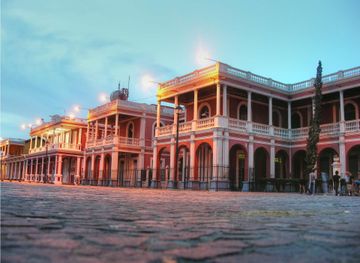
Discover Nicaragua: Explore breathtaking lakes, active volcanoes, colonial cities, and pristine beaches in a country rich with culture and adventure.
Explore Nicaragua