

Free Chontales Hills Travel Guide & Mobile App
Explore Chontales Hills with free travel guides. Discover regional history, expert tips, proposed trips, and audio guides on web or mobile app.


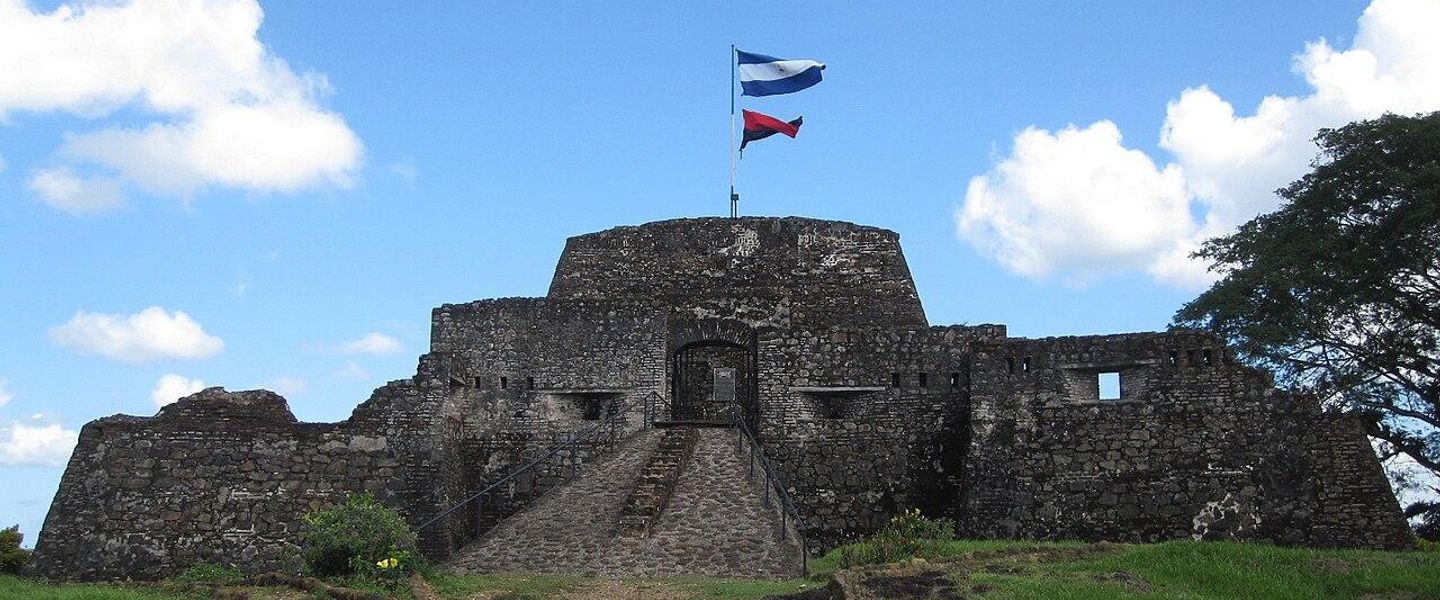


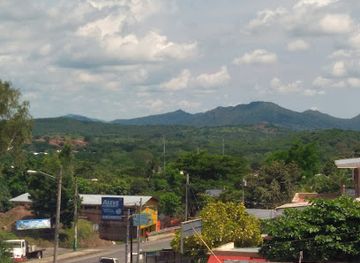
Explore Nicaragua’s Chontales Hills for cattle-country landscapes, archaeological heritage, rural towns, gold-mining history and Lake Nicaragua horizons.
Read more about Chontales Hills
When is the best time to visit Chontales Hills?
Best: December–February · 30–31°C| Month | High (°C) | Rainfall (mm) |
|---|---|---|
| January (best) | 30 | 10 |
| February (best) | 31 | 10 |
| March | 32 | 15 |
| April | 33 | 35 |
| May | 34 | 100 |
| June | 33 | 150 |
| July | 33 | 150 |
| August | 33 | 150 |
| September | 32 | 150 |
| October | 32 | 150 |
| November | 31 | 100 |
| December (best) | 30 | 30 |
Getting to and around Chontales Hills
How to get there
Transportation
Top city travel guides in Chontales Hills
The cities of Chontales Hills, and the easiest places to base yourself.

Swipe for more cities
Destinations in Chontales Hills
Resorts, valleys and scenic spots worth a trip of their own.

Swipe for more destinations
Best attractions in Chontales Hills
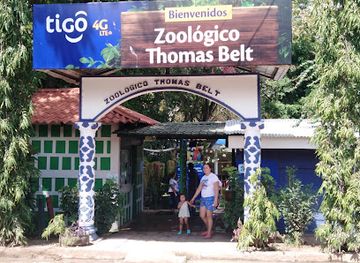
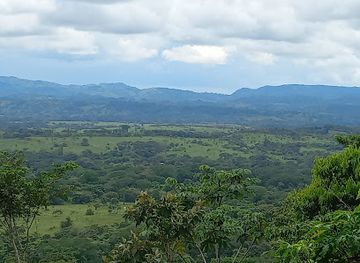
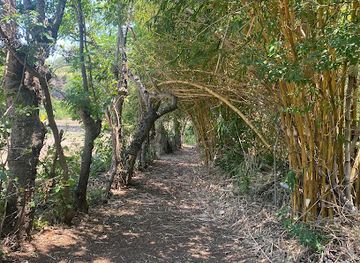
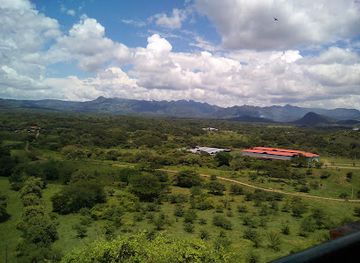
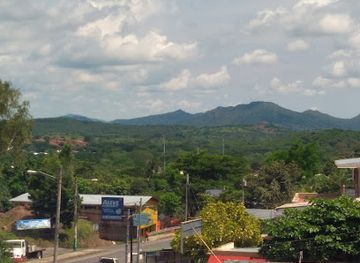
The Chontales Hills offer a travel experience centred on landscape, local history and rural life rather than a dense concentration of conventional tourist attractions. Juigalpa is the main cultural stop, with the Museo Arqueológico Gregorio Aguilar Barea displaying pre-Columbian artefacts and local archaeological material, and the Thomas Belt Zoological Park providing an accessible introduction to regional fauna. Around the town, markets, civic spaces and everyday commercial streets help explain the department’s role as a service centre for a wide agricultural hinterland. Beyond Juigalpa, drives through pasture-covered hills reveal cattle estates, wooded quebradas, small settlements and changing views towards Lake Nicaragua. La Libertad offers insight into the department’s gold-mining history, while Acoyapa and other lake-oriented communities provide access to a quieter agricultural and freshwater landscape. Opportunities for birdwatching, informal countryside walks, photography and scenic road travel exist, but should be arranged with local advice because marked trails, visitor signage and formal facilities are limited. Visitors interested in archaeology, ranching, regional food, mining history and overland travel will find more depth here than a rapid checklist itinerary suggests.
-
Tourist attraction
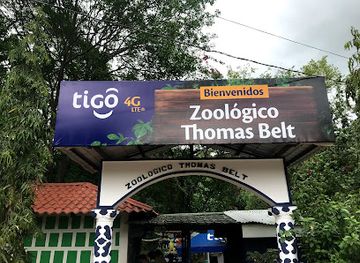
Thomas Belt Zoo
Discover the enchanting wildlife and educational experiences at Thomas Belt Zoo in Juigalpa, Nicaragua, a must-visit for animal lovers and families.
-
Archaeological museum
Parque Arqueológico Piedras Pintadas
Explore the captivating petroglyphs and ancient history at Parque Arqueológico Piedras Pintadas, a hidden gem in Agua Buena, Nicaragua.
-
Tourist attraction
Nicaragua Butterfly Reserve
Explore the vibrant Nicaragua Butterfly Reserve, a captivating sanctuary dedicated to butterfly preservation and education amidst stunning natural beauty.
-
Hiking area
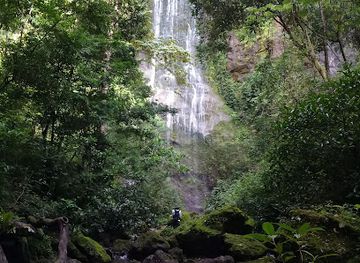
Salto El Chancho
Explore the breathtaking Salto El Chancho waterfall in Nicaragua, where adventure meets tranquility in nature's stunning embrace.
Best landmarks in Chontales Hills
Juigalpa’s most significant cultural landmark is the Museo Arqueológico Gregorio Aguilar Barea, whose collection gives the department a visible connection with its pre-Columbian past and distinguishes the capital from a purely commercial regional town. The Thomas Belt Zoological Park is another recognised Juigalpa institution, reflecting local interest in the fauna and natural environment of central Nicaragua. Outside the capital, the broad pastoral slopes and wooded ridges of the Chontales Hills are landmarks in their own right: the landscape’s open cattle country is central to the department’s identity and differs markedly from Nicaragua’s densely settled Pacific plain. La Libertad’s mining environment and townscape represent the region’s gold-producing history, while the Lake Nicaragua approaches around Acoyapa and neighbouring communities provide a contrasting freshwater horizon. Historic churches, town squares and civic buildings in the principal municipalities are generally modest, but they remain important points of orientation and community life. The most memorable visual landmarks are therefore an interplay of museum collections, mining settlements, market towns, pasture and lake-facing roads rather than a single monumental structure.
-
Zoo
Zoológico Nacional de Nicaragua
Explore the rich biodiversity of Nicaragua at the Zoológico Nacional de Nicaragua, a premier destination for wildlife enthusiasts and families alike.
-
Park
Granada Malecon
Discover the beauty and charm of Granada Malecon, a stunning lakeside park perfect for leisurely strolls, local culture, and unforgettable sunsets.
-
Tourist attraction
Mirador Calvary
Explore the breathtaking vistas from Mirador Calvary in Matagalpa, Nicaragua, a must-see destination for nature lovers and photography enthusiasts.
-
Zoo
Thomas Belt Zoo
Discover the charm of Thomas Belt Zoo, a vibrant wildlife sanctuary in Juigalpa, Nicaragua, perfect for family adventures and wildlife lovers.
Explore Chontales Hills on the map
Plan your trip on one map. See where the top cities, national parks and sights are, and book hotels and experiences in a few clicks.
Best hotels in Chontales Hills
Best restaurants in Chontales Hills
Dining in the Chontales Hills is closely linked to Nicaragua’s rural food culture and the region’s cattle economy. Juigalpa has the widest choice of family restaurants, cafés, bakeries and casual eateries, while smaller towns rely more heavily on comedores, market stalls and simple roadside establishments. Rice, red beans, maize, cheese, eggs, plantain and beef appear frequently, with tortillas and other corn-based foods forming an everyday foundation. Grilled or stewed meat reflects the importance of livestock, although menus also include chicken, pork, seasonal vegetables and freshwater or lake-region produce where available. Quesillo-style snacks, fried foods and sweet breads are useful options for travellers on the road, while coffee and fruit drinks are common refreshments. Farmers’ markets and local food counters offer a better sense of ordinary regional tastes than imported restaurant concepts. Dining hours can be earlier and more limited outside Juigalpa, and travellers should not expect extensive vegetarian, vegan or international menus in smaller communities.
-
Restaurant
Hotel y Restaurante La Hacienda
Experience comfort and local flavors at Hotel y Restaurante La Hacienda in Juigalpa, Nicaragua - a perfect retreat for every traveler.
-
Restaurant
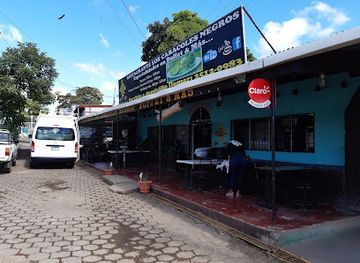
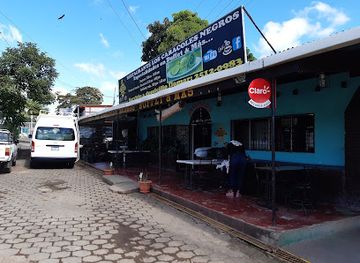
Restaurante Los Caracoles Negros
Experience an exquisite blend of Chinese and Middle Eastern flavors at Restaurante Los Caracoles Negros in Juigalpa.
-
Restaurant
Restaurante La Choza
Discover the heart of Nicaraguan cuisine at Restaurante La Choza in Juigalpa – where every dish is an adventure!
-
Restaurant
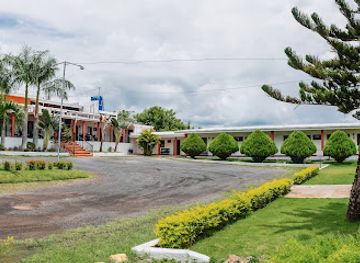
Hotel y Restaurante El Mirador
Experience authentic Nicaraguan cuisine amidst breathtaking views at Hotel y Restaurante El Mirador in Juigalpa.
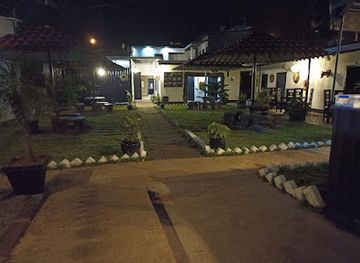
Best bars in Chontales Hills
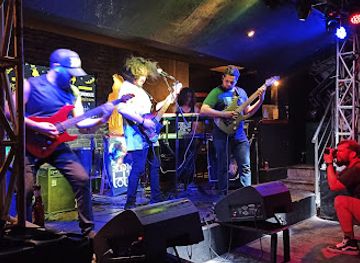
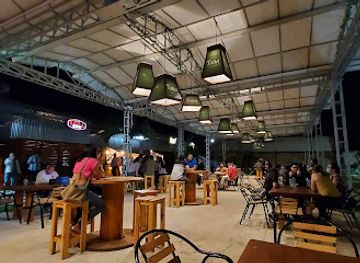
Nightlife in the Chontales Hills is modest and town-centred, with Juigalpa providing the broadest choice of traditional bars, casual restaurants, cafés and venues where music accompanies evening socialising. Smaller municipalities generally settle into a quieter rhythm, with local bars, family gatherings and central public spaces more important than dedicated clubs. Ranching culture and regional music may shape the atmosphere, but visitors should avoid assuming that every establishment represents a formal local tradition. La Libertad and other market towns offer evening activity connected to work, commerce and social networks rather than a concentrated nightlife district. Opening arrangements, entertainment and transport after dark can vary, so it is sensible to ask accommodation staff or trusted local contacts for current guidance. Alcohol is available, but an evening meal, conversation, coffee or a walk through a busy town centre can be equally characteristic ways to experience the region after sunset.
-
Restaurant
Restaurante Los Caracoles Negros
Experience the rich flavors of Juigalpa at Restaurante Los Caracoles Negros, a culinary gem featuring diverse international cuisine in a cozy setting.
-
Restaurant
Restaurante La Choza
Experience the taste of Nicaragua at Restaurante La Choza, where traditional flavors meet contemporary dining in Juigalpa.
-
Hotel
Hotel y Restaurante El Mirador
Discover the perfect blend of comfort and exquisite cuisine at Hotel y Restaurante El Mirador in Juigalpa, Nicaragua.
-
Restaurant
Hotel, Restaurante y discoteca La Quinta
Discover the vibrant fusion of dining and nightlife at Hotel, Restaurante y Discoteca La Quinta in Juigalpa, offering local cuisine and energetic entertainment.
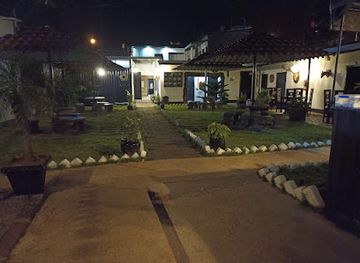
Best nightclubs in Chontales Hills
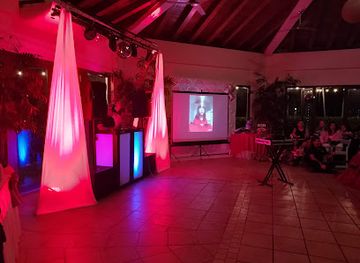
Nightlife in the Chontales Hills is modest and town-centred, with Juigalpa providing the broadest choice of traditional bars, casual restaurants, cafés and venues where music accompanies evening socialising. Smaller municipalities generally settle into a quieter rhythm, with local bars, family gatherings and central public spaces more important than dedicated clubs. Ranching culture and regional music may shape the atmosphere, but visitors should avoid assuming that every establishment represents a formal local tradition. La Libertad and other market towns offer evening activity connected to work, commerce and social networks rather than a concentrated nightlife district. Opening arrangements, entertainment and transport after dark can vary, so it is sensible to ask accommodation staff or trusted local contacts for current guidance. Alcohol is available, but an evening meal, conversation, coffee or a walk through a busy town centre can be equally characteristic ways to experience the region after sunset.
-
Social club
Club Terraza
Discover the vibrant nightlife and cultural heartbeat of Managua at Club Terraza, the premier social club in Nicaragua.
-
Bar
Ron Kon Rolas
Discover the energetic nightlife of Ron Kon Rolas, Managua's premier bar and concert hall, where local music and lively atmosphere come together.
-
Disco club
El Chaman
Experience the vibrant nightlife of Managua at El Chaman, where music, dance, and culture come together in an unforgettable atmosphere.
-
Restaurant
Hotel, Restaurante y discoteca La Quinta
Discover La Quinta: A lively restaurant and discoteca in Juigalpa, blending delicious cuisine with vibrant nightlife for an unforgettable experience.
Best shops in Chontales Hills
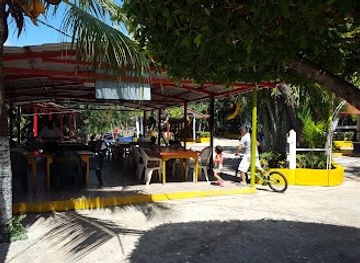
Shopping in the Chontales Hills is practical and locally focused, with Juigalpa acting as the main centre for supermarkets, clothing, household goods, pharmacies, cafés and general retail. Smaller market towns provide produce, grains, cheese, meat, baked goods and everyday supplies rather than specialist tourist shopping. Open-air markets and food stalls are useful places to look for regional ingredients and observe the commercial relationship between rural producers and town residents. In a cattle-producing department, leather goods, belts, boots and working clothing may be available, although quality and provenance vary and purchases should be inspected carefully. Local cheese, coffee, sweets and packaged foods make more dependable souvenirs than fragile craft items, provided they can legally and safely be carried onward. Independent shops and market vendors often operate with limited card facilities, so cash in small córdoba notes is helpful. Chontales is not primarily a designer or luxury-shopping destination; its appeal lies in ordinary regional commerce, agricultural products and practical goods connected to rural life.
-
Plus size clothing store
Curves Plus Size Boutique
Discover stylish plus-size fashion at Curves Plus Size Boutique in Managua, a unique shopping destination for every body type.
-
Restaurant
Centro Turistico Santa Clara
Discover authentic Nicaraguan cuisine at Centro Turistico Santa Clara, a vibrant restaurant offering a unique culinary journey for every traveler.
-
Clothing store
Lenin’s
Explore Lenin’s in Juigalpa for a unique shopping experience, featuring stylish clothing, cosmetics, and shoes that capture Nicaraguan culture.
-
Cosmetics store
Think Pink Nicaragua
Explore the beauty treasures of Nicaragua at Think Pink, a charming cosmetics store in the heart of Managua, offering unique local and international products.


Get your free copy of our complete guide to Chontales Hills, delivered straight to you.
Everything on this page, from attractions and restaurants to essentials and local phrases, in one PDF you can read offline, print or share.
Already have an account? Sign in
Your Chontales Hills guide is ready.
We'll send it to · Not you? Sign out

Getting your guide ready…
We are putting together a fresh copy of the Chontales Hills guide. This can take up to a minute.
This can take a few moments. If your browser asks, choose Allow so the download can start. You'll find the guide in your Downloads folder.
Nothing happened? Download it again
Sorry, the guide is taking longer than usual. Please try again in a minute, or get it by email instead.
Chontales Hills essentials
Currency and Payment
Safety
Emergency Situations
Do's and Don'ts
Local Tips
From Eve
Local phrases worth knowing
You don't need to get them perfect. A few words go a long way, and locals appreciate the effort.
Basics
| English | Local | Say it |
|---|---|---|
| Hello | Hola | [O-la] |
| Goodbye | Adiós | [A-dee-os] |
| Yes | Sí | [See] |
| No | No | [No] |
| Please/You're welcome | Por favor | [Por fa-vor] |
| Thank you | Gracias | [Gra-thi-as] |
| Excuse me/Sorry | Perdón | [Per-don] |
| How are you? | ¿Cómo estás? | [Ko-mo es-tas] |
| Fine. And you? | Bien. ¿Y tú? | [Bee-en. Ee tu] |
| Do you speak English? | ¿Hablas inglés? | [Ah-blas in-gle-s] |
| I don't understand | No entiendo | [No en-tien-do] |
Eating & Drinking
| English | Local | Say it |
|---|---|---|
| I'd like to see the menu, please | Me gustaría ver el menú, por favor | [Me gu-sta-ría ver el me-nú, por fa-vor] |
| I don't eat meat | No como carne | [No co-mo car-ne] |
| Cheers! | ¡Salud! | [Sa-lud] |
| I would like to pay, please | Me gustaría pagar, por favor | [Me gu-sta-ría pa-gar, por fa-vor] |
Emergencies
| English | Local | Say it |
|---|---|---|
| Help! | ¡Ayuda! | [A-yu-da] |
| Go away! | ¡Vete! | [Ve-te] |
| Call the Police! | ¡Llama a la policía! | [Ya-ma a la po-li-cía] |
| Call a doctor! | ¡Llama a un doctor! | [Ya-ma a un doc-tor] |
| I'm lost | Estoy perdido | [Es-toy per-di-do] |
| I'm ill | Estoy enfermo | [Es-toy en-fer-mo] |
Shopping
| English | Local | Say it |
|---|---|---|
| I'd like to buy... | Me gustaría comprar... | [Me gu-sta-ría com-prar] |
| I'm just looking | Solo estoy mirando | [So-lo es-toy mi-ran-do] |
| How much is it? | ¿Cuánto cuesta? | [Kwan-to kwes-ta] |
| That's too expensive | Eso es muy caro | [E-so es muy ca-ro] |
| Can you lower the price? | ¿Puedes bajar el precio? | [Pwe-des ba-har el pre-cio] |
Time & Numbers
| English | Local | Say it |
|---|---|---|
| What time is it? | ¿Qué hora es? | [Ke o-ra es] |
| It's one o'clock | Es la una | [Es la u-na] |
| Half past (10) | Y media (10) | [Y me-dia] |
| Morning | Mañana | [Ma-ña-na] |
| Afternoon | Tarde | [Tar-de] |
| Evening | Noche | [No-che] |
| Yesterday | Ayer | [A-yer] |
| Today | Hoy | [Oi] |
| Tomorrow | Mañana | [Ma-ña-na] |
| 1 | Uno | [U-no] |
| 2 | Dos | [Dos] |
| 3 | Tres | [Tres] |
| 4 | Cuatro | [Kua-tro] |
| 5 | Cinco | [Sin-co] |
| 6 | Seis | [Seis] |
| 7 | Siete | [Sye-te] |
| 8 | Ocho | [O-cho] |
| 9 | Nueve | [Nwe-ve] |
| 10 | Diez | [Dyez] |
Transport & Directions
| English | Local | Say it |
|---|---|---|
| Where's a/the...? | ¿Dónde está un/una...? | [Don-de es-ta un/una] |
| What's the address? | ¿Cuál es la dirección? | [Kwal es la di-rec-ción] |
| Can you show me (on the map)? | ¿Puedes mostrarme (en el mapa)? | [Pwe-des mos-trar-me (en el ma-pa)] |
| When's the next (bus)? | ¿Cuándo es el próximo (bus)? | [Kwan-do es el pro-xi-mo] |
| A ticket (to ....) | Un boleto (a ...) | [Un bo-le-to (a ...)] |
History of Chontales Hills
Pre-Columbian Chontales and Lake Nicaragua Networks
Before Spanish colonisation, the hills and lowlands of present-day Chontales were occupied by several Indigenous communities connected to wider cultural and trading networks around Lake Nicaragua. Archaeological evidence from the department includes pottery, stone objects and carved materials, although the precise identities and relationships of ancient groups are not always straightforward. The region’s rivers, lake shore and passes through the hills supported movement between the interior and the great freshwater lake. Collections in Juigalpa, particularly at the Museo Arqueológico Gregorio Aguilar Barea, help visitors see this older history through locally recovered artefacts rather than through colonial accounts alone.
Spanish Conquest and Colonial Reorganisation
Spanish expansion into central Nicaragua brought military pressure, forced labour systems, Christian missions and new administrative arrangements. Population losses and displacement affected Indigenous communities, while cattle, horses and European crops gradually altered the countryside. Chontales remained more sparsely settled than the Pacific plain, and its distance from the principal colonial cities helped preserve a largely rural character. Later towns developed as administrative, commercial and religious centres linking farms, forests and lake routes. The region’s present settlement pattern, with a few important towns amid extensive countryside, partly reflects this long colonial history.
Ranching and the Formation of Chontales Society
Over the nineteenth and twentieth centuries, cattle ranching became central to Chontales’s economy and public identity. Grasslands, seasonal climate and access to markets encouraged the expansion of livestock holdings, while families and workers developed a rural culture associated with horse riding, cattle handling and open pasture. Ranching was never the only activity: maize, beans, basic grains and forest products also supported local communities. Yet the cattle economy shaped roads, markets, food traditions and the image of Chontales as Nicaragua’s pastoral interior. Its influence remains visible around Juigalpa and throughout the department’s rolling hills.
Gold Mining at La Libertad
Gold mining gave La Libertad and nearby parts of Chontales a very different economic history from the ranching districts. Commercial extraction developed during the nineteenth century and continued, through changing operators and technologies, into the modern era. Mining brought wage labour, investment and transport connections, but also tied local prosperity to fluctuating gold prices and the environmental pressures associated with extraction. La Libertad’s identity still reflects this mining legacy, while the surrounding hills show the contrast between industrial activity, pasture and small settlements. The town is an important historical reference point when interpreting Chontales beyond its cattle economy.
Roads, Markets and the Expansion of Regional Trade
Improved roads linking Juigalpa with Managua, the eastern interior and Lake Nicaragua strengthened Chontales’s role as a regional commercial centre during the twentieth century. Better transport made it easier to move cattle, milk, cheese, grain and consumer goods, while bus routes connected smaller municipalities with Juigalpa and neighbouring departments. This development did not turn the hills into an urbanised region; instead, it reinforced a pattern in which a few towns provide services for a wide rural hinterland. Modern Chontales is therefore best understood through the relationship between market towns, working estates and long-distance road corridors.
Modern Chontales and Rural Transformation
In recent decades, Chontales has experienced changes in agriculture, education, communications and regional commerce while retaining a strongly rural economy. Livestock remains prominent, but land use, migration, conservation concerns and access to services have altered how communities relate to the hills and lake shore. Juigalpa has grown as the department’s administrative and educational centre, while smaller towns maintain their roles in farming and local trade. Contemporary visitors encounter a region shaped both by enduring rural traditions and by the practical changes affecting Nicaragua’s interior, including improved connectivity and more varied local businesses.
Chontales Hills in Photos
Browse through our photo collection highlighting the charm and character of the destination.
Neighbouring regions of Chontales Hills
The closest regions to Chontales Hills, if you have time for more than one.
-

-

-

-

-


Swipe for more regions
Explore more
Explore more of Nicaragua
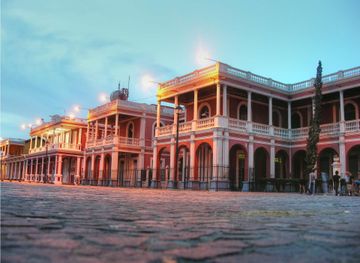
Discover Nicaragua: Explore breathtaking lakes, active volcanoes, colonial cities, and pristine beaches in a country rich with culture and adventure.
Explore Nicaragua