

Free Leonese Plains Travel Guide & Mobile App
Explore Leonese Plains with free travel guides. Discover regional history, expert tips, proposed trips, and audio guides on web or mobile app.


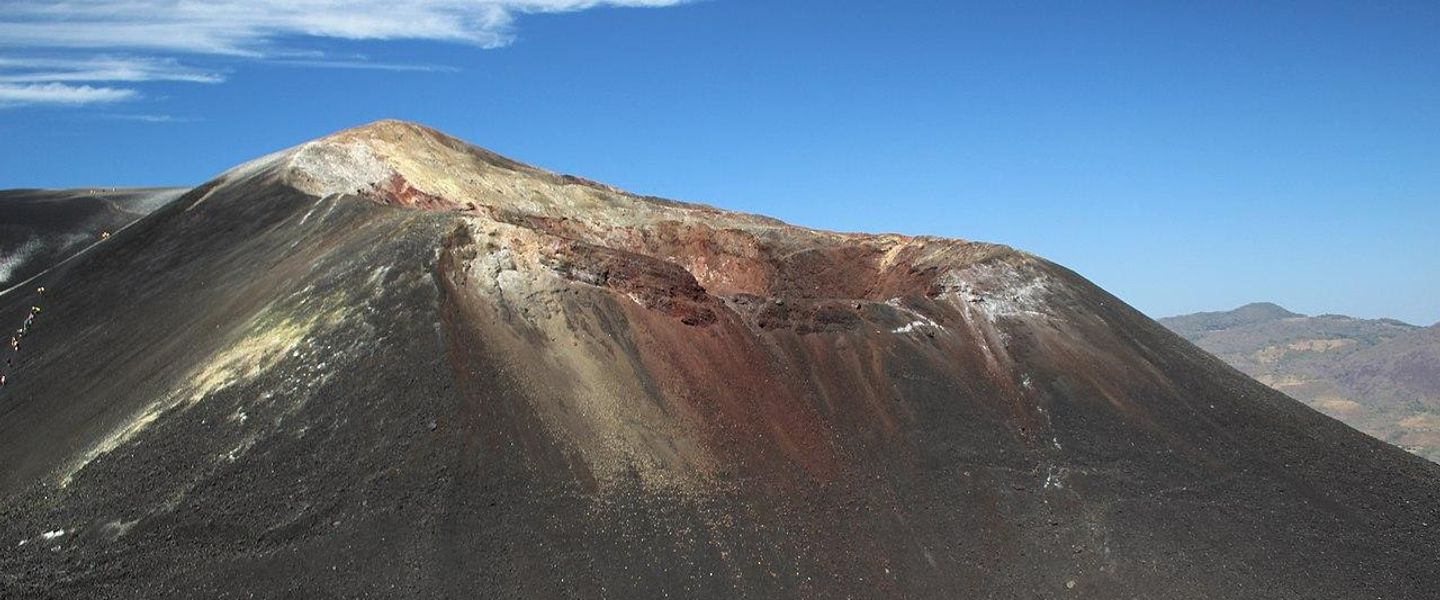


Explore Nicaragua’s Leonese Plains for colonial León, volcanic landscapes, Pacific beaches, Indigenous heritage and fertile countryside shaped by tropical agriculture.
Read more about Leonese Plains
When is the best time to visit Leonese Plains?
Best: December–February · 32–33°C| Month | High (°C) | Rainfall (mm) |
|---|---|---|
| January (best) | 32 | 1 |
| February (best) | 33 | 2 |
| March | 34 | 5 |
| April | 35 | 10 |
| May | 36 | 20 |
| June | 35 | 40 |
| July | 34 | 40 |
| August | 35 | 40 |
| September | 34 | 40 |
| October | 34 | 30 |
| November | 33 | 10 |
| December (best) | 32 | 2 |
Getting to and around Leonese Plains
How to get there
Transportation
Top city travel guides in Leonese Plains
The cities of Leonese Plains, and the easiest places to base yourself.

Swipe for more cities
Destinations in Leonese Plains
Resorts, valleys and scenic spots worth a trip of their own.
-

-

-


Swipe for more destinations
Best attractions in Leonese Plains
The Leonese Plains offer a varied but geographically coherent mix of urban heritage, volcanic adventure, archaeology, countryside and Pacific coast. León’s churches, museums, galleries and university-linked cultural life provide the strongest concentration of established attractions, while walks through the Sutiaba neighbourhood add an important Indigenous and community dimension to the city’s colonial story. Outside the centre, the archaeological ruins of León Viejo reveal the remains of the original Spanish settlement beside Lake Managua. The volcanic cordillera brings hiking and guided excursions, with Cerro Negro particularly associated with black ash slopes and volcano boarding. Conditions are exposed and physically demanding, so these activities require water, sun protection and reliable local arrangements. West of León, Poneloya and Las Peñitas provide sandy beaches, fishing communities, surf and coastal sunsets, with nearby estuarine environments offering opportunities for birdwatching. The agricultural plain itself is an attraction for travellers interested in tropical farming, sugar production and the relationship between volcanic soils and rural livelihoods. Excursions can also include viewpoints, hot lowland roads and small settlements, although facilities become more limited away from León. The region is best experienced as a combination of cultural visits and carefully planned day trips rather than as a single compact sightseeing circuit.
-
Catholic cathedral
Cathedral-Basilica of the Assumption of the Blessed Virgin Mary
Discover the breathtaking beauty and rich history of León's Cathedral-Basilica, a stunning Gothic masterpiece in Nicaragua.
-
Tour operator
Volcano Day Nicaragua
Experience the thrill of volcano boarding and breathtaking natural beauty at Volcano Day Nicaragua, your adventure gateway in León.
-
Tour operator
Bigfoot Hostel & Volcano Boarding
Discover the thrill of volcano boarding and the vibrant atmosphere at Bigfoot Hostel in León, Nicaragua, your adventure-filled travel hub.
-
Art museum
Ortíz Gurdián Foundation Art Center
Explore the Ortíz Gurdián Foundation Art Center, a vibrant hub for contemporary art in León, Nicaragua, showcasing local and international talent.


Best landmarks in Leonese Plains
León Cathedral, formally the Cathedral of the Assumption, dominates the city’s central landscape with its broad white façade, domes and rooftop views over the colonial streets and distant volcanic chain. The churches of La Recolección, El Calvario and La Merced contribute to the historic cityscape, each reflecting different stages of León’s religious and architectural development. In the Sutiaba neighbourhood, the Church of San Juan Bautista de Sutiaba stands as an important landmark of a district whose Indigenous history is central to understanding the city. Outside modern León, the ruins of León Viejo preserve the foundations of the earlier colonial settlement beside Lake Managua and provide a direct physical link to the sixteenth and seventeenth centuries. The region’s most dramatic natural landmarks are the dark cone of Cerro Negro and the broader line of the Maribios volcanoes, whose activity has shaped soils, settlement and local memory. Along the Pacific edge, the beaches and estuarine landscape around Poneloya and Las Peñitas form a contrasting coastal landmark, marking the point where the agricultural plain meets surf, fishing communities and the open ocean.
-
City park
Parque Central de Granada
Explore the vibrant Parque Central de Granada, a cultural haven filled with lush greenery, stunning architecture, and the heart of local life in Nicaragua.
-
Catholic cathedral
Cathedral-Basilica of the Assumption of the Blessed Virgin Mary
Explore the stunning beauty and rich history of the Cathedral-Basilica of León, a UNESCO World Heritage Site in Nicaragua, known for its breathtaking architecture.
-
Promenade
Plaza Nicaragua
Experience the vibrant charm of Plaza Nicaragua, a picturesque promenade and park in the heart of Managua, rich in culture and local artistry.
-
Tour operator
Volcano Day Nicaragua
Discover the thrilling adventures and breathtaking landscapes of Volcano Day Nicaragua, your gateway to unforgettable volcanic experiences in León.


Explore Leonese Plains on the map
Plan your trip on one map. See where the top cities, national parks and sights are, and book hotels and experiences in a few clicks.
Best hotels in Leonese Plains
Best restaurants in Leonese Plains
Dining across the Leonese Plains is grounded in Nicaraguan staples and the produce of the Pacific lowlands. In León, family restaurants, market counters, cafés and contemporary eateries serve variations of rice and beans, grilled meats, fried plantain, tortillas, soups and fresh juices, while quesillo—a tortilla filled with soft cheese, pickled onion and cream—is a notable choice associated with western Nicaragua. Nacatamales, breakfast dishes and sweet breads appear in local food culture, although availability and preparation vary by establishment. The surrounding agricultural plain supplies fruit, vegetables, dairy products and sugar, and coastal settlements such as Poneloya and Las Peñitas add fish, prawns and other seafood to the regional table. Markets are useful for observing everyday ingredients and inexpensive snacks, while cafés in León suit a slower break from church and museum visits. Dining outside the city is more informal and opening arrangements can be seasonal, so carry water and avoid assuming that rural or beach establishments accept cards.
-
Nicaraguan
Cocina de Doña Haydée
Discover the authentic flavors of Nicaragua at Cocina de Doña Haydée - a must-visit restaurant in Managua for local cuisine enthusiasts.
-
Italian
Pane e Vino
Experience the authentic flavors of Italy at Pane e Vino in Managua—where culinary artistry meets warm hospitality.
-
Restaurant
Los Ranchos
Discover Los Ranchos in Managua - where traditional Nicaraguan cuisine meets modern culinary excellence in an inviting atmosphere.
-
Restaurant
ZacateLimon
Experience authentic Nicaraguan cuisine at ZacateLimon - your go-to restaurant for breakfast and brunch in Managua.


Best bars in Leonese Plains
León’s evening life is shaped by its student population, historic centre and large collection of cafés, pubs and casual bars rather than by a single concentrated nightclub district. Visitors will find places for rum-based drinks, beer, conversation and occasional live music, with activity generally strongest around central streets and during university periods or local celebrations. Traditional bars and late-opening eateries provide a more representative experience than seeking a large-scale club scene. In Poneloya and Las Peñitas, evenings centre on beachfront restaurants, small bars, surf-oriented social spaces and seasonal gatherings, while rural parts of the plain become quiet after dark. Opening arrangements and entertainment can change, so ask locally on the day. Drink sensibly, arrange a recognised taxi or trusted transfer after dark, and remember that the region’s cultural life includes music, festivals, conversation and food as well as alcohol-focused venues.
-
Restaurant
ViaVia León, Nicaragua
Discover the vibrant spirit of León at ViaVia, where delicious food, live music, and a welcoming atmosphere await every traveler.
-
Bar
Ron Kon Rolas
Experience the vibrant nightlife of Managua at Ron Kon Rolas, a lively bar and concert hall with live music and great drinks.
-
Tour operator
Bigfoot Hostel & Volcano Boarding
Experience the thrill of volcano boarding and vibrant nightlife at Bigfoot Hostel in León, Nicaragua, your adventure hub for unforgettable travels.
-
Bar
Gecko's Bar
Gecko's Bar in León: A vibrant nightlife destination with delicious cocktails, live music, and a welcoming atmosphere for every traveler.


Best nightclubs in Leonese Plains
León’s evening life is shaped by its student population, historic centre and large collection of cafés, pubs and casual bars rather than by a single concentrated nightclub district. Visitors will find places for rum-based drinks, beer, conversation and occasional live music, with activity generally strongest around central streets and during university periods or local celebrations. Traditional bars and late-opening eateries provide a more representative experience than seeking a large-scale club scene. In Poneloya and Las Peñitas, evenings centre on beachfront restaurants, small bars, surf-oriented social spaces and seasonal gatherings, while rural parts of the plain become quiet after dark. Opening arrangements and entertainment can change, so ask locally on the day. Drink sensibly, arrange a recognised taxi or trusted transfer after dark, and remember that the region’s cultural life includes music, festivals, conversation and food as well as alcohol-focused venues.
-
Tour operator
Volcano Day Nicaragua
Discover the breathtaking beauty and adventure of Nicaragua's volcanic landscapes with Volcano Day Nicaragua, a premier tour operator in León.
-
Bar
ViaVia León, Nicaragua
Discover the vibrant spirit of León at ViaVia León, where delicious food, live music, and cozy accommodations await.
-
Tour operator
Bigfoot Hostel & Volcano Boarding
Experience thrilling volcano boarding and vibrant hostel life at Bigfoot Hostel, the ultimate adventure hub in León, Nicaragua.
-
Bar
23 Bar
Discover León's vibrant nightlife at 23 Bar, where great drinks and unforgettable music create the perfect evening.


Best shops in Leonese Plains
León is the principal shopping centre of the Leonese Plains, with market stalls, small food shops, pharmacies, bookshops, craft outlets and independent businesses concentrated around the central streets and market areas. Visitors can look for hammocks, woven goods, leather items, paintings, small religious images and locally produced foods, while artworks and posters often reflect the city’s long association with poetry, political history and visual culture. The central market is more useful for everyday produce and prepared food than for polished souvenirs, and bargaining should be courteous rather than assumed. Farmers’ produce from the surrounding plain includes fruit, vegetables, cheese, sweets and other practical food gifts, although packaging and customs restrictions should be considered before taking products abroad. Coastal settlements have a smaller, more seasonal retail scene focused on beachwear, snacks and informal handicrafts. Outside León, shopping becomes limited, so obtain cash, drinking water and basic supplies before travelling to volcanoes, archaeological sites or rural communities.
-
Shopping mall
Metrocentro
Explore the vibrant shopping scene at Metrocentro, Managua's largest mall, featuring diverse shops, dining, and entertainment options for the perfect day out.
-
Shopping mall
Multicentro Las Américas
Discover Multicentro Las Américas: Managua's bustling shopping mall featuring diverse stores, delectable dining, and family-friendly entertainment options.
-
Shopping mall
Galerías Santo Domingo
Discover Galerías Santo Domingo, the ultimate shopping and entertainment hub in Managua, where fashion, fun, and food come together.
-
Shopping mall
Plaza Inter
Explore Plaza Inter, Managua's bustling shopping mall, where shopping, dining, and entertainment come together for an unforgettable experience.


Get your free copy of our complete guide to Leonese Plains, delivered straight to you.
Everything on this page, from attractions and restaurants to essentials and local phrases, in one PDF you can read offline, print or share.
Already have an account? Sign in
Your Leonese Plains guide is ready.
We'll send it to · Not you? Sign out

Getting your guide ready…
We are putting together a fresh copy of the Leonese Plains guide. This can take up to a minute.
This can take a few moments. If your browser asks, choose Allow so the download can start. You'll find the guide in your Downloads folder.
Nothing happened? Download it again
Sorry, the guide is taking longer than usual. Please try again in a minute, or get it by email instead.
Leonese Plains essentials
Currency and Payment
Safety
Emergency Situations
Do's and Don'ts
Local Tips
From Eve
Local phrases worth knowing
You don't need to get them perfect. A few words go a long way, and locals appreciate the effort.
Basics
| English | Local | Say it |
|---|---|---|
| Hello | Hola | [OH-lah] |
| Goodbye | Adiós | [ah-DYOS] |
| Yes | Sí | [SEE] |
| No | No | [NO] |
| Please/You're welcome | Por favor | [por fah-VOR] |
| Thank you | Gracias | [GRAH-see-as] |
| Excuse me/Sorry | Perdón | [pehr-DON] |
| How are you? | ¿Cómo estás? | [KOH-moh ehs-TAS] |
| Fine. And you? | Bien. ¿Y tú? | [BYEN. ee TOO] |
| Do you speak English? | ¿Hablas inglés? | [AH-blas een-GLES] |
| I don't understand | No entiendo | [NO ehn-TYEN-doh] |
Eating & Drinking
| English | Local | Say it |
|---|---|---|
| I'd like to see the menu, please | Me gustaría ver el menú, por favor | [meh goos-tah-REE-ah BEHR el meh-NOO, por fah-VOR] |
| I don't eat meat | No como carne | [NO KOH-mo KAR-neh] |
| Cheers! | ¡Salud! | [sah-LOOD] |
| I would like to pay, please | Me gustaría pagar, por favor | [meh goos-tah-REE-ah pah-GAR, por fah-VOR] |
Emergencies
| English | Local | Say it |
|---|---|---|
| Help! | ¡Ayuda! | [ah-YOO-dah] |
| Go away! | ¡Vete! | [VEH-teh] |
| Call the Police! | ¡Llama a la policía! | [YAH-mah ah lah poh-lee-SEE-ah] |
| Call a doctor! | ¡Llama a un doctor! | [YAH-mah ah oon dok-TOR] |
| I'm lost | Estoy perdido | [es-TOY pehr-DEE-doh] |
| I'm ill | Estoy enfermo | [es-TOY en-FER-mo] |
Shopping
| English | Local | Say it |
|---|---|---|
| I'd like to buy... | Quisiera comprar... | [kee-SYE-rah kom-PRAR] |
| I'm just looking | Solo estoy mirando | [SO-lo ehs-TOY mee-RAN-doh] |
| How much is it? | ¿Cuánto cuesta? | [KWAN-toh KWEH-stah] |
| That's too expensive | Es demasiado caro | [ES deh-mah-SEE-ah-doh KAH-roh] |
| Can you lower the price? | ¿Puedes bajar el precio? | [PWEH-des bah-HAR el PREH-syo] |
Time & Numbers
| English | Local | Say it |
|---|---|---|
| What time is it? | ¿Qué hora es? | [KEH OR-ah es] |
| It's one o'clock | Es la una | [ES lah OO-nah] |
| Half past (10) | Y diez y media | [ee DYEZ ee MEH-dee-ah] |
| Morning | Mañana | [mah-NYAH-nah] |
| Afternoon | Tarde | [TAR-deh] |
| Evening | Noche | [NO-cheh] |
| Yesterday | Ayer | [ah-YER] |
| Today | Hoy | [OY] |
| Tomorrow | Mañana | [mah-NYAH-nah] |
| 1 | Uno | [OO-noh] |
| 2 | Dos | [DOS] |
| 3 | Tres | [TRES] |
| 4 | Cuatro | [KWA-troh] |
| 5 | Cinco | [SEEN-koh] |
| 6 | Seis | [SAYS] |
| 7 | Siete | [SYEH-teh] |
| 8 | Ocho | [OH-choh] |
| 9 | Nueve | [NWEH-beh] |
| 10 | Diez | [DYEZ] |
Transport & Directions
| English | Local | Say it |
|---|---|---|
| Where's a/the...? | ¿Dónde está un/una...? | [DON-deh es-TAH oon/OO-nah] |
| What's the address? | ¿Cuál es la dirección? | [KWAL es lah dee-rek-SYON] |
| Can you show me (on the map)? | ¿Puedes mostrarme (en el mapa)? | [PWEH-des mos-TRAR-meh (en el MAH-pah)] |
| When's the next (bus)? | ¿Cuándo es el próximo (autobús)? | [KWAN-doh es el PROK-si-mo (ow-toh-BOOS)] |
| A ticket (to ....) | Un boleto (a ....) | [Oon boh-LEH-toh (ah ....)] |
History of Leonese Plains
Indigenous Sutiaba and pre-Hispanic settlement
Before Spanish colonisation, western Nicaragua was home to several Indigenous societies, including the Sutiaba, whose territory and cultural presence remain especially important in the León area. Sutiaba communities were established west of the colonial city, and their history is still represented in the neighbourhood of the same name, local religious traditions and continuing community identity. Other Indigenous and Mesoamerican influences shaped agriculture, trade and settlement across the Pacific lowlands. Spanish accounts often recorded these societies through a colonial lens, so the region’s early history is best understood as more than a prelude to European rule.
The founding of León in 1524
Spanish forces founded León in 1524, traditionally associating the first settlement with the area later known as León Viejo near Lake Managua. The location connected the new colonial centre with inland routes and the Pacific-facing lowlands, but it also exposed the settlement to earthquakes, volcanic activity and difficult environmental conditions. León became an important Spanish administrative, religious and commercial centre, supported by surrounding agriculture and Indigenous labour. Its early development established the political and cultural importance that the Leonese region would retain for centuries.
León Viejo and the relocation of the city
The original city of León was gradually abandoned after repeated earthquakes, volcanic disturbances and practical difficulties at its lakeside location. The inhabitants moved the city to its present site in 1610, creating the urban centre now associated with colonial León. The ruins of León Viejo preserve churches, streets and foundations that illustrate the physical organisation of an early Spanish settlement in Nicaragua. Their archaeological importance lies not only in the surviving remains but also in the evidence of the encounter between colonial institutions, Indigenous communities and the environment of the volcanic Pacific plain.
Colonial León and the growth of religious institutions
After the relocation, León developed as one of Nicaragua’s principal colonial cities. Churches, convents, civic buildings and private residences expressed the power of religious orders and colonial administration, while the surrounding plain supplied food and commercial products. The city’s cathedral, churches and street plan still convey this period, although later earthquakes, renovation and modern construction have altered the historic fabric. León also became a centre of learning and clerical influence, helping to establish the intellectual traditions that later made it one of Nicaragua’s leading university and literary cities.
Independence, rivalry and liberal Nicaragua
Following independence from Spain in 1821, León became one of the main centres of political life in Nicaragua. Its rivalry with Granada reflected competing regional, economic and political interests, while León was strongly associated with liberal reform and secularising ideas during the nineteenth century. The city’s educational institutions, newspapers and political networks gave the wider Leonese region a prominent role in national debates. These struggles helped shape Nicaragua’s changing capitals, governments and institutions, and remain part of the historical meaning attached to León’s public squares and civic buildings.
Agriculture, cotton and the modern plain
The fertile volcanic soils of the Leonese lowlands supported a succession of agricultural economies, including cattle, grains, sugar and cotton. Cotton expanded particularly strongly in the twentieth century, transforming land use, rural employment and regional wealth while also contributing to environmental pressures associated with intensive cultivation and chemical use. Sugar production and other commercial agriculture continue to influence the plain’s economy, alongside smallholder farming and livestock. The contrast between large agricultural estates, rural communities and León’s urban institutions is an important part of the region’s contemporary character.
Revolution, memory and cultural life
León was a major centre of opposition to the Somoza dictatorship and played an important role during the Sandinista Revolution of 1979. Political murals, commemorative spaces and public memory continue to reflect the violence and mobilisation of that era, although interpretations of revolutionary history vary. Since the late twentieth century, León has combined university life, tourism, heritage conservation, agriculture and outdoor travel linked to the volcanoes and coast. Its cultural identity remains closely connected to poetry, visual art, political expression and the everyday life of a provincial city with national historical significance.
Leonese Plains in Photos
Browse through our photo collection highlighting the charm and character of the destination.
Neighbouring regions of Leonese Plains
The closest regions to Leonese Plains, if you have time for more than one.
-

-

-

-

-


Swipe for more regions
Explore more
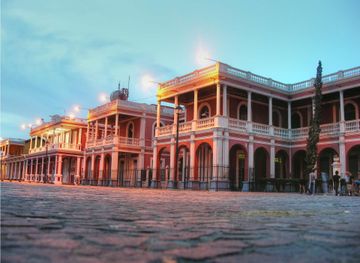
Explore more of Nicaragua
Discover Nicaragua: Explore breathtaking lakes, active volcanoes, colonial cities, and pristine beaches in a country rich with culture and adventure.
Explore Nicaragua