

Ometepe Island, Nicaragua Travel Guide
Discover Ometepe Island in Nicaragua: A serene escape with twin volcanoes, lush forests, and endless adventures in a tropical paradise.
Nestled in the vast expanse of Lake Nicaragua, Ometepe Island is a hidden gem boasting two majestic volcanoes, Concepción and Maderas. This tropical paradise offers a serene escape from the hustle and bustle of daily life, with its lush forests, pristine beaches, and friendly local communities. The island is rich in biodiversity, making it a haven for nature lovers. You can hike the trails of the volcanoes, explore ancient petroglyphs, or take a refreshing dip in the natural springs. The abundance of wildlife, including howler monkeys and exotic birds, adds to the island's charm. For those seeking adventure, Ometepe offers kayaking, cycling, and horseback riding. Don't miss the chance to visit the picturesque Ojo de Agua, a natural spring with crystal-clear waters. Whether you're an adrenaline junkie or looking for a peaceful retreat, Ometepe Island has something for everyone.

Know before you go
Hi, I'm Eve. Here are a few practical things to know before exploring Ometepe Island.
- Visit during the dry season (November to April) for the best weather and hiking conditions.
- Rent a scooter or bicycle to explore the island at your own pace.
- Bring cash, as ATMs are scarce and some places do not accept credit cards.
- Stay hydrated and wear sunscreen, especially when hiking the volcanoes.
- Learn a few basic Spanish phrases to communicate with the friendly locals.
Explore Ometepe Island: Things to Do, Places to Eat, Hotels & More
Handpicked recommendations for top attractions, local dining, accommodations, and more

Best attractions in Ometepe Island
Top-rated picks
Best Attractions

Charco Verde Park & Butterfly Aviary
Discover the enchanting wildlife and serene landscapes of Charco Verde Park & Butterfly Aviary on Ometepe Island, a true natural paradise.

Museo Altagracia
Explore the depth of Altagracia's culture at Museo Altagracia, where history comes alive through captivating exhibits and artifacts.

Ometepe Zip Line Tour
Discover the thrill of soaring through the treetops with the Ometepe Zip Line Tour, a unique adventure in Nicaragua's lush landscapes.

Piscina El Manantial(Camping area and typical food)
Experience tranquility at Piscina El Manantial, a refreshing pool and local culinary haven on beautiful Ometepe Island, Nicaragua.

Best landmarks in Ometepe Island
Top-rated picks
Best Landmarks

Reserva Natural Ojo de Agua
Experience the natural beauty and tranquility of Reserva Natural Ojo de Agua in Tilgüé, Nicaragua, a perfect retreat for relaxation and exploration.

El Pital Ometepe, Chocolate Paradise
Discover El Pital Ometepe, Chocolate Paradise: A haven of organic chocolate, vegan cuisine, and holistic wellness on the shores of Lake Nicaragua.

Café Campestre
Experience the vibrant flavors of Nicaragua at Café Campestre on Isla de Ometepe - where local ingredients meet culinary creativity.

Playa Mangos kayaks & restaurant
Experience the perfect blend of kayaking adventures and delightful dining at Playa Mangos on Lake Nicaragua.

Best restaurants in Ometepe Island
Top-rated picks
Best Restaurants

Café Campestre
Experience culinary delights at Café Campestre on Isla de Ometepe—where local flavors meet international cuisine in a stunning setting.

Playa Mangos kayaks & restaurant
Experience outdoor adventure and culinary delights at Playa Mangos kayaks & restaurant, where Lake Nicaragua meets exquisite dining.

El Zopilote Permaculture Farm / Hostel / Restaurant / Pizzeria
Experience sustainable living at El Zopilote: a unique hostel offering yoga retreats, delicious wood-fired pizza, and immersive permaculture workshops.

El Picante Mexican Restaurant
Experience authentic Mexican cuisine at El Picante Mexican Restaurant in Moyogalpa - where every dish tells a flavorful story.

Best bars in Ometepe Island
Top-rated picks
Best Bars

Café Campestre
Experience the flavors of Isla de Ometepe at Café Campestre, where local ingredients meet international cuisine in a beautiful setting.

Pollo Cervecero bar y comedor
Discover the lively atmosphere and delicious flavors at Pollo Cervecero Bar y Comedor in Moyogalpa, your go-to spot for local cuisine and drinks.

Raindance
Discover the perfect blend of relaxation and adventure at Raindance on Isla De Ometepe, where nature meets vibrant hospitality.
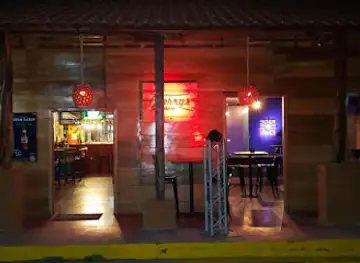
Cherry's Bar
Experience the lively atmosphere of Cherry's Bar in Moyogalpa, where great drinks and friendly faces create unforgettable memories.

Best nightclubs in Ometepe Island
Top-rated picks
Best Nightclubs

Café Campestre
Discover the flavors of Isla de Ometepe at Café Campestre, where local and international cuisines meet in a cozy, welcoming atmosphere.

El Zopilote Permaculture Farm / Hostel / Restaurant / Pizzeria
Experience sustainable living and community spirit at El Zopilote Permaculture Farm, a unique hostel, restaurant, and yoga retreat in El Madroñal.

WhyBration Ink. Tattoo Studio - Ometepe
Discover the art of self-expression at WhyBration Ink. Tattoo Studio in Ometepe, where every tattoo tells a unique story.

Raindance
Experience the vibrant nightlife and local flavors at Raindance, the ultimate bar and hostel destination on Isla De Ometepe.

Best shops in Ometepe Island
Top-rated picks
Best Shops

Reserva Natural Ojo de Agua
Experience the stunning natural beauty and tranquility of Reserva Natural Ojo de Agua in Tilgüe, Nicaragua – a perfect escape in paradise.

El Pital Ometepe, Chocolate Paradise
Discover the essence of organic chocolate and wellness at El Pital Ometepe, a serene escape in Nicaragua's breathtaking landscape.

Totoco Eco-Lodge
Discover the tranquility of Totoco Eco-Lodge, where comfort meets sustainability in the heart of Balgüe's lush landscapes.

Ometepe Island
Discover the breathtaking natural beauty, rich biodiversity, and vibrant culture of Ometepe Island, a unique destination in Lake Nicaragua.

Explore Ometepe Island on the Map
A handpicked selection of must-see spots in Ometepe Island, mapped for you.
Ometepe Island Essentials
-
Ometepe Island is located in Lake Nicaragua. To reach the island, you can fly into Augusto C. Sandino International Airport (MGA) in Managua, the capital of Nicaragua. From Managua, you can take a bus or taxi to the port town of San Jorge, Rivas. Ferries and boats run regularly from San Jorge to the towns of Moyogalpa and San José del Sur on Ometepe Island. The ferry ride takes approximately 1 to 1.5 hours.
-
Once on Ometepe Island, transportation options include buses, taxis, and motorcycle rentals. Local buses are an economical way to travel between towns, though they can be slow and crowded. Taxis are more convenient but pricier. Renting a motorcycle or scooter is a popular option for tourists looking to explore the island at their own pace. Bicycle rentals are also available for a more eco-friendly way to get around.
-
The official currency in Nicaragua is the Nicaraguan Córdoba (NIO). While some larger establishments may accept US dollars, it is advisable to have local currency for smaller shops, restaurants, and transportation. Credit cards are accepted in some hotels and tourist-oriented businesses, but cash is essential for most transactions. ATMs are available in the main towns of Moyogalpa and Altagracia, but it is wise to carry enough cash with you when traveling to more remote areas.
-
Ometepe Island is generally safe for tourists, but it is always important to take standard precautions. Avoid walking alone at night, especially in less populated areas. Be mindful of your belongings in crowded places. There are no specific high-crime areas targeting tourists, but it is always best to stay vigilant and aware of your surroundings. Petty theft can occur, so keep your valuables secure.
-
In case of emergency, dial 118 for police assistance and 128 for medical emergencies. The main medical facilities on the island are in Moyogalpa and Altagracia, with smaller clinics in other towns. It is recommended to have travel insurance that covers medical emergencies. Pharmacies are available in the main towns for purchasing over-the-counter medications.
-
Fashion: Do dress comfortably for the tropical climate, but avoid overly revealing clothing, especially in rural areas. Religion: Do respect local customs and traditions, particularly when visiting churches. Public Transport: Do be respectful and patient when using local buses. Don't expect strict adherence to schedules. Greetings: Do greet locals with a friendly 'Hola' or 'Buenos días.' A handshake is common. Eating & Drinking: Do try local dishes and accept food offerings graciously. Don't refuse hospitality, as it is considered impolite.
-
To experience Ometepe like a local, consider visiting the island's traditional markets, where you can buy fresh produce and handmade crafts. Engage with locals, who are often friendly and willing to share stories about the island's history and culture. Don't miss the opportunity to hike Concepción and Maderas volcanoes for stunning views and a sense of adventure. Also, try the local dish 'Vigorón' and the refreshing drink 'Tona' beer.
When is the best time to visit Ometepe Island?
Useful Local Phrases for Ometepe Island
You don't need to speak the language perfectly. Even learning a few simple words can make conversations warmer—and locals usually appreciate the effort.
— Eve

Here are the phrases I use most often in Ometepe Island. Try a few—you'll be surprised how far they go! 😊
❤️
-
- HelloHola
[oh-lah] - GoodbyeAdiós
[ah-dyohs] - YesSí
[see] - NoNo
[noh] - Please/You're welcomePor favor/De nada
[por fah-vor/de nah-dah] - Thank youGracias
[grah-syahs] - Excuse me/SorryDisculpe/Lo siento
[dees-kool-pe/loh syen-toh] - How are you?¿Cómo estás?
[koh-moh ehs-tahs] - Fine. And you?Bien. ¿Y tú?
[byen. ee too] - Do you speak English?¿Hablas inglés?
[ah-blahs een-glehs] - I don't understandNo entiendo
[noh ehn-tyen-doh]
- HelloHola
-
- I'd like to see the menu, pleaseMe gustaría ver el menú, por favor
[meh goos-tah-ree-ah vehr ehl meh-noo, por fah-vor] - I don't eat meatNo como carne
[noh koh-moh kahr-neh] - Cheers!¡Salud!
[sah-loohd] - I would like to pay, pleaseMe gustaría pagar, por favor
[meh goos-tah-ree-ah pah-gahr, por fah-vor]
- I'd like to see the menu, pleaseMe gustaría ver el menú, por favor
-
- Help!¡Ayuda!
[ah-yoo-dah] - Go away!¡Vete!
[veh-teh] - Call the Police!¡Llama a la policía!
[yah-mah ah lah po-lee-see-ah] - Call a doctor!¡Llama a un doctor!
[yah-mah ah oon dohk-tohr] - I'm lostEstoy perdido/a
[ehs-toy pehr-dee-doh/ah] - I'm illEstoy enfermo/a
[ehs-toy ehn-fehr-moh/ah]
- Help!¡Ayuda!
-
- I'd like to buy...Me gustaría comprar...
[meh goos-tah-ree-ah kohm-prahr...] - I'm just lookingSolo estoy mirando
[soh-loh ehs-toy mee-rahn-doh] - How much is it?¿Cuánto cuesta?
[kwan-toh kwes-tah] - That's too expensiveEso es demasiado caro
[eh-soh ehs deh-mah-syah-doh kah-roh] - Can you lower the price?¿Puedes bajar el precio?
[pweh-dehs bah-har ehl pree-syoh]
- I'd like to buy...Me gustaría comprar...
-
- What time is it?¿Qué hora es?
[keh o-rah ehs] - It's one o'clockEs la una
[ehs lah oo-nah] - Half past (10)Las diez y media
[lahs dyehs ee meh-dee-ah] - MorningMañana
[mah-nyah-nah] - AfternoonTarde
[tahr-deh] - EveningNoche
[noh-cheh] - YesterdayAyer
[ah-yehr] - TodayHoy
[oy] - TomorrowMañana
[mah-nyah-nah] - 1Uno
[oo-noh] - 2Dos
[dohs] - 3Tres
[trehs] - 4Cuatro
[kwah-troh] - 5Cinco
[seen-koh] - 6Seis
[seys] - 7Siete
[syeh-teh] - 8Ocho
[oh-choh] - 9Nueve
[nweh-veh] - 10Diez
[dyehs]
- What time is it?¿Qué hora es?
-
- Where's a/the...?¿Dónde está...?
[dohn-deh ehs-tah] - What's the address?¿Cuál es la dirección?
[kwal ehs lah dee-rehk-syon] - Can you show me (on the map)?¿Puedes mostrarme (en el mapa)?
[pweh-dehs mohs-trahr-meh (ehn ehl mah-pah)] - When's the next (bus)?¿Cuándo es el próximo (autobús)?
[kwan-doh ehs ehl proh-ksee-moh (ow-toh-boos)] - A ticket (to ....)Un boleto (a ...)
[oon boh-leh-toh (ah ...)]
- Where's a/the...?¿Dónde está...?
History of Ometepe Island
-
Ometepe Island has a rich history that dates back to the pre-Columbian era. The island was originally inhabited by the Chorotega and Nahuatl people. These indigenous groups left behind numerous petroglyphs and stone idols, which are scattered throughout the island. These artifacts offer a fascinating glimpse into the spiritual and daily lives of the island's earliest residents.
-
According to local legend, Ometepe was formed by the love between a beautiful indigenous woman named Ometepetl and a warrior named Nagrando. When they died, their bodies were transformed into the island's two volcanoes, Concepción and Maderas. This myth highlights the island's deep cultural roots and the spiritual significance of its natural landmarks.
-
In the early 16th century, Ometepe Island came under the control of Spanish conquistadors. The indigenous populations faced significant upheaval as the Spanish imposed their culture, religion, and governance. The island's strategic location in Lake Nicaragua made it an important point for the Spanish as they expanded their influence in Central America.
-
During the 17th century, Ometepe Island was frequently targeted by pirates who navigated the waters of Lake Nicaragua. These pirates, including the infamous Captain Morgan, raided settlements and caused considerable disruption. The island's residents had to develop strategies to protect themselves and their resources from these marauding forces.
-
In the late 19th and early 20th centuries, Ometepe Island saw significant agricultural development. Plantations of coffee, tobacco, and bananas were established, transforming the island's economy. This period brought an influx of laborers and contributed to the cultural melting pot that defines Ometepe today.
-
In recent decades, Ometepe Island has become a popular destination for tourists seeking natural beauty and cultural experiences. The island's unique combination of volcanic landscapes, archaeological sites, and traditional Nicaraguan culture attracts visitors from around the world. Efforts to promote sustainable tourism have helped preserve Ometepe's natural and cultural heritage.
Cities in Ometepe Island
Browse our curated selection of top destinations, scenic points, and must-visit spots in the area.

Neighbouring destination travel guides
Browse our curated selection of top destinations, scenic points, and must-visit spots in the area.




Your all‑in‑one travel companion app
Explore expert travel guides, compare and book tours, experiences, hotels, and more—all from the palm of your hand. Download now for seamless trip planning wherever your wanderlust takes you.


Explore More of Rivas Isthmus

Looking beyond Ometepe Island? Discover Rivas Isthmus for broader travel guides, local hot-spots, and regional highlights.
Explore Rivas IsthmusExplore More of Nicaragua
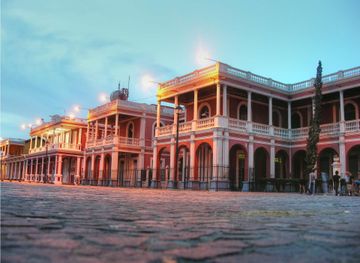
Looking beyond Ometepe Island? Discover Nicaragua for broader travel guides, local hot-spots, and regional highlights.
Explore NicaraguaOmetepe Island in Photos
Browse through our photo collection highlighting the charm and character of the destination.

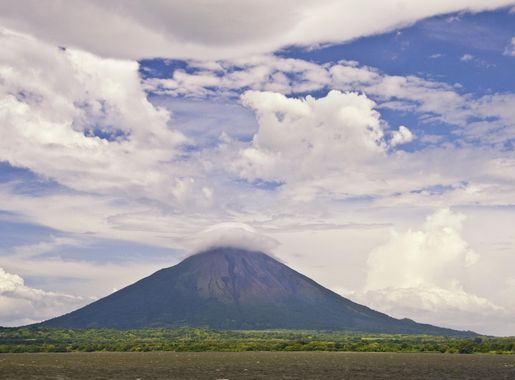


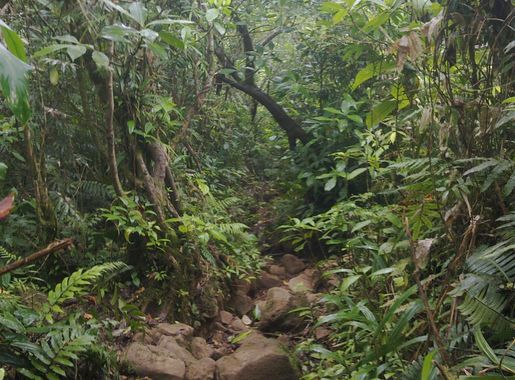


Ometepe Island: The Twin Peaks of Tranquility
Nestled in the vast expanse of Lake Nicaragua, Ometepe Island is a hidden gem boasting two majestic volcanoes, Concepción and Maderas. This tropical paradise offers a serene escape from the hustle and bustle of daily life, with its lush forests, pristine beaches, and friendly local communities. The island is rich in biodiversity, making it a haven for nature lovers. You can hike the trails of the volcanoes, explore ancient petroglyphs, or take a refreshing dip in the natural springs. The abundance of wildlife, including howler monkeys and exotic birds, adds to the island's charm. For those seeking adventure, Ometepe offers kayaking, cycling, and horseback riding. Don't miss the chance to visit the picturesque Ojo de Agua, a natural spring with crystal-clear waters. Whether you're an adrenaline junkie or looking for a peaceful retreat, Ometepe Island has something for everyone.