

Free Efik Travel Guide & Mobile App
Explore Efik with free travel guides. Discover regional history, expert tips, proposed trips, and audio guides on web or mobile app.


Explore Efik country through Calabar's river heritage, historic trading towns, museums, cuisine, waterways and Cross River culture.
Read more about Efik
When is the best time to visit Efik?
Best: December–February · 30–31°C| Month | High (°C) | Rainfall (mm) |
|---|---|---|
| January (best) | 30 | 25 |
| February (best) | 31 | 30 |
| March | 32 | 60 |
| April | 32 | 100 |
| May | 31 | 120 |
| June | 30 | 170 |
| July | 29 | 220 |
| August | 29 | 200 |
| September | 30 | 170 |
| October | 31 | 120 |
| November | 31 | 80 |
| December (best) | 30 | 30 |
Getting to and around Efik
How to get there
Transportation
Top city travel guides in Efik
The cities of Efik, and the easiest places to base yourself.

Swipe for more cities
Best attractions in Efik
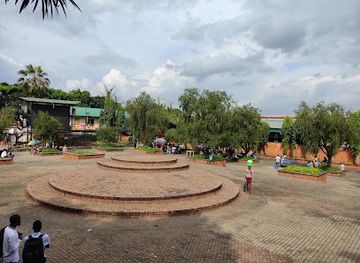
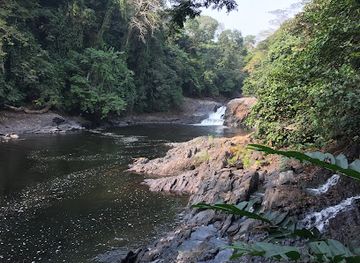
Efik country is best explored through a combination of cultural institutions, historic neighbourhoods and riverine landscapes. Calabar's National Museum and Slave History Museum provide different perspectives on political authority, Atlantic commerce, enslavement and colonial change, while the city's older quarters reveal the setting in which many of those histories unfolded. Guided visits to Duke Town, Creek Town and nearby communities can add oral history and local interpretation that formal exhibitions cannot provide. The Calabar Carnival brings large-scale costume, music and performance to the city during its annual season, although it is a contemporary event rather than a presentation of all Efik tradition. Nature-oriented visitors can arrange excursions towards the forests, waterways and protected landscapes of Cross River State, including areas beyond the immediate urban Efik core; these require advance transport and guide arrangements. Boat trips on suitable tidal waterways offer insight into the geography of settlement, trade and fishing, but are weather-dependent. Calabar also has gardens, public cultural programming and family-oriented leisure facilities, while the wider state offers more demanding rainforest and hill excursions for visitors prepared to travel further.
-
Plaza
Ibom Plaza
Discover the heart of Uyo at Ibom Plaza, where shopping, dining, and local culture come alive in a vibrant atmosphere.
-
Tourist attraction
Cross River National Park
Uncover the natural wonders and rich biodiversity of Cross River National Park, a true paradise for eco-tourists and nature enthusiasts in Nigeria.
-
Resort hotel
Tinapa Business and Leisure Resort
Discover a blend of business and leisure at Tinapa Business and Leisure Resort, where relaxation meets adventure in scenic Calabar, Nigeria.
-
Historical landmark
MARINA Beach, Calabar
Experience the beauty and history of Marina Beach in Calabar, a perfect blend of relaxation and cultural exploration.
Best landmarks in Efik
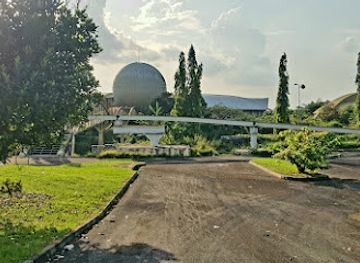
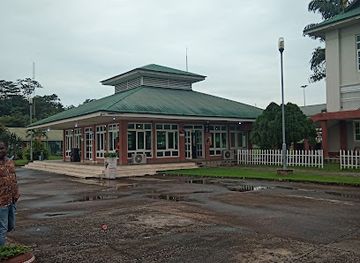
Calabar's historic landmarks express the city's role as an Efik political centre, Atlantic trading port and colonial administrative hub. Duke Town Presbyterian Church is associated with the long history of Christian mission and education in the city, while the Old Residency Museum occupies a colonial-era building linked with British administration in the Old Calabar area. The National Museum, housed in a former colonial government building, is notable both for its collections and for the architecture that frames them. The Slave History Museum provides a different kind of landmark, interpreting the trade in enslaved people through Calabar's river and commercial history. Older districts around Duke Town and Creek Town contain traces of historic settlement and political authority, though the surviving townscape is uneven and should be read with local guidance. The Cross River and its creeks are natural landmarks as well as routes that explain the region's development; their significance lies in the relationship between water, commerce, settlement and ecology rather than in a single viewpoint.
-
National park
Freedom Park Lagos
Explore Freedom Park Lagos, a historic national park blending nature and culture in the heart of Nigeria's bustling cityscape.
-
Plaza
Ibom Plaza
Experience the dynamic culture and shopping at Ibom Plaza, the heart of Uyo, where local flavors and vibrant atmosphere come alive.
-
 Hotel
HotelIbom Hotel & Golf Resort
Experience the ultimate luxury getaway at Ibom Hotel & Golf Resort, where stunning landscapes meet world-class amenities in Uyo, Akwa Ibom.
-
Restaurant
Native Tray GRA PHC
Discover the vibrant flavors of Nigeria at Native Tray GRA PHC, a delightful breakfast restaurant in Port Harcourt offering a unique dining experience.
Explore Efik on the map
Plan your trip on one map. See where the top cities, national parks and sights are, and book hotels and experiences in a few clicks.
Best hotels in Efik
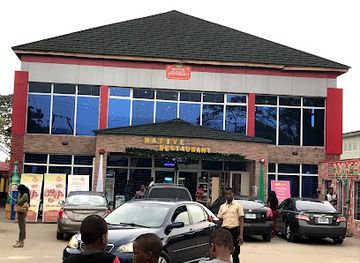
Best restaurants in Efik
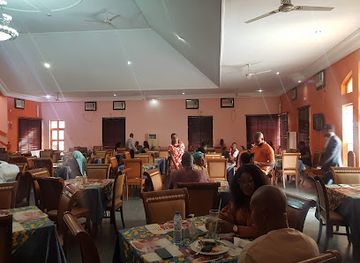
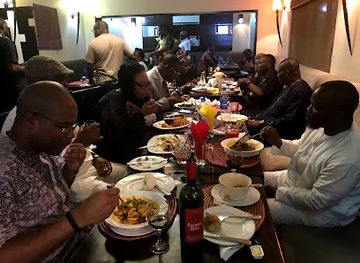
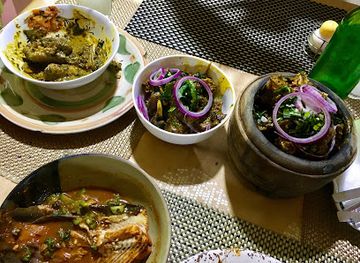
Calabar is one of south-eastern Nigeria's strongest food destinations, with local cooking shaped by river produce, forest vegetables, cassava, plantain, yam and spices. Visitors should look for edikang ikong, afang soup, ekpang nkukwo and other soups served with swallow, while pepper soup, grilled fish and seafood reflect the city's relationship with the estuary. These dishes are shared across neighbouring parts of southern Nigeria, so their presence should be understood within a wider regional food culture rather than assigned exclusively to Efik cuisine. Restaurants range from informal local kitchens and market stalls to hotel dining rooms and contemporary urban venues. Calabar's food scene also includes Nigerian staples, snacks, fresh fruit and drinks suitable for visitors who prefer familiar options. Ask about preparation methods and chilli levels, and choose busy, well-maintained establishments for cooked food. Markets and neighbourhood food sellers can offer a more everyday view of local eating, although hygiene standards and payment arrangements vary.
-
West African
Jevinik Restaurant
Discover authentic West African flavors at Jevinik Restaurant in Abuja - where every dish tells a story.
-
African
Yellow Chilli Victoria Island Lagos
Experience authentic African cuisine at Yellow Chilli Victoria Island, where rich flavors meet contemporary dining in the heart of Lagos.
-
Restaurant
Native Delicacies Restaurant Calabar
Discover authentic Nigerian cuisine at Native Delicacies Restaurant in Calabar – where tradition meets flavor!
-
Restaurant
Calabar Kitchen
Experience authentic Nigerian breakfast at Calabar Kitchen - where rich flavors meet warm hospitality in Lagos.
Best bars in Efik
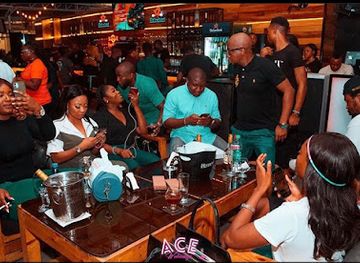
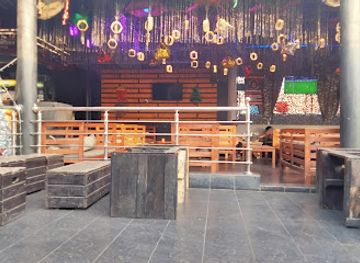
Evening life in Efik country is concentrated in Calabar, where hotel lounges, restaurants, informal bars, live-music settings and occasional clubs provide more choice than the surrounding riverine communities. Local evenings may involve conversation, football, music and food rather than a formal nightclub circuit, while newer venues cater to younger urban audiences and visitors during busy holiday periods. Calabar's public cultural calendar, particularly around major carnival programming, can bring temporary performances and late events, but schedules change and should be checked locally. Outside the city, nightlife is quieter and generally centres on neighbourhood drinking places, family gatherings and restaurants. Visitors should use reliable transport after dark, keep an eye on personal belongings and avoid assuming that a venue's advertised hours or electronic payment facilities will remain consistent.
-
Bar
W Bar Lounge
Discover the vibrant nightlife of Lagos at W Bar Lounge, where exquisite cocktails and live music create an unforgettable experience.
-
Grill
OShey Bar & Chops
Experience the lively culinary scene at OSHey Bar & Chops, Lagos' premier grill destination for an unforgettable dining experience filled with flavor.
-
Cocktail bar
Cue Bar
Discover the pulsating nightlife at Cue Bar, Abuja's premier cocktail bar, offering innovative drinks and a vibrant atmosphere for all.
-
Bar
3AD Premium Lounge
Discover the vibrant nightlife of Lagos at 3AD Premium Lounge, a cozy bar offering live music and a delightful selection of drinks.


Best nightclubs in Efik
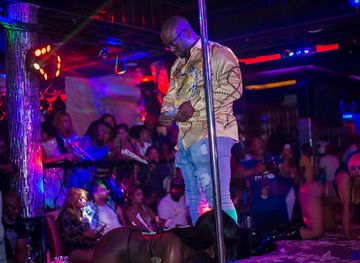
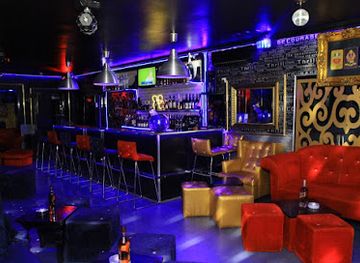
Evening life in Efik country is concentrated in Calabar, where hotel lounges, restaurants, informal bars, live-music settings and occasional clubs provide more choice than the surrounding riverine communities. Local evenings may involve conversation, football, music and food rather than a formal nightclub circuit, while newer venues cater to younger urban audiences and visitors during busy holiday periods. Calabar's public cultural calendar, particularly around major carnival programming, can bring temporary performances and late events, but schedules change and should be checked locally. Outside the city, nightlife is quieter and generally centres on neighbourhood drinking places, family gatherings and restaurants. Visitors should use reliable transport after dark, keep an eye on personal belongings and avoid assuming that a venue's advertised hours or electronic payment facilities will remain consistent.
-
Disco club
Silverfox - Luxury Adult Entertainment Club
Discover the vibrant nightlife at Silverfox, Lagos' luxury adult entertainment club, offering unforgettable performances and sophisticated ambience.
-
Disco club
De Crib Night Club
Experience the vibrant nightlife at De Crib Night Club in Lagos, where great music, lively atmosphere, and delicious drinks await you.
-
Disco club
The Switch night club
Discover the heart of Lagos nightlife at The Switch Night Club, where electrifying music and vibrant energy create an unforgettable experience.
-
Night club
jasper night club
Discover the electrifying nightlife at Jasper Night Club in Calabar, where music, dance, and vibrant energy come alive.


Best shops in Efik
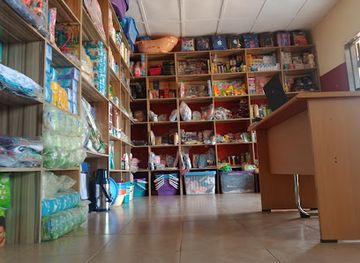
Shopping in Efik country is centred on Calabar's markets, neighbourhood trading streets, supermarkets, craft outlets and hotel-based retail rather than on a large luxury-shopping district. Visitors can look for Nigerian textiles, colourful clothing, beads, carved objects, artworks, woven goods and books connected with Cross River history, while food markets offer plantain, cassava, yams, spices, fruit and other regional produce. Some souvenirs use motifs associated with Efik culture, but buyers should ask about materials, makers and cultural meaning rather than treating every decorative item as an authentic traditional artefact. Calabar's larger commercial areas provide practical purchases, mobile services and packaged food, whereas smaller markets offer a more local atmosphere and usually require cash. Bargaining may be customary in some informal settings but is not appropriate everywhere; remain courteous and confirm the price before accepting goods. Retail options become more limited outside Calabar, so purchase specialist supplies in the city before travelling into rural communities.
-
Boutique
UniqueMike Boutique - Best male boutique in Abuja NIGERIA
Explore unique men's fashion at UniqueMike Boutique in Abuja, where style meets quality in an exceptional shopping experience.
-
Gift shop
Nikkycribe hair shoes bags cloth
Discover unique local gifts at Nikkycribe in Calabar, where quality meets affordability in a vibrant shopping experience.
-
Department store
Unique Merchandize
Discover local crafts and fashion at Unique Merchandize, the premier department store in Langtang North, Nigeria, for unforgettable souvenirs.
-
Fashion accessories store
Kwins Empire
Discover trendy accessories and exceptional service at Kwins Empire, Calabar's premier fashion destination for stylish travelers.



Get your free copy of our complete guide to Efik, delivered straight to you.
Everything on this page, from attractions and restaurants to essentials and local phrases, in one PDF you can read offline, print or share.
Already have an account? Sign in
Your Efik guide is ready.
We'll send it to · Not you? Sign out

Getting your guide ready…
We are putting together a fresh copy of the Efik guide. This can take up to a minute.
This can take a few moments. If your browser asks, choose Allow so the download can start. You'll find the guide in your Downloads folder.
Nothing happened? Download it again
Sorry, the guide is taking longer than usual. Please try again in a minute, or get it by email instead.
Efik essentials
Currency and Payment
Safety
Emergency Situations
Do's and Don'ts
Local Tips
From Eve
Local phrases worth knowing
You don't need to get them perfect. A few words go a long way, and locals appreciate the effort.
Basics
| English | Local | Say it |
|---|---|---|
| Hello | Ndeewo | [N-day-woh] |
| Goodbye | Sọọ | [Sow] |
| Yes | Ee | [Eh] |
| No | Mma | [Mm-ah] |
| Please/You're welcome | Biko | [Bee-koh] |
| Thank you | Imesi | [Ee-meh-see] |
| Excuse me/Sorry | Nkọrọ | [N-koh-roh] |
| How are you? | Kedu? | [Kay-doo] |
| Fine. And you? | Ọ dị mma. Kedu? | [Aw dee mm-ah. Kay-doo?] |
| Do you speak English? | Ị na-ekwu Bekee? | [Ee nah-ay-koo Beh-kay?] |
| I don't understand | Anaghị m aghọta | [Ah-nah-hee mm ah-go-tah] |
Eating & Drinking
| English | Local | Say it |
|---|---|---|
| I'd like to see the menu, please | Achọrọ m ịhụ menu, biko | [Ah-chaw-roh mm ee-hoo meh-noo, bee-koh] |
| I don't eat meat | Anaghị m eri anụ | [Ah-nah-hee mm eh-ree ah-noo] |
| Cheers! | Nnọọ! | [N-noh] |
| I would like to pay, please | Achọrọ m ịkwụ ụgwọ, biko | [Ah-chaw-roh mm ee-kwoo ooh-goh, bee-koh] |
Emergencies
| English | Local | Say it |
|---|---|---|
| Help! | Nkwado! | [N-kwa-doh] |
| Go away! | Pụọ! | [Poo-ah] |
| Call the Police! | Kpọọ ndị uwe ojii! | [K-poo nn-dee oo-weh oh-jee] |
| Call a doctor! | Kpọọ dọkịta! | [K-poo doh-kee-tah] |
| I'm lost | Anọ m furu efu | [Ah-naw mm foo-roo eh-foo] |
| I'm ill | Anọ m na-arịa ọrịa | [Ah-naw mm nah-ah-ree-ah oh-ree-ah] |
Shopping
| English | Local | Say it |
|---|---|---|
| I'd like to buy... | Achọrọ m ịzụta... | [Ah-chaw-roh mm ee-zoo-tah] |
| I'm just looking | Anọ m na-achọ | [Ah-naw mm nah-chaw] |
| How much is it? | Kedu ego? | [Kay-doo eh-go?] |
| That's too expensive | Ọ dị oke ọnụ | [Aw dee oh-kay oh-noo] |
| Can you lower the price? | Ị nwere ike belata ọnụ? | [Ee nweh-reh ee-kay beh-lah-tah oh-noo?] |
Time & Numbers
| English | Local | Say it |
|---|---|---|
| What time is it? | Kedu oge? | [Kay-doo oh-gay?] |
| It's one o'clock | Ọ bụ elekere otu | [Aw boo eh-leh-keh-reh oh-too] |
| Half past (10) | N'isi nke iri | [N-ee-see n-kay ee-ree] |
| Morning | Ututu | [Oo-too-too] |
| Afternoon | Ehihie | [Eh-hee-heh] |
| Evening | Mgbe | [Mm-bay] |
| Yesterday | Ezi ụnyaahụ | [Eh-zee oo-nyah-hoo] |
| Today | Taa | [Tah] |
| Tomorrow | Echi | [Eh-chee] |
| 1 | Otu | [Oh-too] |
| 2 | Abụọ | [Ah-boo-ah] |
| 3 | Atọ | [Ah-taw] |
| 4 | Anọ | [Ah-naw] |
| 5 | Ise | [Ee-seh] |
| 6 | Isii | [Ee-see-ee] |
| 7 | Asaa | [Ah-sah] |
| 8 | Asatọ | [Ah-sah-taw] |
| 9 | Itoolu | [Ee-toh-loo] |
| 10 | Iri | [Ee-ree] |
Transport & Directions
| English | Local | Say it |
|---|---|---|
| Where's a/the...? | Ebee ka ...? | [Eh-beh-kah ...?] |
| What's the address? | Kedu adreesị? | [Kay-doo ah-dree-see?] |
| Can you show me (on the map)? | Ị nwere ike igosi m (na map)? | [Ee nweh-reh ee-kay ee-goh-see mm (nah map)?] |
| When's the next (bus)? | Kedu mgbe nke na-esote (bọs)? | [Kay-doo mm-bay n-kay nah-eh-so-teh (baws)?] |
| A ticket (to ....) | Tiketi (na ...) | [Tee-keh-tee (nah ...)] |
History of Efik
Early Efik Settlement and Riverine City-States
Efik history developed around the waterways of the Cross River estuary, where communities could combine fishing, farming, canoe transport and regional commerce. Political life was organised through settlements and influential houses rather than a single central kingdom. Duke Town and Creek Town became particularly important centres, while neighbouring communities maintained their own identities and relationships. The river system enabled contact with inland peoples and coastal traders, helping establish the commercial importance of what Europeans later called Old Calabar.
Old Calabar and Atlantic Commerce
From the seventeenth century onwards, European merchants entered the Old Calabar trade, dealing through African political authorities and merchant houses. The region became a major centre in Atlantic commerce, including the export of enslaved Africans, palm produce and other goods. Efik leaders and trading families negotiated with foreign companies and competed for access to river routes. This history brought wealth and political influence to some houses while causing profound violence and displacement across the wider region. Museums in Calabar address this difficult legacy.
Missionaries, Churches and Social Change
Christian missions became increasingly influential in the nineteenth century, alongside existing Efik religious institutions and systems of education. Mission schools, churches and printing helped spread literacy and created new forms of public leadership, while local communities adapted, resisted and reshaped incoming institutions. Calabar later became associated with the Presbyterian mission and with early colonial-era education. The period changed settlement patterns, family life, political authority and the ways Efik language and culture were represented in written form.
British Control and the Protectorate Era
British commercial and political intervention intensified during the nineteenth century. Treaties, consular authority and military pressure gradually reduced the independence of Old Calabar's political houses, and the area was incorporated into the British sphere in the Niger Coast region. Calabar became an important administrative and port centre, leaving a built legacy of government premises, churches, trading compounds and roads. The colonial period also connected the region more closely with wider networks of taxation, forced and wage labour, education and Christian administration.
Calabar in Colonial Nigeria
After the formation of broader colonial administrative structures, Calabar continued to serve as a significant centre in south-eastern Nigeria. Its position near the Cross River estuary supported government, commerce and transport, while the surrounding communities retained strong local institutions and cultural practices. Colonial mapping and administration grouped diverse peoples into new territorial units, creating political boundaries that did not always correspond to older cultural landscapes. These arrangements contributed to the modern identity of Cross River State and to continuing debates about history, language and regional belonging.
Independence, Conflict and Regional Reorganisation
Nigeria's independence in 1960 brought new political arrangements, followed by periods of regional reorganisation and the crisis of the Nigerian Civil War. Calabar and the wider Cross River area experienced the effects of conflict, changes in administration and shifting economic priorities. The creation of Cross River State in 1967 gave the area a distinct state framework, although its population remained culturally diverse. Post-war development expanded roads, public institutions and tourism infrastructure while leaving historic waterfront communities and older buildings under pressure from urban change.
Cultural Renewal and Contemporary Calabar
In recent decades, Efik history has gained a more visible place in museums, cultural programming, scholarship, food traditions and public celebrations. The Calabar Carnival, established in the twenty-first century, presents contemporary performances and regional creativity rather than serving as a simple reconstruction of traditional life. Heritage institutions also interpret the Atlantic trade, missionary history and colonial rule for Nigerian and international visitors. Today, Efik identity remains expressed through language, family histories, cuisine, music, religious life and connections among Calabar and riverine communities.
Efik in Photos
Browse through our photo collection highlighting the charm and character of the destination.
Neighbouring regions of Efik
The closest regions to Efik, if you have time for more than one.
-

-

-

-

-


Swipe for more regions
Explore more
Explore more of Nigeria
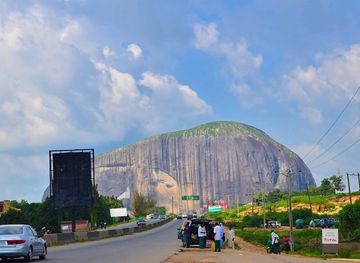
Discover Nigeria: A Land of Vibrant Cultures, Stunning Landscapes, and Rich History in the Heart of Africa.
Explore Nigeria