

Ladder Beach Travel Guide - Free Web & App
Your ultimate guide to Ladder Beach. Discover top landmarks, proposed trips, and local tips. Free on the web or via the Evendo companion app.


Ladder Beach in the Northern Mariana Islands pairs clear Saipan waters, limestone cliffs and a secluded cove with nearby history and island scenery.
A Small Beach with a Dramatic Setting
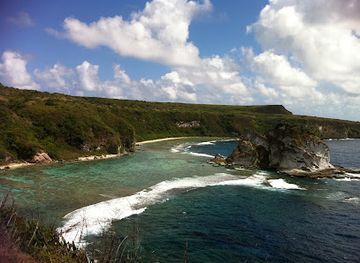
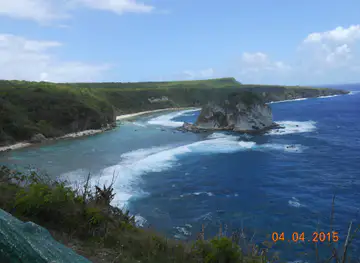
Ladder Beach lies on the south-western coast of Saipan, the principal island of the Northern Mariana Islands. It is a compact cove framed by pale limestone formations and low coastal cliffs, with clear tropical water and a quieter atmosphere than the island’s more developed resort beaches. The name refers to the historic access down the rock face, although visitors should not assume that a ladder or straightforward descent is always available; erosion, weather and local access conditions can affect the route. The beach is best understood as a natural coastal site rather than a fully serviced attraction, with no dependable expectation of toilets, lifeguards, changing facilities, shops or food outlets immediately beside the sand.Read more about Ladder Beach
South-western Saipan
When is the best time to visit Ladder Beach?
Best: June–August · 32°C| Month | High (°C) | Rainfall (mm) |
|---|---|---|
| January | 31 | 100 |
| February | 31 | 80 |
| March | 31 | 70 |
| April | 31 | 60 |
| May | 32 | 50 |
| June (best) | 32 | 40 |
| July (best) | 32 | 40 |
| August (best) | 32 | 40 |
| September | 32 | 50 |
| October | 32 | 60 |
| November | 31 | 70 |
| December | 31 | 90 |
Getting to and around Ladder Beach
How to get there
Transportation
Best attractions in Ladder Beach
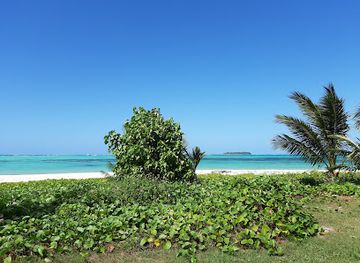
Ladder Beach is the principal attraction in this compact coastal setting, offering a small pocket of sand beneath pale limestone rock and a close view of Saipan’s reef-edged southern shoreline. The surrounding coast is more rewarding when explored as part of a wider drive rather than as a cluster of formal facilities: southern Saipan includes open coastal scenery, coral limestone terraces and landscapes connected with the island’s wartime history. Visitors may combine the beach with nearby viewpoints and historic sites elsewhere on Saipan, provided they verify access and distinguish those places from Ladder Beach itself. The cove’s atmosphere changes with tide, sunlight and swell, while the rock formations create a more enclosed setting than the island’s broad resort beaches. There is little reason to expect a visitor centre, museum, café or extensive trail network at the shore, so the attraction is primarily its geology, water and sense of seclusion within a larger island itinerary.
-
Memorial park
Korean Peace Memorial
Explore the Korean Peace Memorial in Saipan, a serene memorial park paying tribute to the sacrifices of Korean laborers during World War II, surrounded by natural beauty.
-
Park
Breakwater Park
Experience the beauty and tranquility of Breakwater Park in Tinian, a breathtaking escape with stunning sunset views and lush greenery.
Best landmarks in Ladder Beach
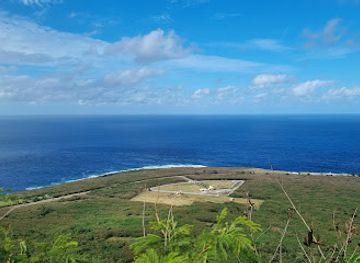
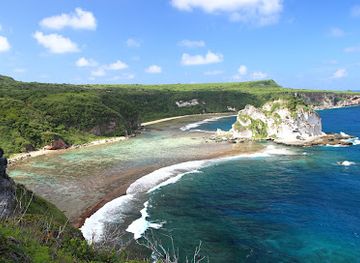
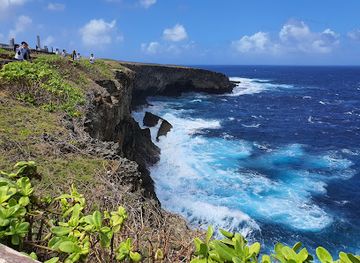
The defining landmark is Ladder Beach’s compact limestone cove, where pale coral rock, a narrow shore and reef-fringed water illustrate the coastal geology of southern Saipan. The name itself preserves the memory of a laddered or stepped approach through the rock, although the exact condition of access should be checked locally rather than assumed from older images. The beach’s significance is primarily natural and experiential, unlike Saipan’s formal war memorials and historic sites elsewhere on the island. Its cliffs and rock shelves are vulnerable to erosion, while the surrounding sea forms part of the wider coral environment that shapes Saipan’s identity. Nearby southern landscapes also carry the historical imprint of Chamorro and Carolinian settlement, Japanese-era development and the 1944 battle for Saipan, but those wider landmarks should be visited and described separately rather than presented as features located on Ladder Beach.
-
Tourist attraction
Bird Island Observatory
Explore the breathtaking vistas and vibrant wildlife at Bird Island Observatory, a top destination in Saipan's Northern Mariana Islands.
-
Tourist attraction
Banzai Cliff Monument
Discover the stunning vistas and historical depth of Banzai Cliff Monument in Saipan, a tribute to the island's past and a breathtaking natural landmark.
-
Tourist attraction
The Grotto
Explore the Grotto in Saipan, a stunning marine cave offering exceptional snorkeling, diving, and breathtaking natural beauty in the Northern Mariana Islands.
-
Memorial park
American Memorial Park
Explore American Memorial Park in Saipan, a serene memorial honoring WWII sacrifices amidst stunning natural beauty and engaging educational exhibits.
Explore Ladder Beach on the map
Plan your trip on one map. See where the top attractions, landmarks, restaurants and hotels are, and book hotels and experiences in a few clicks.
Best hotels in Ladder Beach
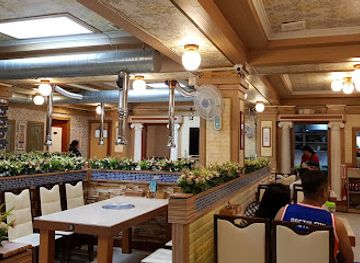
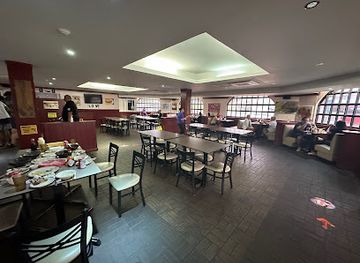
Best restaurants in Ladder Beach
Ladder Beach itself is not a dining destination and visitors should not rely on a café, restaurant or food stall beside the sand. The practical choice is to eat before travelling south or carry food purchased in one of Saipan’s established settlements, while taking all packaging away from the coast. Garapan has the island’s broadest concentration of restaurants and casual eateries, with further options in Chalan Kanoa and other populated areas; these are outside the immediate beach setting and are better bases for arranging meals and supplies. Saipan’s food culture reflects Chamorro and Carolinian traditions alongside Filipino, Japanese, Korean and American influences, with seafood, rice-based meals and dishes such as kelaguen appearing in the wider local dining scene. Availability and opening patterns vary, particularly outside the main visitor areas.
-
Restaurant
Surf Club Saipan Restaurant
Experience local flavors and stunning ocean views at Surf Club Saipan Restaurant - your culinary haven in the Northern Mariana Islands.
-
Cafe
The Shack, Saipan
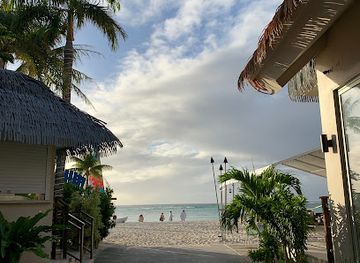
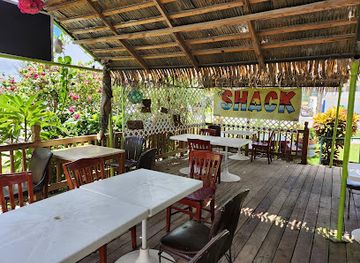
Discover The Shack in Saipan – A perfect blend of casual dining with ocean views, serving delicious breakfasts and lunches with local flair.
-
Restaurant
Yewon Restaurant
Discover the rich culinary offerings at Yewon Restaurant in Saipan - where local flavors meet international cuisine in a charming atmosphere.
-
Restaurant
J's Restaurant
Discover local flavors at J's Restaurant in Capitol Hill, Saipan - an affordable dining experience with a warm atmosphere.
Best bars in Ladder Beach
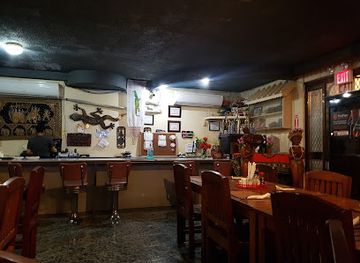
Ladder Beach has no dependable nightlife infrastructure and becomes a quiet, unlit coastal site after dark, making it unsuitable as an evening entertainment venue. Visitors seeking a drink, live atmosphere or later dining generally need to return to Saipan’s populated areas, especially Garapan, where the island’s resort-oriented hospitality and evening businesses are concentrated. Chalan Kanoa and other settlements may also provide casual local venues, but the choice is more limited than in a major city and individual businesses can change. Evening visits to the beach should not be treated as a substitute for organised entertainment: there may be no lighting, staff, toilets or immediate assistance, and sea conditions and rock access are harder to judge after sunset.
-
Bar
Godfather's Bar
Experience Saipan's vibrant nightlife at Godfather's Bar, where great drinks, live music, and friendly vibes await you.
-
Grill
Wild Bill's Bar & Grill
Discover a fusion of flavors at Wild Bill's Bar & Grill in Garapan, Saipan, where American classics meet Asian delights in a welcoming atmosphere.
-
Grill
Oleai Beach Bar & Grill
Experience the flavors of Saipan at Oleai Beach Bar & Grill, where stunning ocean views meet delicious local cuisine in a relaxed atmosphere.
-
Restaurant
Naked Fish Bar & Grill
Naked Fish Bar & Grill offers a perfect blend of fresh seafood, vibrant atmosphere, and live music on the beautiful shores of Saipan.

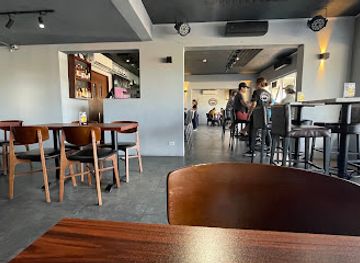
Best nightclubs in Ladder Beach
Ladder Beach has no dependable nightlife infrastructure and becomes a quiet, unlit coastal site after dark, making it unsuitable as an evening entertainment venue. Visitors seeking a drink, live atmosphere or later dining generally need to return to Saipan’s populated areas, especially Garapan, where the island’s resort-oriented hospitality and evening businesses are concentrated. Chalan Kanoa and other settlements may also provide casual local venues, but the choice is more limited than in a major city and individual businesses can change. Evening visits to the beach should not be treated as a substitute for organised entertainment: there may be no lighting, staff, toilets or immediate assistance, and sea conditions and rock access are harder to judge after sunset.
-
Bar
Godfather's Bar
Discover the vibrant nightlife at Godfather's Bar in Saipan, offering delicious drinks and a lively atmosphere that's perfect for socializing.
-
Grill
Oleai Beach Bar & Grill
Discover the best of Saipan at Oleai Beach Bar & Grill - delicious food, stunning views, and a vibrant atmosphere await you.
-
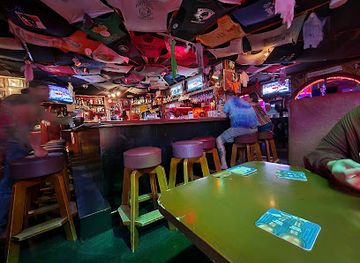
Bar
Skipper's Beach Bar
Discover the vibrant atmosphere of Skipper's Beach Bar, where delicious cocktails and stunning ocean views create an unforgettable experience in Saipan.
-
Restaurant
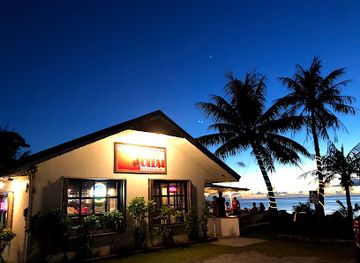
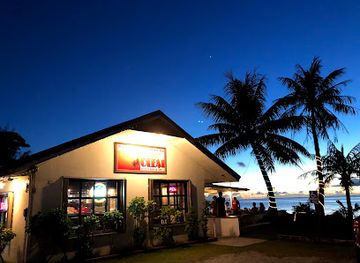
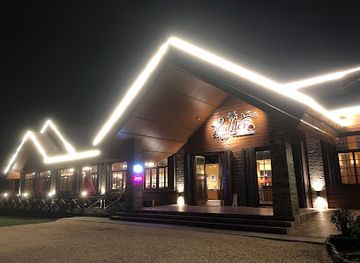
拉德悬崖餐厅 Ladder Beach Restaurant
Experience exquisite dining at Ladder Beach Restaurant, where culinary delights meet breathtaking ocean views in Saipan's serene paradise.
Best shops in Ladder Beach
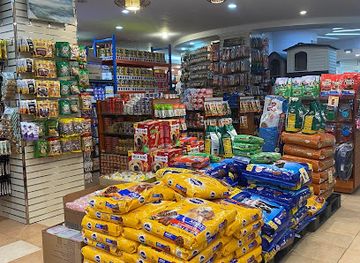
There is no meaningful shopping scene at Ladder Beach, and visitors should buy water, food, sun protection and other essentials before travelling to the coast. Garapan and Chalan Kanoa are the most practical nearby settlements for general retail, groceries, souvenirs and services, while Saipan’s broader visitor economy includes locally themed crafts, island clothing, artwork and regional food products. The range changes between established commercial areas and smaller neighbourhood shops, so a remote beach visit should not depend on finding supplies en route. Purchases connected with Chamorro and Carolinian culture are best approached with attention to provenance and respectful representation, while coral, shells, archaeological objects and wartime fragments should never be collected from the shore.
-
Outlet store
I Love Saipan Outlet Store, Middle Road
Discover the best deals and unique local finds at I Love Saipan Outlet Store, your ultimate shopping destination in Saipan.
-
Gift shop
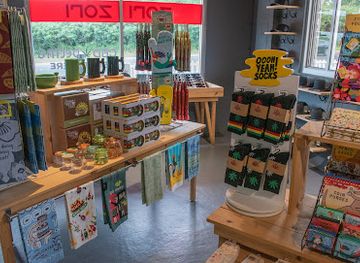
Zori Zori
Explore Zori Zori Gift Shop in Saipan for unique souvenirs and local crafts that capture the essence of the Northern Mariana Islands.
-
Grocery store
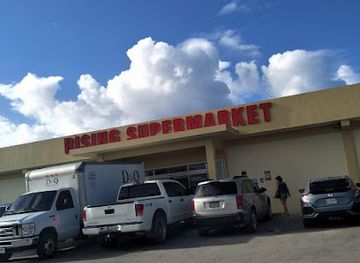
Rising Supermarket
Discover local flavors and essentials at Rising Supermarket, your go-to grocery store in Saipan, Northern Mariana Islands.
-
Duty free store
DFS, Saipan International Airport
Explore DFS at Saipan International Airport for exclusive duty-free shopping on luxury goods, cosmetics, and unique souvenirs in a convenient travel hub.

Get your free copy of our complete guide to Ladder Beach, delivered straight to you.
Everything on this page, from attractions and restaurants to essentials and local phrases, in one PDF you can read offline, print or share.
Already have an account? Sign in
Your Ladder Beach guide is ready.
We'll send it to · Not you? Sign out

Getting your guide ready…
We are putting together a fresh copy of the Ladder Beach guide. This can take up to a minute.
This can take a few moments. If your browser asks, choose Allow so the download can start. You'll find the guide in your Downloads folder.
Nothing happened? Download it again
Sorry, the guide is taking longer than usual. Please try again in a minute, or get it by email instead.
Ladder Beach essentials
Currency and Payment
Safety
Emergency Situations
Do's and Don'ts
Local Tips
From Eve
Local phrases worth knowing
You don't need to get them perfect. A few words go a long way, and locals appreciate the effort.
Basics
| English | Local | Say it |
|---|---|---|
| Hello | Håfa Adai | [hah-fah ah-die] |
| Goodbye | Adios | [ah-dyose] |
| Yes | Håguaiya | [hah-gwai-ya] |
| No | Ti | [tee] |
| Please/You're welcome | Parat | [pah-raht] |
| Thank you | Si Yu'os Ma'åse | [see yoo-oss mah-ah-say] |
| Excuse me/Sorry | Kaluah | [kah-loo-ah] |
| How are you? | Ñot na'sångan-mu? | [nyot nah-sang-gan-moo] |
| Fine. And you? | Må'åse. Ña'sångan-hu? | [mah-ah-say. nyah-sang-gan-hoo] |
| Do you speak English? | Kao hao magof English? | [kow how mah-gof english] |
| I don't understand | Ti hu tungo' yu' | [tee hoo toong-o yoo] |
Eating & Drinking
| English | Local | Say it |
|---|---|---|
| I'd like to see the menu, please | Lågu hao gi i menyu, put fabot | [lah-goo how gee ee men-yoo, poot fah-bote] |
| I don't eat meat | Ti hu manngañåk | [tee hoo mah-nang-gan-yak] |
| Cheers! | Biba! | [bee-bah] |
| I would like to pay, please | Lågu hao gi i biya, put fabot | [lah-goo how gee ee bee-yah, poot fah-bote] |
Emergencies
| English | Local | Say it |
|---|---|---|
| Help! | Ayuda! | [ah-yoo-dah] |
| Go away! | Måguåhan | [mah-gwah-hahn] |
| Call the Police! | Mungge hao siha | [moong-gey how see-hah] |
| Call a doctor! | Mungge hao manåmko | [moong-gey how mah-nahm-koh] |
| I'm lost | Ti hu fa'åsen | [tee hoo fah-ah-sen] |
| I'm ill | Ti hu sumåtte | [tee hoo soo-mah-teh] |
Shopping
| English | Local | Say it |
|---|---|---|
| I'd like to buy... | Lågu hao gi i... | [lah-goo how gee ee] |
| I'm just looking | Ti hu manngågåg | [tee hoo mah-nang-gang] |
| How much is it? | Bente kuantos? | [ben-teh kwahn-tose] |
| That's too expensive | Må'åse para | [mah-ah-say pah-rah] |
| Can you lower the price? | Må'åse para i prisu? | [mah-ah-say pah-rah ee pree-soo] |
Time & Numbers
| English | Local | Say it |
|---|---|---|
| What time is it? | Kuantos na gualåyu? | [kwahn-tose nah gwah-lah-yoo] |
| It's one o'clock | Gualåyu i manmano | [gwah-lah-yoo ee mah-nmah-no] |
| Half past (10) | Mampinit (10) | [mahm-pee-neet (ten)] |
| Morning | Mananågüe | [mah-nah-nah-gweh] |
| Afternoon | Chalan Påttan | [chah-lahn pah-tahn] |
| Evening | Tåtdes | [taht-des] |
| Yesterday | Gåiåni | [gah-ee-ah-nee] |
| Today | Ånai | [ah-nah-ee] |
| Tomorrow | Ñåñi | [nyah-nyee] |
| 1 | Maima | [mah-ee-mah] |
| 2 | Måttat | [mah-taht] |
| 3 | Lågu | [lah-goo] |
| 4 | Fatfat | [faht-faht] |
| 5 | Lima | [lee-mah] |
| 6 | Gualu | [gwah-loo] |
| 7 | Fitu | [fee-too] |
| 8 | Guåhu | [gwah-hoo] |
| 9 | Sigua | [see-gwah] |
| 10 | Månot | [mah-not] |
Transport & Directions
| English | Local | Say it |
|---|---|---|
| Where's a/the...? | Ayu na... | [ah-yoo nah] |
| What's the address? | Siha i direksion? | [see-hah ee dee-rek-see-on] |
| Can you show me (on the map)? | Mumungge hao gi (gi i mapa)? | [moo-moong-gey how gee (gee ee mah-pah)] |
| When's the next (bus)? | Kuantos na i siniente (bus)? | [kwahn-tose nah ee see-nyen-teh (bus)] |
| A ticket (to ....) | Un bihete (gi ....) | [oon bee-heh-teh (gee)] |
History of Ladder Beach
Limestone Coast and Island Formation
Ladder Beach belongs to Saipan’s wider limestone coastline, shaped by uplifted coral material, marine erosion and tropical weathering over geological timescales. The small cove, rock shelves and pale cliff faces reflect the island’s position on the island arc of the western Pacific rather than a human-made beach design. Understanding this setting explains why access can be uneven and why the shoreline is sensitive to waves, storms and gradual erosion. The beach’s physical form is therefore part of Saipan’s broader coastal history, in which reef limestone has produced terraces, cliffs, caves and sheltered pockets of sand around the island.
Chamorro and Carolinian Heritage
Saipan has long been home to Chamorro communities, while Carolinian people also established a significant presence in the Northern Mariana Islands, particularly from the nineteenth century onwards. Their maritime knowledge, subsistence practices and connections between island communities form an essential part of the cultural history surrounding Ladder Beach, even though the cove itself is not a major urban settlement or monumental site. Contemporary Saipan remains shaped by both traditions, and visitors should regard small coastal places as part of a lived island environment rather than as scenery detached from local community life.
Spanish and Japanese Rule
The Northern Mariana Islands came under Spanish colonial rule from the seventeenth century, before administration passed to Germany in 1899 and then to Japan in 1914 after the First World War. Saipan developed more intensively during the Japanese period, when sugar production transformed land use, settlement and infrastructure across the island. The southern coastal landscape around Ladder Beach is consequently connected to a wider history of plantation agriculture, regional migration and Japanese administration, although the beach itself is not chiefly known for surviving grand colonial architecture.
War, Reconstruction and Coastal Conservation
Saipan was a major battlefield during the Pacific War in 1944, and historical sites across the island record the violence and displacement associated with the campaign. After the war, the island developed within the United States-administered Trust Territory system and later became part of the Commonwealth of the Northern Mariana Islands in political union with the United States. Tourism subsequently expanded around Saipan’s beaches, reefs and wartime heritage, while smaller coastal sites such as Ladder Beach have retained a relatively natural character. Their future depends on careful access, respect for historic landscapes and protection of fragile limestone and reef environments.
Ladder Beach in Photos
Browse through our photo collection highlighting the charm and character of the destination.
Cities in Ladder Beach
The towns and cities of Ladder Beach, and the easiest places to base yourself.
-

-
-
-

-

-


Swipe for more cities
Neighbouring destination travel guides
The closest destinations to Ladder Beach, if you have time for more than one.
-

-
-

-

-


Swipe for more destinations
Explore more

Explore more of Northern Mariana Islands
Uncover the beauty of Northern Mariana Islands, a tropical paradise with stunning beaches, rich history, and diverse cultures, perfect for a serene and adventurous getaway.
Explore Northern Mariana Islands