

Gudvangen Travel Guide - Free Web & App
Your ultimate guide to Gudvangen. Discover top landmarks, proposed trips, and local tips. Free on the web or via the Evendo companion app.


Gudvangen, Norway, sits beside the Nærøyfjord with Viking heritage, dramatic valleys, fjord cruises, kayaking and scenic routes through western Norway.
Fjord, Valley and Village
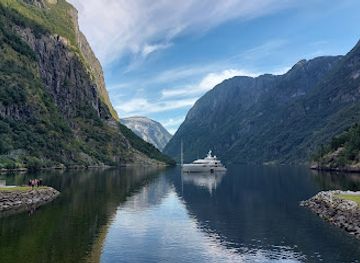
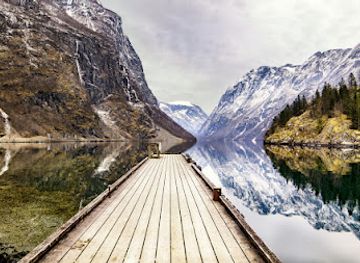
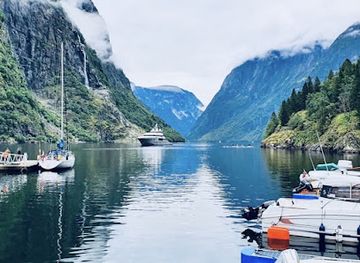
Gudvangen lies at the head of the Nærøyfjord in western Norway, where the narrow waterway meets the broad, glacially shaped Nærøydalen valley. Steep mountains rise sharply from the fjord, while waterfalls, wooded slopes and high plateaux create a landscape that changes dramatically with the weather and light. The village is small, but its geographical position makes it one of the most important access points to the UNESCO-listed West Norwegian Fjords.Read more about Gudvangen
History and Living Heritage
Exploring the Nærøyfjord
When is the best time to visit Gudvangen?
Best: June–August · 19–20°C| Month | High (°C) | Rainfall (mm) |
|---|---|---|
| January | 2 | 70 |
| February | 1 | 60 |
| March | 5 | 50 |
| April | 10 | 40 |
| May | 15 | 30 |
| June (best) | 19 | 20 |
| July (best) | 20 | 20 |
| August (best) | 19 | 25 |
| September | 15 | 45 |
| October | 10 | 55 |
| November | 6 | 65 |
| December | 3 | 75 |
Getting to and around Gudvangen
How to get there
Transportation
Best attractions in Gudvangen
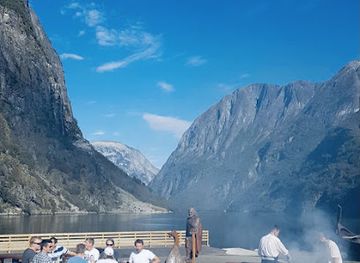
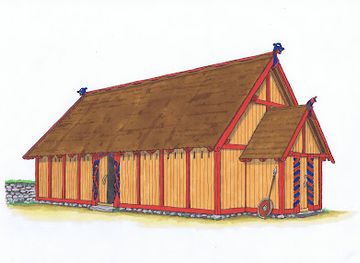
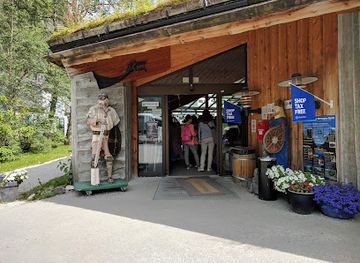
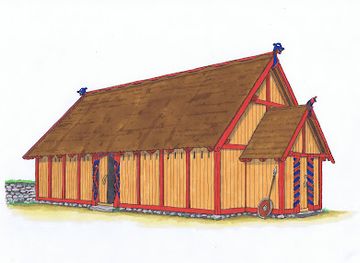
The Nærøyfjord is Gudvangen’s defining attraction, narrowing between steep mountain walls as boat journeys pass waterfalls, wooded slopes and small settlements at the water’s edge. The fjord is part of the UNESCO-listed West Norwegian Fjords World Heritage property and is best understood from the water as well as from shore. In the village, Njardarheimr’s Viking Valley presents reconstructed buildings, craft demonstrations and interpreters exploring aspects of Viking-Age life. Nærøydalen extends inland from Gudvangen through a dramatic valley landscape shaped by glaciers, with roads and viewpoints revealing the scale of the surrounding mountains. Nearby Bakka provides access to a smaller fjord community and walking opportunities, subject to local conditions. Gudvangen also serves as a practical starting point for excursions towards Flåm and Aurland, although those settlements and their attractions lie outside Gudvangen itself. The wider area combines scenic drives, fjord transport, heritage interpretation and independent walking rather than a dense concentration of conventional visitor attractions.
-
Tourist attraction
Brekkefossen
Discover the breathtaking Brekkefossen waterfall in Flåm, Norway, surrounded by stunning landscapes and majestic fjords.
-
Church
Flåm Church
Discover the enchanting Flåm Church, where spirituality meets stunning fjord landscapes in Norway's picturesque village.
-
Tourist attraction
Vedahaugane
Experience the breathtaking beauty of Vedahaugane in Aurland, Norway—a scenic spot that promises stunning views and serene nature.
-
Tourist attraction
Njardarheimr
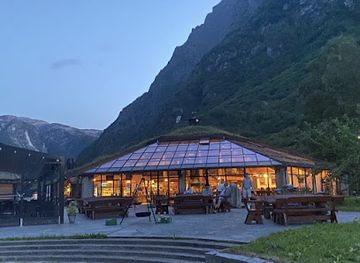
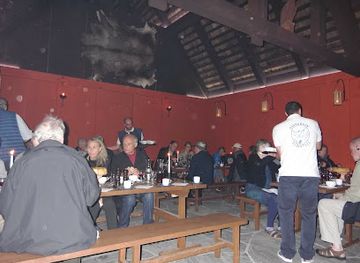
Experience the Viking Age at Njardarheimr, Gudvangen's immersive cultural center showcasing authentic Viking life through crafts, storytelling, and delicious cuisine.


Best landmarks in Gudvangen
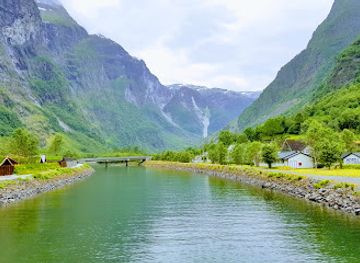
The Nærøyfjord is Gudvangen’s principal natural landmark, distinguished by its narrow channel, deep water and precipitous mountains rising directly from the shore. Its inclusion within the West Norwegian Fjords World Heritage property reflects the exceptional relationship between geological form, natural processes and historic settlement. Nærøydalen is the corresponding inland landmark, a long glacial valley that carries the road route towards Voss and frames Gudvangen with high ridges and waterfalls. The village’s cultural landmark is Njardarheimr, the reconstructed Viking Valley, which interprets Norse life through buildings, crafts and storytelling rather than presenting an original medieval town. The small fjord settlement of Bakka, reached nearby along the Nærøyfjord, illustrates the dispersed communities that historically depended on water access. These features are significant together: the fjord shaped movement, the valley provided an inland passage, and the limited level ground determined the form of settlement.
-
Tourist attraction
Viking Valley
Explore the rich Viking heritage at Viking Valley, an immersive cultural experience in the heart of Norway's stunning landscapes.
-
Hotel
Gudvangen Fjordtell
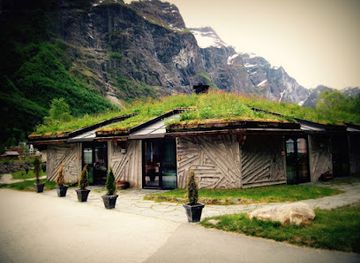
Discover the enchanting Gudvangen Fjordtell, a serene hotel nestled in Norway's breathtaking fjords, perfect for adventure and relaxation.
-
Campground
Gudvangen Camping
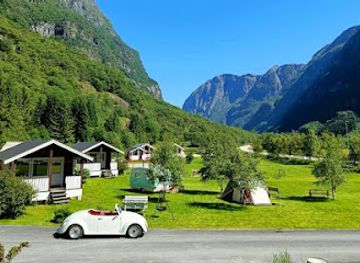
Discover Gudvangen Camping: A stunning campground nestled in Norway's fjords, perfect for nature lovers and adventure seekers alike.
-
Canoe & kayak tour agency
Nordic Ventures AS
Explore the breathtaking fjords of Norway with Nordic Ventures AS, your gateway to unforgettable kayaking adventures in Gudvangen's stunning landscapes.
Explore Gudvangen on the map
Plan your trip on one map. See where the top attractions, landmarks, restaurants and hotels are, and book hotels and experiences in a few clicks.
Best hotels in Gudvangen
Best restaurants in Gudvangen
Dining in Gudvangen is concentrated around its small collection of accommodation, visitor and transport facilities rather than a broad restaurant district. Seasonal cafés and food outlets serve travellers arriving for the Nærøyfjord, while the Viking Valley experience may provide food inspired by Norse ingredients and cooking traditions during its operating periods. Regional cuisine across western Norway commonly draws on lamb, dairy produce, cured meats, potatoes, berries and freshwater or coastal fish, although menus vary by establishment. Visitors staying in self-catering accommodation can find a wider range of provisions in larger nearby settlements, while Flåm, Aurland and Voss, outside Gudvangen, offer more extensive dining choices. Because opening patterns can be seasonal and the village is small, it is sensible to check meal arrangements in advance, especially when arriving late or travelling outside the main summer period.
-
Hotel
Gudvangen Fjordtell
Experience the breathtaking beauty of Norway at Gudvangen Fjordtell - your gateway to fjords and Viking heritage.
-
Cafeteria
Viking Kroa
Savor traditional Norwegian cuisine in Gudvangen's cozy cafeteria with stunning fjord views.
-
Restaurant
Gudvangen seafood restaurant (SJØMATRESTAURANTEN)
Experience authentic Norwegian cuisine at Gudvangen Seafood Restaurant with stunning fjord views and fresh local seafood.
-
Restaurant
Gudvangen À la carte restaurant (KONGSHALLEN)
Experience authentic Norwegian cuisine amidst breathtaking fjord views at Gudvangen À la carte restaurant (KONGSHALLEN).
Best bars in Gudvangen
Gudvangen does not have a conventional nightlife district or a concentration of nightclubs. Evening life is generally low-key, centred on the bar or lounge facilities of accommodation and on seasonal hospitality connected with fjord travel and the Viking Valley. The atmosphere is better suited to a quiet drink, conversation and views of the darkening valley than to late-night entertainment. Occasional cultural programming or heritage events may provide evening activity, but these should not be assumed to operate year-round. Visitors seeking a wider choice of pubs, bars or live entertainment will find more options in Voss, while Flåm and Aurland provide additional hospitality outside Gudvangen; reaching them at night requires planning because rural transport is limited.
-
Brewpub
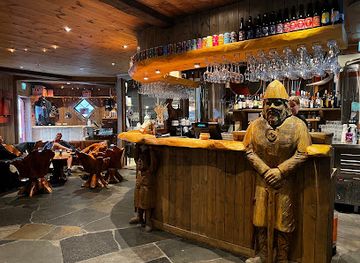
Ægir microbrewery
Discover the essence of Norwegian brewing at Ægir Microbrewery in Flåm, where tradition meets flavor in a stunning Viking-inspired setting.
-
Hotel
Gudvangen Fjordtell
Discover the enchanting beauty of Gudvangen Fjordtell, your perfect retreat in the heart of Norway's stunning fjord landscapes.
-
Bar
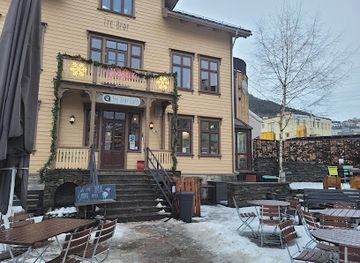
Tre Brør Kaffi & Vin
Experience the perfect blend of coffee culture and wine selection at Tre Brør Kaffi & Vin in Vossevangen, Norway.
-
Grocery store
Shell TruckDiesel
Explore Gudvangen and fuel up with local delights at Shell TruckDiesel, your one-stop shop for groceries and gas in Norway's breathtaking landscapes.
Best nightclubs in Gudvangen
Gudvangen does not have a conventional nightlife district or a concentration of nightclubs. Evening life is generally low-key, centred on the bar or lounge facilities of accommodation and on seasonal hospitality connected with fjord travel and the Viking Valley. The atmosphere is better suited to a quiet drink, conversation and views of the darkening valley than to late-night entertainment. Occasional cultural programming or heritage events may provide evening activity, but these should not be assumed to operate year-round. Visitors seeking a wider choice of pubs, bars or live entertainment will find more options in Voss, while Flåm and Aurland provide additional hospitality outside Gudvangen; reaching them at night requires planning because rural transport is limited.
-
Hotel
Gudvangen Fjordtell
Discover Norway's breathtaking landscapes while staying at Gudvangen Fjordtell, your perfect retreat in the heart of Nærøyfjord.
-
Grocery store
Shell TruckDiesel
Experience convenience and local flavors at Shell TruckDiesel, your go-to grocery store and gas station in scenic Gudvangen, Norway.
-
Cultural center
Njardarheimr
Explore the Viking Age at Njardarheimr, a living history museum that immerses you in Norway's rich cultural heritage.
-
 Hotel
HotelGudvangen Budget Hotel
Discover the beauty of Gudvangen with affordable stays at Gudvangen Budget Hotel, your perfect base for exploring Norway's stunning landscapes.
Best shops in Gudvangen
Shopping in Gudvangen is limited and closely connected with tourism, heritage and travel through the fjord. Njardarheimr’s Viking Valley has craft and interpretive retail associated with its Viking theme, while seasonal visitor outlets may stock souvenirs, local food products and practical items for travellers. The village is not a shopping centre, so visitors should not expect a permanent market or a wide range of independent shops. More substantial grocery shopping, outdoor equipment and regional retail are available in larger settlements such as Voss, with additional visitor-oriented shops in Flåm and Aurland outside Gudvangen. Regional purchases may include woollen goods, food specialities, woodwork and locally made crafts, but stock and opening patterns vary. Buying from genuine local producers and established craft businesses helps distinguish regional products from generic souvenirs.
-
Tourist attraction
Viking Valley
Discover the Viking heritage at Viking Valley, an immersive cultural center showcasing the rich history and traditions of the Norse people.
-
Grocery store
Shell TruckDiesel
Explore Gudvangen with ease at Shell TruckDiesel - your friendly grocery store and gas station in Norway's stunning fjords.
-
Cultural center
Njardarheimr
Experience the Viking Age at Njardarheimr, where history comes alive with authentic buildings, crafts, and cultural activities amid breathtaking fjord landscapes.
-
Gas station
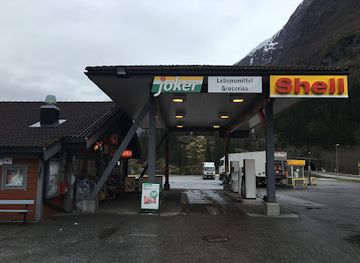
SHELL GUDVANGEN
Discover SHELL GUDVANGEN: Your essential pit-stop for fuel and convenience in Norway's majestic fjords.
Get your free copy of our complete guide to Gudvangen, delivered straight to you.
Everything on this page, from attractions and restaurants to essentials and local phrases, in one PDF you can read offline, print or share.
Already have an account? Sign in
Your Gudvangen guide is ready.
We'll send it to · Not you? Sign out

Getting your guide ready…
We are putting together a fresh copy of the Gudvangen guide. This can take up to a minute.
This can take a few moments. If your browser asks, choose Allow so the download can start. You'll find the guide in your Downloads folder.
Nothing happened? Download it again
Sorry, the guide is taking longer than usual. Please try again in a minute, or get it by email instead.
Gudvangen essentials
Currency and Payment
Safety
Emergency Situations
Do's and Don'ts
Local Tips
From Eve
Local phrases worth knowing
You don't need to get them perfect. A few words go a long way, and locals appreciate the effort.
Basics
| English | Local | Say it |
|---|---|---|
| Hello | Hei | [hey] |
| Goodbye | Ha det bra | [ha deh brah] |
| Yes | Ja | [yah] |
| No | Nei | [nay] |
| Please/You're welcome | Vær så god | [vair soh goh] |
| Thank you | Takk | [tahk] |
| Excuse me/Sorry | Unnskyld | [oonn-shield] |
| How are you? | Hvordan har du det? | [vor-dan har doo deh] |
| Fine. And you? | Bra. Og du? | [brah oh doo] |
| Do you speak English? | Snakker du engelsk? | [snahk-er doo eng-elsk] |
| I don't understand | Jeg forstår ikke | [yay for-stor eek-keh] |
Eating & Drinking
| English | Local | Say it |
|---|---|---|
| I'd like to see the menu, please | Jeg vil gjerne se menyen, takk | [yay veal yeer-neh seh men-yen, tahk] |
| I don't eat meat | Jeg spiser ikke kjøtt | [yay spee-ser eek-keh shøt] |
| Cheers! | Skål! | [skohl] |
| I would like to pay, please | Jeg vil gjerne betale, takk | [yay veal yeer-neh beh-tah-leh, tahk] |
Emergencies
| English | Local | Say it |
|---|---|---|
| Help! | Hjelp! | [yelp] |
| Go away! | Gå bort! | [goh bohrt] |
| Call the Police! | Ring politiet! | [reeng poo-lee-tee-eh] |
| Call a doctor! | Ring en lege! | [reeng ehn lay-geh] |
| I'm lost | Jeg har gått meg vill | [yay har goht may veehl] |
| I'm ill | Jeg er syk | [yay ehr seek] |
Shopping
| English | Local | Say it |
|---|---|---|
| I'd like to buy... | Jeg vil kjøpe... | [yay veal shø-peh] |
| I'm just looking | Jeg bare ser | [yay bah-reh sair] |
| How much is it? | Hvor mye koster det? | [vor mew-eh koss-ter deh] |
| That's too expensive | Det er for dyrt | [deh ehr for deert] |
| Can you lower the price? | Kan du senke prisen? | [kahn doo sen-keh pree-sen] |
Time & Numbers
| English | Local | Say it |
|---|---|---|
| What time is it? | Hva er klokka? | [vah ehr klok-ka] |
| It's one o'clock | Klokken er ett | [klok-ken ehr et] |
| Half past (10) | Halv ti | [halv tee] |
| Morning | Morgen | [mor-gen] |
| Afternoon | Ettermiddag | [et-ter-mee-dahg] |
| Evening | Kveld | [kveld] |
| Yesterday | I går | [ee gor] |
| Today | I dag | [ee dahg] |
| Tomorrow | I morgen | [ee mor-gen] |
| 1 | En | [en] |
| 2 | To | [too] |
| 3 | Tre | [treh] |
| 4 | Fire | [fee-reh] |
| 5 | Fem | [fem] |
| 6 | Seks | [seks] |
| 7 | Syv | [siv] |
| 8 | Åtte | [ot-teh] |
| 9 | Ni | [nee] |
| 10 | Ti | [tee] |
Transport & Directions
| English | Local | Say it |
|---|---|---|
| Where's a/the...? | Hvor er...? | [vor ehr] |
| What's the address? | Hva er adressen? | [vah ehr ah-dres-sen] |
| Can you show me (on the map)? | Kan du vise meg (på kartet)? | [kahn doo vee-seh may (poh kar-teh)] |
| When's the next (bus)? | Når går neste (buss)? | [nar gor nehs-teh (boos)] |
| A ticket (to ....) | En billett (til ....) | [en bee-leht (teel)] |
History of Gudvangen
A Glacially Shaped Landscape
Gudvangen’s setting was formed over immense geological timescales as glaciers deepened existing valleys and fjord channels in the mountains of western Norway. The Nærøyfjord is a particularly narrow branch of the Sognefjord, while Nærøydalen provides a natural inland route from the fjord towards Voss. The contrast between deep water, near-vertical mountain sides and elevated valleys explains both the area’s striking scenery and the practical difficulty of settlement and travel. These landforms are geological features rather than products of human history, but they have determined where farms, roads, paths and harbour facilities could develop.
Old Norse Settlement and Travel
Gudvangen’s name is linked to Old Norse, reflecting the long history of Norse settlement and movement through the fjord landscape. The sheltered head of the fjord offered a landing place, while Nærøydalen connected the waterway with the interior. Small farms and communities developed where cultivable ground was available, often on terraces or narrow strips beside the water. Travel by boat was essential, and the fjord functioned as a route between settlements rather than a barrier. The area’s modern Viking interpretation draws on this broader Norse heritage, although the reconstructed setting at Njardarheimr is a visitor experience rather than an archaeological settlement.
Fjord Communities and Rural Change
For centuries, communities around the Nærøyfjord combined small-scale farming with fishing, animal husbandry and transport. Steep terrain limited agricultural land, so hay meadows, grazing areas and carefully managed woodland were important to household economies. Boats connected settlements such as Gudvangen and Bakka with one another and with the larger Sognefjord network. Modern roads and tunnels gradually reduced the isolation of the valley, but they also altered the pattern of travel: journeys that once depended on water and mountain paths increasingly used roads. Traditional farms and open cultural landscapes remain important evidence of this relationship between people and difficult terrain.
Tourism and World Heritage
Travel through the fjords expanded as western Norway became known to visitors during the nineteenth century, when dramatic scenery attracted European travellers, artists and organised excursions. Gudvangen’s position at the end of the Nærøyfjord later made it a practical interchange between road journeys and fjord cruises. The Nærøyfjord forms part of the West Norwegian Fjords World Heritage property, inscribed by UNESCO in 2005 together with the Geirangerfjord area. The designation recognises exceptional fjord landscapes and places greater emphasis on protecting natural features, cultural landscapes and the character of local communities as visitor numbers grow.
Gudvangen in Photos
Browse through our photo collection highlighting the charm and character of the destination.
Neighbouring destination travel guides
The closest destinations to Gudvangen, if you have time for more than one.
-

-

-

-

-


Swipe for more destinations
Explore more

Explore more of Vestlandet
Explore Vestlandet, Norway's picturesque region of fjords, mountains, and historic towns, offering breathtaking landscapes and rich cultural experiences.
Explore Vestlandet
Explore more of Norway
Explore Norway's spectacular fjords, vibrant cities, and natural wonders. Experience the Northern Lights, Midnight Sun, and rich cultural heritage in this Scandinavian gem.
Explore Norway