

Flåm Travel Guide - Free Web & App
Your ultimate guide to Flåm. Discover top landmarks, proposed trips, and local tips. Free on the web or via the Evendo companion app.


Flåm, Norway: explore the Flåm Railway, Sognefjord cruises, waterfalls and Nærøyfjord UNESCO landscapes from a scenic fjord village base.
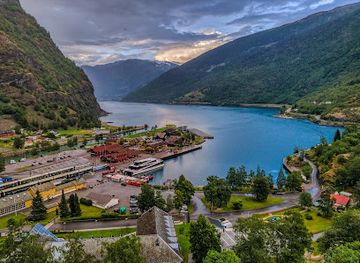
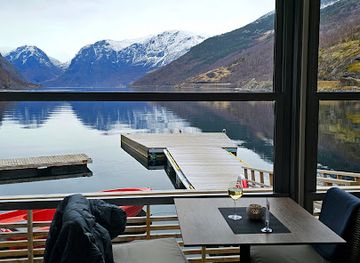
A Village at the Head of Aurlandsfjord
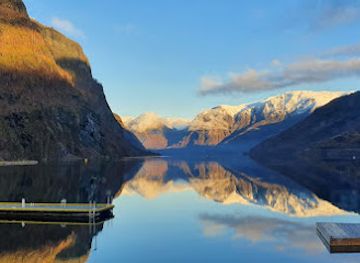
Flåm lies at the innermost end of Aurlandsfjord, an arm of Norway’s Sognefjord, where steep mountains descend towards a narrow strip of settlement and farmland. The village is small, but its position makes it one of western Norway’s most recognised gateways to the fjord country. Water, rock and cultivated valley floor define the landscape: the Flåmselvi runs through the valley, while high mountain roads, waterfalls and deep side valleys lead inland from the waterfront.Read more about Flåm
The Flåm Railway and Fjord Country
Outdoor Experiences and Local Heritage
When is the best time to visit Flåm?
Best: June–August · 22–24°C| Month | High (°C) | Rainfall (mm) |
|---|---|---|
| January | 4 | 60 |
| February | 4 | 50 |
| March | 5 | 50 |
| April | 11 | 40 |
| May | 18 | 40 |
| June (best) | 22 | 40 |
| July (best) | 24 | 50 |
| August (best) | 23 | 60 |
| September | 17 | 70 |
| October | 13 | 80 |
| November | 8 | 90 |
| December | 4 | 80 |
Getting to and around Flåm
How to get there
Transportation
Best attractions in Flåm
The Flåm Railway is the area’s defining attraction, climbing from the fjord to Myrdal through the Flåmsdalen valley, with the Flåm Railway Museum at the village station explaining the line’s construction and operation. From the waterfront, fjord cruises and passenger boats provide access to Aurlandsfjord and the narrower Nærøyfjord, whose steep sides, waterfalls and cultural landscapes form part of the West Norwegian Fjords UNESCO World Heritage property. Brekkefossen is a prominent waterfall above the valley and a destination for a demanding walk, while Flåm Church offers a historic counterpoint to the modern transport hub. The Otternes farm settlement, between Flåm and Aurland, preserves a group of traditional farm buildings and views over the fjord. In the wider Aurland area, the Stegastein viewpoint projects above Aurlandsfjord, although it lies outside Flåm itself and is reached by road rather than from the village centre.
-
Park
Fretheimshaugane
Experience the natural beauty of Fretheimshaugane, a tranquil park in Aurland, Norway, perfect for relaxation and outdoor adventures.
-
City park
Fretheim Cultural Park
Explore the natural beauty and cultural richness of Fretheim Cultural Park, a serene escape in Flåm, Norway, perfect for relaxation and inspiration.

Best landmarks in Flåm
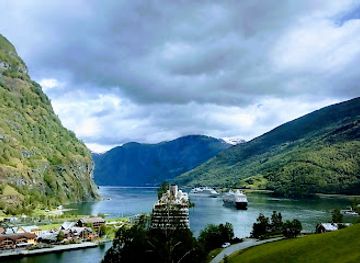
Aurlandsfjord is Flåm’s defining natural landmark, narrowing inland between steep mountain walls and connecting the village to the wider Sognefjord system. The Flåm Railway is both a transport route and a landmark of twentieth-century railway engineering, notable for its dramatic climb from the fjord to Myrdal. Flåm Church, a wooden church dating from 1667, represents the valley’s older agricultural and religious history. Brekkefossen marks the steep transition between the settled valley and the mountains, while the Otternes farm settlement preserves historic rural buildings above the fjord. In the nearby Aurland area, Stegastein is a prominent modern viewpoint over the water, but it is outside Flåm itself. The Nærøyfjord landscape, reached by water or road connections, is internationally recognised within the West Norwegian Fjords UNESCO World Heritage property.
-
Tourist attraction
Flåmsbana
Experience the breathtaking beauty of Norway aboard the Flåmsbana, a scenic railway journey through majestic fjords and stunning landscapes.
-
Outdoor activity organiser
FjordSafari - Flam Guide Service AS
Experience the breathtaking fjords of Norway with FjordSafari in Flåm, offering unforgettable outdoor adventures and stunning natural landscapes.
-
Museum
Flam Railway Museum
Explore the Flam Railway Museum, where history, scenic beauty, and the marvels of rail travel converge in the heart of Norway's fjord region.
-
City park
Fretheim Cultural Park
Experience the tranquil beauty of Fretheim Cultural Park in Flåm, Norway, where lush landscapes meet stunning fjord views.
Explore Flåm on the map
Plan your trip on one map. See where the top attractions, landmarks, restaurants and hotels are, and book hotels and experiences in a few clicks.
Best hotels in Flåm
Best restaurants in Flåm
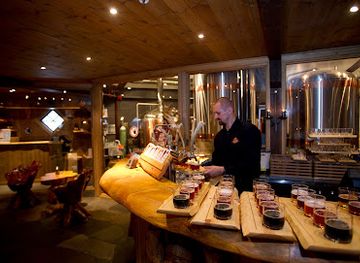
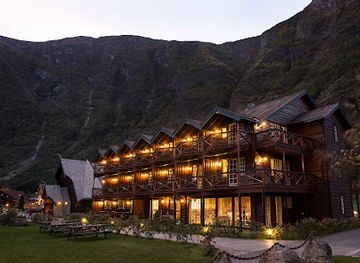
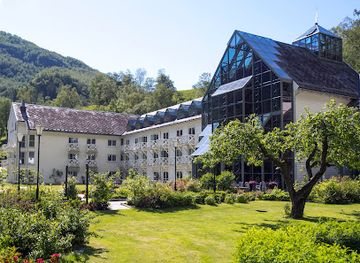
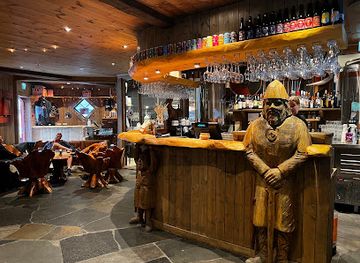
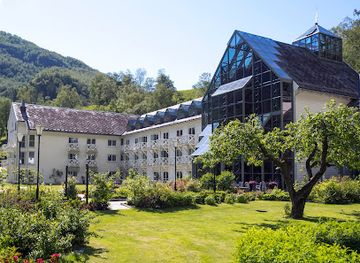
Dining in Flåm is concentrated around the village centre, waterfront, railway station and established accommodation rather than spread across a large town. Menus commonly draw on Norwegian ingredients and western fjord-country traditions, including seafood, lamb, dairy products, bread and seasonal produce, while cafés provide practical options for travellers arriving by train or boat. Ægir, the local brewery and restaurant in Flåm, gives the village a distinctive beer-focused food experience inspired by Norse design and mythology. Fretheim Hotel also forms part of the established local dining scene. Beyond Flåm, Aurland and other settlements around the fjord offer additional places to eat, though visitors exploring remote viewpoints, farms or mountain roads should not expect regular catering. Regional food shops and farm-based producers may provide locally made specialities when open.
-
Brewpub
Ægir microbrewery
Discover Ægir Microbrewery in Flåm - where Viking heritage meets modern craft brewing amidst breathtaking fjord landscapes.
-
 RV park
Flåm Camping og Vandrarheim
Discover breathtaking landscapes and adventure at Flåm Camping og Vandrarheim – your gateway to Norway's stunning fjords.
-
Restaurant
Flåmsbrygga Hotel
Discover unparalleled beauty and comfort at Flåmsbrygga Hotel in enchanting Flåm, Norway - your gateway to unforgettable adventures.
-
Restaurant
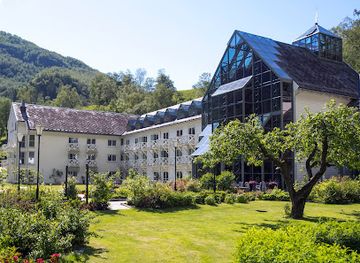
Fretheim Hotel
Fretheim Hotel: A gateway to Flåm's breathtaking landscapes and rich heritage with luxurious accommodations and exceptional dining.
Best bars in Flåm
Flåm is a quiet fjord village rather than a nightlife destination, and evening activity is centred on hotel lounges, restaurants and the Ægir brewery rather than nightclubs or a late-opening entertainment district. Ægir is particularly associated with local beer and a distinctive Viking-inspired setting, while accommodation venues provide places for a drink after a railway journey, fjord cruise or day outdoors. The atmosphere can become very calm outside the main visitor season, when fewer transport services and businesses operate. Aurland and nearby villages offer similarly small-scale evening options, but visitors seeking extensive nightlife would need to travel to a larger Norwegian town or city rather than expecting it in the Flåm area.
-
Brewpub
Ægir microbrewery
Discover the rich flavors of Norway at Ægir Microbrewery, where craft beer meets Viking traditions in a cozy brewpub atmosphere.
-
Hotel
Flåmsbrygga Hotel
Discover the beauty of Flåm at Flåmsbrygga Hotel, your gateway to adventure and relaxation in the heart of Norway's breathtaking fjords.
-
Bar
Fretheim Hotel
Discover the enchanting Fretheim Hotel in Flåm, where history meets breathtaking fjord views and modern comforts await you.
-
Restaurant
Flåm Marina & Apartments
Experience the stunning beauty of Flåm Marina & Apartments, where nature meets comfort in the heart of Norway's fjord region.
Best nightclubs in Flåm
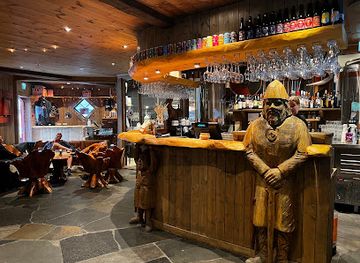
Flåm is a quiet fjord village rather than a nightlife destination, and evening activity is centred on hotel lounges, restaurants and the Ægir brewery rather than nightclubs or a late-opening entertainment district. Ægir is particularly associated with local beer and a distinctive Viking-inspired setting, while accommodation venues provide places for a drink after a railway journey, fjord cruise or day outdoors. The atmosphere can become very calm outside the main visitor season, when fewer transport services and businesses operate. Aurland and nearby villages offer similarly small-scale evening options, but visitors seeking extensive nightlife would need to travel to a larger Norwegian town or city rather than expecting it in the Flåm area.
-
Brewpub
Ægir microbrewery
Discover the essence of Norwegian craft brewing at Ægir Microbrewery, where Viking heritage meets modern flavors in a cozy ambiance.
-
Hotel
Flåmsbrygga Hotel
Discover the natural beauty and warm hospitality of Flåmsbrygga Hotel, your gateway to the breathtaking landscapes of Flåm, Norway.
-
Bar
Fretheim Hotel
Discover the charm of Fretheim Hotel in Flåm, where extraordinary natural beauty meets unparalleled comfort and hospitality.
-
Restaurant
Flåm Marina & Apartments
Experience the breathtaking beauty of Norway at Flåm Marina & Apartments, your perfect base for adventure and relaxation.
Best shops in Flåm
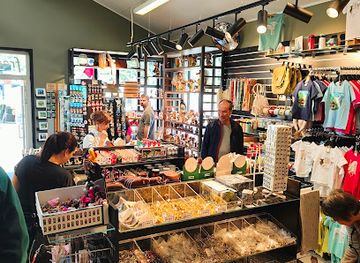
Shopping in Flåm is focused on practical visitor needs, local food and Norwegian crafts rather than a broad retail scene. Shops around the waterfront and railway area commonly cater for travellers with souvenirs, outdoor clothing, knitwear, design goods and regional products, while cafés and food outlets may sell packaged specialities suitable for a journey. Norwegian woollen items, locally inspired art and small craft products are more characteristic purchases than international luxury brands. The village’s limited scale means that visitors should not expect a permanent market or extensive choice of independent shops. Aurland and other nearby settlements may offer additional locally produced food and craft goods, but opening arrangements can vary, particularly outside the main summer season.
-
RV park
Flåm Camping og Vandrarheim
Discover breathtaking nature and diverse accommodations at Flåm Camping og Vandrarheim, the perfect base for exploring Norway's stunning fjords.
-
Outdoor activity organiser
FjordSafari - Flam Guide Service AS
Experience the breathtaking fjords of Norway with FjordSafari in Flåm, where adventure meets stunning natural beauty.
-
Bakery
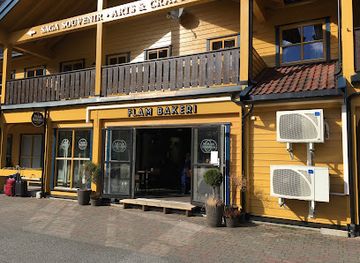
Flam Bakery
Experience the heart of Norwegian baking at Flam Bakery, where fresh breads and pastries await in the stunning village of Flåm.
-
Museum
Flam Railway Museum
Explore the rich history and engineering marvels of the Flam Railway at the captivating Flam Railway Museum in Norway.
Get your free copy of our complete guide to Flåm, delivered straight to you.
Everything on this page, from attractions and restaurants to essentials and local phrases, in one PDF you can read offline, print or share.
Already have an account? Sign in
Your Flåm guide is ready.
We'll send it to · Not you? Sign out

Getting your guide ready…
We are putting together a fresh copy of the Flåm guide. This can take up to a minute.
This can take a few moments. If your browser asks, choose Allow so the download can start. You'll find the guide in your Downloads folder.
Nothing happened? Download it again
Sorry, the guide is taking longer than usual. Please try again in a minute, or get it by email instead.
Flåm essentials
Currency and Payment
Safety
Emergency Situations
Do's and Don'ts
Local Tips
From Eve
Local phrases worth knowing
You don't need to get them perfect. A few words go a long way, and locals appreciate the effort.
Basics
| English | Local | Say it |
|---|---|---|
| Hello | Hallo | [ha-lu] |
| Goodbye | Ha det bra | [ha de bra] |
| Yes | Ja | [ya] |
| No | Nei | [nay] |
| Please/You're welcome | Vær så god | [ver so go] |
| Thank you | Takk | [tak] |
| Excuse me/Sorry | Unnskyld | [oon-shuld] |
| How are you? | Hvordan har du det? | [vor-dan har doo de] |
| Fine. And you? | Bra. Og du? | [bra oog doo] |
| Do you speak English? | Snakker du engelsk? | [snak-ker doo eng-elsk] |
| I don't understand | Jeg forstår ikke | [yay for-stor eek-keh] |
Eating & Drinking
| English | Local | Say it |
|---|---|---|
| I'd like to see the menu, please | Jeg vil gjerne se menyen, vær så god | [yay veerl yern-eh seh men-yen, ver so go] |
| I don't eat meat | Jeg spiser ikke kjøtt | [yay spee-ser eek-keh sh-ot] |
| Cheers! | Skål! | [skol] |
| I would like to pay, please | Jeg vil gjerne betale, vær så god | [yay veerl yern-eh beh-tah-leh, ver so go] |
Emergencies
| English | Local | Say it |
|---|---|---|
| Help! | Hjelp! | [yelp] |
| Go away! | Gå vekk! | [go vek] |
| Call the Police! | Ring politiet! | [ring po-lee-tee-et] |
| Call a doctor! | Ring en lege! | [ring en lay-geh] |
| I'm lost | Jeg er borte | [yay air bor-teh] |
| I'm ill | Jeg er syk | [yay air sook] |
Shopping
| English | Local | Say it |
|---|---|---|
| I'd like to buy... | Jeg vil kjøpe... | [yay veerl sh-er-peh] |
| I'm just looking | Jeg bare ser | [yay bah-reh sair] |
| How much is it? | Hvor mye koster det? | [vor mee-eh koss-ter deh] |
| That's too expensive | Det er for dyrt | [deh air for deert] |
| Can you lower the price? | Kan du senke prisen? | [kan doo sen-keh prees-en] |
Time & Numbers
| English | Local | Say it |
|---|---|---|
| What time is it? | Hva er klokka? | [vah air klok-kah] |
| It's one o'clock | Det er ett | [deh air et] |
| Half past (10) | Halv ti | [halv tee] |
| Morning | Morgen | [mor-gen] |
| Afternoon | Ettermiddag | [ett-er-mee-dag] |
| Evening | Kveld | [k-vel] |
| Yesterday | I går | [ee gor] |
| Today | I dag | [ee dog] |
| Tomorrow | I morgen | [ee mor-gen] |
| 1 | En | [en] |
| 2 | To | [too] |
| 3 | Tre | [treh] |
| 4 | Fire | [feer-eh] |
| 5 | Fem | [fem] |
| 6 | Seks | [seks] |
| 7 | Sju | [shoo] |
| 8 | Åtte | [ot-teh] |
| 9 | Ni | [nee] |
| 10 | Ti | [tee] |
Transport & Directions
| English | Local | Say it |
|---|---|---|
| Where's a/the...? | Hvor er...? | [vor air] |
| What's the address? | Hva er adressen? | [vah air ad-ress-en] |
| Can you show me (on the map)? | Kan du vise meg (på kartet)? | [kan doo vee-seh may (poh kart-et)] |
| When's the next (bus)? | Når går neste (buss)? | [nar gor nes-teh (boos)] |
| A ticket (to ....) | En billett (til ....) | [en beel-et (teel)] |
History of Flåm
A Fjord Settlement and Farming Valley
Flåm developed at the meeting point of Aurlandsfjord and the Flåmsdalen valley, where the relatively level valley floor offered opportunities for farming beside the fjord. The surrounding mountains restricted movement but also created natural routes towards the interior, while the water provided an important means of communication. Flåm Church, a wooden church dating from 1667, remains the clearest surviving historic building in the village area and reflects the long-established settlement pattern of the valley. Farms, transport routes and seasonal work shaped local life long before Flåm became an international tourism destination.
Transport Through the Mountain Valley
The steep terrain made overland travel between Flåm and the high country difficult, encouraging the development of more reliable transport links. Construction of the Flåm Railway began in the early twentieth century as part of the route connecting the fjord with the Bergen Railway at Myrdal. The line was completed in 1940 and electrified in 1944. Its tunnels, gradients and engineering works transformed access to the valley, linking a small fjord settlement with the national railway network while also laying the foundations for modern tourism.
Tourism and the Fjord Voyage
Fjord travel gradually brought visitors to Flåm as steamship routes, rail connections and organised touring expanded in western Norway. The village’s scenery became part of the classic route through the Sognefjord region, with travellers combining boat journeys, the mountain railway and road excursions. Tourism altered the local economy without removing the importance of farming and maritime connections. Historic farm clusters such as Otternes, situated near the fjord between Flåm and Aurland, help illustrate the agricultural landscape that existed before mass tourism and modern road travel.
Conservation and the Nærøyfjord Landscape
The fjord environment surrounding Flåm gained international recognition through the protection of the Nærøyfjord and its wider landscape values. Nærøyfjord forms part of the West Norwegian Fjords UNESCO World Heritage property, inscribed in 2005 alongside Geirangerfjord. The designation acknowledges dramatic fjord geology, waterfalls, forests, cultural landscapes and long-standing human use. For Flåm, it reinforced the village’s role as a gateway to a sensitive natural environment in which cruise activity, road access, farming and visitor management must be balanced.
Flåm in Photos
Browse through our photo collection highlighting the charm and character of the destination.
Neighbouring destination travel guides
The closest destinations to Flåm, if you have time for more than one.
-

-

-

-

-


Swipe for more destinations
Explore more

Explore more of Vestlandet
Explore Vestlandet, Norway's picturesque region of fjords, mountains, and historic towns, offering breathtaking landscapes and rich cultural experiences.
Explore Vestlandet
Explore more of Norway
Explore Norway's spectacular fjords, vibrant cities, and natural wonders. Experience the Northern Lights, Midnight Sun, and rich cultural heritage in this Scandinavian gem.
Explore Norway