

Free Nord-Trøndelag Travel Guide & Mobile App
Explore Nord-Trøndelag with free travel guides. Discover regional history, expert tips, proposed trips, and audio guides on web or mobile app.


Explore Nord-Trøndelag for Sámi culture, Viking and medieval history, salmon rivers, mountain wilderness and the skerry-dotted Norwegian coast.
Read more about Nord-Trøndelag
When is the best time to visit Nord-Trøndelag?
Best: June–August · 18–20°C| Month | High (°C) | Rainfall (mm) |
|---|---|---|
| January | 1 | 70 |
| February | 2 | 60 |
| March | 5 | 65 |
| April | 9 | 70 |
| May | 14 | 75 |
| June (best) | 18 | 80 |
| July (best) | 20 | 85 |
| August (best) | 19 | 90 |
| September | 14 | 95 |
| October | 10 | 100 |
| November | 5 | 105 |
| December | 2 | 110 |
Getting to and around Nord-Trøndelag
How to get there
Transportation
Top city travel guides in Nord-Trøndelag
The cities of Nord-Trøndelag, and the easiest places to base yourself.

Swipe for more cities
Best attractions in Nord-Trøndelag
Nord-Trøndelag's attractions are spread across several contrasting landscapes. Around Steinkjer and Verdal, archaeological sites, historic farms and the Stiklestad National Cultural Centre illuminate the region's prehistoric and medieval past. Bølareinen's rock carvings provide an exceptional glimpse of Stone Age art, while the Egge area near Steinkjer connects Iron Age history with the agricultural landscape around the fjord. Namsos and Namdalen offer a different emphasis: river valleys, timber heritage, salmon fishing and forest recreation, with opportunities for hiking, canoeing and wildlife watching. The coast around Flatanger and Nærøysund is suited to boat trips, sea angling, kayaking and birdwatching among skerries and islands. Inland protected areas, including Blåfjella–Skjækerfjella and Lierne national parks, appeal to experienced walkers seeking broad forests and mountain scenery. Snåsa adds a strong cultural dimension through Saemien Sijte, whose exhibitions present South Sámi history and contemporary life. Activities and access vary greatly by season, so the region rewards visitors who combine a few carefully chosen cultural sites with time outdoors rather than attempting to collect every attraction.
-
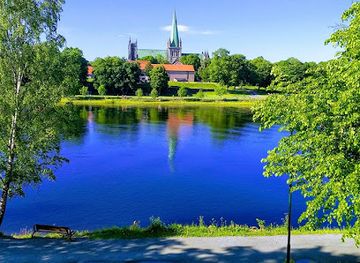
Cathedral
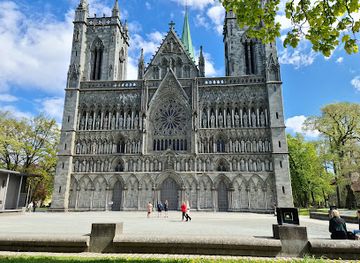
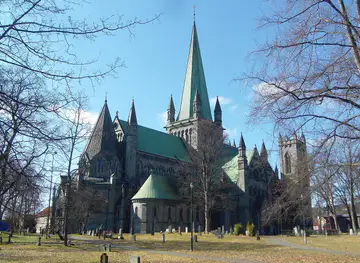
Nidaros Cathedral
Discover the breathtaking Nidaros Cathedral in Trondheim, a stunning Gothic masterpiece and Norway's national sanctuary steeped in history.
-
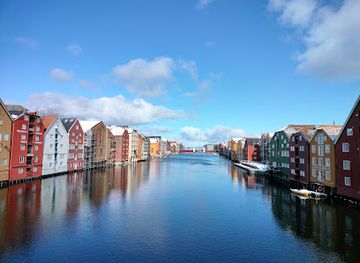
Bridge
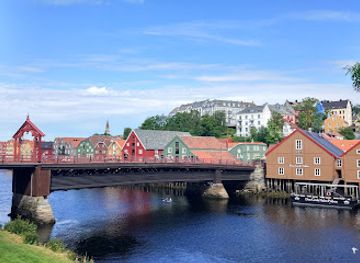
Old Town Bridge
Discover the historic Old Town Bridge in Trondheim, Norway – a picturesque landmark connecting charming districts with stunning views.
-
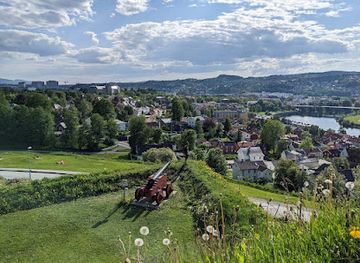
Fortress
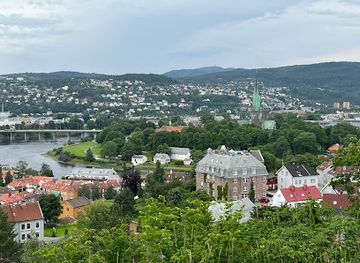
Kristiansten Fortress
Discover the captivating history and breathtaking views at Kristiansten Fortress in Trondheim, a must-visit tourist attraction in Norway.
-
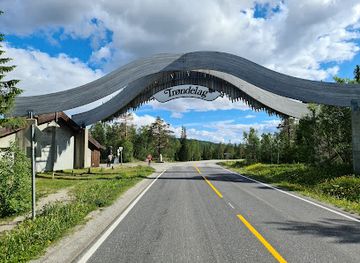
Tourist attraction
Nordlandsporten
Explore Nordlandsporten, Norway's stunning gateway to breathtaking landscapes, rich culture, and unforgettable outdoor adventures.
Best landmarks in Nord-Trøndelag
Stiklestad is Nord-Trøndelag's most resonant historic landmark, marking the battlefield where King Olav Haraldsson fell in 1030 and where medieval political and religious history became inseparable from the later story of Norway. Near Steinkjer, the Bølareinen rock carving is a remarkable prehistoric landmark: its animal figures are cut into open bedrock beside the landscape that once supported Stone Age hunters. The town's Egge area preserves a strong connection with Iron Age settlement and regional power. Saemien Sijte in Snåsa has contemporary architectural and cultural importance as a national South Sámi museum and centre, giving visibility to a living indigenous heritage. Along the coast, the low islands and skerries around Vikna and Nærøysund are geographical landmarks rather than single monuments, defining a seafaring landscape of sounds, reefs and fishing communities. Inland, the forested and mountainous horizons of Blåfjella–Skjækerfjella and Lierne national parks provide a contrasting natural identity, shaped by open plateaux, old woodland and long distances from major settlements.
-
Cathedral
Nidaros Cathedral
Discover the architectural brilliance of Nidaros Cathedral, a historical gem in Trondheim, Norway, blending spirituality and artistry.
-
Bridge
Old Town Bridge
Discover the captivating beauty and rich history of Trondheim's Old Town Bridge, a stunning pedestrian connection to the city's vibrant past.
-
Fortress
Kristiansten Fortress
Discover Kristiansten Fortress, Trondheim's iconic historic site, where breathtaking views and rich military history await every visitor.
-
Museum
Sverresborg Trøndelag Folk Museum
Explore the enchanting Sverresborg Trøndelag Folk Museum in Trondheim, where history, culture, and stunning landscapes come together in a unique experience.
Explore Nord-Trøndelag on the map
Plan your trip on one map. See where the top cities, national parks and sights are, and book hotels and experiences in a few clicks.
Best hotels in Nord-Trøndelag
Best restaurants in Nord-Trøndelag
Dining in Nord-Trøndelag reflects its mixture of fjord, forest, farmland and coast. Salmon from the region's rivers, freshwater fish, game, lamb, dairy products and berries are common foundations for local cooking, while coastal communities draw on cod, shellfish and other seafood. Namsos, Steinkjer and larger coastal settlements offer the broadest choice of restaurants, cafés and bakeries; smaller villages are more likely to rely on cafés, traditional eateries, farm shops and seasonal service. Rural inns and local food producers may feature reindeer or other game, although availability varies and such dishes should not be assumed to represent every community. Look for regional cheeses, cured meats, cloudberries and traditional Norwegian baking at food shops and markets. Menus often combine familiar national dishes with contemporary cooking based on nearby ingredients. Opening arrangements can be limited outside the main towns, especially in winter, so travellers exploring Namdalen or the islands should plan meals and provisions rather than expecting a full-service restaurant in every settlement.
-
Diner
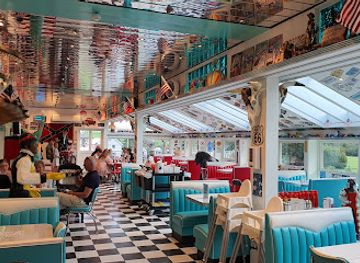
Vuddu Valley
Discover authentic American flavors at Vuddu Valley in Åsen – where every meal is an experience worth savoring.
-
Restaurant
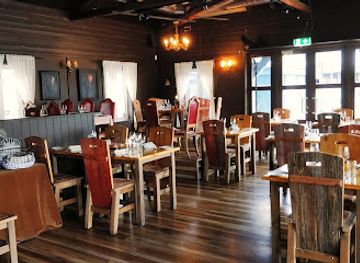
Troll Restaurant
Experience authentic Norwegian cuisine blended with modern flair at Troll Restaurant in Trondheim's scenic waterfront.
-
Restaurant
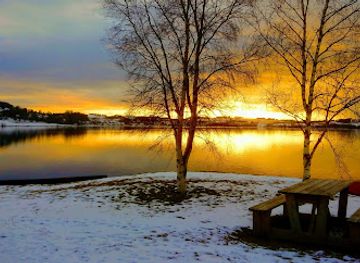
Kjell's Kro
Experience authentic Norwegian cuisine blended with global flavors at Kjell's Kro in Levanger - where every meal is crafted with care.
-
Restaurant
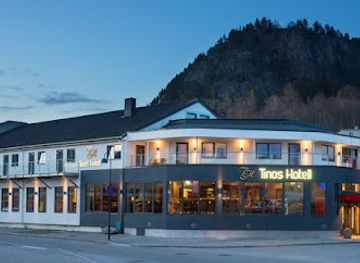
Tinos hotel and restaurant AS
Experience authentic Italian flavors at Tinos Hotel and Restaurant in Namsos—where comfort meets culinary excellence.
Best bars in Nord-Trøndelag
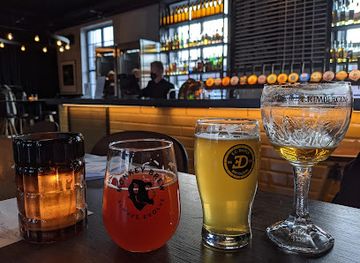
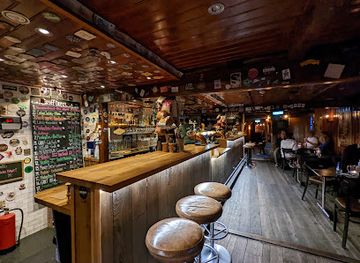
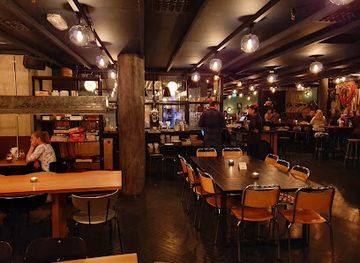
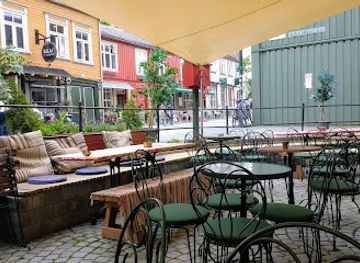
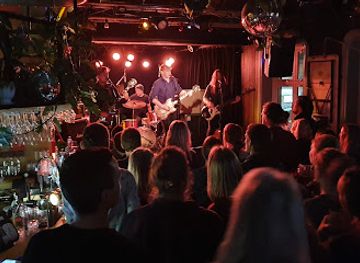
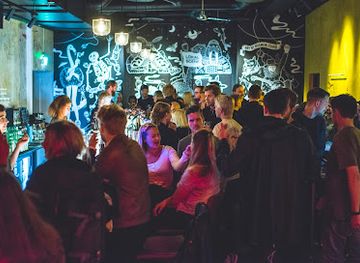
Evening life in Nord-Trøndelag is generally shaped by pubs, cafés, restaurants, cultural events and live music rather than a large nightclub scene. Steinkjer and Namsos have the widest choice of bars and late-opening venues, while coastal towns such as Rørvik provide a more compact selection centred on local residents, visitors and maritime activity. Traditional pubs and hotel bars are useful places to sample Norwegian beer or meet before dinner, and breweries or taprooms may appear in the larger communities, but availability changes over time. In rural districts, evenings are often quieter, with social life focused on restaurants, community halls and seasonal festivals rather than dedicated clubs. Alcohol prices are high by international standards, and responsible drinking is the norm. Check local listings for concerts, theatre, cultural-centre programmes and summer events, since these can offer a more representative evening experience than searching for a conventional club district.
-
Bar
E.C.Dahls bryggeri pub og kjøkken
Discover the local flavors of Trondheim at E.C.Dahls Brewery Pub and Kitchen, where craft beer meets delicious cuisine in a stunning waterfront setting.
-
Bar
Den Gode Nabo AS
Discover Den Gode Nabo AS, a riverside bar in Trondheim offering a unique atmosphere, local drinks, and a vibrant nightlife experience.
-
Bar
ØX Tap Room
Experience Trondheim's craft beer scene at ØX Tap Room, where local brews meet a vibrant atmosphere for an unforgettable night out.
-
Live music bar
Antikvariatet
Discover the lively essence of Trondheim at Antikvariatet, a premier live music bar offering an unforgettable blend of music, drinks, and atmosphere.
Best nightclubs in Nord-Trøndelag
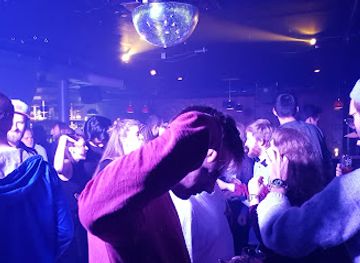
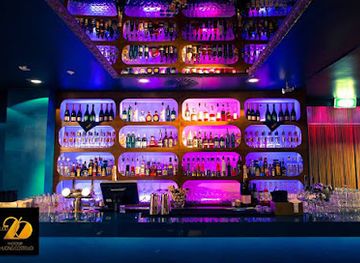
Evening life in Nord-Trøndelag is generally shaped by pubs, cafés, restaurants, cultural events and live music rather than a large nightclub scene. Steinkjer and Namsos have the widest choice of bars and late-opening venues, while coastal towns such as Rørvik provide a more compact selection centred on local residents, visitors and maritime activity. Traditional pubs and hotel bars are useful places to sample Norwegian beer or meet before dinner, and breweries or taprooms may appear in the larger communities, but availability changes over time. In rural districts, evenings are often quieter, with social life focused on restaurants, community halls and seasonal festivals rather than dedicated clubs. Alcohol prices are high by international standards, and responsible drinking is the norm. Check local listings for concerts, theatre, cultural-centre programmes and summer events, since these can offer a more representative evening experience than searching for a conventional club district.
-
Bar
Tyven
Experience the vibrant nightlife of Trondheim at Tyven, a popular bar and club offering a lively atmosphere, great drinks, and unforgettable nights.
-
Night club
Lokal Bar — Scene — Klubb
Discover the heartbeat of Trondheim's nightlife at Lokal Bar – Scene – Klubb, where unforgettable music and vibrant vibes await every night.
-
Night club
Diskoteket
Join the nightlife excitement at Diskoteket, Trondheim's premier club for music, dancing, and unforgettable memories.
-
Night club
Studio 26
Discover the electrifying nightlife at Studio 26, Trondheim's premier night club and bar, where unforgettable memories are made.
Best shops in Nord-Trøndelag
Shopping in Nord-Trøndelag is concentrated in Steinkjer, Namsos, Rørvik and the market towns along the main roads, where visitors find supermarkets, practical outdoor equipment, independent retailers, cafés and regional shopping centres. The most distinctive purchases are usually local rather than luxury goods: smoked or preserved fish, cheeses, berries, game products, chocolate, baking and other Norwegian specialities sold through farm shops, food outlets and seasonal markets. Craft shops and cultural institutions may offer Sámi-inspired or locally made textiles, jewellery, woollen goods, ceramics and woodwork; buyers should look for clear information about provenance and avoid treating generic products as authentic Sámi handicraft. In smaller communities, opening days and stock can be limited, especially outside summer, so plan essential purchases in larger towns. Bookshops and museum shops are useful for regional history, maps and outdoor guides, while coastal settlements often provide practical maritime clothing and equipment alongside souvenirs.
-
Shopping mall
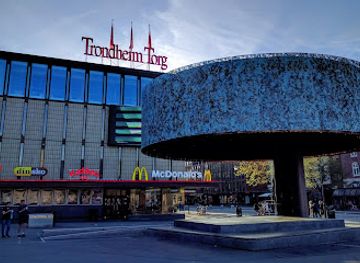
Trondheim Torg
Explore Trondheim Torg, the ultimate shopping destination in Trondheim, featuring diverse shops and delightful dining options for every traveler.
-
Shopping mall
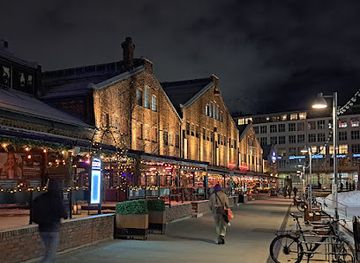
Solsiden Senter
Explore Solsiden Senter in Trondheim for an unforgettable shopping and dining experience with a stunning waterfront view.
-
Shopping mall
City Syd
Discover a shopping haven at City Syd in Tiller, Norway, featuring a wide range of stores, dining options, and entertainment for all ages.
-
Shopping mall
Lade Arena
Explore Lade Arena, Trondheim's ultimate shopping mall, featuring diverse stores from auto parts to children's clothing, all in a vibrant atmosphere.
Get your free copy of our complete guide to Nord-Trøndelag, delivered straight to you.
Everything on this page, from attractions and restaurants to essentials and local phrases, in one PDF you can read offline, print or share.
Already have an account? Sign in
Your Nord-Trøndelag guide is ready.
We'll send it to · Not you? Sign out

Getting your guide ready…
We are putting together a fresh copy of the Nord-Trøndelag guide. This can take up to a minute.
This can take a few moments. If your browser asks, choose Allow so the download can start. You'll find the guide in your Downloads folder.
Nothing happened? Download it again
Sorry, the guide is taking longer than usual. Please try again in a minute, or get it by email instead.
Nord-Trøndelag essentials
Currency and Payment
Safety
Emergency Situations
Do's and Don'ts
Local Tips
From Eve
Local phrases worth knowing
You don't need to get them perfect. A few words go a long way, and locals appreciate the effort.
Basics
| English | Local | Say it |
|---|---|---|
| Hello | Hei | [Hay] |
| Goodbye | Ha det | [Hah deh] |
| Yes | Ja | [Yah] |
| No | Nei | [Nye] |
| Please/You're welcome | Vær så snill | [Vair soh snill] |
| Thank you | Takk | [Tahk] |
| Excuse me/Sorry | Unnskyld | [Oon-shild] |
| How are you? | Hvordan har du det? | [Vordan har do deh?] |
| Fine. And you? | Bra. Og du? | [Brah. Oh doo?] |
| Do you speak English? | Snakker du engelsk? | [Snakker doo engelsk?] |
| I don't understand | Jeg forstår ikke | [Yai for-stor ee-keh] |
Eating & Drinking
| English | Local | Say it |
|---|---|---|
| I'd like to see the menu, please | Jeg vil gjerne se menyen, vær så snill | [Yai vil yair-na se menyen, vair soh snill] |
| I don't eat meat | Jeg spiser ikke kjøtt | [Yai speeser ee-keh shutt] |
| Cheers! | Skål! | [Skohl!] |
| I would like to pay, please | Jeg vil gjerne betale, vær så snill | [Yai vil yair-na beh-tah-leh, vair soh snill] |
Emergencies
| English | Local | Say it |
|---|---|---|
| Help! | Hjelp! | [Yelp!] |
| Go away! | Gå bort! | [Gaw bort!] |
| Call the Police! | Ring politiet! | [Ring po-lee-teet!] |
| Call a doctor! | Ring en lege! | [Ring en leh-geh!] |
| I'm lost | Jeg er tapt | [Yai air tahpt] |
| I'm ill | Jeg er syk | [Yai air seek] |
Shopping
| English | Local | Say it |
|---|---|---|
| I'd like to buy... | Jeg vil kjøpe... | [Yai vil shuh-peh...] |
| I'm just looking | Jeg ser bare | [Yai ser bah-reh] |
| How much is it? | Hvor mye koster det? | [Vor mye kohster deh?] |
| That's too expensive | Det er for dyrt | [Deh air for deert] |
| Can you lower the price? | Kan du senke prisen? | [Kahn doo sen-keh pree-sen?] |
Time & Numbers
| English | Local | Say it |
|---|---|---|
| What time is it? | Hva er klokka? | [Vah air klok-ka?] |
| It's one o'clock | Det er ett | [Deh air ett] |
| Half past (10) | Halv (10) | [Halv (10)] |
| Morning | Morgen | [Mor-gen] |
| Afternoon | Ettermiddag | [Ett-er-mid-dahg] |
| Evening | Kveld | [Kveld] |
| Yesterday | I går | [Ee gor] |
| Today | I dag | [Ee dahg] |
| Tomorrow | I morgen | [Ee mor-gen] |
| 1 | 1 | [1] |
| 2 | 2 | [2] |
| 3 | 3 | [3] |
| 4 | 4 | [4] |
| 5 | 5 | [5] |
| 6 | 6 | [6] |
| 7 | 7 | [7] |
| 8 | 8 | [8] |
| 9 | 9 | [9] |
| 10 | 10 | [10] |
Transport & Directions
| English | Local | Say it |
|---|---|---|
| Where's a/the...? | Hvor er en/det...? | [Vor air en/deh...?] |
| What's the address? | Hva er adressen? | [Vah air ah-dress-en?] |
| Can you show me (on the map)? | Kan du vise meg (på kartet)? | [Kahn doo vee-seh mai (poh kar-teh)?] |
| When's the next (bus)? | Når går neste (buss)? | [Nor gor nes-teh (boos)?] |
| A ticket (to ....) | En billett (til ....) | [En bee-let (til ....)] |
History of Nord-Trøndelag
Prehistoric Rock Art and Early Settlement
Nord-Trøndelag contains important evidence of human activity extending back thousands of years. The rock carvings at Bølareinen near Steinkjer include carefully rendered animals and human figures associated with Stone Age communities, while other archaeological sites reveal changing patterns of hunting, fishing, farming and movement along the fjords and rivers. These remains show that the region was never an empty wilderness: its coastline, waterways and inland routes supported communities with detailed knowledge of seasonal resources and the landscape.
Iron Age Farms and Regional Chiefdoms
During the Iron Age, fertile areas around the Trondheimsfjord and Verdal supported prosperous farms and regional power networks. Burial mounds, settlement remains and artefacts indicate social hierarchy, long-distance exchange and strong links between coastal and inland communities. The broad valleys of Innherred and Namdalen became important corridors, while waterways connected farms and trading places to the wider Norwegian coast. This period established many of the agricultural and transport patterns that continued into the medieval era.
Stiklestad and the Christianisation of Norway
The Battle of Stiklestad took place in Verdal in 1030, when King Olav Haraldsson was killed during an attempt to regain power in Norway. His subsequent sainthood became central to the consolidation of Christianity and royal authority, giving Stiklestad an importance far beyond the battlefield itself. The site is now interpreted through the Stiklestad National Cultural Centre, annual historical performances and the surrounding cultural landscape. The event remains one of the defining episodes in Norway's medieval history.
Medieval Churches, Law and Trade
After the Christianisation of the region, churches and royal administration altered the cultural landscape of Innherred and Namdalen. Medieval church sites, traditional farm settlements and historic routes reflect the growth of parish organisation, law and taxation. Steinkjer and other fjord settlements benefited from access to agricultural surplus, timber and coastal trade, while the Namdalen waterways linked inland resources to the sea. Although later rebuilding has transformed many communities, the region's medieval geography remains visible in its churches, farms and transport corridors.
Timber, the Namsen and Coastal Commerce
From the early modern period into the nineteenth century, forestry and timber became increasingly important to the economy of Namdalen and the northern Trøndelag coast. The Namsen provided a natural route for moving timber towards coastal shipping points, while sawmills, merchants and boatbuilders connected inland forests with national and international markets. Fishing, farming and small-scale coastal trade continued alongside forestry. Namsos, founded in the nineteenth century, grew as a planned commercial and timber town at the mouth of the river.
Industrialisation and the Growth of Transport
The nineteenth and twentieth centuries brought better roads, steamship links, railways and new forms of processing to Nord-Trøndelag. The Nordland Railway reached Steinkjer in stages during the twentieth century, strengthening connections southwards, while coastal shipping remained crucial for communities around Vikna and Nærøysund. Mechanised forestry, agriculture and fisheries changed patterns of work and settlement. Towns expanded as administrative and service centres, but many outlying communities retained a close relationship with farms, rivers and the sea.
Occupation and Reconstruction During the Second World War
Nord-Trøndelag was occupied by Germany during the Second World War, as was the rest of Norway. Coastal waters, roads, railways and strategic transport routes brought military activity to the region, while local people experienced restrictions, shortages and the wider pressures of occupation. After liberation, infrastructure and communities were rebuilt and modernised. The period is remembered through local memorials, museums and wartime remains, although the most visible identity of contemporary Nord-Trøndelag is shaped by cultural continuity, outdoor landscapes and regional economic life.
South Sámi Cultural Renewal
South Sámi communities have long used the forests and mountain areas of central Norway for reindeer herding, hunting, fishing and seasonal movement. In the twentieth century, assimilation policies and language loss placed severe pressure on South Sámi identity. Cultural revitalisation has since strengthened institutions, education and public recognition. Saemien Sijte in Snåsa, opened as a national museum and cultural centre in 2022, provides an important contemporary focus for South Sámi history, language, arts and political life in the region.
Nord-Trøndelag in Photos
Browse through our photo collection highlighting the charm and character of the destination.
Neighbouring regions of Nord-Trøndelag
The closest regions to Nord-Trøndelag, if you have time for more than one.
-

-
-

-

-


Swipe for more regions
Explore more

Explore more of Norway
Explore Norway's spectacular fjords, vibrant cities, and natural wonders. Experience the Northern Lights, Midnight Sun, and rich cultural heritage in this Scandinavian gem.
Explore Norway