

Free Trøndelag Travel Guide & Mobile App
Explore Trøndelag with free travel guides. Discover regional history, expert tips, proposed trips, and audio guides on web or mobile app.


Explore Trøndelag for Trondheim’s medieval heritage, Røros mining history, dramatic fjords, coastal islands and mountain landscapes.
Read more about Trøndelag
When is the best time to visit Trøndelag?
Best: June–August · 17–19°C| Month | High (°C) | Rainfall (mm) |
|---|---|---|
| January | 0 | 70 |
| February | 1 | 60 |
| March | 4 | 65 |
| April | 8 | 55 |
| May | 14 | 60 |
| June (best) | 17 | 70 |
| July (best) | 19 | 80 |
| August (best) | 18 | 80 |
| September | 14 | 70 |
| October | 10 | 90 |
| November | 5 | 80 |
| December | 1 | 75 |
Getting to and around Trøndelag
How to get there
Transportation
Top city travel guides in Trøndelag
The cities of Trøndelag, and the easiest places to base yourself.

Swipe for more cities
Destinations in Trøndelag
Resorts, valleys and scenic spots worth a trip of their own.
-

-

-


Swipe for more destinations
Best attractions in Trøndelag
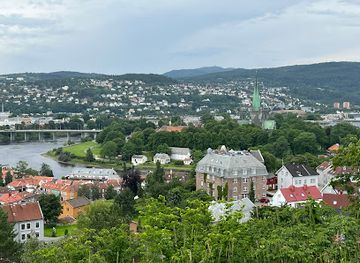
Trøndelag’s attractions range from the urban heritage of Trondheim to remote landscapes where the main activity is walking, fishing, wildlife observation or simply travelling through changing scenery. In Trondheim, Nidaros Cathedral, the Archbishop’s Palace, museums and the old wooden districts along the Nidelva provide a concentrated introduction to the region’s medieval and cultural history. Stiklestad, near Verdal, interprets the Battle of 1030 through exhibitions, reconstructed buildings and cultural programming. Røros offers a distinctive historic townscape shaped by copper mining, with industrial remains and surrounding upland scenery. The Trondheimsfjord and the Fosen peninsula bring opportunities for boating, coastal walks and birdwatching, while Hitra and Frøya are known for island landscapes and maritime life. Inland, Børgefjell and Forollhogna provide demanding, quieter mountain experiences, and the agricultural districts around Innherred combine farms, historic sites and food traditions. Activities are seasonal: summer is strongest for hiking, cycling and kayaking, while winter supports cross-country skiing and other snow-based pursuits where conditions permit.
-
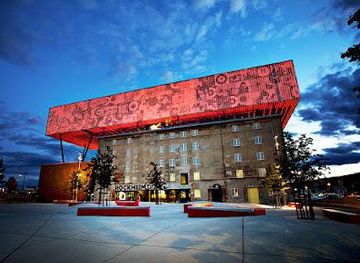
Rockheim
Discover the pulse of Norway's music history at Rockheim, Trondheim's vibrant museum celebrating the evolution of popular sounds.
-
Museum
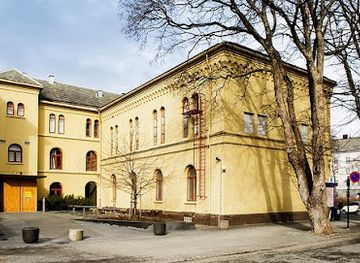
NTNU Vitenskapsmuseet
Discover NTNU Vitenskapsmuseet in Trondheim, a treasure trove of archaeological, cultural, and scientific wonders that captivates all visitors.
-
Museum
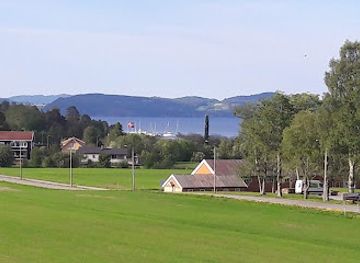
The Falstad Centre
Uncover the poignant history of World War II at The Falstad Centre in Ekne, Norway, a must-visit museum dedicated to remembrance and education.
-
Museum
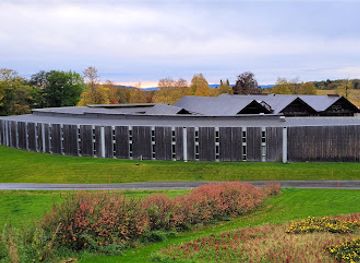
Stiklestad Nasjonale Kultursenter
Explore Stiklestad Nasjonale Kultursenter, a cultural gem in Norway that brings the history of the Battle of Stiklestad to life through immersive experiences.
Best landmarks in Trøndelag
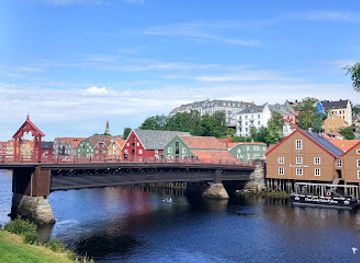
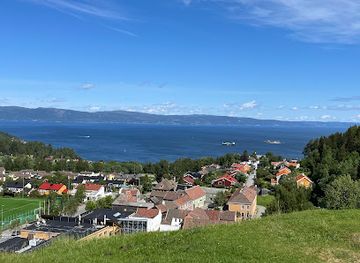
Nidaros Cathedral is Trøndelag’s most recognisable landmark, its elaborate stone architecture marking Trondheim’s medieval role as the centre of the cult of St Olav and Norway’s former archbishopric. Beside it, the Archbishop’s Palace forms part of the same historic complex. The wooden buildings lining parts of Trondheim’s riverfront and central streets provide a contrasting record of urban life, commerce and rebuilding over later centuries. At Stiklestad, the landscape and cultural centre commemorate the battlefield where King Olav Haraldsson died in 1030, a site of lasting importance to Norwegian history. Røros is distinguished by its dense wooden townscape, church, mining structures and industrial traces spread across the surrounding cultural landscape. In the wider region, the Trondheimsfjord is a defining natural landmark, extending deep into central Norway and linking city, farmland and coast. The open mountain terrain of Forollhogna and Børgefjell adds a different visual scale, marked by broad uplands, valleys and sparse settlement rather than monumental architecture.
-
Cathedral
Nidaros Cathedral
Discover the exquisite beauty and rich history of Nidaros Cathedral, Norway's most significant church, in the heart of Trondheim.
-
Bridge
Old Town Bridge
Explore the Old Town Bridge in Trondheim, a charming historical landmark connecting the city with picturesque views and cultural heritage.
-
Fortress
Kristiansten Fortress
Explore Kristiansten Fortress in Trondheim, where history meets breathtaking views, and experience Norway's military heritage in a picturesque setting.
-
Museum
Sverresborg Trøndelag Folk Museum
Experience Norway's rich heritage at Sverresborg Trøndelag Folk Museum, where history and nature intertwine in beautiful Trondheim.

Explore Trøndelag on the map
Plan your trip on one map. See where the top cities, national parks and sights are, and book hotels and experiences in a few clicks.
Best hotels in Trøndelag
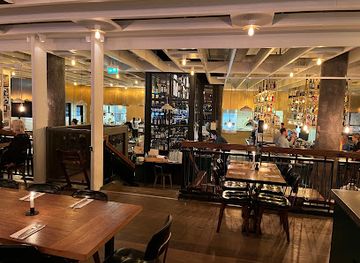
Best restaurants in Trøndelag
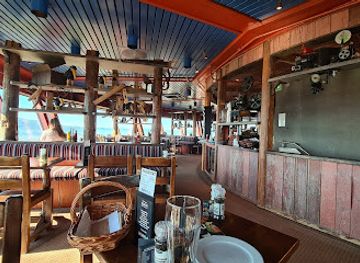
Trøndelag’s dining identity is built on the meeting of fjord, farmland, forest and mountain. Trondheim has the widest range of restaurants, from contemporary kitchens using local produce to cafés, bakeries and traditional establishments, while Røros is associated with food from the uplands and its long mining-town heritage. Along the coast, menus commonly draw on salmon, cod, halibut, crab, mussels and other seafood, although availability changes with season and location. Inland districts contribute dairy products, grains, potatoes, berries and game, and farm shops or rural eateries can offer a more direct connection with producers. Local food markets and seasonal festivals are useful places to encounter regional specialities without assuming that one dish represents the whole region. Norwegian staples such as open sandwiches, waffles and coffee are widespread, but Trøndelag’s strongest culinary distinction lies in the quality of its local ingredients and the contrast between coastal catch and inland produce.
-
Restaurant
Egon Tårnet
Experience exquisite dining at Egon Tårnet with rotating views over Trondheim's scenic landscape – perfect for food lovers and sightseers alike.
-
Italian
Frati restaurant
Experience authentic Italian cuisine at Frati Restaurant in Trondheim – where every dish tells a story.
-
Pizza
Una pizzeria e bar
Authentic thin-crust pizzas and Italian classics in Trondheim's lively Solsiden riverside, blending stone-oven mastery with bar buzz since 2014.
-
Bror
Discover Bror in Trondheim: A grill lover's paradise offering exceptional dishes made from locally sourced ingredients.
Best bars in Trøndelag
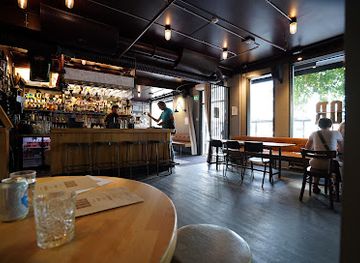
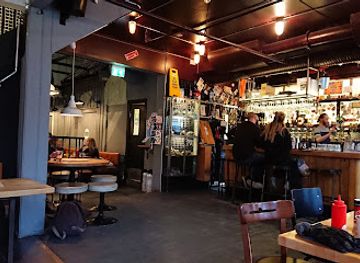
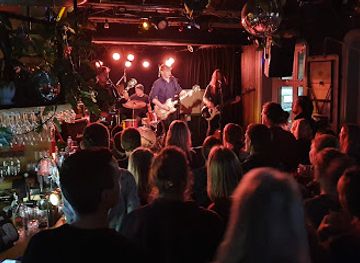
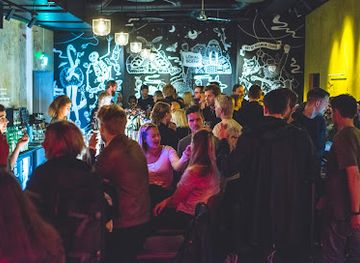
Trondheim is Trøndelag’s main evening centre, with student-oriented bars, traditional pubs, cocktail venues, live music, cultural performances and a modest club scene concentrated around the central districts. The city’s large student population gives evenings a broader range of events than is usual in smaller Norwegian towns, although schedules and venues change. Røros offers a quieter night centred on historic inns, restaurants, pubs and occasional cultural programming rather than late-night clubbing. In coastal and inland communities, evening life generally focuses on local pubs, cafés, hotel bars, community events and restaurants, with seasonal variation in opening arrangements. Craft beer and locally produced drinks may appear on menus, but alcohol prices are high and responsible consumption is expected. Visitors should check current arrangements locally, particularly outside Trondheim and during the quieter winter or shoulder seasons.
-
Grill
Bror
Experience the vibrant grill culture of Trondheim at Bror, where every meal is a celebration of flavor and hospitality.
-
Grill
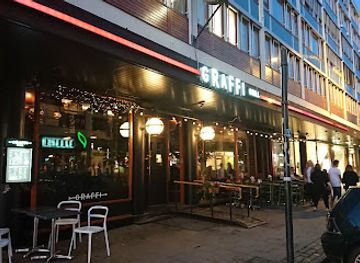
Graffi Grill Midtbyen
Experience the best local grilled cuisine at Graffi Grill Midtbyen, a culinary haven in Trondheim's vibrant heart.
-
Bar
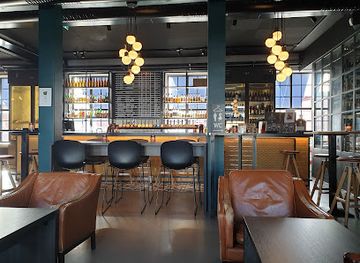
E.C.Dahls bryggeri pub og kjøkken
Discover the heart of Trondheim's craft beer scene at E.C.Dahls Bryggeri, where local flavors and brews come together in a vibrant atmosphere.
-
Bar
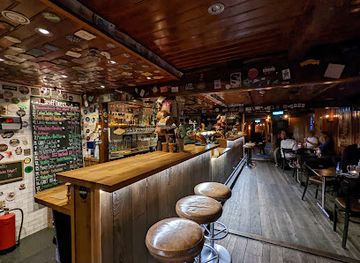
Den Gode Nabo AS
Discover Den Gode Nabo AS in Trondheim, where great drinks and a lively atmosphere come together for an unforgettable night out.
Best nightclubs in Trøndelag
Trondheim is Trøndelag’s main evening centre, with student-oriented bars, traditional pubs, cocktail venues, live music, cultural performances and a modest club scene concentrated around the central districts. The city’s large student population gives evenings a broader range of events than is usual in smaller Norwegian towns, although schedules and venues change. Røros offers a quieter night centred on historic inns, restaurants, pubs and occasional cultural programming rather than late-night clubbing. In coastal and inland communities, evening life generally focuses on local pubs, cafés, hotel bars, community events and restaurants, with seasonal variation in opening arrangements. Craft beer and locally produced drinks may appear on menus, but alcohol prices are high and responsible consumption is expected. Visitors should check current arrangements locally, particularly outside Trondheim and during the quieter winter or shoulder seasons.
-
Live music bar
Good Omens
Discover the vibrant atmosphere of Good Omens, Trondheim's premier live music bar, offering affordable drinks and unforgettable performances.
-
Bar
Tyven
Experience Trondheim's nightlife at Tyven, a vibrant bar and club offering live music, craft cocktails, and a welcoming atmosphere for all.
-
Night club
Lokal Bar — Scene — Klubb
Experience Trondheim's vibrant nightlife at Lokal Bar, a premier night club offering live music, exquisite drinks, and an unforgettable atmosphere.
-
Night club
Diskoteket
Experience Trondheim's vibrant nightlife at Diskoteket, the ultimate destination for dancing and fun in the heart of the city.

Best shops in Trøndelag
Trondheim offers Trøndelag’s broadest retail choice, combining ordinary Norwegian high-street shopping with independent design shops, bookshops, galleries, food retailers and craft outlets in the central area. Røros is particularly associated with locally made woollen goods, ceramics, metalwork, food products and other crafts connected to its historic identity, although visitors should distinguish genuinely local production from generic souvenirs. Market towns such as Steinkjer, Levanger, Stjørdal and Oppdal provide practical shopping alongside smaller independent businesses, while coastal communities are good places to look for seafood products and maritime goods. Farm shops and seasonal markets across the agricultural districts may sell cheese, bread, preserves, berries, meat and other regional produce. Sámi crafts and products can be culturally significant, so buy from reputable makers and ask about provenance rather than treating traditional designs as anonymous souvenirs. Opening arrangements and market days vary, particularly outside the larger towns.
-
Shopping mall
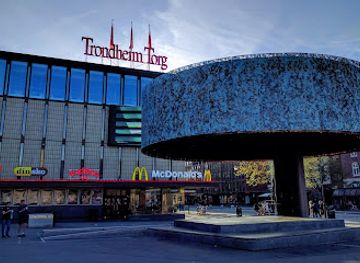
Trondheim Torg
Explore Trondheim Torg, where shopping meets culture in a vibrant mall filled with local and international delights.
-
Shopping mall
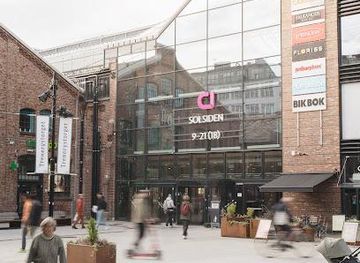
Solsiden Senter
Discover the vibrant shopping and dining scene at Solsiden Senter in Trondheim, where local and international brands meet culinary delights.
-
Shopping mall
Solsiden Senter
Explore Solsiden Senter in Trondheim: A Vibrant Shopping Mall with Fantastic Dining and Leisure Options for Every Visitor.
-
Shopping mall
City Syd
Explore City Syd in Tiller—your ultimate shopping mall destination with a fusion of local charm and global brands, perfect for every visitor.
Get your free copy of our complete guide to Trøndelag, delivered straight to you.
Everything on this page, from attractions and restaurants to essentials and local phrases, in one PDF you can read offline, print or share.
Already have an account? Sign in
Your Trøndelag guide is ready.
We'll send it to · Not you? Sign out

Getting your guide ready…
We are putting together a fresh copy of the Trøndelag guide. This can take up to a minute.
This can take a few moments. If your browser asks, choose Allow so the download can start. You'll find the guide in your Downloads folder.
Nothing happened? Download it again
Sorry, the guide is taking longer than usual. Please try again in a minute, or get it by email instead.
Trøndelag essentials
Currency and Payment
Safety
Emergency Situations
Do's and Don'ts
Local Tips
From Eve
Local phrases worth knowing
You don't need to get them perfect. A few words go a long way, and locals appreciate the effort.
Basics
| English | Local | Say it |
|---|---|---|
| Hello | Hei | [hay] |
| Goodbye | Ha det | [hah deh] |
| Yes | Ja | [yah] |
| No | Nei | [nay] |
| Please/You're welcome | Vær så snill/Ingen årsak | [vair soh sneel/een-yen or-sahk] |
| Thank you | Takk | [tahk] |
| Excuse me/Sorry | Unnskyld | [oon-shild] |
| How are you? | Hvordan har du det? | [vor-dahn har doo deh] |
| Fine. And you? | Bra. Og du? | [brah. oh doo?] |
| Do you speak English? | Snakker du engelsk? | [snak-ker doo en-gelsk?] |
| I don't understand | Jeg forstår ikke | [yai for-stor ik-ke] |
Eating & Drinking
| English | Local | Say it |
|---|---|---|
| I'd like to see the menu, please | Jeg vil gjerne se menyen, vær så snill | [yai vil yair-na se men-yen, vair soh sneel] |
| I don't eat meat | Jeg spiser ikke kjøtt | [yai spee-ser ik-ke shyet] |
| Cheers! | Skål! | [skawl!] |
| I would like to pay, please | Jeg vil gjerne betale, vær så snill | [yai vil yair-na be-ta-le, vair soh sneel] |
Emergencies
| English | Local | Say it |
|---|---|---|
| Help! | Hjelp! | [yelp!] |
| Go away! | Gå bort! | [gaw bort!] |
| Call the Police! | Ring politiet! | [ring po-li-teh!] |
| Call a doctor! | Ring en lege! | [ring en le-ge!] |
| I'm lost | Jeg har gått meg bort | [yai har got meg bort] |
| I'm ill | Jeg er syk | [yai air seek] |
Shopping
| English | Local | Say it |
|---|---|---|
| I'd like to buy... | Jeg vil gjerne kjøpe... | [yai vil yair-na shyo-pe...] |
| I'm just looking | Jeg ser bare | [yai ser bah-re] |
| How much is it? | Hvor mye koster det? | [vor myeh koster deh?] |
| That's too expensive | Det er for dyrt | [deh air for deert] |
| Can you lower the price? | Kan du senke prisen? | [kan doo sen-ke pree-sen?] |
Time & Numbers
| English | Local | Say it |
|---|---|---|
| What time is it? | Hva er klokken? | [vah air klo-ken?] |
| It's one o'clock | Den er ett | [deh air ett] |
| Half past (10) | Halv (10) | [halv (ten)] |
| Morning | Morgen | [mor-gen] |
| Afternoon | Ettermiddag | [etter-mid-dahg] |
| Evening | Kveld | [kveld] |
| Yesterday | I går | [ee gor] |
| Today | I dag | [ee dahg] |
| Tomorrow | I morgen | [ee mor-gen] |
| 1 | 1 | [en] |
| 2 | 2 | [to] |
| 3 | 3 | [tre] |
| 4 | 4 | [fire] |
| 5 | 5 | [fem] |
| 6 | 6 | [seks] |
| 7 | 7 | [sju] |
| 8 | 8 | [åtte] |
| 9 | 9 | [ni] |
| 10 | 10 | [ti] |
Transport & Directions
| English | Local | Say it |
|---|---|---|
| Where's a/the...? | Hvor er en/den...? | [vor air en/den...?] |
| What's the address? | Hva er adressen? | [vah air a-dressen?] |
| Can you show me (on the map)? | Kan du vise meg (på kartet)? | [kan doo vee-seh meg (poh kar-teht)?] |
| When's the next (bus)? | Når går neste (buss)? | [nor gor nes-teh (boos)?] |
| A ticket (to ....) | En billett (til ....) | [en bee-lett (til....)] |
History of Trøndelag
Early settlement and agricultural communities
Trøndelag has been inhabited since the retreat of the glaciers, with archaeological evidence of Stone Age activity, Iron Age settlements and long-established farming landscapes. The sheltered Trondheimsfjord and the fertile districts of Innherred supported communication, agriculture and political organisation. Burial mounds, rock art and archaeological remains reveal societies connected to both the coast and inland valleys. These early networks laid foundations for the regional assemblies and chiefly centres that later became important in Norway’s medieval political history.
The Trøndelag assemblies and the Viking Age
Before Norway became a unified kingdom, Trøndelag was a major centre of power among the Norse communities of central Norway. The Frostating assembly, traditionally associated with the Frosta area, was one of the country’s ancient regional law assemblies. Trondheim’s predecessor, Nidaros, developed near an important settlement and harbour at the mouth of the Nidelva. During the Viking Age, rulers and noble families competed for influence across the fjord, coast and inland districts, leaving a political legacy that shaped the emerging Norwegian kingdom.
Stiklestad and the Christianisation of Norway
The Battle of Stiklestad, fought in 1030 near Verdal, is one of Norway’s most significant medieval events. King Olav Haraldsson was killed while attempting to regain the Norwegian throne, and his subsequent sainthood helped strengthen Christianity and royal authority. Nidaros became the centre of a growing cult around St Olav, attracting pilgrims from across northern Europe. The St Olav traditions, the cathedral at Trondheim and the modern historical interpretation at Stiklestad continue to connect the region with the formation of medieval Norway.
Nidaros as a medieval religious centre
From the eleventh century, Nidaros, now Trondheim, became the seat of Norway’s archbishopric and a major pilgrimage destination. Nidaros Cathedral was developed over the supposed tomb of St Olav, while the Archbishop’s Palace and surrounding ecclesiastical institutions gave the city influence far beyond its size. Pilgrims travelled through valleys and across mountain routes to reach the shrine. Although the Reformation ended the cathedral’s formal Catholic pilgrimage role in the sixteenth century, the medieval street plan, religious buildings and revived pilgrimage routes remain central to Trondheim’s identity.
Røros Copper Works and the mining landscape
Copper was discovered near Røros in the seventeenth century, leading to the establishment of the Røros Copper Works and a mining community in a demanding upland environment. Mining shaped settlement, forestry, transport and social life for more than two centuries. The town’s closely packed wooden buildings, slag heaps, smelting structures and surrounding cultural landscape preserve the physical evidence of this industrial history. Røros is recognised as a UNESCO World Heritage property, and its heritage remains a defining part of southern Trøndelag.
War, occupation and post-war transformation
Trøndelag’s strategic position made it important during the Second World War, when German forces occupied Norway and developed military infrastructure around Trondheim and the Trondheimsfjord. The occupation affected towns, coastal communities and transport routes, while resistance activity formed part of the wider Norwegian wartime experience. After 1945, the region changed through improved roads, electrification, modern agriculture, fisheries and industrial development. Trondheim also expanded as a centre for higher education, technology and research, adding a contemporary dimension to its historical role.
Sámi heritage and contemporary regional identity
Sámi communities have long lived and worked across parts of central Norway, including districts of Trøndelag where reindeer husbandry, language, craft traditions and customary land use remain important. Their history has also been marked by pressure from state policies, schooling and assimilation. Contemporary museums, cultural institutions and public discussion have increased recognition of Sámi rights and heritage, while the southern Sámi communities maintain distinctive cultural practices. This living history is an essential part of understanding Trøndelag beyond its Norse and mining narratives.
Trøndelag in Photos
Browse through our photo collection highlighting the charm and character of the destination.
Neighbouring regions of Trøndelag
The closest regions to Trøndelag, if you have time for more than one.
-
-

-

-

-


Swipe for more regions

