

Free Nordland Travel Guide & Mobile App
Explore Nordland with free travel guides. Discover regional history, expert tips, proposed trips, and audio guides on web or mobile app.


Explore Nordland for Lofoten fishing villages, Arctic islands, fjords, glaciers, Sámi culture, historic towns and wide-ranging outdoor adventures.
Read more about Nordland
When is the best time to visit Nordland?
Best: June–August · 15–17°C| Month | High (°C) | Rainfall (mm) |
|---|---|---|
| January | 2 | 100 |
| February | 2 | 90 |
| March | 3 | 100 |
| April | 7 | 80 |
| May | 11 | 70 |
| June (best) | 15 | 80 |
| July (best) | 17 | 90 |
| August (best) | 17 | 100 |
| September | 13 | 110 |
| October | 8 | 120 |
| November | 4 | 110 |
| December | 1 | 100 |
Getting to and around Nordland
How to get there
Transportation
Top city travel guides in Nordland
The cities of Nordland, and the easiest places to base yourself.

Swipe for more cities
Destinations in Nordland
Resorts, valleys and scenic spots worth a trip of their own.
-

-


Swipe for more destinations
Best attractions in Nordland
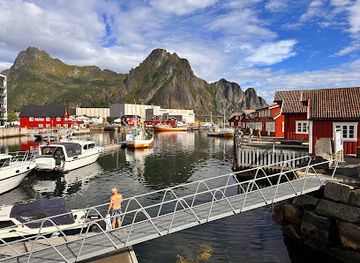
Nordland's attractions are shaped by the meeting of sea, mountain and Arctic light. In Lofoten, visitors explore fishing settlements, rorbuer, galleries, beaches and mountain trails around Svolvær, Henningsvær, Reine and Å, while Vesterålen offers whale-watching opportunities, coastal walks and the high terrain of Møysalen National Park. Helgeland has a more dispersed character, with island-hopping, kayaking, the Seven Sisters range, Vega's World Heritage archipelago and views towards Torghatten. Bodø provides access to Saltstraumen, coastal museums and the landscapes of the outer coast, while the inland areas around Mo i Rana include the caves of Grønligrotta and Setergrotta and routes towards Saltfjellet-Svartisen National Park. Near Narvik, mountain excursions, fjord scenery and Second World War heritage combine with the Ofoten railway landscape. Outdoor activities dominate, but museums, galleries, historic churches, industrial sites and local food experiences add context when weather limits time outside.
-
Tourist attraction
The Arctic Circle Centre
Experience the magic of the Arctic at the Arctic Circle Centre, where culture, cuisine, and breathtaking landscapes meet.
-
Tourist attraction
Lofotr Viking Museum
Explore the Viking era at Lofotr Viking Museum – an immersive experience of history, culture, and adventure in the heart of Norway.
-
Tourist attraction
Norwegian Aviation Museum
Discover the Norwegian Aviation Museum in Bodø, where history and innovation take flight through captivating exhibits and aircraft displays.
-
Tourist attraction
Narvik War Museum
Explore Norway's WWII history at the Narvik War Museum, a captivating destination filled with immersive exhibits and stories of resilience.

Best landmarks in Nordland
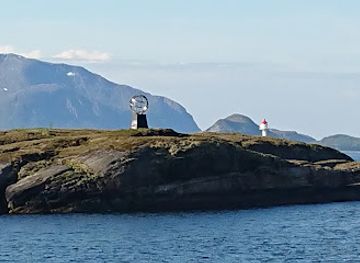
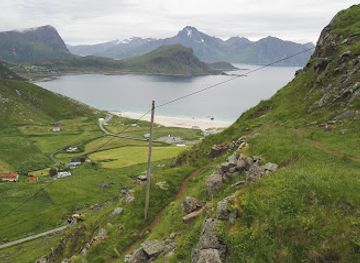
Nordland's most recognisable landmarks include both natural formations and structures shaped by maritime history. Torghatten, near Brønnøysund, is a mountain pierced by a large natural opening and is one of Helgeland's defining coastal images. The Seven Sisters form a distinctive chain of peaks above Sandnessjøen, while the Svartisen ice cap provides a powerful inland counterpoint to the low-lying skerries. In Lofoten, the sharply rising mountains around Reine, Henningsvær and Svolvær define the visual character of the archipelago, although individual viewpoints are best approached with care and respect for traffic and private land. Saltstraumen near Bodø is a major natural landmark, where tidal currents move through a narrow strait. Narvik's ore railway and mountain setting reflect the industrial and strategic importance of Ofoten, while the stockfish racks and harbour buildings of Lofoten embody the region's longstanding fishing economy. The Vega Archipelago is significant not only for its scenery but also for the cultural landscape created by generations of island farming and eider-down traditions.
-
Fortress
Akershus Fortress
Explore Akershus Fortress, a historical gem in Oslo offering stunning views, rich heritage, and a tranquil park setting for tourists.
-
Historic city center
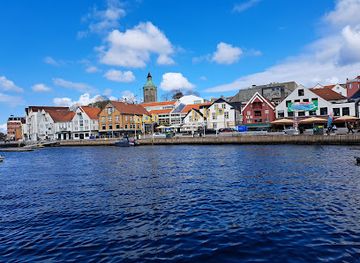
Gamle Stavanger
Explore Gamle Stavanger, a historic gem in Norway with charming wooden houses, rich culture, and a vibrant atmosphere that enchants every visitor.
-
History museum
Lofotr Viking Museum
Discover the Viking Age at Lofotr Viking Museum in the stunning Lofoten Islands, where history comes alive through engaging exhibits and authentic experiences.
-
Historical place
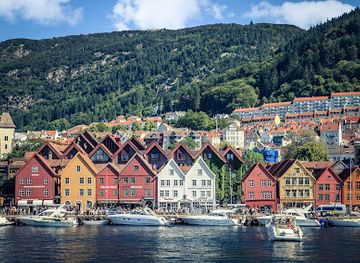
Bryggen
Explore Bryggen, a UNESCO World Heritage Site, where vibrant history meets stunning architecture in the heart of Bergen's harbor.
Explore Nordland on the map
Plan your trip on one map. See where the top cities, national parks and sights are, and book hotels and experiences in a few clicks.
Best hotels in Nordland
Best restaurants in Nordland
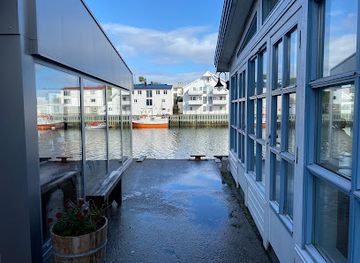
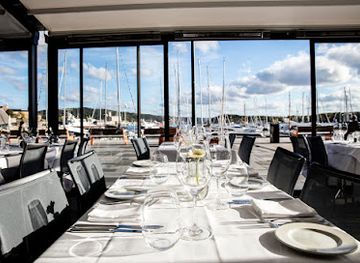
Nordland's dining culture remains closely connected to the sea, but the region's varied landscapes also support farming, reindeer husbandry and gathering. Cod and seasonal skrei are central to coastal cuisine, with stockfish and klippfisk traditions particularly visible in Lofoten and other fishing communities. Local menus may also feature halibut, salmon, shellfish, lamb, game, potatoes, berries and locally produced dairy. In larger towns such as Bodø, Mo i Rana, Mosjøen and Narvik, contemporary restaurants sit alongside cafés, bakeries and familiar Norwegian eating places; in villages, restaurants and seasonal eateries often reflect the fishing calendar and tourist season. Helgeland's island communities and the Vega area offer opportunities to connect food with small-scale agriculture and coastal production. Prices are generally high by international standards, and advance booking is sensible in popular summer destinations. Farmers' markets, fish counters and bakeries are useful places to encounter everyday regional produce rather than only formal restaurant cooking.
-
Pizza
Fellini Lofoten As
Experience authentic Italian cuisine at Fellini Lofoten - where delicious pizzas meet breathtaking views in Svolvær.
-
Restaurant
Bacalao
Experience authentic Norwegian cuisine at Bacalao in Svolvær – where fresh ingredients meet stunning views.
-
Seafood
Fiskekrogen
Experience authentic Norwegian seafood at Fiskekrogen in Henningsvær – where every dish tells a story from the sea.
-
Seafood
Lofoten Fiskerestaurant
Savor the freshest seafood at Lofoten Fiskerestaurant in Oslo, where culinary excellence meets stunning fjord views.
Best bars in Nordland
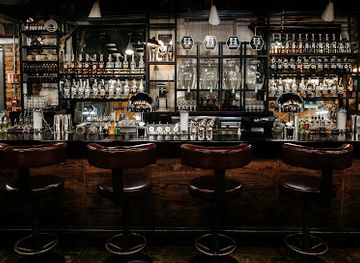
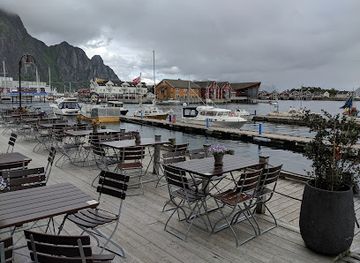
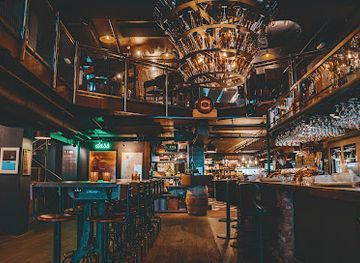
Nordland's evening life is concentrated in its larger towns and contrasts with the quiet, small-scale atmosphere of rural and island communities. Bodø has the broadest selection of pubs, bars, live music and cultural venues, while Narvik, Mo i Rana, Mosjøen, Svolvær and Leknes provide town-centre pubs, restaurants and occasional live entertainment. In Lofoten and Vesterålen, traditional pubs, hotel bars and waterside restaurants are often more characteristic than large clubs, with activity increasing during the summer season. Historic inns and local cafés provide relaxed settings in settlements such as Mosjøen, while breweries and modern bars appear in some of the larger urban centres. Opening arrangements vary considerably outside the towns, so late-night options should not be assumed in remote villages. During the midnight-sun months, evening walks, concerts and social gatherings may continue in daylight, but nightlife is still shaped by the region's dispersed population and long travel distances.
-
Cocktail bar
HIMKOK Storgata Destilleri
Experience the art of mixology at HIMKOK Storgata Destilleri, Oslo's premier cocktail and cider bar featuring handcrafted drinks and a vibrant atmosphere.
-
Bar
Bacalao
Experience the vibrant culinary scene of Svolvær at Bacalao, where local flavors meet a cozy atmosphere in the heart of the Lofoten Islands.
-
Gastropub
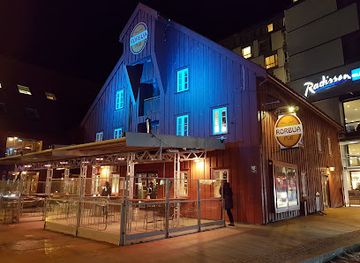
Rorbua Pub
Experience authentic Norwegian culture at Rorbua Pub in Tromsø, where delicious cuisine and vibrant live music meet stunning coastal charm.
-
Gastropub
Hundholmen Brygghus
Discover Hundholmen Brygghus: Bodø's premier gastropub offering craft beers, delectable food, and a lively night scene.
Best nightclubs in Nordland
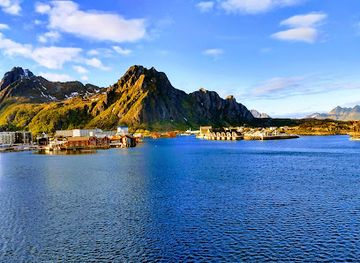
Nordland's evening life is concentrated in its larger towns and contrasts with the quiet, small-scale atmosphere of rural and island communities. Bodø has the broadest selection of pubs, bars, live music and cultural venues, while Narvik, Mo i Rana, Mosjøen, Svolvær and Leknes provide town-centre pubs, restaurants and occasional live entertainment. In Lofoten and Vesterålen, traditional pubs, hotel bars and waterside restaurants are often more characteristic than large clubs, with activity increasing during the summer season. Historic inns and local cafés provide relaxed settings in settlements such as Mosjøen, while breweries and modern bars appear in some of the larger urban centres. Opening arrangements vary considerably outside the towns, so late-night options should not be assumed in remote villages. During the midnight-sun months, evening walks, concerts and social gatherings may continue in daylight, but nightlife is still shaped by the region's dispersed population and long travel distances.
-
Tourist attraction
Magic Ice Lofoten
Experience the magic of ice sculptures and unique drinks at Magic Ice Lofoten, a captivating art gallery and bar in Svolvær, Norway.
-
 Hotel
HotelAnker Brygge
Discover the beauty of Svolvær at Anker Brygge, where luxury meets nature in an unforgettable waterfront experience.
-
Bar
Dama Di AS
Discover Bodø's vibrant nightlife at Dama Di AS, a unique bar combining art, music, and a lively atmosphere for an unforgettable experience.
-
Night club
Vaskeriet
Experience the vibrant nightlife of Bergen at Vaskeriet, a premier night club and cocktail bar with a unique silent disco atmosphere.

Best shops in Nordland
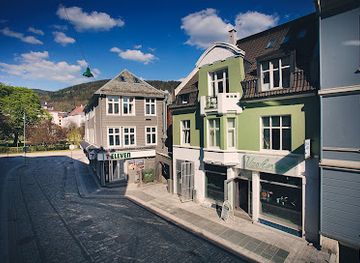
Shopping in Nordland is centred on practical town centres, independent shops, galleries, food producers and seasonal markets rather than extensive luxury retail. Bodø, Narvik, Mo i Rana and Mosjøen offer the broadest choice of high-street goods, outdoor equipment, books, design items and groceries, while Svolvær and Leknes serve as important retail bases for Lofoten. Smaller coastal settlements are more useful for local food, craft objects and gallery purchases than for general shopping. Regional products may include stockfish, smoked or preserved seafood, cloudberries, berry preserves, chocolate, woollen goods and locally made ceramics or woodwork. Sámi-inspired and Sámi-made products should be bought from reputable makers who identify their origin clearly, rather than from generic souvenir displays. In fishing villages, galleries and workshops often sell prints, photography, textiles and contemporary art reflecting the surrounding landscape. Carrying essential supplies is wise when travelling to remote islands, as shop choice and opening arrangements can be limited outside the principal towns.
-
Gift shop
The Arctic Circle Centre
Explore the Arctic Circle Centre: a unique blend of shopping, dining, and culture in the heart of Norway's Arctic region.
-
Shopping mall
City Nord
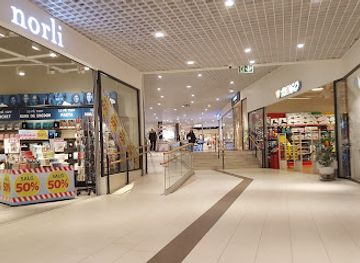
Explore City Nord, Bodø's vibrant shopping mall with diverse stores, dining options, and family-friendly entertainment in the heart of Norway.
-
Shopping mall
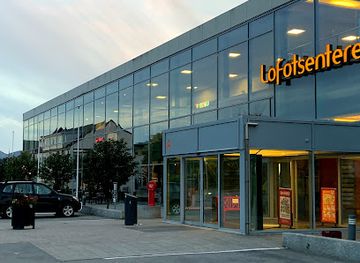
Lofotsenteret
Discover the vibrant heart of Leknes at Lofotsenteret, a shopping mall blending local culture with modern convenience, perfect for every tourist's needs.
-
Store
Koch Shopping
Explore Koch Shopping in Bodø for a diverse shopping experience featuring local boutiques and popular brands in a modern, family-friendly environment.

Get your free copy of our complete guide to Nordland, delivered straight to you.
Everything on this page, from attractions and restaurants to essentials and local phrases, in one PDF you can read offline, print or share.
Already have an account? Sign in
Your Nordland guide is ready.
We'll send it to · Not you? Sign out

Getting your guide ready…
We are putting together a fresh copy of the Nordland guide. This can take up to a minute.
This can take a few moments. If your browser asks, choose Allow so the download can start. You'll find the guide in your Downloads folder.
Nothing happened? Download it again
Sorry, the guide is taking longer than usual. Please try again in a minute, or get it by email instead.
Nordland essentials
Currency and Payment
Safety
Emergency Situations
Do's and Don'ts
Local Tips
From Eve
Local phrases worth knowing
You don't need to get them perfect. A few words go a long way, and locals appreciate the effort.
Basics
| English | Local | Say it |
|---|---|---|
| Hello | Hei | [Hay] |
| Goodbye | Ha det | [Hah deh] |
| Yes | Ja | [Yah] |
| No | Nei | [Nay] |
| Please/You're welcome | Vær så snill | [Vair soh sneel] |
| Thank you | Takk | [Tahk] |
| Excuse me/Sorry | Unnskyld | [Oon-shild] |
| How are you? | Hvordan har du det? | [Vordan har doo deh?] |
| Fine. And you? | Bra. Og du? | [Bra. Oh doo?] |
| Do you speak English? | Snakker du engelsk? | [Snakker doo engelsk?] |
| I don't understand | Jeg forstår ikke | [Yay for-stor ikki] |
Eating & Drinking
| English | Local | Say it |
|---|---|---|
| I'd like to see the menu, please | Jeg vil gjerne se menyen, vær så snill | [Yay vil yair-nah seh men-yen, vair soh sneel] |
| I don't eat meat | Jeg spiser ikke kjøtt | [Yay speeser ikki kyett] |
| Cheers! | Skål! | [Skawl!] |
| I would like to pay, please | Jeg vil gjerne betale, vær så snill | [Yay vil yair-nah beh-tah-leh, vair soh sneel] |
Emergencies
| English | Local | Say it |
|---|---|---|
| Help! | Hjelp! | [Yelp!] |
| Go away! | Gå vekk! | [Gaw vek!] |
| Call the Police! | Ring politiet! | [Ring poh-lee-tee-et!] |
| Call a doctor! | Ring en lege! | [Ring en leh-geh!] |
| I'm lost | Jeg er tapt | [Yay air tahpt] |
| I'm ill | Jeg er syk | [Yay air seek] |
Shopping
| English | Local | Say it |
|---|---|---|
| I'd like to buy... | Jeg vil gjerne kjøpe... | [Yay vil yair-nah kyo-peh...] |
| I'm just looking | Jeg bare ser | [Yay bah-reh sair] |
| How much is it? | Hvor mye koster det? | [Vor mye kost-er deh?] |
| That's too expensive | Det er for dyrt | [Deh air for deer-t] |
| Can you lower the price? | Kan du senke prisen? | [Kan doo sen-keh pree-sen?] |
Time & Numbers
| English | Local | Say it |
|---|---|---|
| What time is it? | Hva er klokka? | [Vah air klok-ka?] |
| It's one o'clock | Den er ett | [Den air ett] |
| Half past (10) | Halv (10) | [Halv (10)] |
| Morning | Morgen | [Morgen] |
| Afternoon | Ettermiddag | [Et-ter-mid-dahg] |
| Evening | Kveld | [Kveld] |
| Yesterday | I går | [Ee gor] |
| Today | I dag | [Ee dahg] |
| Tomorrow | I morgen | [Ee morgen] |
| 1 | 1 | [1] |
| 2 | 2 | [2] |
| 3 | 3 | [3] |
| 4 | 4 | [4] |
| 5 | 5 | [5] |
| 6 | 6 | [6] |
| 7 | 7 | [7] |
| 8 | 8 | [8] |
| 9 | 9 | [9] |
| 10 | 10 | [10] |
Transport & Directions
| English | Local | Say it |
|---|---|---|
| Where's a/the...? | Hvor er en...? | [Vor air en...?] |
| What's the address? | Hva er adressen? | [Vah air ah-dress-en?] |
| Can you show me (on the map)? | Kan du vise meg (på kartet)? | [Kan doo vee-seh mai (poh kar-teh)?] |
| When's the next (bus)? | Når går neste (buss)? | [Norr gor nes-teh (boos)?] |
| A ticket (to ....) | En billett (til ....) | [En bil-let (til ....)] |
History of Nordland
Early settlement and Sámi heritage
People have lived along Nordland's coast, islands and inland valleys since the retreat of the glaciers, using marine resources, reindeer, hunting and seasonal agriculture in different areas. Archaeological evidence includes ancient settlement sites, rock art and burial remains, while the region continues to be home to Sámi communities with distinct languages, livelihoods and cultural traditions. The relationship between coast, mountain and seasonal movement has shaped local society for centuries. Visitors should understand Sámi culture as a living part of Norway rather than only an archaeological subject or a tourism theme.
Iron Age and Viking-era coastal networks
Nordland's coastline formed part of the maritime world of Iron Age and Viking-era Scandinavia. Sheltered harbours, fishing grounds and agricultural settlements supported exchange along the Norwegian coast, while powerful local chieftains controlled resources and alliances. The geography of islands and fjords made sea travel more practical than overland journeys, linking communities over considerable distances. Archaeological sites and historic place names preserve traces of these networks, although much of the region's early history is understood through a combination of material evidence, written sources and later tradition.
Christianisation and medieval coastal society
Christian institutions became established in northern Norway during the medieval period, bringing churches, new administrative connections and changing burial practices. Coastal communities remained strongly dependent on fishing, farming and trade, with seasonal cod fisheries becoming increasingly important. Medieval churches and later church sites in Nordland reflect the incorporation of the region into the wider Norwegian kingdom and ecclesiastical system. The difficult distances between settlements meant that maritime routes continued to be fundamental for religious, commercial and political life.
The cod fisheries and Hanseatic trade
From the late Middle Ages onwards, the seasonal cod fisheries of northern Norway became an important part of European trade. Fish was dried into stockfish, a durable product that could be transported over long distances, and merchants connected Nordland's fishing communities with markets around the North Sea and beyond. Lofoten became especially associated with this cycle, although fishing shaped settlements throughout the county. The traditional rorbuer, or fishermen's cabins, harbour buildings and drying racks that remain in parts of Nordland are visible reminders of an economy organised around winter fishing seasons.
Mining, shipping and industrialisation
Modern industry transformed several parts of Nordland from the nineteenth century onwards. Iron ore from the Swedish interior was transported through Narvik's ice-free port, making the railway across the mountains to the port strategically and economically significant. Hydroelectric power, mining and metal production later influenced communities around Mo i Rana and other inland areas. These developments brought new infrastructure, workers and urban growth, while also changing landscapes and local economies. Today, Nordland combines industrial heritage with fishing, public services, energy production and a rapidly expanding visitor economy.
The Second World War in Nordland
Nordland was drawn directly into the Second World War through its strategic coast, ports, airfields and transport routes. The 1940 Battles of Narvik were among the earliest major Allied engagements against Nazi Germany, fought over the port and the iron-ore railway connection. The wider region also experienced occupation, military construction, forced labour and disruption to civilian life. War museums, memorials, fortifications and the landscape around Narvik help explain this history, while wartime sites elsewhere in the county remain part of local memory and historical research.
Post-war reconstruction and contemporary Nordland
After 1945, Nordland underwent extensive reconstruction and modernisation. Towns expanded, roads and ferries improved, industry developed, and changing fishing practices altered the social and economic balance of coastal communities. At the same time, many settlements faced out-migration and the challenges of maintaining services across a large, dispersed county. Contemporary Nordland reflects this mixture of continuity and change: working harbours, agriculture, Sámi cultural life and industrial communities coexist with national parks, heritage tourism, creative industries and international interest in the Arctic landscape.
Nordland in Photos
Browse through our photo collection highlighting the charm and character of the destination.
Neighbouring regions of Nordland
The closest regions to Nordland, if you have time for more than one.
-

-

-

-

-
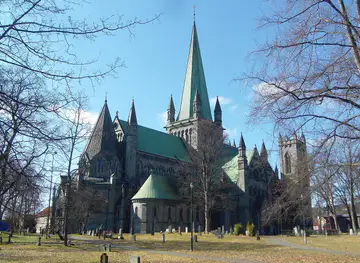


Swipe for more regions
Explore more

Explore more of Norway
Explore Norway's spectacular fjords, vibrant cities, and natural wonders. Experience the Northern Lights, Midnight Sun, and rich cultural heritage in this Scandinavian gem.
Explore Norway