

Free Trondheim Travel Guide & Mobile App
Plan your Trondheim trip with Evendo. Get free guides to top attractions, restaurants, hotels, and bars. Web access or download the mobile app.


Trondheim combines Nidaros Cathedral, medieval history, fjord scenery and lively student culture, with museums, food, cycling and Norwegian city experiences.
Cathedral and Medieval Origins
Set beside the broad Trondheimsfjord in central Norway, Trondheim is a city of water, timber, stone and youthful energy. Its history reaches back to 997, when King Olav Tryggvason established a settlement at the mouth of the Nidelva. The city later became Norway’s religious centre, and Nidaros Cathedral rose above the medieval town as the country’s most important pilgrimage church. Its carved stonework, stained glass and long association with Norwegian kings remain central to Trondheim’s identity.Read more about Trondheim
Wooden Streets and River Life
Students, Science and the Fjord
When is the best time to visit Trondheim?
Best: June–August · 18–20°C| Month | High (°C) | Rainfall (mm) |
|---|---|---|
| January | 1 | 38 |
| February | 0 | 34 |
| March | 4 | 29 |
| April | 9 | 25 |
| May | 13 | 20 |
| June (best) | 18 | 15 |
| July (best) | 20 | 13 |
| August (best) | 19 | 15 |
| September | 14 | 19 |
| October | 10 | 25 |
| November | 5 | 32 |
| December | 1 | 37 |
Getting to and around Trondheim
How to get there
Transportation
Best attractions in Trondheim
Trondheim’s principal attractions cluster around the Nidelva and the historic centre. Nidaros Cathedral rewards close attention to its sculpted west front, medieval foundations and modern stained glass, while the adjacent Archbishop’s Palace presents the city’s ecclesiastical history through archaeology and museum displays. Across Gamle Bybro, Bakklandet’s timber houses, cafés and river views offer a slower-paced urban walk, with the colourful Bryggerekka warehouses continuing along the water nearby. The National Museum of Decorative Arts and Design, commonly known as Nordenfjeldske Kunstindustrimuseum, adds Norwegian design and craft to the cultural circuit, while Rockheim explores popular music and cultural history. At Sverresborg Trøndelag Folk Museum, historic buildings and exhibitions spread across an open-air setting, providing a broader view of regional life. For fresh air, paths through Bymarka lead to woodland, lakes and viewpoints rather than conventional city sightseeing.
-
Cathedral
Nidaros Cathedral
Discover the breathtaking Nidaros Cathedral in Trondheim, Norway, a stunning Gothic masterpiece and a significant pilgrimage site steeped in history.
5 min drive · 1.5 km from city centre
-
Bridge
Old Town Bridge
Discover the Old Town Bridge in Trondheim, a stunning historical landmark connecting Bakklandet and the city center, rich in charm and picturesque views.
19 min walk · 1.5 km from city centre
-
Fortress
Kristiansten Fortress
Discover the rich history and stunning views at Kristiansten Fortress, a must-visit in Trondheim, Norway.
15 min walk · 1.2 km from city centre
-
Heritage museum
Rockheim
Discover the heart of Norway's music scene at Rockheim, a vibrant museum celebrating the rich heritage of Norwegian popular music.
8 min drive · 2.6 km from city centre


Best landmarks in Trondheim
Nidaros Cathedral is Trondheim’s defining landmark, a monumental Gothic church built over the burial place of Saint Olav and still used for major national religious occasions. Beside it, the Archbishop’s Palace preserves the physical centre of medieval ecclesiastical power, with surviving wings and archaeological remains illustrating the former archiepiscopal complex. Gamle Bybro, the old town bridge over the Nidelva, dates from the city’s post-fire rebuilding era and is recognised by its red wooden portals and views towards the cathedral. The wooden warehouses of Bryggerekka record Trondheim’s long relationship with river commerce and harbour trade, while the Royal Residence, or Stiftsgården, represents the city’s later civic and royal history in an elegant timber building. The Kristiansten Fortress, built after the seventeenth-century fires, occupies a hill above the centre and reflects the strategic importance of Trondheim’s approach from the east.
-
Cathedral
Nidaros Cathedral
Explore the breathtaking Nidaros Cathedral in Trondheim, a masterpiece of Gothic architecture and a vital piece of Norway's spiritual heritage.
5 min drive · 1.5 km from city centre
-
Bridge
Old Town Bridge
Discover the enchanting Old Town Bridge in Trondheim, Norway - a historic landmark blending rich culture with stunning views over the Nidelva River.
19 min walk · 1.5 km from city centre
-
Fortress
Kristiansten Fortress
Discover the historical charm and breathtaking views at Kristiansten Fortress, a must-see attraction in Trondheim, Norway.
15 min walk · 1.2 km from city centre
-
Indian
KōH i NōR
Discover the vibrant flavors of India at KōH i NōR in Trondheim, an unforgettable culinary experience immersed in rich spices and warm hospitality.
5 min drive · 1.7 km from city centre


Explore Trondheim on the map
Plan your Trondheim trip on one map. See where the top attractions, landmarks, restaurants, bars and hotels are, find what's near where you're staying, and book hotels and experiences in a few clicks.
Best hotels in Trondheim
Best restaurants in Trondheim
Trondheim’s dining identity draws on Trøndelag’s farms, forests, coast and fjord, with seafood, game, dairy, grains and seasonal vegetables appearing across the region’s kitchens. Local food culture ranges from traditional Norwegian plates and open sandwiches to contemporary restaurants that emphasise carefully sourced ingredients and modern presentation. Fish and shellfish are natural choices in a coastal city, while lamb, reindeer and other game may appear on seasonal menus; availability varies by restaurant and time of year. Bakklandet, the centre and the Solsiden area offer cafés, bakeries, casual dining and evening restaurants, while food halls and markets provide opportunities to sample regional produce without committing to a formal meal. Coffee culture is well established, and student life contributes affordable, informal places alongside more ambitious kitchens. Menus and service styles can be distinctly Scandinavian, with reservations useful for popular restaurants.
-
Italian
Frati restaurant
Discover authentic Italian cuisine at Frati Restaurant in Trondheim – where every dish tells a story of flavor and tradition.
6 min drive · 1.9 km from city centre
-
Restaurant
Super Hero Burger
Discover Super Hero Burger in Trondheim - where gourmet burgers meet superhero flair for an unforgettable dining adventure.
6 min drive · 2.0 km from city centre
-
Grill
Bror
Experience authentic Norwegian grilled cuisine at Bror in Trondheim – where local flavors meet modern dining.
6 min drive · 2.1 km from city centre
-
Pizza
Una pizzeria e bar
Experience authentic Italian cuisine at Una Pizzeria e Bar in Trondheim—home to delectable pizzas and a warm atmosphere.
6 min drive · 2.1 km from city centre


Best bars in Trondheim
Trondheim’s evening life is shaped strongly by its university population, compact centre and long-established cultural institutions. The streets around the city centre and Bakklandet contain pubs, beer bars, cocktail venues and cafés, while Solsiden, in a converted riverside industrial area, has a concentration of restaurants and bars. Student venues and smaller clubs contribute live music, DJ nights and a relatively informal atmosphere, with activity changing according to the academic calendar. Rockheim and local concert spaces connect nightlife with Norway’s popular-music tradition, and Trondheim’s theatre and concert programme provides alternatives to drinking-focused evenings. The city is active after dark without resembling a continuous party district: many evenings centre on conversation, concerts, cultural events or relaxed drinks. Norwegian licensing rules apply, and venue entry, service and closing arrangements differ, so current information is worth checking.
-
Grill
Graffi Grill Midtbyen
Experience Trondheim's culinary delights at Graffi Grill Midtbyen, where grilled flavors come alive in a welcoming atmosphere.
6 min drive · 2.1 km from city centre
-
Bar
E.C.Dahls bryggeri pub og kjøkken
Experience the authentic Norwegian brewing culture at E.C.Dahls Bryggeri, Trondheim's premier bar for craft beer and delicious local cuisine.
9 min drive · 2.8 km from city centre
-
Bar
Troll Restaurant
Experience the essence of Norwegian cuisine and vibrant nightlife at Troll Restaurant in Trondheim, where local flavors meet stunning waterfront views.
7 min drive · 2.3 km from city centre
-
Bar
Den Gode Nabo AS
Experience the charm of Trondheim at Den Gode Nabo AS, a cozy bar offering local brews and a friendly atmosphere for all visitors.
18 min walk · 1.4 km from city centre


Best nightclubs in Trondheim
Trondheim’s evening life is shaped strongly by its university population, compact centre and long-established cultural institutions. The streets around the city centre and Bakklandet contain pubs, beer bars, cocktail venues and cafés, while Solsiden, in a converted riverside industrial area, has a concentration of restaurants and bars. Student venues and smaller clubs contribute live music, DJ nights and a relatively informal atmosphere, with activity changing according to the academic calendar. Rockheim and local concert spaces connect nightlife with Norway’s popular-music tradition, and Trondheim’s theatre and concert programme provides alternatives to drinking-focused evenings. The city is active after dark without resembling a continuous party district: many evenings centre on conversation, concerts, cultural events or relaxed drinks. Norwegian licensing rules apply, and venue entry, service and closing arrangements differ, so current information is worth checking.
-
Night club
Diskoteket
Experience the vibrant nightlife at Diskoteket, Trondheim's premier night club featuring electrifying music, themed events, and a lively atmosphere.
6 min drive · 2.1 km from city centre
-
Night club
Studio 26
Unleash your night at Studio 26, Trondheim’s premier night club, where vibrant beats and stylish ambiance create unforgettable nightlife experiences.
7 min drive · 2.2 km from city centre
-
Night club
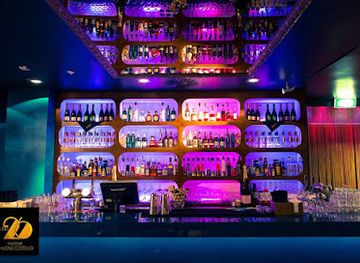
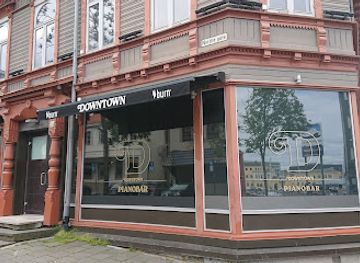
Club Downtown
Discover Trondheim's nightlife at Club Downtown, where energetic beats and vibrant crowds create an unforgettable experience.
7 min drive · 2.2 km from city centre
-
Night club
Bodegaen
Discover Trondheim's vibrant nightlife at Bodegaen Night Club, a lively hotspot for music, dance, and unforgettable experiences.
16 min walk · 1.3 km from city centre


Best shops in Trondheim
Shopping in Trondheim combines central Norwegian retail with independent businesses in older districts. The pedestrianised streets around Munkegata and Nordre gate contain department stores, practical shops and familiar chains, while Bakklandet is better suited to browsing small design shops, cafés, galleries and specialist retailers in timber surroundings. The city’s food shops and markets are useful for regional products such as smoked or preserved seafood, local cheeses, confectionery and other seasonal goods, although stock and market arrangements vary. Norwegian design, knitwear, woollen goods and outdoor equipment make practical souvenirs, while selected galleries and craft shops offer ceramics, jewellery and locally made objects. Solsiden provides a more modern setting for retail and leisure beside the river. Visitors should distinguish genuinely Norwegian products from generic imported souvenirs and check customs allowances before carrying food or animal products across borders.
-
Shopping mall
Trondheim Torg
Experience the heart of Trondheim at Trondheim Torg, your ultimate shopping destination with a mix of local charm and global brands.
6 min drive · 1.9 km from city centre
-
Shopping mall
Solsiden Senter
Discover the heart of Trondheim shopping at Solsiden Senter, where retail, dining, and waterfront views come together for an unforgettable experience.
6 min drive · 2.0 km from city centre
-
Shopping mall
Lade Arena
Explore Lade Arena in Trondheim, a dynamic shopping mall with diverse stores, from auto parts to children's clothing, perfect for every shopper.
10 min drive · 3.5 km from city centre
-
Shopping mall
Sirkus Shopping
Discover Sirkus Shopping in Trondheim, Norway - a shopping paradise with diverse stores, dining options, and entertainment for all ages.
9 min drive · 2.9 km from city centre


Get your free copy of our complete guide to Trondheim, delivered straight to you.
Everything on this page, from attractions and restaurants to essentials and local phrases, in one PDF you can read offline, print or share.
Already have an account? Sign in
Your Trondheim guide is ready.
We'll send it to · Not you? Sign out

Getting your guide ready…
We are putting together a fresh copy of the Trondheim guide. This can take up to a minute.
This can take a few moments. If your browser asks, choose Allow so the download can start. You'll find the guide in your Downloads folder.
Nothing happened? Download it again
Sorry, the guide is taking longer than usual. Please try again in a minute, or get it by email instead.
Trondheim essentials
Currency and Payment
Safety
Emergency Situations
Do's and Don'ts
Local Tips
From Eve
Local phrases worth knowing
You don't need to get them perfect. A few words go a long way, and locals appreciate the effort.
Basics
| English | Local | Say it |
|---|---|---|
| Hello | Hei | [hay] |
| Goodbye | Ha det | [ha deh] |
| Yes | Ja | [yah] |
| No | Nei | [nay] |
| Please/You're welcome | Vær så god | [ver so goh] |
| Thank you | Takk | [tahk] |
| Excuse me/Sorry | Unnskyld | [oon-shul] |
| How are you? | Hvordan har du det? | [vor-dan har doo deh] |
| Fine. And you? | Bra. Og du? | [bra oh doo] |
| Do you speak English? | Snakker du engelsk? | [snah-ker doo eng-elsk] |
| I don't understand | Jeg forstår ikke | [yay for-stor eeh-neh] |
Eating & Drinking
| English | Local | Say it |
|---|---|---|
| I'd like to see the menu, please | Kan jeg få se menyen, takk | [kan yai foh seh meh-nyen tahk] |
| I don't eat meat | Jeg spiser ikke kjøtt | [yay spee-ser ee-keh shyut] |
| Cheers! | Skål! | [skohl] |
| I would like to pay, please | Jeg vil gjerne betale, takk | [yay veal yeer-neh bet-ah-leh tahk] |
Emergencies
| English | Local | Say it |
|---|---|---|
| Help! | Hjelp! | [yehlp] |
| Go away! | Gå bort! | [goh bohrt] |
| Call the Police! | Ring politiet! | [ring poh-lee-tee-eh] |
| Call a doctor! | Ring en lege! | [ring ehn lay-geh] |
| I'm lost | Jeg er borte | [yay air bohr-teh] |
| I'm ill | Jeg er syk | [yay air seek] |
Shopping
| English | Local | Say it |
|---|---|---|
| I'd like to buy... | Jeg vil kjøpe... | [yay veal shyur-peh] |
| I'm just looking | Jeg bare ser | [yay bah-reh sair] |
| How much is it? | Hvor mye koster det? | [vor myeh koh-stehr deh] |
| That's too expensive | Det er for dyrt | [deh air for deert] |
| Can you lower the price? | Kan du senke prisen? | [kan doo sehn-keh pree-sen] |
Time & Numbers
| English | Local | Say it |
|---|---|---|
| What time is it? | Hva er klokka? | [vah air klok-ah] |
| It's one o'clock | Klokka er ett | [klok-ah air eht] |
| Half past (10) | Halv ti | [halv tee] |
| Morning | Morgen | [mohr-gehn] |
| Afternoon | Ettermiddag | [eh-ter-meed-dahg] |
| Evening | Kveld | [kvehld] |
| Yesterday | I går | [ee gohr] |
| Today | I dag | [ee dahg] |
| Tomorrow | I morgen | [ee mohr-gehn] |
| 1 | En | [ehn] |
| 2 | To | [too] |
| 3 | Tre | [treh] |
| 4 | Fire | [fee-reh] |
| 5 | Fem | [fem] |
| 6 | Seks | [sehks] |
| 7 | Sju | [shoo] |
| 8 | Åtte | [aw-teh] |
| 9 | Ni | [nee] |
| 10 | Ti | [tee] |
Transport & Directions
| English | Local | Say it |
|---|---|---|
| Where's a/the...? | Hvor er en/et...? | [vor air ehn/et] |
| What's the address? | Hva er adressen? | [vah air ah-drehs-sehn] |
| Can you show me (on the map)? | Kan du vise meg (på kartet)? | [kan doo vee-seh may (poh kahr-teh)] |
| When's the next (bus)? | Når går neste (buss)? | [norr gohr nehs-teh (boos)] |
| A ticket (to ....) | En billett (til ....) | [ehn bee-leht (teel)] |
History of Trondheim
Foundation at the Nidelva
Trondheim’s traditional foundation date is 997, when King Olav Tryggvason established a settlement at the mouth of the Nidelva, then known as Nidaros. The location offered access to the Trondheimsfjord, fertile districts and important routes along the Norwegian coast. Nidaros developed as both a royal centre and a trading place, while the river and harbour shaped the early town’s economy. Although settlement in the wider region is much older, the late tenth-century foundation marks the emergence of the urban community that became Trondheim. The city’s medieval street pattern and surviving archaeological evidence preserve traces of this formative period, when royal authority, Christianity and maritime commerce were transforming central Norway.
Nidaros and the Cult of Saint Olav
After King Olav Haraldsson died at the Battle of Stiklestad in 1030, he became Norway’s patron saint, and his tomb at Nidaros attracted pilgrims from across Scandinavia and northern Europe. A succession of churches culminated in Nidaros Cathedral, built and enlarged over several centuries from the eleventh century onwards. The shrine made Nidaros Norway’s principal religious destination and strengthened the city’s international connections. Pilgrimage encouraged trade, craft production and hospitality, while the cathedral complex helped establish Trondheim as a centre of ecclesiastical learning and administration. The route associated with Saint Olav continues to influence the city’s cultural identity and the wider network of Norwegian pilgrimage paths.
The Archiepiscopal City
Nidaros became an archbishopric in 1152 or 1153, marking a major development in Norway’s church organisation. The archbishop exercised authority over a large ecclesiastical province that included parts of the North Atlantic, and the Archbishop’s Palace expanded beside the cathedral as an administrative and residential centre. Trondheim consequently became more than a royal and commercial settlement: it was a focal point for law, education, religious art and political influence. Stone construction, imported materials and specialist craftsmanship reflected the city’s connections with the wider medieval world. The cathedral and palace precinct visible today are the clearest reminders of this period, although fire, rebuilding and later changes have altered their medieval appearance.
Trade, Fire and Urban Rebuilding
Trondheim remained an important regional port after the Middle Ages, trading in fish, timber and agricultural goods and maintaining links along the Norwegian coast. The city suffered repeated fires, with the great fire of 1681 prompting a broad rebuilding programme under the direction of Johan Caspar von Cicignon. Streets were widened and laid out more systematically, partly to limit the spread of future fires and to improve movement through the town. Later fires continued to shape the urban landscape, helping explain the coexistence of older timber buildings, planned streets and more recent masonry structures. Trondheim’s historic centre is therefore not a single preserved medieval scene but a layered record of commerce, disaster and reconstruction.
From Merchant Town to Modern City
During the nineteenth century, Trondheim grew through shipping, commerce, craft industries and improved transport connections. The harbour and river remained important, while new civic buildings and institutions reflected the city’s expanding role in regional administration and education. Industrialisation altered working life and brought further urban growth beyond the old centre. In the twentieth century, Trondheim experienced occupation during the Second World War, post-war modernisation and increasing integration with the surrounding region. The establishment and expansion of the Norwegian University of Science and Technology reinforced the city’s profile as a centre for engineering, research and innovation. Today, university life, maritime activity, cultural institutions and historic preservation continue to shape Trondheim’s character.
Trondheim in Photos
Browse through our photo collection highlighting the charm and character of the destination.
Cities near Trondheim
The closest cities to Trondheim, if you have time for more than one stop.
-

-

-

-

-


Swipe for more cities
Explore more

Explore more of Norway
Explore Norway's spectacular fjords, vibrant cities, and natural wonders. Experience the Northern Lights, Midnight Sun, and rich cultural heritage in this Scandinavian gem.
Explore Norway