

Free Hedmark Travel Guide & Mobile App
Explore Hedmark with free travel guides. Discover regional history, expert tips, proposed trips, and audio guides on web or mobile app.


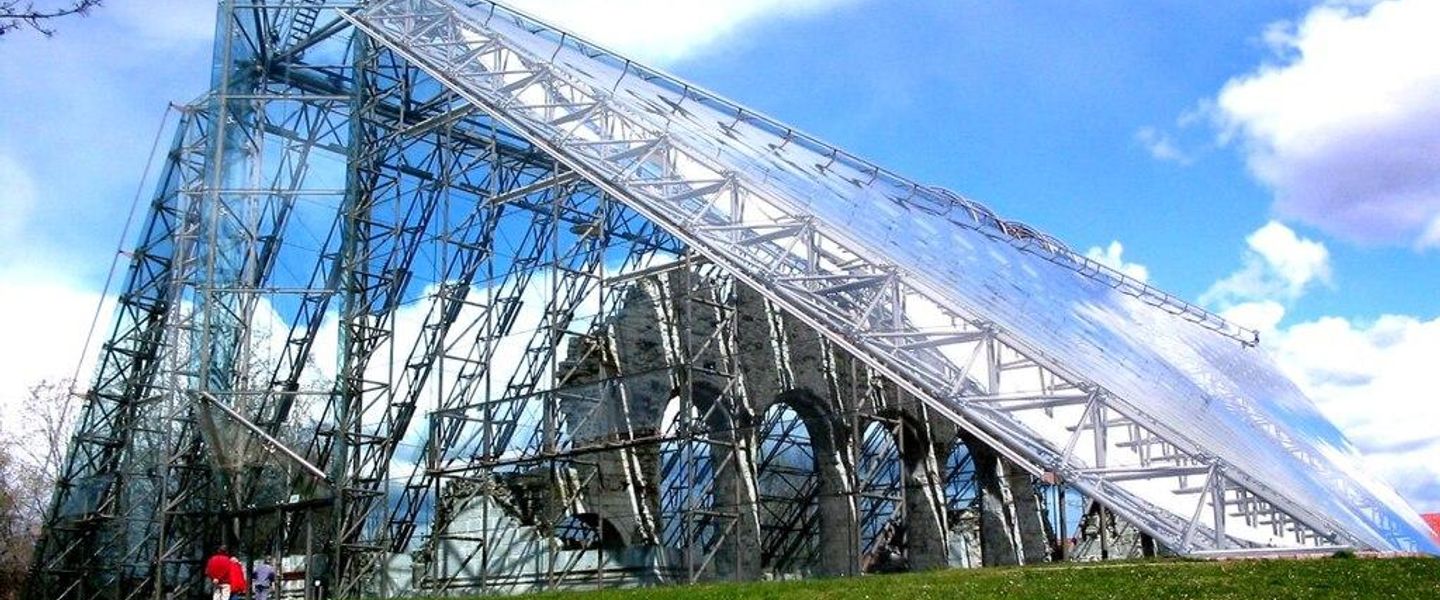


Explore Hedmark in eastern Norway for forest trails, Mjøsa heritage, mountain scenery, historic fortresses and winter sports around Trysil.
Read more about Hedmark
When is the best time to visit Hedmark?
Best: June–August · 19–21°C| Month | High (°C) | Rainfall (mm) |
|---|---|---|
| January | -3 | 40 |
| February | -2 | 35 |
| March | 3 | 35 |
| April | 9 | 35 |
| May | 14 | 40 |
| June (best) | 19 | 50 |
| July (best) | 21 | 60 |
| August (best) | 20 | 65 |
| September | 14 | 55 |
| October | 7 | 50 |
| November | 3 | 45 |
| December | -2 | 40 |
Getting to and around Hedmark
How to get there
Transportation
Top city travel guides in Hedmark
The cities of Hedmark, and the easiest places to base yourself.

Swipe for more cities
Destinations in Hedmark
Resorts, valleys and scenic spots worth a trip of their own.
-

-

-

-

-

-


Swipe for more destinations
Best attractions in Hedmark
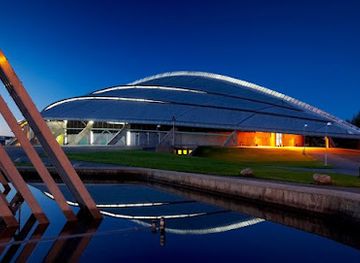
Hedmark's attractions are spread across several contrasting landscapes rather than concentrated in one city. Around Hamar, Domkirkeodden combines medieval cathedral ruins, lakeside archaeology and museum collections in a historically important setting on the Mjøsa shore. Elverum is the region's principal centre for forestry heritage, with the Norwegian Forest Museum and Glomdalsmuseet offering insight into woodland industries, rural life and local building traditions. Kongsvinger provides a strong military and border-history focus through its hilltop fortress and historic surroundings. In the east, Finnskogen is suited to walking, cultural interpretation and quiet forest travel connected with Forest Finn settlement. Trysil is the largest outdoor centre, with extensive winter skiing and a growing summer programme of cycling, hiking and river-based activities. Northern districts offer fishing, hiking, mountain scenery and access to protected landscapes, while the agricultural areas around Mjøsa and the Glomma valley reveal a more settled side of inland Norway. Museums, farm visits, heritage rail connections, canoeing and wildlife observation add variety, but many experiences depend on the season and require advance planning for transport.
-
Tourist attraction
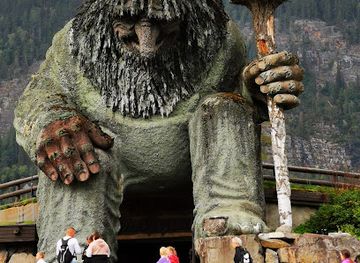
Hunderfossen Adventure Park
Discover the magic of Norwegian folklore at Hunderfossen Adventure Park, where adventure meets family fun in a picturesque setting.
-
Tourist attraction
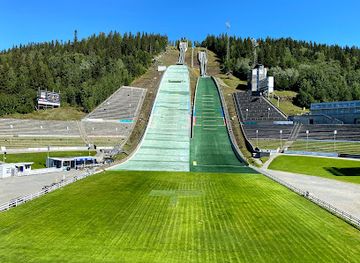
Lysgårdsbakkene Hoppanlegg
Discover the excitement of ski jumping at Lysgardsbakkene Hoppanlegg, a premier attraction in Lillehammer, Norway, known for breathtaking views and thrilling sports.
-
Tourist attraction
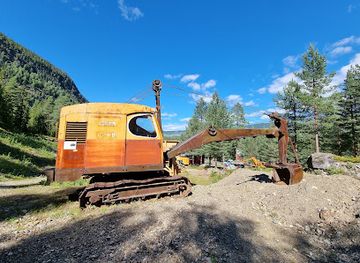
Norwegian Road Museum
Discover Norway's automotive evolution at the Norwegian Road Museum, showcasing classic vehicles and rich transportation history.
-
Tourist attraction
Domkirkeodden
Explore the stunning Domkirkeodden in Hamar, Norway - a captivating blend of history, culture, and natural beauty awaits.
Best landmarks in Hedmark
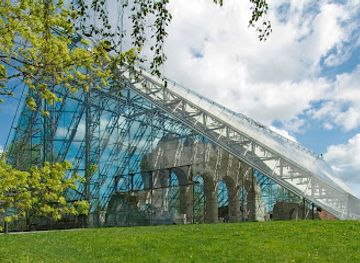
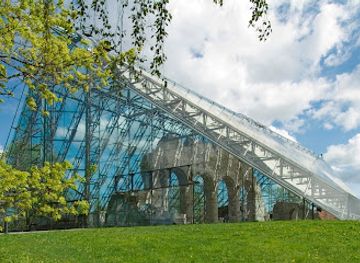
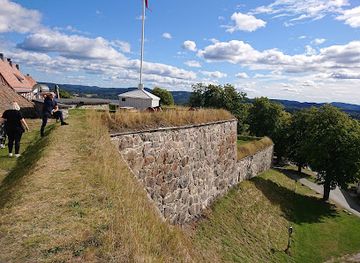
Domkirkeodden at Hamar is Hedmark's most recognisable historic landscape, with the substantial ruins of the medieval cathedral protected beneath a striking glass structure beside Lake Mjøsa. Kongsvinger Fortress dominates the town from its elevated position above the Glomma and remains a powerful symbol of Norway's former Swedish frontier. The Glomma itself is a major natural and cultural landmark, shaping settlement, timber transport and the identity of Elverum and other river communities. In the forest borderlands, Finnskogen is less a single monument than a broad cultural landscape associated with Forest Finn migration, traditional settlement and deep woodland routes. Trysilfjellet provides the region's best-known recreational mountain profile, its slopes transformed by winter skiing and summer trails. The open agricultural districts around Mjøsa and the long forest horizons east of the Glomma are also significant visual markers: together they show the transition from Norway's cultivated lake country to its extensive inland woodland and upland terrain.
-
History museum
Domkirkeodden
Discover Hamar's rich historical heritage at Domkirkeodden, a stunning museum and tourist attraction amidst beautiful landscapes.
-
Arena
Vikingskipet
Explore Vikingskipet, an architectural marvel in Hamar, Norway, and experience the thrill of sports in a culturally rich environment.
-
Fortress
Kongsvinger Fortress
Explore Kongsvinger Fortress, a historic military stronghold with stunning views and rich cultural heritage in Norway.
-
Park
Koigen
Experience the natural beauty of Koigen Park in Hamar, a serene escape perfect for relaxation, picnics, and stunning views of Lake Mjøsa.
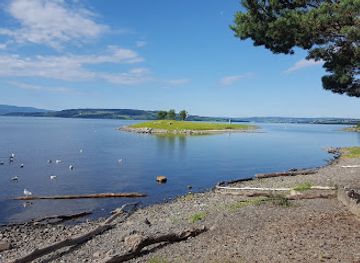
Explore Hedmark on the map
Plan your trip on one map. See where the top cities, national parks and sights are, and book hotels and experiences in a few clicks.
Best hotels in Hedmark
Best restaurants in Hedmark
Hedmark's cuisine reflects the meeting of productive farmland, freshwater, forest and mountain pasture. Grain and potatoes are important agricultural products, while dairy, game, freshwater fish, mushrooms and wild berries connect menus with the surrounding landscape. Visitors may encounter traditional breads, preserved foods and hearty meat dishes alongside contemporary cooking based on local produce. Hamar and the larger towns offer the broadest choice of cafés, bakeries, restaurants and international food, while rural areas are more likely to centre on farm shops, seasonal eateries, cafés and traditional inns. Around Trysil, dining is shaped by the ski season, with informal restaurants and lodging-based meals particularly prominent in winter. Local food halls and markets, when operating, are useful places to find cheese, cured meat, bakery products, jams and other regional specialities. The strongest sense of place often comes from combining a museum or outdoor excursion with a meal or purchase from a working farm district rather than seeking a single signature dish.
-
Restaurant
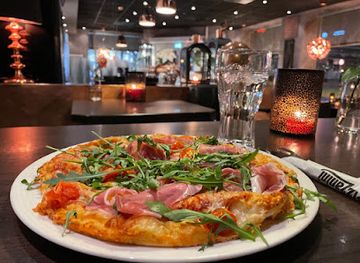
Pizzanini Hamar
Discover the flavors of Pizzanini Hamar, where authentic American-Italian pizzas meet warm Norwegian hospitality.
-
Restaurant
Knettsetra
Discover culinary excellence at Knettsetra in Trysil – where local flavors meet breathtaking views for an unforgettable dining experience.
-
Restaurant
Hygge Gjøvik
Experience cozy dining at Hygge Gjøvik - where comfort food meets a warm atmosphere in the heart of Norway.
-
Traditional Norwegian restaurant
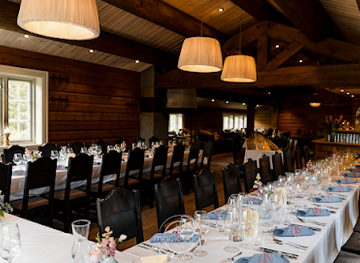
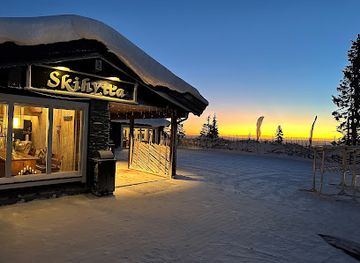
Restaurant Skihytta Trysil
Experience authentic Norwegian cuisine in a cozy setting at Restaurant Skihytta in Trysil - where every meal tells a story.
Best bars in Hedmark
Evening life in Hedmark is largely based around pubs, hotel bars, restaurants, cultural venues and seasonal activity rather than a large nightclub circuit. Hamar has the widest urban choice, including bars, cafés, live music and events associated with its student and cultural life, while Elverum and Kongsvinger offer smaller local scenes centred on central streets and established meeting places. Trysil becomes considerably busier in the winter season, when ski visitors support après-ski venues, resort bars and evening entertainment, although the character varies between the main resort areas and quieter villages. In rural districts, traditional pubs, restaurants and community events are more typical than late-night clubs. Local breweries and Norwegian alcohol regulations are part of the wider national context, and visitors should expect high prices and limited late transport outside the main towns. Checking current listings is important because smaller venues and seasonal programming can change.
-
Gastropub
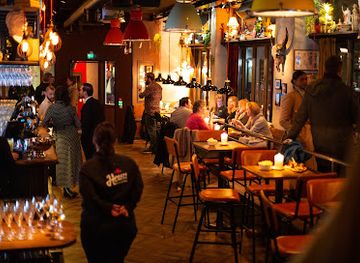
Heim Hamar
Explore Heim Hamar, a vibrant gastropub serving delicious local cuisine and drinks in a lively atmosphere in the heart of Hamar.
-
Irish pub
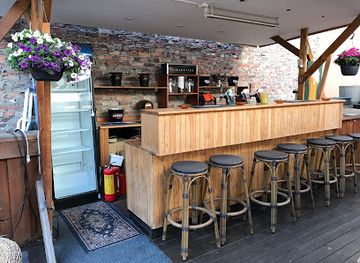
The Irishman
Experience the charm of The Irishman, a vibrant Irish pub in Hamar offering delicious food, drinks, and live music for an unforgettable night out.
-
Pub
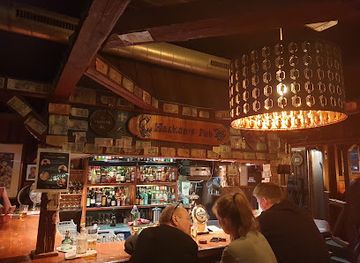
Haakons pub AS
Discover the charm of Haakons Pub in Lillehammer, a welcoming spot for drinks, bites, and memorable moments.
-
Bar
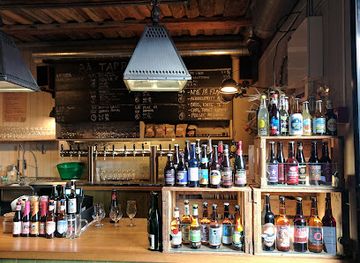
Gullkorn Ølbar
Discover Gullkorn Ølbar in Hamar, where craft beers and local culture intertwine for an unforgettable nightlife experience.
Best nightclubs in Hedmark
Evening life in Hedmark is largely based around pubs, hotel bars, restaurants, cultural venues and seasonal activity rather than a large nightclub circuit. Hamar has the widest urban choice, including bars, cafés, live music and events associated with its student and cultural life, while Elverum and Kongsvinger offer smaller local scenes centred on central streets and established meeting places. Trysil becomes considerably busier in the winter season, when ski visitors support après-ski venues, resort bars and evening entertainment, although the character varies between the main resort areas and quieter villages. In rural districts, traditional pubs, restaurants and community events are more typical than late-night clubs. Local breweries and Norwegian alcohol regulations are part of the wider national context, and visitors should expect high prices and limited late transport outside the main towns. Checking current listings is important because smaller venues and seasonal programming can change.
-
Live Music
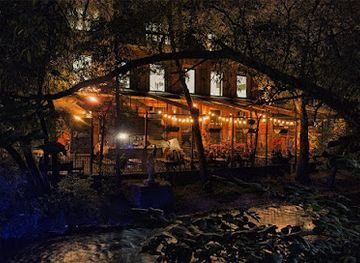
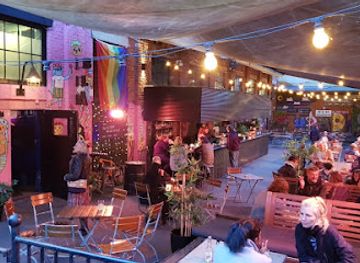
BLÅ
Discover Oslo's dynamic nightlife at BLÅ, where live music, a vibrant beer garden, and an energetic disco club await every visitor.
-
Night club
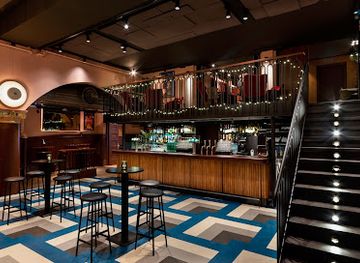
Ingensteds
Discover the electrifying nightlife of Oslo at Ingensteds, a vibrant night club in Grünerløkka offering cocktails, dancing, and unforgettable experiences.
-
Live music bar
Festiviteten Bar & Scene
Discover the electric atmosphere of Festiviteten Bar & Scene in Hamar, where live music meets a vibrant nightlife experience.
-
Bar
Nellie Pub
Explore the lively ambiance and local flavors at Nellie Pub, the quintessential bar experience in Hamar, Norway.
Best shops in Hedmark
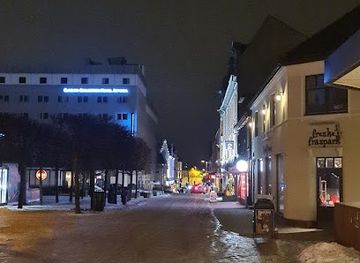
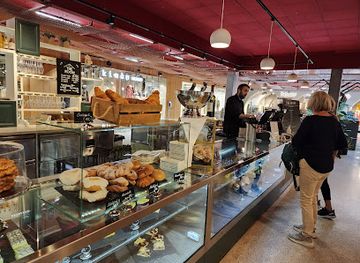
Shopping in Hedmark is strongest in the larger centres of Hamar, Elverum and Kongsvinger, where visitors find ordinary high-street retail, supermarkets, cafés, bookshops and practical outdoor equipment. The main regional character comes from farm shops, seasonal markets, craft outlets and museum shops rather than luxury shopping. Look for local cheese, cured meats, breads, preserves, berry products and other foods from the agricultural districts around Mjøsa and the river valleys. Forestry and rural heritage museums often provide context for traditional tools, woollen goods, woodwork and locally themed gifts, while shops in Trysil naturally emphasise ski equipment, outdoor clothing and cycling products. Finnskogen and other rural areas may have small-scale craft and produce sales, but opening arrangements vary and should be checked locally. Norwegian design goods and outdoor clothing are widely available, yet the most region-specific purchases are generally edible produce, practical woollens, woodcraft and books about Hedmark's landscape and history.
-
Shopping mall
Paleet
Discover Paleet, Oslo's chic shopping mall, featuring luxury brands, delightful eateries, and a vibrant cultural scene in the heart of the city.
-
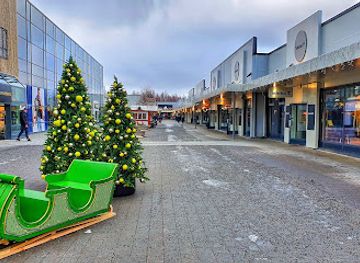
Outlet mall
Oslo Fashion Outlet Vestby
Discover unbeatable deals on top fashion brands at Oslo Fashion Outlet Vestby, the ultimate shopping destination in Norway.
-
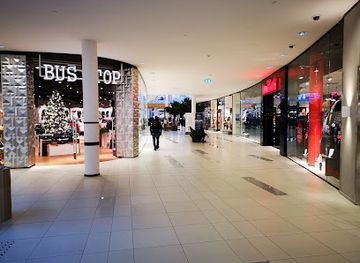
Shopping mall
CC Hamar
Discover CC Hamar, a bustling shopping mall in Norway with diverse shops, delicious dining, and engaging entertainment options for the ultimate shopping experience.
-
Department store
Steen & Strøm Department Store
Discover the elegance of Steen & Strøm Department Store in Oslo, a premier shopping destination with luxury fashion, gourmet foods, and local charm.
Get your free copy of our complete guide to Hedmark, delivered straight to you.
Everything on this page, from attractions and restaurants to essentials and local phrases, in one PDF you can read offline, print or share.
Already have an account? Sign in
Your Hedmark guide is ready.
We'll send it to · Not you? Sign out

Getting your guide ready…
We are putting together a fresh copy of the Hedmark guide. This can take up to a minute.
This can take a few moments. If your browser asks, choose Allow so the download can start. You'll find the guide in your Downloads folder.
Nothing happened? Download it again
Sorry, the guide is taking longer than usual. Please try again in a minute, or get it by email instead.
Hedmark essentials
Currency and Payment
Safety
Emergency Situations
Do's and Don'ts
Local Tips
From Eve
Local phrases worth knowing
You don't need to get them perfect. A few words go a long way, and locals appreciate the effort.
Basics
| English | Local | Say it |
|---|---|---|
| Hello | Hei | [hay] |
| Goodbye | Ha det | [ha deh] |
| Yes | Ja | [yah] |
| No | Nei | [nay] |
| Please/You're welcome | Vær så snill/Ingen årsak | [vaer so snil/ingen or-sak] |
| Thank you | Takk | [tahk] |
| Excuse me/Sorry | Unnskyld meg | [oon-shild my] |
| How are you? | Hvordan har du det? | [vor-dahn har du deh] |
| Fine. And you? | Bra. Og du? | [bra. oh du?] |
| Do you speak English? | Snakker du engelsk? | [snak-er du eng-elsk?] |
| I don't understand | Jeg forstår ikke | [yai for-stor ik-keh] |
Eating & Drinking
| English | Local | Say it |
|---|---|---|
| I'd like to see the menu, please | Jeg vil gjerne se menyen, vær så snill | [yai vil yair-ne se men-yen, vaer so snil] |
| I don't eat meat | Jeg spiser ikke kjøtt | [yai spee-ser ik-keh kyett] |
| Cheers! | Skål! | [skawl] |
| I would like to pay, please | Jeg vil gjerne betale, vær så snill | [yai vil yair-ne be-ta-leh, vaer so snil] |
Emergencies
| English | Local | Say it |
|---|---|---|
| Help! | Hjelp! | [yelp] |
| Go away! | Gå vekk! | [go vek] |
| Call the Police! | Ring politiet! | [ring poh-li-teh] |
| Call a doctor! | Ring en lege! | [ring en leh-geh] |
| I'm lost | Jeg har gått meg bort | [yai har got meg bort] |
| I'm ill | Jeg er syk | [yai air seek] |
Shopping
| English | Local | Say it |
|---|---|---|
| I'd like to buy... | Jeg vil gjerne kjøpe... | [yai vil yair-ne kyuh-peh...] |
| I'm just looking | Jeg bare ser | [yai bar-eh sehr] |
| How much is it? | Hvor mye koster det? | [vor mye kost-er deh?] |
| That's too expensive | Det er for dyrt | [deh air for deert] |
| Can you lower the price? | Kan du senke prisen? | [kan du sen-keh pree-sen?] |
Time & Numbers
| English | Local | Say it |
|---|---|---|
| What time is it? | Hva er klokka? | [vah air klohk-ka] |
| It's one o'clock | Den er ett | [den air ett] |
| Half past (10) | Halv elleve | [halv el-leh-veh] |
| Morning | Morgen | [mor-gen] |
| Afternoon | Ettermiddag | [et-ter-mid-dahg] |
| Evening | Kveld | [kveld] |
| Yesterday | I går | [ee gor] |
| Today | I dag | [ee dahg] |
| Tomorrow | I morgen | [ee mor-gen] |
| 1 | 1 | [en] |
| 2 | 2 | [to] |
| 3 | 3 | [tre] |
| 4 | 4 | [fire] |
| 5 | 5 | [fem] |
| 6 | 6 | [seks] |
| 7 | 7 | [sju] |
| 8 | 8 | [åtte] |
| 9 | 9 | [ni] |
| 10 | 10 | [ti] |
Transport & Directions
| English | Local | Say it |
|---|---|---|
| Where's a/the...? | Hvor er en/den...? | [vor air en/den...?] |
| What's the address? | Hva er adressen? | [vah air ad-reh-sen?] |
| Can you show me (on the map)? | Kan du vise meg (på kartet)? | [kan du vee-seh my (po kar-tet)?] |
| When's the next (bus)? | Når går neste (buss)? | [nor gor nes-teh (boos)?] |
| A ticket (to ....) | En billett (til ....) | [en bee-lett (til ....)] |
History of Hedmark
Early settlement and Iron Age landscapes
People have lived around the fertile shores of Mjøsa and along the major river valleys since prehistoric times. The combination of arable land, water routes and woodland resources supported farming communities, while burial mounds and other archaeological remains reveal changing social organisation during the Iron Age. The Glomma and its tributaries provided routes through the interior, connecting settlements with wider networks in eastern Scandinavia. Hedmark's later importance was therefore built on an ancient relationship between cultivated lowlands, river corridors and the extensive forests beyond them.
Medieval Hamar and the Christian kingdom
Medieval Hamar became one of Norway's important ecclesiastical centres, with a cathedral and bishopric established during the Christianisation and consolidation of the kingdom. The cathedral precinct at Domkirkeodden illustrates the scale of the settlement and its links with church administration, trade and royal authority. Hamar's influence declined after the Reformation and subsequent political changes, but the surviving cathedral ruins and museum landscape remain the clearest physical reminder of the region's medieval religious importance.
Forest Finn migration, sixteenth to nineteenth centuries
From the late sixteenth century, Forest Finn migrants from eastern Finland settled in parts of the wooded borderlands between Norway and Sweden. They adapted to the forest environment through distinctive farming methods, including slash-and-burn cultivation, alongside hunting, fishing and later small-scale agriculture. Finnskogen became the best-known Norwegian area associated with this history. Over time, communities became integrated into wider Norwegian society, yet buildings, traditions, surnames and cultural interpretation continue to document the migration and its lasting contribution to eastern Norway.
Kongsvinger Fortress and the Swedish frontier
The border with Sweden gave eastern Norway considerable military importance. Kongsvinger Fortress, developed from the late seventeenth century on a strategic height above the Glomma, guarded routes into the interior and formed part of Norway's defensive system during periods of rivalry with Sweden. The fortress was involved in several campaigns and remained a military site for centuries. Its walls, views over the river valley and associated townscape make the frontier history of Hedmark especially tangible.
Timber, rivers and industrial transformation
Forestry became one of Hedmark's defining industries as timber was harvested, floated along rivers and processed in sawmills and later more mechanised enterprises. The Glomma and other waterways were crucial transport corridors before railways and roads changed the movement of wood and people. Elverum developed a particularly strong forestry identity, reflected in museums and surviving industrial heritage. Timber wealth also influenced settlement patterns, local businesses and the architecture of many towns and farm districts.
Railways, modern towns and national infrastructure
Railway construction in the nineteenth and early twentieth centuries connected Hamar, Elverum, Kongsvinger and other inland communities with Oslo and the wider national economy. Rail access strengthened agriculture, forestry, trade and population centres while reducing reliance on seasonal river transport. The railway remains important for visitors, particularly on routes serving Hamar and Kongsvinger. Modern roads, ski tourism and outdoor recreation have since added new economic roles without replacing the region's agricultural and forestry foundations.
Hedmark during the Second World War
The region was directly involved in Norway's response to the German invasion in April 1940. Elverum became a temporary centre of national government activity, and the nearby Midtskogen fighting involved Norwegian forces resisting an attempt to capture King Haakon VII and members of the government. The events demonstrated the strategic importance of the inland routes and forests east of Mjøsa. Memorials and museums across the region preserve aspects of this period, which remains a significant part of modern Hedmark's political and military history.
From Hedmark county to Innlandet
Hedmark existed as a county until 2020, when it was merged with Oppland to form Innlandet county. The administrative change did not erase the historic region's cultural or geographical identity. Hamar, Elverum, Kongsvinger and Trysil continue to function as recognisable centres within the former Hedmark area, while local history, dialect, landscape and travel patterns distinguish it from the former Oppland districts to the west. Visitors may therefore encounter both the modern county name, Innlandet, and the enduring regional name, Hedmark.
Hedmark in Photos
Browse through our photo collection highlighting the charm and character of the destination.
Neighbouring regions of Hedmark
The closest regions to Hedmark, if you have time for more than one.
-

-
-

-

-


Swipe for more regions

