

Free Møre og Romsdal Travel Guide & Mobile App
Explore Møre og Romsdal with free travel guides. Discover regional history, expert tips, proposed trips, and audio guides on web or mobile app.


Explore Møre og Romsdal for Art Nouveau Ålesund, dramatic fjords, alpine hikes, island communities and Norway’s most memorable scenic roads.
Read more about Møre og Romsdal
When is the best time to visit Møre og Romsdal?
Best: June–August · 15–16°C| Month | High (°C) | Rainfall (mm) |
|---|---|---|
| January | 3 | 100 |
| February | 3 | 90 |
| March | 5 | 80 |
| April | 7 | 70 |
| May | 11 | 60 |
| June (best) | 15 | 50 |
| July (best) | 16 | 60 |
| August (best) | 16 | 70 |
| September | 13 | 80 |
| October | 10 | 90 |
| November | 6 | 100 |
| December | 3 | 110 |
Getting to and around Møre og Romsdal
How to get there
Transportation
Top city travel guides in Møre og Romsdal
The cities of Møre og Romsdal, and the easiest places to base yourself.
-

-


Swipe for more cities
Destinations in Møre og Romsdal
Resorts, valleys and scenic spots worth a trip of their own.
-

-


Swipe for more destinations
Best attractions in Møre og Romsdal
Møre og Romsdal’s attractions are defined by the relationship between water, mountains and maritime communities. In Ålesund, visitors can explore the post-1904 Art Nouveau centre, museums and harbour setting before heading towards the islands and fjords of Sunnmøre. Geirangerfjord offers boat journeys, viewpoints and demanding walks to historic farms and waterfalls, while the villages around Hjørundfjord provide a quieter base for kayaking, hiking and mountain scenery. Romsdal centres on Åndalsnes, the starting point for routes such as Romsdalseggen and excursions towards the high walls of the Romsdal valley. North of Molde, the Atlantic Road crosses bridges and low islands above exposed coastal waters, and Kristiansund provides museums, harbour walks and maritime history. Runde attracts visitors for its seabird cliffs and coastal landscapes, particularly during the nesting season. Across the county, activities range from fjord cruises and sea kayaking to ski touring, cycling, fishing and short family walks. Conditions and access vary substantially by season, so the attraction is often the journey itself as much as the final viewpoint.
-
Observation deck
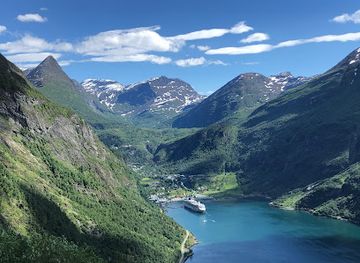
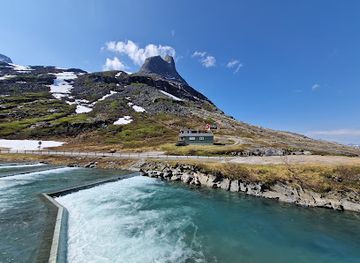
Trollstigen Utsiktpunkt
Discover the stunning Trollstigen Utsiktpunkt, a top tourist attraction offering breathtaking views of Norway's majestic landscapes.
-
Aquarium
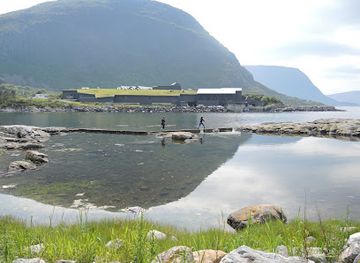
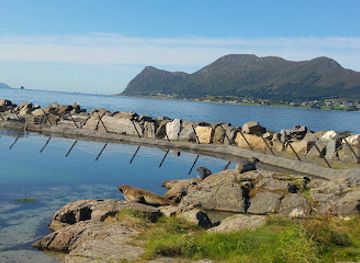
Atlantic Sea-Park
Explore the Atlantic Sea-Park: Norway's largest saltwater aquarium, showcasing marine life and stunning ocean views, perfect for families and ocean lovers.
-
Scenic spot
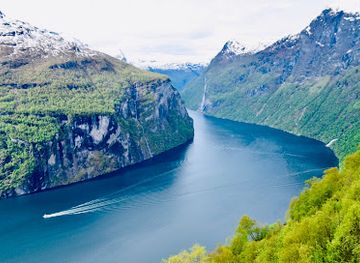
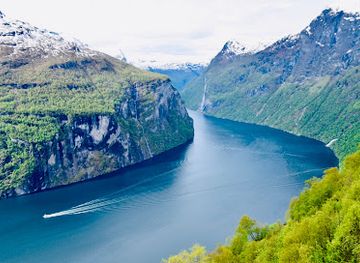
Ørnesvingen Viewpoint
Discover the stunning vistas at Ørnesvingen Viewpoint, where breathtaking views of the Geiranger Fjord await every traveler.
-
Tourist attraction
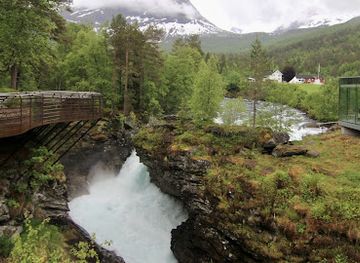
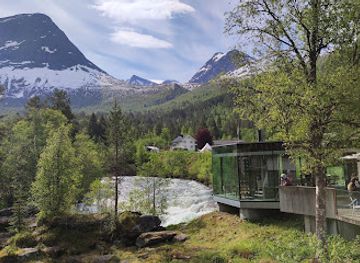
Gudbrandsjuvet
Experience the breathtaking beauty of Gudbrandsjuvet Waterfall, a must-visit natural attraction in Norway's stunning landscapes.
Best landmarks in Møre og Romsdal
Ålesund’s Art Nouveau centre is the county’s most recognisable urban landmark, its towers, curved façades and decorative details reflecting the town’s reconstruction after the 1904 fire. The monument and viewpoint on Mount Aksla provides a broad visual introduction to the town, surrounding islands and waterways. Geirangerfjord is the region’s defining natural landmark, enclosed by steep mountains and marked by waterfalls such as the Seven Sisters and historic farms on difficult slopes. In Romsdal, the vertical walls around Åndalsnes and the Romsdal valley express the scale of the county’s mountain geography, while the Trollstigen road is notable for its engineered hairpin bends and highland setting when open. The Atlantic Road is a modern landmark of bridges and causeways crossing exposed coastal skerries north of Kristiansund. Runde’s cliffs and offshore islands form another important natural feature, combining seabird habitat with a strong sense of the open sea. Historic Giske Church and the island’s former aristocratic associations add a human dimension to the coastal landscape.
-
Observation deck
Trollstigen Utsiktpunkt
Discover the stunning vistas at Trollstigen Utsiktpunkt, an iconic observation deck offering breathtaking views of Norway's majestic landscapes.
-
Aquarium
Atlantic Sea-Park
Explore the captivating depths of the Atlantic Sea-Park, where the wonders of Norway's marine life come to life in an unforgettable experience.
-
Scenic spot
Ørnesvingen Viewpoint
Discover the stunning vistas of Ørnesvingen Viewpoint, where nature's beauty meets breathtaking fjord views in Norway.
-
Tourist attraction
Gudbrandsjuvet
Discover the breathtaking gorge of Gudbrandsjuvet in Norway, where stunning cliffs and rushing waters create a perfect escape into nature's beauty.
Explore Møre og Romsdal on the map
Plan your trip on one map. See where the top cities, national parks and sights are, and book hotels and experiences in a few clicks.
Best hotels in Møre og Romsdal
Best restaurants in Møre og Romsdal
Dining in Møre og Romsdal is shaped by the North Atlantic, productive fjords and inland farming valleys. Fish and shellfish are central, with cod, halibut, salmon, mussels and prawns appearing alongside dried or salted fish traditions associated particularly with the coastal towns. Kristiansund’s clipfish heritage is an important part of local food history, while the wider county offers lamb, dairy products, potatoes, berries and apples from sheltered farming areas. Ålesund, Molde, Kristiansund and Åndalsnes have the broadest selection of cafés, bakeries, seafood restaurants and contemporary dining, while villages and fjord settlements often provide seasonal menus in hotels, inns or small cafés. Farmers’ shops and markets can be useful for local cheese, preserves, baked goods and cider-style apple drinks. In rural areas, opening days may be limited outside the main season, and reservations are sensible for well-known restaurants or accommodation-based dining. Expect Norwegian prices and an emphasis on fresh ingredients rather than heavily spiced cooking.
-
Brewpub
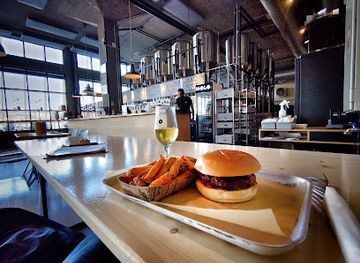
Molo Brew
Discover the best craft beers and gourmet burgers at Molo Brew in Ålesund - a must-visit brewpub for every traveler.
-
Restaurant
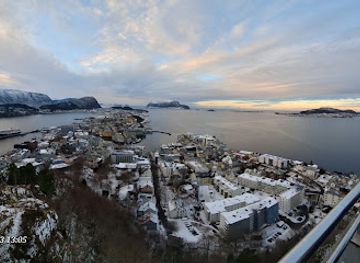
Fjellstua
Experience stunning views and delightful dining at Fjellstua Restaurant in Ålesund, where Norwegian cuisine meets breathtaking scenery.
-
Restaurant
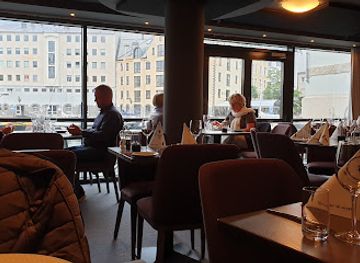
Anno Restaurant & Lounge Bar
Experience modern Norwegian cuisine at Anno Restaurant & Lounge Bar in Ålesund—where flavor meets elegance in every dish.
-
Restaurant
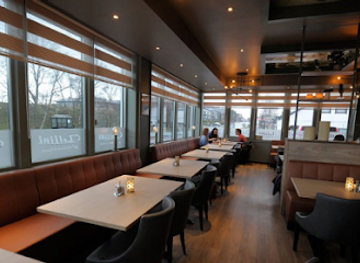
Fellini Restaurant & Pizzeria
Discover the rich flavors of Italy at Fellini Restaurant & Pizzeria in Ålesund – where every meal is a delightful culinary journey.
Best bars in Møre og Romsdal
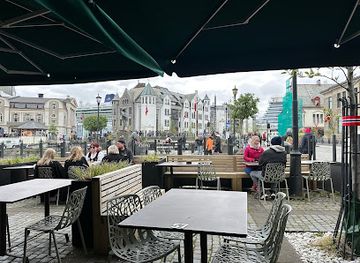
Evening life in Møre og Romsdal is concentrated in Ålesund, Molde and Kristiansund, with a smaller selection of pubs, hotel bars and cafés in Åndalsnes and the larger fjord settlements. Ålesund has the county’s broadest urban choice, including traditional pubs, cocktail-oriented bars, live music and venues connected with its restaurant scene. Molde’s cultural calendar and summer activity can add to its evening options, while Kristiansund’s harbour setting supports relaxed bars and restaurants rather than a large club circuit. Outside the towns, evenings are generally quieter and centre on local pubs, inns, hotel lounges or dining, with seasonal variation and earlier closing common in small communities. Some coastal and mountain destinations become noticeably calmer outside summer. Alcohol is expensive by international standards, and responsible drinking is expected; visitors need not drink to participate in local social life.
-
Brewpub
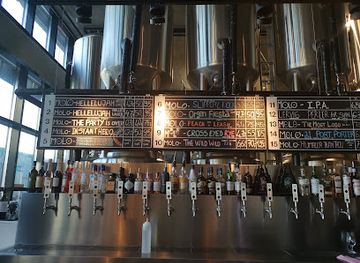
Molo Brew
Discover Molo Brew, Ålesund's premier brewpub offering a delightful fusion of craft beer, gourmet burgers, and a warm, inviting atmosphere.
-
Bar
Anno Restaurant & Lounge Bar
Discover the essence of Ålesund cuisine at Anno Restaurant & Lounge Bar, where fresh ingredients meet modern Norwegian flavors.
-
Pub
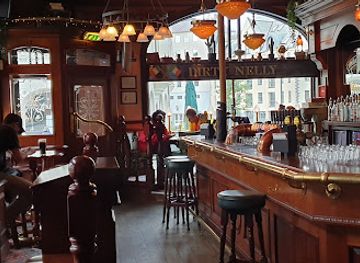
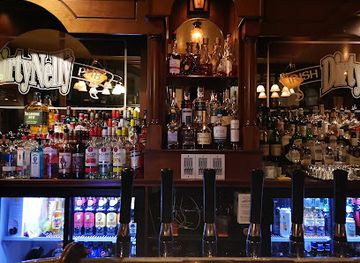
Dirty Nelly Irish Pub
Discover the vibrant atmosphere and authentic Irish charm at Dirty Nelly Irish Pub in Ålesund, where good food and sports come together.
-
Grill
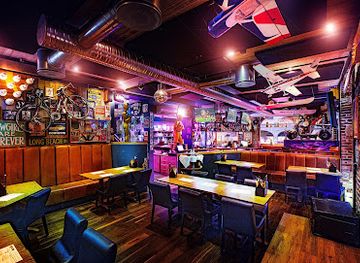
Happy Elefante - Bar, Grill & Music
Experience the vibrant atmosphere and delightful flavors at Happy Elefante, Ålesund's top bar and grill for food lovers and music enthusiasts.
Best nightclubs in Møre og Romsdal
Evening life in Møre og Romsdal is concentrated in Ålesund, Molde and Kristiansund, with a smaller selection of pubs, hotel bars and cafés in Åndalsnes and the larger fjord settlements. Ålesund has the county’s broadest urban choice, including traditional pubs, cocktail-oriented bars, live music and venues connected with its restaurant scene. Molde’s cultural calendar and summer activity can add to its evening options, while Kristiansund’s harbour setting supports relaxed bars and restaurants rather than a large club circuit. Outside the towns, evenings are generally quieter and centre on local pubs, inns, hotel lounges or dining, with seasonal variation and earlier closing common in small communities. Some coastal and mountain destinations become noticeably calmer outside summer. Alcohol is expensive by international standards, and responsible drinking is expected; visitors need not drink to participate in local social life.
-
Pub
Dirty Nelly Irish Pub
Immerse yourself in Irish culture at Dirty Nelly Irish Pub, where great drinks, delicious food, and sports unite in a lively atmosphere.
-
Bar
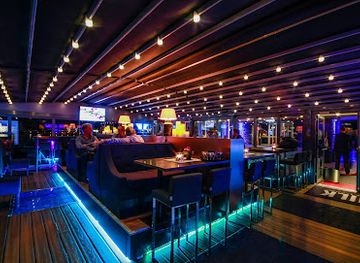
MILK Bar & Lounge
Discover the vibrant MILK Bar & Lounge in Ålesund – the ultimate destination for drinks, socializing, and a lively atmosphere.
-
Night club
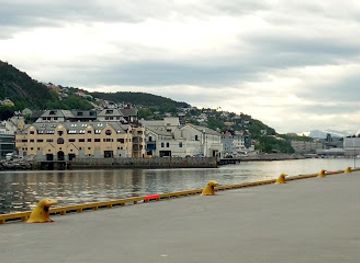
Alesund Passenger Terminal
Discover the vibrant Alesund Passenger Terminal, your gateway to Norway's stunning fjords and rich cultural experiences.
-
Bar
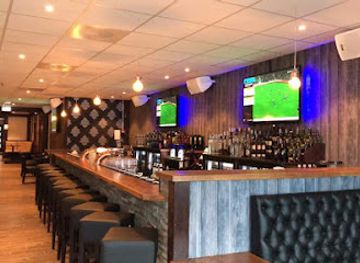
Brooklyn - 24 / 26 -
Discover the lively Brooklyn Bar in Ålesund, where piano performances and crafted cocktails create an unforgettable nightlife experience.
Best shops in Møre og Romsdal
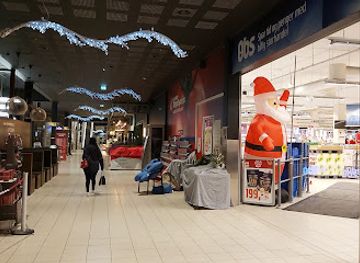
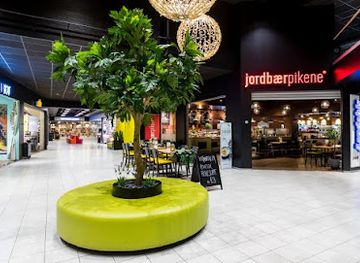
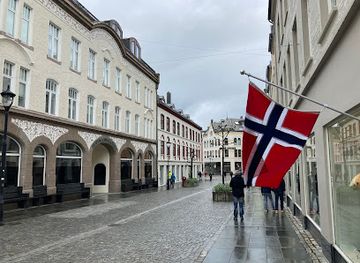
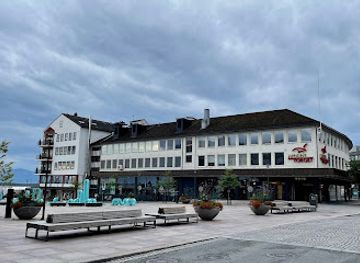
Shopping in Møre og Romsdal is strongest in the town centres of Ålesund, Molde and Kristiansund, where pedestrian streets and compact retail areas combine national chains with independent clothing shops, bookshops, cafés, galleries and design stores. Ålesund is particularly suited to browsing architecture, homewares and locally themed craft products, while harbour areas and smaller towns offer maritime souvenirs without the scale of a major city. Farmers’ shops, bakeries and seasonal markets are useful places to look for dried or smoked fish, cheese, preserves, chocolate, berries and other Norwegian food products. In fjord and mountain communities, craft galleries may stock knitwear, woodwork, ceramics, jewellery or locally made artworks, although opening arrangements can be seasonal. Outdoor equipment is widely available in larger centres and is practical for visitors planning walks or mountain activities. When buying wildlife-related products, check that items are legal and responsibly sourced, and favour durable local crafts over generic souvenirs.
-
Shopping mall
AMFI Moa
Experience the best of shopping and dining at AMFI Moa, Ålesund's premier mall with a diverse selection of stores and eateries.
-
Shopping mall
AMFI Roseby
Discover AMFI Roseby in Molde, Norway—your ultimate shopping destination with diverse brands and delightful dining options.
-
Shopping mall
Ålesund Storsenter
Explore the vibrant shopping scene at Ålesund Storsenter, where fashion, food, and fun come together in a charming Art Nouveau setting.
-
Shopping mall
Moldetorget
Discover shopping bliss at Moldetorget, a dynamic mall in Molde, Norway, offering diverse shops and delightful dining options.
Get your free copy of our complete guide to Møre og Romsdal, delivered straight to you.
Everything on this page, from attractions and restaurants to essentials and local phrases, in one PDF you can read offline, print or share.
Already have an account? Sign in
Your Møre og Romsdal guide is ready.
We'll send it to · Not you? Sign out

Getting your guide ready…
We are putting together a fresh copy of the Møre og Romsdal guide. This can take up to a minute.
This can take a few moments. If your browser asks, choose Allow so the download can start. You'll find the guide in your Downloads folder.
Nothing happened? Download it again
Sorry, the guide is taking longer than usual. Please try again in a minute, or get it by email instead.
Møre og Romsdal essentials
Currency and Payment
Safety
Emergency Situations
Do's and Don'ts
Local Tips
From Eve
Local phrases worth knowing
You don't need to get them perfect. A few words go a long way, and locals appreciate the effort.
Basics
| English | Local | Say it |
|---|---|---|
| Hello | Hei | [Hay] |
| Goodbye | Ha det | [Hah deh] |
| Yes | Ja | [Yah] |
| No | Nei | [Nay] |
| Please/You're welcome | Vær så snill/Takk | [Vair soh snill/Tahk] |
| Thank you | Takk | [Tahk] |
| Excuse me/Sorry | Unnskyld | [Oon-shild] |
| How are you? | Hvordan har du det? | [Vordan har du deh?] |
| Fine. And you? | Bra. Og du? | [Bra. Oh doo?] |
| Do you speak English? | Snakker du engelsk? | [Snakker doo engelsk?] |
| I don't understand | Jeg forstår ikke | [Yai for-stor ikka] |
Eating & Drinking
| English | Local | Say it |
|---|---|---|
| I'd like to see the menu, please | Kan jeg få se menyen, vær så snill? | [Kan yai fo seh menyen, vair soh snill?] |
| I don't eat meat | Jeg spiser ikke kjøtt | [Yai speeser ikka shutt] |
| Cheers! | Skål! | [Skawl!] |
| I would like to pay, please | Jeg vil gjerne betale, vær så snill | [Yai vil yair-neh beh-tah-leh, vair soh snill] |
Emergencies
| English | Local | Say it |
|---|---|---|
| Help! | Hjelp! | [Yelp!] |
| Go away! | Gå bort! | [Gaw bort!] |
| Call the Police! | Ring politiet! | [Ring poh-lee-teet!] |
| Call a doctor! | Ring en lege! | [Ring en leh-geh!] |
| I'm lost | Jeg er tapt | [Yai air taapt] |
| I'm ill | Jeg er syk | [Yai air seek] |
Shopping
| English | Local | Say it |
|---|---|---|
| I'd like to buy... | Jeg vil kjøpe... | [Yai vil shuh-peh...] |
| I'm just looking | Jeg bare ser | [Yai bar-eh sair] |
| How much is it? | Hvor mye koster det? | [Vor mee-eh koster deh?] |
| That's too expensive | Det er for dyrt | [Deh air for dyurt] |
| Can you lower the price? | Kan du senke prisen? | [Kan doo sen-keh pree-sen?] |
Time & Numbers
| English | Local | Say it |
|---|---|---|
| What time is it? | Hva tid er det? | [Vah tee-eh air deh?] |
| It's one o'clock | Klokka er ett | [Klohk-ka air ett] |
| Half past (10) | Halv elleve | [Halv el-leh-veh] |
| Morning | Morgen | [Mor-gen] |
| Afternoon | Ettermiddag | [Et-ter-mid-dahg] |
| Evening | Kveld | [Kveld] |
| Yesterday | I går | [Ee gor] |
| Today | I dag | [Ee dahg] |
| Tomorrow | I morgen | [Ee mor-gen] |
| 1 | 1 | [1] |
| 2 | 2 | [2] |
| 3 | 3 | [3] |
| 4 | 4 | [4] |
| 5 | 5 | [5] |
| 6 | 6 | [6] |
| 7 | 7 | [7] |
| 8 | 8 | [8] |
| 9 | 9 | [9] |
| 10 | 10 | [10] |
Transport & Directions
| English | Local | Say it |
|---|---|---|
| Where's a/the...? | Hvor er en...? | [Vor air en...?] |
| What's the address? | Hva er adressen? | [Vah air a-dress-en?] |
| Can you show me (on the map)? | Kan du vise meg (på kartet)? | [Kan doo vee-seh mai (poh kar-teh)?] |
| When's the next (bus)? | Når går neste (buss)? | [Nor gor neste (boos)?] |
| A ticket (to ....) | En billett (til ....) | [En bee-lett (til ....)] |
History of Møre og Romsdal
Stone Age Coastal Settlement
People have used the coast and sheltered fjords of present-day Møre og Romsdal since prehistoric times. Early communities depended on fishing, hunting, gathering and movement between islands and mainland valleys, leaving evidence in settlements, tools and burial remains. Low-lying areas have changed considerably as land rose after the last Ice Age, while fjords and natural harbours continued to influence where communities developed. The county’s later maritime identity therefore has deep roots: the sea was a source of food, a route of travel and a connection between otherwise separated valleys and islands.
Viking-Age Maritime Networks
During the Viking Age, the fjords and islands of Møre og Romsdal formed part of extensive coastal networks linking western Norway with the wider North Atlantic. Estates, boat landing places and trading contacts supported local political power, while ship technology made it possible to travel between the coast, inland valleys and distant settlements. The region is associated with the Giske area near Ålesund, whose powerful medieval and earlier landowning families later played an important role in political history. Much of this period’s legacy survives through place-names, archaeological discoveries and the continuing importance of sheltered harbours.
Christianisation and Medieval Coastal Power
Christianity reshaped the region during the late Viking and early medieval periods. Churches, farms and royal or aristocratic estates became important centres of authority, and coastal settlements developed within the administrative and trading structures of medieval Norway. The island of Giske was especially significant as the seat of the influential Giske dynasty, while the islands and fjords supported traffic between western Norwegian communities. Medieval churches, farm landscapes and traditional settlement patterns remain reminders that the county’s history was never solely rural or isolated; maritime connections tied it to national politics and international commerce.
Fishing, Clipfish and Port Towns
From the early modern period onwards, fishing and the processing of fish shaped the coastal economy. Salted and dried cod, known in Norway as klippfisk when prepared as clipfish, became especially important in Kristiansund, where the product was exported to markets including southern Europe and Latin America. Ålesund and other ports also grew through fishing, shipping and related trades. The industry influenced warehouses, harbour districts, merchant houses and working communities, while seasonal fisheries connected offshore waters with the markets and processing sites of the towns.
The Ålesund Fire and Art Nouveau Reconstruction
A fire in January 1904 destroyed much of Ålesund’s built centre, leaving thousands of residents temporarily displaced. The town was rebuilt rapidly, using contemporary ideas and largely consistent architectural designs in brick, stone and plaster. The result was an unusually coherent concentration of Art Nouveau buildings, often incorporating towers, ornament and motifs inspired by nature and the sea. The reconstruction transformed the town’s appearance and created the architectural identity for which Ålesund is now known, while also illustrating the period’s broader confidence in modern urban planning and building technology.
Industrialisation, Shipbuilding and Modern Transport
The twentieth century brought stronger links between the county’s settlements through roads, ferries, tunnels, improved ports and aviation, while shipbuilding and maritime engineering became major sources of employment. Fishing fleets, merchant shipping and later offshore industries reinforced the importance of technical skills and ocean-based trade. Roads across mountain passes and along fjords also made landscapes such as Romsdalen and Geiranger more accessible to visitors. Tourism expanded alongside these developments, but remains closely dependent on the same infrastructure that serves local communities.
Tourism and the Scenic Road Era
Visitors began travelling through the county’s fjords and mountains in larger numbers during the nineteenth century, initially by steamer and horse-drawn transport. The growth of roads, ferries and viewpoints later made routes such as the approaches to Geiranger, Trollstigen and the Atlantic Road internationally recognised scenic journeys. Tourism has brought cruise traffic, accommodation and outdoor businesses, while also raising questions about seasonal pressure, transport capacity and landscape protection. Today the county’s visitor economy sits alongside fishing, aquaculture, shipbuilding and other maritime industries.
Møre og Romsdal in Photos
Browse through our photo collection highlighting the charm and character of the destination.
Neighbouring regions of Møre og Romsdal
The closest regions to Møre og Romsdal, if you have time for more than one.
-

-
-
-

-


Swipe for more regions
Explore more

Explore more of Norway
Explore Norway's spectacular fjords, vibrant cities, and natural wonders. Experience the Northern Lights, Midnight Sun, and rich cultural heritage in this Scandinavian gem.
Explore Norway