

Free Great Black Swamp Travel Guide & Mobile App
Explore Great Black Swamp with free travel guides. Discover regional history, expert tips, proposed trips, and audio guides on web or mobile app.


Explore Ohio’s Great Black Swamp through Lake Erie wetlands, migratory birds, fertile farmland, river heritage and restored natural habitats.
Read more about Great Black Swamp
Getting to and around Great Black Swamp
How to get there
Transportation
Top city travel guides in Great Black Swamp
The cities of Great Black Swamp, and the easiest places to base yourself.

Swipe for more cities
Best attractions in Great Black Swamp
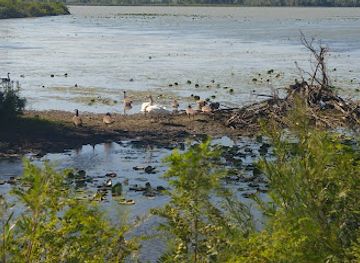
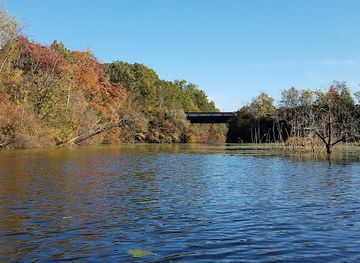
The Great Black Swamp's attractions centre on the surviving relationship between wetland, farmland, river and lake. Along the western Lake Erie shore, Magee Marsh Wildlife Area and Ottawa National Wildlife Refuge offer boardwalks, observation areas and seasonal opportunities to see migrating songbirds, waterfowl and marsh wildlife. Nearby protected areas add beaches, shallow bays and restored habitat, while Maumee Bay State Park provides trails, lake access and recreation in a landscape shaped by both natural processes and engineered drainage. Inland, Pearson Metropark and other Toledo-area preservation sites reveal fragments of wet woodland and wet prairie within an urbanised setting. The Maumee River corridor supplies a historical counterpoint through Fort Meigs, riverfront parks and museums, including the National Museum of the Great Lakes in Toledo. Rural towns, farm landscapes and local historical collections broaden the picture, explaining how canals, railways and cultivation replaced much of the original swamp. Activities are generally low-impact: birdwatching, photography, flat walking, paddling where authorised and seasonal nature study.
-
Nature preserve
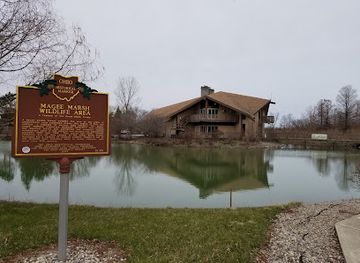
Magee Marsh Wildlife Area
Explore the breathtaking Magee Marsh Wildlife Area, a premier destination for birdwatching and nature enthusiasts along the shores of Lake Erie.
-
Nature preserve
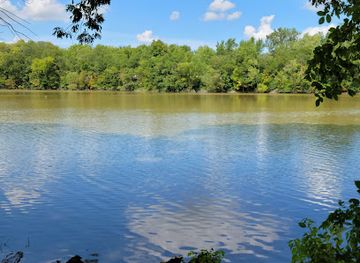
Ottawa National Wildlife Refuge Visitor Center
Experience the beauty and tranquility of nature at Ottawa National Wildlife Refuge Visitor Center, where wildlife conservation and education come together.
-
Antique store
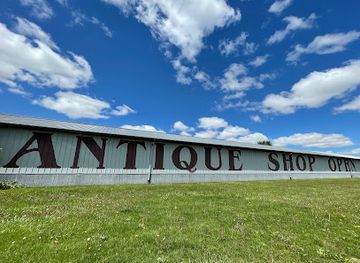
Jeffrey's Antique Gallery
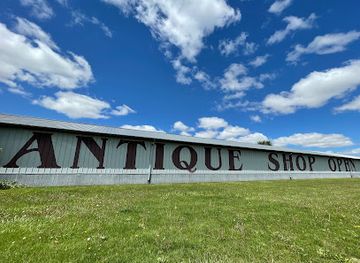
Explore a treasure trove of antiques and vintage collectibles at Jeffrey's Antique Gallery in Findlay, Ohio—where history meets charm.
-
Tourist attraction
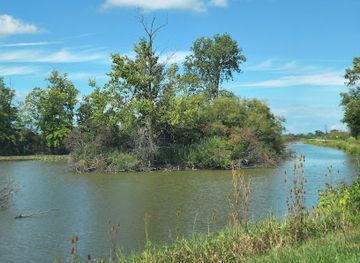
Van Buren State Park
Discover the serene beauty of Van Buren State Park in Ohio, a perfect destination for outdoor activities and family fun amidst nature's splendor.
Best landmarks in Great Black Swamp
The most meaningful landmarks of the Great Black Swamp are often signs of transformation rather than isolated monuments. Fort Meigs at Perrysburg preserves one of the most substantial War of 1812 earthwork sites in the United States and marks the strategic importance of the Maumee River. The river itself is a defining geographical landmark, linking the interior agricultural plain with Lake Erie and Toledo's working port. In Toledo, the National Museum of the Great Lakes interprets the region's maritime history through ships, artefacts and stories of Great Lakes commerce. Along the shore, Magee Marsh and Ottawa National Wildlife Refuge are important natural landmarks because they preserve wetland and migration habitat in a heavily modified landscape. The rectilinear farm fields, drainage ditches and wooded creek corridors are less monumental but equally revealing: together they show how engineering and settlement reshaped one of North America's great historic wetlands.
-
Nature preserve
Magee Marsh Wildlife Area
Explore Magee Marsh Wildlife Area, Ohio's premier nature preserve teeming with wildlife, scenic trails, and unforgettable birdwatching opportunities.
-
Antique store
Jeffrey's Antique Gallery
Explore Jeffrey's Antique Gallery in Findlay, Ohio, a treasure trove of unique antiques and collectibles waiting to be discovered.
-
Open air museum
Fort Meigs Historic Site
Discover the engaging history of Fort Meigs, an open-air museum that highlights the War of 1812 and offers enriching experiences for all ages.
-
Nature preserve
Old Woman Creek National Estuarine Research Reserve and State Nature Preserve
Explore Old Woman Creek National Estuarine Research Reserve, a tranquil haven of diverse ecosystems, wildlife, and natural beauty in Ohio's coastal region.
Explore Great Black Swamp on the map
Plan your trip on one map. See where the top cities, national parks and sights are, and book hotels and experiences in a few clicks.
Best hotels in Great Black Swamp
Best restaurants in Great Black Swamp
Dining in the Great Black Swamp region reflects north-western Ohio's agricultural plain, Lake Erie connections and practical small-town food culture. Toledo and the larger river towns offer the broadest selection, including long-established American restaurants, cafés, bakeries, international cuisines and contemporary dining. Around the shore, fish and seafood may appear on menus, although no single dish defines the whole region. Farm stands, seasonal produce sellers, county fairs and local markets provide ways to sample sweet corn, apples, berries and other crops when in season. Diners and family restaurants are common along major roads, while rural communities have cafés, taverns and traditional supper-style establishments rather than concentrated culinary districts. Ohio-made beer and wines from elsewhere in the state are widely available, and visitors should distinguish genuinely local produce from food simply marketed under a regional label. Portions, service charges and tipping follow broader United States conventions.
-
Traditional American
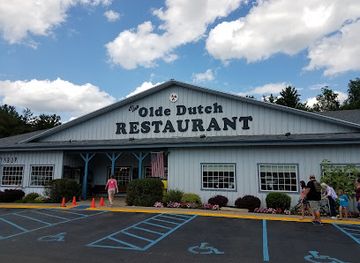
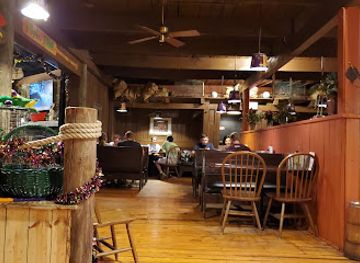
Olde Dutch
Experience traditional American cuisine at Olde Dutch in Logan, Ohio—where comfort food meets warm hospitality.
-
Cajun
Swampwater Grill
Discover authentic Cajun flavors at Swampwater Grill in Cincinnati's East End—where every dish tells a story.
-
Diner
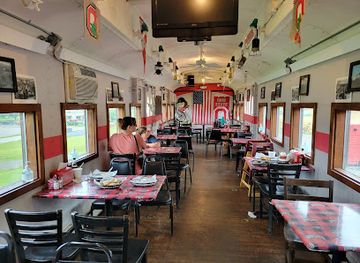
Buckeye Express Diner
Discover Buckeye Express Diner: A charming American diner in Bellville offering delicious comfort food in a nostalgic setting.
-
Seafood
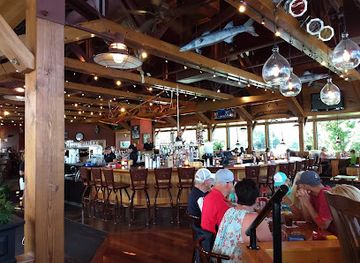
The Boardwalk
Discover The Boardwalk in Put-In-Bay - A premier seafood destination offering fresh dishes and breathtaking waterfront views.
Best bars in Great Black Swamp
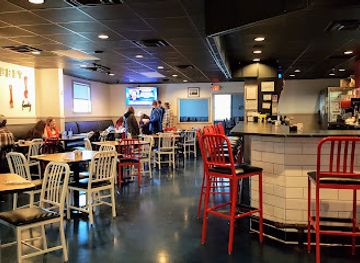
Evening life is concentrated in Toledo, Perrysburg, Bowling Green and other larger communities rather than spread through the rural former swamp. Toledo has the region's broadest choice of pubs, breweries, cocktail bars, live-music venues and late-opening restaurants, while Bowling Green's university population supports a more active bar scene during term time. Perrysburg and Maumee tend towards restaurants, neighbourhood bars and historic-town evening venues. In smaller communities, traditional taverns, diners and seasonal events are more characteristic than nightclubs. Along the Lake Erie shore, evenings may focus on waterfront restaurants, fishing communities and quiet walks rather than a continuous resort nightlife. Venue schedules and seasonal activity change, so visitors should check current arrangements locally and avoid assuming that a rural attraction or wildlife area remains open after dark.
-
American
Dark Horse Restaurant
Experience the best of American cuisine at Dark Horse Restaurant in Findlay, known for its delicious breakfast and welcoming atmosphere.
-
Brewery
Great Black Swamp Brewing Co.
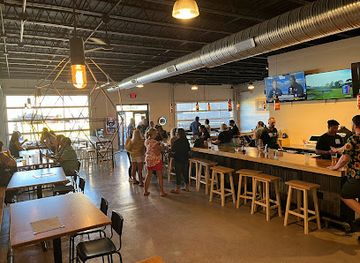
Experience Toledo's vibrant craft beer scene at Great Black Swamp Brewing Co., where flavor meets community in a lively brewery atmosphere.
Best nightclubs in Great Black Swamp
Evening life is concentrated in Toledo, Perrysburg, Bowling Green and other larger communities rather than spread through the rural former swamp. Toledo has the region's broadest choice of pubs, breweries, cocktail bars, live-music venues and late-opening restaurants, while Bowling Green's university population supports a more active bar scene during term time. Perrysburg and Maumee tend towards restaurants, neighbourhood bars and historic-town evening venues. In smaller communities, traditional taverns, diners and seasonal events are more characteristic than nightclubs. Along the Lake Erie shore, evenings may focus on waterfront restaurants, fishing communities and quiet walks rather than a continuous resort nightlife. Venue schedules and seasonal activity change, so visitors should check current arrangements locally and avoid assuming that a rural attraction or wildlife area remains open after dark.
-
Comedy club
Funny Bone Comedy Club
Experience a night of laughter, delicious food, and refreshing drinks at the Funny Bone Comedy Club in Perrysburg, Ohio.
-
Brewery
Great Black Swamp Brewing Co.
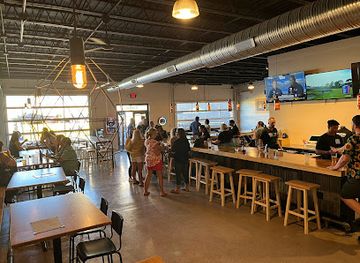
Discover the vibrant craft beer scene at Great Black Swamp Brewing Co. in Toledo, Ohio, where flavor and community come together.
-
Bar
BLACK SWAMP TAVERN
Experience the local charm at Black Swamp Tavern, where great drinks and a welcoming atmosphere await in Oak Harbor, Ohio.


Best shops in Great Black Swamp
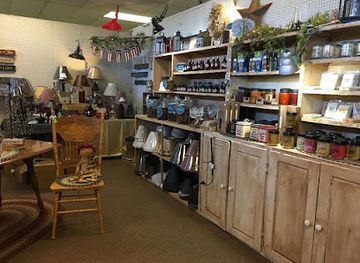
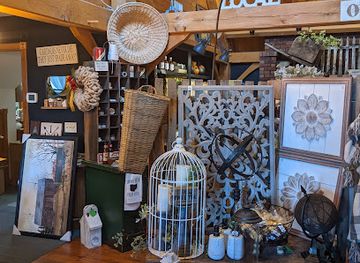
Shopping is dispersed through Toledo, Maumee, Perrysburg, Bowling Green and the region's smaller county-seat communities. Toledo provides the widest range of department stores, independent retailers, galleries, bookstores and food shops, while historic town centres tend to offer antiques, homeware, clothing and locally made gifts rather than large-scale luxury retail. Farmers' markets and seasonal farm stands are valuable for Ohio produce, baked goods, preserves and other regional food products, although their dates and locations change during the year. Visitors interested in the landscape may find nature-related books, prints, craft work and birdwatching supplies around the western Lake Erie shore. Practical souvenirs include locally produced food, ceramics, artwork and Great Lakes-themed goods. Rural shopping requires planning because businesses are separated by considerable stretches of farmland and many smaller shops keep limited or seasonal hours.
-
Antique store
Jeffrey's Antique Gallery
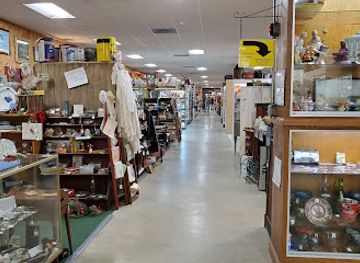
Explore Jeffrey's Antique Gallery in Findlay, Ohio, where every corner is filled with unique antiques and collectibles that tell a story from the past.
-
Antique store
Lake Erie Gifts & Decor
Explore Lake Erie Gifts & Decor for unique antiques, home decor, and heartfelt gifts in the heart of Sandusky, Ohio.
-
Home goods store
Thistle Exchange
Explore Thistle Exchange in Findlay, Ohio, for unique home goods and treasures that reflect creativity and charm.
-
Souvenir store
The Swamp Shop
Discover unique souvenirs and local gifts at The Swamp Shop, Toledo's must-visit destination for memorable keepsakes and regional treasures.
Get your free copy of our complete guide to Great Black Swamp, delivered straight to you.
Everything on this page, from attractions and restaurants to essentials and local phrases, in one PDF you can read offline, print or share.
Already have an account? Sign in
Your Great Black Swamp guide is ready.
We'll send it to · Not you? Sign out

Getting your guide ready…
We are putting together a fresh copy of the Great Black Swamp guide. This can take up to a minute.
This can take a few moments. If your browser asks, choose Allow so the download can start. You'll find the guide in your Downloads folder.
Nothing happened? Download it again
Sorry, the guide is taking longer than usual. Please try again in a minute, or get it by email instead.
Great Black Swamp essentials
Currency and Payment
Safety
Emergency Situations
Do's and Don'ts
Local Tips
From Eve
Local phrases worth knowing
You don't need to get them perfect. A few words go a long way, and locals appreciate the effort.
Basics
| English | Local | Say it |
|---|---|---|
| Hello | Howdy | [Haw-dee] |
| Goodbye | See ya | [See yah] |
| Yes | Yep | [Yep] |
| No | Nope | [Nope] |
| Please/You're welcome | No problem | [No prob-lum] |
| Thank you | Thanks a lot | [Thangs a lot] |
| Excuse me/Sorry | Pardon me | [Par-dun mee] |
| How are you? | How ya doin’? | [How yah doin'?] |
| Fine. And you? | Good. You? | [Goo-d. You?] |
| Do you speak English? | Do ya speak English? | [Doo yah speek Ing-lish?] |
| I don't understand | I ain't got it | [I ain't got it] |
Eating & Drinking
| English | Local | Say it |
|---|---|---|
| I'd like to see the menu, please | Can I see the menu? | [Can I see the men-yoo?] |
| I don't eat meat | I ain't eatin' meat | [I ain't eat-in' meat] |
| Cheers! | Cheers! | [Cheers!] |
| I would like to pay, please | I’d like to settle up | [I'd like to set-tle up] |
Emergencies
| English | Local | Say it |
|---|---|---|
| Help! | Help! | [Help!] |
| Go away! | Leave me be! | [Leave me bee!] |
| Call the Police! | Get the cops! | [Get the cops!] |
| Call a doctor! | Get a doc! | [Get a dock!] |
| I'm lost | I’m turned around | [I'm turned around] |
| I'm ill | I ain't feelin' good | [I ain't feelin' good] |
Shopping
| English | Local | Say it |
|---|---|---|
| I'd like to buy... | I wanna buy... | [I wanna buy...] |
| I'm just looking | Just browsin' | [Just brow-zin'] |
| How much is it? | What’s the damage? | [What's the dam-age?] |
| That's too expensive | That costs too much | [That costs too much] |
| Can you lower the price? | Can ya cut the price? | [Can yah cut the price?] |
Time & Numbers
| English | Local | Say it |
|---|---|---|
| What time is it? | What time ya got? | [What time yah got?] |
| It's one o'clock | It's one | [It's one] |
| Half past (10) | Half past ten | [Half past ten] |
| Morning | Mornin' | [Mornin'] |
| Afternoon | Afternoon | [Afternoon] |
| Evening | Evenin' | [Evenin'] |
| Yesterday | Yesterday | [Yesterday] |
| Today | Today | [Today] |
| Tomorrow | Tomorrow | [Tomorrow] |
| 1 | One | [One] |
| 2 | Two | [Two] |
| 3 | Three | [Three] |
| 4 | Four | [Four] |
| 5 | Five | [Five] |
| 6 | Six | [Six] |
| 7 | Seven | [Seven] |
| 8 | Eight | [Eight] |
| 9 | Nine | [Nine] |
| 10 | Ten | [Ten] |
Transport & Directions
| English | Local | Say it |
|---|---|---|
| Where's a/the...? | Where's the...? | [Where's the...?] |
| What's the address? | What’s the address? | [What's the ad-dress?] |
| Can you show me (on the map)? | Can ya point it out? | [Can yah point it out?] |
| When's the next (bus)? | When's the next bus? | [When's the next bus?] |
| A ticket (to ....) | One ticket to... | [One tick-it to...] |
History of Great Black Swamp
Indigenous Homelands and the Pre-settlement Wetland
Before large-scale European settlement, the Great Black Swamp was a vast complex of wet forests, marshes, streams and seasonally flooded ground. Indigenous peoples, including communities associated with the Odawa, Potawatomi, Wyandot and Miami, used the wider Maumee and western Lake Erie country for travel, hunting, fishing, cultivation and trade. The swamp was not an empty wilderness: waterways and natural openings linked communities across a difficult but productive environment. Archaeological evidence and continuing Indigenous histories provide an essential context for understanding the region before roads, canals, ditches and farms altered its character.
The Maumee Corridor and War of 1812
The Maumee River was a strategic route between the interior and Lake Erie, and its surrounding country became contested during the early nineteenth century. Fort Meigs, built at Perrysburg on the river's southern bank, was the scene of important American actions during the War of 1812, including the British and Indigenous siege of 1813. Although the fort stands at the edge of the historic swamp landscape rather than representing the whole region, its earthworks demonstrate the military and transport significance of the Maumee valley. The conflict also reflected wider struggles over Indigenous land, American expansion and control of Great Lakes routes.
Drainage, Canals and Early Settlement
For much of the nineteenth century, the swamp restricted settlement because roads became impassable in wet seasons and dense timber concealed deep, poorly drained ground. Ditches, embankments, timber roads and improved surveying gradually made farming and permanent settlement more practical. The Miami and Erie Canal, which connected the Ohio River system with Lake Erie through the Maumee valley, strengthened regional trade, while later railways provided faster links for people and agricultural goods. Drainage was presented as economic progress, but it also destroyed or fragmented enormous areas of wetland and changed the region's hydrology.
Agricultural Transformation in the Nineteenth Century
Once drainage and transport improved, much of the former swamp was cleared for farms. Rich, dark soils supported grains, livestock and later a mixture of commercial crops, helping north-western Ohio become a major agricultural district. Towns and villages expanded along rail lines, river crossings and roads, while timber extraction supplied construction and fuel during the transition. The flat agricultural landscape seen today is therefore a historical product rather than a natural condition. Straight ditches, wooded creek margins and isolated wet patches preserve clues to the older environment beneath the modern farm pattern.
Industrial and Maritime Development on Lake Erie
Toledo and other Lake Erie ports connected the former swamp country to Great Lakes shipping, grain handling, manufacturing and national markets. The opening of the Welland Canal in Canada and the growth of rail and lake transport strengthened Toledo's position within a wider commercial network. The port also became associated with shipbuilding, bulk cargoes and industrial employment. Maritime development brought prosperity and environmental pressure, while the lake remained central to regional identity. Museums and surviving riverfront infrastructure help visitors trace the relationship between the drained interior, the Maumee River and the Great Lakes economy.
Conservation and the Lake Erie Migration Corridor
During the twentieth century, scientists, public agencies and conservation organisations increasingly recognised the ecological value of the remaining wetlands and shoreline habitats. Areas such as Ottawa National Wildlife Refuge, Magee Marsh Wildlife Area and other protected properties preserve pieces of the former wetland system and provide vital stopover habitat for migrating birds. Restoration has not recreated the original swamp, but it has re-established marshes, shallow waters and wooded habitat in a heavily modified landscape. Today, spring migration tourism and conservation education connect the region's environmental future with its history of drainage and agricultural change.
Great Black Swamp in Photos
Browse through our photo collection highlighting the charm and character of the destination.
Neighbouring regions of Great Black Swamp
The closest regions to Great Black Swamp, if you have time for more than one.
-

-

-

-

-


Swipe for more regions
Explore more

Explore more of Ohio
Explore Ohio's vibrant cities, rich history, and stunning natural landscapes. From bustling urban centers to serene state parks, Ohio offers diverse attractions for every traveler.
Explore Ohio