

Free Western Ohio Travel Guide & Mobile App
Explore Western Ohio with free travel guides. Discover regional history, expert tips, proposed trips, and audio guides on web or mobile app.


Western Ohio combines Dayton aviation heritage, river trails, historic towns, open farmland and approachable Midwestern food across the Miami Valley.
Read more about Western Ohio
When is the best time to visit Western Ohio?
Best: May–June, September · 22–27°C| Month | High (°C) | Rainfall (mm) |
|---|---|---|
| January | 1 | 58 |
| February | 3 | 55 |
| March | 10 | 70 |
| April | 16 | 80 |
| May (best) | 22 | 90 |
| June (best) | 27 | 100 |
| July | 29 | 90 |
| August | 28 | 90 |
| September (best) | 24 | 80 |
| October | 18 | 70 |
| November | 10 | 65 |
| December | 4 | 65 |
Getting to and around Western Ohio
How to get there
Transportation
Top city travel guides in Western Ohio
The cities of Western Ohio, and the easiest places to base yourself.
-

-

-


Swipe for more cities
Best attractions in Western Ohio
Western Ohio's attractions are anchored by Dayton's concentration of aviation, engineering and military museums. The National Museum of the United States Air Force presents aircraft and aerospace history on a large scale, while Dayton Aviation Heritage National Historical Park interprets the Wright brothers, Paul Laurence Dunbar and the city's African American heritage. Carillon Historical Park adds local industrial and social history. Beyond Dayton, Springfield combines historic architecture with access to gardens and countryside, while Troy and Piqua offer smaller museums, riverfront settings and remnants of the canal era. Outdoor attractions include the Miami Valley's extensive cycling trails, John Bryan State Park, Clifton Gorge and Glen Helen Nature Preserve near Yellow Springs. These landscapes provide walking, birdwatching, paddling and seasonal scenery rather than dramatic mountain terrain. Rural western Ohio also rewards visitors interested in farm culture, local festivals and slower drives between market towns. The attraction landscape is therefore varied in scale: major museums and heritage institutions near Dayton, intimate civic and industrial history in river towns, and accessible parks threaded through an agricultural plain.
-
Museum
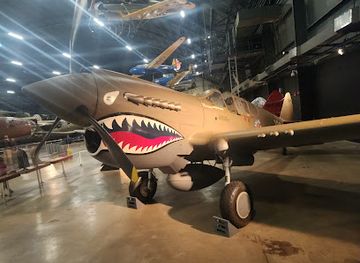
National Museum of the US Air Force
Discover the National Museum of the US Air Force, where aviation history comes alive through impressive exhibits and interactive displays.
-
Zoo
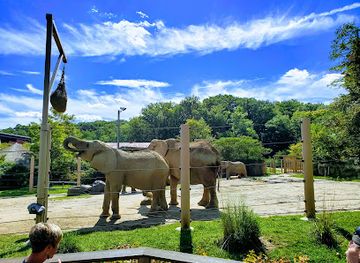
Cleveland Metroparks Zoo
Discover the incredible wildlife of Cleveland Metroparks Zoo, a vibrant destination for families and nature enthusiasts alike, featuring over 600 species in a beautiful setting.
-
Fresh food market
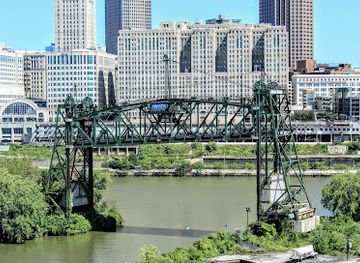
West Side Market
Discover Cleveland's culinary gem at West Side Market, where local flavors, vibrant stalls, and a rich history come together for an unforgettable shopping experience.
-
Park
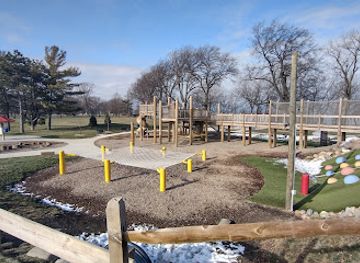
Edgewater Park
Discover Edgewater Park, a stunning lakeside park in Cleveland, offering scenic views, recreational activities, and a perfect escape into nature.
Best landmarks in Western Ohio
Dayton's most recognisable landmarks include the National Museum of the United States Air Force, whose hangars make the city's aerospace identity immediately visible, and the Wright flyer-related heritage sites associated with the city's pioneering inventors. The Dayton Aviation Heritage National Historical Park adds important cultural meaning through the Wright brothers' urban workplace and the places connected with poet Paul Laurence Dunbar. The Great Miami River and its flood-control infrastructure are defining geographical and engineering features, especially where reservoirs, levees and multi-use trails reveal the legacy of the 1913 flood. In Springfield, the historic centre and its civic buildings reflect the prosperity of a nineteenth-century market town, while the Frank Lloyd Wright-designed Westcott House provides a notable example of early twentieth-century residential architecture. Troy and Piqua retain river-town streetscapes shaped by canals, railways and manufacturing. Near Yellow Springs, Clifton Gorge is a natural landmark formed by the Little Miami River cutting through limestone, with wooded ravines that contrast sharply with the open agricultural plain. Together these places express western Ohio through technology, civic history, waterways and accessible geological landscapes.
-
Museum
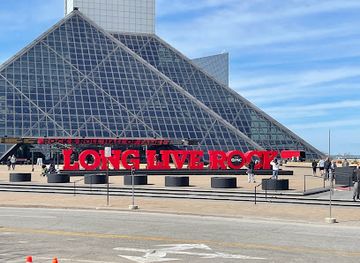
Rock & Roll Hall of Fame
Explore the Rock & Roll Hall of Fame in Cleveland, a tribute to the legends and history of rock music with exhibits that inspire and entertain.
-
Fresh food market
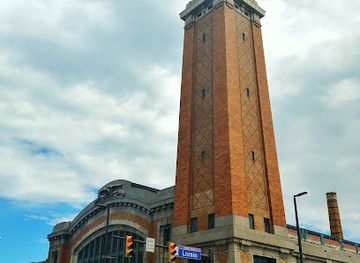
West Side Market
Explore the culinary delights of West Side Market, a historic food market in Cleveland offering fresh produce, local delicacies, and vibrant atmosphere.
-
National park
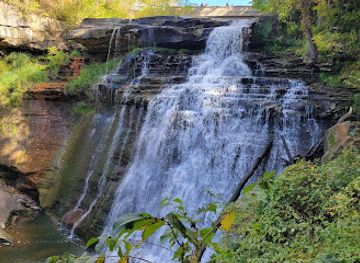
Cuyahoga Valley National Park
Explore the beauty of Cuyahoga Valley National Park, Ohio's outdoor paradise with stunning landscapes, rich history, and endless adventures.
-
Art museum
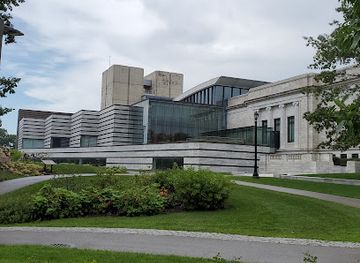
The Cleveland Museum of Art
Discover over 6,000 years of artistic heritage at The Cleveland Museum of Art, a premier cultural destination in Ohio.
Explore Western Ohio on the map
Plan your trip on one map. See where the top cities, national parks and sights are, and book hotels and experiences in a few clicks.
Best hotels in Western Ohio
Best restaurants in Western Ohio
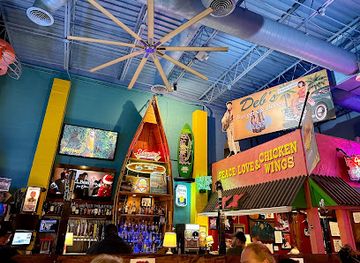
Dining in western Ohio reflects the region's agricultural setting, industrial cities and diverse immigrant and African American communities. Dayton has the broadest choice, with independent restaurants, breweries, cafés and contemporary kitchens alongside longstanding American staples. In smaller communities, traditional diners, family restaurants, bakeries and taverns remain important parts of everyday dining. Farmers' markets and farm stands provide seasonal fruit, vegetables, baked goods and locally produced items, while rural shops may specialise in honey, maple products or other farm commodities. The region is not defined by one exclusive dish, but visitors will encounter Midwestern comfort food, burgers, fried chicken, sandwiches, pies and locally sourced menus. German-influenced baking and sausage traditions, African American culinary influences and immigrant-run restaurants add depth to the broader Ohio food scene. In Troy, Piqua, Springfield and Yellow Springs, eating locally often means combining a walk through the historic centre with a café, bakery or independent restaurant rather than seeking a formal dining district.
-
American
Mike's Place
Discover the vibrant flavors of American cuisine at Mike's Place - where great food meets a lively atmosphere in Kent, Ohio.
-
Traditional American
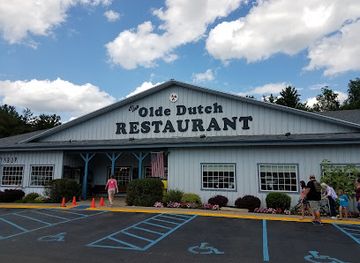
Olde Dutch
Experience the heartwarming flavors of traditional American cuisine at Olde Dutch in Logan, Ohio - where every meal feels like home.
-
Restaurant
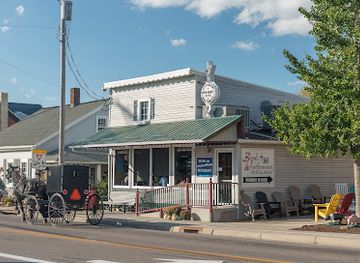
Boyd & Wurthmann Restaurant
Experience authentic American comfort food at Boyd & Wurthmann Restaurant in Berlin, Ohio - where flavors meet tradition.
-
Restaurant
The Barn Restaurant
Experience authentic Ohio flavors at The Barn Restaurant in Smithville - where rustic charm meets delicious down-to-earth cuisine.

Best bars in Western Ohio
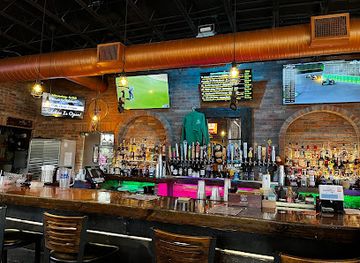
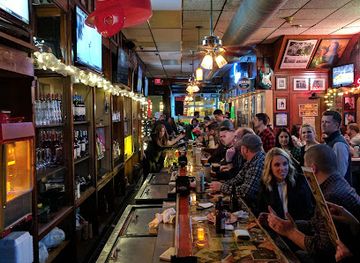
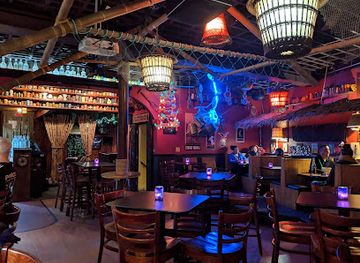
Evening life is centred on Dayton, where historic neighbourhoods and downtown areas provide the region's widest choice of pubs, breweries, cocktail bars, restaurants, theatres and live-music venues. The city has a more varied late-evening scene than the surrounding smaller communities, although it is not comparable with a major national nightlife capital. Yellow Springs has an arts-oriented selection of cafés, bars and live entertainment, while Springfield, Troy and Piqua generally favour traditional pubs, taverns, restaurants and occasional community performances. In rural western Ohio, evenings are usually quieter and often revolve around a local bar, restaurant, brewery or seasonal event rather than a dedicated nightclub district. Craft beer is visible in the region's urban drinking culture, but visitors can also find non-alcoholic drinks and coffee-led evening spaces. Check current arrangements for performances and venues, as schedules and operating patterns change more quickly than the region's museums or historic sites.
-
Grill
The Back Porch Saloon
Experience delicious grill cuisine and a lively atmosphere at The Back Porch Saloon in West Chester Township, Ohio.
-
Grill
The Monkey Bar & Grille
Experience delicious grill fare and rich history at The Monkey Bar & Grille in Maineville, a favorite among locals and tourists alike.
-
Sports bar
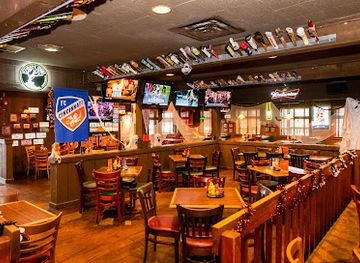
Knockback Nats
Discover the best sports bar experience at Knockback Nats in Cincinnati, where good food and great company meet in a lively atmosphere.
-
Cocktail bar
Porco Lounge & Tiki Room
Unwind at Porco Lounge & Tiki Room, Cleveland's premier cocktail bar known for its creative drinks and lively atmosphere.
Best nightclubs in Western Ohio
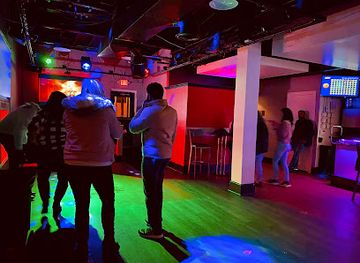
Evening life is centred on Dayton, where historic neighbourhoods and downtown areas provide the region's widest choice of pubs, breweries, cocktail bars, restaurants, theatres and live-music venues. The city has a more varied late-evening scene than the surrounding smaller communities, although it is not comparable with a major national nightlife capital. Yellow Springs has an arts-oriented selection of cafés, bars and live entertainment, while Springfield, Troy and Piqua generally favour traditional pubs, taverns, restaurants and occasional community performances. In rural western Ohio, evenings are usually quieter and often revolve around a local bar, restaurant, brewery or seasonal event rather than a dedicated nightclub district. Craft beer is visible in the region's urban drinking culture, but visitors can also find non-alcoholic drinks and coffee-led evening spaces. Check current arrangements for performances and venues, as schedules and operating patterns change more quickly than the region's museums or historic sites.
-
American
Touch Supper Club
Discover Touch Supper Club: a premier destination for American cuisine, cocktails, and nightlife in the heart of Cleveland's Ohio City.
-
Night club
FWD Day + Nightclub
Experience the vibrant nightlife of Cleveland at FWD Day + Nightclub, where unforgettable parties and top DJs create an electrifying atmosphere.
-
Bar
Shade Nightclub
Discover the heart of Cleveland's LGBTQ+ nightlife at Shade Nightclub, a vibrant gay bar with great music and a welcoming atmosphere.
-
Night club
Square Nightclub
Discover Akron's vibrant nightlife at Square Nightclub, where live music, dance, and fun come together in a lively atmosphere.


Best shops in Western Ohio
Shopping in western Ohio is strongest in historic town centres and independent districts rather than in a single region-wide retail capital. Dayton offers the broadest mix of bookshops, galleries, boutiques, specialist food shops and neighbourhood businesses, while Yellow Springs is known for independent retail with an arts and crafts emphasis. Springfield, Troy and Piqua have traditional high streets where antiques, gifts, clothing, books and locally owned cafés can be combined with architectural sightseeing. Farmers' markets and seasonal farm stands are useful for Ohio-grown produce, baked goods, honey, preserves and other regional foods, although their days and locations vary through the year. Visitors interested in crafts may find pottery, artwork, handmade jewellery and textiles through galleries, studio shops and local events. Large general retail areas exist around the bigger cities, but they are less distinctive than the region's small-town shopping. Allow room in the itinerary for locally made food and practical outdoor goods, as these often provide more meaningful souvenirs than generic branded merchandise.
-
Shopping mall
SouthPark Mall
Explore SouthPark Mall: A premier shopping destination in Strongsville, Ohio, with diverse shops, dining, and entertainment for everyone.
-
Shopping mall
Great Northern Mall
Experience shopping bliss at Great Northern Mall in North Olmsted, Ohio, featuring a variety of stores, delicious dining options, and family-friendly events.
-
Shopping mall
Summit Mall
Discover the ultimate shopping experience at Summit Mall in Fairlawn, Ohio, with diverse retail options, dining, and entertainment for every visitor.
-
Outlet mall
Aurora Farms Premium Outlets
Discover incredible savings at Aurora Farms Premium Outlets, your ultimate shopping destination in Ohio.

Get your free copy of our complete guide to Western Ohio, delivered straight to you.
Everything on this page, from attractions and restaurants to essentials and local phrases, in one PDF you can read offline, print or share.
Already have an account? Sign in
Your Western Ohio guide is ready.
We'll send it to · Not you? Sign out

Getting your guide ready…
We are putting together a fresh copy of the Western Ohio guide. This can take up to a minute.
This can take a few moments. If your browser asks, choose Allow so the download can start. You'll find the guide in your Downloads folder.
Nothing happened? Download it again
Sorry, the guide is taking longer than usual. Please try again in a minute, or get it by email instead.
Western Ohio essentials
Currency and Payment
Safety
Emergency Situations
Do's and Don'ts
Local Tips
From Eve
Local phrases worth knowing
You don't need to get them perfect. A few words go a long way, and locals appreciate the effort.
Basics
| English | Local | Say it |
|---|---|---|
| Hello | Howdy | [How-dee] |
| Goodbye | See ya | [See yah] |
| Yes | Yep | [Yep] |
| No | Nope | [Nope] |
| Please/You're welcome | Please/No problem | [Please/No prob] |
| Thank you | Thanks | [Thanks] |
| Excuse me/Sorry | Sorry 'bout that | [Sorry 'bout that] |
| How are you? | How ya doin'? | [How ya doin'?] |
| Fine. And you? | I'm good. And you? | [I'm good. And you?] |
| Do you speak English? | Can ya speak English? | [Can ya speak English?] |
| I don't understand | I ain't followin' | [I ain't followin'] |
Eating & Drinking
| English | Local | Say it |
|---|---|---|
| I'd like to see the menu, please | Can I see the menu, please? | [Can I see the menu, please?] |
| I don't eat meat | I don’t eat meat | [I don’t eat meat] |
| Cheers! | Cheers! | [Cheers!] |
| I would like to pay, please | Can I get the check, please? | [Can I get the check, please?] |
Emergencies
| English | Local | Say it |
|---|---|---|
| Help! | Help! | [Help!] |
| Go away! | Get lost! | [Get lost!] |
| Call the Police! | Call the cops! | [Call the cops!] |
| Call a doctor! | Get a doctor! | [Get a doctor!] |
| I'm lost | I’m lost | [I’m lost] |
| I'm ill | I'm not feelin' good | [I'm not feelin' good] |
Shopping
| English | Local | Say it |
|---|---|---|
| I'd like to buy... | I wanna buy... | [I wanna buy...] |
| I'm just looking | Just lookin' around | [Just lookin' around] |
| How much is it? | How much's this? | [How much's this?] |
| That's too expensive | That's too pricey | [That's too pricey] |
| Can you lower the price? | Can ya lower the price? | [Can ya lower the price?] |
Time & Numbers
| English | Local | Say it |
|---|---|---|
| What time is it? | What time's it? | [What time's it?] |
| It's one o'clock | It's one o'clock | [It's one o'clock] |
| Half past (10) | Half past ten | [Half past ten] |
| Morning | Mornin' | [Mornin'] |
| Afternoon | Afternoon | [Afternoon] |
| Evening | Evenin' | [Evenin'] |
| Yesterday | Yest'day | [Yest'day] |
| Today | Today | [Today] |
| Tomorrow | Tomorrah | [Tomorrah] |
| 1 | One | [One] |
| 2 | Two | [Two] |
| 3 | Three | [Three] |
| 4 | Four | [Four] |
| 5 | Five | [Five] |
| 6 | Six | [Six] |
| 7 | Seven | [Seven] |
| 8 | Eight | [Eight] |
| 9 | Nine | [Nine] |
| 10 | Ten | [Ten] |
Transport & Directions
| English | Local | Say it |
|---|---|---|
| Where's a/the...? | Where's a...? | [Where's a...?] |
| What's the address? | What's the address? | [What's the address?] |
| Can you show me (on the map)? | Can ya show me on the map? | [Can ya show me on the map?] |
| When's the next (bus)? | When's the next bus? | [When's the next bus?] |
| A ticket (to ....) | A ticket to... | [A ticket to...] |
History of Western Ohio
Indigenous Peoples and the Great Miami Valley
Long before American settlement, the lands of western Ohio were used and shaped by Indigenous peoples, including the Shawnee, Miami and Wyandot, with other nations connected through movement, trade and diplomacy. The Great Miami River and its tributaries provided routes through the landscape, while fertile soils supported varied seasonal economies. Archaeological evidence across the wider Ohio country records much older Indigenous communities as well. Treaties and the forced removal of Native peoples in the early nineteenth century cleared the way for expanding United States settlement, but Indigenous history remains fundamental to understanding the region.
Frontier Settlement and the Treaty of Greenville
Following the American Revolutionary period, the United States sought to extend settlement into the Ohio Country. The Treaty of Greenville in 1795, concluded after the defeat of a pan-Indigenous confederacy at the Battle of Fallen Timbers near present-day Toledo, opened much of southern and western Ohio to American settlement, although it was made under intense pressure and did not end Indigenous dispossession. Surveyors, military veterans and migrants subsequently established farms and towns along the region's rivers and developing roads.
Canals, River Towns and Early Commerce
During the nineteenth century, canals transformed the economic geography of western Ohio. The Miami and Erie Canal connected the Ohio River system with Lake Erie, passing through or near communities such as Dayton, Troy, Piqua and Sidney. Grain, timber, manufactured goods and agricultural supplies could move more efficiently, encouraging warehouses, mills and commercial districts. Railways later displaced the canals for most long-distance transport, but the historic river towns and surviving canal traces still reflect the period when water routes linked inland Ohio to national markets.
Agriculture, Industry and Urban Growth
The region's deep soils supported grain, livestock and mixed farming, while water power, rail connections and access to growing markets encouraged manufacturing in Dayton and other towns. By the late nineteenth and early twentieth centuries, Dayton had become an important centre for cash registers, machinery, transportation equipment and other forms of precision manufacturing. Industrial employment drew new residents and helped create the civic institutions, neighbourhoods and commercial buildings that remain important parts of the area's built heritage.
The Wright Brothers and the Origins of Flight
Wilbur and Orville Wright developed their practical understanding of flight through systematic experiments, mechanical skill and close observation. Their bicycle shop in Dayton supported the brothers' work, while Huffman Prairie, east of the city, served as a testing ground for aircraft after their first powered flights at Kitty Hawk, North Carolina, in 1903. Dayton's aviation story extends beyond the brothers to later engineering, manufacturing and military activity, giving the city an unusually strong connection with the development of modern flight.
African American Migration and Civil Rights
Dayton and other western Ohio communities were shaped by African American migration from the American South, particularly during the twentieth-century Great Migration. New residents contributed to manufacturing, business, education, music and civic life while confronting housing and employment discrimination. Dayton's West Third Street, associated with the Wright brothers' bicycle business and later with African American communities, illustrates how technological and social histories overlap. Local heritage institutions preserve stories of entrepreneurship, cultural expression and campaigns for equal rights.
Flood Control and the Modern Miami Valley
Severe flooding, especially the catastrophic Great Dayton Flood of 1913, exposed the danger posed by the region's rivers and led to one of the United States' most influential flood-control programmes. The Miami Conservancy District developed dams, reservoirs and channel improvements across the watershed, combining engineering with planned greenways and open land. The system changed the relationship between Dayton and the Great Miami River and continues to shape recreation, settlement patterns and public safety throughout the valley.
Western Ohio in Photos
Browse through our photo collection highlighting the charm and character of the destination.
Neighbouring regions of Western Ohio
The closest regions to Western Ohio, if you have time for more than one.
-

-

-

-

-


Swipe for more regions
Explore more

Explore more of Ohio
Explore Ohio's vibrant cities, rich history, and stunning natural landscapes. From bustling urban centers to serene state parks, Ohio offers diverse attractions for every traveler.
Explore Ohio