

Free Maumee Valley Travel Guide & Mobile App
Explore Maumee Valley with free travel guides. Discover regional history, expert tips, proposed trips, and audio guides on web or mobile app.


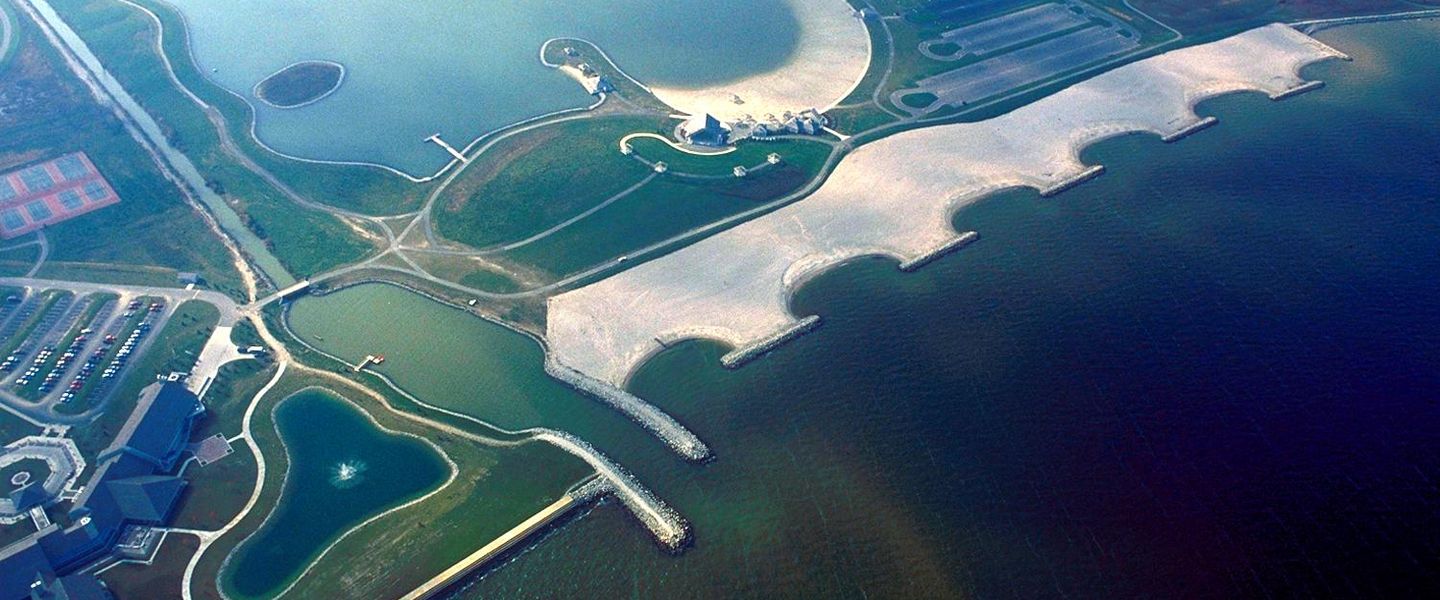


Explore Ohio’s Maumee Valley for Toledo art museums, War of 1812 history, river parks, Great Lakes heritage and open landscapes.
Read more about Maumee Valley
When is the best time to visit Maumee Valley?
Best: June, August–September · 23–28°C| Month | High (°C) | Rainfall (mm) |
|---|---|---|
| January | 1 | 51 |
| February | 3 | 48 |
| March | 9 | 55 |
| April | 17 | 70 |
| May | 22 | 82 |
| June (best) | 27 | 89 |
| July | 28 | 85 |
| August (best) | 28 | 81 |
| September (best) | 23 | 71 |
| October | 17 | 65 |
| November | 10 | 61 |
| December | 4 | 57 |
Getting to and around Maumee Valley
How to get there
Transportation
Top city travel guides in Maumee Valley
The cities of Maumee Valley, and the easiest places to base yourself.

Swipe for more cities
Best attractions in Maumee Valley
The Maumee Valley’s attractions combine Great Lakes culture, military history, art and accessible outdoor recreation. Toledo provides the strongest concentration of indoor experiences, led by the Toledo Museum of Art, Imagination Station science centre and the Toledo Zoo, while the National Museum of the Great Lakes explains the ships, industries and communities shaped by Lake Erie. Along the river, Fort Meigs in Perrysburg interprets the War of 1812 through reconstructed buildings, earthworks and living-history programming. Metroparks add a different dimension: Side Cut Metropark follows the Maumee near Maumee, Providence Metropark preserves canal-era scenery near Grand Rapids, and Oak Openings Preserve protects a varied landscape of sandy ridges, oak woods, wetlands and unusual plant communities west of Toledo. The surrounding countryside offers farm stands, historic villages and seasonal events, while canoeing, fishing, birdwatching, cycling and walking are available in suitable areas. Distances between attractions are manageable by car, but the region is broad enough that visitors should group sites geographically rather than expect to cover the entire valley in a single day.
-
Zoo
Toledo Zoo
Experience the beauty of wildlife conservation at Toledo Zoo, where education meets adventure in a family-friendly setting.
-
Art museum
Toledo Museum of Art
Explore the Toledo Museum of Art: A captivating cultural destination featuring an extensive art collection, stunning architecture, and engaging exhibitions.
-
State park
Maumee Bay State Park
Discover the charm of Maumee Bay State Park, where nature meets adventure along the shores of Lake Erie, perfect for families and outdoor enthusiasts.
-
Park
Wildwood Preserve Metropark
Explore Wildwood Preserve Metropark, a serene Toledo park offering lush landscapes, historic charm, and family-friendly recreational activities for all.


Best landmarks in Maumee Valley
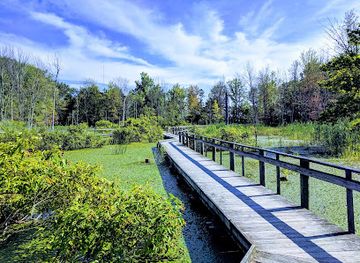
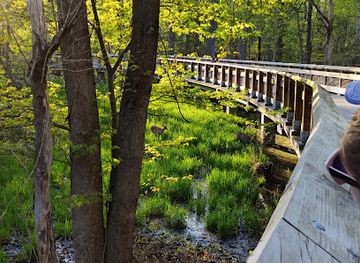
The defining landmark of the central Maumee Valley is the river itself, whose broad channel and wooded banks organise the settlement pattern from the inland towns to Toledo’s lakefront. Fort Meigs in Perrysburg is the region’s most important surviving military monument, with substantial earthworks showing how large-scale defensive engineering shaped the War of 1812. Toledo’s skyline and waterfront reflect its Great Lakes port identity, while the city’s historic civic and cultural buildings express the prosperity generated by glass, shipping and manufacturing. The canal-era landscape remains legible around Providence and Grand Rapids, where the former Miami and Erie Canal route and river environment reveal how nineteenth-century transport worked. Waterville’s historic centre and the Anthony Wayne Trail route also preserve links with older overland and river connections. In the natural landscape, the sandy oak woods and open habitats of Oak Openings are as distinctive as any built monument, while the Maumee’s lakeward reach provides a geographical landmark that explains Toledo’s long commercial importance.
-
State park
Maumee Bay State Park
Explore the enchanting landscapes of Maumee Bay State Park, where nature, recreation, and relaxation come together on the shores of Lake Erie.
-
Park
Side Cut Metropark
Explore Side Cut Metropark, a charming natural oasis in Ohio offering scenic trails, historic views, and a wealth of outdoor activities for all ages.
-
Open air museum
Fort Meigs Historic Site
Explore the historic Fort Meigs, a remarkable open-air museum showcasing the pivotal role of the War of 1812 in American history.
-
Park
Providence Metropark
Explore the scenic trails, historic buildings, and diverse wildlife of Providence Metropark – a true natural gem in Grand Rapids, Ohio.

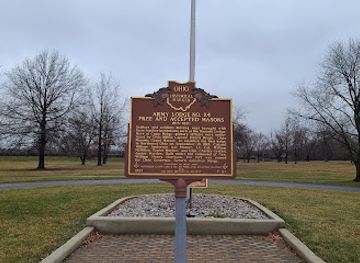

Explore Maumee Valley on the map
Plan your trip on one map. See where the top cities, national parks and sights are, and book hotels and experiences in a few clicks.
Best hotels in Maumee Valley
Best restaurants in Maumee Valley
Dining in the Maumee Valley reflects northwest Ohio’s position between productive farmland and the Great Lakes. Toledo has the broadest choice, ranging from long-established neighbourhood restaurants and casual diners to contemporary kitchens, bakeries and international food shaped by the city’s diverse population. River towns such as Maumee and Perrysburg offer pubs, cafés and independent restaurants, while smaller communities tend towards family-run establishments, seasonal farm stands and traditional American fare. Lake Erie and the wider Great Lakes influence local menus, although visitors should distinguish regional availability from claims that a particular dish originated here. Farmers’ markets are useful for Ohio produce, baked goods and prepared foods, especially in warmer months. Craft beer is prominent in the area’s modern dining culture, and restaurants often serve locally made beer alongside familiar Midwestern dishes. Reservations are sensible for popular evening dining, while rural venues may have shorter or less predictable service hours than restaurants in Toledo.
-
Hot Dog
Tony Packo's Restaurant
Discover the delicious flavors of Toledo at Tony Packo's Restaurant, home of the iconic hot dog and rich local history.
-
Traditional American
Smokey Bones Maumee
Indulge in authentic barbecue flavors at Smokey Bones Maumee - where every bite tells a delicious story.
-
Restaurant
Ye Olde Durty Bird
Discover the flavors of America at Ye Olde Durty Bird – where comfort food meets a family-friendly atmosphere in the heart of Toledo.
-
Steak
LongHorn Steakhouse
Experience mouthwatering steaks and traditional American dishes at LongHorn Steakhouse in Maumee - where flavor meets hospitality.


Best bars in Maumee Valley
Evening life is concentrated in Toledo, Maumee and Perrysburg rather than spread evenly through the rural valley. Toledo offers traditional neighbourhood bars, breweries, cocktail-focused venues, live music and performance spaces, with options varying by district and day of the week. Maumee and Perrysburg are better known for pubs, restaurants and a sociable after-work atmosphere than for a large nightclub scene. Smaller towns along the river generally turn to taverns, community events and occasional live entertainment for evening activity. The region’s breweries provide a contemporary alternative to the conventional bar, but visitors should check current arrangements before relying on a particular venue. Outside the urban corridor, a car is usually necessary and late-night transport choices are limited, so plan a safe return rather than drinking and driving.
-
American
Cracker Barrel Old Country Store
Discover the charm of Cracker Barrel Old Country Store in Maumee, Ohio, where Southern cuisine meets nostalgic Americana in a welcoming atmosphere.
-
American
Smokey Bones Maumee
Experience the best of American barbecue at Smokey Bones Maumee, where savory dishes meet a vibrant atmosphere for an unforgettable dining experience.
-
Steak
LongHorn Steakhouse
Experience the best of American cuisine at LongHorn Steakhouse in Maumee, Ohio, where mouthwatering steaks and a family-friendly atmosphere await.
-
Brewpub
Maumee Bay Brewing Company
Enjoy a unique brewpub experience with craft beers and delicious local cuisine at Maumee Bay Brewing Company in Toledo, Ohio.


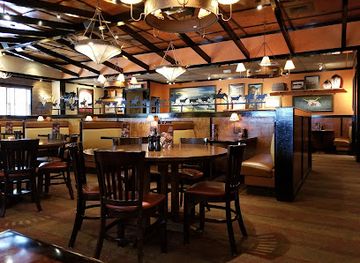

Best nightclubs in Maumee Valley
Evening life is concentrated in Toledo, Maumee and Perrysburg rather than spread evenly through the rural valley. Toledo offers traditional neighbourhood bars, breweries, cocktail-focused venues, live music and performance spaces, with options varying by district and day of the week. Maumee and Perrysburg are better known for pubs, restaurants and a sociable after-work atmosphere than for a large nightclub scene. Smaller towns along the river generally turn to taverns, community events and occasional live entertainment for evening activity. The region’s breweries provide a contemporary alternative to the conventional bar, but visitors should check current arrangements before relying on a particular venue. Outside the urban corridor, a car is usually necessary and late-night transport choices are limited, so plan a safe return rather than drinking and driving.
-
Comedy club
Funny Bone Comedy Club
Experience the best of comedy and nightlife at Funny Bone Comedy Club in Perrysburg, Ohio, where laughter and good times never end.
-
Restaurant
The Bay Restaurant & Nightclub
Experience the vibrant fusion of dining and nightlife at The Bay Restaurant & Nightclub in Toledo, where every visit is a celebration.
-
Hotel
Holiday Inn Toledo-Maumee (I-80/90), an IHG Hotel
Experience comfort and convenience at Holiday Inn Toledo-Maumee, your home away from home in the heart of Ohio.
-
Bar
Levi & Lilac's Whiskey Room
Discover Levi & Lilac's Whiskey Room, a hidden gem in Maumee, Ohio, where exceptional whiskey meets delightful dining in a cozy atmosphere.
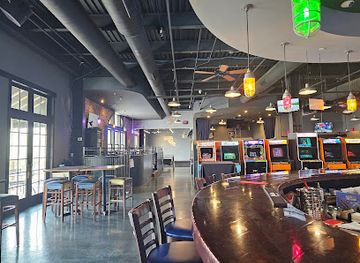
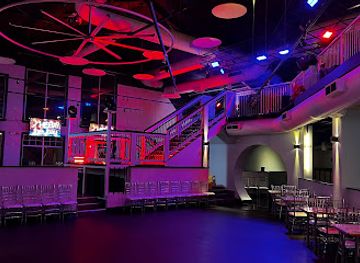


Best shops in Maumee Valley
Shopping in the Maumee Valley is centred on Toledo’s retail districts, the independent businesses of Maumee and Perrysburg, and the market culture of the surrounding farm communities. Visitors will find ordinary American high-street and suburban retail alongside galleries, bookshops, antiques, speciality food stores and locally produced goods. Farmers’ markets and seasonal farm stands are the best places to look for Ohio fruit and vegetables, baked products, preserves and other regional foods, although availability changes through the year. Perrysburg and Maumee are useful for browsing smaller independent shops near historic streets, while Toledo offers the widest selection of galleries and specialist retailers. Craft and heritage shopping is often more rewarding than searching for a single signature souvenir: glass-related design, regional artwork, locally made beer and food products connect with the valley’s industrial and agricultural character. Check market days and seasonal opening arrangements before making a dedicated trip to a rural community.
-
Shopping mall
Franklin Park Mall
Discover shopping, dining, and entertainment at Franklin Park Mall, Toledo's premier shopping destination for all ages.
-
Shopping mall
Spring Meadows Place
Explore Spring Meadows Place in Holland, Ohio: the ultimate shopping mall with diverse stores, dining options, and family-friendly entertainment.
-
Shopping mall
The Town Center at Levis Commons
Discover shopping, dining, and entertainment at The Town Center at Levis Commons in Perrysburg, Ohio - your ultimate leisure destination.
-
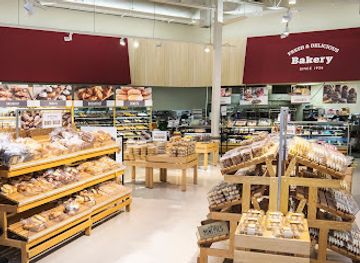
Supermarket
Meijer
Meijer in Maumee, Ohio: A versatile supermarket offering groceries, electronics, and home essentials for every traveler.


Get your free copy of our complete guide to Maumee Valley, delivered straight to you.
Everything on this page, from attractions and restaurants to essentials and local phrases, in one PDF you can read offline, print or share.
Already have an account? Sign in
Your Maumee Valley guide is ready.
We'll send it to · Not you? Sign out

Getting your guide ready…
We are putting together a fresh copy of the Maumee Valley guide. This can take up to a minute.
This can take a few moments. If your browser asks, choose Allow so the download can start. You'll find the guide in your Downloads folder.
Nothing happened? Download it again
Sorry, the guide is taking longer than usual. Please try again in a minute, or get it by email instead.
Maumee Valley essentials
Currency and Payment
Safety
Emergency Situations
Do's and Don'ts
Local Tips
From Eve
Local phrases worth knowing
You don't need to get them perfect. A few words go a long way, and locals appreciate the effort.
Basics
| English | Local | Say it |
|---|---|---|
| Hello | Hey there | [Hay thair] |
| Goodbye | See ya | [See yah] |
| Yes | Yep | [Yep] |
| No | Nope | [Nope] |
| Please/You're welcome | Sure thing | [Shoor thing] |
| Thank you | Thanks a lot | [Thangs a lot] |
| Excuse me/Sorry | Pardon me | [Pardon me] |
| How are you? | How ya doin'? | [How yah doin'?] |
| Fine. And you? | Good. And you? | [Good. And you?] |
| Do you speak English? | Do ya speak English? | [Doo yah speak English?] |
| I don't understand | I ain't got it | [I ain't got it] |
Eating & Drinking
| English | Local | Say it |
|---|---|---|
| I'd like to see the menu, please | Can I see the menu? | [Can I see the menu?] |
| I don't eat meat | I'm a vegetarian | [I'm a vege-tarian] |
| Cheers! | Cheers! | [Cheers!] |
| I would like to pay, please | Can I get the check, please? | [Can I get the check, please?] |
Emergencies
| English | Local | Say it |
|---|---|---|
| Help! | Help! | [Help!] |
| Go away! | Leave me alone! | [Leave me alone!] |
| Call the Police! | Call the cops! | [Call the cops!] |
| Call a doctor! | Get a doctor! | [Get a doctor!] |
| I'm lost | I'm turned around | [I'm turned around] |
| I'm ill | I'm not feeling well | [I'm not feeling well] |
Shopping
| English | Local | Say it |
|---|---|---|
| I'd like to buy... | I want to buy... | [I want to buy...] |
| I'm just looking | Just browsing | [Just browsing] |
| How much is it? | What’s the price? | [What's the price?] |
| That's too expensive | That's a bit pricey | [That's a bit pricey] |
| Can you lower the price? | Can ya give me a better deal? | [Can yah give me a better deal?] |
Time & Numbers
| English | Local | Say it |
|---|---|---|
| What time is it? | What time ya got? | [What time yah got?] |
| It's one o'clock | It's one | [It's one] |
| Half past (10) | Half past ten | [Half past ten] |
| Morning | Morning | [Morning] |
| Afternoon | Afternoon | [Afternoon] |
| Evening | Evening | [Evening] |
| Yesterday | Yesterday | [Yesterday] |
| Today | Today | [Today] |
| Tomorrow | Tomorrow | [Tomorrow] |
| 1 | One | [One] |
| 2 | Two | [Two] |
| 3 | Three | [Three] |
| 4 | Four | [Four] |
| 5 | Five | [Five] |
| 6 | Six | [Six] |
| 7 | Seven | [Seven] |
| 8 | Eight | [Eight] |
| 9 | Nine | [Nine] |
| 10 | Ten | [Ten] |
Transport & Directions
| English | Local | Say it |
|---|---|---|
| Where's a/the...? | Where's the nearest...? | [Where's the nearest...?] |
| What's the address? | What’s the address? | [What's the address?] |
| Can you show me (on the map)? | Can you point it out? | [Can you point it out?] |
| When's the next (bus)? | When's the next bus? | [When's the next bus?] |
| A ticket (to ....) | A ticket to ... | [A ticket to ...] |
History of Maumee Valley
Indigenous Peoples and the Maumee River
Long before European settlement, the Maumee River and its tributaries supported Indigenous communities and served as important movement and trading routes. The region was associated with peoples including the Miami, Ottawa, Potawatomi and Wyandot, whose territories and political relationships changed under pressure from colonial expansion. The river’s junction with Lake Erie made the area strategically valuable, while wetlands and forests provided fish, game and plant resources. Although much of the visible built landscape is later, Indigenous history remains fundamental to understanding the valley’s geography and the contested process by which the area became part of the United States.
The Great Black Swamp and Early Settlement
Much of northwest Ohio was once covered by the Great Black Swamp, a vast, seasonally wet landscape extending across the Maumee basin. Heavy forest, poor drainage and difficult roads limited large-scale settlement during the early nineteenth century. Drainage ditches, road construction and agricultural clearing gradually transformed the swamp into productive farmland, but they also caused major ecological change. The region’s remarkably flat terrain, fertile soils and surviving wetland fragments are direct legacies of this transformation. Modern nature preserves and Metroparks protect portions of the habitats that once dominated the valley.
Fort Meigs and the War of 1812
During the War of 1812, the Maumee corridor became a military frontier between the United States and British forces based in Canada. Fort Meigs, built on the south bank of the river at Perrysburg, was one of the largest wooden fortifications in North America and endured a major British and Indigenous siege in 1813. Its position protected the route towards Lake Erie and the interior of Ohio. The reconstructed fort and extensive earthworks now form one of the region’s most important historic sites, helping visitors understand the logistical and political importance of the river valley.
Canals, River Ports and the Toledo War
Improved waterways and canals changed the Maumee Valley during the nineteenth century. The Miami and Erie Canal connected the Ohio River system with Lake Erie, encouraging the growth of river ports, warehouses and market towns. Waterville, Providence and other communities retain traces of this canal-era development, while Toledo expanded as a lake port and transport centre. The city was also central to the Toledo War, a boundary dispute between Ohio and Michigan in the 1830s. Though largely political rather than military, the dispute demonstrated the strategic value of the Maumee’s outlet to Lake Erie.
Toledo’s Industrial and Maritime Expansion
Railways, lake shipping and manufacturing turned Toledo into a major industrial city during the late nineteenth and early twentieth centuries. Its location at the western end of Lake Erie supported grain handling, shipbuilding, metalworking and connections with the interior. Glassmaking became particularly important, earning Toledo the nickname ‘The Glass City’; later, automotive manufacturing and related industries reshaped employment and the urban landscape. The port and waterfront remain central to the city’s identity, while museums and preserved industrial infrastructure interpret the commercial networks that connected the Maumee Valley with the wider Great Lakes.
Twentieth-Century Cultural and Environmental Change
The twentieth century brought both economic diversification and environmental pressure. Toledo developed respected cultural institutions, including the Toledo Museum of Art, while suburban growth and industry altered the river and lake shore. Pollution in the Maumee watershed and Lake Erie eventually prompted stronger environmental regulation, wastewater treatment and habitat restoration. Today, the valley’s identity includes both its industrial inheritance and efforts to protect wetlands, waterways and wildlife. Metroparks, restored riverfronts and public museums present a more layered regional story than the older image of northwest Ohio as solely agricultural or industrial.
Maumee Valley in Photos
Browse through our photo collection highlighting the charm and character of the destination.
Neighbouring regions of Maumee Valley
The closest regions to Maumee Valley, if you have time for more than one.
-

-

-

-

-


Swipe for more regions
Explore more

Explore more of Ohio
Explore Ohio's vibrant cities, rich history, and stunning natural landscapes. From bustling urban centers to serene state parks, Ohio offers diverse attractions for every traveler.
Explore Ohio